If you’re interested in digital health tracking, your nightstand probably looks like a small electronics lab. Between the smartwatch that tracks your steps, the ring that monitors your sleep, and the standard smart scale that yells a single number at you every morning, we’ve never had more data. But there is a glaring problem: all that information is scattered. Your heart rate is in one app, your weight is in another, and your recovery metrics are buried in a third. You have the data, but you lack the insight.
Withings, a pioneer in the connected health space, wants to solve this "fragmented reality." Their answer isn't just another gadget; it's a centerpiece for the modern smart home. The Withings Omnia is a conceptual smart mirror designed to act as the "brain" of your personal wellness ecosystem, pulling disparate threads of health data into a single, actionable dashboard.
The Fragmented Health Data Problem
The modern wellness journey often feels like a full-time job in data management. We collect thousands of data points every week, yet most of us can't answer a simple question: "Am I actually getting healthier?" This is because of data silos. Your fitness tracker knows you ran five miles, but it doesn't necessarily know that your body composition is shifting or that your heart’s electrical activity shows signs of fatigue.
Without centralization, data is just noise. The challenge for the modern household isn't finding more things to track; it's finding a way to make that tracking invisible and the results understandable. This is where the concept of the "Smart Home Pharmacy" or a centralized health hub becomes essential.
What is the Withings Omnia?
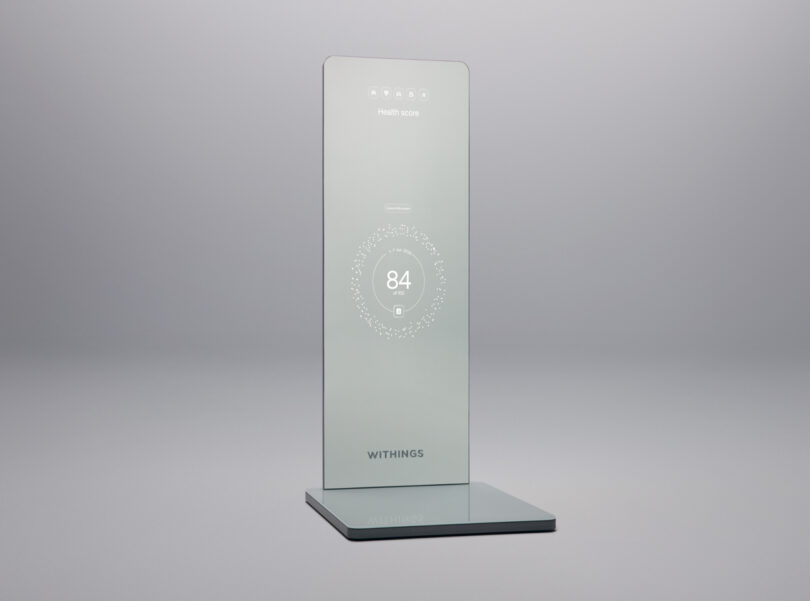
At its core, the Withings Omnia is a high-end smart mirror that integrates advanced scale technology and a generative AI health assistant. It isn't just a surface to check your reflection; it is a full-length digital display that serves as a window into your physiology.
The device utilizes a unique Dual-Component Design. The base of the unit is a sophisticated platform that mimics the technology found in clinical-grade smart scales. When you stand on it, the mirror above it springs to life. This isn't just about weight; the Omnia tracks:
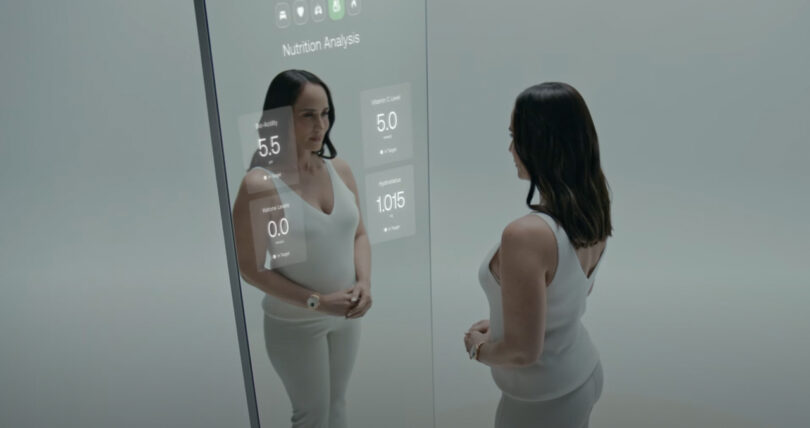
- Segmental Body Composition: Breaking down fat and muscle mass by limb and torso.
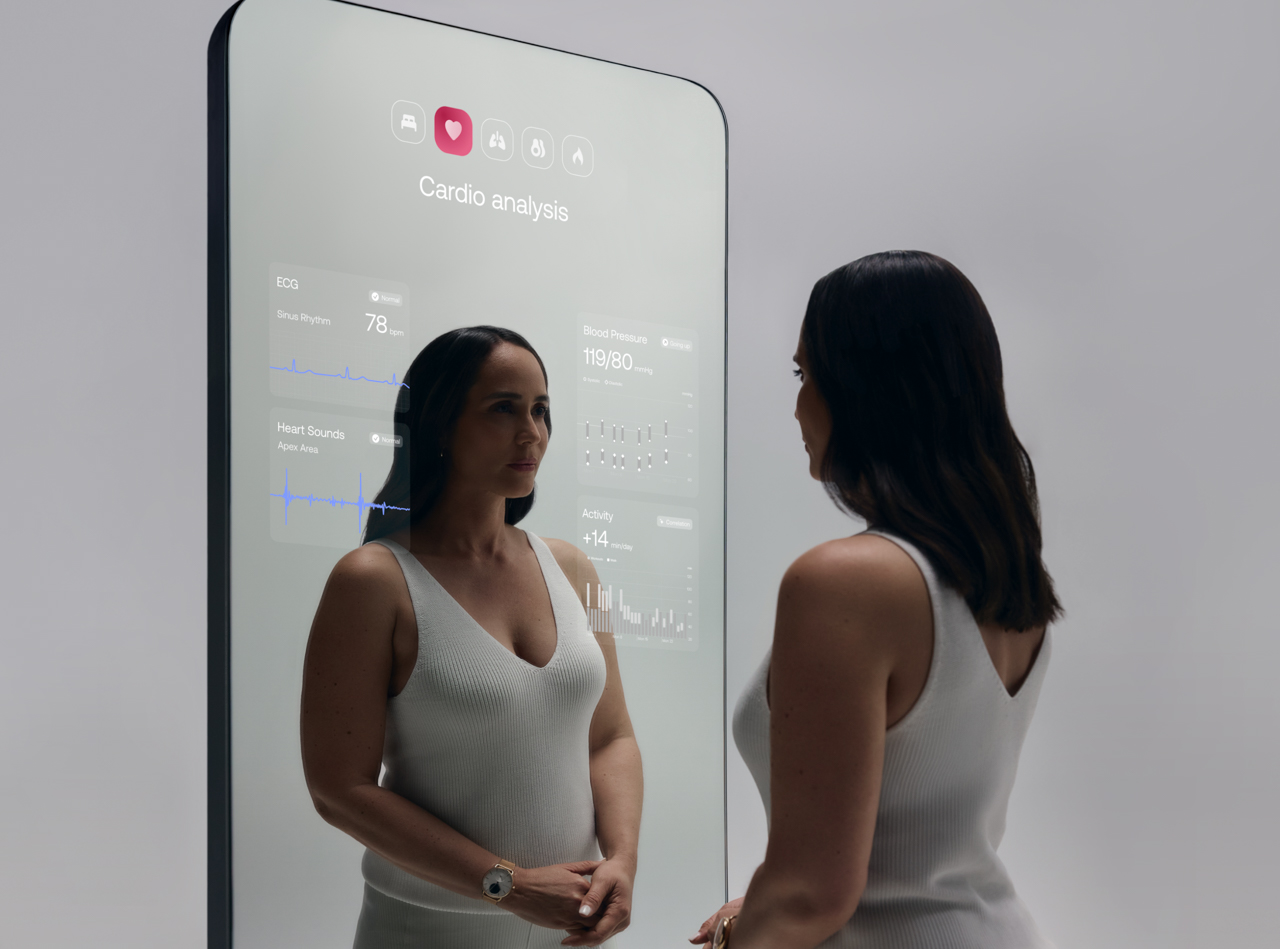
- Heart Health: Utilizing integrated sensors for FDA-cleared ECG tests to detect conditions like Atrial Fibrillation (AFib).
- Vascular Age: Assessing the health of your arteries relative to your chronological age.
- Nerve Health Score: Measuring sweat gland activity to screen for signs of peripheral autonomic neuropathy.
The Power of Centralization: Creating a Digital Wellness Ecosystem
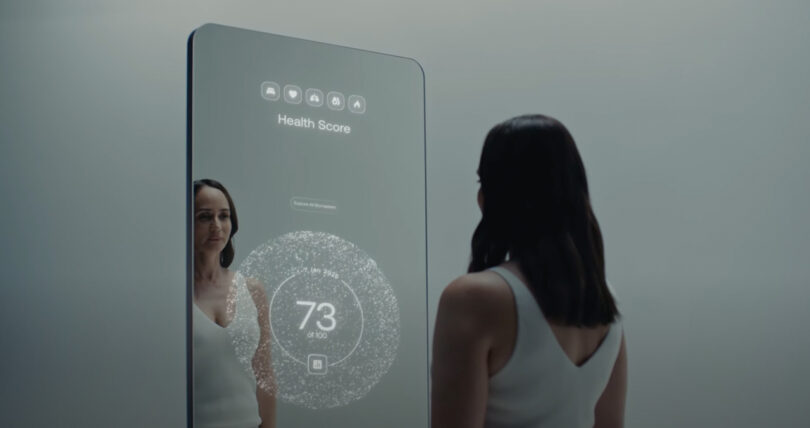
The real magic of the Omnia isn't just the sensors in the base; it’s the software’s ability to "play well with others." In a true smart home, compatibility is king. The Omnia is designed to pull data from third-party services like Apple Health, Google Fit, and Strava.
Imagine waking up and stepping onto the platform. The mirror doesn't just show your weight; it sees that your sleep ring reported poor recovery and your running app shows a high-intensity workout scheduled for today. The Unified Dashboard then synthesizes this information. It might suggest a light yoga session instead of a sprint, or alert you that your hydration levels are low based on your body composition trends over the last 48 hours.
Editor’s Tip: The value of a health ecosystem is cumulative. The longer you stay within a unified system like Withings, the more accurate the baseline trends become, allowing the AI to spot subtle deviations that might indicate a brewing health issue.
Beyond the Numbers: The Role of the AI Health Assistant
One of the biggest hurdles in home health tech is "data fatigue." Looking at a Bioelectrical Impedance Analysis (BIA) percentage doesn't mean much to the average person. The Omnia changes this by shifting from Information to Interpretation.
The integrated AI Health Assistant acts as a digital coach. Instead of just showing a number for visceral fat, the mirror explains what that fat means for your long-term metabolic health. You can interact with the mirror, asking questions like, "Why is my heart rate variability lower today?" or "How has my muscle mass changed since I started this new strength program?"
This interactive layer also bridges the gap between home tracking and professional medical care. The Omnia concept includes features for direct doctor appointment booking and the ability to generate a PDF report of your ECG results to share with a cardiologist instantly. It transforms the mirror from a passive reflection into an active participant in your healthcare.
Accuracy Check: Smart Mirrors vs. Gold-Standard DEXA Scans
As an editor, I often get asked: "How accurate are these home devices compared to a hospital scan?" It’s important to manage expectations. The Omnia uses Multi-frequency BIA (Bioelectrical Impedance Analysis). This technology sends a low-level, imperceptible electrical current through the body. By measuring how easily that current passes through different tissues (water-rich muscle vs. resistant fat), it calculates your composition.
Quick Fact: The DEXA Benchmark While clinical DEXA (Dual-energy X-ray Absorptiometry) scans are the "gold standard" with near-perfect accuracy, modern multi-frequency BIA devices typically show a 3-8 percentage point variance. However, for home use, repeatability is more important than absolute perfection.
Because you use a smart mirror at the same time and in the same conditions every morning, the trend lines it produces are incredibly accurate. If the mirror says your body fat dropped 2% over a month, that change is a reliable indicator of progress, even if the absolute number differs slightly from a medical scan.
Comparative Analysis: Standard Scales vs. The New Guard
To understand why a centralized hub like the Omnia is a leap forward, we have to look at how it compares to the devices currently sitting in most bathrooms.
| Feature | Standard Smart Scale | Withings Body Scan (Current) | Withings Omnia (Concept) |
|---|---|---|---|
| Weight Tracking | Yes | Yes | Yes |
| Heart Health | No | 6-Lead ECG | 6-Lead ECG + AI Insights |
| Body Composition | Basic (Total) | Segmental (Arms/Legs/Torso) | Segmental + Visual AI Analysis |
| User Interface | Small LCD | Color Screen on Handle | Full-Length Smart Mirror |
| 3rd Party Integration | Limited | High (Withings App) | Fully Centralized Hub |
| User Profiles | 1-4 | Up to 8 (Automatic) | Up to 8+ (Face/Voice Recog) |
From Concept to Reality: Technology You Can Use Today
While the Omnia represents the future of the connected home, the technology powering it is already here. The Withings Body Scan, which is currently available, served as the functional blueprint for the Omnia.
If you are looking to centralize your health data today, the Body Scan offers the 6-lead ECG, nerve health scores, and segmental body analysis that the Omnia promises to display on a larger scale. It also features automatic recognition for up to 8 users, meaning every member of the household gets a personalized experience without having to tap a single button.
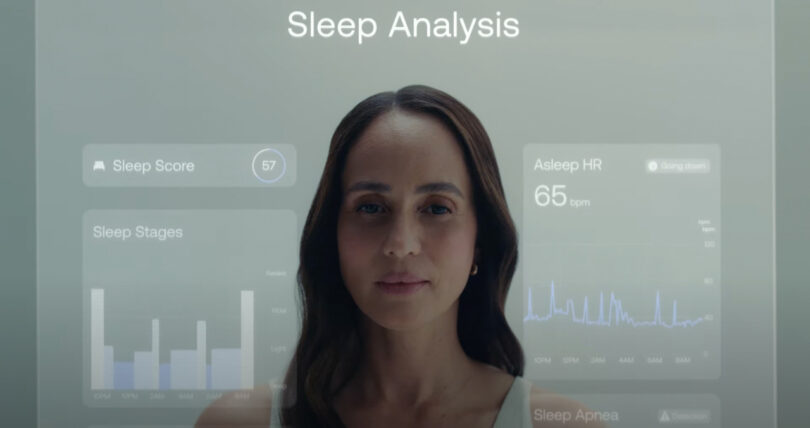
Furthermore, the Withings ecosystem already integrates sleep data from their dedicated sleep mats and activity data from their hybrid smartwatches. This "24-hour health picture" is the foundation upon which the Omnia is built.
Conclusion: The Future of the Smart Home Pharmacy
The transition from reactive to proactive health monitoring is the most significant shift in modern home automation. We are moving away from devices that simply tell us we are sick, toward ecosystems that help us stay well.
The Withings Omnia isn't just about vanity; it’s about visibility. By centralizing your vitals and using AI to interpret the "why" behind the numbers, it removes the friction of health tracking. It turns a fragmented mess of apps into a cohesive, daily habit. As we continue to build out our connected homes, the smart mirror may well become the most important screen in the house—one that doesn't just show us our reflection, but our future health.
FAQ
Can the Withings Omnia replace a regular doctor's visit? No. While the Omnia provides medical-grade data like ECGs and nerve health scores, it is designed to be a screening and monitoring tool. It helps you gather data to share with a healthcare professional, but it cannot provide a formal medical diagnosis.
How does the mirror handle privacy for multiple family members? The system is designed with privacy at the forefront. Using either voice recognition or facial "biometric signatures" (similar to FaceID), the mirror only displays your personal health data when it recognizes you are the one standing on the platform.
Does it work if I have a pacemaker? Generally, devices using BIA (Bioelectrical Impedance Analysis) are not recommended for individuals with pacemakers or other internal medical devices, as the small electrical current could interfere with the device's operation. Always consult your physician before using BIA-based technology.