Quick Facts: Molteni Storage Systems at a Glance
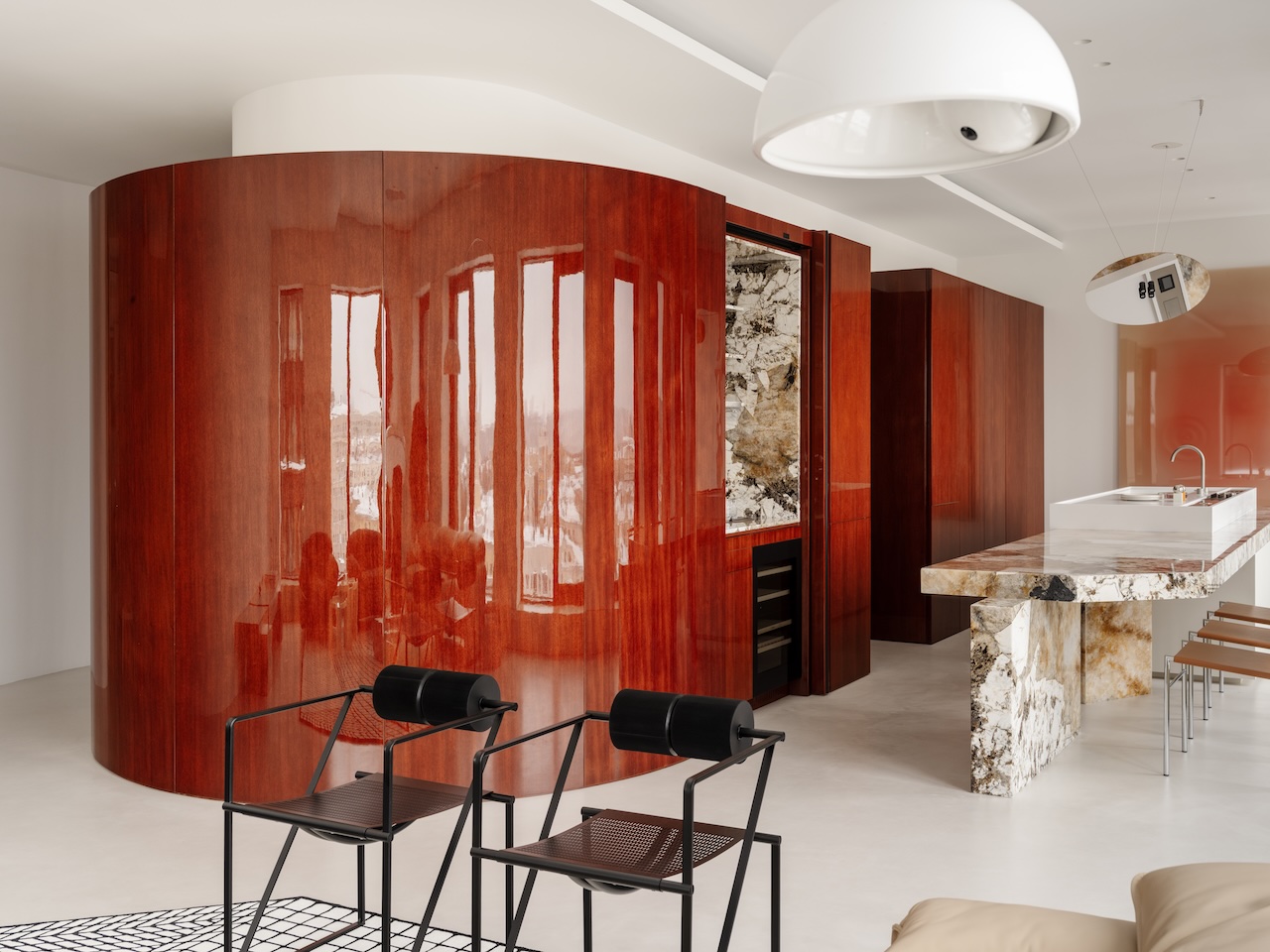
- Primary Function: Beyond mere storage, these systems act as architectural 'cores,' functioning as room dividers, gallery walls, and spatial delineators.
- Structural Integrity: 2026 modular components feature advanced structural ratings supporting up to 200 lbs, ideal for large-scale media, sculptures, or extensive art book collections.
- Lead Times: Average lead times for custom Italian modular cabinetry range from 4 to 8 weeks, depending on the complexity of the specification and material availability.
- Investment Tiers:
- Entry-Point Installations: Starting at $20,000 for essential premium modular configurations.
- Bespoke Architectural Projects: Custom, full-residence systems often scale between $100,000 and $200,000+.
As an interior design editor, I have witnessed the gradual blurring of lines between furniture and the very bones of a home. We are no longer in an era where cabinetry is a secondary thought, tucked away into the recesses of a room. In the visionary landscapes of 2026, storage has undergone a radical metamorphosis. It has evolved from a utilitarian necessity into what I call "Spatial Art."
Nowhere is this evolution more evident than in the recent collections from Molteni&C. To look at a Molteni storage system is to look at the structural logic of a building. These systems do not just sit within a space; they define it. They serve as architectural cores that bridge the gap between functional furniture and high art, acting as the primary guides for circulation and light within the modern luxury residence.
The Design Philosophy: Storage as an Architectural Core
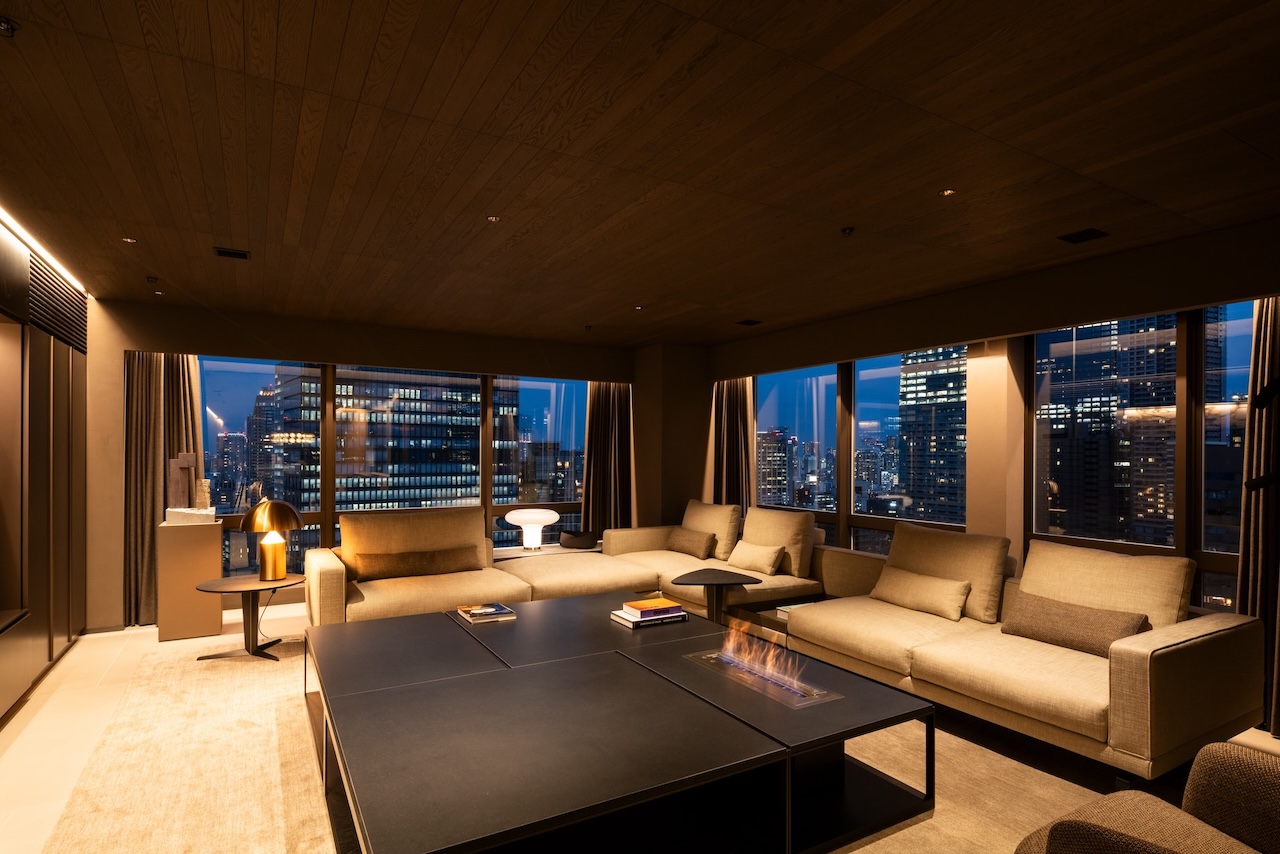
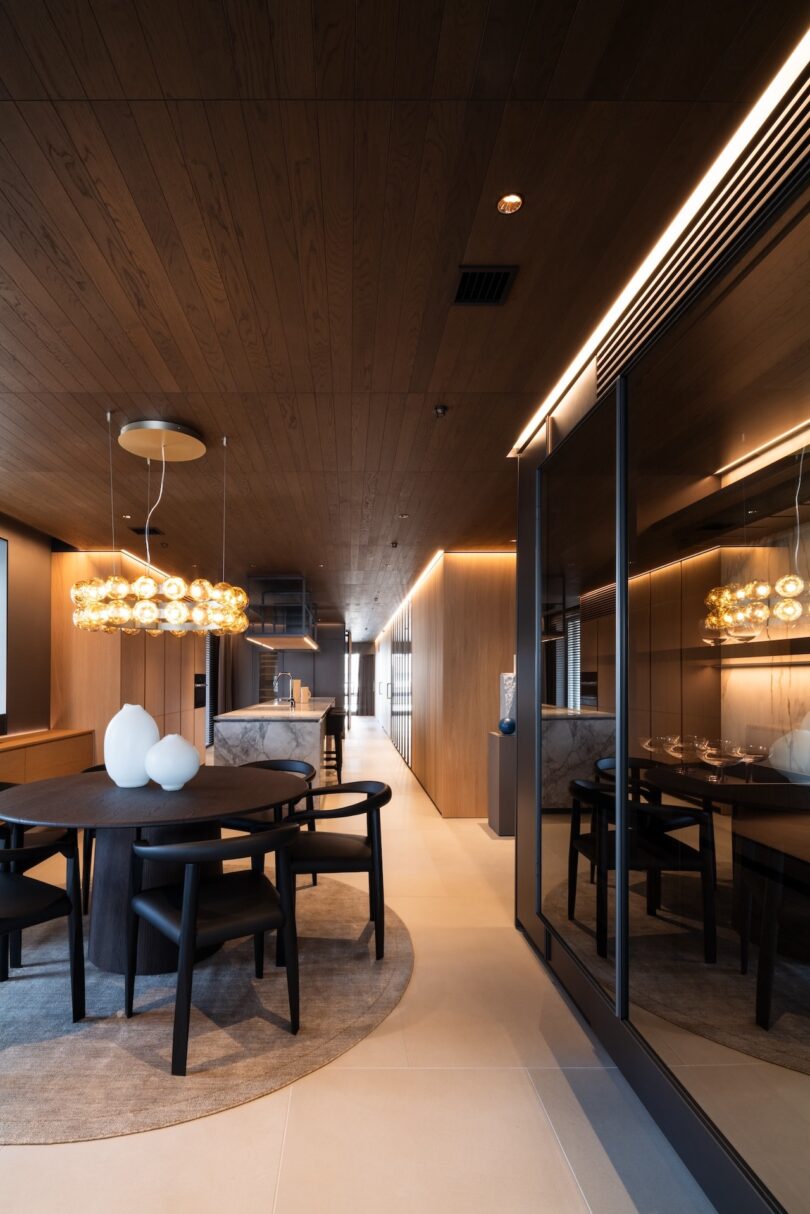
When we examine the philosophy behind contemporary Italian cabinetry, we must look at the "choreography of movement." In my recent consultations with architects, the recurring theme is "transparency and volume." A standout example of this is the collaboration between APOLLO Architects and Molteni, specifically the Morandi I project. Here, cabinetry isn't merely used to hold belongings; it is used to hold the house together.
By utilizing modular systems as room dividers, designers are able to create "gallery walls" that display curated objects while simultaneously hiding the clutter of daily life. This approach draws heavily from the intersection of Italian design rigor and Japanese spatial concepts—where the "Ma" (the space between) is just as important as the object itself. The cabinetry becomes a circulation guide, directing the eye and the body through a sequence of interconnected "scenes."
Designer Tip: When planning a large-scale storage installation, think of it as a "spatial delineator." Instead of a standard drywall partition, use a double-sided Molteni unit to separate a master suite from a dressing area. This adds both functional depth and architectural interest without closing off the flow of light.
Key Trends for 2026: The Modern Italian Aesthetic
The aesthetic for 2026 is one of "Controlled Minimalism." We are moving away from the cold, clinical whites of the past decade and toward a palette that feels more grounded and "human."
One of the most significant shifts is the rise of handleless Gola profiles and integrated finger pulls. This design choice removes visual noise, allowing the materiality of the cabinetry to speak for itself. Furthermore, structural innovations have reached a new peak. Modern modular components, particularly those utilizing high-end plywood and reinforced aluminum frames, now feature structural ratings of up to 200 lbs. This allows homeowners to integrate massive media displays or heavy stone sculptures directly into the shelving units without compromising the lean, minimalist silhouette.
What to watch for in 2026:
- Matte Neutral Finishes: Expect to see a surge in "Greige," "Sand," and "Basalt." These aren't just colors; they are textures.
- Soft-Touch Coatings: New anti-fingerprint lacquers ensure that even the most used surfaces remain pristine, a must for high-traffic Italian kitchen designs.
- Integrated Illumination: Lighting is no longer an afterthought. In 2026, micro-LED strips are recessed into the structural frames, creating a "floating" effect for displayed items.
Materiality and Controlled Luxury
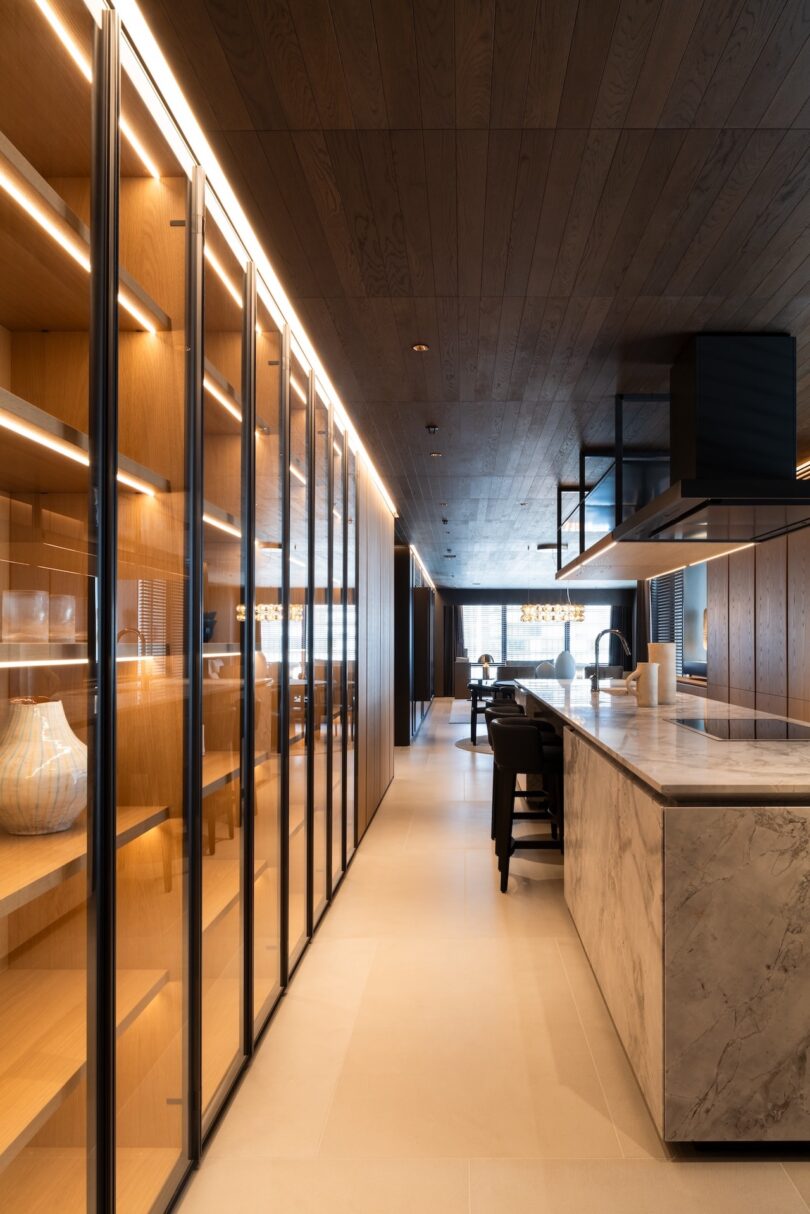
In my years of styling luxury spaces, I’ve found that true luxury is found in the contrast of textures. Molteni’s 2026 direction emphasizes "Material Tension"—the juxtaposition of warm, organic elements against cold, industrial ones.
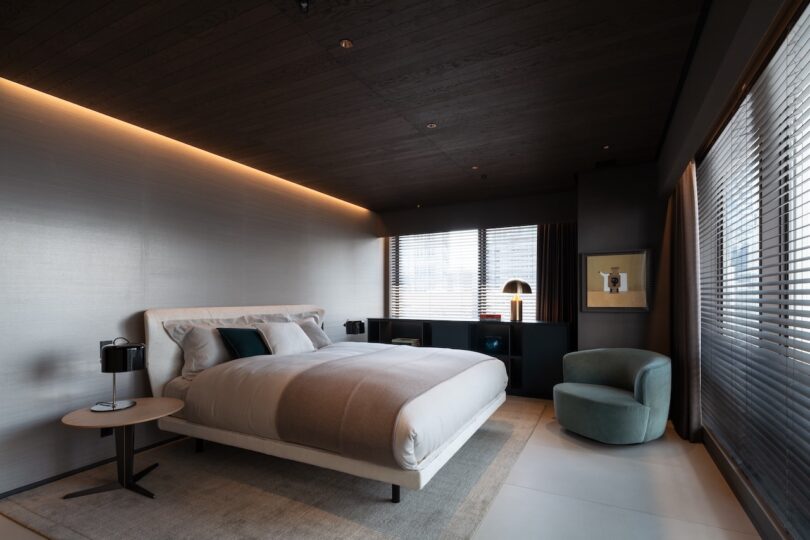
Consider the visual impact of natural oak doors set against a backdrop of dark oak ceiling panels. To elevate this further, designers are increasingly framing these storage units with high-end accents like silver travertine or Ceppo stone. This "framing" technique turns a closet into a monumental installation.
The 2026 Material Palette:
- Sustainable Woods: FSC-certified natural oak and walnut remain the gold standard, treated with low-VOC lacquers to maintain indoor air quality.
- Architectural Stone: Using stone not just for countertops, but as vertical "end caps" for storage modules.
- Reflective Translucency: Smoked glass and "stopsol" finishes that offer a glimpse of what's inside while maintaining a sense of mystery and order.
The Choreography of Movement
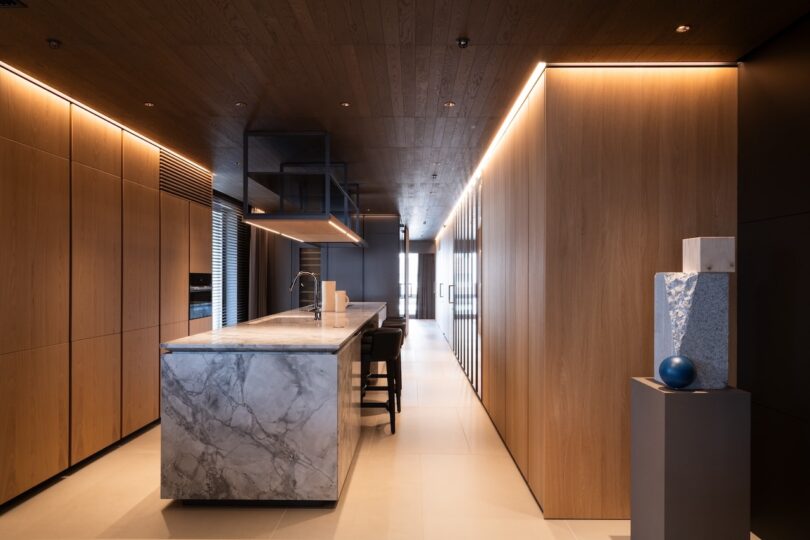
Beyond the aesthetic, the functionality of these systems lies in how they integrate with the ceiling and floor. In sophisticated 2026 layouts, we see the storage units extending their narrative to the ceiling through matching panels. This creates a "cocooning" effect, where the furniture feels like a bespoke part of the home's shell rather than an additive piece.
This unity is essential for creating a cohesive spatial narrative. When the wardrobe in the bedroom shares the same wood species and formal language as the shelving in the living area, the home feels harmonized. It’s a holistic approach to living where the "storage" is the invisible thread connecting every room.
Planning Your Investment: Pricing and Lead Times
Investing in a Molteni storage system is a commitment to longevity and architectural value. For my readers who are planning renovations or new builds, understanding the financial and logistical landscape is crucial.
High-end Italian modular cabinetry is a premium category. An entry-point installation—perhaps a sophisticated walk-in closet or a streamlined kitchen island—typically starts at $20,000. However, for those looking at bespoke, full-height architectural configurations that span entire rooms or include rare stone integrations, the investment can reach several hundred thousand dollars.
| Component Type | Entry-Point Investment | Bespoke Luxury Level | Typical Lead Time |
|---|---|---|---|
| Kitchen Systems | $25,000+ | $150,000+ | 6 - 8 Weeks |
| Wardrobe/Closets | $20,000+ | $120,000+ | 4 - 6 Weeks |
| Living/Media Units | $15,000+ | $80,000+ | 4 - 6 Weeks |
| Architectural Dividers | $30,000+ | $200,000+ | 8+ Weeks |
It is important to note that these lead times (averaging 4 to 8 weeks) represent the manufacturing phase. When dealing with specialized imported systems from Italy, I always advise my clients to factor in an additional 4 weeks for international shipping and white-glove installation.
Expanding the Ethos: The 2026 Outdoor Collection
The narrative of spatial art does not stop at the glass doors of your patio. Creative Director Vincent Van Duysen has pushed the Molteni ethos into the open air with the 'Soleva' system.
The challenge with outdoor storage has always been durability without sacrificing the "indoor" aesthetic. In 2026, we see the use of marine plywood slats and powder-coated aluminum frames that mimic the refined profiles of interior cabinetry. This allows for a seamless transition, where the interior storage logic flows directly into the outdoor kitchen or lounge area, creating a truly unified living environment.
FAQ: Navigating Luxury Cabinetry
1. Why is there such a wide range in pricing for Italian storage systems? The price is dictated by three factors: material rarity (e.g., specific marble vs. laminate), the level of internal customization (automated lighting, specialized jewelry drawers), and the structural complexity of the installation (e.g., floor-to-ceiling units that require structural reinforcement).
2. Can these modular systems be moved if I relocate? While technically modular, these systems are often precision-fitted to the specific dimensions of a room. While individual modules can be moved, the "architectural" aspect—the fillers, lighting integrations, and custom panels—is usually site-specific.
3. What is the most durable finish for a high-traffic family kitchen in 2026? I recommend the new generation of anti-fingerprint matte lacquers or Fenix-NTM surfaces. They provide the sophisticated look of a designer kitchen but are incredibly resilient against scratches and oily smudges from daily use.
Elevate Your Space
As we look toward the design landscape of 2026, it’s clear that the homes which stand the test of time are those where every element serves a dual purpose: function and form. Molteni storage systems offer more than just a place to put your things; they offer a way to organize your life within a work of art.
Whether you are starting with a single modular unit or reimagining your entire home’s architectural core, remember that storage is the foundation of a serene, well-curated life. Choose materials that resonate with your touch, colors that calm your eye, and systems that move with the rhythm of your home.
Looking to redefine your living space? Contact our editorial team for a curated list of authorized Molteni partners and bespoke interior stylists in your region.