Quick Facts
- What it is: A sunrise alarm clock is a science-backed device that mimics natural dawn by gradually increasing light intensity, easing the body into a natural wake state.
- The Problem: "Digital fatigue" caused by blue light from smartphones disrupts our circadian rhythm, leading to morning grogginess and poor sleep quality.
- The Benefit: Research shows simulating a natural sunrise can reduce sleep inertia by up to 35% and increase restorative deep sleep by 45 minutes per night.
- The Design Choice: The Heatherwick x Tala 'Wake' light is the 2026 standout for those seeking "analogue calm" through premium materials and tactile controls.
- Compatibility: Modern sleep lights now integrate with smart home ecosystems like Matter and Apple Home, though manual tactile controls remain a premium preference.
We’ve all been there: the blue-tinted glow of a smartphone screen at 11:30 PM, chasing one more notification or scrolling through a never-ending feed. This "midnight scrolling" isn't just a bad habit; it’s a direct assault on our biological clock. Our bedrooms, once intended to be sacred sanctuaries for rest, have become extensions of our digital offices and social lives. The result is a phenomenon known as digital fatigue—a state of chronic exhaustion where the brain is overstimulated by blue light and the body is stripped of its natural cues to wind down. To reclaim our sleep, we must evict the smartphone from the bedside table and replace it with something that speaks the language of our biology.
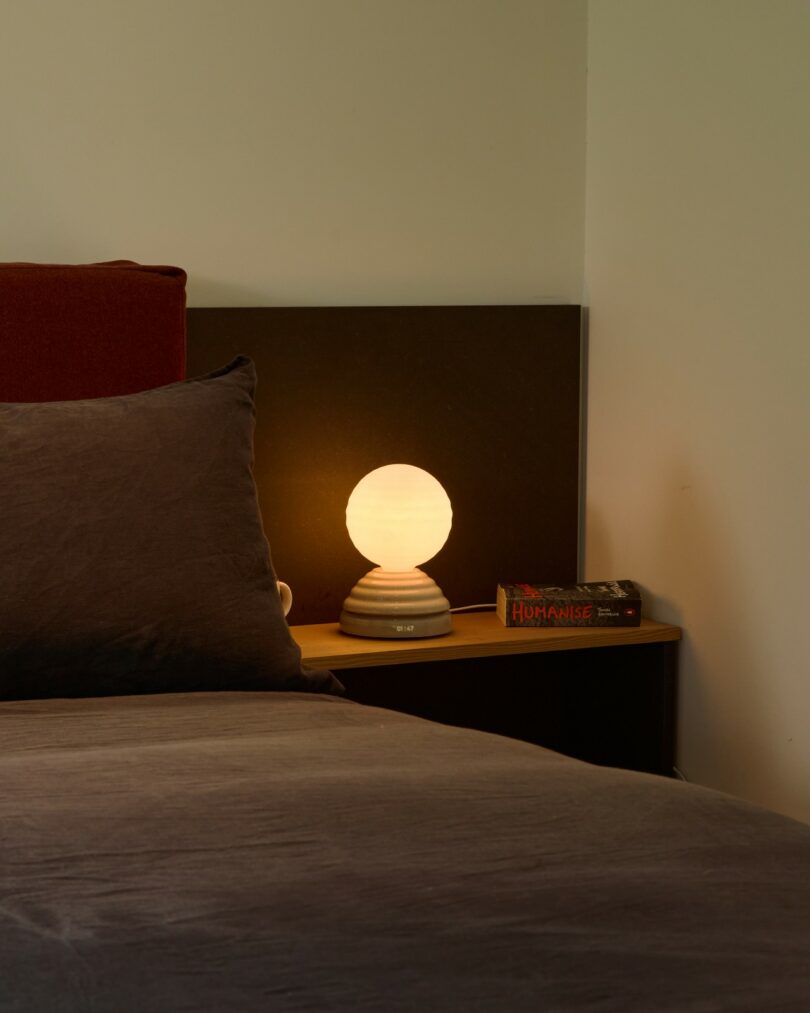
The ultimate antidote to this digital disruption is the sunrise alarm clock. As a smart home editor, I’ve tested dozens of devices designed to "optimize" our lives, but few have as profound an impact on daily well-being as a dedicated sleep light. It is more than just a lamp; it is a bridge back to a more natural, analogue way of living.
The Science of Light: Why Your Brain Craves a Natural Wake-up
To understand why a sunrise alarm clock works, we have to look at the Suprachiasmatic Nucleus (SCN)—the tiny region of the brain that acts as our internal master clock. This "clock" is incredibly sensitive to light. When your eyes (even through closed eyelids) detect the gradual increase of light in the morning, the SCN signals the body to suppress melatonin—the sleep hormone—and begin producing cortisol, the hormone that prepares us for action.
What exactly is a sunrise alarm clock? At its core, a sunrise alarm clock is a light-therapy device that mimics the solar arc. Unlike a traditional alarm that jolts you out of a deep sleep cycle with a harsh audio tone, a sunrise alarm begins illuminating 20 to 40 minutes before your desired wake time. It starts with a deep, low-frequency red, transitions through warm oranges, and finishes with a bright, energizing white or soft yellow.
Noah’s Pro Tip: The transition from deep sleep to wakefulness is known as the "hypnopompic state." When this is interrupted by a loud beeping, we experience "sleep inertia"—that heavy, confused feeling that can last for hours. By using light to transition the brain before the sound even begins, you bypass the worst of this grogginess.
The impact is backed by significant data. Studies on circadian lighting indicate that simulating a natural sunrise can reduce sleep inertia and morning grogginess by up to 35% compared to traditional digital alarms. Instead of fighting your biology, you are working with it.
The Design Icon: Heatherwick x Tala 'Wake' and the Return of Analogue Calm
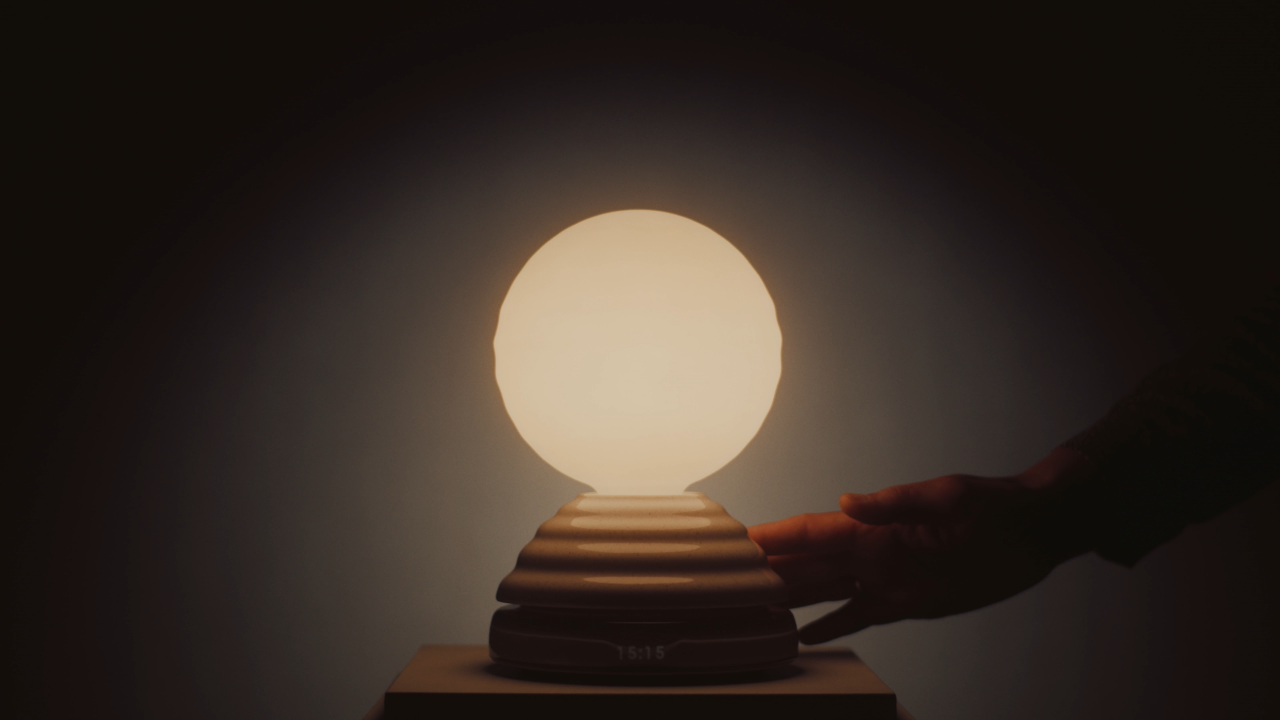
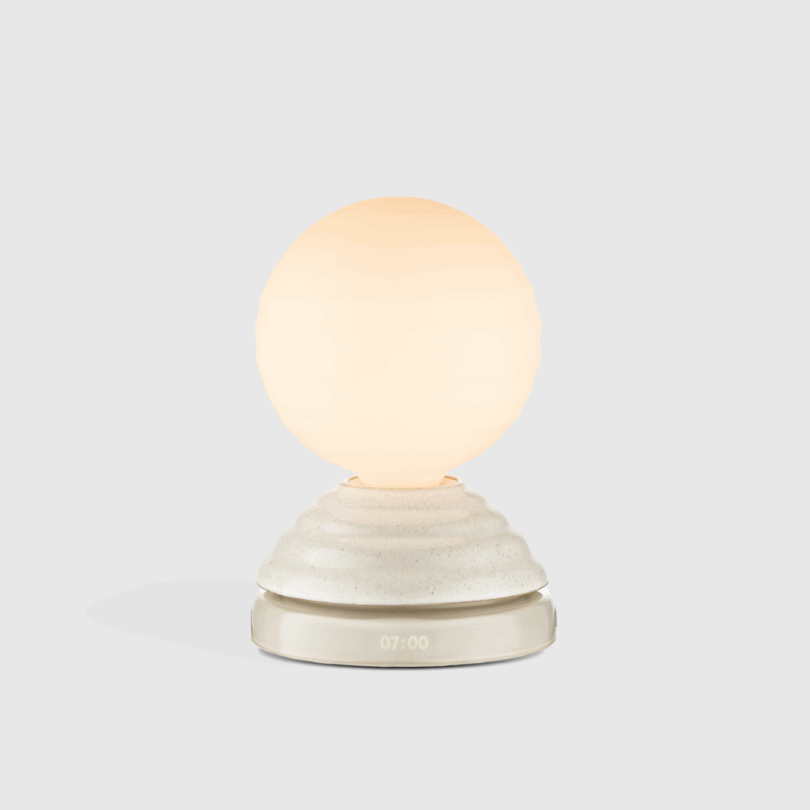
While the market is flooded with plastic, app-heavy gadgets, the collaboration between the world-renowned Heatherwick Studio and British lighting brand Tala has produced something truly unique: the Wake light. This isn't just a smart device; it’s a piece of functional art designed to restore "analogue calm" to the bedroom.
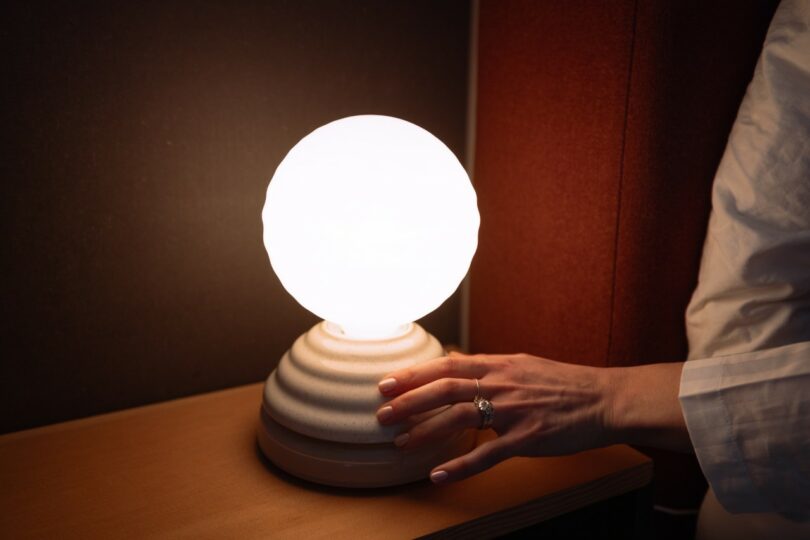
What makes the Heatherwick x Tala Wake light unique? Most smart home devices demand more of your screen time to set them up. The Wake light does the opposite. It features a science-led 'Sleep Protocol' that encourages you to put the phone away entirely. What sets it apart is its tactile philosophy. Instead of swiping a glass screen, you interact with a beautifully weighted, rotating ceramic dial. The base is textured, and the light is housed in a bespoke glass geometry that diffuses the spectrum perfectly.
The 'Sleep Protocol' is a curated experience. As you wind down, the light shifts into a deep amber glow—specifically calibrated to avoid the blue spectrum that suppresses melatonin. Simultaneously, it can play immersive soundscapes, like the gentle rustle of a rainforest or distant waves, which are woven into the light’s fade-out sequence. It transforms the act of "going to bed" from a chore into a ritual.
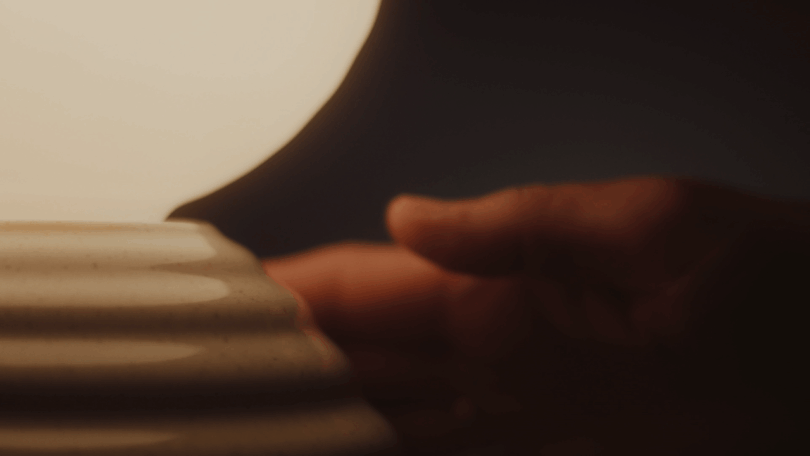
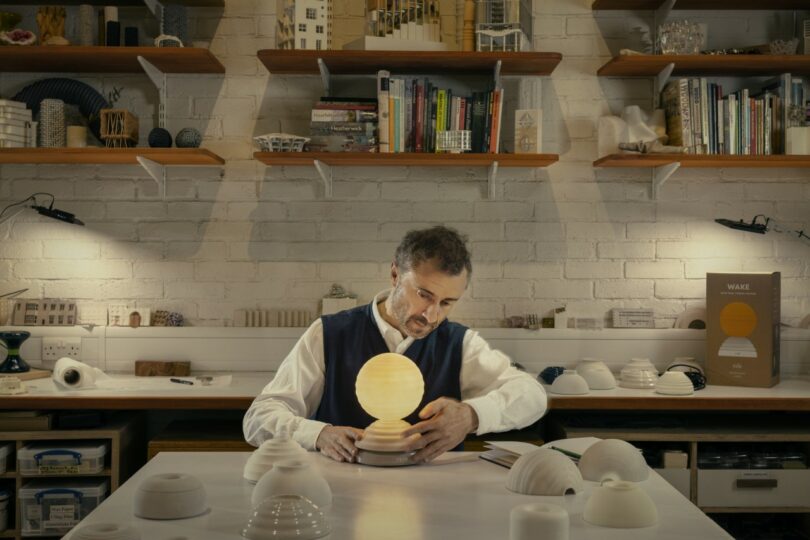
This partnership represents a shift in smart home philosophy. Heatherwick Studio is known for large-scale architectural wonders like Vessel in New York and the UK Pavilion in Shanghai. Bringing that level of design rigor to a bedside object shows a deep respect for the sacredness of sleep.
The 2026 Top Picks: Best Sunrise Alarm Clocks for Every Bedroom
While the Heatherwick x Tala Wake is the pinnacle of design, the 2026 market offers several excellent options depending on your specific needs, whether you prioritize smart home integration or budget-friendly features.
| Model | Best For | Key Feature | Connectivity |
|---|---|---|---|
| Heatherwick x Tala Wake | Design Enthusiasts | Tactile ceramic dial & Sleep Protocol | Bluetooth / Manual |
| Hatch Restore 3 | Smart Home Power Users | Massive sound library & Matter support | Wi-Fi / App |
| Casper Glow Light | Minimalists | Portable, "flip-to-off" gesture control | Bluetooth / App |
| Dekala Arches | Value Seekers | Built-in wireless phone charging | Wi-Fi / Voice Control |
| Hatch Rest+ | Children/Nurseries | Toddler-proof design & nightlight | Wi-Fi |
Best Overall: Hatch Restore 3
The Restore 3 remains the heavy hitter in the space. It offers the most customization of any device I’ve tested. You can create a "pathway" that includes a reading light (no blue light!), followed by a breathing exercise, a rain soundscape, and finally, a sunset fade. It’s highly reliable and integrates seamlessly with larger smart home ecosystems.
Best for Versatility: Casper Glow Light
What I love about the Casper Glow is its portability. It’s a small, warm orb that charges on a base but can be picked up and carried. If you need to get up in the middle of the night, you just give it a gentle shake to activate a dim, warm light that won't kill your night vision. To turn it off, you simply flip it over. It’s incredibly intuitive.
Best Value: Dekala Arches
If you want the benefits of a sunrise alarm without the premium price tag, the Dekala Arches is a fantastic entry point. It mimics the higher-end models with a sleek, arching design and includes a built-in wireless charging pad—though I’d argue you should use that for your watch rather than your phone to keep the "digital fatigue" at bay!
Beating Digital Fatigue: A New Nightly Ritual
Simply buying a light isn't enough; you need a strategy to beat digital fatigue. The most effective method is a dedicated wind-down routine that replaces smartphone use.
How does a sunrise glow help with digital fatigue? Digital fatigue is as much about the absence of natural cues as it is the presence of digital ones. By introducing a sunset glow (deep reds and oranges) 30 minutes before bed, you signal to your brain that the day is over. Users who replace bedside smartphone use with a dedicated sunrise/sunset wind-down routine report an average increase of 45 minutes of deep restorative sleep per night.
The 30-Minute Wind-Down Protocol:
- T-Minus 30 Mins: Activate the "Sunset" mode on your light. Set your phone to "Do Not Disturb" and place it in another room or inside a drawer.
- T-Minus 20 Mins: Engage in a tactile activity. Read a physical book, write in a journal, or use the rotating dial on a device like the Wake to select a soothing soundscape.
- T-Minus 10 Mins: Allow the light to fade into a deep amber or red. This specific spectrum is crucial as it does not interfere with your body's natural production of melatonin.
- Morning: Let the light do the work. Set the sunrise to begin 30 minutes before you actually need to be out of bed.
DIY Budget Tip: If you aren't ready to invest in a dedicated alarm clock, you can mimic this setup using smart bulbs like Lifx or Philips Hue. Most smart bulb apps have a "Wake Up" automation that can fade a lamp from 1% to 100% over 30 minutes. It lacks the tactile beauty of a Heatherwick piece, but the biological benefit remains the same.
Choosing the Right Light: A 2026 Buyer's Guide
When shopping for a sunrise alarm this year, look beyond just the price tag. Consider these three factors:
- Light Intensity Customization: Some people are light-sensitive and only need 100 lux to wake up, while others need 300+ lux (the equivalent of a bright office) to feel alert. Ensure your device allows you to set the maximum brightness.
- The "Red Light" Factor: Many cheaper LED clocks use "warm white" for their sunset mode, which still contains blue light. Look for devices that specifically mention a red or deep amber spectrum for the evening.
- App Dependency: If your goal is to reduce digital fatigue, a device that requires you to open an app every night to set the alarm is counterproductive. Look for units like the Hatch Restore or Tala Wake that allow for physical, manual control once the initial setup is done.
FAQ: Your Sleep Lighting Questions Answered
Q: Can I just use a smart bulb instead of a sunrise alarm clock? A: Yes, smart bulbs can simulate the brightness increase, but they often lack the sophisticated color spectrum transitions (moving from deep red to bright white) and the integrated, high-quality audio soundscapes that make a dedicated alarm clock more effective.
Q: Will a sunrise alarm work if I sleep with an eye mask? A: It will be less effective. The science relies on light penetrating the eyelids to stimulate the SCN. If you must wear an eye mask, look for one that is "light-permeable" or consider focusing more on the sunset/wind-down features of the light.
Q: Do these devices work for "heavy sleepers"? A: Absolutely. In fact, heavy sleepers benefit most from the gradual wake-up. Most sunrise alarms include a "backup" audio alarm (like birds chirping or a gentle chime) that triggers at the very end of the light cycle to ensure you are fully awake.
Conclusion
Reclaiming your sleep from the clutches of digital fatigue isn't an overnight process, but it starts with changing the environment of your bedroom. By shifting away from the harsh, demanding light of our screens and toward the gentle, biological rhythm of a sunrise glow, we give our brains the space to truly recover.
Whether you choose the high-design "analogue calm" of the Heatherwick x Tala Wake or the feature-rich Hatch Restore 3, the goal is the same: to wake up feeling like a human being again, rather than a depleted battery. Invest in your rest—your 7:00 AM self will thank you.