The column: a recognizable and ancient form, a totemic, singular shape rising from the earth to support the weight of history. For millennia, it has been the genesis of architecture, providing both structural stability and a sense of monumental grace. When we look at the new After Series, a landmark collaboration between designer Michael Anastassiades and the venerable Danish house Fritz Hansen, we see this ancient archetype reimagined for the contemporary home.
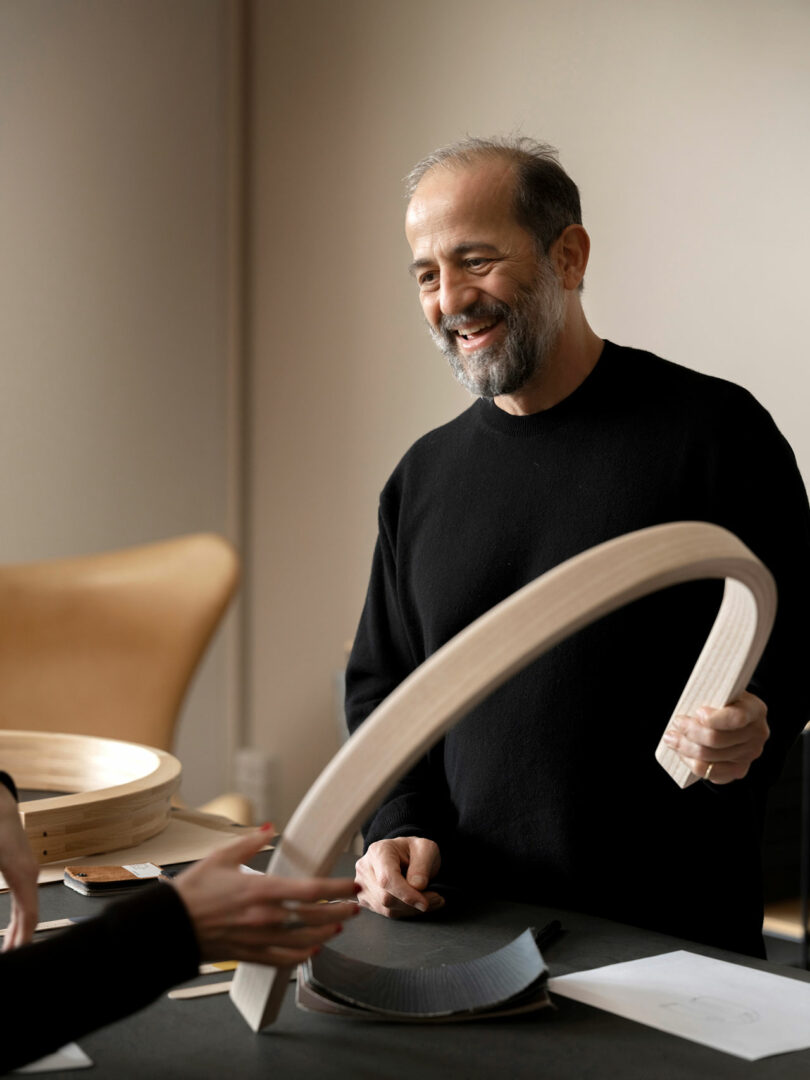
The After Series represents a profound meeting of minds. It is the first furniture collaboration between Anastassiades—a designer known for his poetic, minimalist lighting—and Fritz Hansen, a brand that has spent 153 years defining the trajectory of Danish design. Inspired by the architectural weight of the ancient column and the refined heritage of Danish masters like Kaare Klint and Poul Kjærholm, the collection is a masterclass in "pared-down expression." It speaks to a desire for furniture that doesn't just fill a room but anchors it.
The Design Philosophy: Where Klint Meets Anastassiades
At its heart, the After Series is about lineage. Michael Anastassiades did not set out to reinvent the chair or the table in a vacuum; instead, he looked deep into the Fritz Hansen archives. He sought to distill traditional archetypes into their most essential forms, honoring the rigorous standards of Kaare Klint—often called the father of modern Danish furniture design—and the structural honesty of Poul Kjærholm.
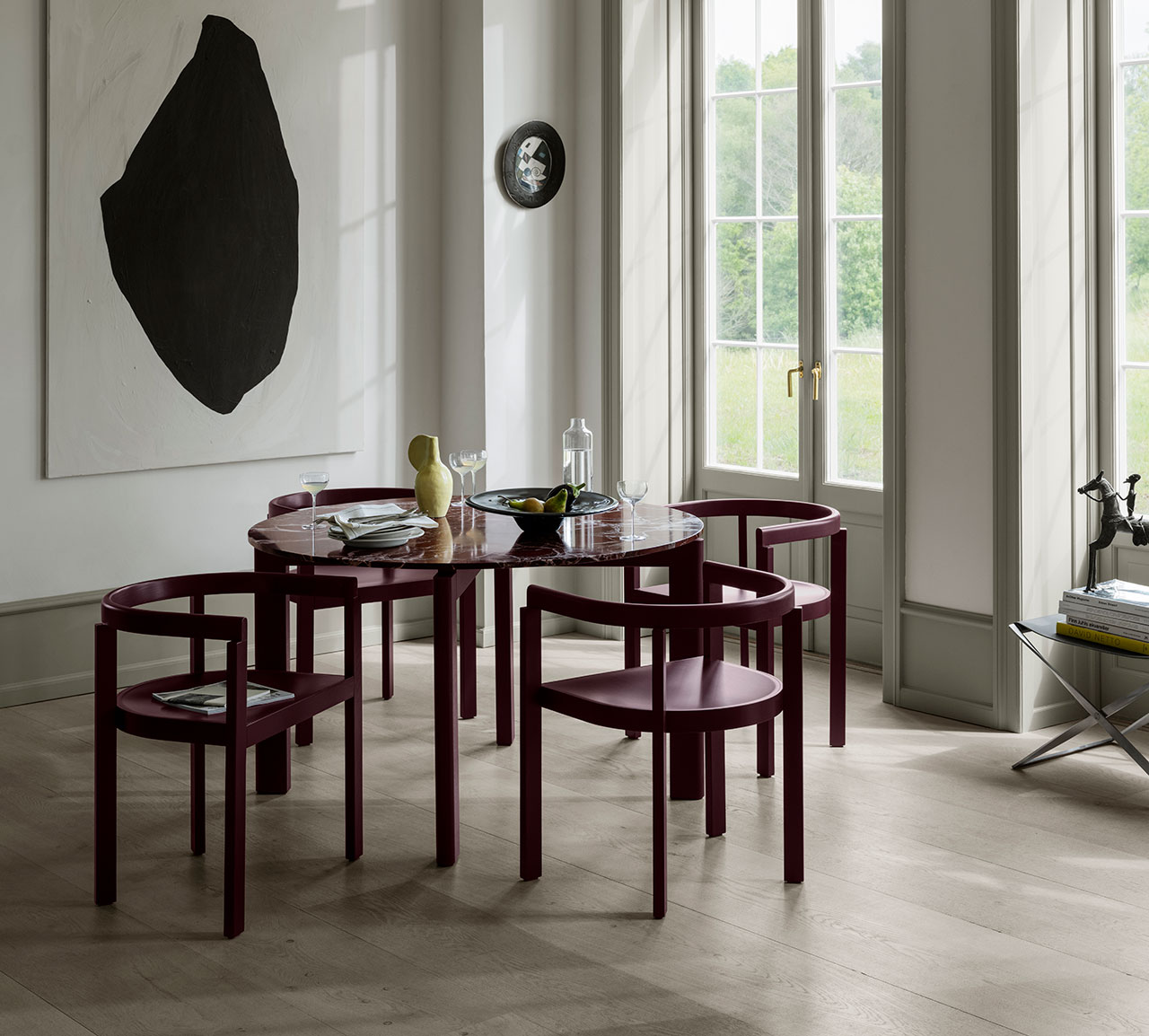
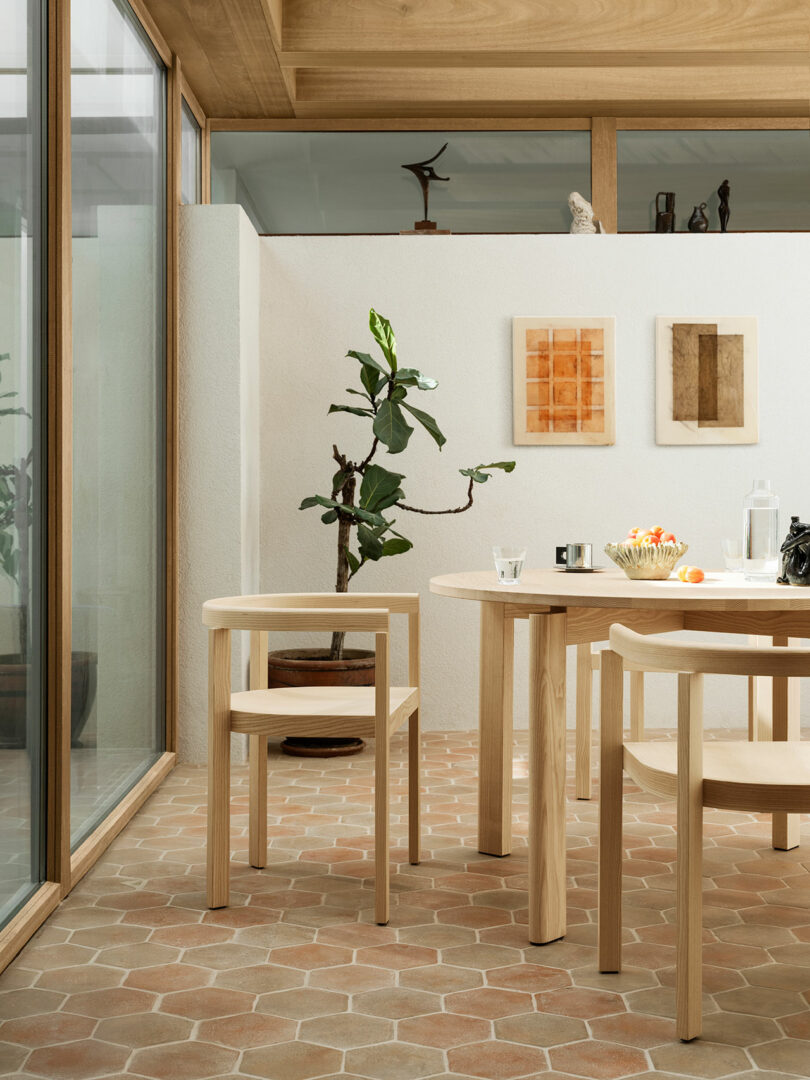
The result is a collection that feels both familiar and startlingly new. The After table features a "floating" top design that emphasizes structural lightness despite its solid presence. Meanwhile, the After chair offers a slightly sloped seat and finely wrought curves, providing ergonomic, heirloom-quality comfort that belies its minimalist silhouette. We love the way these pieces balance the "monumental materiality" of a Greek temple with the airy, functionalist spirit of mid-century Copenhagen.
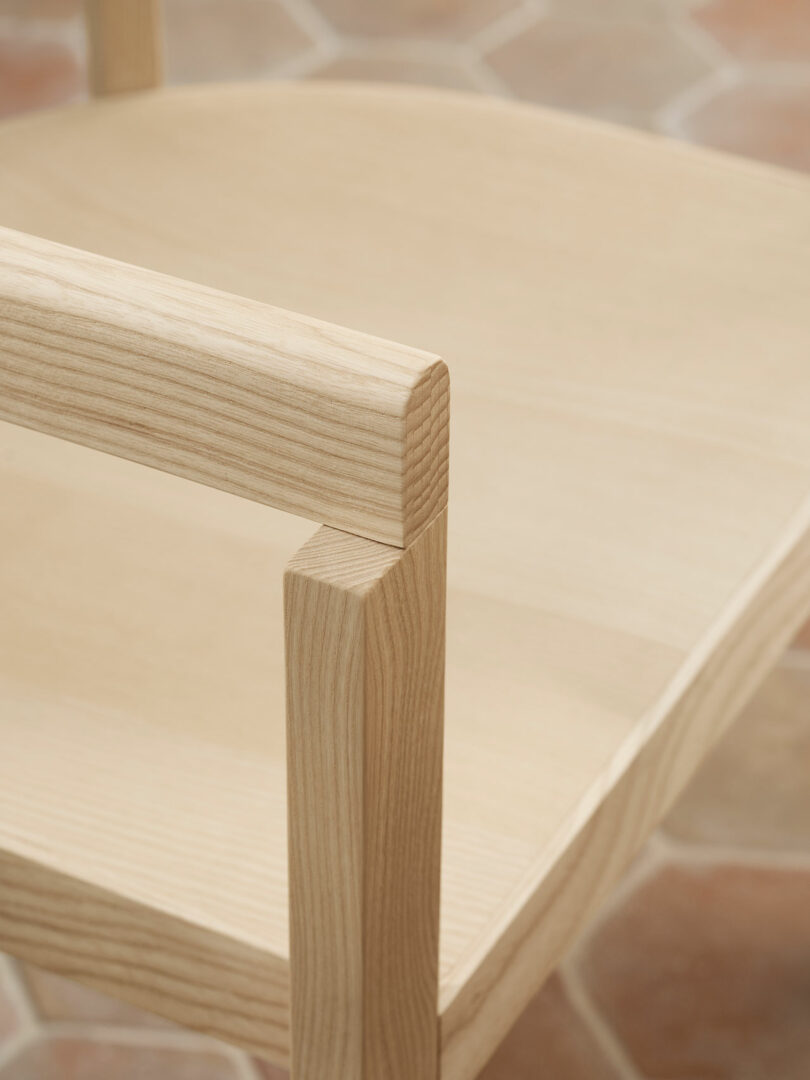
Material Mastery: Solid Oak and Rosso Levanto Marble
The materiality of the After Series is where industrial production meets the soul of artisanal craft. Anastassiades has selected a palette that highlights the interplay between smooth, manufactured surfaces and the raw, organic beauty of natural timber and stone.
The collection primarily utilizes solid oak, available in a classic natural finish or a deep, soulful burgundy lazur. This choice is particularly resonant given current market shifts; data indicates that 75% of high-end furniture buyers now prefer mixed-material combinations, specifically the pairing of natural wood textures with polished stone elements.
For those seeking a more dramatic statement, the After dining table can be topped with high-gloss Rosso Levanto marble. This deep red, white-veined stone adds a textural element and a glossy finish that perfectly complements the burgundy colorway of the wooden base. It transforms the table from a functional surface into a tectonic landscape.
Materials Snapshot: Choosing Your Finish
| Feature | Natural Oak | Burgundy Lazur & Rosso Levanto |
|---|---|---|
| Vibe | Scandinavian Minimalist, Airy, Organic | Sophisticated, Dramatic, Neo-Classical |
| Texture | Matte, open-pore wood grain | High-gloss stone meets silky wood finish |
| Best For | Sun-drenched breakfast nooks | Formal dining rooms, "Art-filled" interiors |
| Maintenance | Standard wood care | Requires marble-safe cleaners |
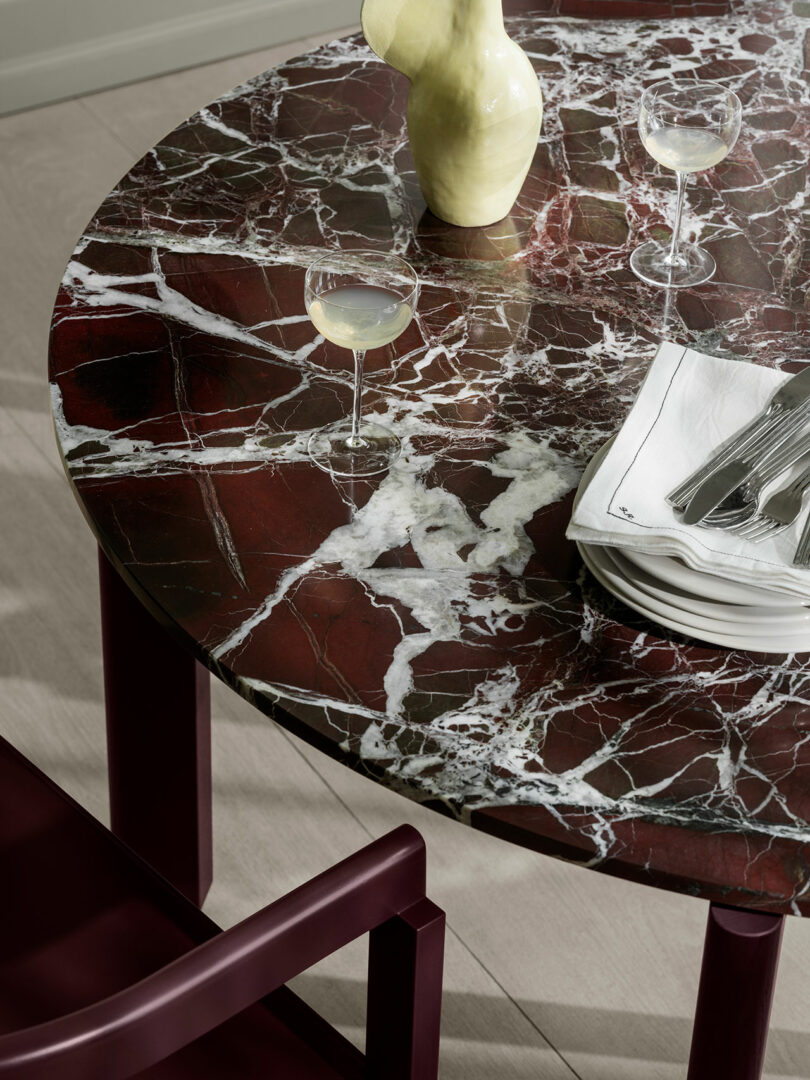
Sculptural Details: Precision to the Millimeter
What sets the After Series apart from "fast furniture" is the obsessive attention to detail—the kind of precision usually reserved for fine watchmaking or high-end cabinetmaking. The collection utilizes a "stacked" layer aesthetic: the backrest sits delicately on the legs, and the legs hold the seat in a way that suggests the components are simply resting against one another, though they are structurally rock-solid.
Fritz Hansen’s legendary woodworking techniques are on full display here. The process involves slicing wood into thin sheets and pressing them into precise, durable curves. This allows for a structural lightness that contrasts beautifully with the robust, chunky rounded edges of the table legs.
Design Note: The "floating" effect of the tabletop is achieved through a hidden sub-structure that creates a slim shadow gap between the base and the surface. It’s a detail that rewards the observant eye, making the heavy marble or solid oak appear as if it’s levitating.
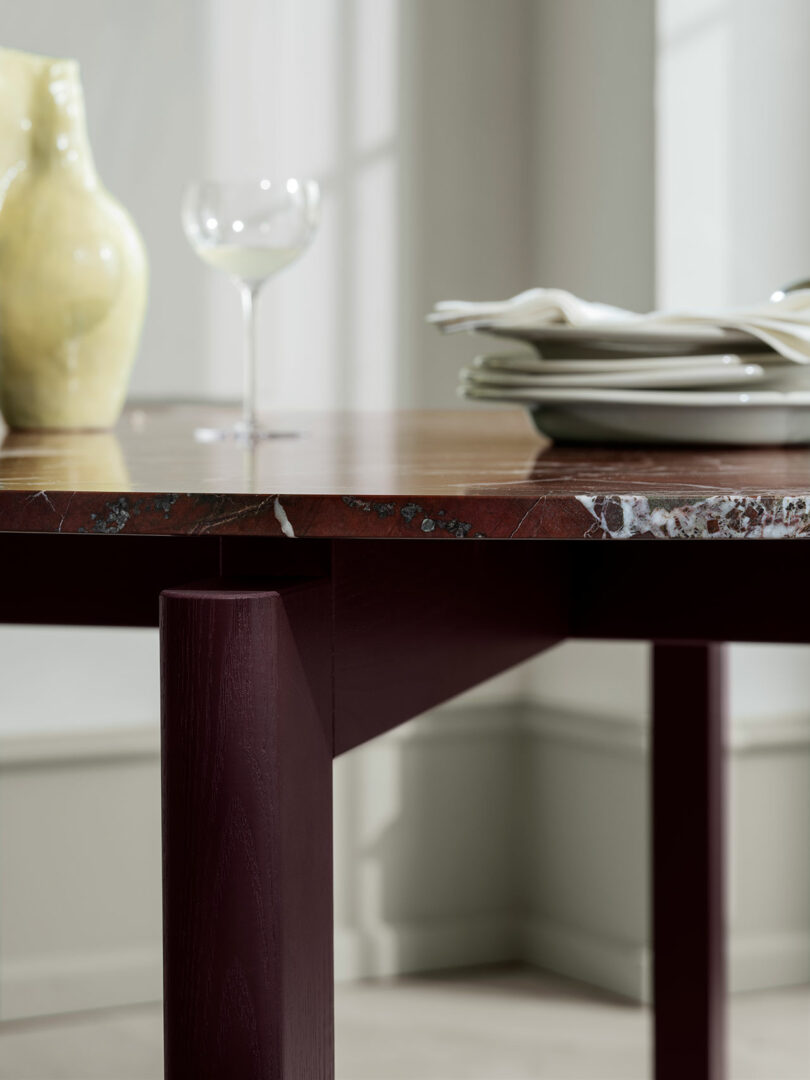
2026 Luxury Trends: Why Sculptural Bases are Trending
As we look toward the interior landscapes of 2026, there is a palpable shift away from the spindly, four-legged dining tables of the past decade. Market analysis for 2026 luxury interiors suggests a 40% rise in demand for "sculptural base" dining tables that serve as artistic centerpieces.
In modern open-concept homes, the dining table is no longer just a place to eat; it is a "sculptural anchor" that defines the transition between the kitchen and the living space. The After Series, with its thick, columnar legs and monumental presence, meets this demand perfectly. It transitions furniture from being a mere utility to being an architectural intervention.
Styling the After Series in Contemporary Interiors
When styling these pieces, we recommend leaning into their architectural DNA. The After Series doesn't need much "clutter" to shine; it is its own ornament.
- The Minimalist Approach: Pair the natural oak table and chairs with minimalist, large-scale art and neutral tones. Let the grain of the oak be the primary texture in the room.
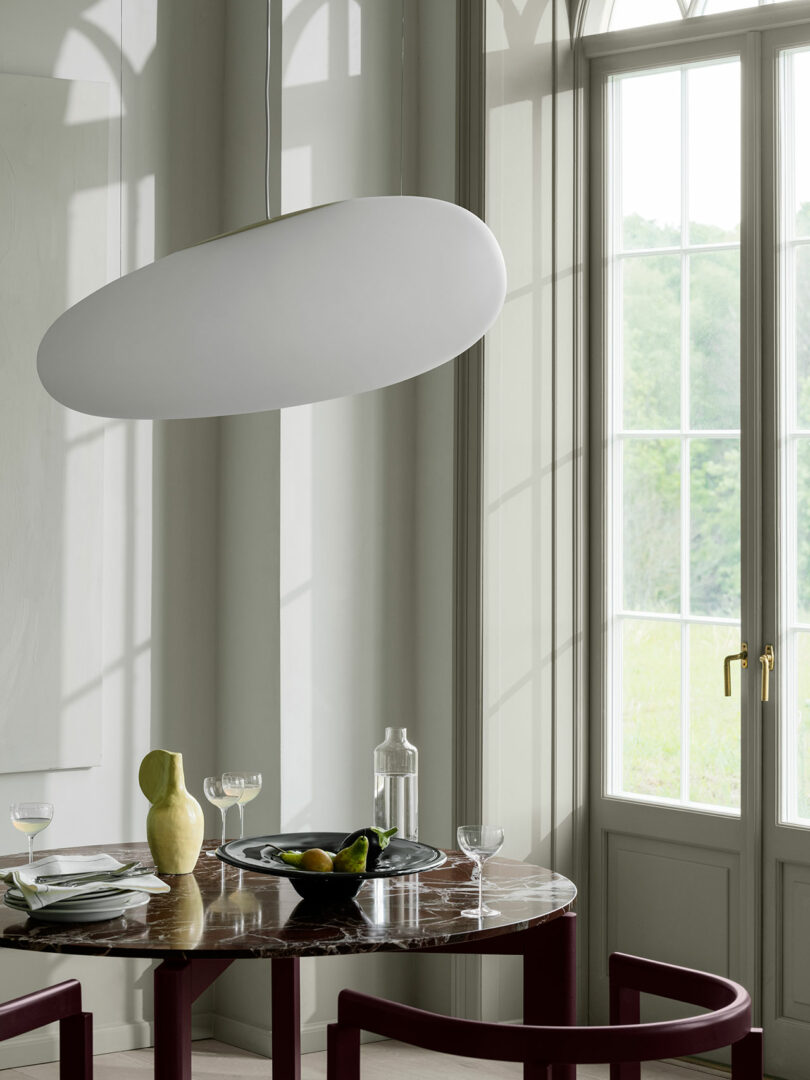
- The Luxe Noir Look: Use the burgundy lazur and Rosso Levanto marble combination for a formal dining space. Pair it with deep charcoal walls or rich velvet drapery to emphasize the "moody" sophistication of the red stone.
- Mixing and Matching: To avoid the "catalog showroom" look, consider mixing the After chairs with an antique wooden table, or conversely, placing the After table in a room with a variety of vintage seating. The sculptural footprint of the table base is strong enough to hold its own against eclectic surrounds.
FAQ
1. Is the Rosso Levanto marble top durable for daily family use? While Rosso Levanto is a high-density marble, it is still a natural stone. It is honed and sealed to resist staining, but we recommend using coasters and placemats. For a busy family household, the solid oak top in the natural finish is the most resilient and "forgiving" choice for daily wear and tear.
2. How does the "floating" top of the After table stay secure? The design uses a sophisticated internal steel frame hidden within the wooden or marble layers. This allows the table to maintain its visual "gap" while ensuring it can support the significant weight of the marble and the rigors of daily use without any wobble.
3. Can the After chairs be stacked for storage? The After chair is designed as a permanent dining fixture rather than a utility stackable chair. Its construction focuses on ergonomic comfort and "heirloom quality," meaning it is built to be a sturdy, singular piece of furniture that lasts for generations.
Final Thoughts
The Michael Anastassiades After Series for Fritz Hansen is a rare example of a collection that feels like it has always existed while remaining distinctly "of the moment." By looking back at the ancient column and the mid-century masters, Anastassiades has created something that will look just as relevant in 2056 as it does in 2026. Whether you choose the warmth of natural oak or the dramatic weight of Rosso Levanto marble, you aren't just buying a table—you are investing in a piece of architectural history.