In the world of high-stakes interior design, there is a specific kind of object that acts as a secret handshake among the creative elite. It isn’t a plush velvet sofa or a gilded chandelier; it is a seemingly simple, uncompromising box of wood. Specifically, the Donald Judd Daybed.
For the uninitiated, it looks like a glorified packing crate. To the "Judd-head"—a subculture of architects, designers, and fashion moguls—it represents the cosmic hearth of domestic life. It is the ultimate status symbol of "stealth wealth," where the price tag is as steep as the 90-degree angles it celebrates. While a vintage Donald Judd daybed reached a peak auction price of $47,500 at Phillips New York in 2018, the appeal of this piece has transcended the auction block. Today, it has sparked a DIY movement that bridges the gap between high-art austerity and the practicalities of modern living.
The Origin Story: Necessity as the Mother of Minimalism
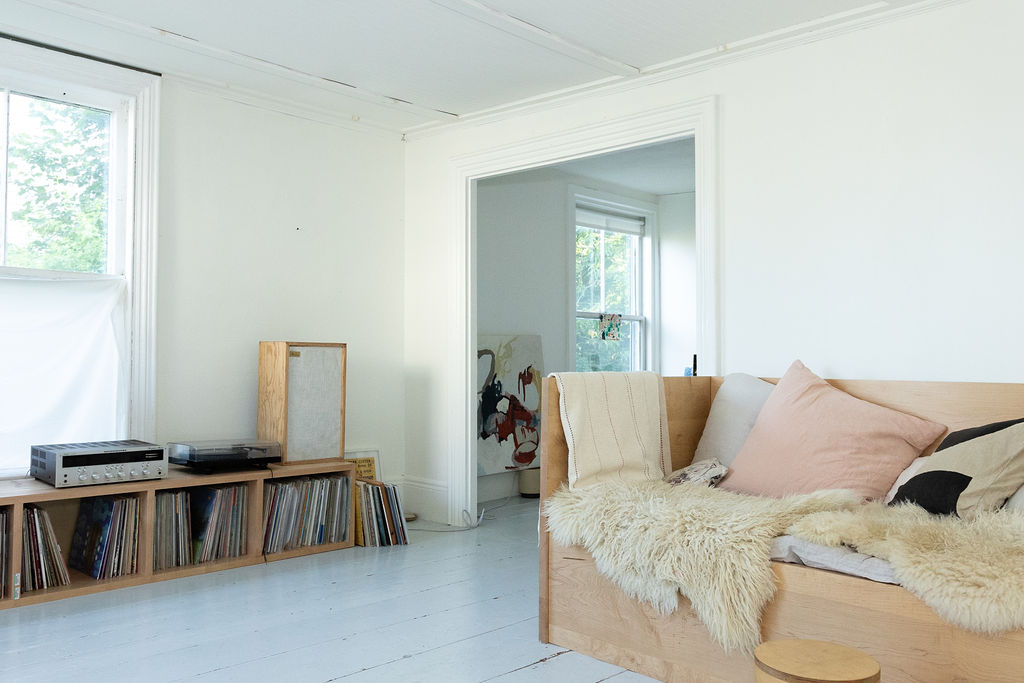
Donald Judd didn’t set out to be a furniture designer. He was an artist who found himself in a cavernous SoHo loft in the 1960s with plenty of space and very little furniture that met his exacting standards. He famously loathed the "Minimalist" label, preferring the term "specific objects." When he moved his operations to the desert landscape of Marfa, Texas, his furniture production intensified out of sheer necessity. He needed pieces that reflected the rugged, muscular practicality of the landscape.
The genius of Judd’s furniture lies in its rejection of artifice. There are no hidden joins, no decorative veneers, and no concessions to traditional "comfort" if it compromises the integrity of the form. Authentic pieces today are handcrafted by California-based craftsman Jeff Jamieson, who has been the artist’s dedicated fabricator since the 1980s. Jamieson’s workshop remains the sole source of official Judd Furniture, maintaining the precision and material honesty that Judd demanded.
The Price of Purity: Auctions and Official Editions
If you are looking to acquire an official Judd piece, be prepared for a lesson in "investment grade" furniture. Official new editions from Judd Furniture start at approximately $17,000 to $20,000, depending on the wood species and dimensions.
Why the five-figure price tag for what looks like a few planks of wood? It comes down to the "stubborn practicality" and the sheer difficulty of achieving perfection in simplicity. When there is no trim to hide a gap, every cut must be perfect. The materials—ranging from European Birch plywood to solid Black Walnut, Cherry, and Pine—are selected for their grain and structural stability.
| Item | Authentic Judd Edition | DIY "Judd-esque" Version |
|---|---|---|
| Primary Material | Solid Walnut or Premium Birch | 3/4" Birch Plywood or Pine |
| Fabricator | Jeff Jamieson (Official) | Yourself / Local Carpenter |
| Price Range | $17,000 – $47,500 | $800 – $1,500 |
| Lead Time | 12–20 weeks | A dedicated weekend |
| Value | Appreciating Art Asset | Functional Decor |
The secondary market is even more feverish. Collectors view these pieces not as furniture, but as sculptures you can nap on. The record $47,500 auction price reflects a rare provenance, but even "standard" vintage pieces rarely dip below the $20,000 mark.
The 'Judd-esque' Subtrend: Why Designers are Building Their Own
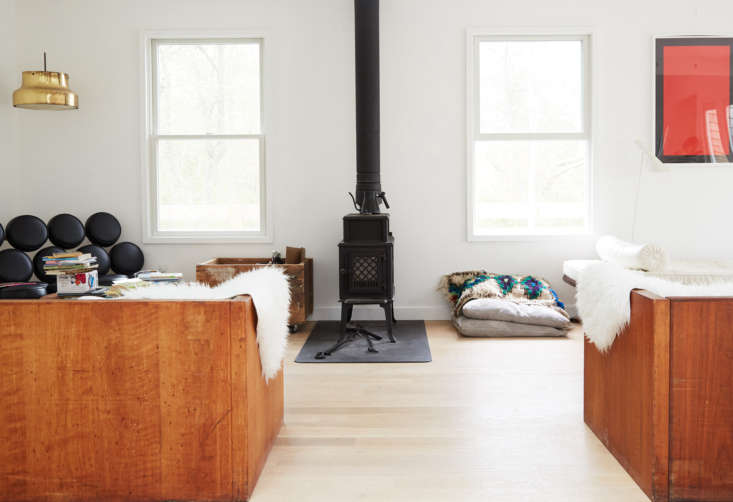
In recent years, a new phenomenon has emerged: the "Judd-esque" DIY. It’s a movement led by the creative elite—think fashion designers like Jesse Kamm or artists like Emma Newbern—who value the aesthetic but prefer the "honesty" of manual labor over the transaction of a gallery purchase.
Can you DIY a Donald Judd inspired daybed? Absolutely. Because Judd’s designs are based on clear geometric principles and standard lumber dimensions, they are uniquely accessible to the amateur woodworker. The psychological appeal is two-fold: it allows you to flex your art history knowledge while engaging in the tactile satisfaction of building something with your hands. It represents a shift from "owning" a piece of art to "living" the philosophy behind it.
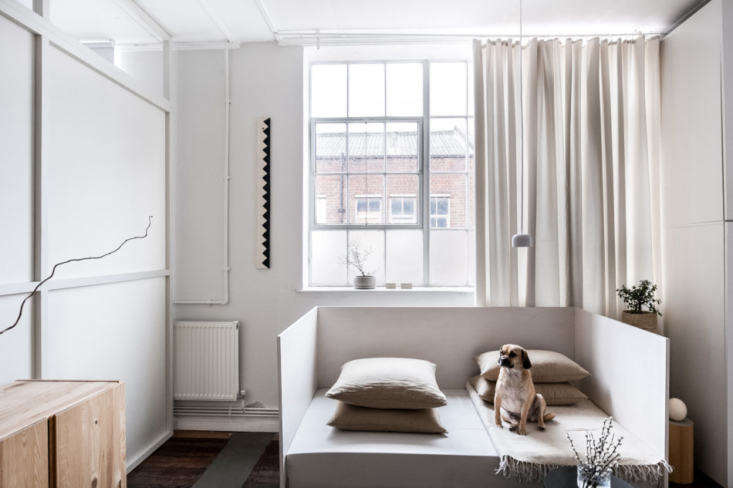
How to Build the Minimalist Dream: A Beginner’s Framework
Building a daybed inspired by Judd’s "Single Daybed 32" or "8-Foot Bench 11" requires more patience than skill. The beauty is in the math.
- Sourcing the Specs: While official blueprints aren't handed out, the dimensions of Judd’s work are widely documented in museum catalogs and online archives. A standard daybed is usually 80 inches long and 32 inches deep.
- The Material Choice: Most DIYers opt for 3/4-inch birch plywood. It is stable, relatively affordable, and has a clean, graphic edge that mimics Judd’s aesthetic. If you want a warmer look, solid pine is the Marfa-correct choice.
- The Precision Cut: This is the most critical step. Most home table saws struggle with 8-foot sheets of plywood.
Pro Tip: Take your cut list to a specialized lumber yard. In New York, designers famously frequent Chinatown Lumber for precision cuts. If they handle the 90-degree angles, your job becomes a simple exercise in assembly and sanding.
- The Pilot Hole: Because you are likely screwing into the edge of the plywood, you must drill pilot holes to prevent splitting. Judd’s furniture often leaves the screws visible—this is intentional. It shows how the object is made.
- The Finish: Avoid glossy polyurethanes. Use a matte wax-oil finish like Osmo Polyx-Oil or a "Snow White" wax to keep the wood looking raw and architectural.
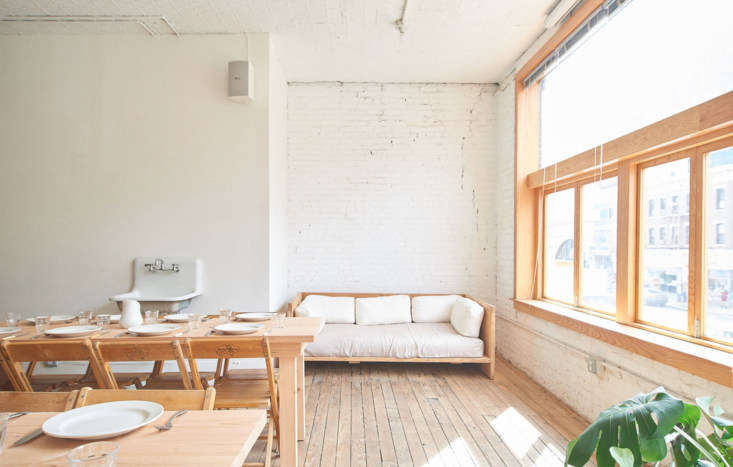
Buying the Look: Where to Shop for Minimalist Daybeds
If the thought of a circular saw makes you nervous, there are ways to acquire the look without the $20,000 investment or the DIY sawdust.
- The Purist: Visit the official Donald Judd Furniture website. These are the "forever" pieces, handcrafted to the artist’s exact specifications. It is the gold standard of modernism.
- The Curator: Keep an eye on 1stDibs or Wright20 auctions. Occasionally, pieces from the 90s or early 2000s appear at slightly lower entry points than new editions. On Etsy, shops like SeeByDesign offer "Judd-inspired" custom builds that respect the proportions and materiality of the originals.
- The Modernist: Retailers like Urban Green in Brooklyn offer modular, clean-lined daybeds that echo the Judd silhouette. They provide a more "finished" look that fits easily into a standard apartment without feeling like a gallery installation.
FAQ: Everything You Need to Know Before Investing
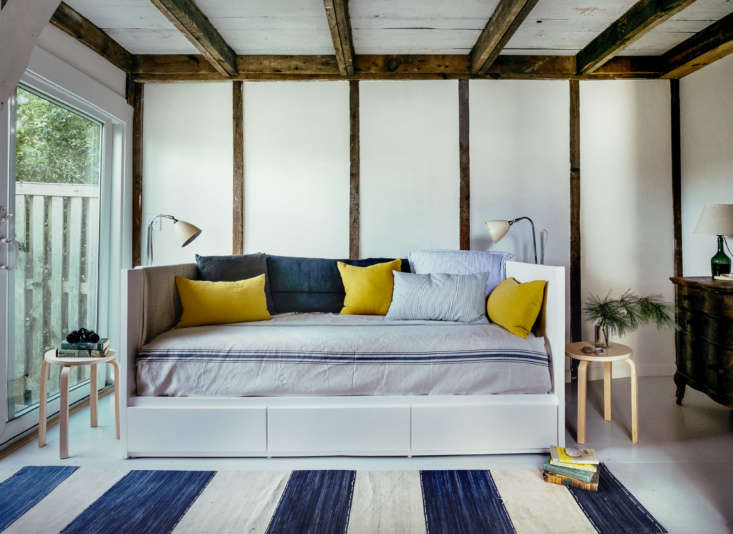
Is a Donald Judd daybed actually comfortable? In its raw state? No. It is a wooden box. However, most owners add a custom-made, high-density foam mattress covered in heavy linen or wool felt. This transforms it from a sculptural bench into a functional guest bed or lounging spot.
Why is birch plywood so common in these designs? Judd loved plywood because it was an "industrial" material that didn't pretend to be something else. It has no grain direction issues like solid wood, making it perfect for the long, flat planes required for a daybed.
Who owns the rights to Judd’s furniture designs? The Judd Foundation manages the artist's legacy. While they oversee the official production by Jeff Jamieson, the "language" of Judd—the use of 90-degree angles and open volumes—has become a part of the public design vernacular.
Minimalism as a Lifestyle, Not Just a Piece of Wood
The enduring power of the Donald Judd daybed lies in its refusal to beg for your attention. In an era of "fast furniture" and over-designed interiors, there is something profoundly radical about a heavy, silent box of wood. Whether you are bidding five figures at Phillips or spending $800 at a local lumber yard, you are buying into a philosophy that prizes space, volume, and material honesty over decoration.
In the end, a Judd daybed is more than a place to sit; it is a frame for the room itself. It asks you to clear the clutter, appreciate the light, and respect the geometry of the space you inhabit. In the words of Judd himself, "Furniture is furniture and only art is art." But when you’re lying on that perfectly planed piece of birch plywood, the line between the two feels beautifully blurred.