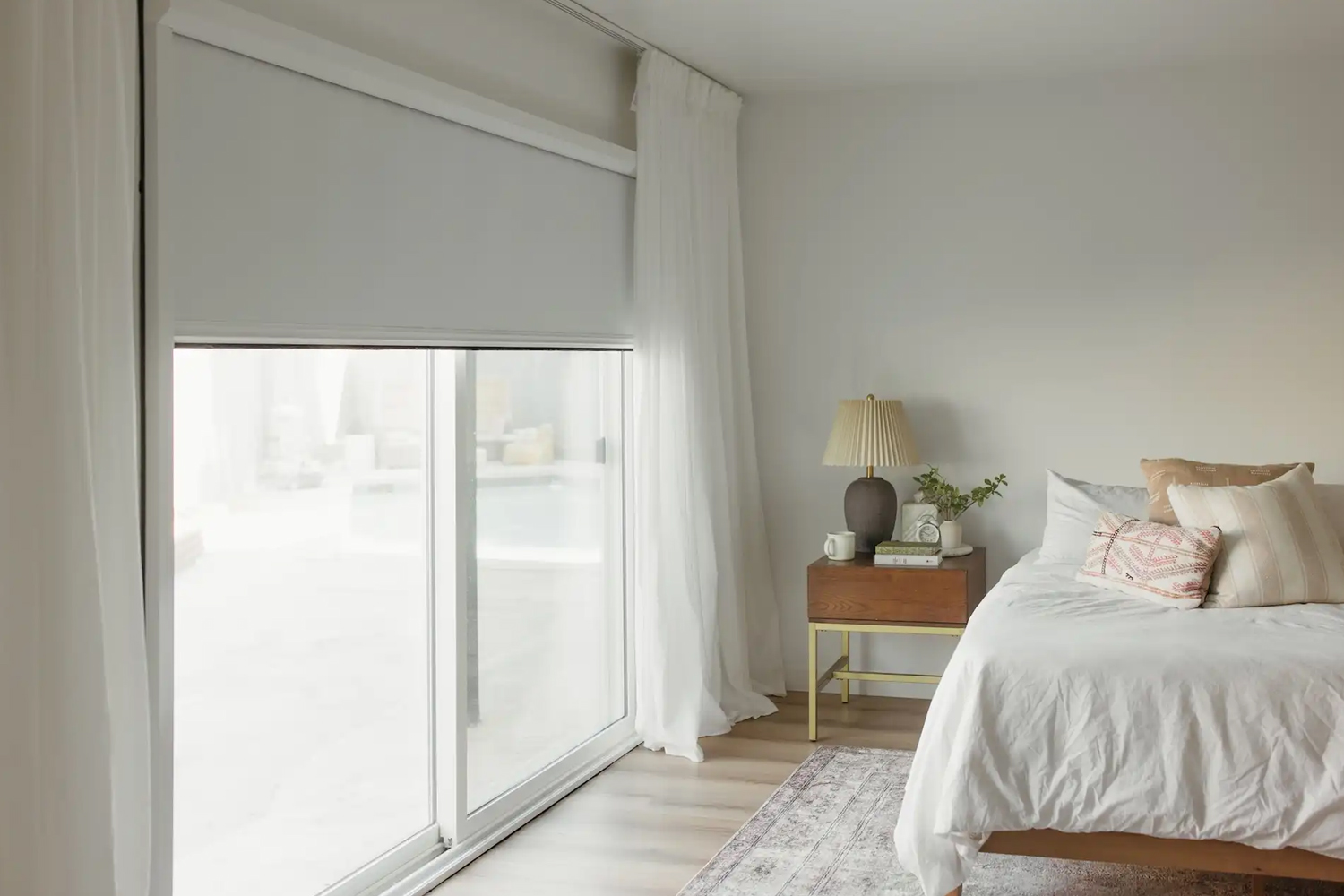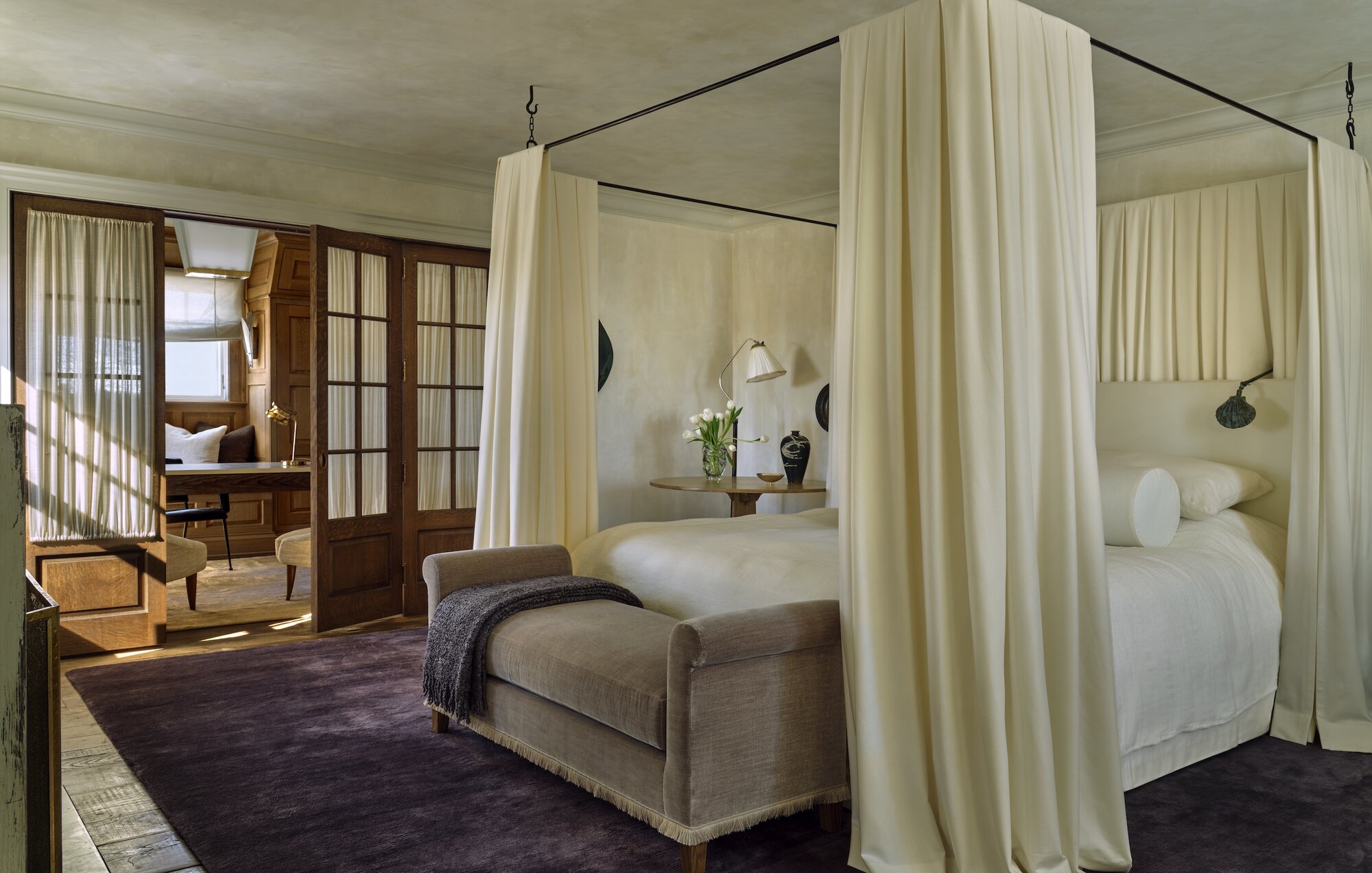
For years, we’ve been designing for the "lens." We’ve curated our bookshelves for the perfect Zoom backdrop and chosen white sofas that looked impeccable in a square-cropped photo but felt cold against the skin. But as we move toward 2025, the pendulum is swinging back with a profound, soulful force. We are entering the era of the Psychology of Space.
This shift isn't about a new color of the year or a specific furniture silhouette. It is a fundamental design movement that prioritizes emotional well-being, sensory engagement, and personal authenticity over standardized, "Instagrammable" visual styles. In 2025, the question isn't "Does this look good?" but rather "How does this make me feel?" Recent industry analysis shows a 72% increase in homeowner requests for sensory-driven design elements—such as adaptive lighting and acoustic textures—over traditional visual decor. We are no longer decorating for guests or followers; we are designing for our own nervous systems.
The Great Interior Shift: From 'Looks' to 'Feels'
The "Instagram Era" of interior design was defined by a certain sterile perfection: the "Sad Beige" aesthetic, the sharp edges of ultra-minimalism, and the pressure to have a home that looked ready for a magazine shoot at any given moment. But the collective exhaustion of the digital age has led to a craving for something more tactile and grounded.
The Psychology of Space is the design answer to our burnout. It acknowledges that our surroundings have a measurable impact on our cortisol levels, our sleep quality, and our capacity for joy. We are seeing a move toward "Soulful Minimalism"—where every object has a narrative or a physical texture that invites touch.
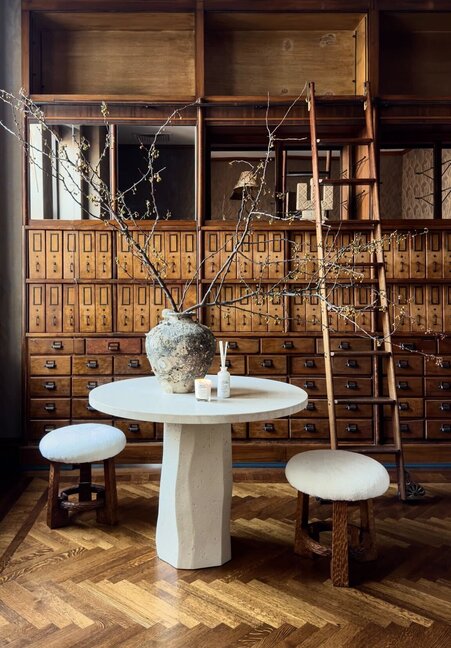
When you walk into a 2025-inspired room, you shouldn't feel the need to straighten a pillow. You should feel an immediate drop in your shoulders. It is the transition from a "showroom" to a "sanctuary." This means embracing the "muddied" and the "imperfect"—finishes that show the hand of the maker and layouts that encourage human connection rather than screen time.
The Era of the Authentic Self: Design as Identity
The most significant trend of 2025 is, quite simply, you. We are witnessing the death of the "Pinterest Template." Homeowners are increasingly rejecting the idea that their living room should look like a carbon copy of a lifestyle influencer’s feed. Instead, design is becoming a form of autobiography.
Forecasts for 2025 indicate that 65% of high-end renovations now prioritize "individualism" and personal heritage items over the previously dominant minimalist aesthetic. This means integrating your grandmother’s vintage rug with a contemporary Italian lamp, or displaying a collection of ceramics found during a transformative trip to Kyoto. It’s about "curated imperfection."
Ivy’s Insight: True luxury in 2025 is the courage to be un-trendy. It’s about choosing a fabric because it reminds you of a childhood home, or a paint color that evokes the specific light of your favorite coast.
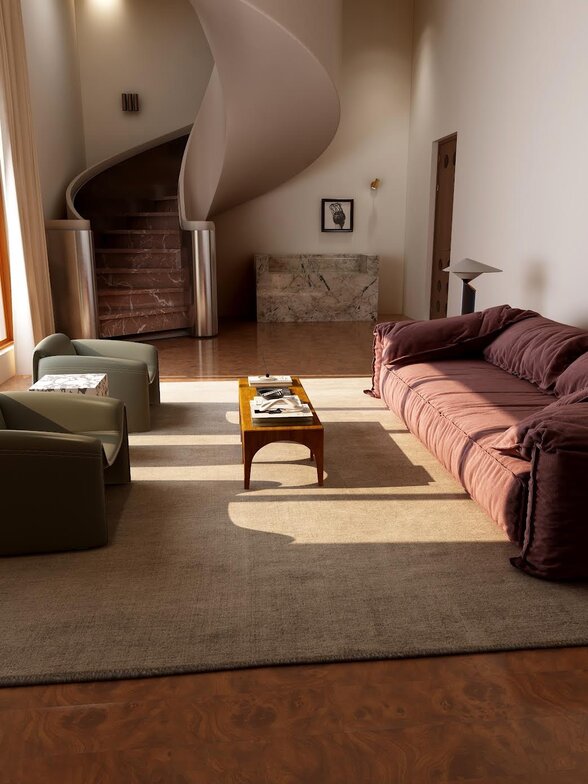
To achieve this, look for pieces that offer Tactile Resonance:
- Rough-hewn stone next to polished metal.
- Vintage textiles with visible mending or "Wabi-Sabi" characteristics.
- Hand-blown glass that catches the light in irregular, beautiful ways.
'Salon Life' and the Return of the Snug
In our hyper-connected world, the most coveted luxury in 2025 is a tech-free zone. We are seeing a massive resurgence of "Salon Life"—the return of rooms designed specifically for deep conversation, artistic creativity, and low-fi hobbies like knitting, listening to records, or reading physical books.
The "Snug" is a perfect example of this. Unlike the "Open Concept" Great Rooms that have dominated design for two decades, a Snug is an intentionally small, cozy, and enclosed space. It is designed to feel like a hug. These rooms prioritize "Beautiful Utility," where the comfort of a deep-seated armchair is more important than the sleekness of its lines.
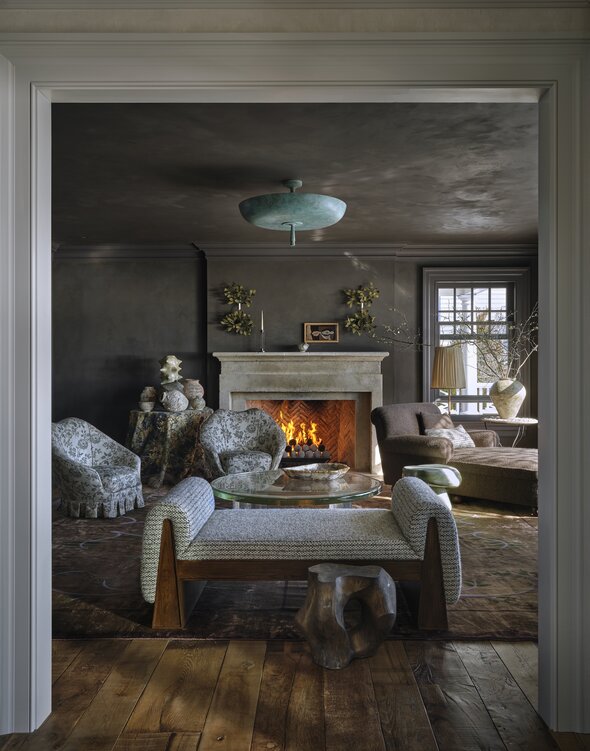
How to create your own 2025 "Salon" space:
- Eliminate the Blue Light: Make it a strict "no phone" zone. Replace the TV with a record player or a library wall.
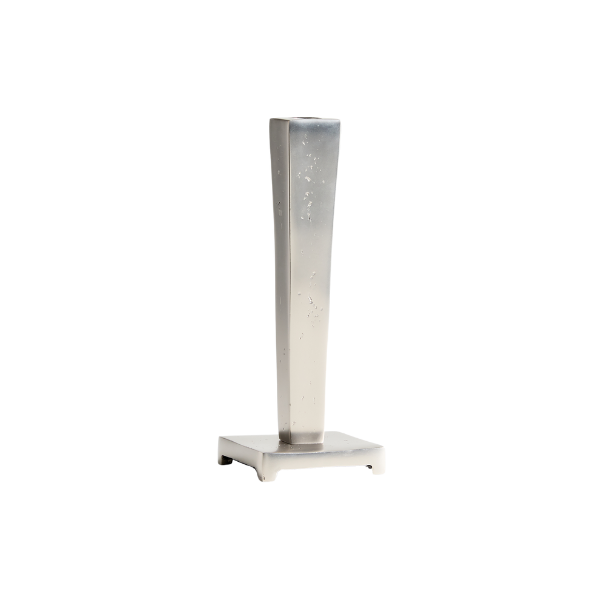
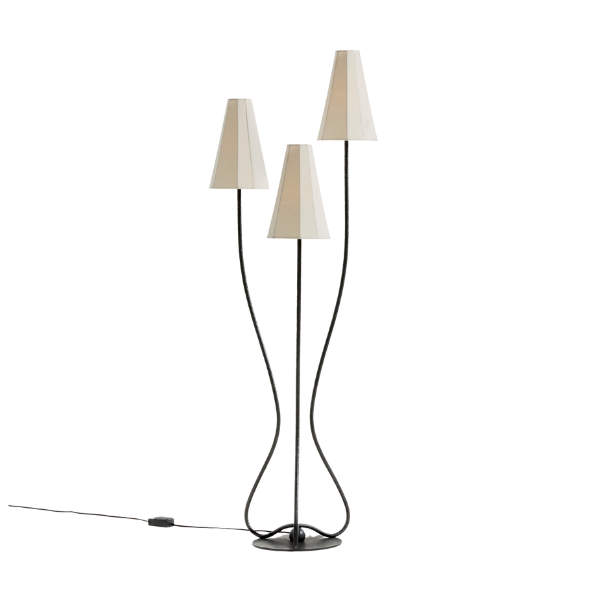
- Layer the Lighting: Use at least three sources of warm light (floor lamps, table lamps, and candles) to create a soft, golden glow.
- Acoustic Comfort: Use heavy drapes, velvet upholstery, and thick rugs to dampen sound and create an intimate, "muffled" atmosphere that encourages whispering and focused listening.
The Home as a Wellness Sanctuary
The home is no longer just a place to sleep; it is becoming a private health retreat. In 2025, wellness isn't a bathroom shelf full of serums; it's integrated into the very architecture of the home.
Homeowners are increasingly installing dedicated holistic spaces such as cold plunges, meditation rooms, and infrared saunas. We are moving beyond the "home gym" toward the "home sanctuary." The materials used in these spaces are deliberately grounding—think hemp, linen, reclaimed wood, and cork.
This movement is heavily influenced by the Japanese philosophy of Wabi-Sabi—finding beauty in the aged and the natural. When we surround ourselves with materials that come from the earth, our nervous systems recognize them. There is a physiological calm that comes from touching a cool stone countertop or walking on a warm wooden floor that synthetic materials simply cannot replicate.
| Wellness Element | 2025 Psychological Impact |
|---|---|
| Cold Plunge/Sauna | Intentional thermal stress to build mental resilience. |
| Meditation Nook | A dedicated "anchor" point for daily mindfulness. |
| Natural Fibers | Lowering sensory overload through tactile softness. |
| Circadian Lighting | Syncing the body's internal clock with the natural day/night cycle. |
Neuroarchitecture: The Science of Sensory Environments
Behind these "vibes" is a burgeoning field called Neuroarchitecture. It studies how the built environment affects our brain chemistry. In 2025, we are using this science to create homes that proactively manage our moods.
One of the most critical elements is Adaptive Lighting. We are moving away from harsh overhead "big lights" in favor of lighting systems that mimic the sun’s progression. This helps regulate melatonin and cortisol levels, ensuring we are energized in the morning and calm in the evening.
Then there is the 2025 Color Palette. We are seeing a shift away from "Bright and Airy" toward "Muddied and Grounded." These are earth tones with a high "black" or "grey" content—think burnt sienna, dusty olive green, and velvety forest greens. These colors are psychologically stabilizing; they provide a sense of enclosure and safety.
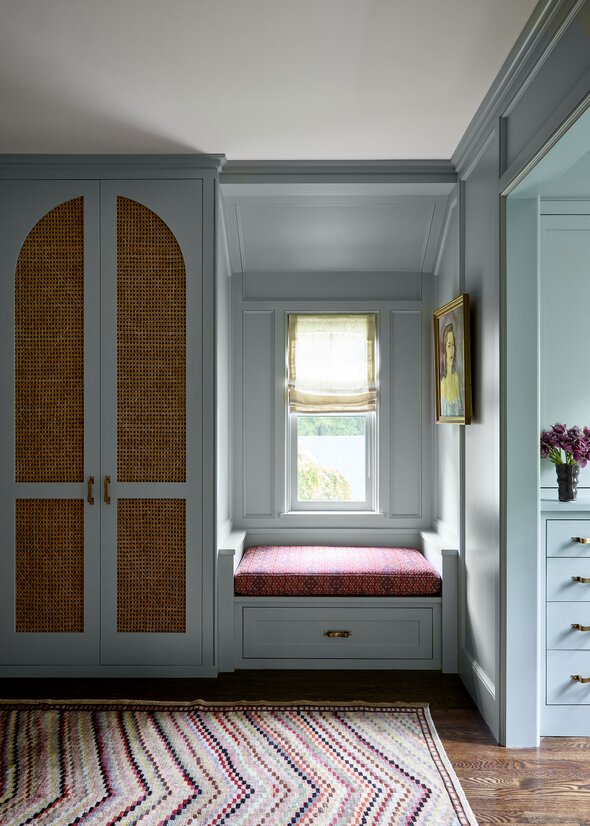
Sensory Tips for a Neuro-friendly Home:
- Acoustic Textures: Use lime wash paints or fabric wall coverings to reduce "echo," which is a subtle but persistent stressor in modern homes.
- Biophilic Design: Go beyond just adding a plant. Think about intentional airflow, the sound of water, and maximizing "fractals" (the repeating patterns found in nature) in your decor.
- Scent Mapping: Use different scents for different rooms—invigorating citrus in the office, grounding sandalwood in the bedroom—to "trigger" the brain into the desired state of mind.
The Future of Living
As we look toward the horizon of 2025, it’s clear that the ultimate luxury is no longer a specific brand of furniture or a high-end finish. It is Psychological Peace. The homes that will define the next decade are those that act as a buffer against the chaos of the outside world. They are spaces that celebrate our history, soothe our senses, and allow us to be our most authentic, un-filtered selves.
When you begin your next home project, I encourage you to close your eyes first. Imagine the feeling of the air, the texture of the floor under your feet, and the emotional weight of the room. Design for your soul, and the aesthetics will naturally follow.
FAQ: Applying the Psychology of Space on a Budget
1. How can I make my home feel more 'sensory' without a full renovation? Focus on the things you touch every day. Upgrade your hardware to something with a satisfying weight, swap synthetic pillowcases for linen or silk, and introduce "muddied" earth tones through smaller accents like throws, candles, or a single painted accent wall.
2. I live in a small apartment. Can I still create a 'Snug' or 'Salon' space? Absolutely. A Snug doesn't require a whole room; it can be a corner. Use a folding screen or a tall bookshelf to carve out a "tech-free" nook. Add a comfortable floor cushion or a deep armchair and a small side table for your tea or book. The key is the intentionality of the boundary.
3. What is the easiest way to incorporate 'Circadian Design' into a rental? Swap your standard light bulbs for "smart" bulbs that can be programmed to warm up and dim as the sun sets. Use low-level lamps instead of overhead lighting in the evening to signal to your brain that it’s time to wind down.