Quick Facts: The 2026 Acoustic Landscape
- Top Performance: High-end PET (Polyethylene Terephthalate) tiles now achieve a Noise Reduction Coefficient (NRC) of 0.95, placing them in the elite top 5% of all sound-absorption products.
- Aesthetic Variety: The 2026 market has seen a 300% increase in design options, with over 71 distinct palettes including hyper-realistic wood and stone textures.
- Sustainability: PET tiles are primarily composed of recycled polyester (rPET), often sourced from post-consumer plastic bottles, supporting LEED and WELL building certifications.
- Durability: Unlike traditional mineral fiber, PET is resistant to edge-chipping, moisture, and impact, making it ideal for high-traffic environments.
Introduction: The Hidden Cost of Noise in 2026
We have reached a tipping point in modern interior design. As our living and working environments become more fluid and open-plan, we are increasingly confronted by "acoustic clutter"—that invisible layer of stress caused by overlapping conversations, the hum of machinery, and the harsh echoes of hard surfaces. In 2026, luxury is no longer defined solely by what we see; it is defined by what we feel and, perhaps more importantly, what we don’t hear.
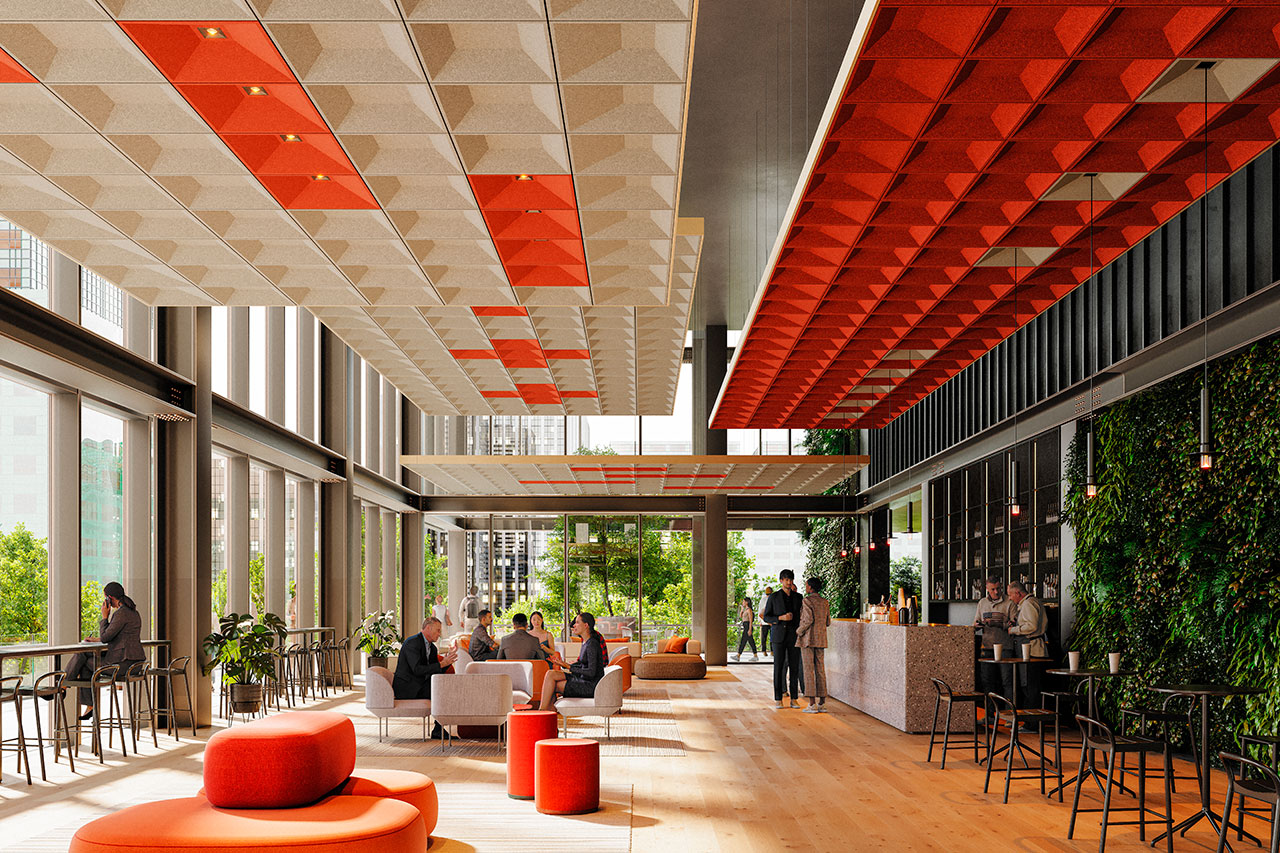
This shift has sparked the "Silent Revolution." Designers are moving away from purely utilitarian ceiling solutions toward high-performance PET (Polyethylene Terephthalate) tiles. These aren't the bland acoustic panels of the past. Today’s PET systems represent a marriage of high-level physics and high-end fashion. The primary trend for 2026 is "Silent Luxury"—the seamless integration of acoustic function into a room’s aesthetic DNA through sustainable felt, organic textures, and integrated smart features like acoustic lighting.
PET vs. Mineral Fiber: Which Ceiling System Wins?
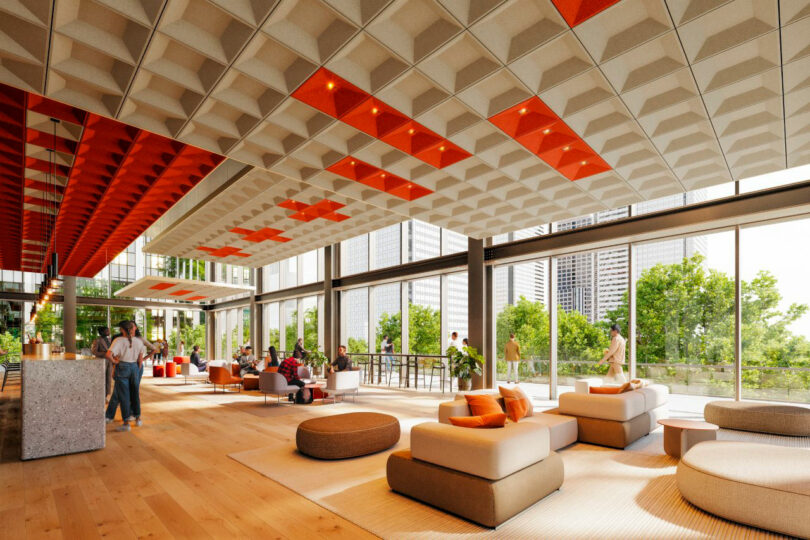
For decades, mineral fiber was the undisputed king of the commercial ceiling. It was cheap and effective at blocking sound between rooms. However, as our design priorities have shifted toward durability, aesthetics, and sustainability, PET has emerged as the superior choice for modern architectural needs.
The most immediate advantage of PET is its physical resilience. Traditional mineral fiber tiles are notoriously fragile; a slight mishandle during installation often leads to "edge-chipping," leaving the ceiling looking ragged and aged before the building even opens. PET, conversely, is a dense, non-woven felt. It is flexible, impact-resistant, and can be handled without the fear of crumbling.
While mineral fiber remains a strong choice for high Ceiling Attenuation Class (CAC) requirements—where the primary goal is preventing sound from traveling over a wall into the next room—PET is the clear winner for Noise Reduction Coefficient (NRC), which measures how much sound is absorbed within the space. Furthermore, the installation flexibility of PET, which can be easily cut into custom shapes or used in standard T-grid systems, allows for a level of creative expression that mineral fiber simply cannot match.
Comparison: PET vs. Mineral Fiber
| Feature | PET Acoustic Tiles | Mineral Fiber Tiles |
|---|---|---|
| Material Composition | Recycled Polyester (rPET) | Mineral wool, perlite, clay |
| Acoustic Performance | Up to 0.95 NRC (Absorption) | 0.55 – 0.90 NRC |
| Durability | High (Shatter-proof, no edge-chipping) | Low (Brittle, prone to breakage) |
| Design Flexibility | Endless (3D shapes, 71+ colors) | Limited (Mostly flat, white/grey) |
| Sustainability | High (Recyclable and recycled content) | Moderate (Contains bio-soluble fibers) |
| Moisture Resistance | Naturally resistant (No sag) | Prone to sagging in high humidity |
The Science of Silence: Understanding NRC and Density
To truly appreciate why PET tiles have become the darling of the interior design world, we must look at the numbers. The gold standard for measuring sound absorption is the Noise Reduction Coefficient (NRC), as defined by ASTM C423. An NRC of 0.0 means a material absorbs no sound (like a mirror), while an NRC of 1.0 means it absorbs 100% of the sound that hits it.
In the past, PET was often relegated to mid-range performance. However, next-generation engineering has changed the game. Modern collections, such as the Pantheon and Step systems, now reach an NRC of 0.95. This places them in the top 5% of all acoustic absorption products available globally.
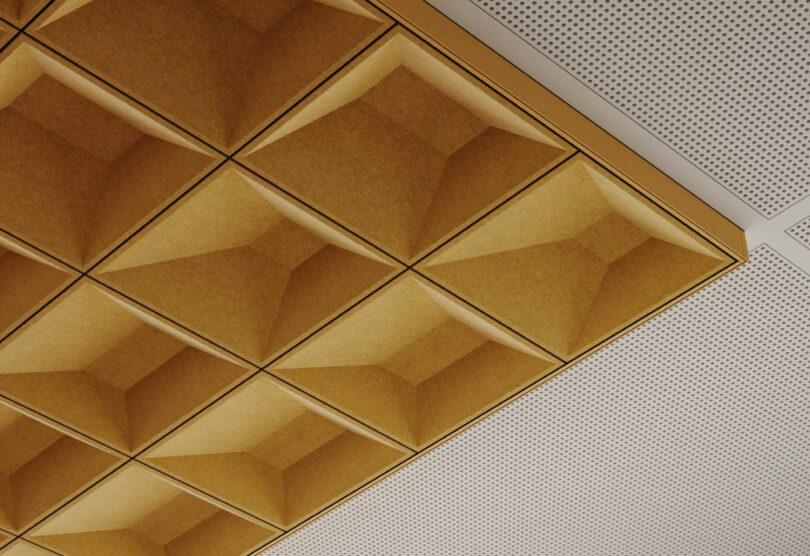
The secret lies in the "Density Factor." While mass-market PET panels typically feature a density of 1,100 g/m², high-end architectural tiles utilize a much denser 1,500 g/m² felt. This increased mass allows the fibers to trap sound waves more effectively, converting kinetic energy into tiny amounts of heat. When these tiles are shaped into 3D coffered or waving forms, the surface area increases even further, allowing for multi-directional sound absorption that flat panels simply can’t achieve.
Ivy’s Pro Tip: When specifying PET tiles, always ask for the ASTM C423 or ISO 11654 report. Look for the "αw" (Alpha Weighted) value. For open-plan offices, you want a minimum NRC of 0.85 to truly mitigate the "cocktail party effect" of overlapping voices.
2026 Aesthetic Trends: From Biophilic to Geometric
If 2024 was about "neutral acoustics," 2026 is about "expressive silence." We are seeing a 300% increase in aesthetic variety, with manufacturers offering over 71 distinct palettes. Designers are no longer forced to choose between a quiet room and a beautiful one.
The Rise of Wood and Stone Textures
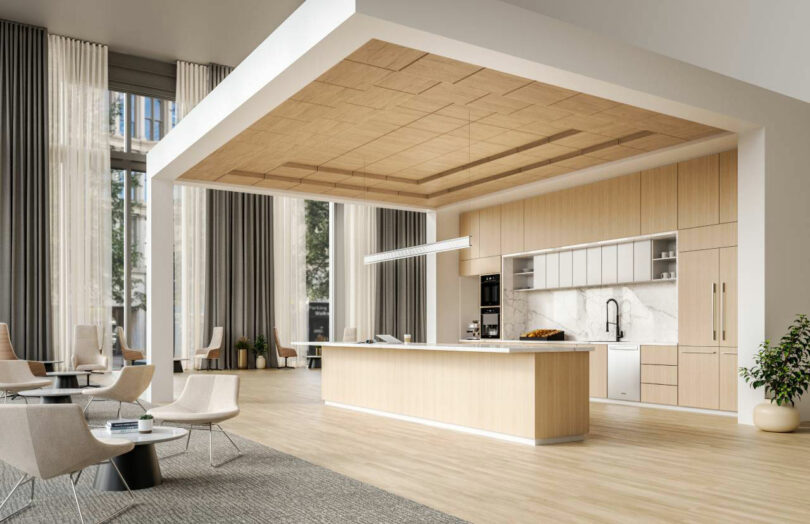
One of the most exciting breakthroughs is the ability to print hyper-realistic textures onto PET felt. Biophilic design—the practice of connecting occupants to nature—is at the forefront of this trend. We are seeing "wood-slat" PET panels that offer the warmth of timber but with the acoustic performance of a recording studio. This allows for the creation of organic, calming environments in places like hospitals and high-end residential lofts.
Geometric Boldness
We are also moving away from the standard 2x2 ceiling grid. The 2026 trend focuses on geometric flexibility. Using hexagonal, 3D coffered, and waving visual forms, designers are treating the "fifth wall" (the ceiling) as a canvas. These shapes don't just look stunning; they break up standing sound waves, further enhancing the acoustic comfort of the room.
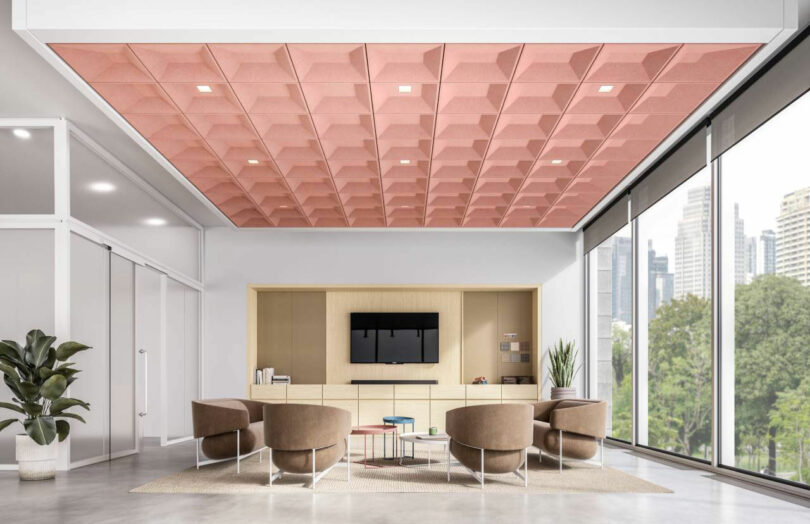
Color palettes are also shifting. While "Earthy Terracotta" and "Sage Green" remain popular for their grounding effects, we are seeing a rise in "Digital Lavenders" and "Soft Pinks" used to define specific sub-zones within large office environments. These colors help psychologically "prime" a space for either focused work or collaborative brainstorming.
Application Guide: Tailoring Acoustics to the Space
No two rooms have the same acoustic "fingerprint." To achieve Silent Luxury, we must tailor the application to the specific needs of the occupants.
Open-Plan Offices: The Baffle and Cloud Approach
In large, open workspaces, the goal isn't to eliminate all sound—which can be eerily quiet—but to control the "reverb time." We recommend using acoustic baffles or suspended clouds. By hanging PET panels vertically (baffles) or horizontally (clouds), you create a massive amount of surface area to catch sound before it bounces off the ceiling and returns to the desks below.
Enclosed Meeting Rooms: Balancing NRC and CAC
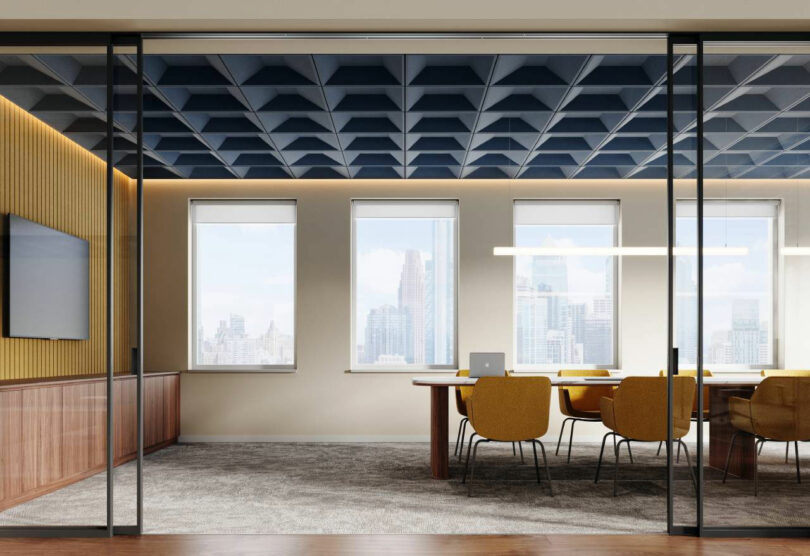
In meeting rooms, privacy is paramount. Here, the challenge is two-fold: you need high absorption (NRC) inside the room so participants can hear each other clearly without echo, but you also need high attenuation (CAC) to prevent "sound leakage." A combination of PET wall panels and a high-CAC ceiling tile is the gold standard for 2026.
Hospitality and Residential: Creating Wellness Zones
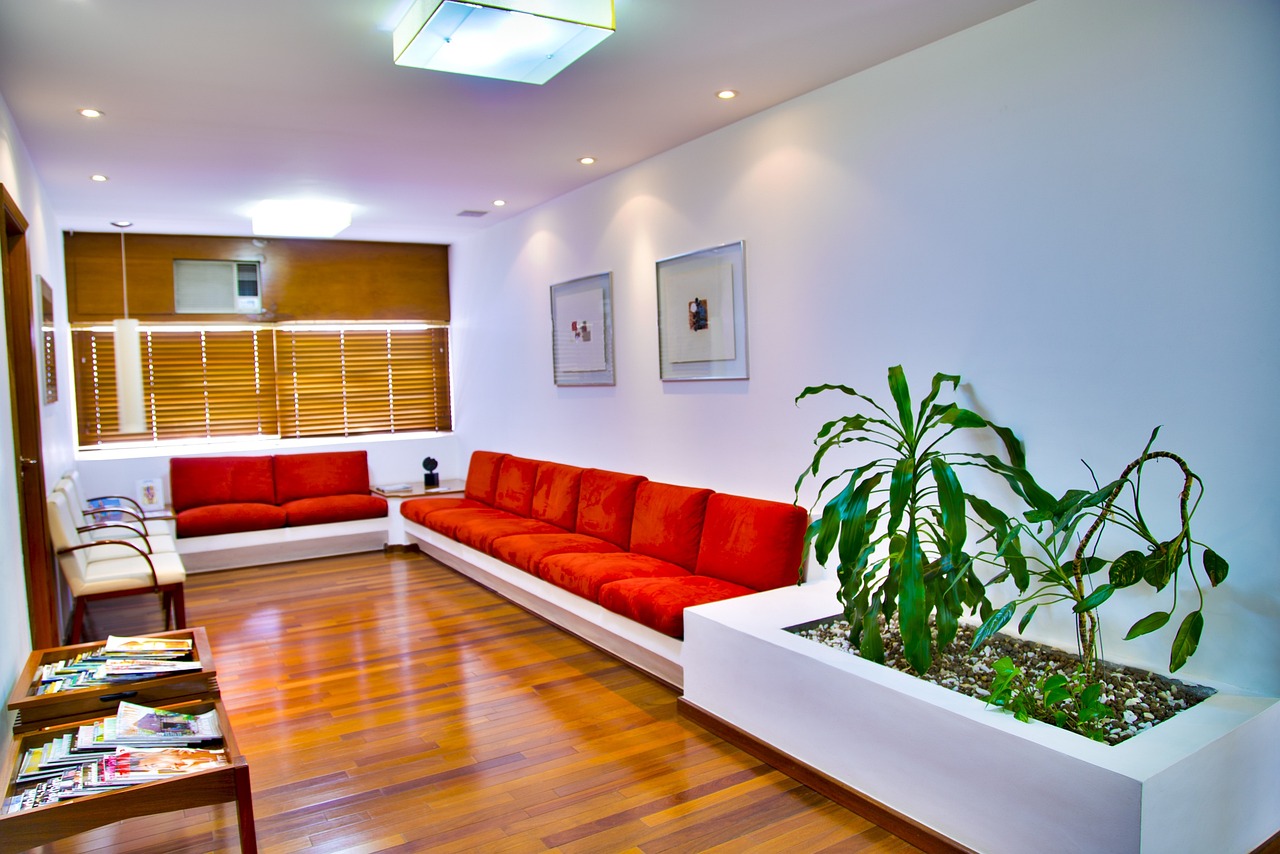
In hotels and homes, we are seeing the emergence of "wellness zones." These are quiet retreats designed for decompression. Using wood-texture PET wall panels in a bedroom or a hotel lobby creates an immediate sense of hush. The tactile nature of the felt adds a layer of soft luxury that hard surfaces like drywall or glass simply lack.
Procurement & Specification: The Buyer’s Checklist
As an editor, I often see projects fail not because of a lack of vision, but because of poor specification. When you are ready to invest in a PET acoustic system, use this checklist to ensure you are getting a product that meets 2026 standards:
- Acoustic Verification: Ensure the manufacturer provides an ASTM C423 or ISO 11654 report from an independent lab. Aim for an NRC of 0.85 to 0.95 for high-performance areas.
- Fire Performance: Safety is non-negotiable. Look for EN 13501-1 Class B or ASTM E84 Class A ratings. This ensures the material will not contribute significantly to the spread of fire.
- Sustainability Credentials: Real sustainability goes beyond just being "made of plastic." Check for FSC certification for any wood components and ask for the percentage of rPET (recycled polyester) content. A high-quality tile should contain at least 50-60% post-consumer recycled content.
- Density and Weight: Demand a density of at least 1,500 g/m² for ceiling tiles. Lighter panels are prone to warping over time and offer inferior sound absorption.
FAQ
Q: Can PET tiles be used in humid environments like bathrooms or spas? A: Yes! One of the greatest advantages of PET over mineral fiber is its moisture resistance. It does not rot, mold, or sag in high-humidity environments, making it perfect for wellness centers and indoor pool areas, provided there is adequate ventilation.
Q: How do you clean PET acoustic panels? A: Maintenance is surprisingly simple. For regular dust, a vacuum with a soft brush attachment works best. For stains, a damp cloth with mild soap is usually sufficient. Because the color is often "solution-dyed" (meaning the color goes all the way through the fiber), it won't fade or peel with cleaning.
Q: Is PET more expensive than traditional ceiling tiles? A: Initially, the material cost of high-end PET can be higher than basic mineral fiber. However, when you factor in the reduced breakage during installation, the longer lifespan, and the added value of the aesthetic design, the "Total Cost of Ownership" is often lower.
Conclusion
The "Silent Revolution" is more than just a trend; it is a fundamental shift in how we value our indoor environments. By choosing high-performance PET tiles, we are not just solving a technical problem—we are crafting a sensory experience. Whether you are designing a high-stakes boardroom or a serene home sanctuary, the integration of 0.95 NRC absorption, sustainable materials, and 2026’s "Silent Luxury" aesthetic ensures that your space will be as quiet as it is beautiful.
Don't let noise be the invisible flaw in your next project. Embrace the texture, the color, and the profound peace that only modern PET acoustics can provide.