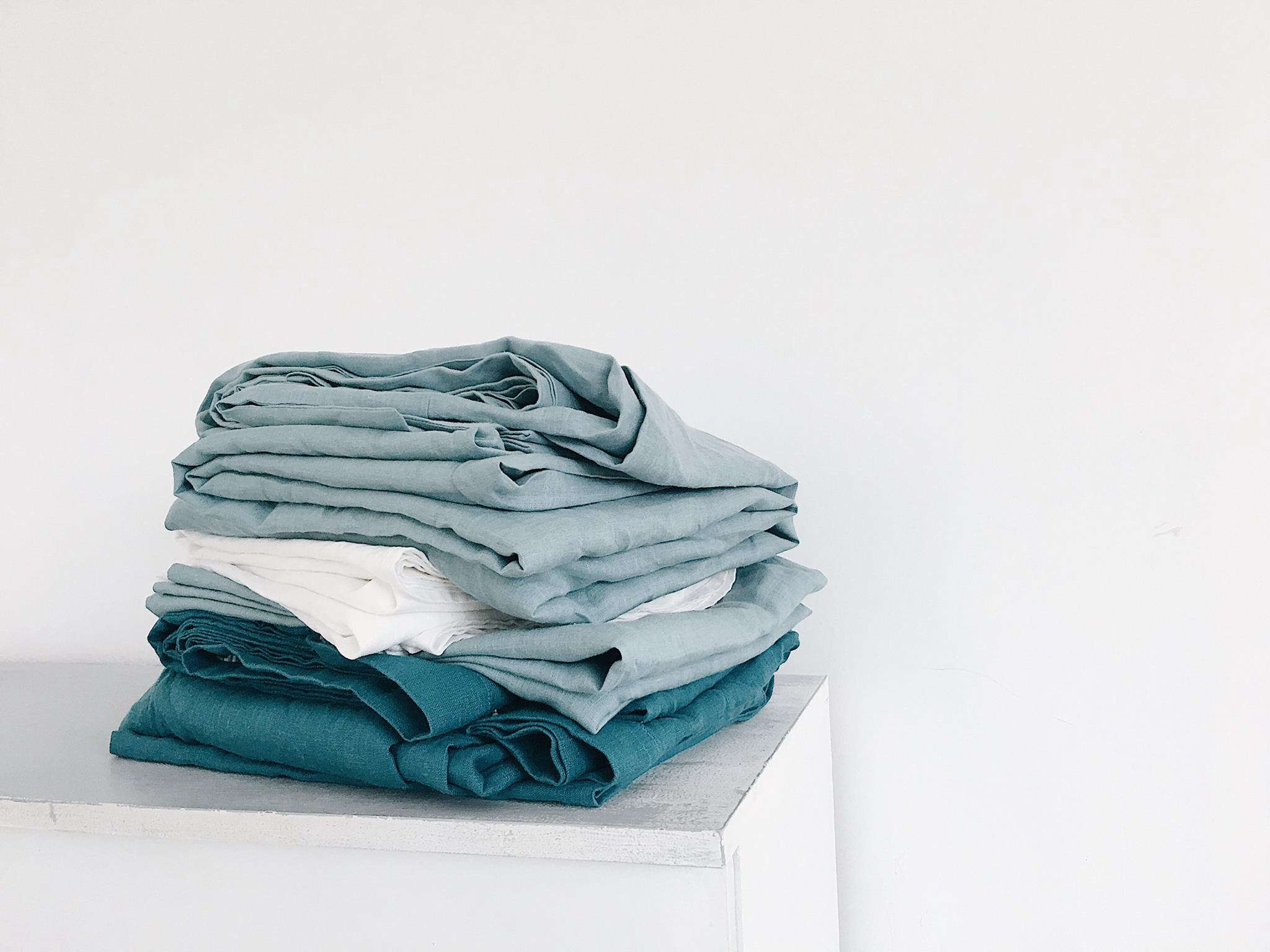
We spend nearly a third of our lives pressed against our bedsheets, yet we often know more about the ingredients in our morning yogurt than the molecular makeup of our bedding. In recent years, the term "chemical-free" has become a pervasive marketing buzzword, promising a sanctuary from the industrial world. But here is the inconvenient truth: nothing is truly "chemical-free"—water is a chemical, after all. What we are actually looking for is a sleep environment free from harmful synthetic residues that can disrupt our endocrine systems or irritate our skin. As we pivot toward sustainable living, understanding the nuance between labels like Oeko-Tex and GOTS isn't just about being a savvy shopper; it’s about protecting your long-term health and the environment.
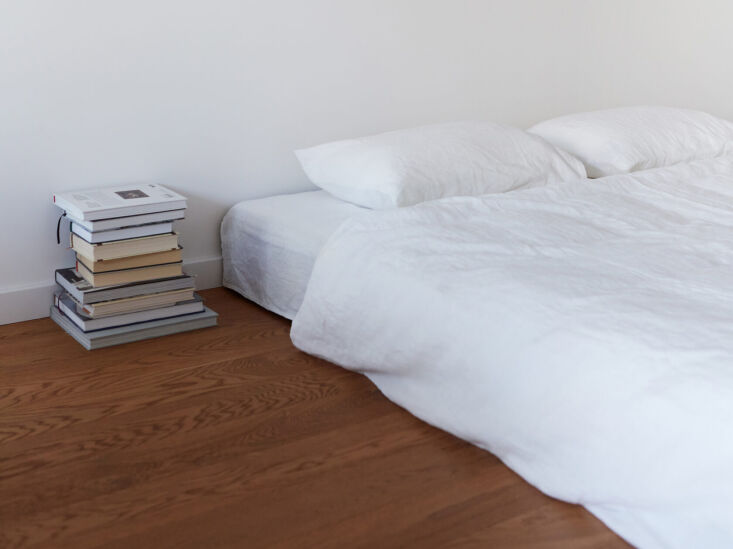
What No One Tells You: Oeko-Tex vs. GOTS
The most common point of confusion for homeowners is the difference between Oeko-Tex Standard 100 and GOTS (Global Organic Textile Standard). While both are excellent indicators of quality, they measure entirely different things.
The main difference lies in the scope of the audit. Oeko-Tex Standard 100 focuses exclusively on the safety of the final product. It tests every component—from the fabric and thread to the buttons and zippers—against a list of over 1,000 harmful substances. In contrast, GOTS is a "farm-to-factory" certification. It regulates the entire supply chain, ensuring that the flax was grown without synthetic pesticides and that the workers were treated fairly throughout the manufacturing process.
The 'Applesauce' Analogy
To simplify this, think of making organic applesauce.
- GOTS is like ensuring the apples were grown in organic soil, the workers in the cannery were paid a living wage, and no toxic preservatives were added during the cooking process. For a product to carry the GOTS-certified organic label, at least 95% of the starting fibers must be certified organic.
- Oeko-Tex is like testing the final jar of applesauce in a lab to ensure there are no pesticides or heavy metals inside it before it hits the shelf. It doesn't necessarily care if the apple was grown with a specific fertilizer, as long as that fertilizer isn't present in the sauce you eat.
| Feature | Oeko-Tex Standard 100 | GOTS (Global Organic Textile Standard) | MADE SAFE |
|---|---|---|---|
| Primary Focus | Safety of the final product | Holistic supply chain & organic farming | Ingredient toxicity & ecosystem health |
| Chemical Screen | 1,000+ harmful substances | Strictly regulated chemical inputs | 6,500+ prohibited substances |
| Organic Requirement | Not required | Minimum 95% organic fibers | High standards for raw materials |
| Social Criteria | No | Yes (Labor rights) | No |
| Best For | Sensitive skin & allergen reduction | Environmental & social activists | Ultimate chemical purity seekers |
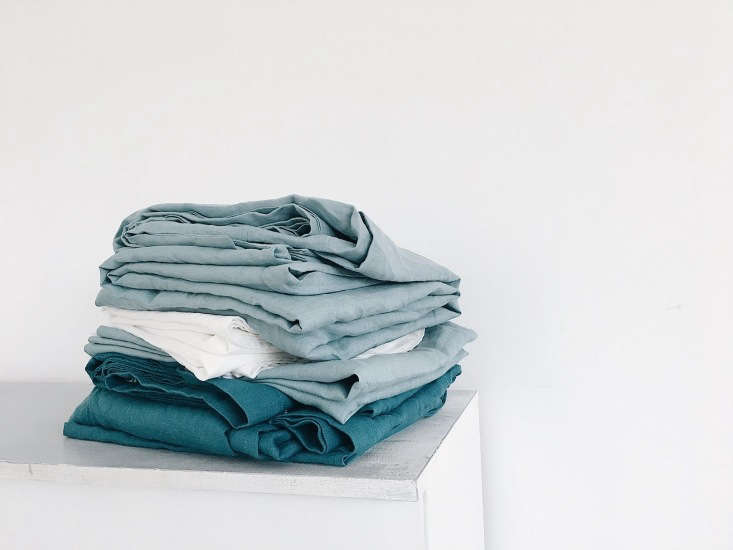
Decoding the Certifications: Which is Right for You?
When navigating the world of non-toxic European linen, you might wonder if Oeko-Tex is "enough." For the vast majority of sleepers, the answer is a resounding yes. Oeko-Tex linen bedding is rigorously tested for harmful substances and is generally safe for even the most sensitive skin. It provides a baseline of safety that standard, uncertified textiles simply cannot match.
However, it is important to check the "Class" of the certification. Oeko-Tex Class I is the strictest, designed for babies and toddlers, while Class II is for products that come into direct contact with the skin (like your sheets). If you are someone who suffers from extreme chemical sensitivities or chronic skin conditions like eczema, you might look toward MADE SAFE certification. While Oeko-Tex screens for 1,000 substances, MADE SAFE cross-references products against a list of over 6,500 prohibited chemicals, including many "forever chemicals" (PFAS) that are only recently coming under public scrutiny.
Expert Quote: "The skin is our largest organ, and it is highly porous. During sleep, our body temperature rises, and our pores open. If your bedding contains residual formaldehyde or azo dyes, your body may absorb these toxins through dermal contact. Choosing Oeko-Tex or GOTS is not just a decor choice; it is a preventative health measure." — Dr. Elena Voss, Environmental Health Specialist
The European Advantage: Why Origin Matters
If you want truly safe organic flax sheets, you have to look at where the flax grows. Approximately 80% of the world’s high-quality flax is grown in the "Flax Belt" of Europe—spanning France, Belgium, and the Netherlands. The temperate maritime climate and unique soil chemistry here allow flax to grow with minimal irrigation and very few pesticides compared to cotton.
But the origin of the fabric is just as important as the origin of the fiber. Many mass-market brands ship European flax to industrial factories in regions with lax environmental regulations for processing and dyeing. This is where "artisanal" brands like Sea Me differentiate themselves. By utilizing Ukrainian-made artisanal production, brands can maintain oversight of the finishing process.
Choosing European Oeko-Tex linen like Sea Me guarantees that the fabric is free from toxic finishers while supporting a tradition of craftsmanship. These linens are often hand-sewn and treated with non-toxic, sea-inspired dyes that reflect a commitment to both the environment and the user's health.
Hidden Toxins in 'Standard' Linen
You might assume that because linen is a "natural" fiber, it is inherently safe. Unfortunately, the industrial manufacturing process can introduce several "hidden" toxins that certifications like Oeko-Tex are designed to catch.
- Formaldehyde: Often used in "wrinkle-free" or "permanent press" finishes. While it makes the bed look crisp, it is a known carcinogen and a common skin irritant.
- PFAS (Forever Chemicals): These are sometimes used in stain-resistant treatments. They do not break down in the environment or the human body and have been linked to hormonal disruptions.
- Azo Dyes: These synthetic dyes are cheap and produce vibrant colors, but some can release aromatic amines that are carcinogenic.
- Heavy Metals: Used in certain pigments and fixatives, lead and cadmium can be found in low-quality dyed textiles.
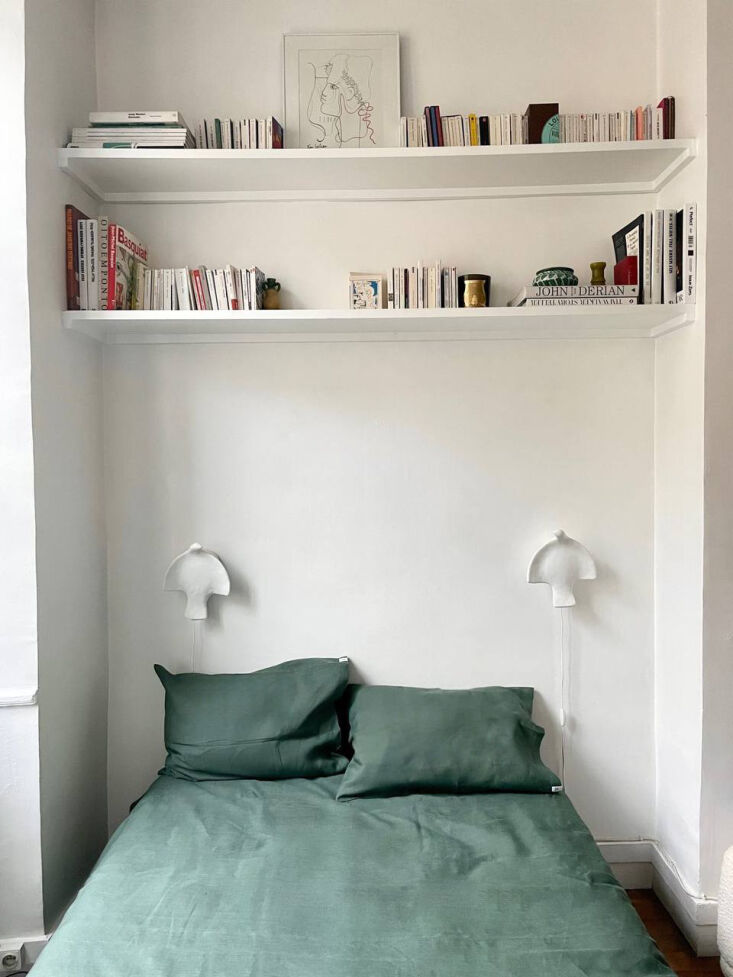
When you see a deep, rich color—like a dark emerald or a navy—in a non-certified linen, there is a higher risk of heavy metal or toxic dye presence. This is why Oeko-Tex certification is particularly vital for colored bedding.
Buyer’s Guide: Beyond Certifications
Once you’ve verified the certification, how do you know if the linen is actually good? Many consumers mistakenly apply "Thread Count" logic to linen, but in the world of flax, thread count is largely irrelevant.
GSM vs. Thread Count
Instead of thread count, look for GSM (Grams per Square Meter). This measures the weight and density of the fabric.
- 80–120 GSM: Very lightweight, almost sheer. Great for hot climates but may lack durability.
- 130–160 GSM: The "sweet spot" for year-round bedding. It offers the perfect balance of breathability and longevity.
- 170+ GSM: Heavyweight linen. Very durable, but can feel stiff and may take a long time to dry.
Stonewashed vs. Raw
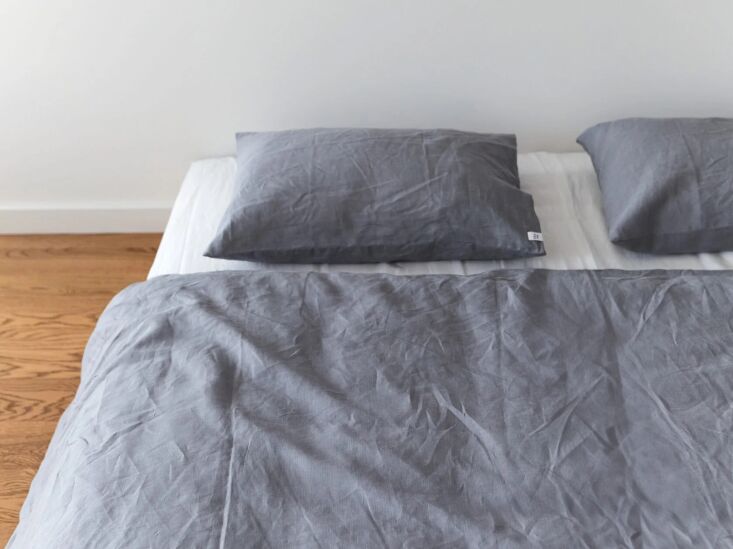
Most modern Oeko-Tex linen is "stonewashed." This is a mechanical process (sometimes using actual stones or enzymes) that softens the fibers before they reach you. This ensures that the linen feels soft from night one, rather than requiring months of washing to break in.
Maintenance: Caring for Non-Toxic Linen
Investing in high-quality, chemical-free bedding requires a shift in how you do laundry. If you wash your Oeko-Tex sheets with harsh, synthetic detergents filled with optical brighteners, you are essentially undoing the benefits of the certification.
- Detergent Choice: Use a pH-neutral, biodegradable liquid detergent. Avoid bleach and fabric softeners, as they coat the flax fibers and reduce their natural breathability.
- Washing: Wash in lukewarm or cold water. High heat can damage the fibers and cause excessive shrinkage.
- Drying: Air-drying is best for the longevity of the fabric. If you use a dryer, use a low-heat setting and remove the sheets while they are still slightly damp to prevent them from becoming brittle.
- The "Softness" Factor: Unlike cotton, which degrades over time, linen actually becomes softer and more lustrous with every wash. The pectin in the flax fibers breaks down, making the fabric more supple without losing its strength.
FAQ
Q: Is Oeko-Tex linen bedding safe for sensitive skin? A: Yes, Oeko-Tex certified linen is specifically tested for harmful substances and is generally safe for sensitive skin. It ensures the absence of irritating dyes and finishes like formaldehyde. However, for those seeking the absolute highest purity (for example, severe chemical sensitivity), GOTS-certified or MADE SAFE bedding offers even stricter regulations.
Q: Why is Oeko-Tex linen more expensive than standard linen? A: The cost reflects the rigorous testing and the higher quality of raw materials. To meet Oeko-Tex standards, manufacturers must use safer, more expensive dyes and finishes. Additionally, the certification process itself involves third-party audits, ensuring the brand isn't just "greenwashing."
Q: Does '100% Linen' mean it's chemical-free? A: Not necessarily. "100% Linen" only refers to the fiber content. Without a certification like Oeko-Tex or GOTS, the fabric could still have been treated with toxic pesticides during growth or harmful chemicals during the softening and dyeing process.
Conclusion
Creating a sustainable, non-toxic home isn't about achieving perfection; it’s about making informed choices that reduce your "chemical body burden." While the term "chemical-free" is a myth, the reality of safer sleep is well within reach through Oeko-Tex Standard 100 and GOTS certifications.
By choosing European-sourced linens like those from Sea Me, you aren't just buying a set of sheets—you are supporting artisanal craftsmanship and ensuring that your bedroom is a true sanctuary. Remember, the best bedding shouldn't just look good on your bed; it should be good for your body, from the first deep breath of the night to the moment you wake up.