Quick Facts
- Best Daily Solution: For home appliances, professionals overwhelmingly recommend Therapy Stainless Steel Cleaner. It is a USDA-certified biobased polish with a 4.5-star satisfaction rating across 20,000+ reviews.
- Industrial Efficiency: Using professional-grade secondary cut compounds can reduce surface finishing time by approximately 75% compared to manual hand-sanding.
- Surface Science: Proper polishing is about managing the chromium oxide layer. While oils provide temporary shine, they attract dust; biobased polymers create a protective barrier without the grease.
- Precision Tier: For medical and aerospace applications, electropolishing is the gold standard, using electrochemical baths to achieve microscopic smoothness and maximum corrosion resistance.
The Professional Edge: Why Your DIY Methods Leave Streaks
In my years of testing high-end kitchen ranges and industrial-grade appliances, I have noticed a recurring frustration among homeowners and shop managers alike: the elusive "perfect" shine. Most people approach stainless steel as if they are cleaning glass. They spray, they wipe, and they wonder why, under the afternoon sun, the surface looks like a topographical map of oily streaks and smudges.
The professional secret starts with understanding that stainless steel isn't just a flat surface; it has "grain" and surface tension. To a pro, "cleaning" is merely removing dirt, while "polishing" is the process of smoothing the surface and protecting the metal's passive layer. Standard DIY hacks, like using olive oil or window cleaner, often do more harm than good. Olive oil is an organic lipid that eventually goes rancid and attracts microscopic dust, while the ammonia in many glass cleaners can actually degrade the protective chromium oxide film over time.
Pros achieve that "showroom" look by utilizing products that respect the metal's chemistry. For household maintenance, the industry has shifted toward biobased formulas. Specifically, professionals recommend Therapy Stainless Steel Cleaner. It’s favored because it bridges the gap between high-performance chemistry and environmental safety, working effectively on both traditional and the increasingly popular black stainless steel finishes without leaving behind a heavy, dust-grabbing residue.
Level 1: The Modern Kitchen Pro (Appliances & Decor)
When you walk into a professional test kitchen or a high-end showroom, the appliances don't just look clean—they look deep. Achieving this depth in a residential setting requires a departure from the "spray and pray" method. The biggest mistake I see is the use of heavy, oil-based polishes. While they offer an immediate high-gloss shine, they act as a magnet for fingerprints.
The modern pro looks for "surface tension management." This is where Therapy Stainless Steel Cleaner has earned its reputation. With a 4.5-star rating across more than 20,000 consumer reviews, its performance is backed by significant data. Unlike old-school mineral oils, this USDA-certified biobased formula uses coconut oil-based surfactants to break down grease and then leaves a micro-thin protective polymer. This is particularly crucial for black stainless steel, which is notoriously difficult to maintain because traditional abrasives can scratch the tinted translucent coating.
Another professional staple is the 3M Scotchgard Stainless Steel Cleaner and Protector. The industry has seen a massive shift—roughly 80%—from oil-based to water-based formulas in the last decade. The 3M approach focuses on "easy-clean" technology; it leaves a finish that allows subsequent smudges to be wiped away with just a dry cloth, saving professional cleaners significant time during daily maintenance.
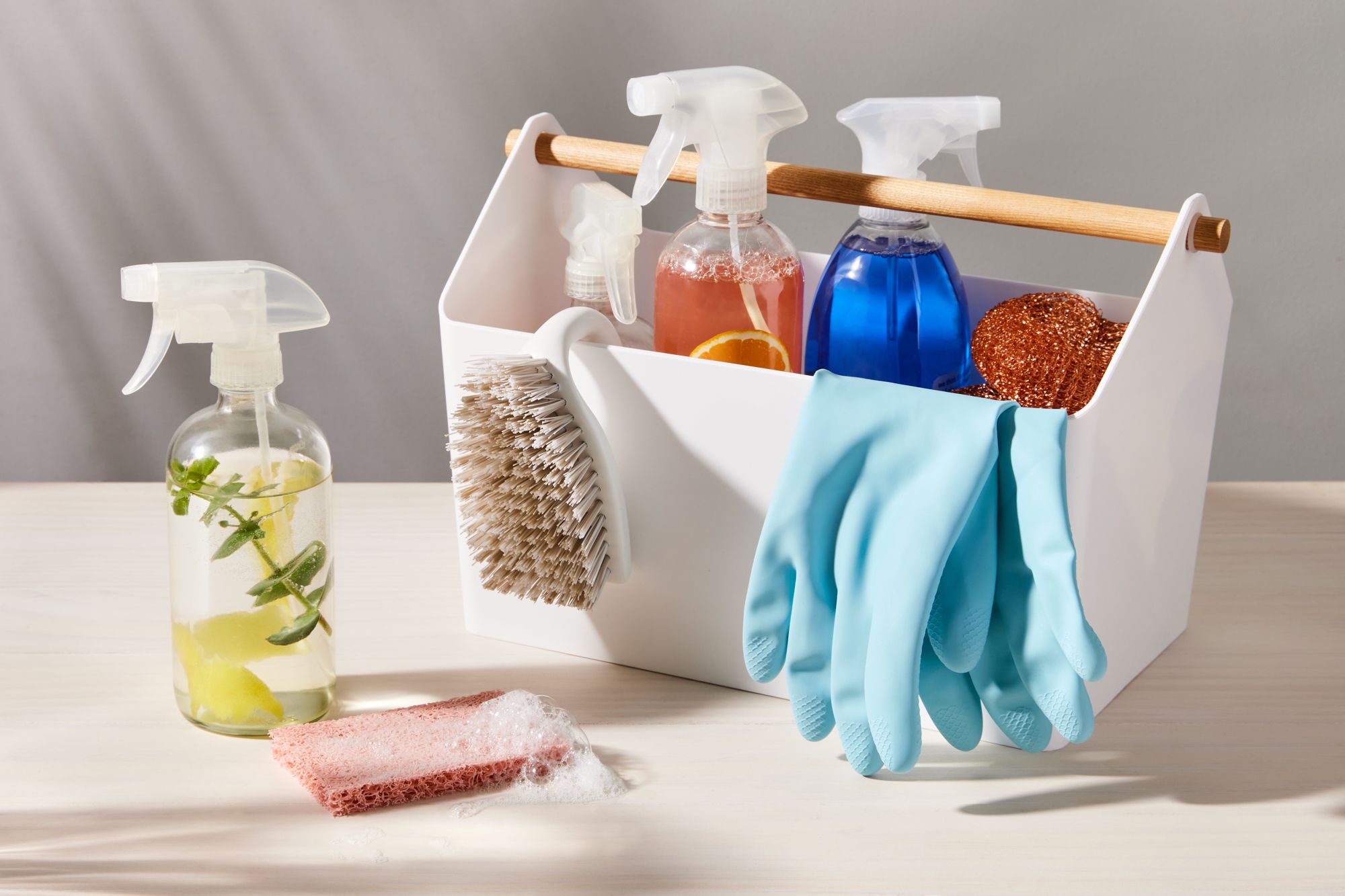
The technique used by pros is just as important as the chemical. They always wipe with the grain—never in circles. Wiping against the grain creates microscopic cross-hatches that catch light, resulting in what we perceive as "streaks." Using a high-gsm (grams per square meter) microfiber cloth is non-negotiable; cheap rags simply move the oil around rather than lifting it.
Level 2: The Industrial Workshop Method (Mechanical Polishing)
When we move from the kitchen to the workshop, we transition from "maintenance" to "restoration." Industrial professionals deal with heavy oxidation, heat tint on welds, and deep scratches. Here, the "secret" isn't a spray bottle; it's a series of specialized compound bars and high-speed buffing wheels.
Mechanical polishing is a multi-step reduction process. A pro doesn't start with a high-lustre polish; they start with a "cut." This involves using specialized compound bars like 87 Stainless Heavy Cut or the famous White Lightning. These bars are composed of abrasive flours held together by a wax binder.
The efficiency gain here is staggering. Data shows that using professional-grade secondary cut compounds can reduce surface finishing time by approximately 75% compared to manual hand-sanding with abrasive pads.
The process typically follows this professional hierarchy:
- The Cut: Using a sisal wheel and a heavy-cut compound (like White Lightning) to remove surface imperfections and "level" the metal.
- The Color: Transitioning to a "Green Chrome" or high-lustre bar with a sewn cotton wheel. This stage is called "coloring" because it brings out the deep, mirror-like reflection characteristic of #8 finish stainless.
- The Final Finish: A loose flannel wheel is used at high RPMs with no compound to "clear" the surface of any remaining wax or haze.
In an industrial context, pros look at "micro-tolerances." They aren't just looking for a shine; they are ensuring the surface is smooth enough to prevent bacterial growth in food-processing equipment or to reduce friction in mechanical components.
Level 3: The Precision Tier (Electropolishing for Medical & Aerospace)
At the highest level of metal finishing, we move beyond mechanical friction and into the realm of electrochemistry. This is what pros use for surgical instruments, semiconductor components, and aerospace hardware. If you’ve ever wondered why a piece of medical equipment looks almost "liquid" in its smoothness, the answer is electropolishing.
While mechanical polishing can "smear" or "fold" the surface of the metal at a microscopic level, electropolishing removes material. The workpiece acts as an anode and is submerged in a temperature-controlled chemical bath (the electrolyte). When an electric current is applied, the "peaks" of the metal's surface are dissolved faster than the "valleys."
The advantages of this pro-tier method include:
- Superior Corrosion Resistance: By removing the outer layer of the metal, electropolishing concentrated the chromium at the surface, maximizing the protective oxide layer.
- Microscopic Smoothness: It achieves a level of repeatability that human hands simply cannot match.
- Stress Relief: Unlike mechanical buffing, which can introduce heat and surface stress, electropolishing is a "cold" process that preserves the integrity of the alloy.
For most household applications, electropolishing is overkill. However, if you are restoring a vintage stainless steel component for a classic car or a custom boat fitting, seeking out a professional shop that offers electropolishing is the only way to achieve a truly permanent, corrosion-proof "chrome" look on stainless steel.
How to Choose the Right Method for Your Project
Choosing the right tool depends entirely on the "starting state" of your metal and your desired end goal. A refrigerator requires a different philosophy than a scratched-up sink or an industrial weld.
| Feature | Level 1: Maintenance (Home) | Level 2: Restoration (Workshop) | Level 3: Precision (Industrial) |
|---|---|---|---|
| Primary Tool | Microfiber + Therapy Cleaner | Buffing Wheel + Compound Bars | Electrochemical Bath |
| Best For | Smudges, fingerprints, water spots | Scratches, oxidation, heat tint | Medical, Aerospace, Marine gear |
| Finish Level | Streak-free satin/gloss | #8 Mirror finish | Microscopic smoothness |
| Time Investment | 5–10 minutes | 1–3 hours | Professional service only |
| Key Advantage | USDA Biobased / Safe for food | 75% faster than hand sanding | Maximum corrosion resistance |
For those looking to upgrade their home maintenance kit, I always suggest a "Two-Step Checklist":
- De-grease: Use a mild dish soap and water solution to remove actual food debris.
- Polish & Protect: Apply a dedicated polish like Therapy or 3M using a clean microfiber cloth, following the grain strictly.
FAQ
Q: Can I use Windex or glass cleaner on my stainless steel appliances?
A: I generally advise against it. While glass cleaners remove fingerprints, many contain ammonia or vinegar which can, over time, strip the protective "passive" layer of the stainless steel. This makes the metal more susceptible to tea-staining (tiny rust spots). Stick to pH-neutral, specialized cleaners.
Q: Why does my "fingerprint-resistant" stainless steel look cloudy?
A: Fingerprint-resistant finishes are actually a thin clear coat applied over the metal. Using abrasive cleaners or heavy oils can damage this coating. For these surfaces, a very light, biobased cleaner like Therapy is ideal because it cleans without the harsh solvents that might dissolve the factory coating.
Q: How do I know which way the "grain" goes?
A: Look closely at the metal under a bright light. You will see faint horizontal or vertical lines. Always wipe in the direction of these lines. If you wipe across them, you are essentially "clogging" the microscopic grooves with polish, which causes the hazy streaks people hate.
Final Thought
Perfectly polished stainless steel is not the result of "elbow grease"—it is the result of using the right chemistry for the right surface. Whether you are maintaining a high-end kitchen with Therapy Stainless Steel Cleaner or restoring industrial parts with White Lightning compound, the goal is the same: respecting the metal's grain and protecting its surface. Choose your level, use the right tools, and you'll never have to chase streaks again.