In an age where our eyes are perpetually glued to the blue-light flicker of a "chronically online" existence, the physical world has begun to feel like a secondary consideration. We consume trends at the speed of a thumb-swipe, discarding aesthetics as quickly as we adopt them. However, stepping onto the floor of the Stockholm Furniture Fair (SFF) 2025, one is immediately struck by a profound silence—not of sound, but of intent. This year, the design world hasn’t just paused; it has performed a "Great Reset." Stockholm 2025 is less about the new and more about the now, trading fleeting social media "cores" for a visceral, introspective design language that demands we look inward before we look out.
The Great Reset: Why Stockholm 2025 Rejects the 'Trend' Cycle
The Stockholm Furniture Fair 2025 (held February 3-9) arrived as a necessary visual reprieve. While the global design circuit often feels like a race to produce the most "Instagrammable" silhouette, Stockholm has pivoted toward rumination. The overarching theme this year centers on "Contemporizing Classics"—a direct challenge to the disposable nature of modern consumerism. In an era increasingly dominated by AI-generated precision and sterile digital renders, the fair highlights the designer’s role as a guardian of craft and human connection.
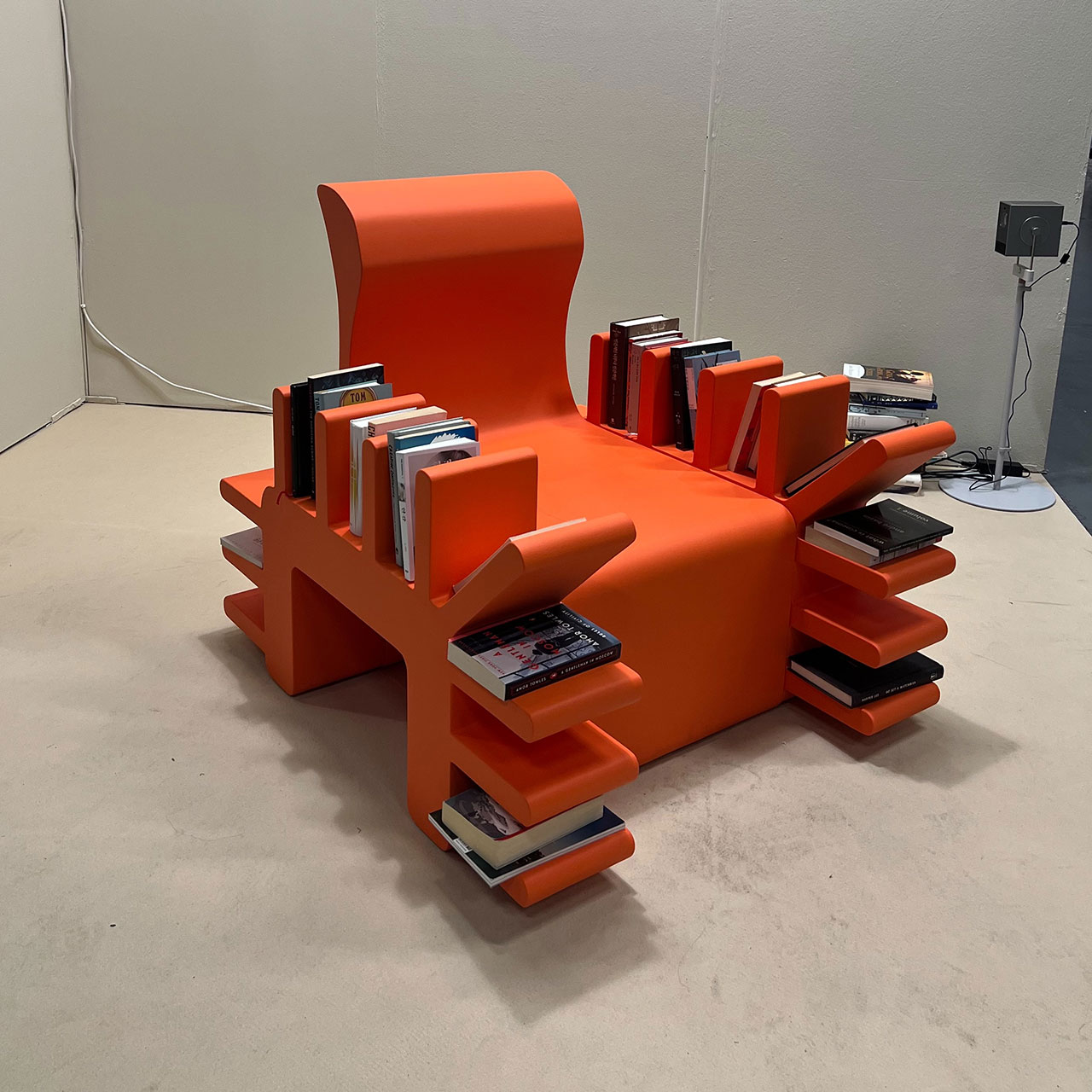
This shift is more than just an aesthetic choice; it’s a psychological one. By focusing on longevity and the tactile reality of materials, the fair acts as a digital detox. It reminds us that a chair isn't just a place to sit; it’s a vessel for human history and a response to the "messiness" of our actual lives.
Design Highlights: Intimacy Through Objects
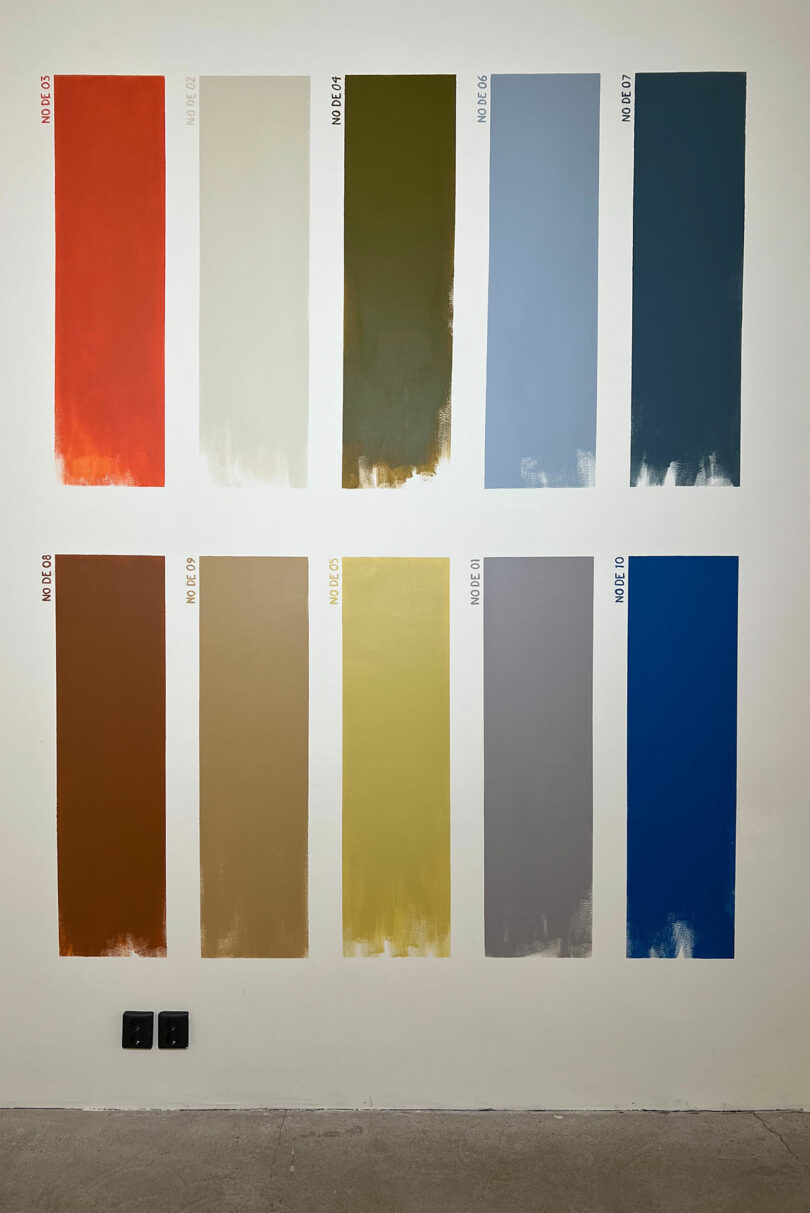
One of the most talked-about collaborations this year is between Note Design Studio and Blēo. They unveiled 'Statements,' a 10-color palette specifically engineered to establish interior intimacy. Unlike the stark whites or aggressive bolds of previous seasons, these hues—ranging from dusty ochres to deep, atmospheric teals—are designed to wrap around a room like a conversation.
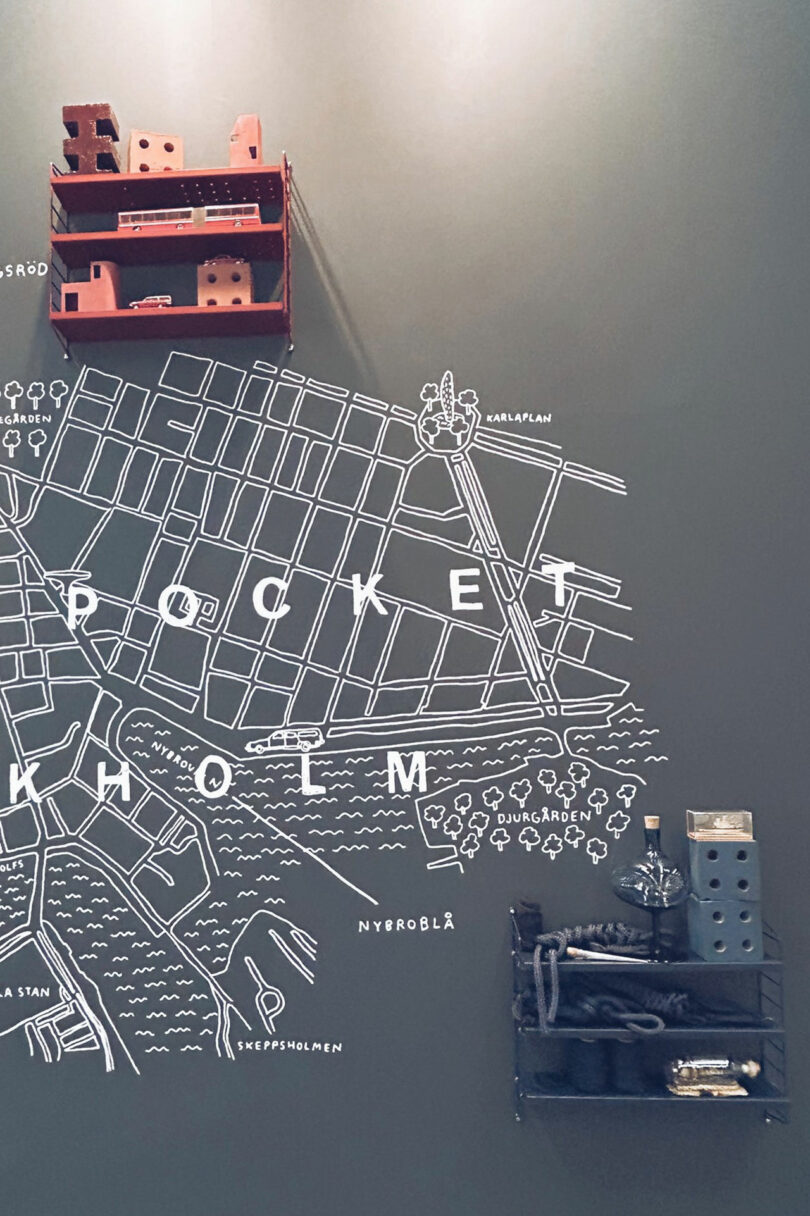
Then there is the celebration of the String Pocket. Turning 20 in 2025, this modular icon has been reimagined in "Stockholm Hues." Think ivory, petrol, and a rich chestnut—colors that mirror the city’s architectural DNA. It’s a masterclass in how a design can stay relevant not by changing its form, but by evolving its narrative to fit the mood of the decade.
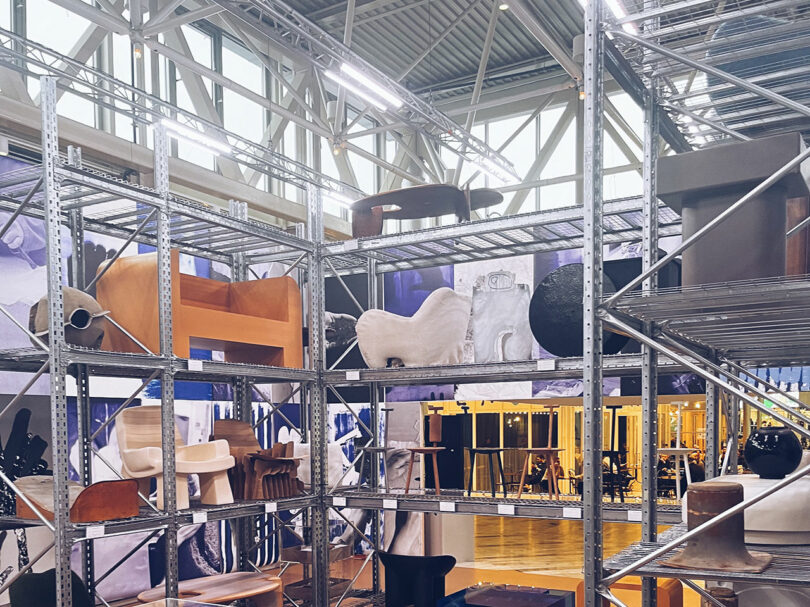
Perhaps the most poignant moment of the fair is Faye Toogood’s MANUFRACTURED. This mini-retrospective serves as a deliberate antithesis to the sleek perfection of AI. Toogood showcases the "messy process"—the hand-drawn sketches, the rough-hewn clay models, and the industrial-scale realities of manufacturing. It’s a celebration of the "fractured" nature of human creativity, reminding us that there is beauty in the imperfect and the hand-made.
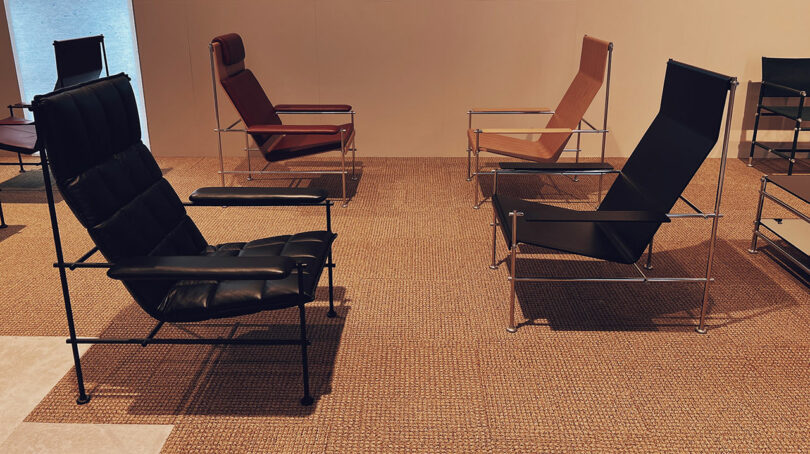
Rounding out the highlights are Blå Station and Fogia. Their latest releases, the Villhem and Pico chairs, reimagine comfort through a lens of "soft brutalism." We see sinewy metal frames paired with indulgent, high-quality leathers—a juxtaposition that feels both protective and inviting.
Navigating the 'Venice of Scandinavia': Travel Essentials
While the Furniture Fair is the winter anchor, Stockholm is a city of seasons. If you’re planning a visit, the "Golden Window" is typically between May and September. However, if you want the ultimate Swedish experience, mark your calendar for June 20, 2025. This is Midsommar, the national celebration of the summer solstice. Imagine endless daylight, maypole dancing, and a city draped in wildflowers—it is the peak of Swedish "Friluftsliv" (open-air living).
Pro Tip: The Tax-Free Perk Sweden carries a high Value Added Tax (VAT) of 25%. However, international tourists visiting for Design Week can claim significant tax refunds on design purchases. Look for the "Global Blue" sign in boutiques to reclaim a portion of your investment in that Swedish lounge chair you’ve been eyeing.
Logistics at a Glance
| Service | Detail | Cost/Time |
|---|---|---|
| Arlanda Express | Fastest way to the city center | 18 mins / ~320 SEK |
| SL Commuter Train | Budget-friendly airport transfer | 40 mins / ~170 SEK |
| Currency | Swedish Krona (SEK) | Card-only is common |
| Transport | SL App for subways & ferries | ~39 SEK per trip |
Neighborhood Curation: Where to Stay & Explore
Stockholm is an archipelago, and each "island" offers a distinct design philosophy.
- Södermalm (The Creative Pulse): This is where the "Elevated Scandi" lifestyle lives. It’s gritty but polished. Spend your afternoon at Fotografiska, the world-renowned photography museum, then wander the local indie boutiques like Grandpa or Papercut. It’s a neighborhood for those who prefer vintage denim over tailored suits.
- Östermalm (The Old Money Muse): If you’re looking for high-end elegance, this is it. Biblioteksgatan hosts luxury heavyweights, but the real gems are the hidden wine bars and the historic Östermalms Saluhall (the food hall). The vibe here is "hushed luxury"—expensive materials used with restraint.
- Gamla Stan (The Disney-esque Heritage): The Old Town is famous for its ochre-colored buildings and cobblestone alleys. While it can be a tourist trap, it is visually stunning. My advice? Visit at dawn to catch the light hitting the Royal Palace before the crowds arrive.
- Djurgården (The Green Lung): Home to the Vasa Museum, this island is where nature meets history. It embodies the spirit of Allemansrätten (the right of public access), encouraging you to walk, breathe, and slow down.
Slow Travel & Regenerative Tourism in 2025
The 2025 ethos extends beyond the home and into how we travel. Sweden is moving past "sustainability" (maintaining the status quo) toward "regenerative tourism"—the idea of leaving a place better than you found it.
In travel, this manifests as the Swedish art of Lagom—not too much, not too little, just right. It’s about choosing one high-quality experience over ten mediocre ones. Whether it’s staying in a hotel that uses circular energy systems or supporting local artisans in Södermalm, the goal is a deeper, more respectful connection to the land and its people.
The 72-Hour Stockholm Aesthetic Itinerary
For the design-conscious traveler, here is how to spend three days immersing yourself in the Stockholm "Introspective" vibe:
Day 1: History and Heights
- Morning: Walk through Gamla Stan’s narrowest street (Mårten Trotzigs Gränd) and grab a sourdough cardamom bun from Fabrique.
- Afternoon: Head to Södermalm for a curated shopping tour. Visit the Nordiska Galleriet for a look at contemporary Scandinavian furniture.
- Evening: Natural wine and small plates at Bar Agrikultur. Finish with views of the city skyline from Monteliusvägen.
Day 2: Museums and Mastery
- Morning: Ferry over to Djurgården. Spend hours in the Vasa Museum—the sheer scale of the 17th-century ship is a lesson in craftsmanship and hubris.
- Afternoon: Lunch at Rosendals Trädgård, an organic garden café where the food is literally pulled from the dirt around you.
- Evening: Fine dining in Östermalm. Hantverket offers incredible Swedish flavors with a modern, artistic presentation.
Day 3: Fika and Fire
- Morning: Embrace "Fika" culture. It’s not just a coffee break; it’s a social ritual. Find a quiet corner in Svenskt Tenn on Strandvägen.
- Afternoon: Visit a local sauna. For a modern aesthetic, try The Nest (rooftop pool); for tradition, head to Hellasgården just outside the city. Pro tip: In a Swedish sauna, silence is respected. Don't be the loud tourist; embrace the heat and the quiet.
- Evening: Final slow-shopping at the SFF Greenhouse (if visiting in February) to discover emerging designers.
FAQ
1. Is Stockholm expensive for a design-focused trip? Yes, but it’s manageable if you prioritize. Focus on free experiences like the city's architecture and parks, and use the 25% VAT refund to offset the cost of any major design purchases.
2. How do I get around the city efficiently? The SL App is your best friend. It covers subways (the "Tunnelbana"), buses, and the iconic ferries. Stockholm is incredibly walkable, but the ferries offer the best views of the city’s skyline for the price of a standard transit ticket.
3. What should I pack for Stockholm Design Week? In February, it’s cold. Layering is key. Think high-quality wool, sturdy boots, and a minimalist coat. The "Stockholm look" is monochromatic and functional—style never comes at the expense of warmth.
Stockholm 2025 reminds us that design is not a spectator sport played out on screens. It is a tangible, emotional, and deeply human endeavor. As we trade fleeting trends for deeper connections, we find that the most beautiful spaces aren't just the ones that look good—they are the ones that make us feel at home in our own skin.