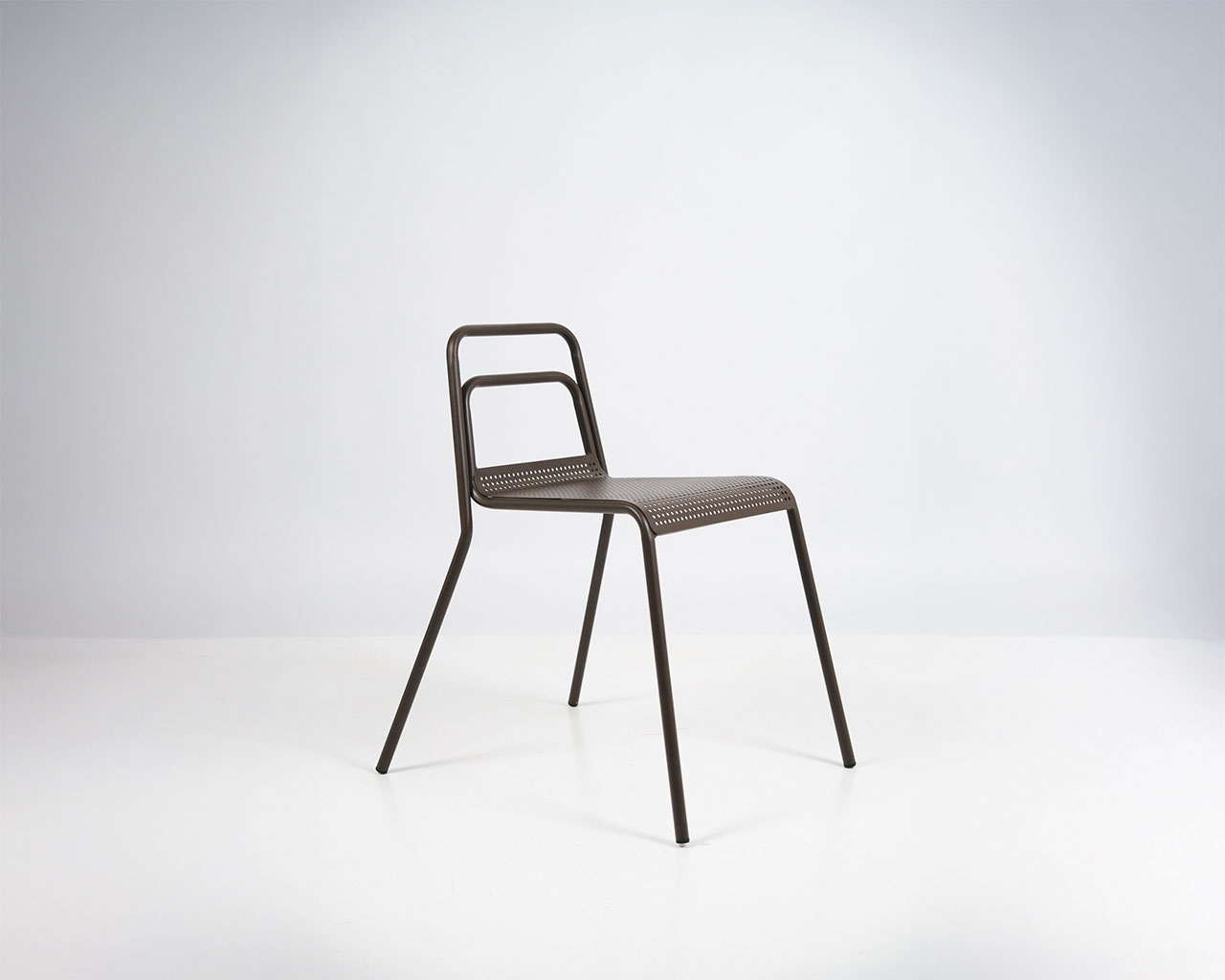
In the world of contemporary interiors, we are witnessing a quiet revolution where the most profound statements are often made by what isn't there. For decades, "heft" was synonymous with "quality"—heavy oak tables, solid marble plinths, and densley upholstered armchairs. However, as we look toward the mid-2020s, a new design language is emerging: the power of absence. This philosophy suggests that true luxury lies in the intelligent manipulation of space rather than the accumulation of mass. At the forefront of this movement is the Bishop Chair, a radical collaboration between the legendary Konstantin Grcic and the Italian manufacturing powerhouse Magis.
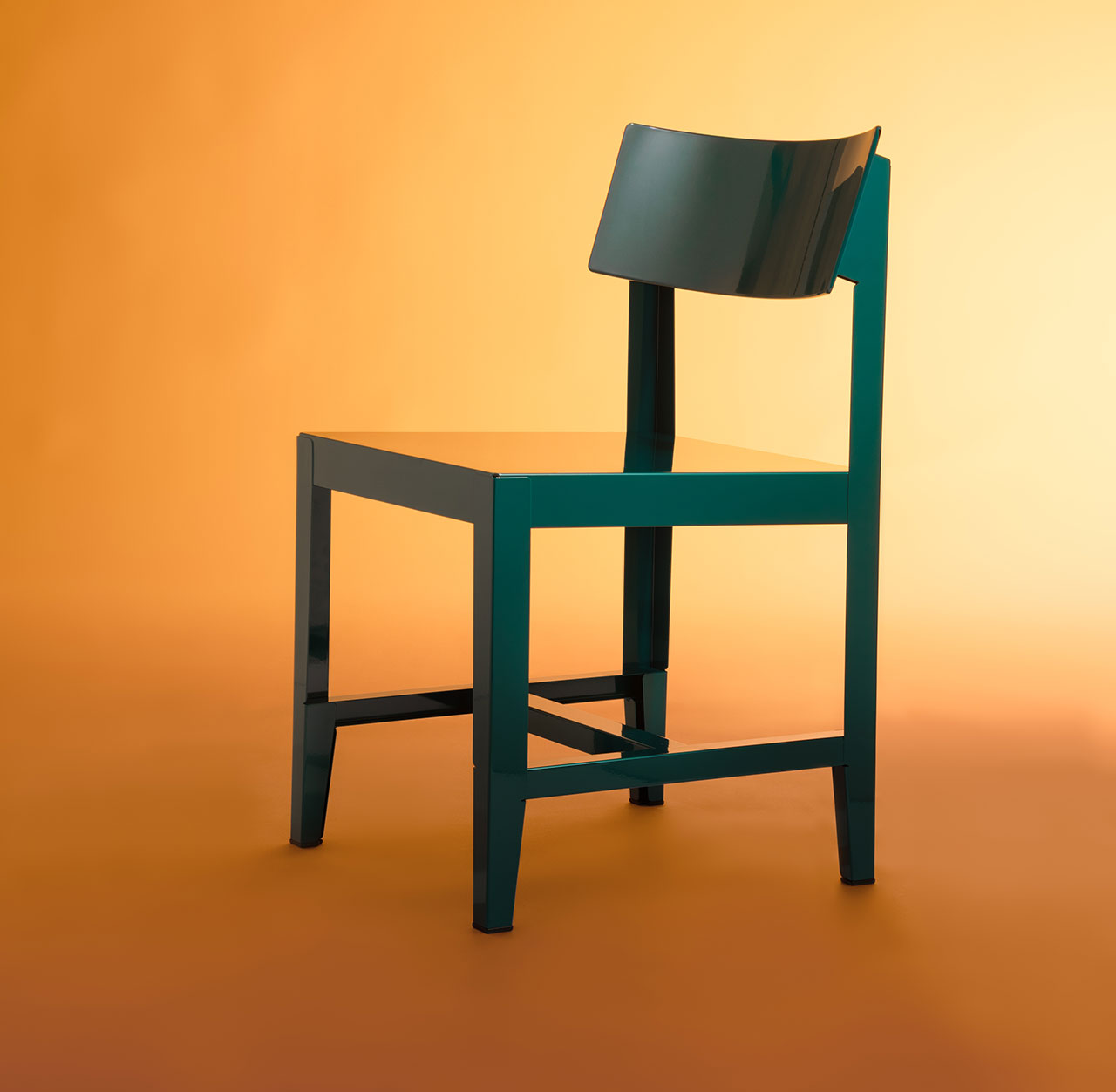
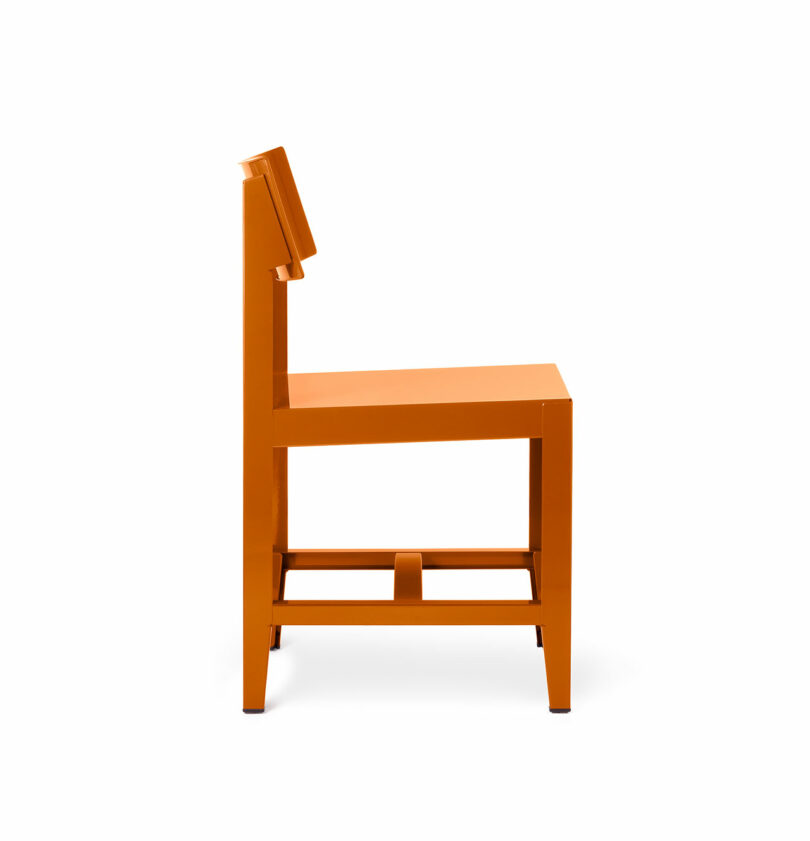
The Bishop Chair is far more than a minimalist seating solution; it is a manifesto for the future of living. Crafted from a single, 1mm-thick sheet of steel, it represents a departure from traditional furniture construction. By utilizing negative space to replace physical weight with visual volume, Grcic has created a piece that commands a room while remaining almost ethereal. It is a seating solution that thrives on the "power of absence," proving that a wide, welcoming silhouette can be formed from a single bent metal plane rather than a solid, heavy mass.
The Engineering of Lightness: 1mm Steel and the 5kg Feat
To understand the Bishop Chair, one must first appreciate the technical audacity required to build it. Most industrial-grade metal chairs rely on tubular frames or thick cast aluminum to ensure stability. Konstantin Grcic, a designer known for his rigorous, almost mathematical approach to form, chose a different path. He looked at the structural potential of thin-gauge sheet steel, a material often reserved for automotive panels or architectural cladding.
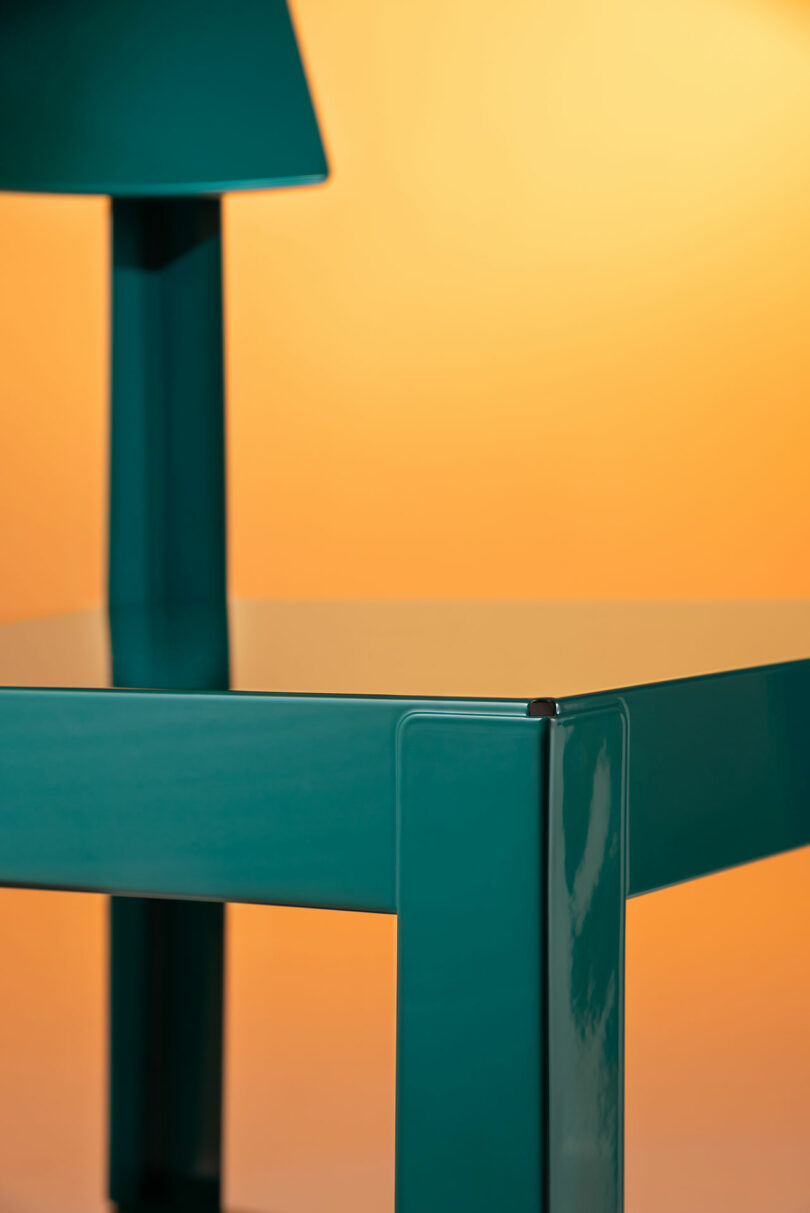
The chair is constructed from 1mm-thick steel, folded and welded with surgical precision to create a three-dimensional silhouette. Despite its expansive backrest and regal stance, the Bishop Chair weighs a mere 5kg (11 lbs). This engineering feat allows the chair to be easily moved and rearranged, yet it possesses a structural integrity that belies its slim profile.
Expert Insight: The brilliance of the Bishop Chair lies in its "Material Logic." By folding the steel, Grcic introduces rigidity where it’s needed most—in the seat and the transition to the backrest—allowing the rest of the form to remain incredibly thin and visually light.
The following table illustrates how the Bishop Chair disrupts the standard expectations for industrial seating:
| Feature | Bishop Chair (Magis) | Standard Industrial Metal Chair |
|---|---|---|
| Material Thickness | 1mm Steel | 2.5mm - 4mm Steel/Aluminum |
| Total Weight | 5kg (11 lbs) | 9kg - 12kg (20-26 lbs) |
| Weight Reduction | ~45% Lighter | Baseline |
| Visual Footprint | Low (High Transparency) | High (Solid Mass) |
| Construction | Single Bent Plane | Multi-part Welded Frame |
By achieving a weight that is approximately 45% lighter than its competitors, the Bishop Chair addresses the modern need for flexible, "nomadic" furniture that doesn't sacrifice aesthetic gravitas.
Visual Heft vs. Physical Mass
In interior styling, we often talk about "visual weight"—how much attention a piece of furniture demands in a room. Traditional chairs with solid backs or thick legs can act as visual roadblocks, cutting off sightlines and making small spaces feel cramped. The Bishop Chair redefines this concept through "Visual Volume."
Its wide, angular backrest creates a "stately and regal" silhouette that mimics the presence of a much larger armchair. However, because the steel is so thin and the structure is essentially a hollow shell, the eye passes around and through the chair. It provides the feeling of a large, supportive seat without the physical clutter of a solid object.
The relationship between Grcic and Magis is a symbiotic exchange that makes this possible. Magis has long been a patron of experimental design, providing the industrial machinery capable of executing Grcic's uncompromising geometry. The "expected stance" of the Bishop Chair—its wide-set legs and broad shoulders—invites interaction. It stands at attention, waiting to be used, yet it remains remarkably polite to the architecture surrounding it.

2026 Trend Alignment: Soft Architecture and Sustainable Luxury
As we look toward the 2026 interior landscape, the Bishop Chair aligns perfectly with the shift toward "Soft Architecture." This trend moves away from cold, clinical minimalism in favor of "Warm Minimalism"—designs that are structurally rigorous but feel human-centric and expressive.
The Bishop Chair's curves are not merely decorative; they are ergonomic. The way the steel wraps around the sitter provides a sense of enclosure and security. This is high-end design that moves away from "fast furniture" toward heirloom-quality pieces. In an era where sustainability is paramount, the choice of steel is intentional. It is infinitely recyclable, and the chair’s durability ensures it will remain a fixture in a home for decades rather than seasons.
Integrating the Bishop Chair into a curated 2026 living space involves playing with contrast. Because of its sharp, sculptural lines, it pairs beautifully with softer elements:
- Textural Contrast: Place a Bishop Chair next to a chunky, bouclé sofa or atop a high-pile wool rug to highlight its sleek steel surface.
- Color Blocking: Use the chair’s vibrant colorways to create a focal point in an otherwise neutral, earthen-toned room.
- Light Play: Position the chair near a window where its high-gloss finish can reflect natural light, enhancing its liquid-like appearance.
Durability as a Design Statement
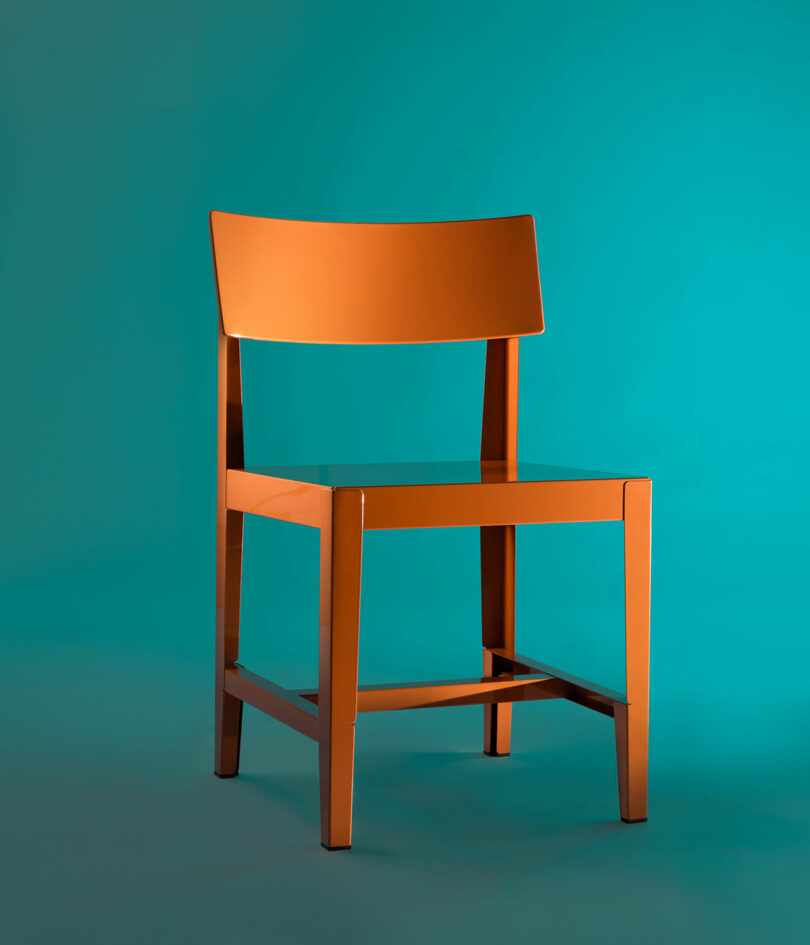
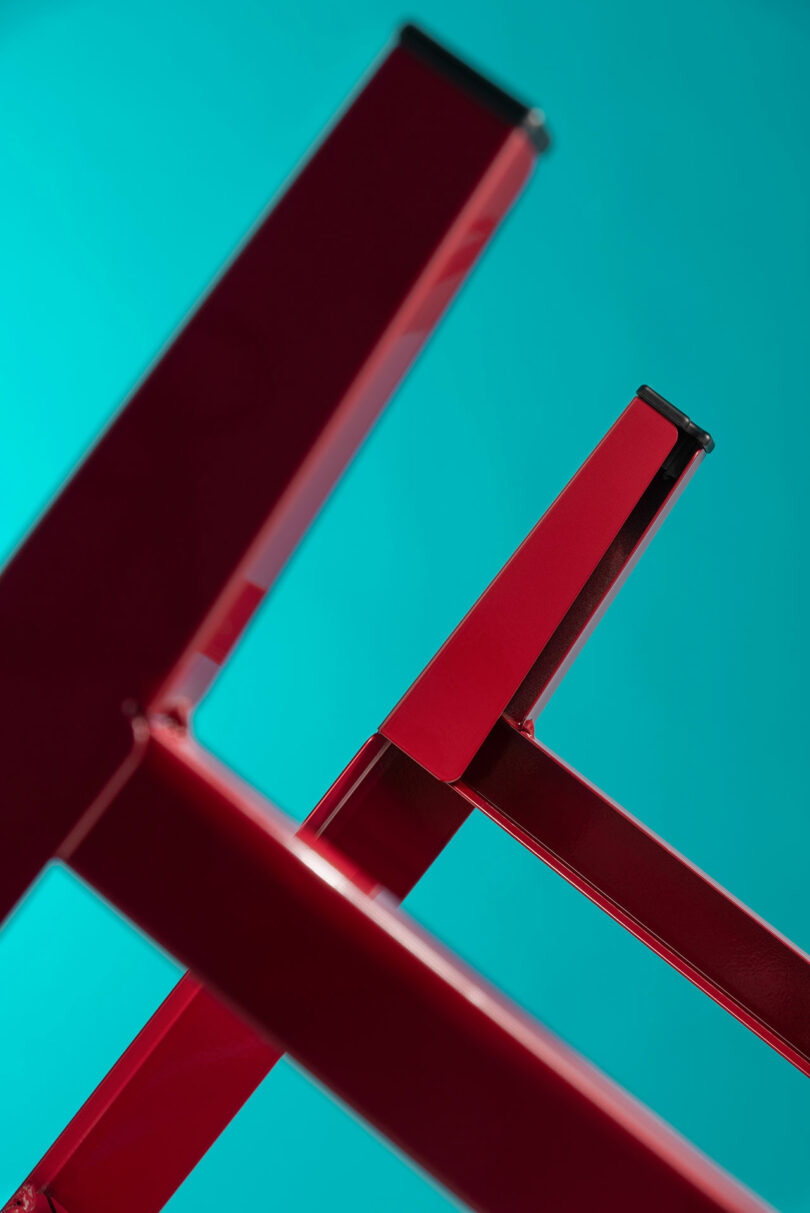
One of the most impressive aspects of the Bishop Chair is its finish. Available in a palette of sophisticated colors—including Traffic Red, Black Brown, Pale Green, and Pure Orange—the chair features a multi-coat, high-gloss finish. This isn't just an aesthetic choice; it’s a longevity strategy.
The multi-coat finish is designed to be exceptionally resilient, protecting the 1mm steel from the elements and daily wear. Statistically, this specialized coating is designed to extend the product’s lifecycle by up to 3x compared to average commercial-grade seating. It transforms the chair into a "functional sculpture" that is equally at home in a high-traffic restaurant as it is in a private study.
Styling Tip: Don't be afraid to mix the colors. A dining set featuring a mix of Black Brown and Pale Green Bishop Chairs creates a sophisticated, curated look that feels more like a gallery installation than a standard dining room.
Conclusion: The New Icon of Seating
The Bishop Chair by Konstantin Grcic is a masterclass in modern restraint. It reminds us that "less is more" is evolving into "less is smarter." By stripping away the unnecessary and focusing on the structural potential of a single millimeter of steel, Grcic and Magis have created a piece that is both a technical marvel and a poetic addition to any interior.
Whether you are looking to anchor a minimalist living room or add a touch of "soft architecture" to a commercial project, the Bishop Chair stands as a testament to the power of negative space. It doesn't just fill a room; it defines it.
Frequently Asked Questions (FAQ)
Is the Bishop Chair comfortable for long-term sitting? Yes. Despite its metal construction, the Bishop Chair features an ergonomically curved backrest and a wide seat pan that distributes weight evenly. For added comfort during long dinners, many designers pair it with a thin, custom-fitted felt or leather pad.
Can the Bishop Chair be used outdoors? Absolutely. Thanks to its durable multi-coat high-gloss finish and solid steel construction, the Bishop Chair is suitable for outdoor use. Its lightweight nature (5kg) makes it easy to move between a patio and an indoor dining area as needed.
How do I clean and maintain the high-gloss finish? To maintain the "liquid-like" shine, simply wipe the chair with a soft, damp microfiber cloth. Avoid abrasive cleaners that could scratch the surface. The high-gloss coating is designed to be low-maintenance and highly resistant to fading.
Call to Action (CTA)
Ready to redefine your space with the power of negative space? The Bishop Chair is a timeless investment in the future of design.