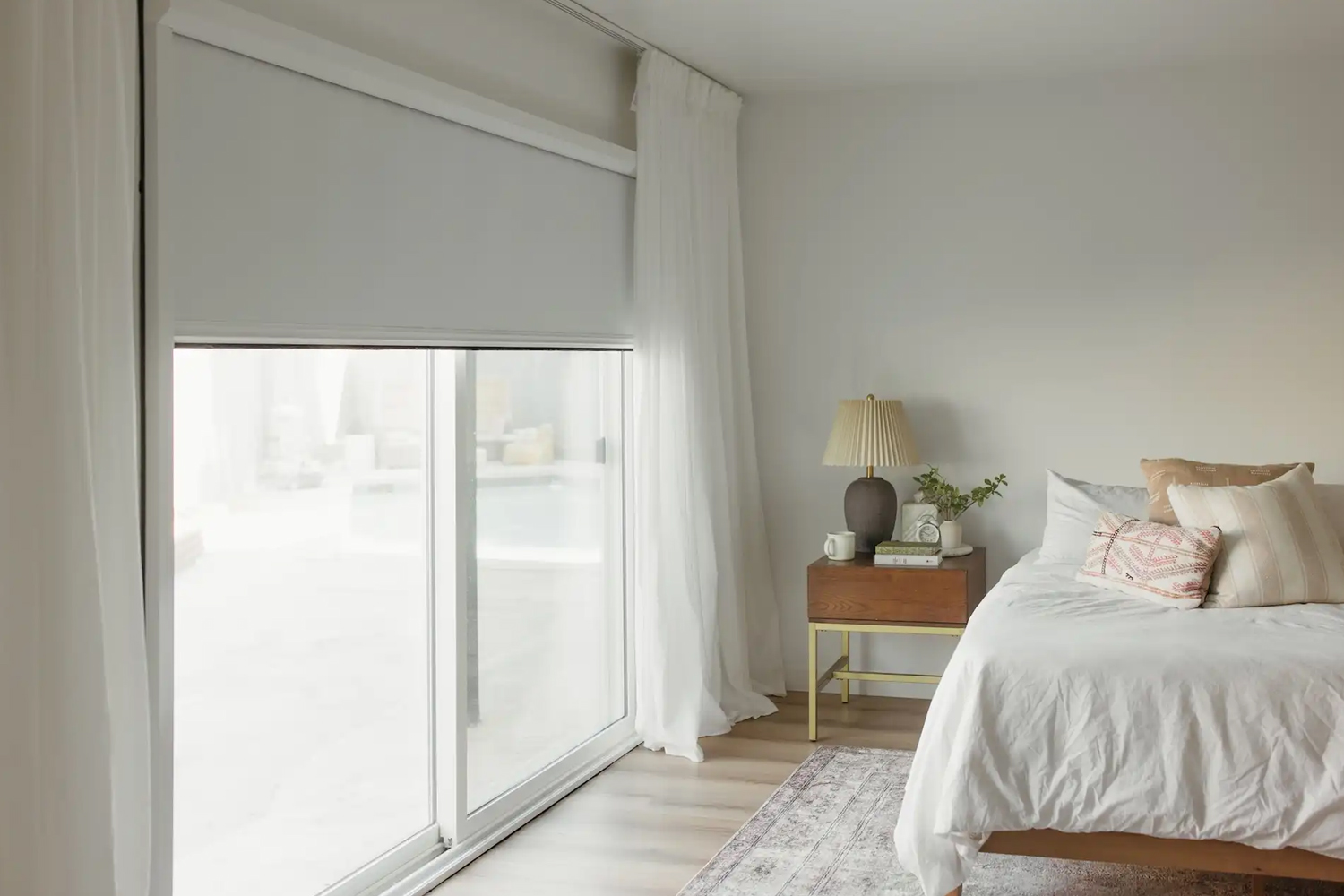
In the shifting landscape of interior design, we are witnessing a quiet but powerful rebellion against the "disposable" home. After years of ethereal minimalism and the rapid-fire churn of fast-furniture trends, a new aesthetic is taking root—one that feels as though it was pulled straight from the pages of a well-loved childhood volume. We call it the Three Bears Style.
Named for its cozy, robust, and storybook-inspired proportions, this trend is less about "just right" perfection and more about "just right" presence. It is characterized by furniture that is unapologetically heavy, firmly rooted to the ground, and crafted from materials that intend to outlast their owners. As we navigate an increasingly digital and ephemeral world, homeowners are turning toward environments that offer a sense of permanence. In fact, market data indicates a 48% increase in consumer interest for "grounding" and "robust" furniture pieces, signaling a collective shift toward mindful, slow-living environments that prioritize comfort over mere "curation."
Beyond Minimalism to 'Hunkering Down'
The Three Bears Style isn't just an aesthetic choice; it’s a psychological one. It represents the "hunkering down" phase of modern design. Where mid-century modern offered slim legs and airy silhouettes, the Three Bears look offers chunky pine, solid oak, and a deliberate "chunkiness" that feels safe and enduring.
At its core, the Three Bears Style is an interior design trend characterized by cozy, robust, and vintage furnishings that evoke the warmth of children's book illustrations. It often features 1960s Brutalist pieces and rustic carpentry, emphasizing a "grounding" aesthetic. This style supports mindful living by encouraging us to be present, inviting us to touch the grain of a heavy table or sink into a chair that doesn't wobble. It is the antithesis of the "flat-pack" lifestyle.
What Makes it 'Three Bears'? Key Design Pillars
To understand the Three Bears look, one must look at proportions. Think of the furniture you might find in a cottage in the woods: a table too heavy to move alone, a chair with a back like a thumbprint, and a bed frame that looks like it was carved from a single, ancient tree.
- Robust Proportions: Everything is slightly "oversized" in terms of thickness, not necessarily scale. Table tops are three inches thick; chair legs are stout pillars.
- Honest Materials: The focus is on Brutalist Oak, Knotty Pine, and Hand-Carved Chestnut. These woods aren't hidden under high-gloss lacquers; they are celebrated for their knots, cracks, and grain.
- The Storybook Arc: There is a distinct overlap here with the "Strega Nona Autumn" aesthetic—a nod to the 1970s folk revival and rustic European carpentry that feels magical yet utilitarian.
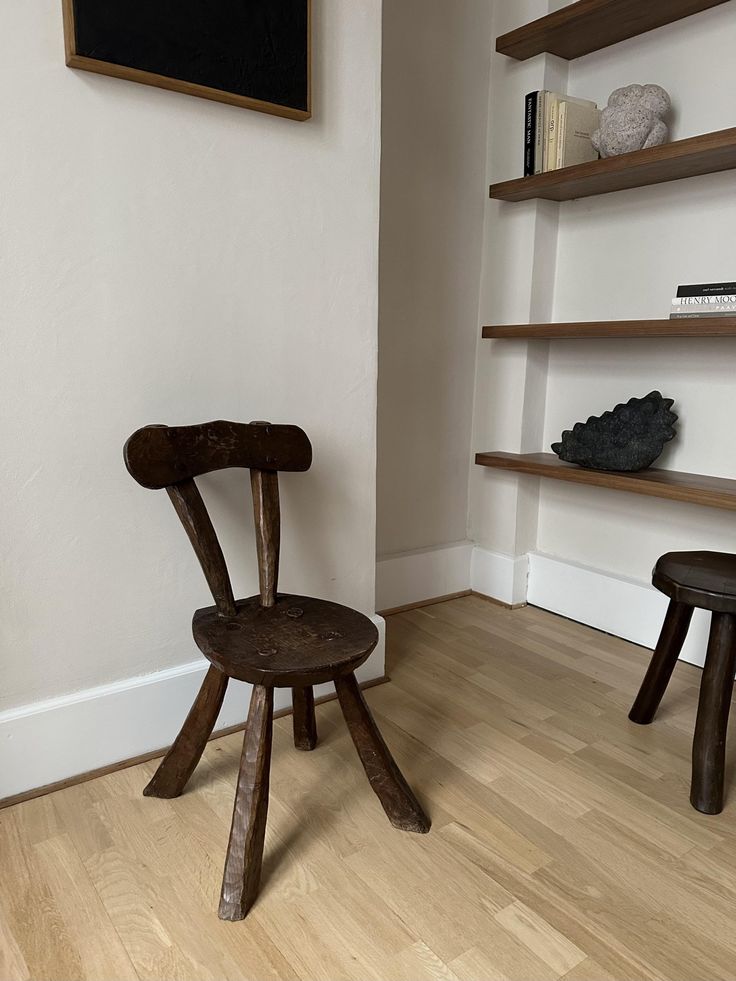
This style leans heavily on 1960s-70s Brutalist design. Unlike the cold concrete often associated with Brutalist architecture, wooden Brutalist furniture is warm, tactile, and sculptural. It prioritizes longevity and honest craftsmanship over the fleeting silhouettes of fast-fashion furniture.
The Mindful Living Connection: Why It Feels 'Just Right'
Why are we so drawn to these "heavy" items now? The answer lies in the psychology of grounding. Mindful living is about being present in the moment, and nothing pulls you into the present quite like the physical weight of your surroundings.
When you sit at a chunky pine desk or share a meal on a mid-century oak dining set, there is a sensory feedback that lightweight furniture cannot provide. The Three Bears Style promotes mindful living through tactile materials. You feel the history in a patinated surface; you hear the solid thunk of a drawer made with dovetail joints. These pieces encourage us to slow down. They are "forever" pieces that demand we care for them, oil them, and eventually pass them down.
"The Three Bears Style is the architectural equivalent of a weighted blanket. It provides a sense of security and stability that serves as a vital counterpoint to our fast-paced, screen-heavy lives." — Ivy Chen
Sourcing the Look: Vintage Brutalist & Rustic Gems
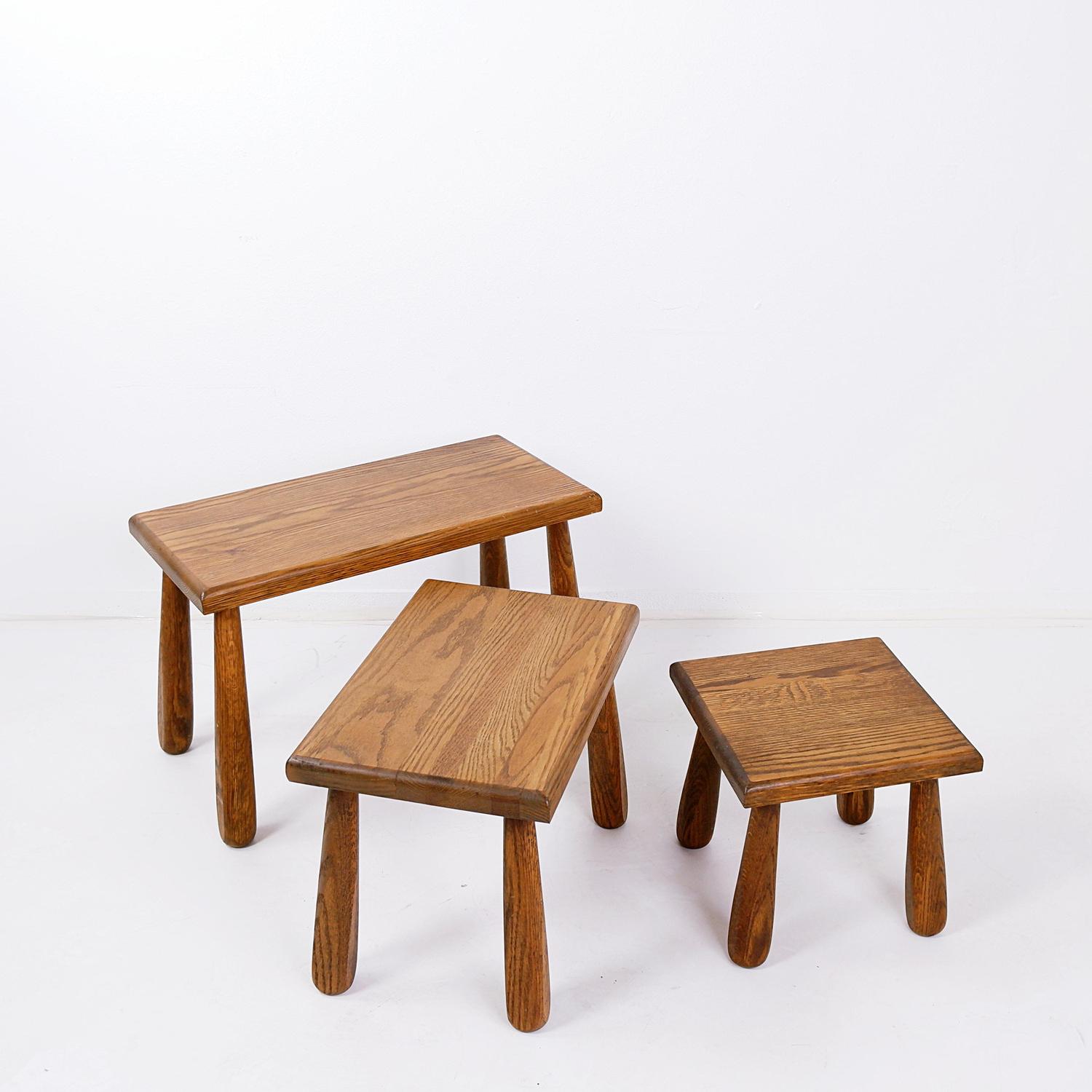
Building a Three Bears home requires a scavenger’s eye. You won't find these pieces in a standard big-box showroom. The "magic" of this style comes from the hunt for 1960s and 70s European influences—specifically from Belgium, Denmark, and Germany.
Look for names like WASA Möbel (Germany) or the sculptural work of Belgian designers who mastered the art of the Brutalist Oak sideboard. These pieces were often made in small batches by skilled carpenters, making each find unique.
The Collector’s Table: What to Look For
| Item Type | Key Features | Aesthetic Vibe | Estimated Price Range |
|---|---|---|---|
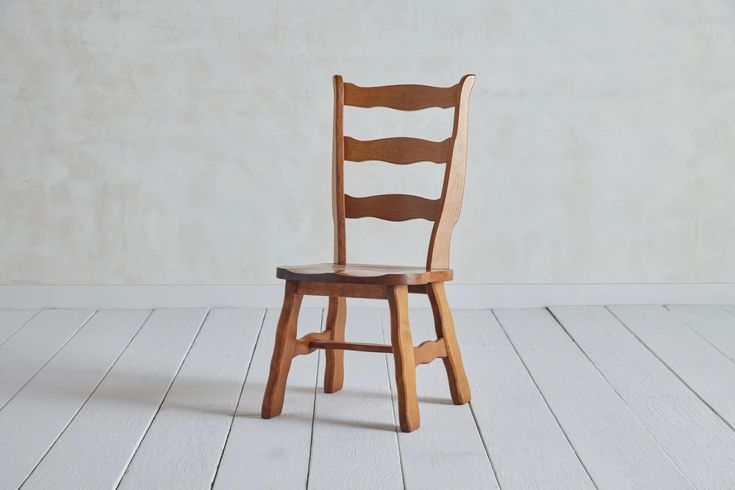
| Belgian Ladderback Chair | High back, rush seat, chunky frame | Traditional Folk | $450 – $900 per chair |
| Dutch Oak Sofa | Exposed wooden frame, thick cushions | Robust Comfort | $2,500 – $5,000 |
| 1970s Pine Desk | Knotty wood, oversized pulls | Storybook Studio | $1,200 – $4,200 |
| Tyrolean Folk Chair | Carved backrests, splayed legs | Alpine Chic | $300 – $600 |
The Sustainability Factor: Eco-Conscious Decorating
As an editor, I am often asked how to decorate beautifully without contributing to the environmental crisis. The Three Bears Style offers a definitive answer. Sustainable design reports show that sourcing vintage 'Three Bears' style furniture can reduce a household's annual furniture carbon footprint by up to 65% compared to purchasing new flat-pack alternatives.
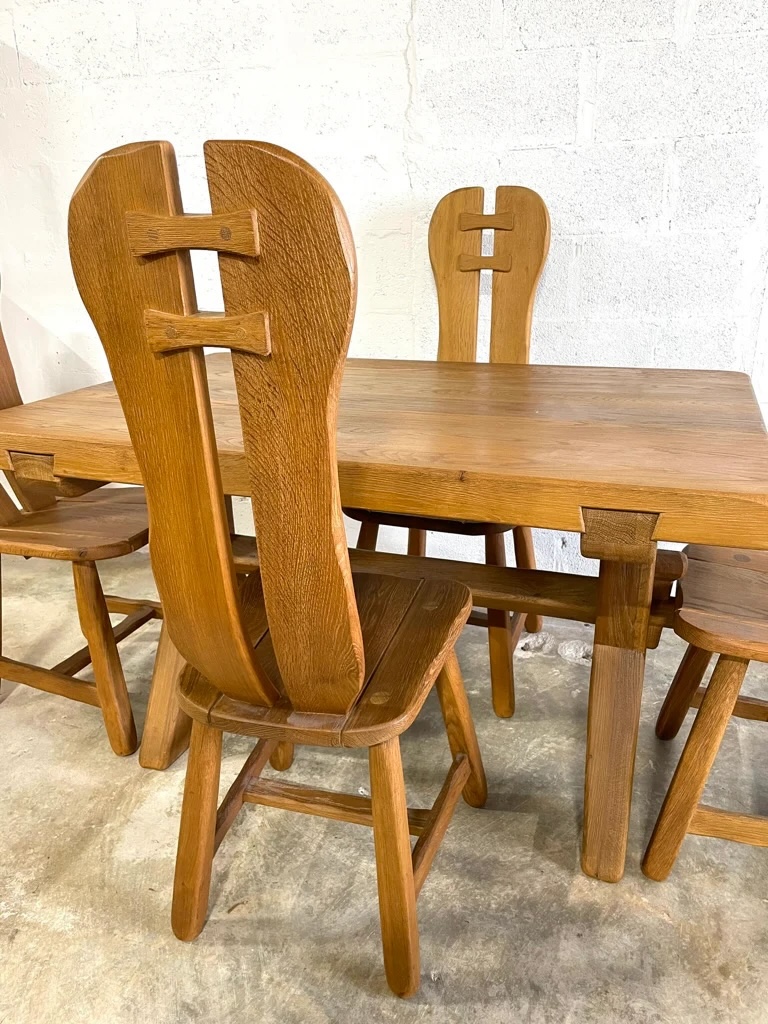
When you buy a 50-year-old oak table, you are removing yourself from the cycle of planned obsolescence. These materials—Oak, Pine, and Chestnut—are chosen because they age gracefully. Unlike particle board that swells and chips, solid wood develops a "patina"—a map of the life lived around it.
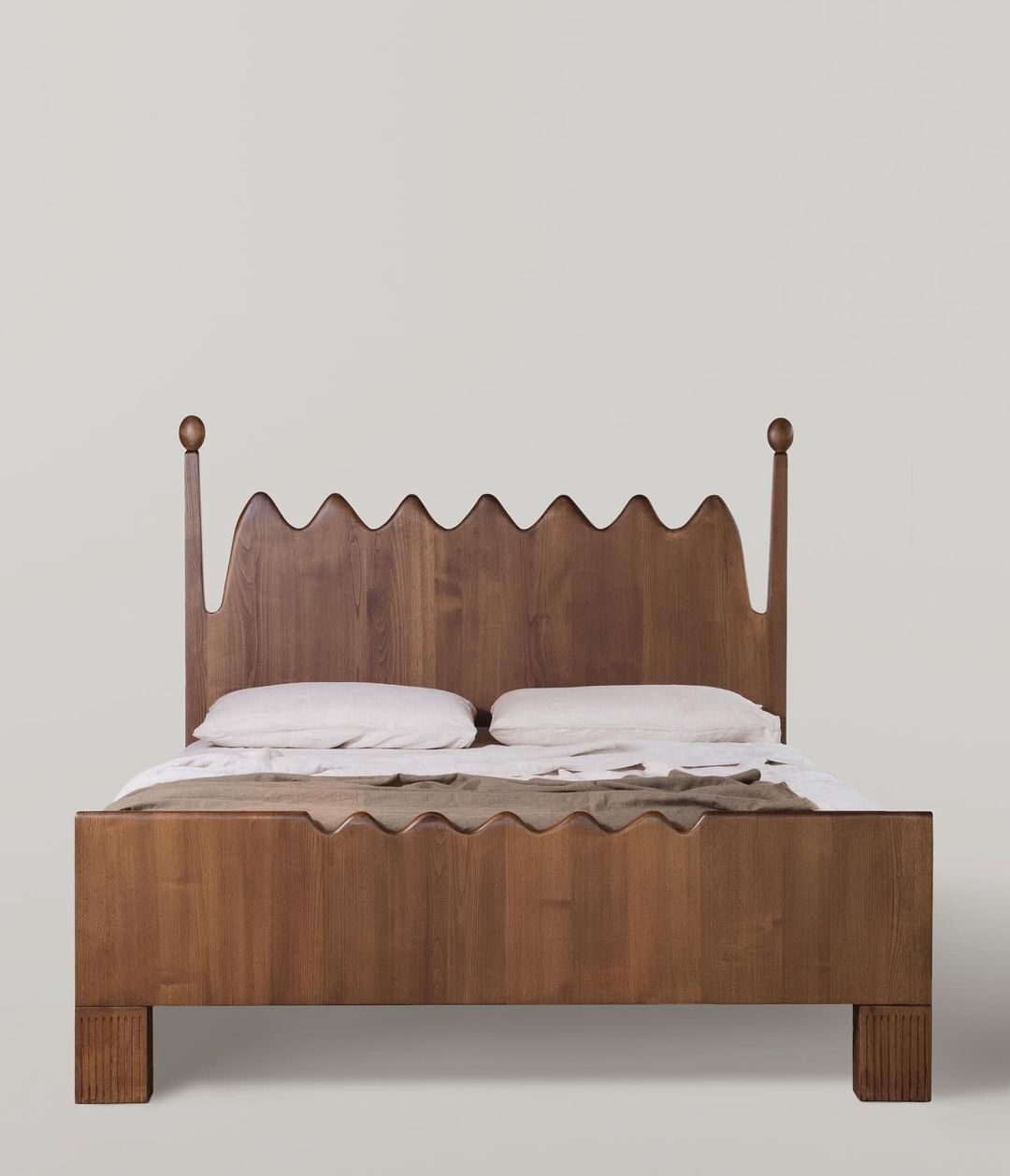
Choosing sustainable rustic interior design means investing in pieces that are carbon-sequestering and built to last centuries, not seasons. It is a commitment to the planet as much as it is to your home’s aesthetic.
How to Style the 'Three Bears' Look in Modern Homes
The risk with this style is making your home look like a literal museum or a dark cave. The key to a modern Three Bears interior is balance. You want the furniture to be the "heavy" anchor in an otherwise light and airy room.
- The Neutral Palette: Pair your dark, patinated woods with "cloud-like" walls—shades of oatmeal, cream, and soft plaster. This allows the silhouette of a Brutalist Oak cabinet to stand out as art.
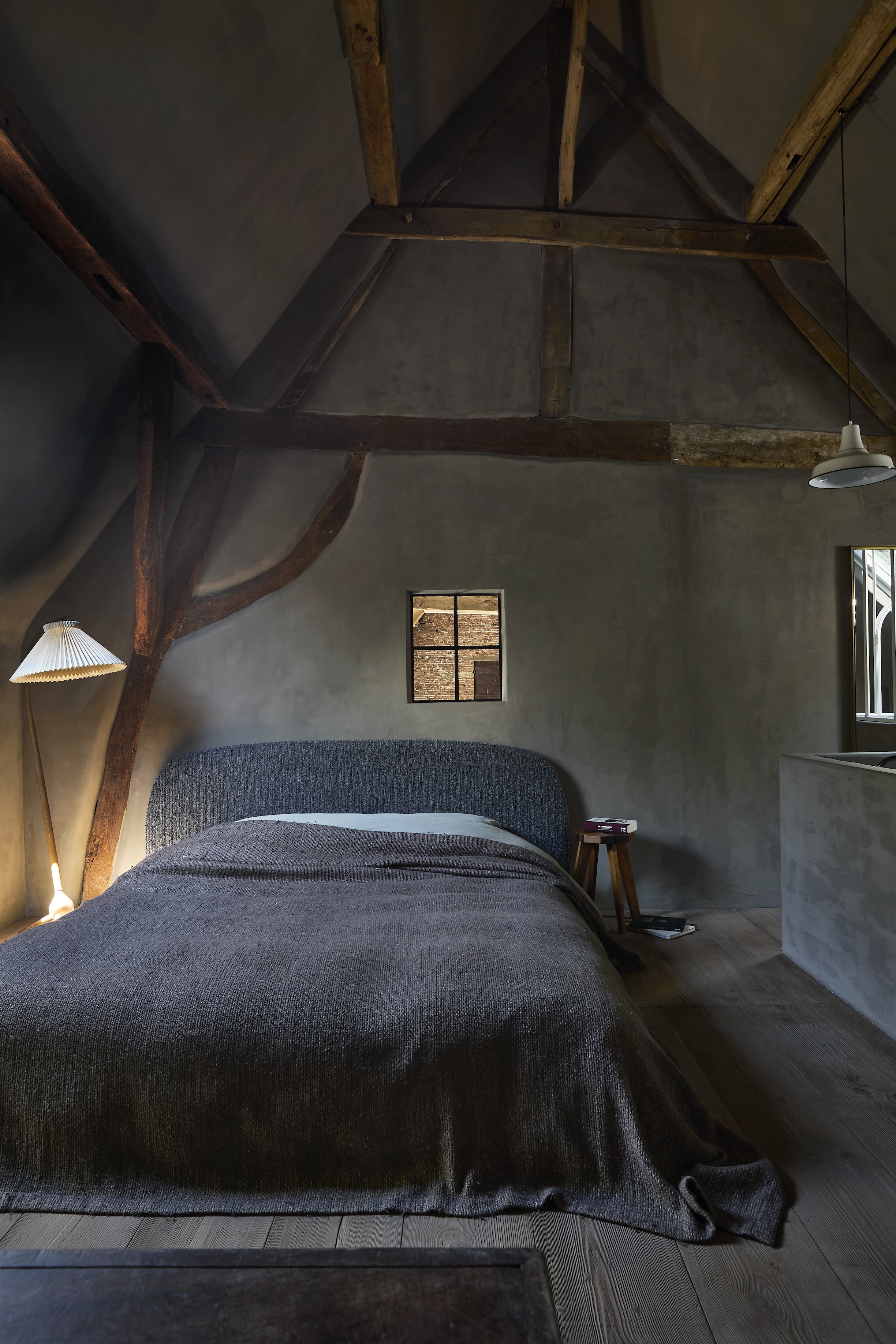
- The 'Attic' Bedroom: Create a sanctuary by focusing on "Grandmother-style" comfort. Think thick wool blankets, linen sheets, and a chunky wooden bed frame. The goal is a space that feels tucked away from the world.
- Texture Over Pattern: Instead of busy prints, use texture to create depth. A rough-hewn wooden stool looks stunning next to a velvet sofa or a bouclé armchair.
In the dining room, don't be afraid to mix and match. A set of Belgian ladderback chairs can look incredibly sophisticated around a modern, minimalist glass table, providing that necessary "grounding" element to an otherwise floaty space.
FAQ
Q: Is Three Bears Style the same as "Cottagecore"? A: While they share some DNA, Three Bears Style is more "robust" and "masculine" in its proportions. Where Cottagecore is floral and delicate, Three Bears is Brutalist and sturdy. It’s less about the garden and more about the workshop.
Q: How do I prevent heavy wood furniture from making my small apartment feel cramped? A: Follow the "One Big Thing" rule. Use one significant Three Bears piece—like a chunky coffee table or a robust armchair—as your focal point, and keep the rest of the furniture more streamlined. This provides the grounding effect without overwhelming the square footage.
Q: What are the best woods for this look? A: Solid Oak is the gold standard for its weight and grain. Pine is excellent for a lighter, more "storybook" feel, while Chestnut and Walnut provide deeper, richer tones for a more sophisticated version of the trend.
Conclusion
The Three Bears Style is a reminder that our homes should be our anchors. By choosing pieces that are "firmly rooted to the ground," we create spaces that support our mental well-being and honor the craft of the past. It is a trend that isn't really a trend at all—it's a return to honest living.
Whether you are hunting for a 1970s German pine desk or simply adding a hand-carved stool to your entryway, remember the lesson of the story: comfort is found when things are "just right"—sturdy, sustainable, and soulful.