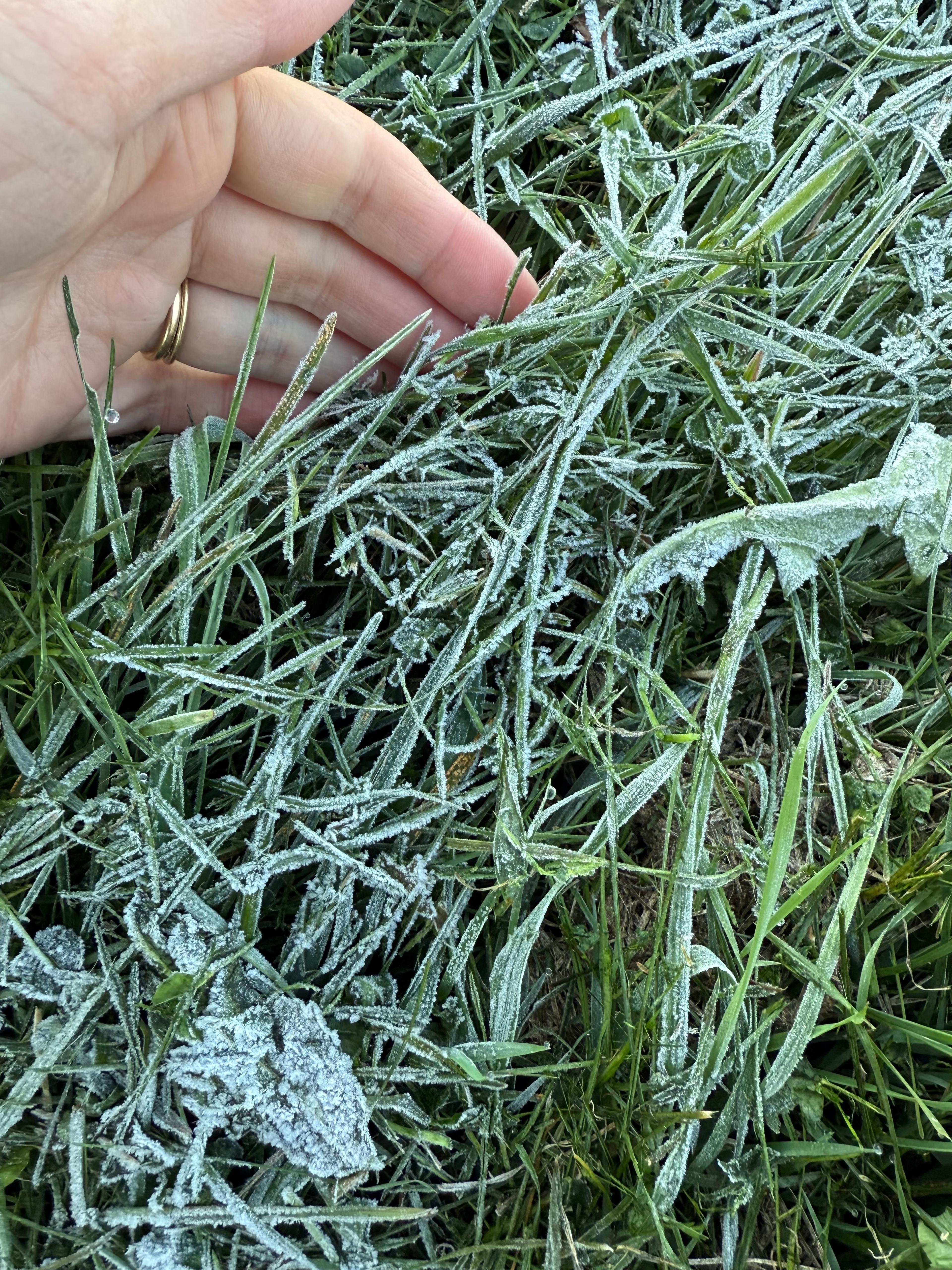
There is a specific, quiet magic that arrives with the first frost. You wake up, perhaps a little earlier than usual, to find your lawn transformed into a sea of glittering diamonds. The air is no longer just "brisk"; it has a sharp, crystalline edge that catches in your lungs. While it is a beautiful sight, for us as homeowners and gardeners, that first morning of frost is a silent starting gun. It marks the transition from the frantic harvest of autumn to the deliberate, protective rhythm of winterizing our sanctuary.
Quick Facts: The Winterization Countdown
- The Critical Threshold: 25°F (-4°C). This is a "hard frost," signaling a 100% mortality rate for non-hardy plants.
- Immediate Garden Priority: Digging up dahlia tubers and gladiolus bulbs before the ground freezes solid.
- Home Efficiency Win: Sealing window drafts can reduce heating bills by up to 15%.
- Safety Essential: Smoke and carbon monoxide detector batteries should be replaced now, alongside your seasonal HVAC filter change.
- Firewood Timeline: Properly cured wood requires a 6 to 12-month drying cycle to ensure a safe, clean burn.
The Threshold of 25°F: Understanding the First Hard Frost
Not all frosts are created equal. As a DIYer, understanding the nuance between a "light frost" and a "hard freeze" is the difference between a successful spring bloom and a garden full of rot. A light frost occurs when temperatures dip just below 32°F; you’ll see the ice crystals, but your hardy perennials and even some cool-weather greens like kale will stand tall.
However, when the mercury hits the 25°F threshold, we enter the territory of the "hard frost." This is a critical thermal transition. At this temperature, the water inside the cells of non-hardy plants freezes and expands, bursting the cell walls. It is a 100% mortality event for your summer favorites. When you see this forecasted, your "Home Sanctuary" mission shifts from maintenance to preservation.
Thermal Warning: If the forecast predicts 25°F or lower for more than four consecutive hours, any tender vegetation left unprotected will be lost. This is your final call to bring in potted tropicals and finish your harvest.
Garden Triage: Preserving Life for Spring
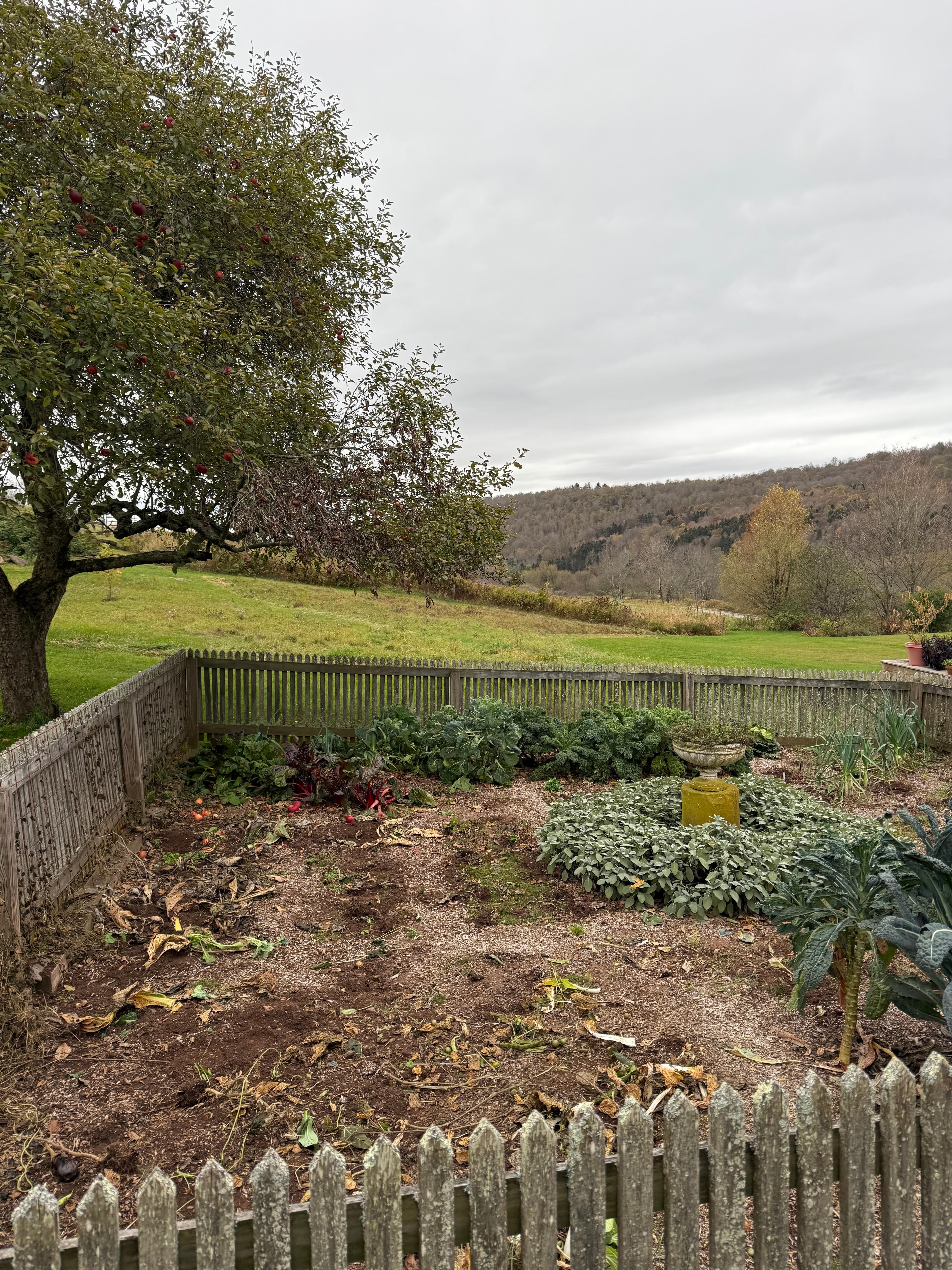
Once that first hard frost has blackened the foliage of your dahlias and zinnias, don't mourn them. Instead, see it as the signal to begin the Dahlia Tuber Protocol. Dahlias are the crown jewels of the late-summer garden, but they are notoriously finicky about winter. They cannot survive a frozen ground.

The Dahlia Tuber Storage Guide
- The Cut Back: After the frost turns the foliage brown, cut the stems down to about 4 inches above the soil line. Wait 2 to 4 days; this encourages the tubers to develop "eyes" for next year.
- The Excavation: Use a pitchfork rather than a shovel to gently pry the tubers from the earth. Start a foot away from the stem to avoid slicing the "necks" of the tubers.
- The Cleaning: Hose off the soil completely. Any remaining dirt can harbor fungus or pests during dormancy.
- The Curing: Let them dry in a frost-free, ventilated area (like a garage or shed) for 48 hours.
- The Storage: Pack them in a breathable crate filled with vermiculite or peat moss. This prevents the tubers from shriveling while ensuring they don't get damp enough to rot. Store them in a cool, dark place (40-50°F) until spring.
Rose and Bulb Care
While you’re out there, give your roses some attention. Contrary to old-school advice, don’t do a heavy prune now; cutting back too hard can stimulate new growth that will be instantly killed by the cold. Instead, trim back only the extra-long "canes" that might whip around in winter winds. Add a generous 3-inch layer of wood chip mulch around the base to insulate the root ball.
Tools Needed for Garden Triage:
- Clean bypass pruners (sanitized with rubbing alcohol)
- Garden pitchfork
- Vermiculite or perlite
- Breathable storage bins (wooden crates or cardboard boxes)
- All-natural cedar or straw mulch
Fortifying the Sanctuary: Exterior Maintenance
Your home’s exterior is its first line of defense. Before the first heavy snow makes roof access dangerous, a quick "Shed and Structure Audit" is essential.
Gutter Hygiene If your gutters are clogged with autumn leaves, the coming snow will melt, hit the clog, refreeze, and form an "ice dam." This pushes water back under your shingles and into your attic. It’s a preventable disaster. Ensure your downspouts are clear and directed at least 5 feet away from your foundation to prevent basement flooding during the spring thaw.
The Seal Search Walk around your home with a pressurized can of spray foam or a tube of exterior-grade silicone caulk. Look for gaps where cables enter the house or where the siding meets the foundation. If you can see light or feel a breeze, you’re losing money.
Clara’s Budget Tip: Can't afford new windows this year? A $15 "window film kit" that shrinks with a hairdryer can create an airtight thermal barrier that mimics double-pane glass for a fraction of the cost.
Interior Efficiency: Comfort and Safety Checks
Winterizing isn't just about keeping the cold out; it's about ensuring the "Sanctuary" inside remains healthy and safe while we spend 90% of our time indoors.
HVAC and Air Quality
Your furnace has been dormant for months. Before you crank it up to 72°F, perform a basic efficiency check:
- Filter Replacement: A clogged filter makes your blower motor work twice as hard, shortening its lifespan. Use a MERV 8 to 11 filter to capture fine dust and allergens.
- Vent Clearing: Ensure no furniture or heavy drapes are blocking your heat registers. This allows for proper air circulation and prevents "cold spots" in the room.
The Annual Safety Audit
As we seal our homes tight for winter, the risk of fire and carbon monoxide (CO) poisoning increases due to heater usage and fireplace embers.
- Smoke Detectors: Test every unit. If the unit is more than 10 years old, replace it entirely.
- CO Detectors: These are mandatory if you have gas appliances or a wood-burning stove. Place them near sleeping areas.
The Hearth and the Harvest: Firewood Management
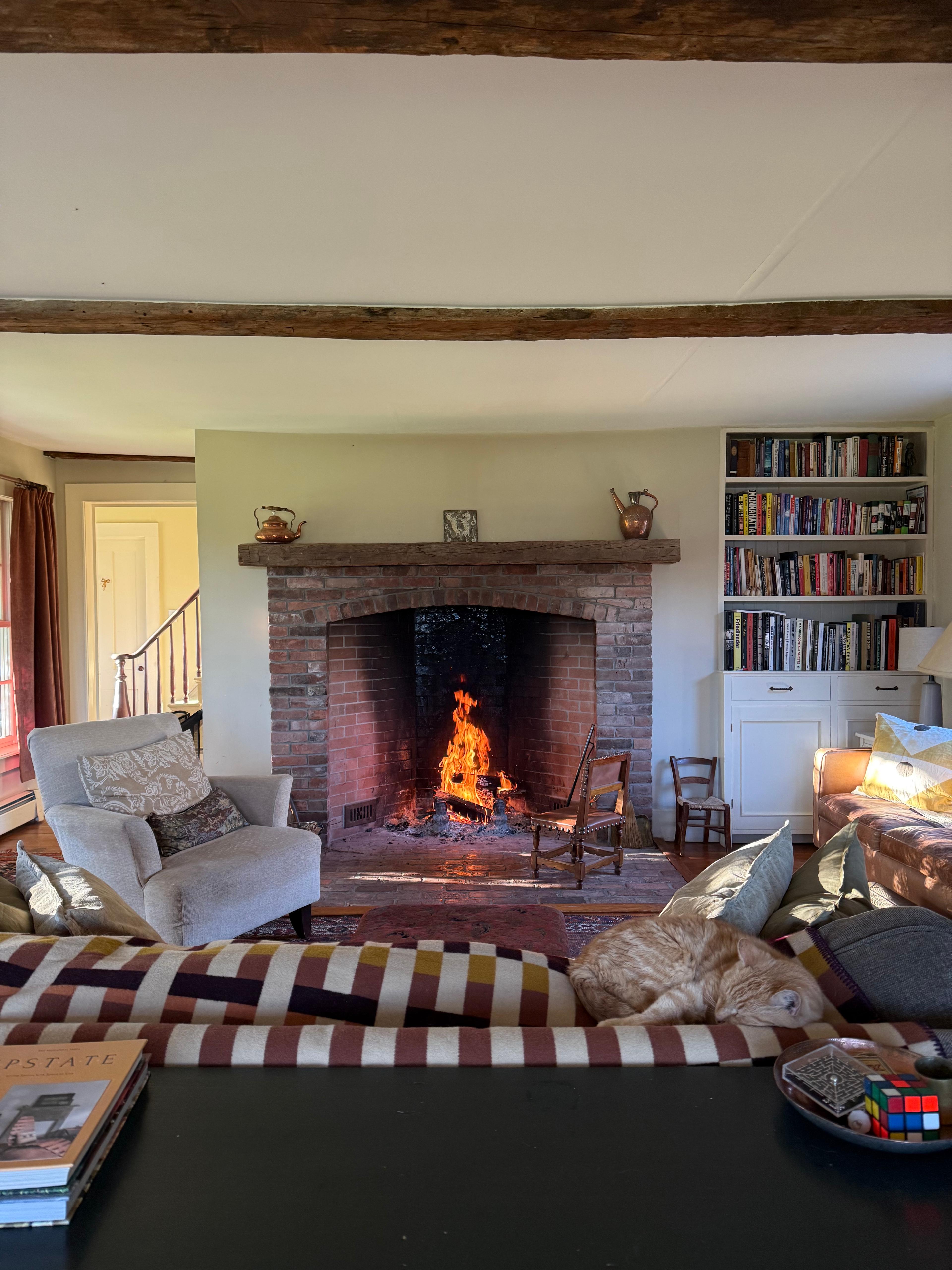
For many of us, the heart of the winter sanctuary is the fireplace. However, burning the wrong wood is more than just inefficient—it’s a safety hazard.
To achieve a clean, hot burn, firewood requires a curing cycle of 6 to 12 months. Freshly cut "green" wood has a moisture content of about 50%. When you burn green wood, the fire’s energy is wasted boiling away that water rather than heating your room. Worse, this moisture creates creosote—a tar-like substance that coats your chimney and is the leading cause of chimney fires.
The Best Way to Manage Firewood:
- Split Immediately: Wood dries significantly faster once the bark is broken and the interior is exposed.
- Stack for Airflow: Use a "holz hausen" (round stack) or a traditional line, but keep the wood off the ground using pallets to prevent rot.
- Cover the Top Only: Keep the top of the stack covered to shed rain, but leave the sides open so the wind can whisk away moisture.
2026 Sanctuary Trends: Designing for Winter Coziness
As we look toward the 2026 season, the concept of the "Home Sanctuary" is evolving. It's no longer just about utility; it's about sensory wellness. We are seeing a shift away from the stark, "all-white" minimalism of previous years toward what I call Cremèle Neutrals—warm, buttery tones that feel like a hug.
Key Design Elements for a Winter Sanctuary:
- 'Fat Furniture': Overstuffed, rounded sofas and armchairs that prioritize physical comfort over rigid lines.
- Bio-mimicking Textures: Using wool, faux-fur, and raw wood to maintain a connection to nature while staying warm.
- Digital Art & Bio-lighting: Incorporating smart lighting that mimics the natural circadian rhythm (warmer tones in the evening) helps combat Seasonal Affective Disorder (SAD).

By focusing on these design elements, you transform your home from a place where you're simply "waiting out the winter" into a space where you are actively thriving.
FAQ
Q: Can I leave my dahlia tubers in the ground if I use extra mulch? A: In USDA zones 8 and above, you might get away with it. However, in any region where the ground freezes (Zone 7 and lower), the tubers will turn to mush. It is always safer to dig them up and store them in vermiculite.
Q: How do I know if my firewood is properly cured? A: Look for cracks (checks) at the ends of the logs. Cured wood will also be significantly lighter in weight and will make a "clink" sound when two pieces are struck together, rather than a dull "thud."
Q: Is it necessary to clean my gutters if I don't have many trees? A: Yes. Even without trees, wind can blow silt, asphalt granules from shingles, and bird debris into gutters. A small blockage can still lead to significant ice damming.
Take Action Today
The first frost is not an ending; it’s a transition. By taking these steps now—securing your garden, auditing your home's exterior, and preparing your hearth—you ensure that when the true blizzard arrives, you won't be scrambling. You'll be curled up by a clean-burning fire, surrounded by 'fat furniture' and warm neutrals, knowing your sanctuary is safe.
What’s your first "Frost Day" tradition? Share your winterizing wins with us in the comments below, and let’s get ready for the cozy season together.