We are witnessing a profound shift in how we define luxury. For the past decade, high-end interiors were defined by "Quiet Luxury"—muted tones and sharp, minimalist lines. But as we look toward the Organic Modern 2026 movement, the aesthetic is evolving. It is becoming softer, more sculptural, and deeply rooted in the raw, mathematical beauty of the natural world. Nowhere is this transition more masterfully executed than in the Ross Didier Nautiloid collection.
This collection isn't just furniture; it is a dialogue between millions of years of oceanic evolution and modern industrial engineering. As an editor, I often see designs that try to mimic nature, but few succeed in capturing its soul while maintaining the rigorous functionality required for contemporary living. The Nautiloid collection achieves this by translating the ancient geometry of seashells into a latticed chair design that feels both ethereal and indestructible.
Ancient Wisdom in Modern Metal: The Inspiration
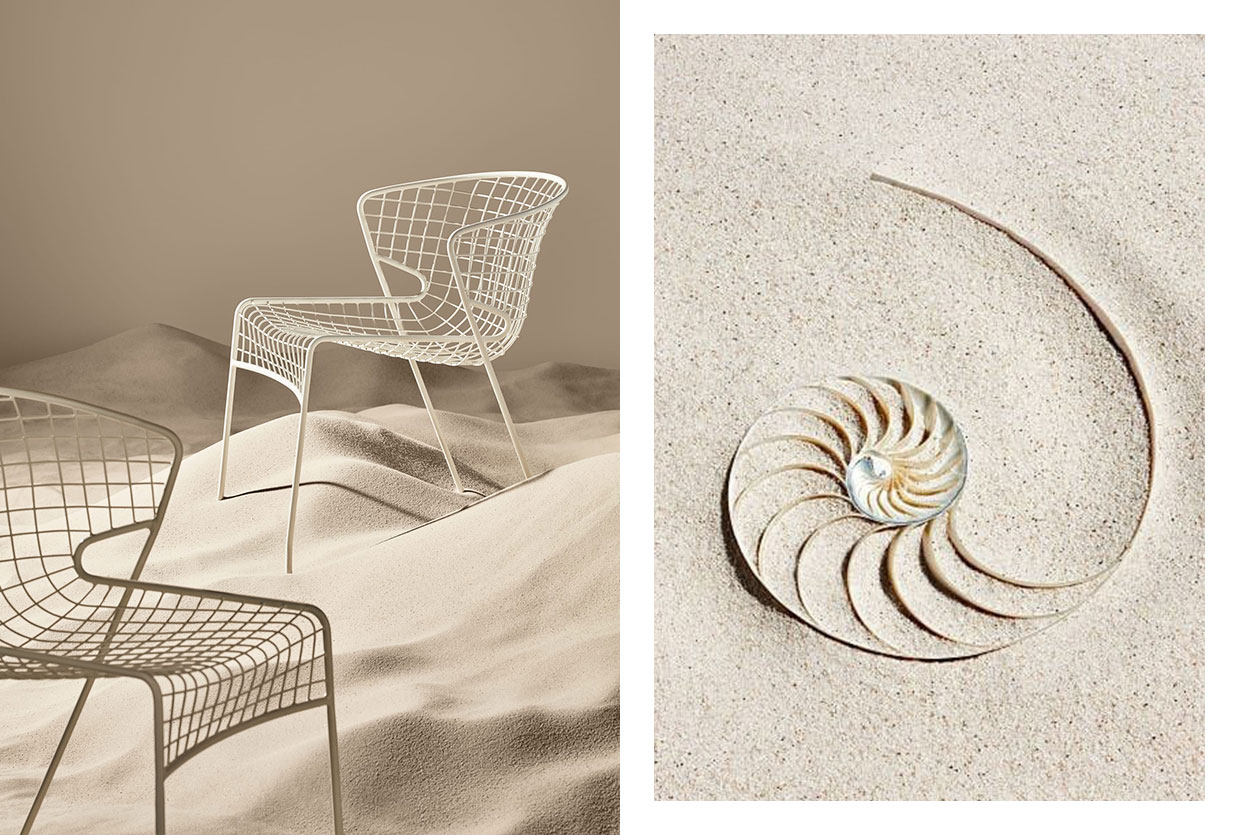
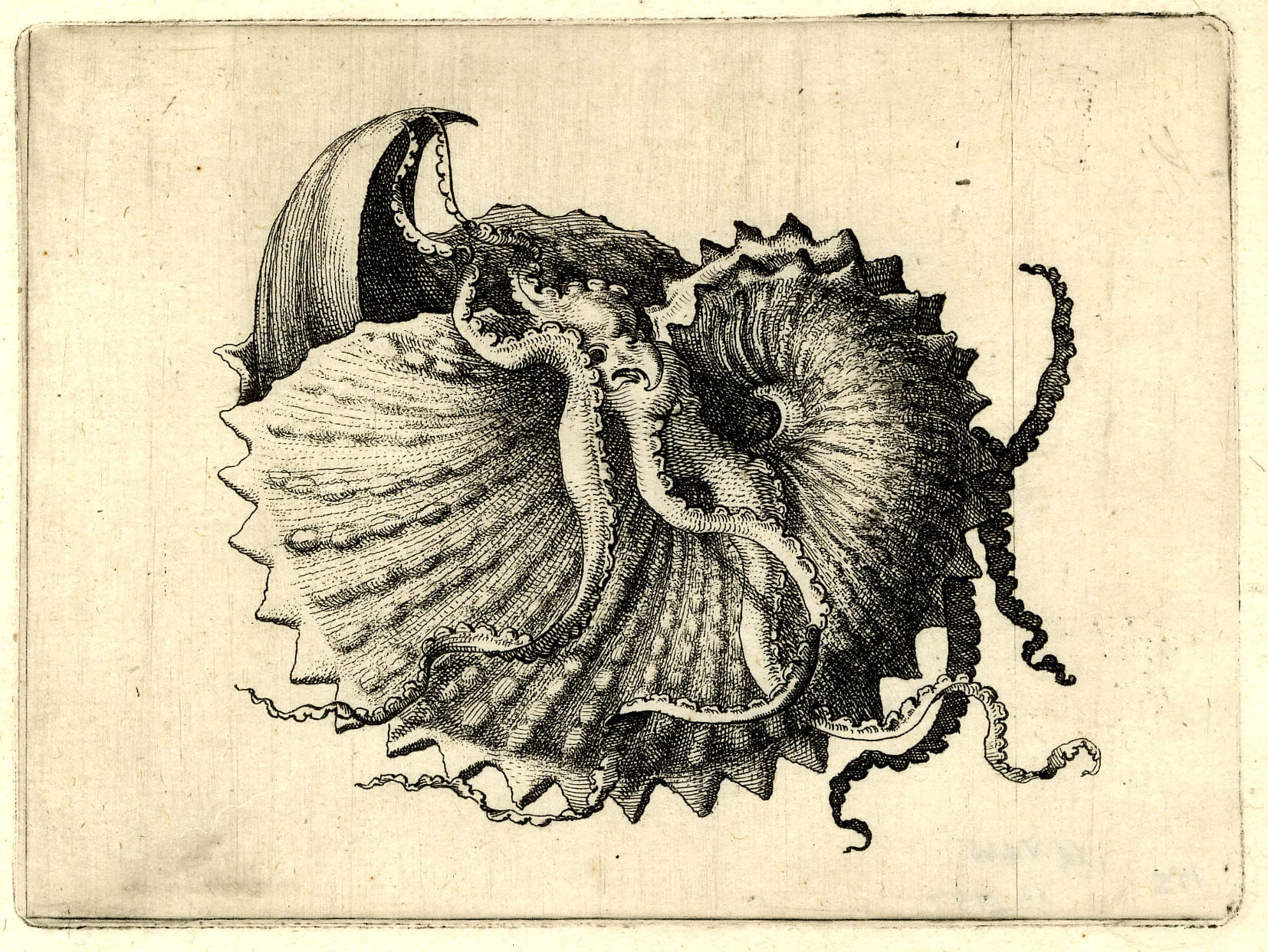
At its heart, the collection is an homage to the Paper Nautilus. But what is the inspiration behind Ross Didier's Nautiloid collection beyond mere aesthetics? The design is a sophisticated translation of ancient seashell spirals and the mathematical precision of the Fibonacci sequence. By utilizing the 1.618 ratio—a geometric constant found in everything from sunflowers to galaxies—Didier has optimized ergonomic support by mimicking the natural curvature found in millions of years of oceanic evolution.
The result is a seating silhouette that feels instinctively "right" to the human eye. The rhythm of the lines isn't random; it follows the growth patterns of the nautilus shell, creating a sense of visual harmony that reduces cognitive noise in a room.
Editor’s Tip: When incorporating organic modern pieces into your home, look for items that utilize "Biophilic Geometry." Like the Nautiloid, these pieces don't just look like nature—they follow its rules, which creates a subconscious sense of sanctuary and calm.
Engineered Elegance: The Latticed Construction
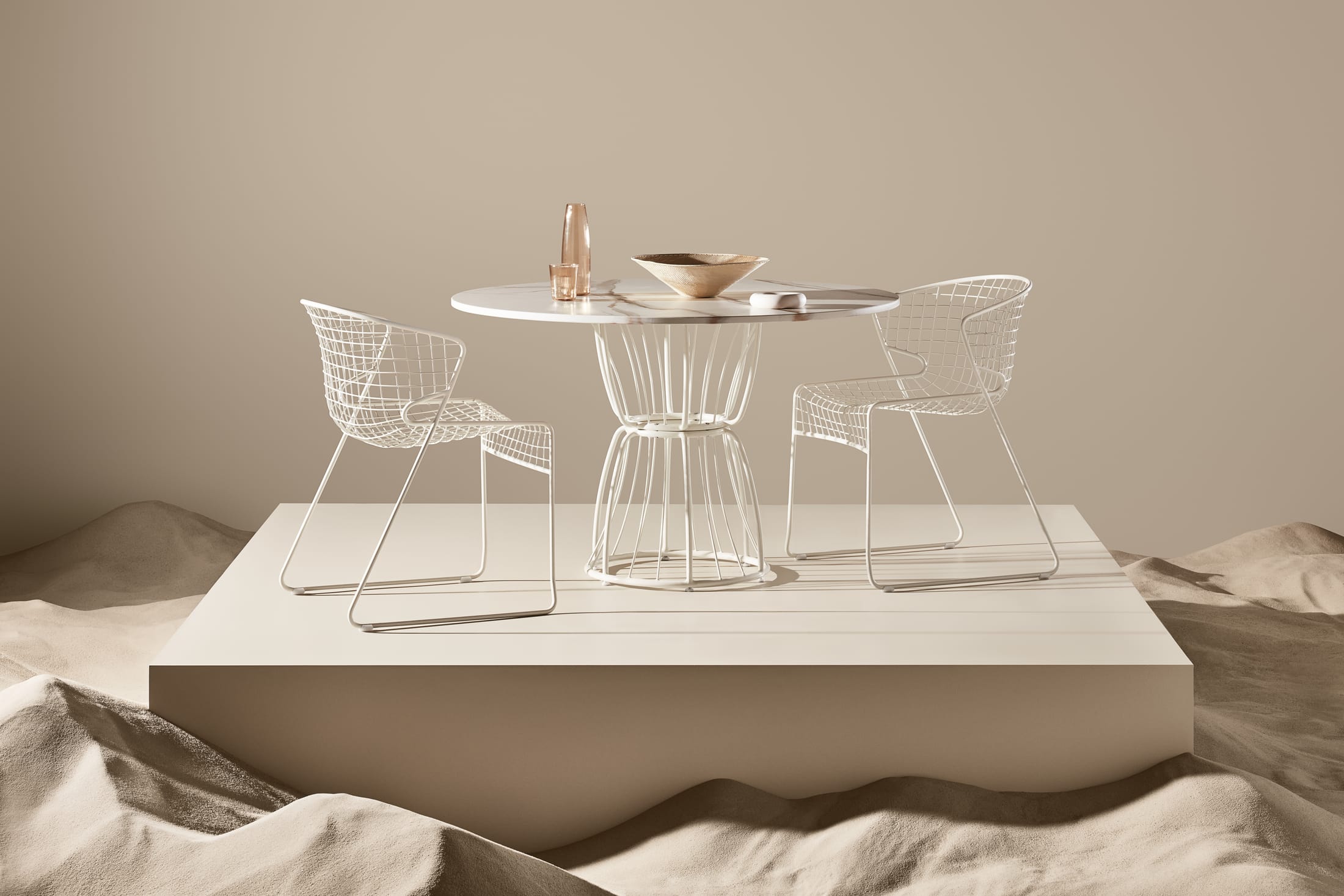
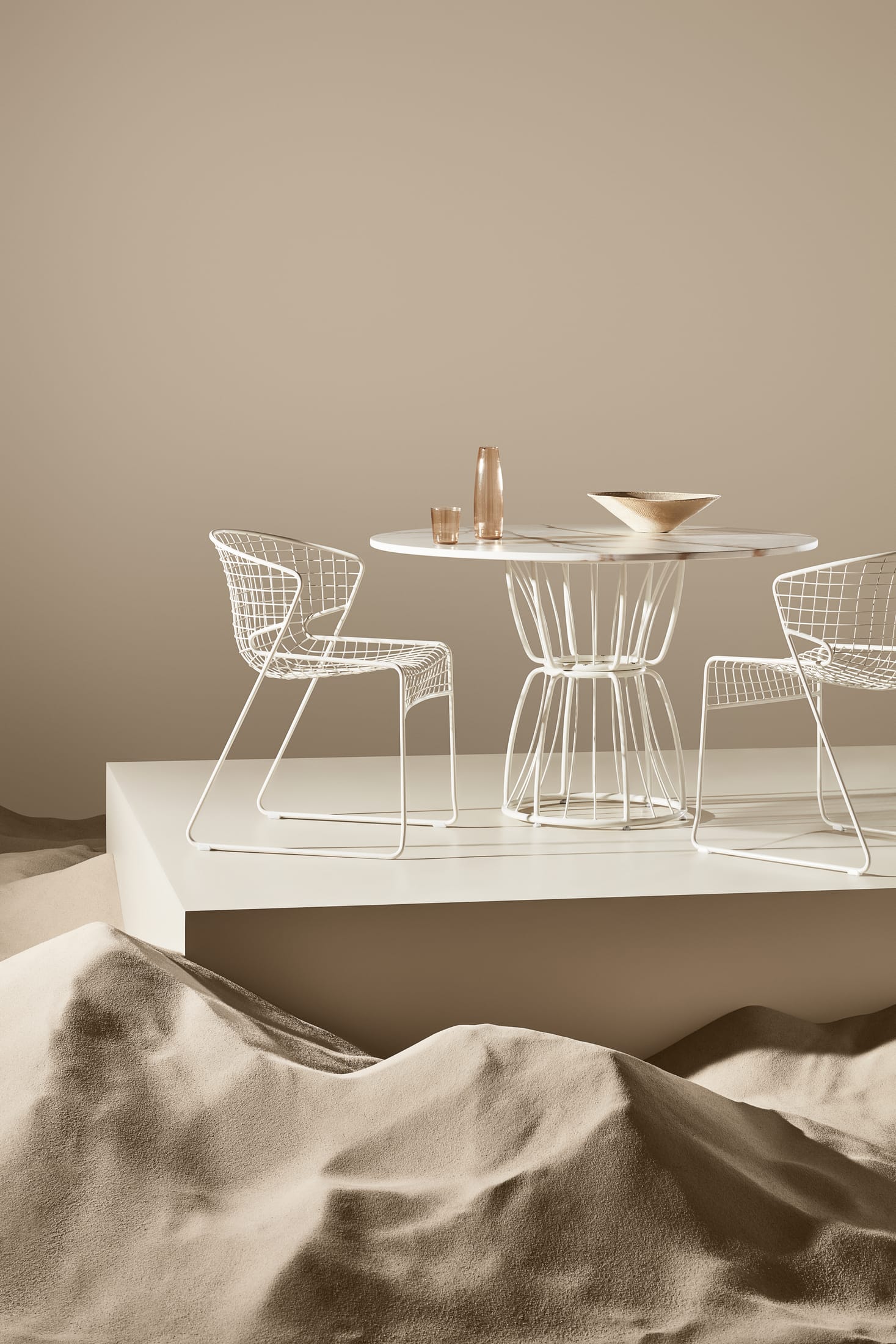
What makes the latticed chair design unique? It is the delicate balance between transparency and strength. The design features a distinctive latticed construction that blends organic, curvaceous lines with engineered structural integrity. Unlike solid-back chairs that can feel heavy or block visual flow, these latticed forms allow light and air to pass through them.
Didier describes his design philosophy as a form of "Shaolin Kung Fu"—a practice of finding strength through fluidity. The chairs are sculptural enough to stand alone as a piece of fine art in a residential foyer, yet they are engineered to be stackable and incredibly durable for high-traffic commercial use.
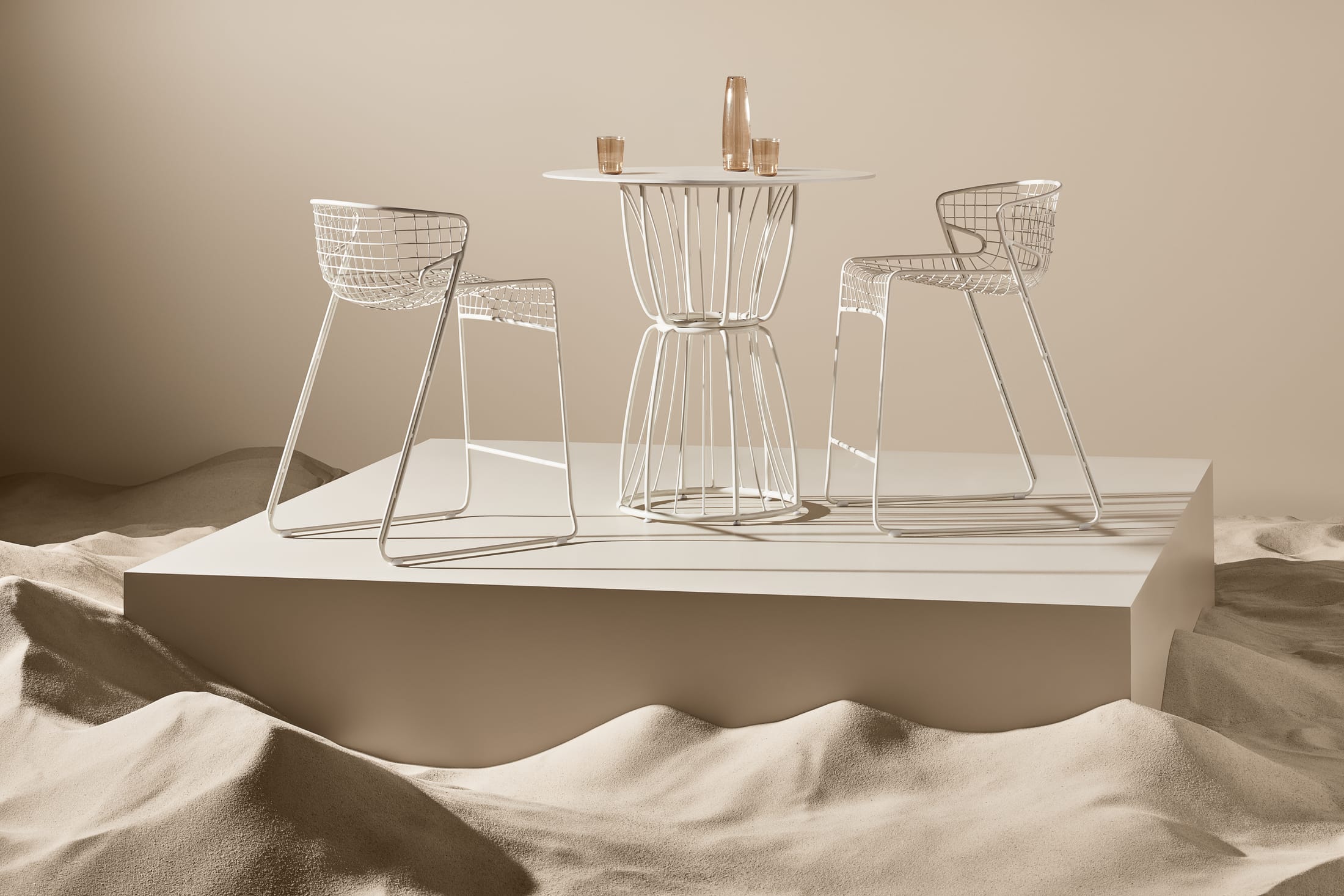
Quick Specs: The Nautiloid Geometry
| Feature | Detail |
|---|---|
| Geometry | Adheres to 1.618 Fibonacci ratio |
| Construction | Precision-engineered latticed stainless steel |
| Versatility | Stackable seating and nesting tables |
| Finishes | Diverse powder-coat palette with zinc protection |
Materiality and The 'Hands-On' Methodology
In an era of fast furniture and AI-generated models, the Didier Design Studio remains committed to a hands-on methodology refined over 30 years. Every curve is first explored through physical prototyping—bridging the gap between fine art and industrial functionality. This tactile approach ensures that even though the material is metal, the "hand" of the artist is felt in every weld and radius.
Are the Nautiloid collection pieces suitable for outdoor use? This is a common question for such sculptural pieces. The answer is a resounding yes. The collection is crafted from robust stainless steel and metal with zinc protection, polycarbonate feet, and high-grade powder-coat finishes. This makes them exceptionally durable for both sun-drenched outdoor terraces and sophisticated indoor dining rooms.
The material choice offers several practical benefits for the modern homeowner:
- Climate Resilience: The zinc protection prevents corrosion, even in coastal environments.
- Tactile Comfort: The powder-coat finishes come in sun-washed matte tones that feel smooth to the touch and don't overheat like raw metal.
- Low Maintenance: Unlike wood, these pieces require minimal upkeep to retain their sculptural integrity for decades.
Styling the Nautiloid: From Commercial to Cozy
The versatility of this collection is where its value truly shines. For commercial designers, the stackability of the chairs is a game-changer for high-end hospitality projects. For the residential reader, however, the "Technofossil" and "Stratigraphy" tables offer a unique way to layer texture into a living space.
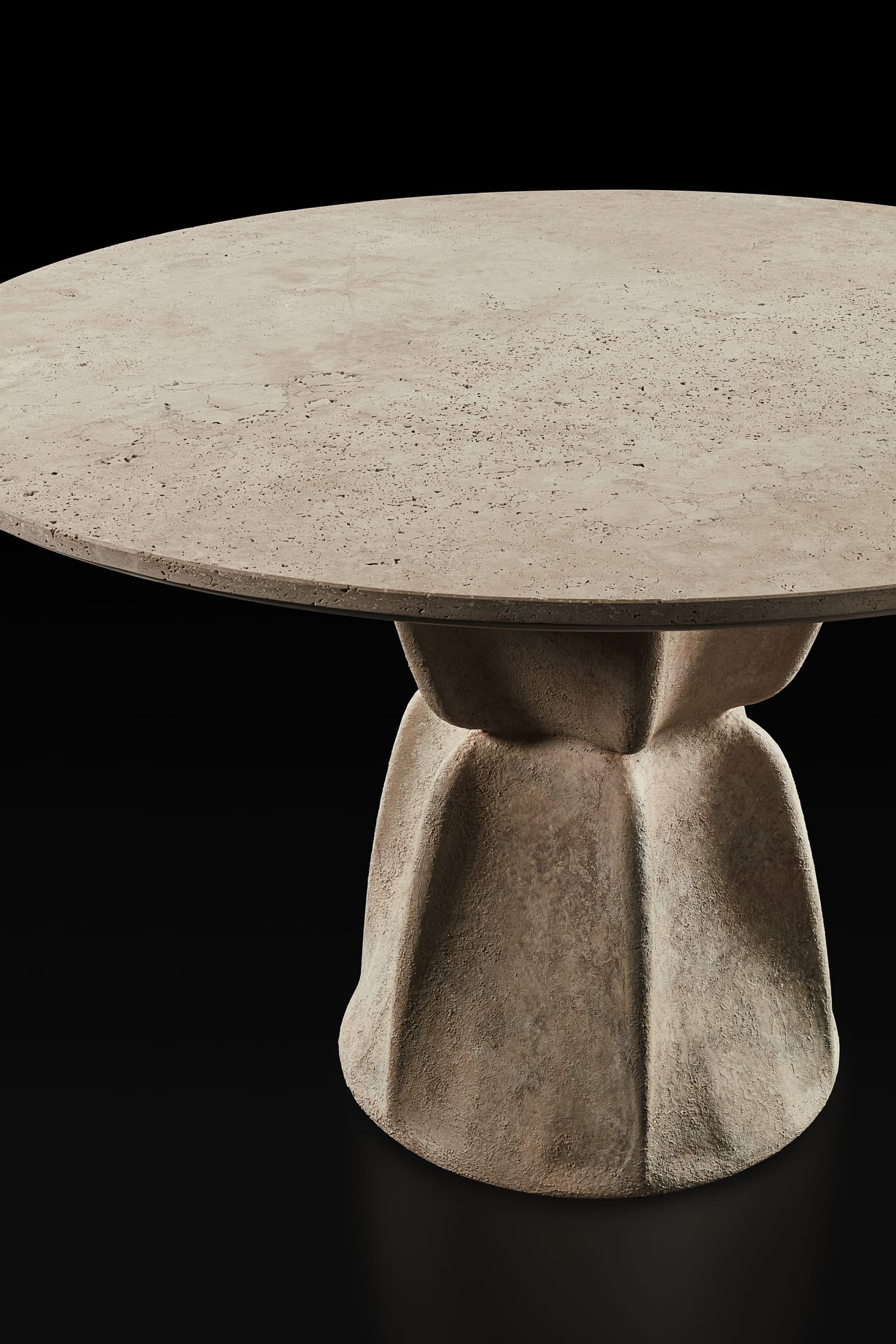
The fanning Stratigraphy tables, which echo the sedimentary layers of the earth, can be paired in various configurations. I recommend mixing the different heights to create a rhythmic flow in a room.
How to Style the Look:
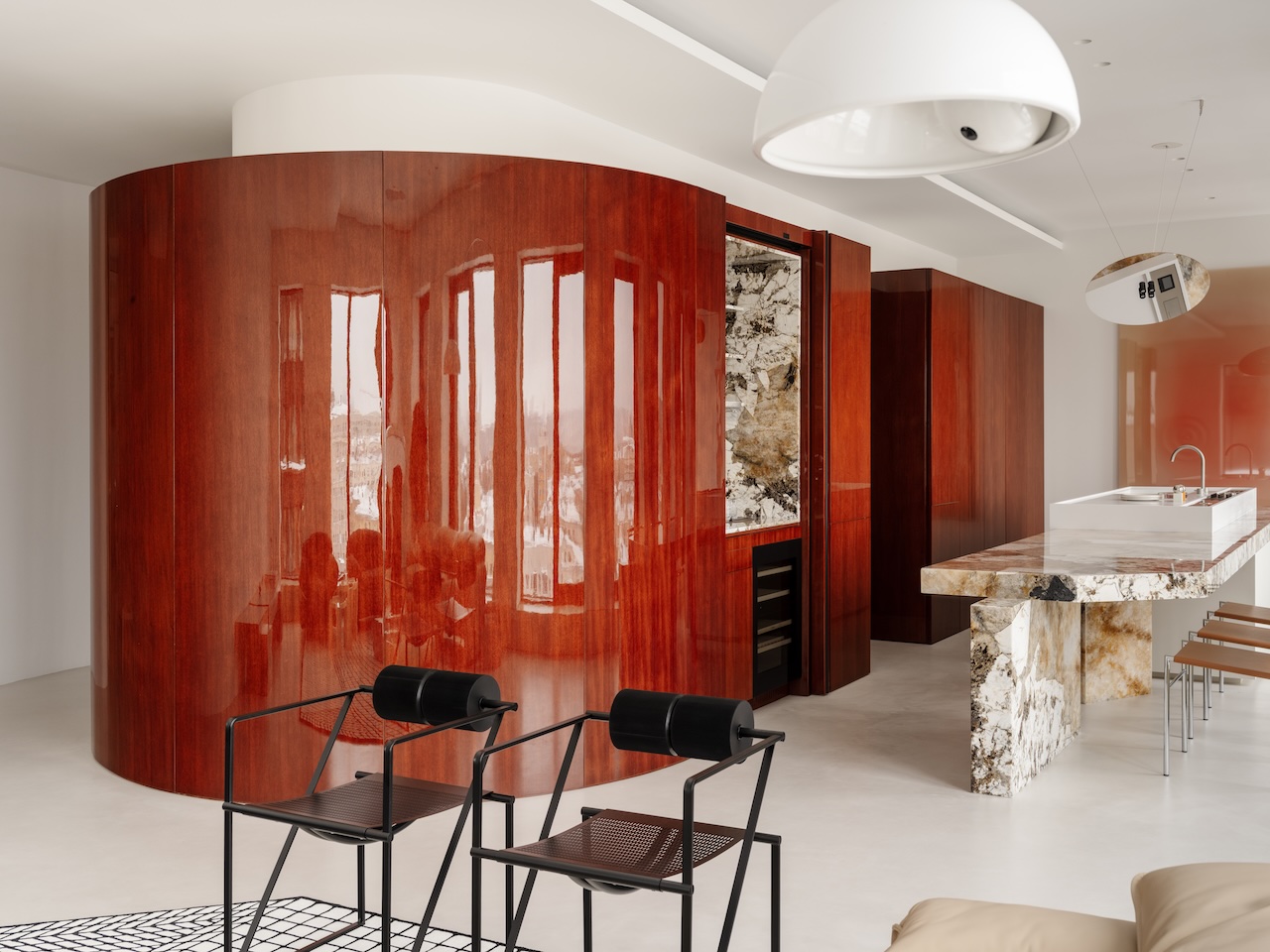
- Contrast with Softness: Place a Nautiloid chair next to a plush, oversized linen sofa. The juxtaposition of the rigid, latticed metal against soft fabric creates a sophisticated "Organic Modern" tension.
- Play with Shadows: Use directional lighting to cast the chair’s latticed shadows onto the floor. This turns the furniture into a dynamic light installation that changes throughout the day.
- Indoor-Outdoor Flow: Use the collection to bridge the transition between your living room and patio. Because they work in both settings, they create a seamless visual thread that makes your home feel larger.
Why This Trend is Here to Stay
The shift toward the Organic Modern 2026 trend isn't just about fashion; it's about psychology. In an increasingly digital world, we crave objects that feel "grounded." The Nautiloid collection taps into this by providing cocoon-like comfort through shapes that our brains recognize as safe and natural.
We are moving away from disposable design toward meaningful, heirloom-quality craftsmanship. When you invest in a piece that has been refined over 30 years and follows the mathematical constants of the universe, you aren't just buying a chair—you are acquiring a piece of functional history.
Conclusion
The Ross Didier Nautiloid collection stands as a masterclass in organic design because it refuses to compromise. It offers the sculptural beauty of a gallery piece with the rugged durability of industrial furniture. Whether you are looking to elevate a commercial terrace or bring a touch of mathematical harmony to your breakfast nook, these latticed wonders offer a glimpse into the future of interior design—a future that is earthy, raw, and beautifully refined.
FAQ
1. What makes the Nautiloid chair comfortable despite being made of metal? The comfort lies in the 1.618 Fibonacci ratio used in the design. This specific curvature mimics the natural ergonomic support found in nature, providing a "cradle" effect that supports the body far more effectively than standard flat-back metal chairs.
2. Can I customize the colors of the collection? Yes, the collection is available in a wide range of powder-coat finishes, from earthy terracotta and moss greens to classic architectural blacks and whites, allowing it to fit into any palette.
3. Is this collection suitable for coastal environments? Absolutely. The use of stainless steel combined with zinc protection and high-quality powder coating makes these pieces resistant to salt air and corrosion, making them ideal for seaside homes.