In the shifting landscape of 2024 interior design, we are witnessing a profound departure from the sterile, mass-produced aesthetics of the last decade. As an editor, I’ve watched our collective appetite for "fast furniture" dissolve, replaced by a yearning for pieces that possess a soul—what we call the "sculptural character." This year, the dining room has become the primary stage for this transformation. The 2024 sculptural wood dining chair trend is defined by a return to artisanal craftsmanship, characterized by organic "openwork" folk styles, sweeping curved backrests, and a sophisticated blend of historical influences ranging from 19th-century Tyrolean Alpine forms to Mid-century Danish modernism.
We are no longer just looking for a place to sit; we are looking for functional art that tells a story of heritage and sustainability. Current market analysis reveals that 70% of top-tier sculptural chairs now prioritize sustainable or reclaimed materials to meet the rigorous eco-conscious standards of modern luxury. This shift toward "slow furniture"—artisan-led, small-batch production—has seen a 15% increase in value over mass-manufactured seating, bringing the average investment for a designer-grade sculptural chair to approximately $1,148. Whether it is the raw texture of reclaimed pine or the silky finish of oiled walnut, these pieces are the new anchors of the curated home.
2024 Sculptural Seating: At a Glance
Before we dive into the specific silhouettes defining our spaces this year, here is a quick-look comparison of the standout designs in the current cycle.
| Chair Model | Primary Material | Design Influence | Est. Price |
|---|---|---|---|
| Marolles Chair | Solid Oak & Iron | French Post-War Folk | $2,000 |
| Razorblade Chair | Oak / Teak | Danish Modernism | Varies (Vintage) |
| Tyrolean Accent | Reclaimed Pine | 19th-Century Alpine | $595 |
| Swiss Back Chair | Solid Oak | European Artisan | $2,200 |
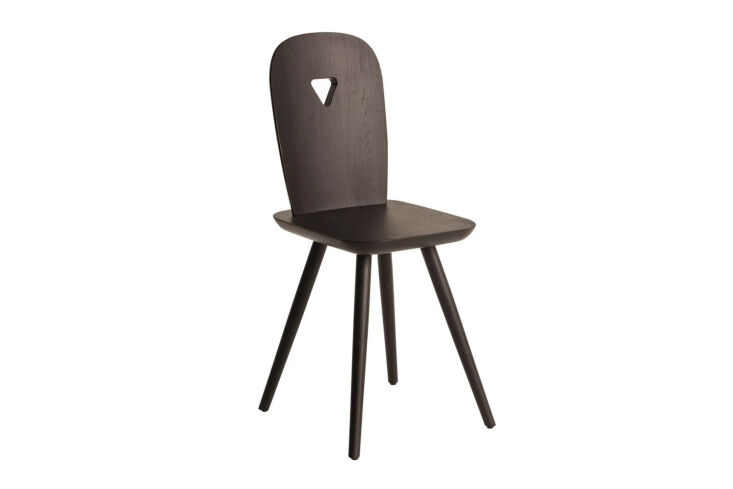
| La-Dina Chair | Ash Wood | Modern Mountain | $750+ |
| Poppy Chair | Solid White Oak | Biophilic/Organic | $1,200 |
The Core Aesthetic: Materials and Textures for 2024
What makes a chair "sculptural"? It is the tension between the material’s natural state and the maker's hand. In 2024, the leading designs utilize solid white oak, oiled walnut, and reclaimed woods like pine or Brazilian timber. We are seeing a move away from high-gloss lacquers in favor of biophilic finishes that emphasize raw textures.
- Solid White Oak: Favored for its strength and neutral grain, it serves as a perfect canvas for the "wavy" legs and organic curves popular in contemporary studios.
- Oiled Walnut: For those seeking a deeper, more historic mood, walnut provides a rhythmic grain that highlights the joinery—a key hallmark of the 2024 "artisan-first" movement.
- Reclaimed Pine & Douglas Fir: These materials bring a sense of "wabi-sabi" to the dining table. The use of reclaimed timber isn't just a sustainability metric; it's a stylistic choice that introduces history through knots, nail holes, and weathered patinas.
"The chair is the most difficult object to design. It must be a sculpture you can live in." — This philosophy guides the 2024 trend, where utility is no longer a compromise for beauty, but a partner to it.
10 Sculptural Wood Dining Chairs Defining 2024
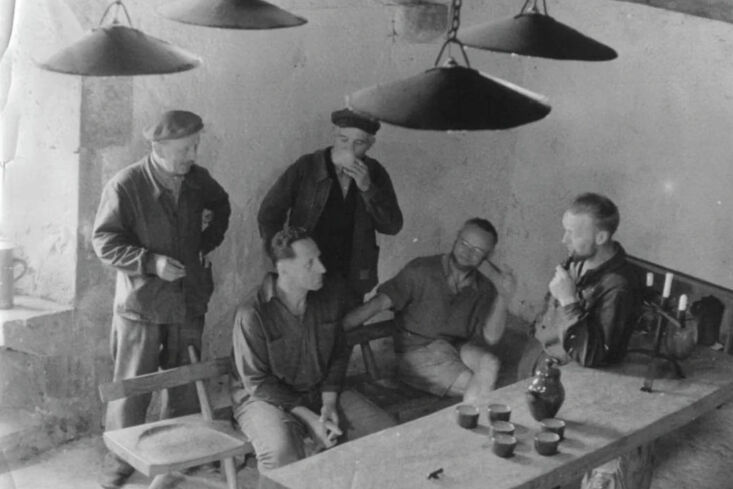
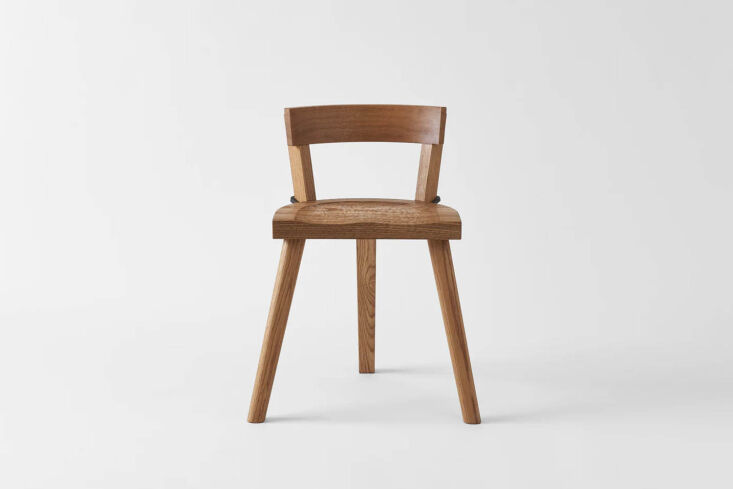
1. The Marolles Chair (Jean Touret Revival)
The Marolles Chair is a masterclass in utilitarian elegance. Originally designed by Jean Touret and the Artisans of Marolles in post-war France, this chair has seen a massive resurgence in 2024. Its signature is the hand-carved oak seat and backrest, supported by minimalist iron legs. It represents the perfect intersection of folk tradition and industrial modernism.
Price: ~$2,000
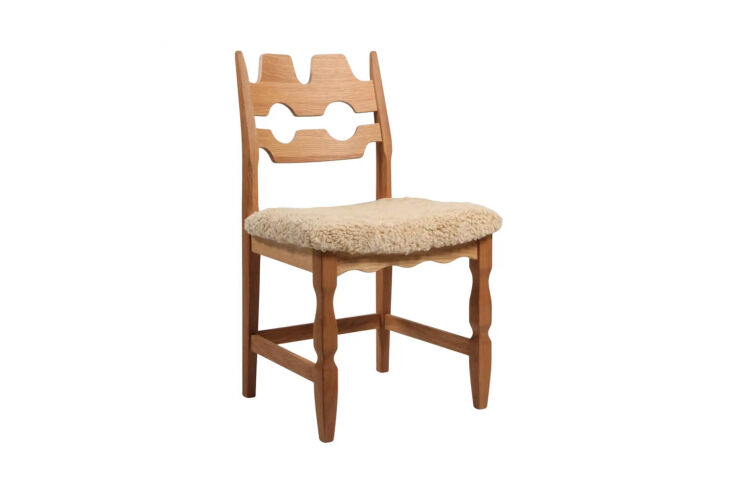
2. Henning Kjærnulf “Razorblade” Chairs
Named for the distinctive shape of its backrest, the "Razorblade" chair by Danish designer Henning Kjærnulf is a quintessential example of how mid-century modern sculptural seating is being reimagined today. The architectural backrest bridges the gap between Baroque curves and Scandi-minimalism, making it a favorite for designers looking to add a "sharp" visual edge to a soft dining space.
3. Splitted Dining Chair by Teun Zwets
Dutch designer Teun Zwets is leading the "thinking through making" movement. The Splitted Dining Chair is crafted from split Douglas Fir beams, showcasing the raw, splintered beauty of the wood. It is a bold, avant-garde choice that challenges the idea of "finished" furniture, leaning heavily into the 2024 preference for raw, biophilic textures.
4. Poppy Sculptural Oak Chair by Deya
Inspired by the fluid lines of a flower, the Poppy Chair features a flower-shaped backrest and distinctive wavy legs. This piece captures the "playful organicism" trend. Crafted from solid white oak, it feels lightweight yet grounded, perfect for a modern breakfast nook that needs a touch of whimsy without sacrificing quality.
5. Muisca Dining Chair by Ombia Studio
The Muisca Chair is where ancestral symbolism meets modern luxury. Crafted from oiled walnut, its silhouette is inspired by pre-Columbian Muisca art. The heavy, grounded legs contrast with the elegant, curved backrest, offering a sculptural weight that anchors a room. It is a prime example of the 2024 trend toward "global folk" influences.
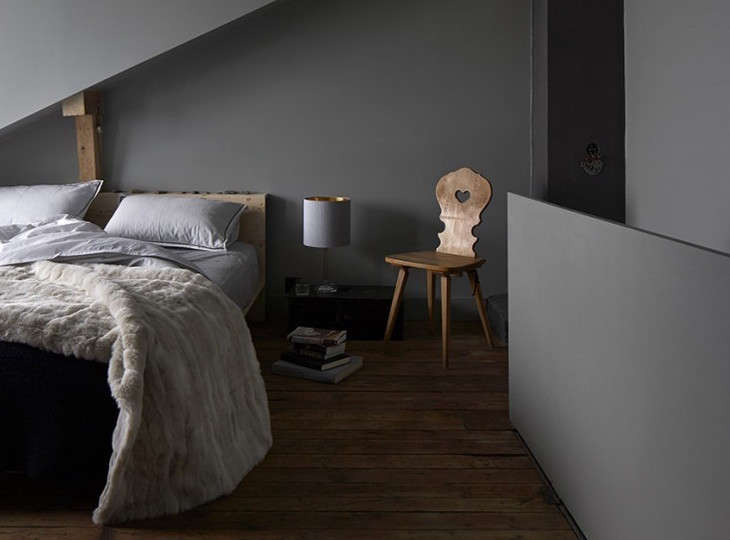
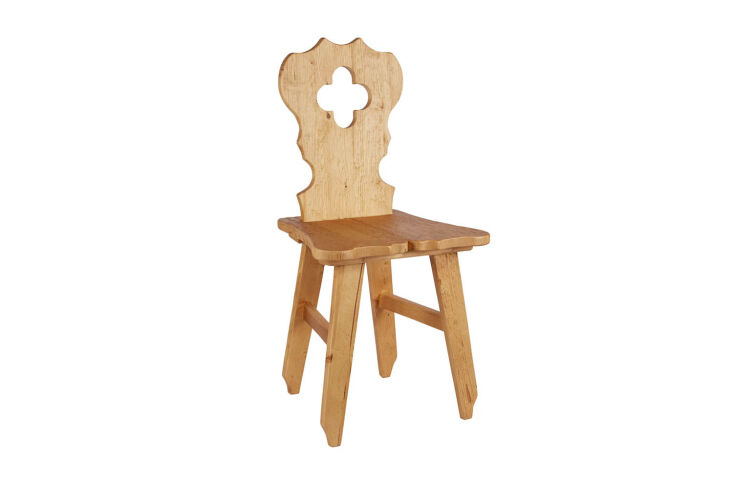
6. Tyrolean Accent Chair by Etú Home
If you are looking for the charm of an 19th-century Alpine tavern, the Tyrolean Accent Chair is the definitive choice. At $595, it is one of the more accessible ways to enter the sculptural wood market. Made from reclaimed pine, it features the "openwork" backrest patterns that are synonymous with European folk history.
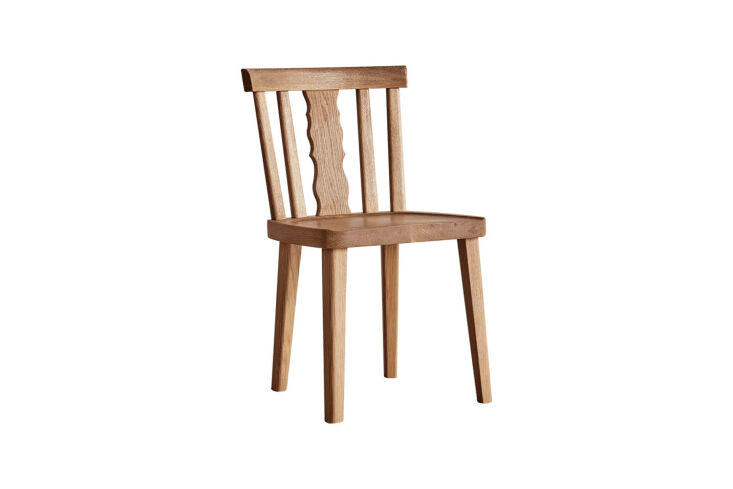
7. Nickey Kehoe Swiss Back Dining Chair
A darling of the Los Angeles design scene, Nickey Kehoe’s Swiss Back chair is an artisan piece par excellence. It is handmade from solid oak, featuring a high, spindled back that feels both traditional and incredibly modern. The price point of $2,200 reflects the meticulous hand-construction and the longevity of the piece.
8. Moza Chair by am.o atelier
Sustainability meets high-concept design in the Moza Chair. Utilizing reclaimed Brazilian timber, the chair features a "natural mosaic" grain pattern. The blocky, geometric legs offer a different take on the sculptural trend—shifting away from curves and toward "primitive" or "brutalist" wood forms.
9. Luna Teak Dining Chair by Studio Kallang
The Luna Chair is a celebration of Indonesian craftsmanship. Using traditional joinery and sustainably sourced teak, Studio Kallang has created a playful, modernist silhouette with a circular backrest detail. It is a fantastic example of how international studios are blending local materials with global design sensibilities.
10. La-Dina Chair by Luca Nichetto
Designed for Casamania, the La-Dina chair is a contemporary reinterpretation of the traditional mountain seating found in the Ladin culture of the Dolomites. Made from solid ash wood, its rounded lines and sturdy legs offer a softer, more approachable take on the sculptural wood trend.
Understanding the Investment: Pricing and Value
When we talk about designer-grade sculptural wood dining chairs, we are talking about an investment in longevity. As noted, the current average price sits at $1,148 per chair. Why the premium?
- Small-Batch Production: Unlike mass-market brands, artisan studios produce chairs in limited runs, often by hand. This reduces waste and ensures that each piece is unique.
- The 15% Value Increase: High-quality wood furniture is appreciating in value. As sustainable timber becomes rarer, well-crafted pieces from the 2024 design cycle are expected to become the "vintage grails" of the future.
- Construction Excellence: At this price point, you are paying for superior joinery. We look for mortise-and-tenon joints rather than screws or glue, ensuring the chair can withstand decades of use.
Quality Check: What to Look for in Sculptural Seating
When you are ready to make a purchase, don't let the beauty of the silhouette distract you from the technical details. As designers, we look for several key markers of quality:
- Grain Continuity: In premium sculptural chairs, the wood grain should flow naturally across the joints. This is a sign that the maker carefully selected the timber for that specific piece.
- Weight-to-Balance Ratio: A good sculptural chair should feel grounded. If it is made of solid oak or walnut, it should have a satisfying heft but remain easy to pull out from the table.
- Finish Durability: For dining chairs, look for an oiled or waxed finish. These are "living" finishes that can be easily repaired or reapplied at home, unlike thick polyurethane which can crack over time.
- Sustainability Certification: Ensure the brand uses FSC-certified wood or reclaimed timber. In 2024, luxury is inseparable from responsibility.
Conclusion: Choosing a Piece for Your Lifestyle
The move toward sculptural wood dining chairs is more than just a passing fad; it is a realignment of our values. We are choosing pieces that celebrate the "perfectly imperfect" nature of wood and the incredible skill of the human hand. Whether you are drawn to the rugged history of the Tyrolean Accent Chair or the refined modernism of the La-Dina, these chairs are designed to be more than just furniture. They are the artifacts of a life well-lived.
When selecting your chairs, consider the existing language of your home. If your space is minimalist and monochromatic, a chair with a "razorblade" or "wavy" silhouette can provide the necessary architectural tension. If your home is a sanctuary of natural textures, the raw, reclaimed pine of a folk-style chair will harmonize beautifully.
FAQ
Why are sculptural wood chairs more expensive than standard dining chairs? The cost reflects the "small-batch" production model and the high grade of materials used. Unlike mass-produced furniture, these chairs often involve hand-carving, traditional joinery techniques like mortise-and-tenon, and the use of premium solid hardwoods (Oak, Walnut) or reclaimed timber which requires more labor to process.
Can sculptural chairs be comfortable for long dinner parties? Absolutely. In fact, many 2024 designs prioritize ergonomics. The "sculptural" aspect often refers to the form of the wood, but the best designs, like the La-Dina or the Marolles, are engineered with curved backrests that support the spine far better than a flat-back chair.
How do I maintain the finish on a sculptural wood chair? Most of these artisan pieces use natural oils. We recommend applying a high-quality furniture wax or oil once or twice a year to keep the wood from drying out. Avoid harsh chemical cleaners; a slightly damp microfiber cloth is usually all you need.