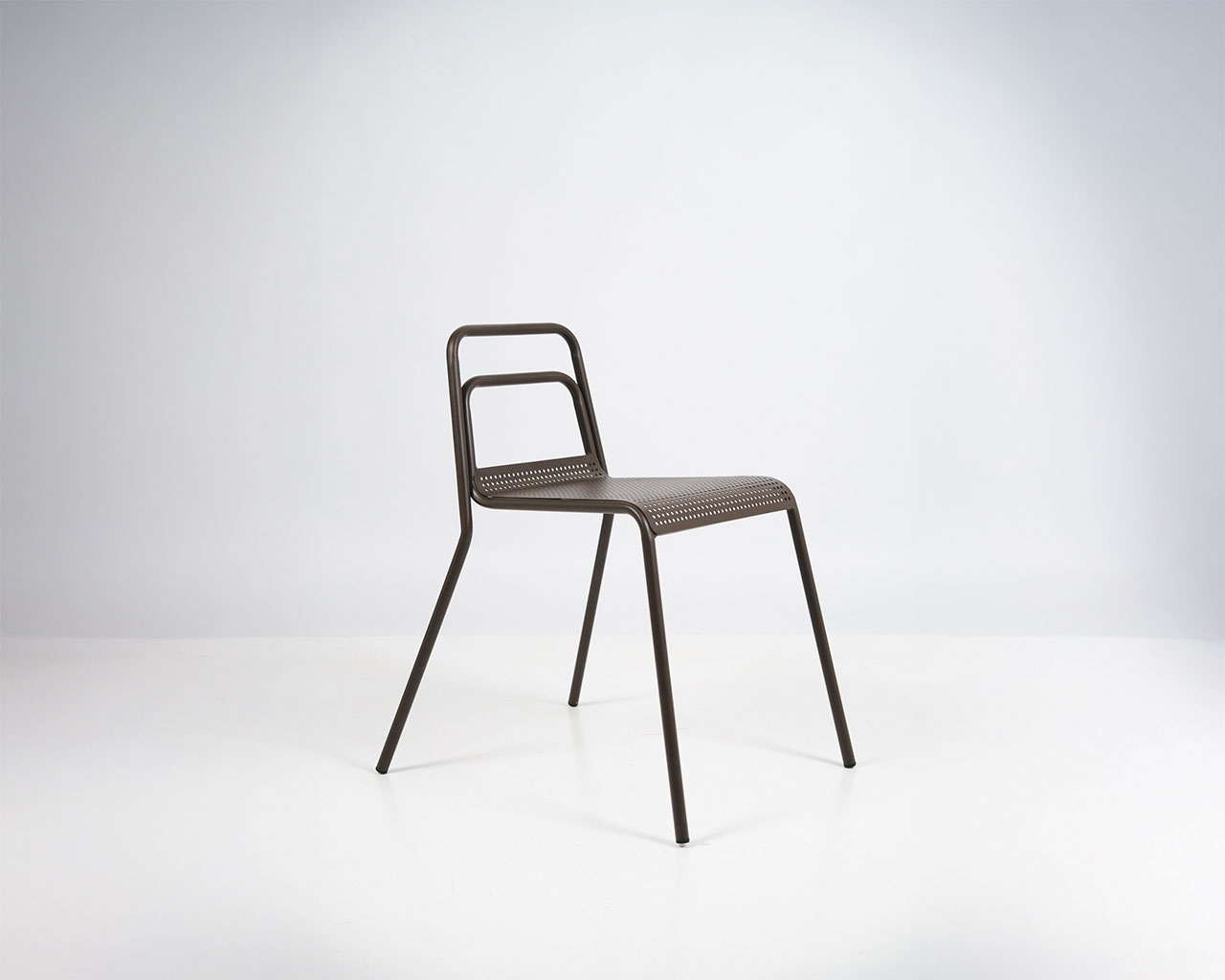
A decade ago, a simple yet radical idea entered the design landscape: what if you could turn any flat surface into a piece of furniture with nothing more than a high-quality steel clamp? Ten years and more than 400,000 units later, Tiptoe has not only answered that question but has fundamentally changed how we approach modular living. As an editor who has watched countless trends flicker and fade, I find Tiptoe’s staying power remarkable. It’s a testament to the "less is more" philosophy, where the brilliance lies in the utility of the object itself.
What exactly are Tiptoe modular table legs? At their core, they are powder-coated steel clamp-on supports designed to transform almost any flat material—from a reclaimed wooden door to a slab of recycled plastic—into a custom desk, dining table, or coffee table. The beauty of the system is its non-invasive nature; there is no need for screws, drilling, or permanent alterations. This "no-strings-attached" approach to furniture makes it a darling of the rental generation and the DIY enthusiast alike.
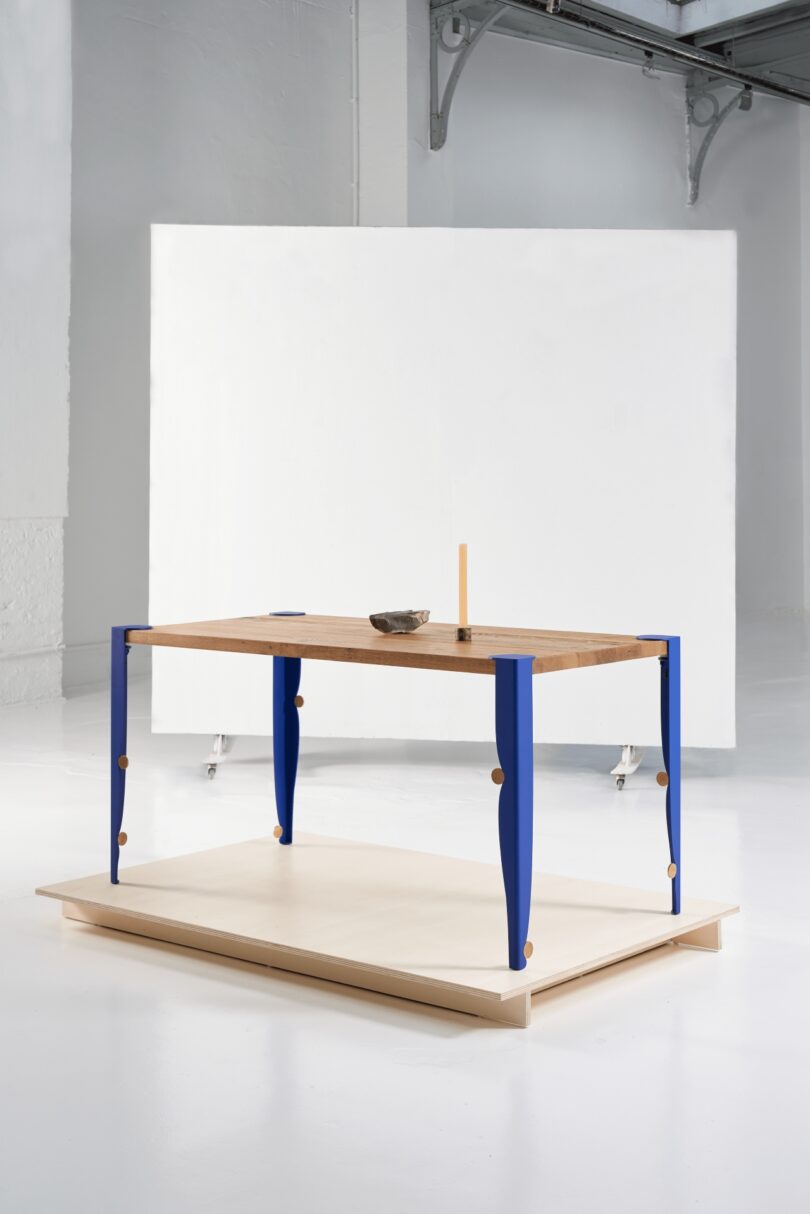
To celebrate this milestone, the brand launched the '10 Years – 10 Visions' project, inviting ten world-class designers—including the likes of Wendy Andreu, BIG-GAME, and Constance Guisset—to reinterpret the iconic leg. Their creations remind us that while the tool is simple, the possibilities are infinite.
10 Innovative Ways to Reimagine Your Space
1. The Multi-Leg 'ToeTip' Statement Table
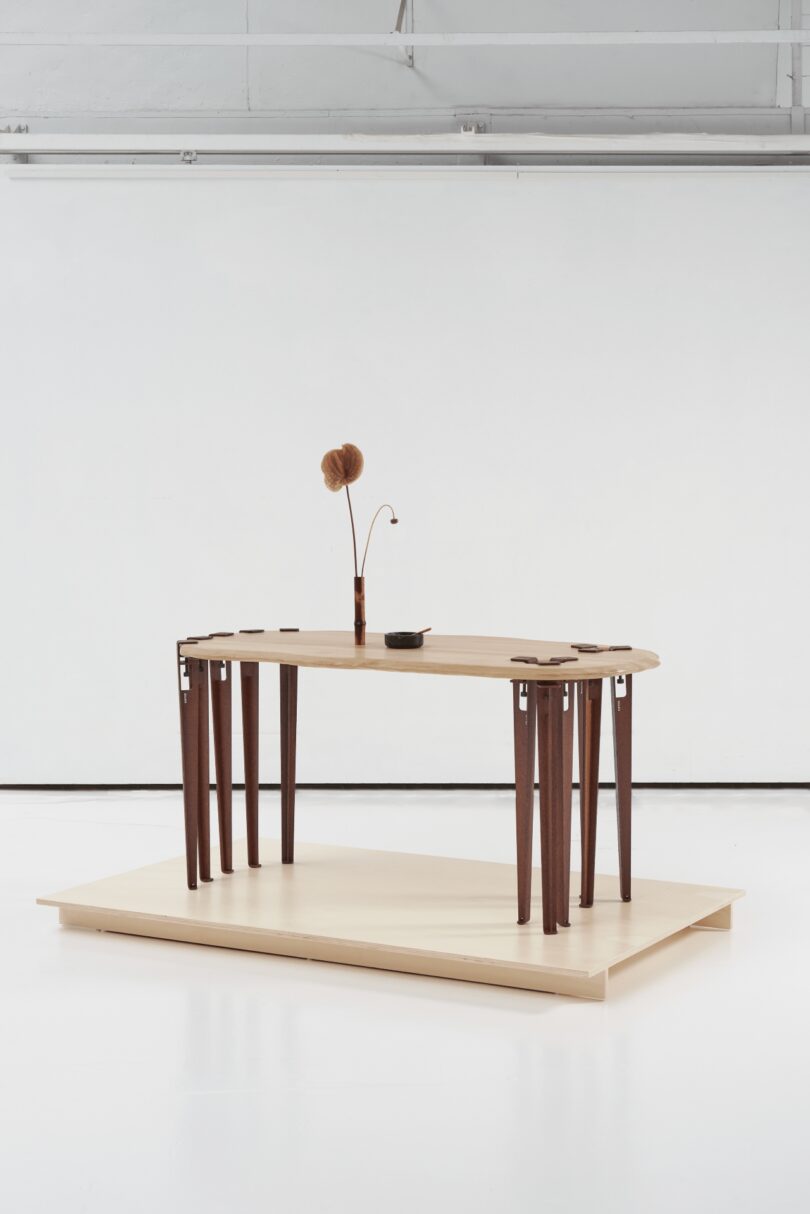
One of the most striking reinterpretations from the anniversary collection comes from Wendy Andreu. While we traditionally think of a table as having four legs, Andreu’s "ToeTip" concept utilizes 18 legs to create a rhythmic, almost anthropomorphic forest of steel.
For your own home, you don’t necessarily need 18 legs, but doubling up on the supports for a long dining table can create a high-end, gallery-like aesthetic. By placing legs in clusters or at irregular intervals, you move away from mere functionality and into the realm of furniture-as-sculpture.
2. Integrated Storage: The VV Record Rack
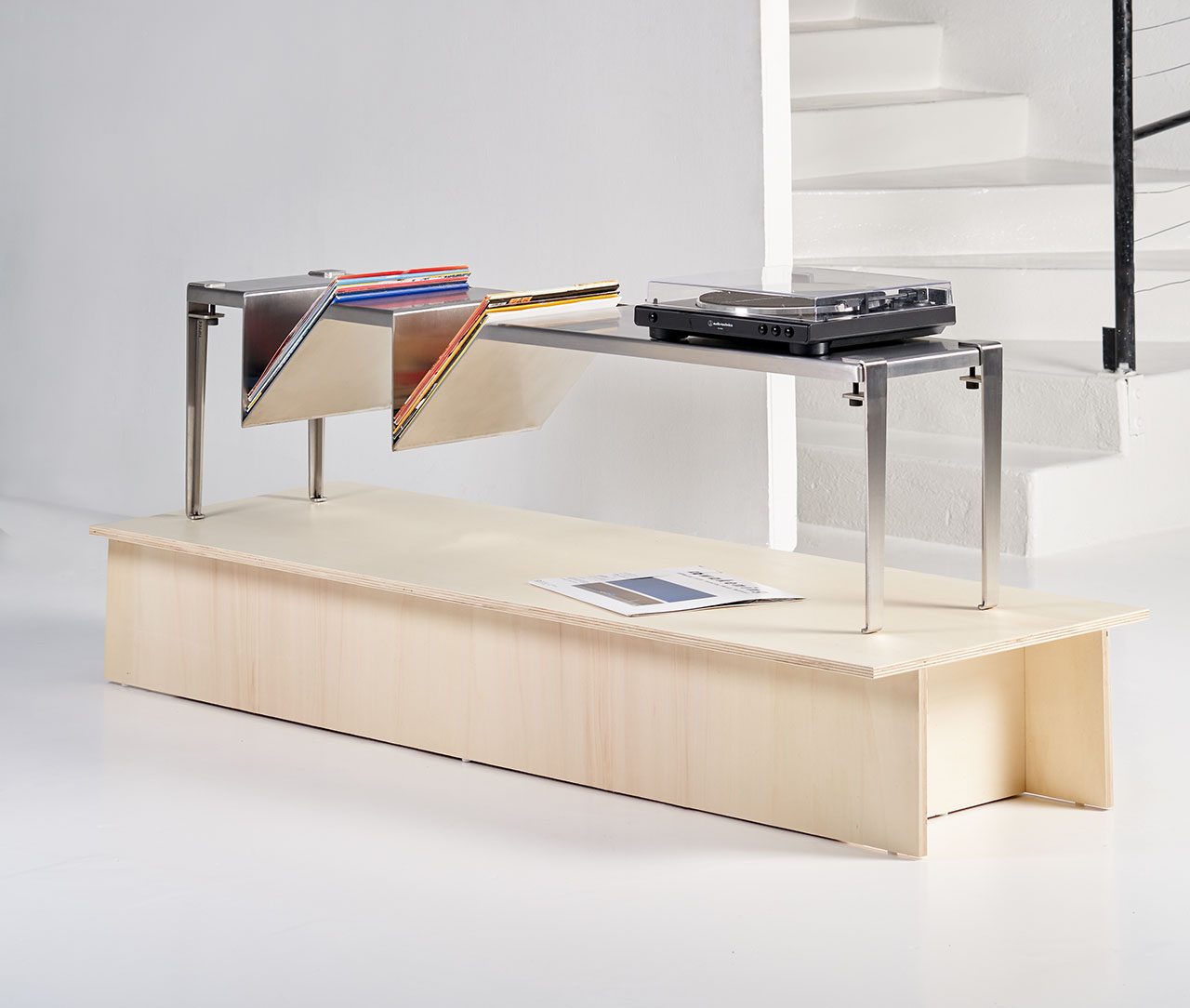
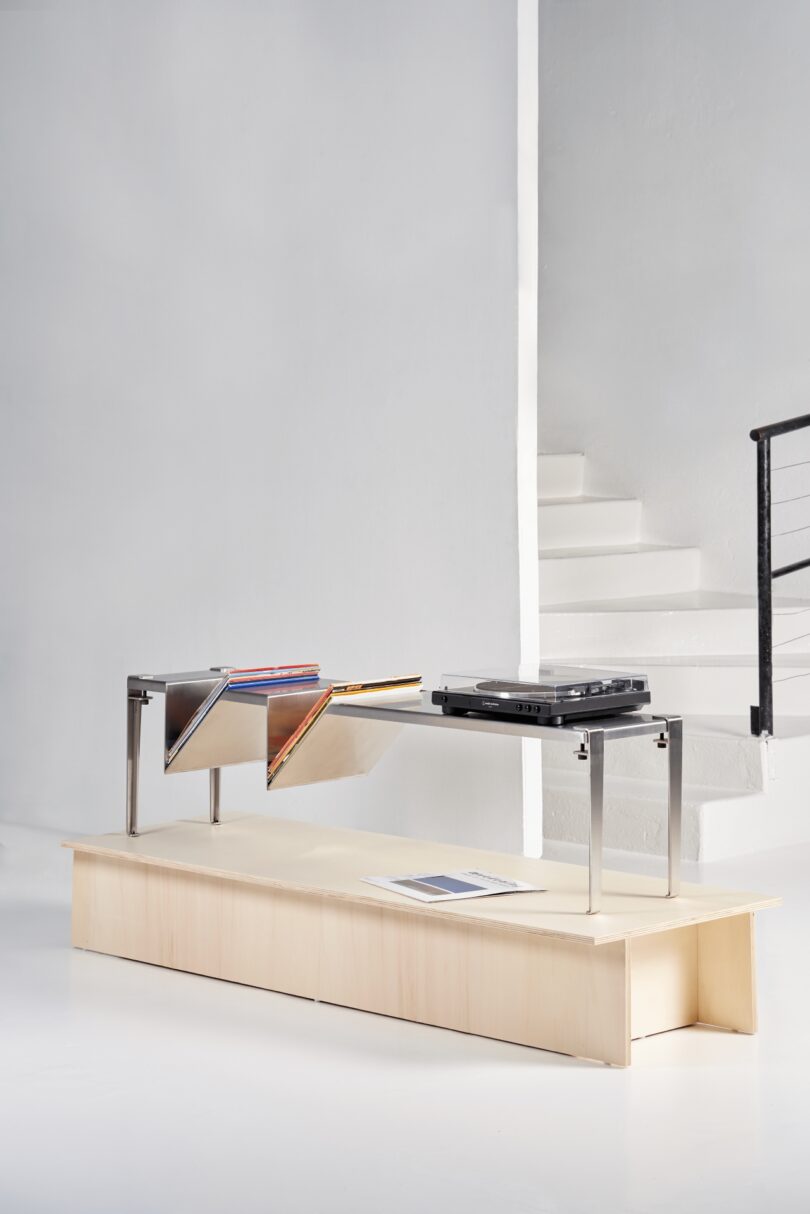
Storage is often an afterthought in furniture design, but the "VV Record Rack" by Kann Design shows how the Tiptoe system can be adapted for specialized hobbies. By reimagining the tabletop with V-shaped crevices, the modular legs support a structure that doubles as a display for vinyl records or magazines.
If you are a collector, consider using a thicker plywood top and routing out sections to create "wells" for your items. The strength of the 75cm legs ensures that even a heavy collection of vinyl stays secure and stylish.
3. The Minimalist Stainless 'Inox' Workspace
For those who lean toward the "clinical chic" or industrial aesthetic, the Tiptoe legs are now available in brushed stainless steel. This "Inox" look is perfect for a home office that needs to feel clean and focused. Pair these with a tempered glass top or a white laminate surface to mimic the high-tech feel of a laboratory or a modern architectural studio.
Designer Spotlight: BIG-GAME The design trio BIG-GAME often emphasizes "elementary" design. Their take on the Tiptoe leg highlights its industrial roots, proving that when the engineering is this good, you don't need to hide it behind decorative flourishes.
4. Vertical Support: The Clamp-On Bookshelf
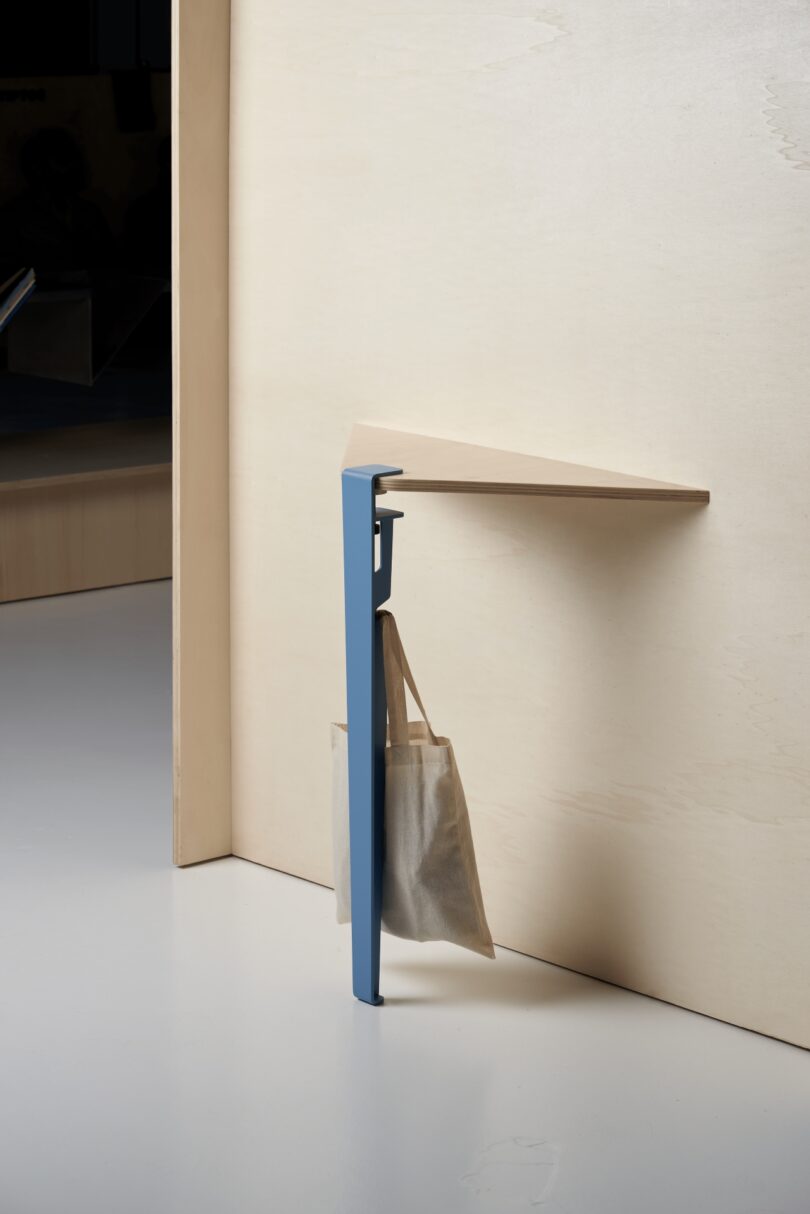
The Tiptoe system isn't just for horizontal surfaces. Using the brand's 'Serre-Livres' (bookend) accessories and wall brackets, you can create a vertical shelving system that appears to float. This is particularly effective in awkward corners or above a radiator where traditional shelving units won't fit.
By using the same powder-coated finish for both your desk legs and your wall shelves, you create a visual "red thread" that ties the entire room together, a favorite trick of interior stylists to make a small space feel cohesive.
5. The Post-Industrial Artifact
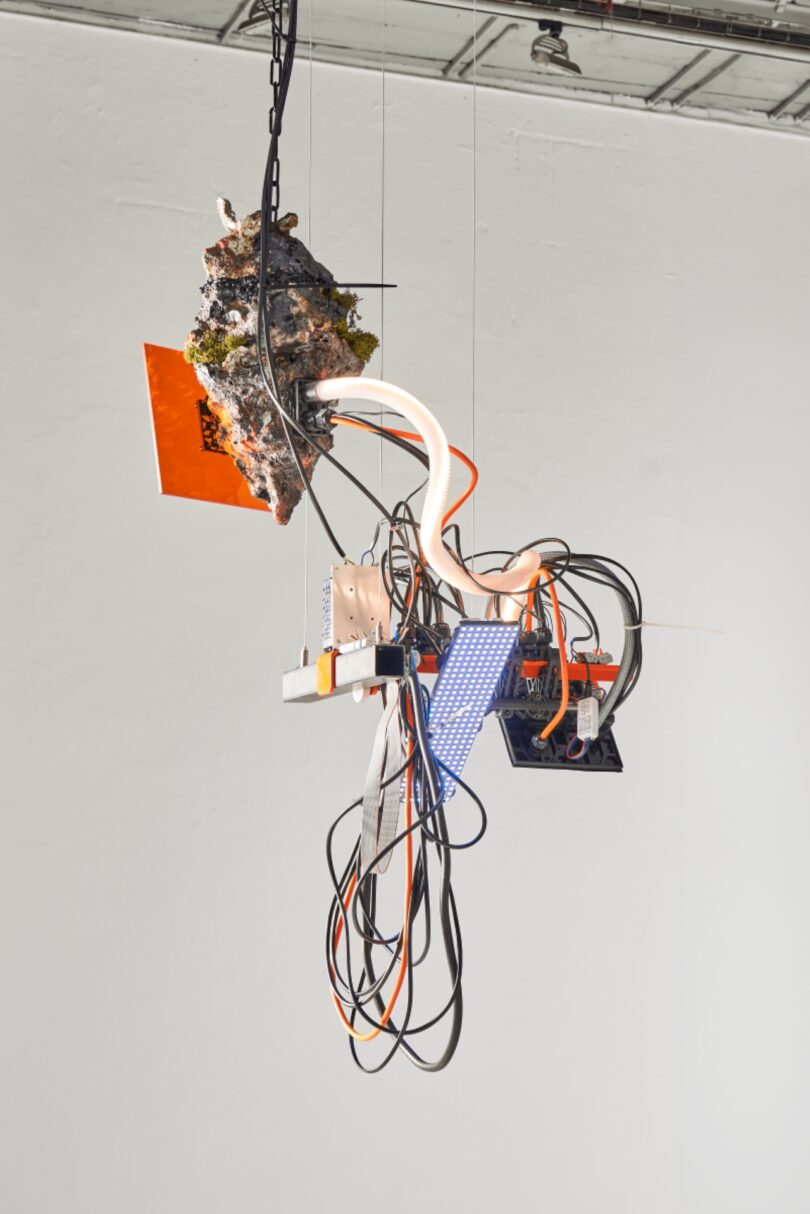
In a world of mass-produced furniture, creating something that looks like a "found object" is the ultimate style statement. The vision for a post-industrial artifact involves mixing the sleek, machine-perfect Tiptoe legs with raw, organic, or even "obsolete" materials. Think of a tabletop made from a piece of salvaged stone or a thick slab of acrylic encasing old electronic components. This approach creates a futuristic, curated look that feels more like an art installation than a piece of utility.
6. The 3-Step DIY Standing Desk
With the rise of ergonomic home offices, the standing desk has become a staple. You can achieve this by pairing the 110cm bar-height legs with a sturdy reclaimed wood top.
- Source your top: An old workshop table or a thick piece of birch plywood works best.
- Level up: Use the 110cm legs for a fixed standing height, or the V2 electric frame if you prefer adjustability.
- Clamp and Go: Tighten the clamps until they are flush with the surface.
7. The Anthropomorphic Kids' Corner
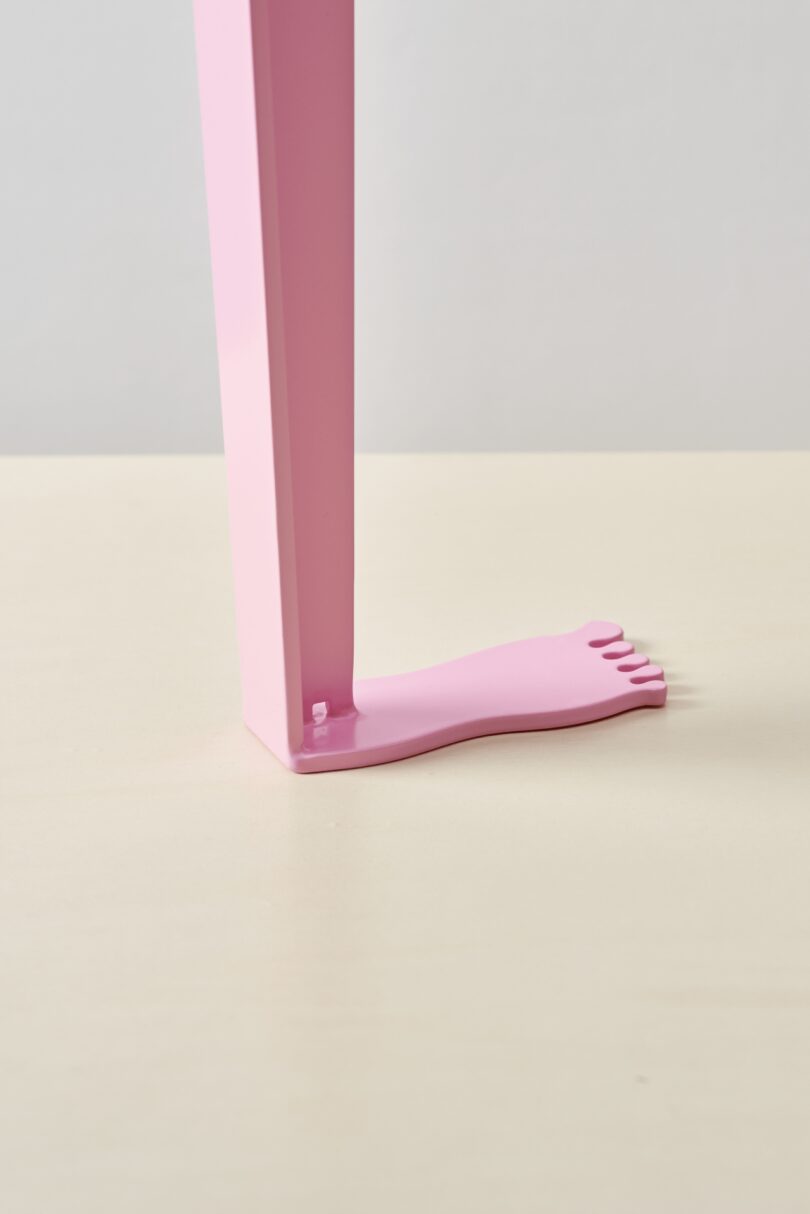
Design for children should be playful but not patronizing. The "TipToes" series, featuring pink legs with a charming foot-shaped base, adds a sense of character to a nursery or playroom. Using the 43cm or 50cm leg heights, you can create a custom drawing station that feels "alive" to a child's imagination.
8. The Floating Wall-Mounted High Table
In small urban apartments, a traditional four-legged dining table is often a luxury space won't allow. By using two 90cm or 110cm legs on the outer edge and Tiptoe wall brackets on the inner edge, you can create a "breakfast bar" that takes up half the floor space. This setup is perfect for morning coffee or a quick laptop session.
9. Upcycled Outdoor Dining
Tiptoe’s MIDI legs (typically 75cm) are incredibly durable. When paired with eco-certified oak or even recycled plastic tops (like Tiptoe’s own "Venezia" line), they make excellent patio furniture. Because they can be easily disassembled, you can bring the legs inside during the harsh winter months to prevent any potential weathering, extending the life of your furniture indefinitely.
10. The 'Mid-Century Modern' Fusion
For a vintage-modern hybrid look, consider the "brass-tip" customization. While Tiptoe legs are inherently contemporary, choosing a deep forest green or terracotta powder coat and adding a metallic finish to the very bottom of the leg mimics the tapered, brass-capped aesthetic of 1950s furniture. It’s a subtle way to blend modular innovation with heritage style.
Choosing Your Foundation: A Technical Selection Guide
Before you dive into your DIY project, it’s essential to choose the right height for your needs. Tiptoe legs are available in four standard heights to suit different furniture types. I’ve summarized the specs below to help you plan your layout.
| Leg Height | Best For... | Surface Thickness Recommendation |
|---|---|---|
| 43 cm | Coffee tables, side tables, low benches | 20mm to 40mm |
| 75 cm | Dining tables, home office desks | 30mm to 40mm |
| 90 cm | Counter-height surfaces, kitchen islands | 30mm to 40mm |
| 110 cm | Bar tables, standing desks, high consoles | 30mm to 40mm |
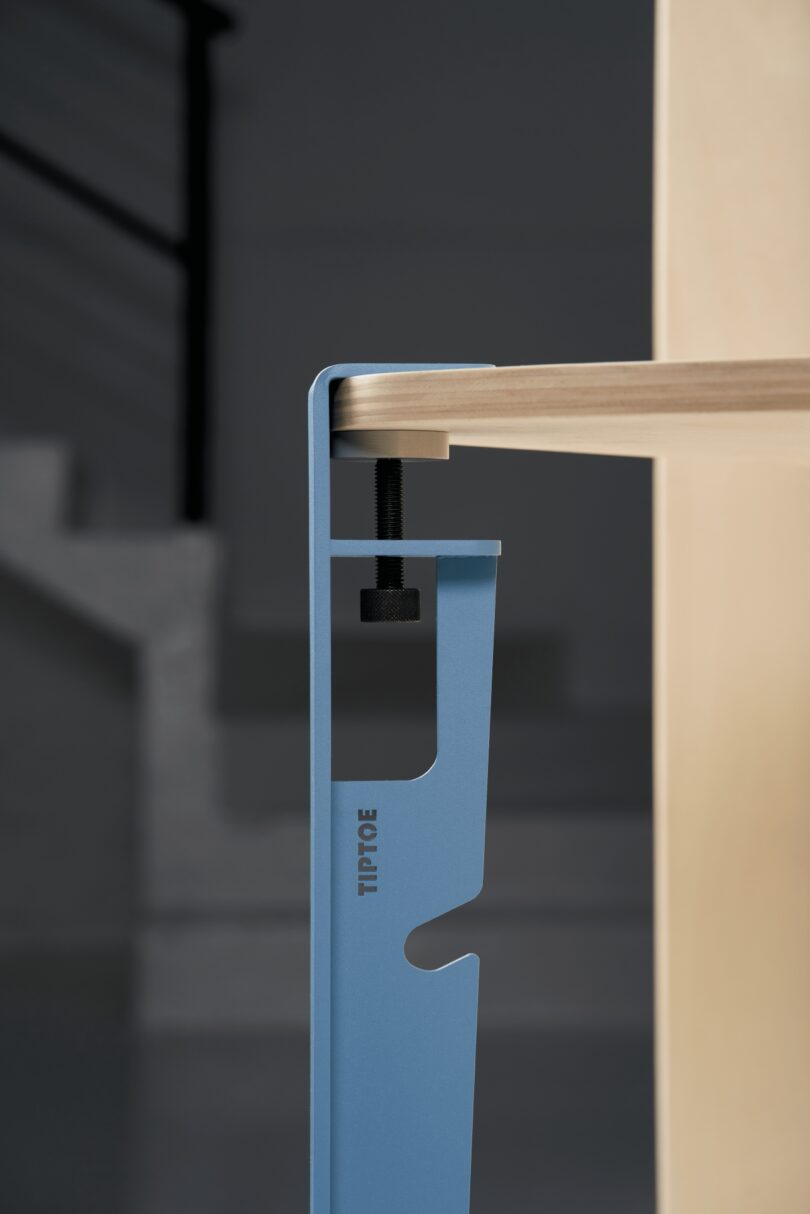
While the clamp mechanism is incredibly versatile, the material of the "top" matters just as much as the legs. Since the legs are made from 100% made-in-Europe steel, they are incredibly durable, but they require a solid foundation. I always recommend using eco-certified solid wood or high-density recycled plastics. Avoid hollow-core doors or very thin glass (under 10mm) unless you are using specialized protective gaskets.
Customization and Material Compatibility
One of the reasons Tiptoe maintains a high customer satisfaction rating of 4.5/5 stars (based on over 9,332 verified reviews) is the sheer variety of color and material combinations available. Whether you want your legs to blend in with a monochromatic "Cloud White" or stand out in a vibrant "Pacific Blue," the choice is yours.
When selecting a tabletop, consider the "Venezia" line—a stunning material made from recycled yogurt pots that creates a terrazzo-like effect. It’s a beautiful marriage of sustainable innovation and high-end aesthetics. If you’re opting for a more traditional look, pairing the legs with eco-certified oak provides a warm, Scandinavian feel that never goes out of style.
Sustainability and Quality: What the Community Says
In my years as an editor, I’ve seen many "fast furniture" brands come and go. Tiptoe stands out because of its commitment to the '5 Sustainable Principles': long-lasting materials, recycled/recyclable components, flat-pack shipping to reduce carbon footprints, easy repairability, and timeless design.
The community feedback reflects this. Many users highlight that even after moving houses three or four times, the legs remain as sturdy as day one. A common concern for DIYers is surface damage; however, the Tiptoe clamps are designed with a protective layer to ensure that even delicate veneers aren't crushed under pressure.
FAQ: Everything You Need to Know About Tiptoe
Who are the designers for Tiptoe's 10th Anniversary collection? The '10 Years – 10 Visions' project features reinterpretations by 10 world-class designers: Wendy Andreu, BIG-GAME, Sophie Dries, Jean-Baptiste Durand, Constance Guisset, Rudy Guénaire, Kann Design, Julien Renault, Wilmotte, and Olimpia Zagnoli.
What is the maximum load capacity for a table with Tiptoe legs? For a standard four-leg setup on a 75cm table, the recommended maximum load is approximately 70kg (154 lbs), including the weight of the tabletop. Always ensure the weight is distributed evenly across the surface.
Can I use these legs on a glass tabletop? Yes, but with caution. You should use a tempered glass top with a minimum thickness of 10mm. It is also highly recommended to use small silicone or rubber pads between the clamp and the glass to prevent slippage and distribute pressure safely.
Join the Modular Revolution
Whether you’re a seasoned DIYer looking to build a custom dining table or a city dweller trying to maximize a small studio, Tiptoe offers a bridge between professional design and personal creativity. The 10th-anniversary collection isn't just a celebration of a brand; it’s a celebration of the idea that we should all have the tools to shape our own living environments.
As we look toward the next decade of design, modularity and sustainability aren't just options—they are necessities. Tiptoe has proven that you don't need a toolbox full of equipment to create a home that feels curated, intentional, and uniquely yours.