Let’s be honest: for many of us, the laundry room is the one space in the house we’d rather keep behind a closed door. It’s the place where socks go missing, detergent drips create sticky rings on every surface, and the "clean pile" often competes for floor space with the "dirty pile." I’ve spent years helping homeowners transition their spaces from chaotic utility closets to functional sanctuaries, and I can tell you that the laundry room is the next frontier of home design.
As we look toward 2026, the trend is shifting from the laundry room being a hidden "utility closet" to becoming a high-functioning, personality-driven workspace. Recent data shows that home organization is no longer just about tidying up; it’s about system-driven efficiency. Analysis of 2025 consumer behavior indicates that 74% of laundry room renovations now include dedicated vertical storage systems to accommodate smaller urban floor plans. Whether you are working with a sprawling mudroom or a tight hallway closet, the goal is the same: to create a system that works for you, not against you.
To maximize space in a small laundry room, the most effective strategy is to look up. Utilizing vertical storage—such as wall-mounted drying racks, stackable washer-dryer units, and ceiling-mounted clothes airers—can reclaim valuable square footage. Additionally, small but mighty additions like magnetic bins attached directly to your appliances provide easy access to essentials without occupying a single inch of shelf space.
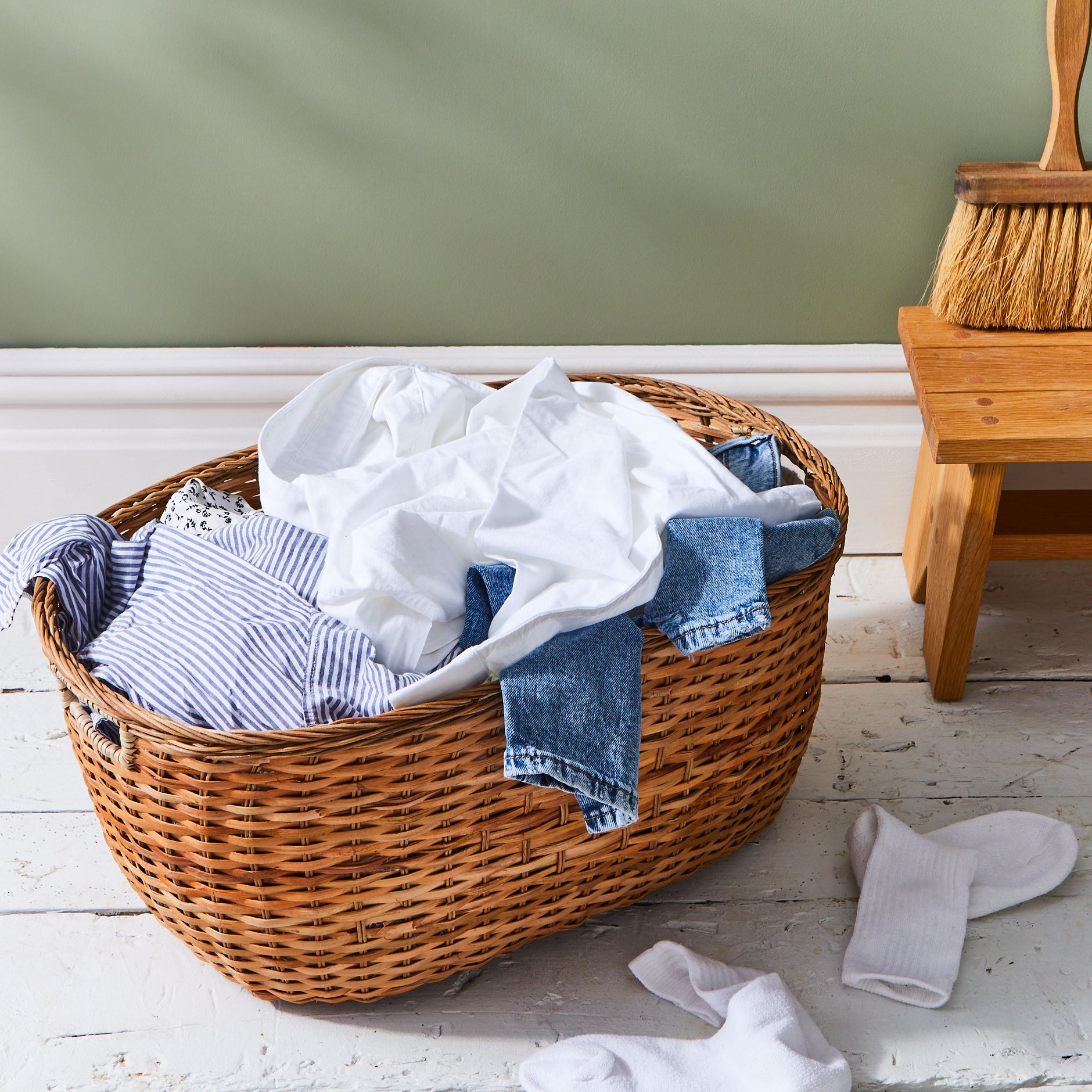
1. Master Verticality with Wall-Mounted Drying Racks
One of the biggest clutter-culprits in any laundry room is the traditional, accordion-style floor drying rack. They are cumbersome, they block the flow of traffic, and they inevitably end up leaning against a wall, looking messy even when empty. In 2026, we are seeing a definitive shift toward permanent, wall-mounted solutions.
These units fold flat against the wall when not in use, appearing as a sleek piece of cabinetry or a minimalist wooden frame. When you have a load of delicates, they tilt out to provide multiple tiers of drying space. By moving your drying zone to the wall, you keep the floor clear for walking and sorting. I recommend installing these near a heat source or a window to speed up the drying process naturally.
Sophie’s Pro-Tip: If you have a very narrow space, look for "pull-down" racks that install high on the wall. They utilize the dead space near the ceiling that is usually wasted.
2. Elevate Performance with Smart Laundry Centers
The most significant leap in laundry organization hasn't come from a basket, but from the machines themselves. Modern laundry centers, like the Samsung Bespoke series or the LG WashTower, are revolutionizing how we store supplies. These units are designed with a "less is more" philosophy that directly impacts your storage needs.
One of the smartest features of these 2026-ready machines is the integrated multi-load detergent dispenser. Instead of having five different bulky plastic bottles sitting on your countertop, you fill an internal reservoir that automatically senses the load size and dispenses the exact amount of soap needed.
| Feature | Traditional Setup | Smart Laundry Center (e.g., Samsung Bespoke) |
|---|---|---|
| Detergent Storage | Multiple bulky bottles on counters | Internal reservoir (stores up to 30+ loads) |
| Clutter Factor | High (bottles, cups, drips) | Low (hidden, automated) |
| Space Efficiency | Requires shelf/counter space | Integrated into the machine footprint |
| Waste Reduction | High (over-pouring common) | Decreases detergent waste by 25% |
According to internal product testing, switching to a smart laundry center with an integrated detergent reservoir can reduce countertop clutter by 40%. This frees up your surfaces for more important tasks, like folding or pretreating stains.
3. Utilize Ceiling-Mounted Clothes Airers
If your wall space is already occupied by cabinets, look even higher. Ceiling-mounted airers, often called "pulley racks," are a classic European solution that is seeing a massive resurgence in 2026 urban designs.
These systems allow you to hang your laundry at chest height and then hoist the entire rack up toward the ceiling. Because heat rises, clothes dry significantly faster up high, and they are completely out of your line of sight. It’s an ideal solution for bedding, towels, or long dresses that usually drag on the floor of a standard rack.
4. The Power of Magnetic Bins for Appliance Sides
In professional organization, we talk a lot about "active zones"—the areas within arm's reach of where the work happens. The sides of your washer and dryer are prime real estate that often goes ignored. Heavy-duty magnetic bins are the unsung heroes of a small laundry room.
I love using these for the "little things" that usually end up in a messy pile:
- A lint bin: To stop you from walking to the kitchen trash every time you clean the filter.
- A "lost and found" jar: For the coins, buttons, and hair ties found in pockets.
- Dryer sheet dispenser: Keeps them accessible but tucked away.
5. Slim Sliding Storage Racks for Tight Gaps
Ever noticed that 6-inch gap between your washer and the wall? That is enough space to house your entire cleaning kit. Slim, rolling "gap carts" are designed specifically to slide into these awkward spaces.
These racks are perfect for storing taller items like bleach, vinegar, and fabric softeners. Because they roll out on wheels, you have full visibility of every bottle, preventing the "back-of-the-cupboard" graveyard where half-empty bottles go to die.
6. Industrial Pipe Clothing Racks for Heavy-Duty Hanging
When we look at which laundry room organization products are trending for 2026, there is a clear move toward durability and "industrial chic." Flimsy tension rods are being replaced by wall-anchored industrial pipe clothing racks.
These are not just for aesthetics; they are designed to hold the weight of heavy, wet winter coats or multiple pairs of jeans without sagging. Mounting a sturdy rod directly under a high cabinet or between two walls creates a dedicated "hanging to dry" station that feels like a permanent part of the architecture rather than an afterthought.
7. Integrated Cabinetry and Hidden Appliances
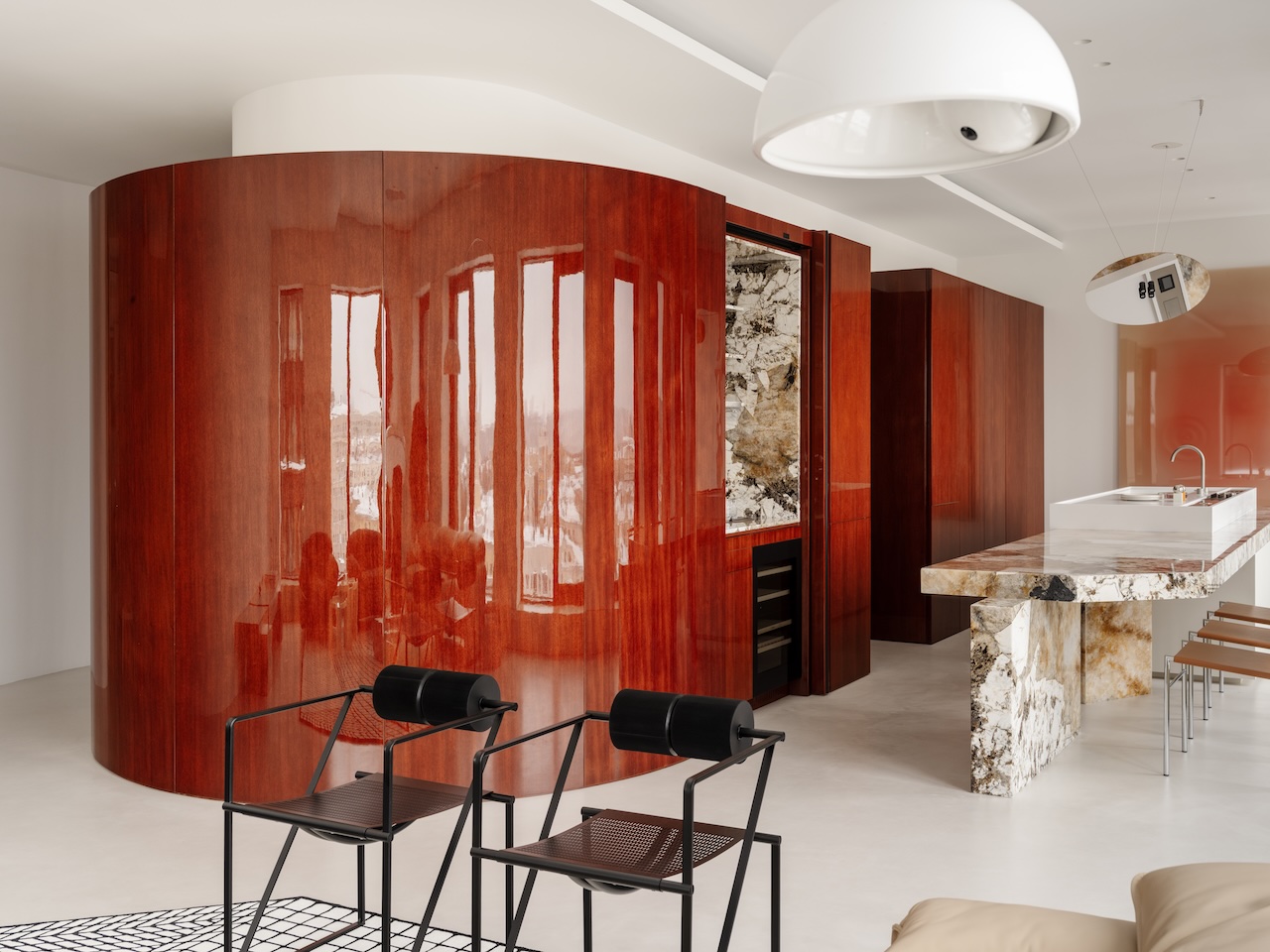
The "invisible laundry" trend is gaining momentum. For those who live in multi-functional spaces—like a laundry-bathroom combo—the 2026 aesthetic is all about hiding the "work." Custom cabinetry that features pocket doors allows you to tuck your machines away behind beautiful wood or lacquer panels when they aren't in use.
This approach turns a utilitarian room into a seamless extension of your home’s living space. Many homeowners are opting for a "spa-like" look, using neutral tones and hidden storage to minimize visual noise.
8. Mobile Folding Stations with Integrated Baskets
If you don't have enough counter space to fold clothes, don't try to force it. Instead, invest in a mobile folding station. Brands like Yamazaki Tosca are leading the way with minimalist rolling carts that feature a wooden top (for folding) and integrated baskets below (for sorting).
The beauty of a mobile station is its flexibility. You can roll it into the living room while you watch a show, fold your laundry there, and then roll it back into the laundry room when you’re done. It’s a system that adapts to your life, rather than forcing you to stay in a cramped room.
9. Pedestal Drawers and Platform Storage
One of the biggest mistakes I see in laundry design is placing machines directly on the floor. Not only is this hard on your back, but it’s a wasted storage opportunity. Pedestal drawers—either manufacturer-made or custom-built platforms—raise your machines by 12 to 15 inches.
This elevation creates a large drawer space underneath that is perfect for bulky items you don't use every day, such as:
- Backstock of detergent and paper towels.
- Steamers and iron attachments.
- Pet grooming supplies.
Sophie’s Pro-Tip: If you are building a custom platform, ensure it is reinforced to handle the vibration of the spin cycle. A sturdy wooden platform with a rubber mat top can actually reduce machine noise!
10. Uniform Baskets for Individual Family Members
Systems only work if everyone can follow them. One of the most effective ways to reduce post-wash chaos is to assign a dedicated basket to each family member.
Instead of one giant "clean" basket that everyone rumsages through, sort the clothes into individual baskets as you take them out of the dryer. When a person's basket is full, it is their responsibility to take it to their room and put the clothes away. This small shift in the "handoff" process prevents the laundry room from becoming a permanent storage site for clean clothes.
11. Decanting Essentials into Aesthetic Glass and Rattan
While it might seem like a purely aesthetic choice, decanting your supplies into uniform containers actually helps with organization. Transitioning from mismatched plastic bottles to glass jars and eco-friendly rattan baskets allows you to see exactly how much product you have left at a glance.
In 2026, there is a heavy emphasis on sustainable materials. Glass jars with bamboo lids for scent boosters and rattan baskets for towels create a cohesive, calming environment. It turns a chore into a more sensory, pleasant experience.
12. Multi-Functional 'Hybrid' Work Zones
Finally, the most organized laundry rooms of the future are the ones that serve more than one purpose. We are seeing a rise in "Hybrid Work Zones"—counters that double as flower-arranging stations, gift-wrapping nooks, or even pet care zones with integrated dog washes.
By designing the laundry room to be a place you actually want to spend time in, you are more likely to keep it organized. Adding a small sink with a high-neck faucet makes it easy to soak stained clothes, but it also makes it the perfect spot to water your indoor plants.
FAQ
Q: I have a tiny closet laundry, not a room. Which of these should I prioritize? A: Focus on points 1 and 4. A wall-mounted drying rack and magnetic bins on the side of your machines will give you the most "new" space without requiring a renovation.
Q: Are glass jars for detergent actually practical? A: Yes, provided you choose jars with wide mouths for easy scooping or high-quality pumps for liquids. They prevent the "sticky bottle" syndrome and make it much easier to track when you're running low.
Q: How do I stop my laundry room from becoming a "catch-all" for junk? A: The "One-In, One-Out" rule works well here, but more importantly, ensure every item in the room has a labeled home. If a "junk" item doesn't have a specific basket or shelf, it doesn't belong in the laundry room.
Conclusion
Creating an organized laundry room isn't about having the most expensive cabinets or the largest floor plan; it’s about creating a flow that minimizes friction. By embracing vertical storage, utilizing smart appliance technology like the Samsung Bespoke series, and implementing family-wide sorting systems, you can transform this high-traffic area into a space of calm efficiency.
Remember, the goal of a 2026-ready home is to let technology and smart design do the heavy lifting so you can spend less time sorting and more time living. Start with one change this weekend—perhaps a magnetic bin or a new hanging rod—and watch how quickly your routine improves.