Quick Facts
- The 2025 Shift: Interior design market data indicates a 42% increase in consumer demand for low-profile, multi-functional furniture like daybeds, driven by the rise of urban apartment living and a preference for "airy" aesthetics.
- Designer Preference: 75% of top interior designers now prefer daybeds over traditional accent chairs or sleeper sofas to delineate zones in open-concept residential projects.
- The Main Advantage: Unlike sleeper sofas, daybeds offer a consistent aesthetic and don't require heavy lifting or room rearrangement to transform from seating to a guest bed.
- Styling Secret: The "floating" placement—positioning a daybed in the middle of a room—is the professional way to create a "spatial divider" without blocking sightlines.
For years, the daybed was relegated to the guest room or the neglected corner of a sunroom—a piece of furniture that sat in architectural limbo, neither quite a sofa nor fully a bed. But as we look toward 2025, the interior design landscape is undergoing a radical shift toward "performance-driven serenity." We are moving away from the heavy, overstuffed silhouettes that dominated the early 2020s and toward linear, low-profile pieces that breathe life into a floor plan. The daybed has officially reclaimed the spotlight, not merely as a spare bed, but as a sophisticated "IT" piece that bridges the gap between high-end lounging and practical urban living.
The return of what some call the "modern fainting couch" is a response to our evolving relationship with our homes. In an era where a single room often serves as an office, a yoga studio, and a relaxation sanctuary, we need furniture that works as hard as we do without sacrificing visual grace. The daybed is the ultimate answer to this need for multi-functionality.
I. The Trend Report: Why Daybeds are the 'IT' Piece of 2025
Why are daybeds trending so aggressively for 2025? It comes down to a fundamental change in how we perceive space. As urban living becomes the norm, the "dead space" created by traditional furniture is no longer acceptable. Daybeds are gaining popularity because they offer high-performance multi-functionality, serving as both stylish lounge seating and ready-to-use guest beds without the bulky footprint of traditional sofas.
In the world of high-end design, we are seeing a shift toward "horizontality." Low-slung furniture makes ceilings feel higher and rooms feel more expansive. This architectural trick is a cornerstone of the 2025 aesthetic. Data reveals that 75% of top interior designers now prioritize daybeds over traditional accent chairs or bulky armchairs when working on open-concept homes. A daybed acts as a "spatial divider"—it delineates the living area from the dining area or the workspace without the visual wall that a high-backed sofa creates.
Furthermore, the "Art of Lounging" has become a lifestyle movement. We aren't just sitting anymore; we are reclining with tablets, meditating, or taking mid-day "power naps." The daybed's deep seat and lack of a restrictive back make it the perfect vessel for this modern, fluid way of existing in a home.
II. Daybed vs. Sleeper Sofa: Which is Right for Your Space?
When clients ask me for advice on guest room solutions, the debate almost always centers on the daybed versus the sleeper sofa. While the sleeper sofa has been a staple of the American home for decades, the 2025 trend is leaning heavily toward the daybed for several functional and aesthetic reasons.
The primary advantage of a daybed over a sleeper sofa is aesthetic consistency. A daybed provides a consistent look that doesn't require rearrangement to use, making it ideal for compact reading nooks, home offices, and galleries where space and visual flow are priorities. When a guest arrives, you aren't moving coffee tables and wrestling with heavy metal mechanisms; you are simply adding a set of fresh linens.
To help you decide, I’ve broken down the key differences:
| Feature | Daybed | Sleeper Sofa |
|---|---|---|
| Visual Footprint | Lean, airy, often "leggy" to show more floor space. | Bulky and boxy to accommodate the internal mattress. |
| Ease of Use | Instant; no mechanism to pull out or unfold. | Requires moving furniture and heavy lifting. |
| Sleep Quality | Uses a standard twin mattress; consistent support. | Often uses a thin, folding mattress with pressure points. |
| Maintenance | Low; the frame is static and durable. | High; mechanisms can jam or squeak over time. |
| Budget | $300 - $1,200 for quality frames. | $800 - $3,000+ for a decent mechanism. |
While a sleeper sofa might still be the right choice for a primary living room that doubles as a guest suite for a week-long stay, the daybed wins for flexibility and style in almost every other scenario.
III. Design Philosophy: Organic Shapes and Sustainable Materials
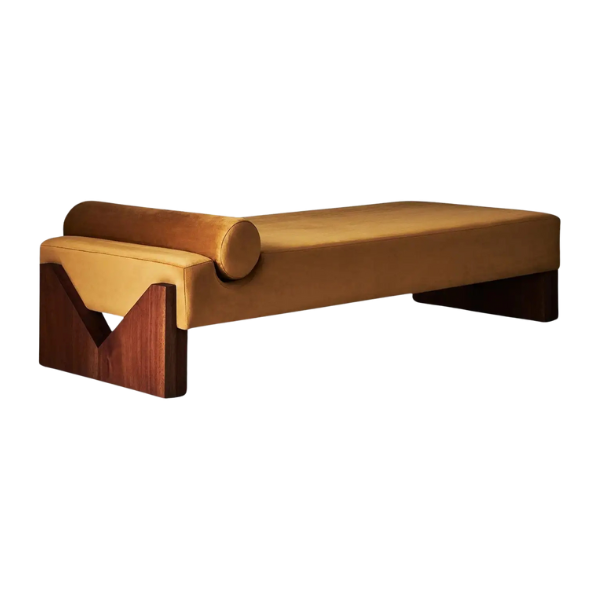
In 2025, the "look" of the daybed is moving away from the rigid, wrought-iron frames of the past and toward what I call "The Softer Side." We are seeing a surge in Art Deco-inspired forms—think curved edges, pill-shaped silhouettes, and the "Reposer" style that feels more like a piece of sculpture than a piece of furniture.
The "Slow Living" connection is vital here. A daybed is an invitation to slow down. When placed in a pass-thru gallery or a wide hallway, it transforms a transitional space into a functional reading nook. To achieve this, we are looking at a specific palette of materials:
- Natural Wood Grains: Light oak, walnut, and cane webbing provide an organic warmth that connects the indoors to nature.
- Belgian Linen: This fabric is the gold standard for 2025. It is breathable, durable, and develops a beautiful "lived-in" patina that fits the effortless elegance of modern styling.
- Recycled Performance Fabrics: For those with pets or children, high-performance weaves made from recycled plastics offer the look of high-end wool but are virtually indestructible.
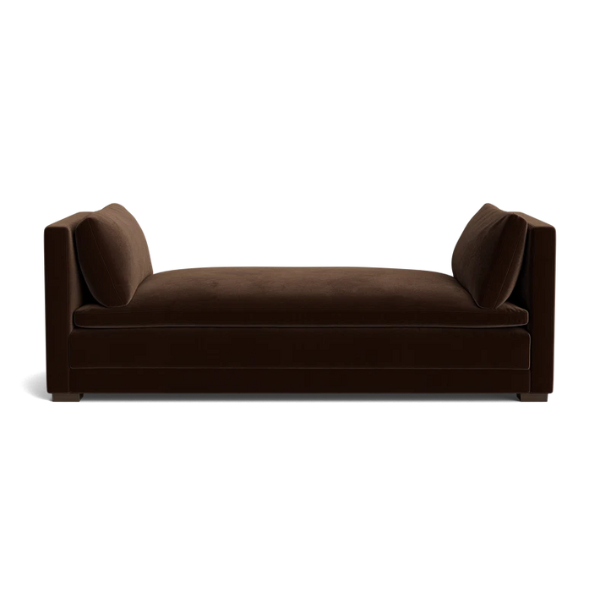
Ivy’s Pro Tip: When choosing a daybed, look for "finished backs." Many lower-end models are designed to be pushed against a wall, leaving the back unfinished. A high-quality daybed should look beautiful from all 360 degrees, allowing you the freedom to place it anywhere in the room.
IV. Styling Secrets: How to Style a Daybed Like an Expert
Styling a daybed is an art form. Because it lacks the traditional back cushions of a sofa, it can easily look like an unmade bed if not handled correctly. To style a daybed like an interior designer, you must play with geometry and texture to create a sense of intention.
1. The Bolster Strategy
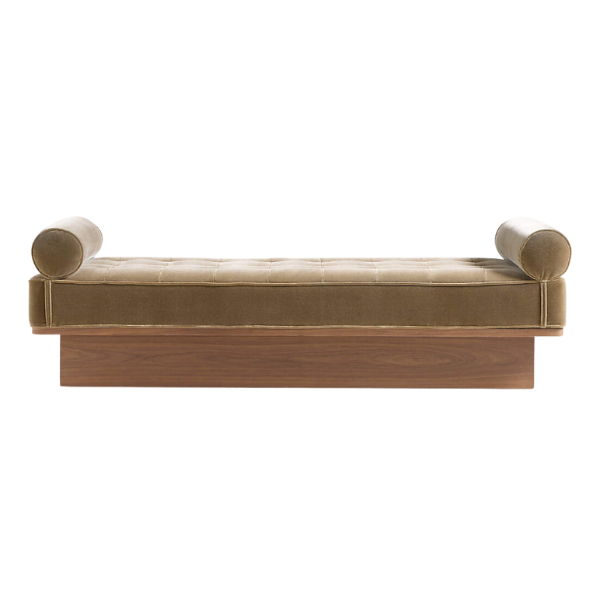
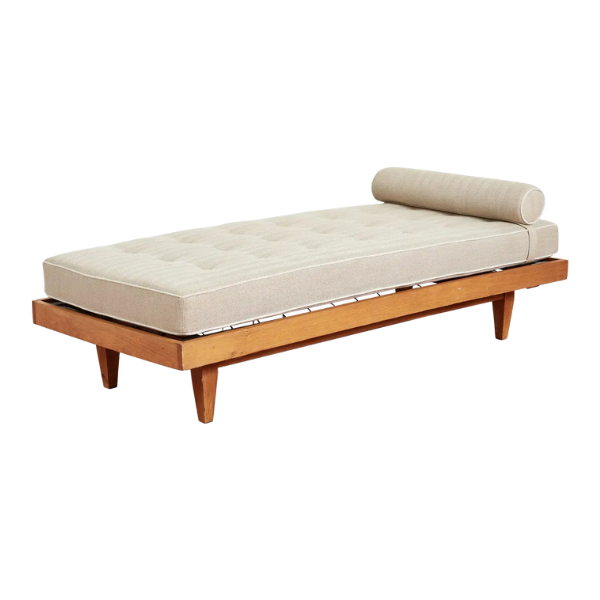
Use cylindrical bolster cushions to define the ends of the daybed. These provide the necessary structural "bookends" that transform a mattress on a frame into a sophisticated seat. They also offer excellent lumbar support for those sitting upright to read.
2. Layering for Depth
Avoid the "flat" look. Layer textured throw pillows in varying sizes—start with two large square linen pillows at the back, followed by a smaller lumbar pillow in a contrasting texture (like velvet or bouclé). This creates the depth and "weight" that a traditional sofa naturally possesses.
3. The "Floating" Placement
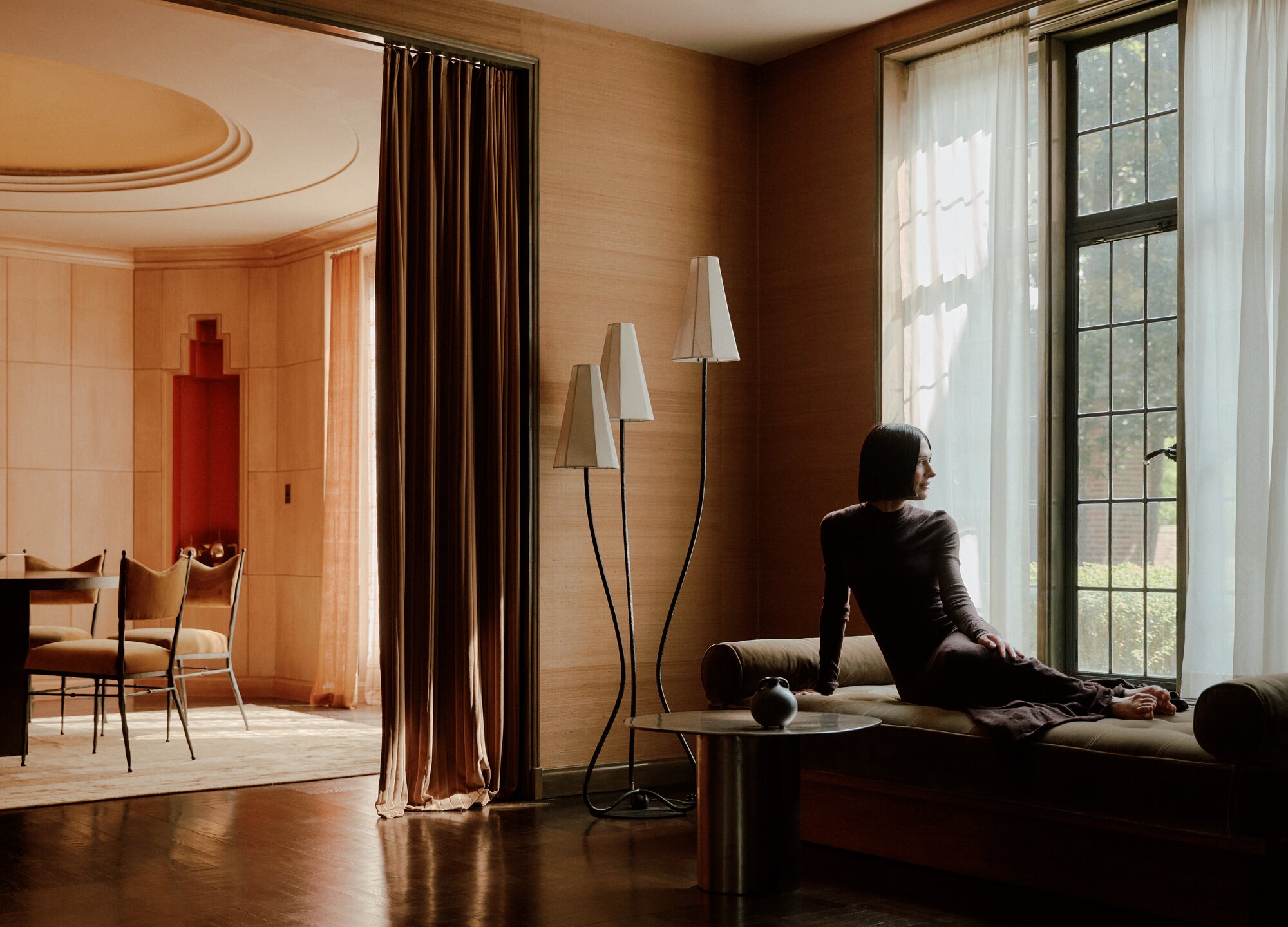
Don't be afraid to pull the daybed away from the wall. Consider "floating" the piece in an open floor plan to serve as a spatial divider. By placing a daybed between your living and dining areas, you create a soft boundary that maintains the open-concept feel while giving each "zone" its own identity.
4. Anchoring with Color and Rugs
A floating daybed can sometimes feel like it's "drifting" in the room. Pair your daybed with a statement rug to anchor it. A colorful or high-texture rug helps delineate the lounging zone and provides a visual base for the piece.
V. Small Space Solutions: From Home Office to Guest Retreat
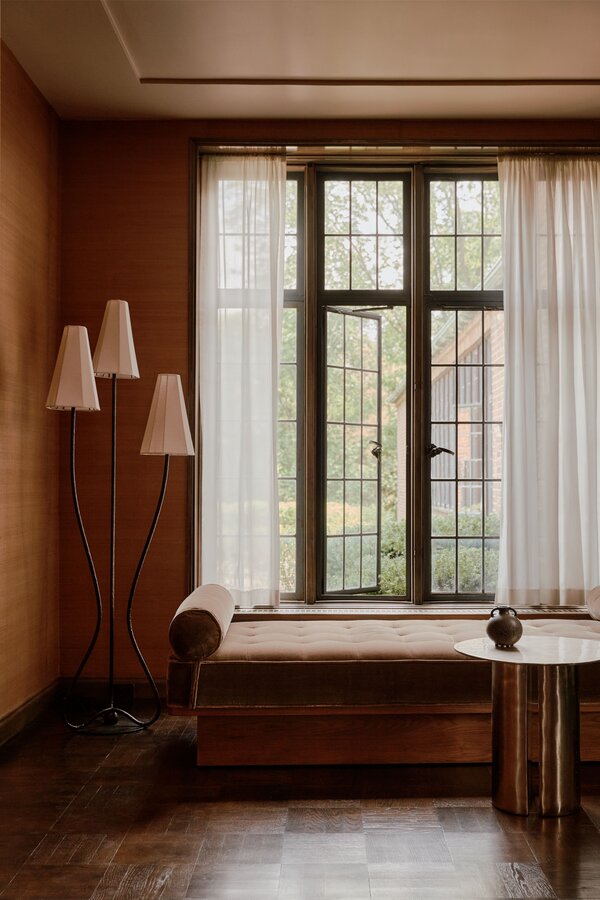
For those living in urban centers like New York, London, or Tokyo, the daybed isn't just a trend—it's a necessity. In small urban apartments, a daybed serves as a chic sofa by day and a high-performance guest bed by night.
Take, for example, the transformation of a Tribeca-style gallery. By placing a sleek, armless daybed against a long wall of art, the space is elevated from a mere hallway to a sophisticated lounge. It provides a spot to sit and contemplate the art, but it also serves as a premium sleeping arrangement for a weekend visitor.
The Trundle Advantage
If you frequently host guests but lack a dedicated guest room, the "Trundle Advantage" is your best friend. Modern daybeds often come with a hidden trundle bed tucked underneath the main frame. This allows you to host two guests comfortably without the permanent bulk of a queen-sized bed frame taking up your precious floor real estate.
Smart Storage
For the ultimate in urban organization, look for daybeds that incorporate storage drawers into the base. These are perfect for storing extra linens, pillows, or even out-of-season clothing, making the furniture piece work double-duty in a small footprint.
VI. Frequently Asked Questions (FAQ)
Q: Is a daybed comfortable enough for every night use? A: While a daybed uses a standard twin mattress, the comfort depends entirely on the quality of the mattress you choose. For a guest who stays 1-3 nights, it is excellent. However, if you plan to use it as a primary bed, ensure the frame has a high-quality slat system for proper spinal support.
Q: How do I prevent a daybed from looking like a teenager's bedroom? A: The key is in the textiles and the frame design. Avoid "daybed bedding sets" which often look dated. Instead, use a high-quality coverlet that fits tightly over the mattress, add sophisticated bolster pillows, and choose a frame made of elevated materials like natural wood or upholstered linen.
Q: Can I use a regular twin-size mattress on any daybed frame? A: Most daybeds are designed for a standard twin mattress, but always check the manufacturer’s specifications. Some modern designs might require a "low profile" mattress (usually 5-8 inches thick) to ensure the proportions look correct and the seat height isn't too high for lounging.
VII. Conclusion: Embracing the Future of Lounging
The 2025 furniture landscape is all about intentionality. We are no longer filling rooms with "stuff"; we are curating pieces that serve our lifestyle and enhance our sense of space. The daybed, with its low profile, multi-functional soul, and architectural grace, is the perfect embodiment of this shift.
Whether you are looking to delineate a large open-concept room, add a guest option to your home office, or simply create a serene nook for your afternoon coffee, the daybed offers a solution that is as beautiful as it is practical. It's time to stop thinking of it as a "spare" piece of furniture and start seeing it as the centerpiece of a modern, flexible home.