As we approach the winter solstice and the busiest season of the year, it is easy to get swept up in the whirlwind of "more." More gifts, more decorations, more plastic, and more stress. But in 2026, many of us are pausing to ask: What if our holiday traditions actually gave back more than they took?
A mindful advent calendar is a holiday countdown that prioritizes experiences, gratitude, and presence over material consumption, often featuring daily family activities or reflections instead of disposable trinkets. This shift isn’t just a trend; it’s a necessary evolution of our holiday habits. Recent data suggests that approximately 72% of eco-conscious parents are now switching to reusable or digital advent calendars. Their motivation is clear: reducing the estimated 125,000 tons of plastic packaging waste generated during the holiday season while fostering a deeper connection with their loved ones.
In our home, we’ve found that moving away from the daily chocolate bar or plastic toy doesn't dampen the excitement; it heightens it. Families practicing experience-based advent traditions report a 45% increase in perceived holiday "meaning" and a significant reduction in seasonal stress compared to those using gift-focused calendars. By focusing on kindness and sustainability, we turn the countdown into a journey of intentional living.
The Environmental and Mental Toll of Tradition
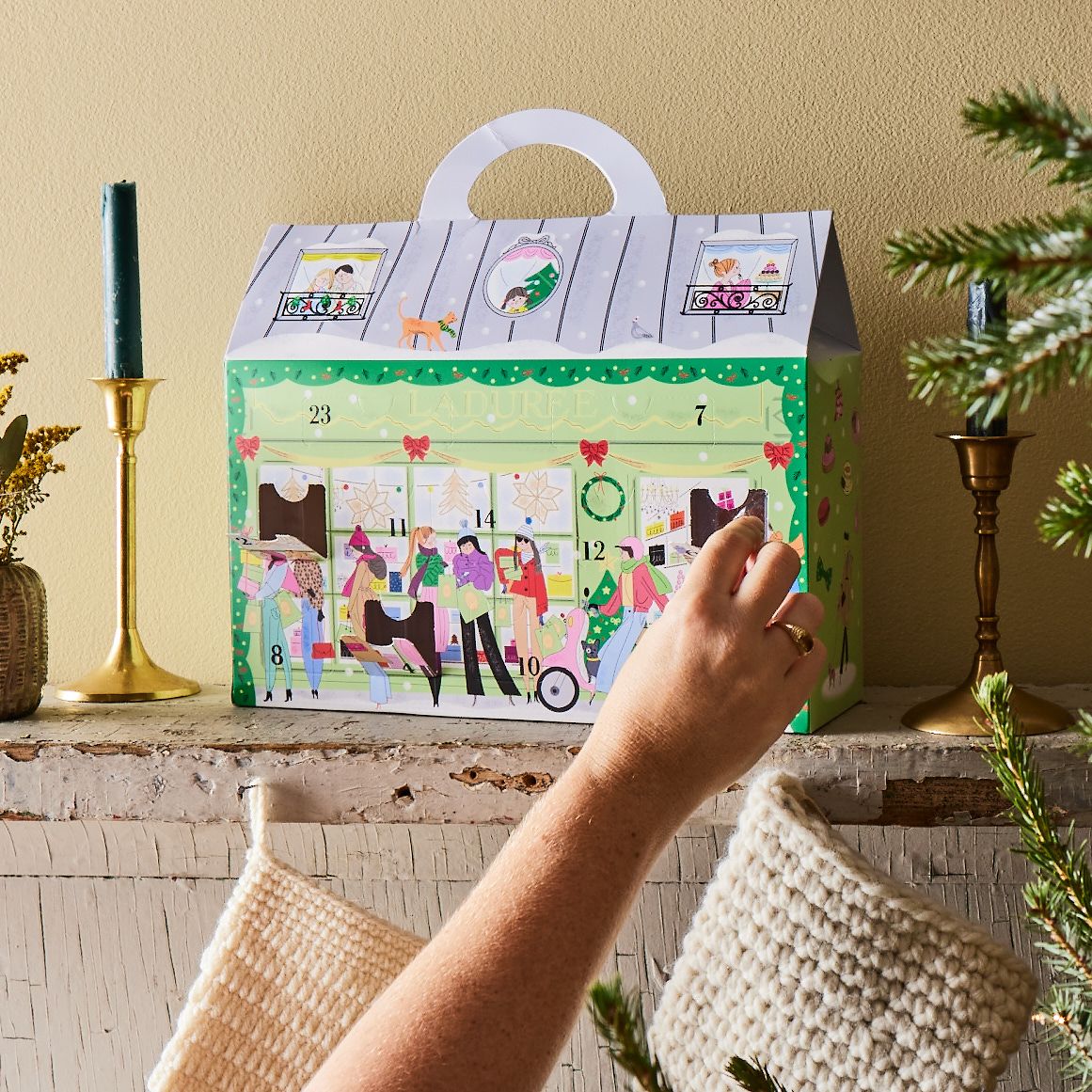
Before we dive into the creative alternatives, it’s worth looking at the "why" behind this movement. Traditional advent calendars are often a microcosm of the holiday waste problem. They frequently feature non-recyclable multi-material packaging (glued cardboard and plastic trays) and are filled with items that have a short lifespan.
Beyond the environmental impact, the "gift-a-day" mentality can inadvertently teach children that the holiday season is about a constant stream of new possessions. Transitioning to a kindness advent calendar for kids re-centers the focus on social impact and emotional intelligence. We aren't just saving the planet from plastic; we are cultivating a sense of community and gratitude that lasts long after the tree comes down.
Idea 1: The Daily Kindness Paper Chain (DIY)
One of the most effective ways to visualize the countdown is through the classic paper chain, but with a purposeful twist. To create a DIY kindness advent calendar, write one act of service on strips of paper—such as donating toys or making cards—and form a paper chain where one link is removed and completed daily.
This project is a fantastic way to utilize recycled materials. We recommend using FSC-certified (Forest Stewardship Council) paper or even colorful pages from old magazines.
Steps to Create Your Kindness Chain:
- Prepare your strips: Cut 24 strips of paper (about 2 inches wide and 8 inches long).
- Write your acts: On the inside of each strip, write a simple task. Examples include "Call a grandparent," "Leave a thank-you note for the mail carrier," or "Pick up three pieces of litter on our walk."
- Assemble: Loop the first strip and glue or staple it. Thread the next strip through and repeat until you have a chain of 24.
- The Ritual: Every morning, the children remove one link and the family commits to completing that act of service before the sun sets.
Pro-Tip: If you have young children, keep the acts simple. The goal is to build a "meaningful holiday tradition for families," not to add another stressful chore to your to-do list.
Idea 2: Charity-First Curated Calendars
For those who prefer a pre-made solution but want to ensure their money goes toward positive change, the "Charity-First" model is the gold standard for sustainable advent calendars 2026. These calendars are typically plastic-free, reusable, or even entirely digital.
Leading examples like "24 Good Deeds" and "Advent of Change" utilize recycled materials and support a wide variety of charitable causes. Instead of a chocolate, each day reveals a specific impact your purchase has made—such as providing clean water for a family for a week or protecting a portion of the rainforest.
| Feature | 24 Good Deeds | Advent of Change | Digital Gratitude Apps |
|---|---|---|---|
| Physical Form | Recycled Paper Poster | Plastic-Free Box/Booklet | 100% Digital |
| Impact Type | Global Development Projects | Mixed Charities (Local & Global) | Personal Growth/Mental Health |
| Sustainability | High (FSC Paper) | High (Compostable) | Maximum (Zero physical waste) |
| Best For | Families wanting global awareness | Socially conscious gift-givers | Minimalists & Tech-savvy users |
These options are perfect for busy professionals who want to participate in a meaningful holiday tradition but may not have the time for an extensive DIY project.
Idea 3: The Photo Memory & Gratitude Board
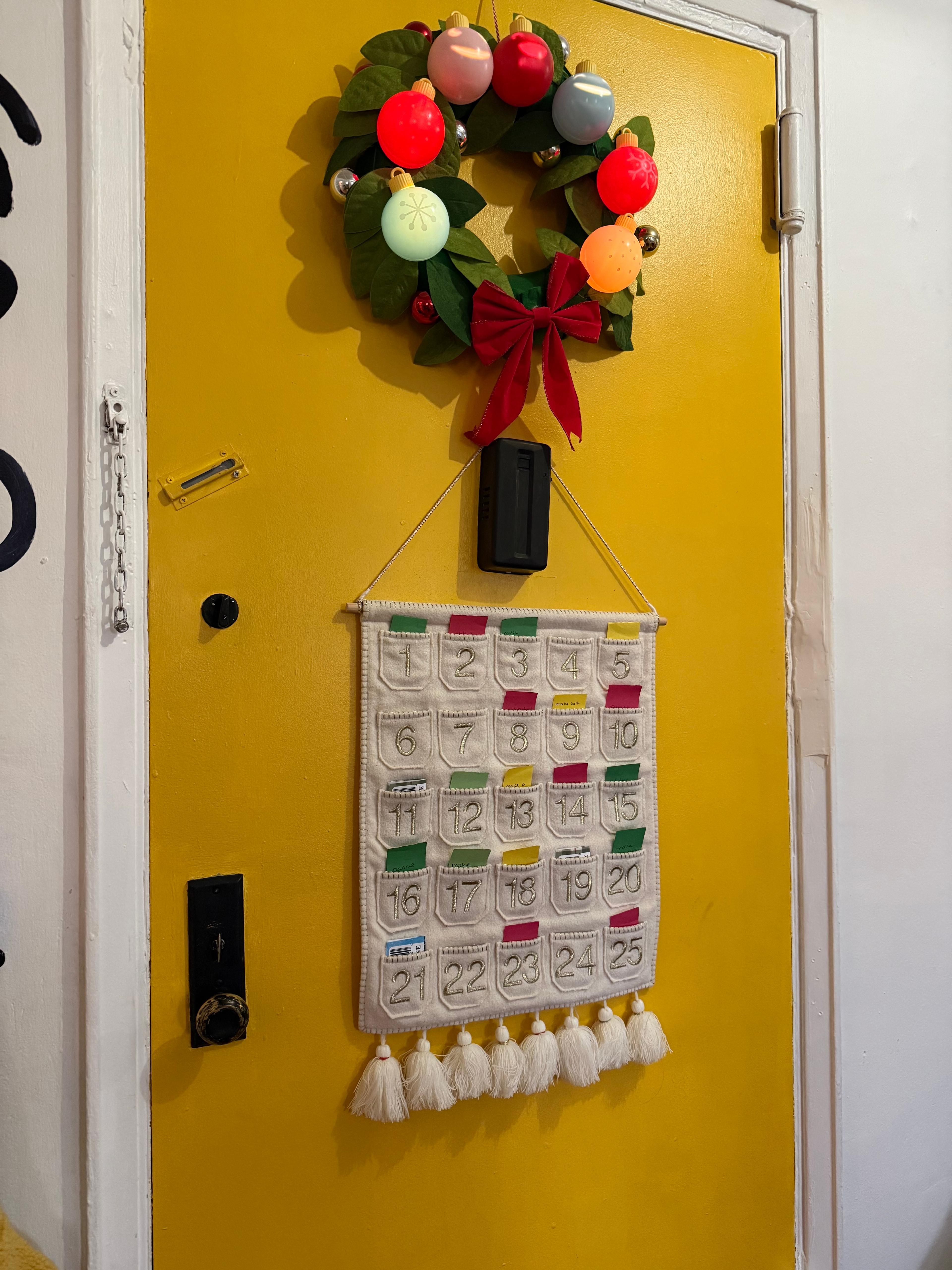
Memory-making is the heart of a mindful holiday. This idea combines the tactile joy of a physical calendar with the emotional depth of a gratitude journal. All you need is a piece of reclaimed wood or a simple piece of twine stretched across a wall.
Using mini-clothespins, hang 24 envelopes or folded cards. Inside each, place a prompt related to gratitude or a specific memory.
- Prompt Examples: "What is something that made you laugh today?" or "Take a photo of someone you are grateful for."
- The Execution: If you use an instant camera (like a Polaroid), you can pin the resulting photo to the board each day. By Christmas Eve, you have a visual gallery of your family's month of gratitude.
This DIY non-toy advent countdown is particularly effective for couples or families with older children, as it encourages reflection on the year gone by.
Idea 4: The Zero-Waste Experience Envelope
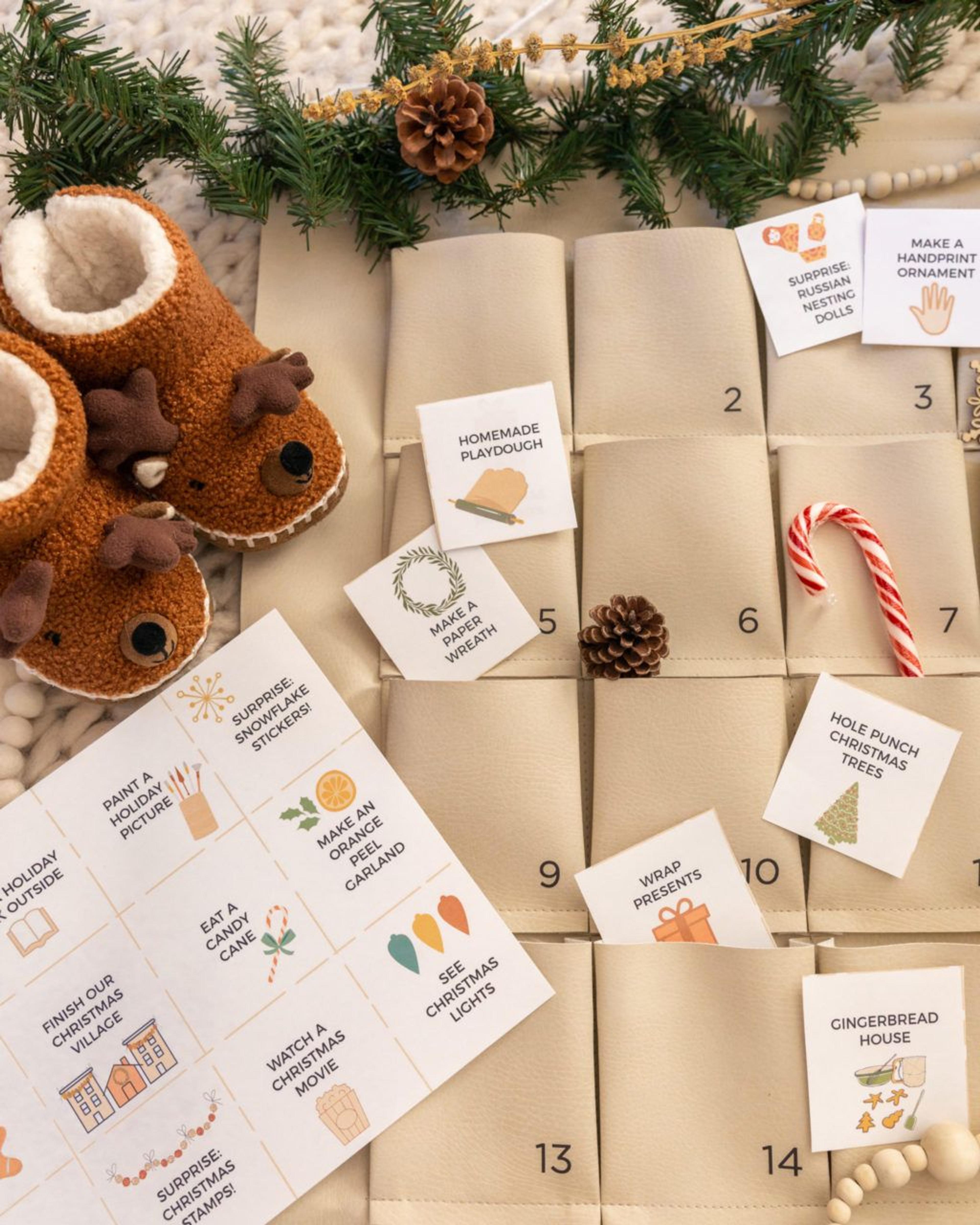
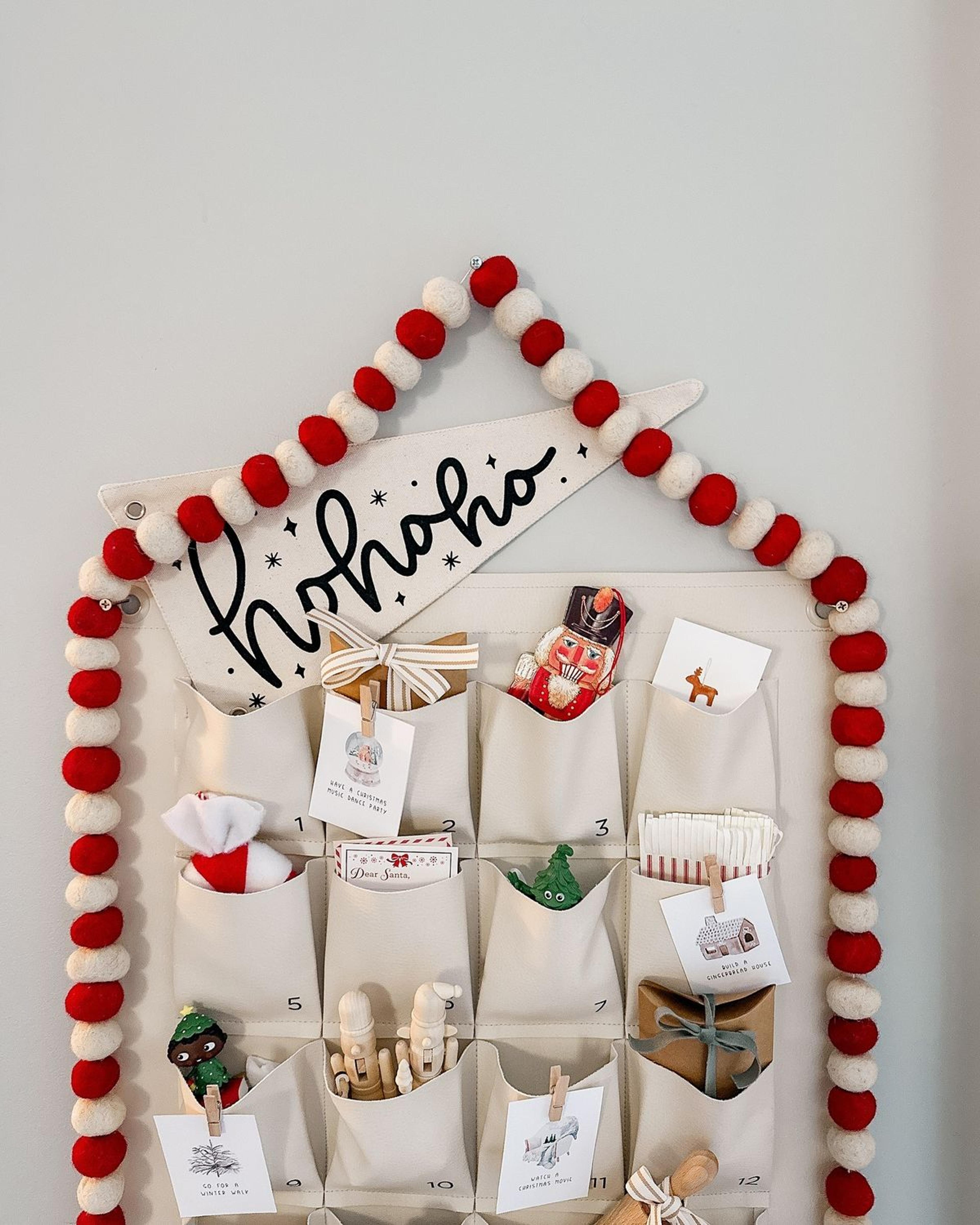
The concept of "experience over things" is a cornerstone of sustainable living. Instead of trinkets that often end up in the bin by New Year's Day, use 24 reusable envelopes or fabric pouches made from scrap material.
Inside each envelope, place a "ticket" for a daily family activity. These don't have to be expensive or elaborate; the magic is in the shared time.
- Low-Energy Experience Ideas: "Hot cocoa and a holiday movie," "A walk to look at the neighborhood lights," or "Reading a story by the fire."
- High-Impact Experience Ideas: "Baking cookies for the local fire station" or "Going to a local tree-lighting ceremony."
By choosing reusable fabric or heavy-duty FSC-certified cardstock, you create a kit that can be brought out year after year, further reducing your environmental footprint.
Idea 5: The Reverse Advent Calendar (Community Impact)
The Reverse Advent Calendar is perhaps the most transformative idea on this list. While traditional calendars are about receiving, this one is about giving. It is a powerful way to teach children about food security and community support.
How it works:
- Set up a box: Find a sturdy cardboard box and place it in a prominent spot in your home.
- Daily Contribution: Every day from December 1st to the 24th, add one non-perishable item to the box. This could be canned goods, pasta, hygiene products, or shelf-stable treats.
- The Donation: On Christmas Eve (or a few days before, to help with local logistics), take the full box to your local food bank or shelter.
This activity turns the focus outward. Instead of asking "What do I get today?", children start asking "What can we give today?" It’s a profound shift that embodies the true spirit of the season.
Choosing Sustainable Materials for 2026
As an editor focused on sustainable living, I always urge readers to look at the lifecycle of the materials they bring into their homes. When creating your mindful advent calendar ideas, keep these "Lucas-approved" tips in mind:
- Look for the FSC Label: If you are buying paper or cardboard, ensure it is FSC-certified, meaning it comes from responsibly managed forests.
- Avoid Glitter: Most glitters are microplastics that are impossible to recycle. Use dried flowers, twine, or non-toxic paints for decoration instead.
- Think Reusable: If you aren't doing a paper-based DIY, invest in high-quality wooden or fabric calendars that can be reused for a decade or more. The most sustainable item is the one you already own or the one you only have to buy once.
- Digital Alternatives: For the ultimate zero-waste experience, consider a digital advent calendar. There are several apps and websites that allow you to create a private digital "room" where family members can log in to see the day's kindness challenge or a shared photo.
Sustainable Tip: When choosing items for a Reverse Advent Calendar, try to buy in bulk with minimal packaging or choose glass/metal containers over plastic whenever possible.
FAQ: Making the Switch
Q: My kids are used to chocolate advent calendars. Will they be disappointed by a "kindness" version? A: It’s all about the presentation! Most kids love the "surprise" element of advent. If you make the activities fun—like a "flashlight walk" or "pancake dinner"—they will find those experiences far more memorable than a piece of low-quality chocolate. You can also mix in a few sustainably-sourced treats!
Q: I’m on a tight budget this year. Which option is the cheapest? A: The Daily Kindness Paper Chain and the Reverse Advent Calendar are excellent low-cost options. The paper chain uses scraps you likely already have, and the Reverse Advent Calendar allows you to donate items from your pantry or add a few cents to your weekly grocery bill.
Q: How do I find time for 24 days of activities? A: You don't have to do a major project every day. Some days can be as simple as "Say three nice things to your sibling." Look at your calendar ahead of time and match the "big" activities (like baking) to the weekends and "small" reflections to busy workdays.
Start Your Mindful Journey
The transition to a more sustainable, mindful holiday season doesn't happen overnight. It starts with one small choice—one link in a paper chain, one item in a donation box, or one moment of shared gratitude. By choosing one of these mindful advent calendar ideas, you are choosing to protect our planet and enrich your family's holiday experience.
This year, let’s make the countdown count for something more.