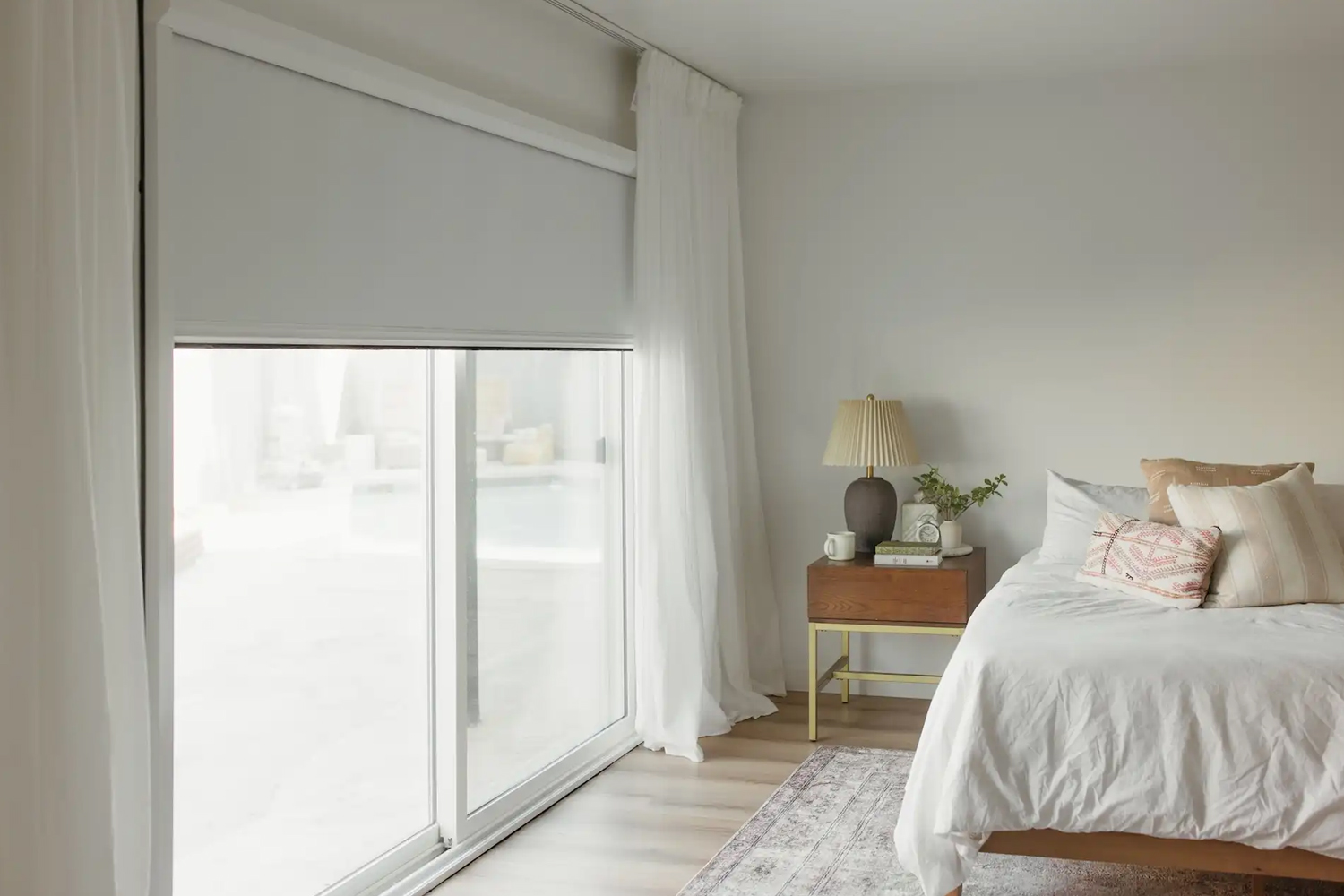
We live in an era defined by the "frictionless" experience. We stream movies with a click, order groceries through glass screens, and communicate in fleeting bursts of blue-light emojis. Yet, in our pursuit of digital convenience, we’ve inadvertently sacrificed the tactile, the patient, and the truly present. As an interior stylist, I’ve watched our living spaces transform into high-tech command centers, often at the cost of the "soul" of the home.
However, a shift is occurring. We are currently witnessing an "Analog Renaissance"—a collective yearning to return to objects that have weight, texture, and history. Central to this movement is the concept of Leva I nuet, the Scandinavian philosophy of living in the moment. It is about reclaiming our time from the relentless hum of the algorithm.
Traditional board games are the perfect vessel for this reclamation. Far from being mere childhood pastimes, they provide a rigorous "brain workout" by strengthening cognitive functions such as strategy, patience, and mutual understanding. They offer a structured form of resistance that digital games often lack. This shift is reflected in the market: by 2026, the luxury gaming sector is projected to see a 40% increase in consumer preference for tactile, artisan-crafted analog games over digital alternatives. For the modern homeowner, the board game is no longer something to be tucked away in a dusty cupboard; it is a means of "digital detoxing" and a sophisticated design statement.
Section 1: The Science of Tabletop Connection
Why does sitting across a wooden board feel so much more rewarding than playing an app on a tablet? The answer lies in the science of "prosocial behavior." Tabletop gaming fosters a unique environment for shared risk-taking, negotiation, and cooperation. Unlike the isolated nature of digital play, physical games require us to read facial expressions, interpret body language, and engage in the subtle art of the "table talk."
Research indicates that engaging in structured tabletop gaming can improve social skills and prosocial behavior in 85% of regular adult players. This is because games act as a social lubricant, creating a safe, structured space for interaction. When you negotiate a trade in a game or navigate a complex strategic maneuver with a partner, you are building social support systems that are often missing in our increasingly atomized digital lives.
Tabletop gaming demands a specific type of presence. You cannot multi-task while playing a high-stakes game of Backgammon. You are tethered to the now, focused on the weight of the dice and the intention of your opponent. This shared focus creates a "micro-community" at the dining table, fostering a sense of belonging that serves as a powerful antidote to modern loneliness.

Section 2: Elevating the Ritual: The Printworks x Rosewood Collection
As a designer, I believe that the objects we surround ourselves with should be as beautiful as they are functional. The aesthetic of play matters; it elevates a simple hobby into a cherished ritual. This is why the collaboration between Printworks and Rosewood is so significant for the modern interior. It bridges the gap between high-end Scandinavian design and the timeless joy of traditional games.
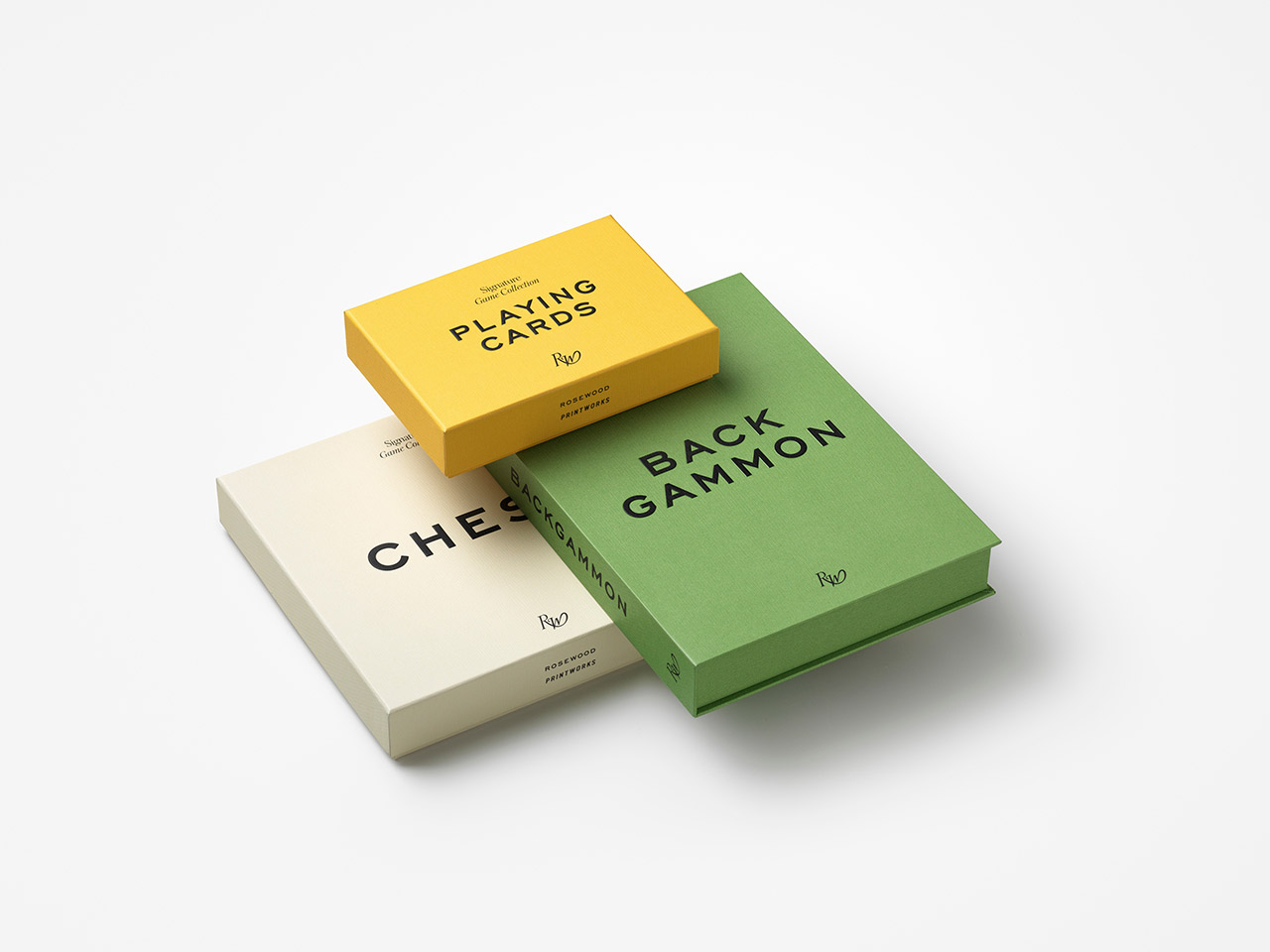
The Printworks x Rosewood game collection is a masterclass in materiality. Gone are the flimsy cardboard boxes and primary-colored plastic pieces of the past. In their place, we find:
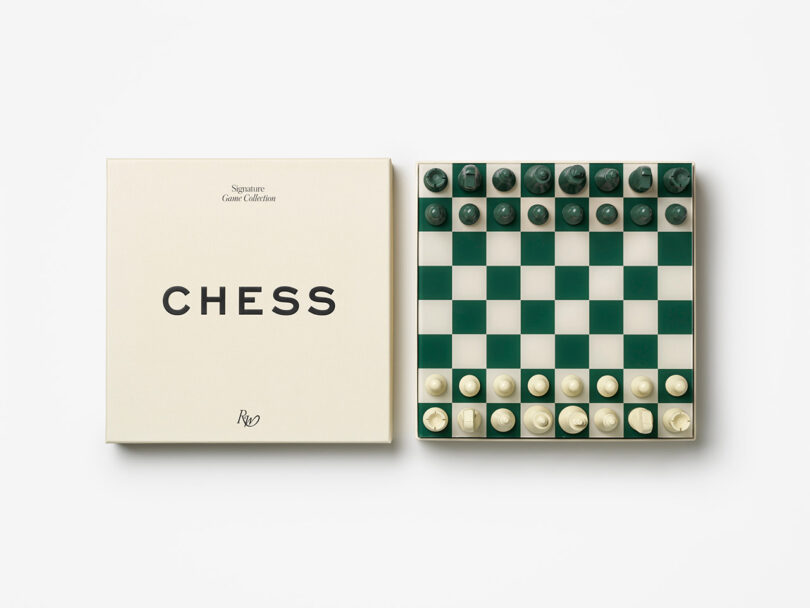
- Classic Chess Sets: Featuring sleek, minimalist pieces that feel substantial in the hand, set atop boards that utilize a sophisticated color palette of deep oranges, muted teals, and earthy browns.
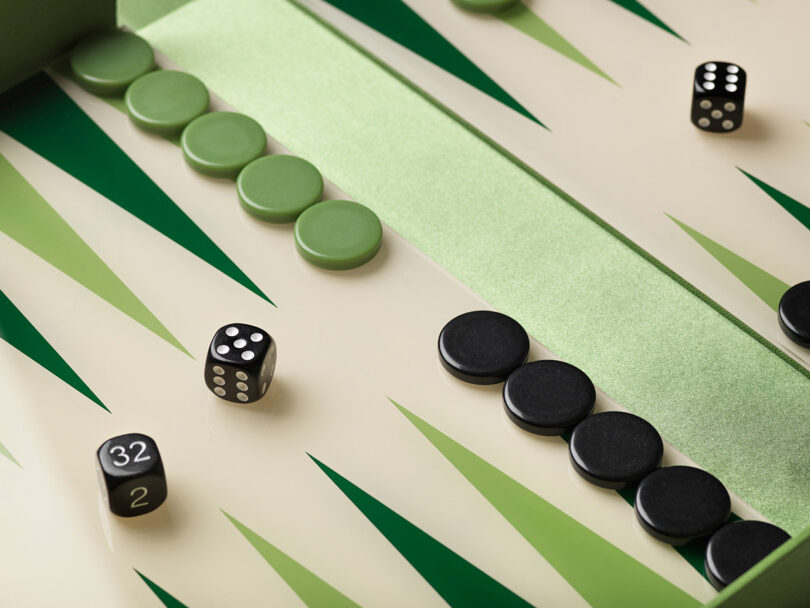
- Backgammon: Reimagined with smooth acrylic surfaces and carved wooden markers, these sets feature Rosewood’s signature "trigon" motifs, making them a visual feast even when the game isn't in progress.
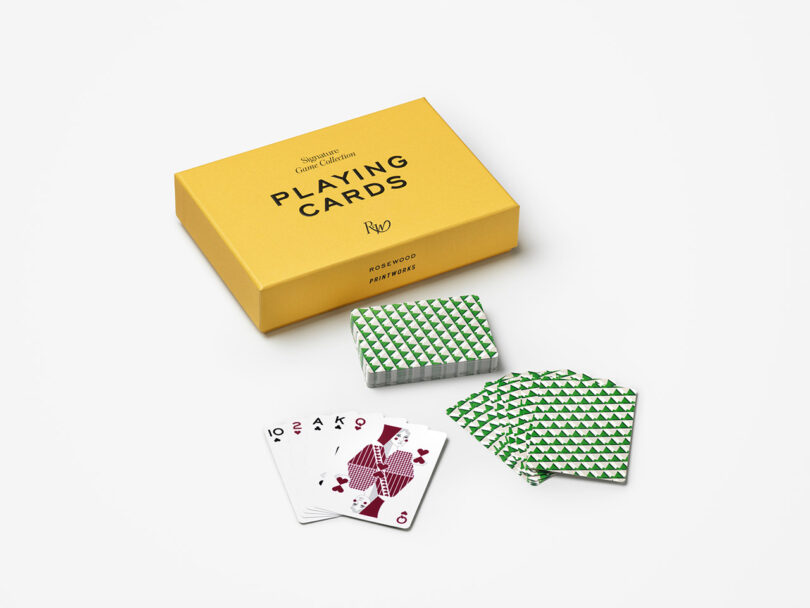
- Signature Playing Cards: Housed in elegantly designed boxes that look more like art books than card decks, perfect for display on a coffee table or a curated bookshelf.
By moving from "pastime" to "statement piece," these collections allow us to integrate play into our home decor seamlessly. When a chess set is crafted with the same attention to detail as a mid-century lounge chair, it invites engagement. It stays on the table, ready for a spontaneous match, rather than being forgotten in a drawer.
Ivy’s Styling Tip: When incorporating luxury games into your living room, think about "The Rule of Three." Pair a stunning Backgammon set with a textured ceramic vase and a small stack of design books. This creates a lifestyle vignette that signals the home is a place for both intellectual stimulation and aesthetic rest.
Section 3: Curated Picks for Every Table
Choosing the right game is much like choosing the right rug or lighting—it depends on the "mood" of the room and the people within it. Here are my curated recommendations for different social dynamics:
For the Strategic Thinker: Chess and Backgammon
These are the pillars of "serious play." They require deep focus and a long-term vision. The beauty of these games lies in their infinite depth; you can learn the rules in minutes but spend a lifetime mastering the strategy.
- Why it’s great: It encourages a slow-living pace. A single game can last an entire evening, accompanied by good wine and better conversation.
For Beginners: Splendor and 7 Wonders
If you’re new to the world of modern tabletop gaming, "engine-building" games are a wonderful entry point. They are visually rich and offer a satisfying sense of progression without being overly punishing.
- Why it’s great: Low intimidation. These games use iconography and beautiful cards to guide players through complex systems, making them accessible to guests who might find Chess daunting.
For Two Players: Hive and Boop
Sometimes, you just want a quick, engaging activity for two after dinner. Abstract strategy games like Hive (often called "portable chess") or the charming Boop offer high replayability with minimal setup.
- Why it’s great: They are tactile and clever, proving that a game doesn't need a massive board to provide a profound mental challenge.
For High-Energy Socials: Skull and A Fake Artist Goes to New York
When the guest list grows, you need games that embrace the "art of the bluff." These games are less about the board and more about the people around it.
- Why it’s great: They generate laughter and high-energy interaction. They are the ultimate tools for breaking the ice at a dinner party.
Section 4: Cognitive Longevity and Mental Wellness
Beyond the aesthetic and social benefits, there is a profound health argument for the analog board. In an age of "AI slop" and algorithmic fatigue, where our attention is a commodity to be harvested, tabletop gaming acts as a bulwark for our mental clarity.
The link between board games and reduced risks of dementia or cognitive decline is well-documented. Long-term studies suggest that regular mental stimulation through games can lead to a 15% lower risk of cognitive impairment in seniors. For adults of all ages, these games improve executive functions—specifically judgment, planning, and memory.
By engaging in the "structured play" of a board game, we practice:
- Executive Functioning: Managing multiple rules and planning several moves ahead.
- Stress Relief: The rhythmic nature of moving pieces and the separation from screens lowers cortisol levels.
- Conflict Resolution: Navigating a loss or a heated negotiation in a game builds emotional resilience that carries over into real-world professional and personal life.

FAQ
What are the best luxury board games for adults? For adults who value design as much as gameplay, the Printworks x Rosewood collection is the gold standard. Specifically, their Classic Chess and Backgammon sets use premium materials like acrylic and wood, making them perfect for "on-display" home decor. For modern strategy, look for "deluxe" editions of games like Scythe or Brass: Birmingham, which often feature metal coins and high-quality miniatures.
How do board games improve cognitive health in seniors? Board games act as a "brain workout" by stimulating neural pathways. They require players to use short-term memory (tracking moves), long-term memory (remembering rules), and executive function (strategic planning). This consistent mental engagement helps maintain "cognitive reserve," which can delay the symptoms of dementia and Alzheimer's.
Why are analog games better than digital versions for social bonding? Digital games often lack the "shared environment" of analog play. When playing in person, you engage in eye contact, observe physical tells, and participate in spontaneous conversation that isn't filtered through a headset or a chat box. This physical proximity and the tactile nature of handling game pieces release oxytocin, the "bonding hormone," which strengthens social ties far more effectively than digital interaction.
Reclaiming the Table
The power of play is not just about the game itself—it is about the time we choose to reclaim. In a world that demands our attention 24/7, choosing to sit down, put away the phone, and engage with a physical board is a radical act of self-care. It is an investment in our relationships, our cognitive health, and the beauty of our homes.
I encourage you to look at your dining table not just as a place for meals, but as a theater for connection. Start with a piece that speaks to your style—perhaps a minimalist Chess set or a vibrant deck of cards—and invite someone to play. You might find that the most valuable thing you gain isn't a victory, but the quiet, tactile joy of being truly present.