If you have ever watched your cat meow frantically at a bowl that is still half-full, or noticed them pawing kibble onto the floor before eating it, you might have dismissed it as "typical feline fussiness." But as someone who spends their days dissecting the performance and ergonomics of everything from high-end blenders to induction cooktops, I can tell you that design—or rather, poor design—is usually the culprit. In the world of feline health, this specific design failure leads to a condition known as whisker fatigue. It isn't just a quirky behavior; it’s a sensory overload that transforms mealtime from a highlight into a source of daily stress.
Cats are, by biological design, natural-born hunters. Their whiskers (vibrissae) are not merely decorative hairs; they are sophisticated sensory organs equipped with proprietary receptors called proprioceptors. These receptors send constant streams of data to the brain about the cat's environment, detecting even the slightest change in air currents or the proximity of an object.
What is Whisker Fatigue? The Science of Feline Sensitivity
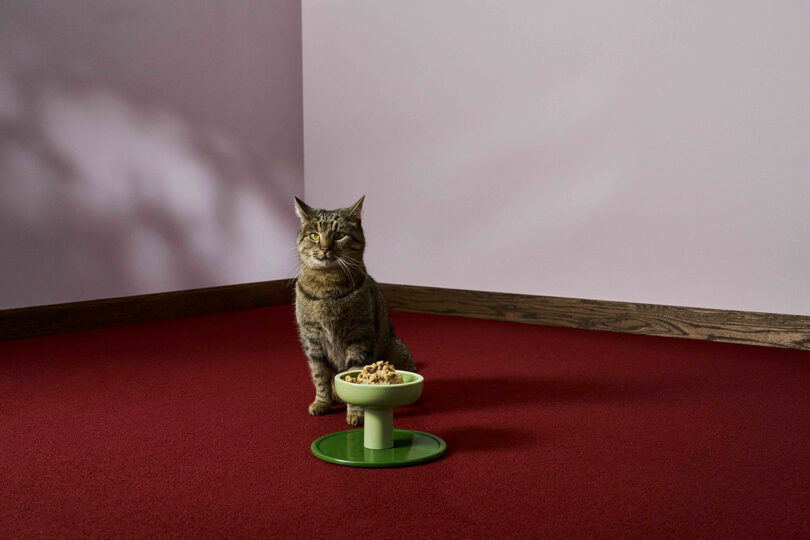
Whisker fatigue is a condition of sensory overload caused when a cat's sensitive whiskers frequently touch the sides of deep or narrow food bowls during feeding. Imagine trying to eat your dinner while someone constantly taps you on the arm—eventually, the stimulus becomes irritating, if not painful.
The anatomy of a whisker is incredibly complex. Each follicle is surrounded by a rich supply of nerves and blood vessels. When these whiskers are forced to brush against the steep walls of a traditional bowl every time a cat takes a bite, it triggers a "noise" of sensory data that can be overwhelming.
Common behavioral signs of whisker stress include:
- Food Guarding or Hesitation: Pacing around the bowl or acting nervous before eating.
- The "Floor Buffet": Using a paw to pull food out of the bowl and onto the floor to eat it in a "safe" open space.
- Selective Eating: Only eating the food in the very center of the bowl and leaving the rest because reaching the edges is too uncomfortable.
The Ergonomics of Elevation: Improving Digestive Health
While the shape of the bowl addresses the whiskers, the height of the bowl addresses the rest of the cat’s body. Most traditional pet bowls sit flat on the floor, forcing cats into a "crouched" or "hunched" position. In the wild, a cat might eat on the ground, but they are also highly alert. In a domestic setting, a floor-level bowl often leads to a collapsed posture that compresses the stomach and misaligns the esophagus.
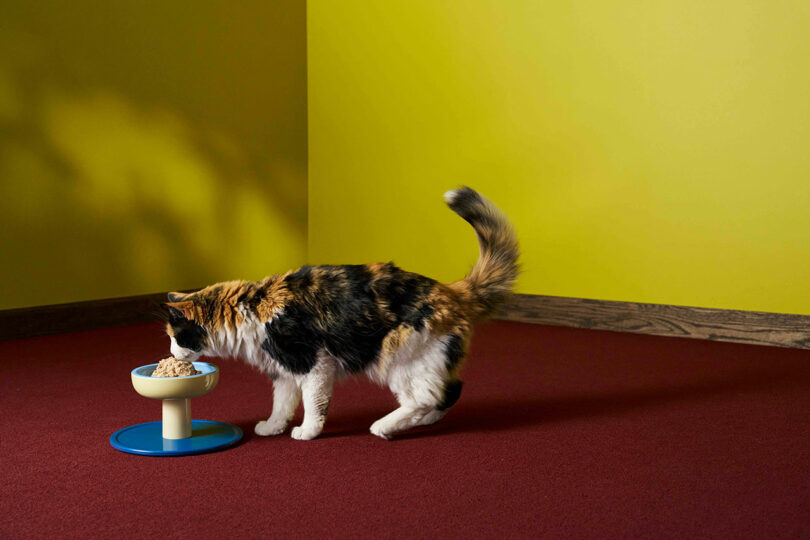
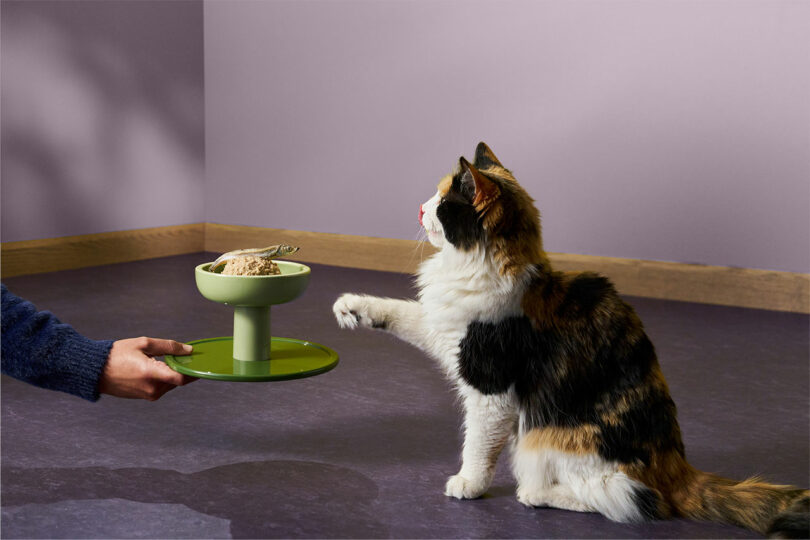
Ergonomic, elevated feeding stations improve feline health by promoting a natural eating posture, which reduces neck strain and aids in smoother digestion by aligning the esophagus. When a cat eats from an elevated position, gravity helps the food travel to the stomach more efficiently, significantly reducing the risk of acid reflux and "megaesophagus" issues.
In fact, the data supports this shift toward intentional design. Recent surveys indicate that 88% of pet parents reported a visible improvement in their cat's health—ranging from less frequent vomiting to increased energy levels—after switching to a holistic feeding system that combines nutrient-dense food with ergonomic, elevated bowls.
Top Ergonomic Solutions for 2026: At a Glance
Before we dive into the specific rules of bowl selection, let’s look at the market leaders that have successfully merged veterinary science with high-quality household design.
| Product | Best For | Material | Key Feature |
|---|---|---|---|
| Hepper NomNom | Overall Comfort | Stainless Steel/PP | Wide "whisker-relief" shallow trays |
| Necoichi Raised Bowl | Digestive Support | Porcelain | 15-degree ergonomic tilt |
| Van Ness EcoWare | Budget/Sustainability | Bamboo/Resin | Extremely shallow, wide diameter |
| Catit PIXI Glass | Hygiene & Style | Stainless/Glass | Fully adjustable height & tilt |
The 4 Golden Rules of the Perfect Cat Bowl
As an editor focused on product longevity and maintenance, I look for more than just a "pretty" dish. A truly ergonomic bowl must satisfy four critical criteria to be considered a long-term value for your home.
1. Shape: The Wide and Shallow "Goldilocks" Zone
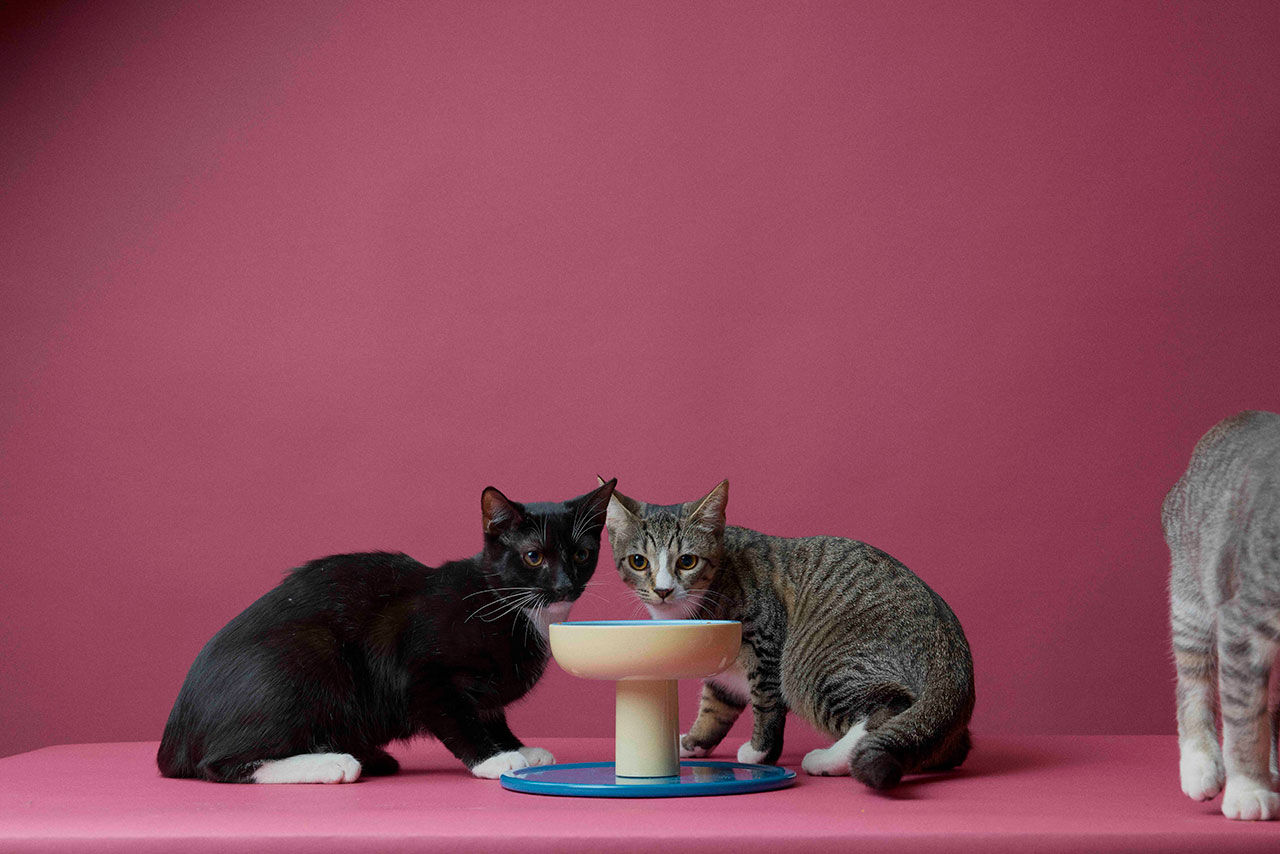
The primary solution to whisker fatigue is a bowl that is wide and shallow. You want a dish that allows the cat to access every morsel of food without their whiskers ever making contact with the edges. Look for a "saucer" style or a dish with a very low rim. If the bowl looks more like a plate for a human appetizer than a deep cereal bowl, you’re on the right track.
2. Material: The Battle Against Feline Acne
Material science matters just as much as shape. Traditional plastic bowls are porous; they develop microscopic scratches over time that harbor bacteria, leading to "feline chin acne"—a painful skin condition.
Expert Tip: Using nonporous materials like ceramic or stainless steel for feeding can reduce the risk of feline chin acne by up to 70% compared to traditional plastic bowls. If you notice black specks on your cat’s chin, the first thing you should change is the bowl material.
3. Stability: The Non-Slip Factor
A bowl that slides across the floor while a cat is trying to eat creates a "moving target," which increases stress. High-quality ergonomic bowls should feature weighted bases or silicone rings to ensure they stay anchored. From a home maintenance perspective, this also prevents the inevitable "kibble scatter" that happens when a bowl tips or slides.
4. Hygiene: Ease of Maintenance
If it isn't easy to clean, it won't stay clean. For a busy household, I always recommend dishwasher-safe components. Stainless steel is the gold standard for durability and sanitization, while high-fired porcelain offers a heavy, premium feel that resists scratches.
Top Ergonomic Solutions for 2026

Best Overall: Hepper NomNom Whisker Relief Bowl
This is the "pro-level" kitchen equipment of the cat world. The NomNom features a dual-bowl system with incredibly shallow, wide stainless steel inserts. What sets it apart is the "splash tray" base that catches stray crumbs, making it a favorite for owners who value a clean kitchen floor. It’s a complete system designed for the anatomy of the cat.
Best for Digestive Support: NECOICHI Raised Tilted Bowl
If your cat is a "scarf and barf" eater (eating too fast and immediately throwing up), the Necoichi is the solution. It features a unique 15-degree tilt and an inner lip that helps keep food centered, reducing the need for the cat to "chase" kibble around the edges. The porcelain construction is heavy and feels like high-end dinnerware.
Best Budget Choice: Van Ness EcoWare Cat Dish
For under $10, this dish proves that ergonomic design doesn't have to be expensive. Made from 47% sustainable bamboo, it has a very low profile and a wide diameter. While it isn't elevated, it is the perfect "whisker-relief" solution for kittens or for owners who prefer to use their own existing elevated stands.
Buyer’s Guide: Choosing for Your Cat’s Specific Needs
When selecting an ergonomic system, consider the "life stage" of your cat. A one-size-fits-all approach rarely works in home design, and it doesn't work here either.
- For Senior Cats: Look for higher elevation. Cats with arthritis in their neck or spine find it much more comfortable to eat from a bowl that is at chest height, rather than having to lean down.
- For Flat-Faced (Brachycephalic) Breeds: Breeds like Persians or Himalayans struggle even more with deep bowls because of their facial structure. A tilted, ultra-shallow bowl is non-negotiable for these breeds to prevent them from "pushing" food out of the dish with their faces.
- Capacity vs. Portion Control: Don't buy a massive bowl just because it's wide. You want a bowl with a large diameter but a small capacity to prevent overfeeding. A wide, shallow dish makes a healthy portion of food look "larger," which can actually help with weight management.
Frequently Asked Questions
How often should I clean my ergonomic bowl? Ideally, you should wash the bowl after every meal, especially if you serve wet food. For dry food, a daily wash is the minimum requirement to prevent the buildup of rancid oils and bacteria.
Is whisker fatigue a proven veterinary condition? While "whisker fatigue" is a relatively new term in the mainstream, the underlying science—tactile overstimulation—is well-documented in feline sensory biology. Most veterinarians now recommend shallow, wide bowls as a preventative measure for stress-free feeding.
Does my cat really need an elevated feeder? While not every cat needs elevation, almost every cat benefits from it. It is a proactive health choice, similar to using an ergonomic chair at your desk. It prevents long-term strain rather than just treating an existing injury.
Conclusion
In the world of home appliances, we often say that "form follows function." When it comes to pet feeding, form must follow biology. Solving whisker fatigue isn't about buying a trendy gadget; it's about respecting the sophisticated sensory equipment your cat was born with. By transitioning to a shallow, wide, and elevated feeding system, you aren't just buying a bowl—you are investing in your cat's long-term digestive health and daily comfort.
If you are ready to upgrade your kitchen's most important diner, start by looking for non-porous materials and that "Goldilocks" shape that keeps whiskers free and clear. Your cat—and your kitchen floor—will thank you.