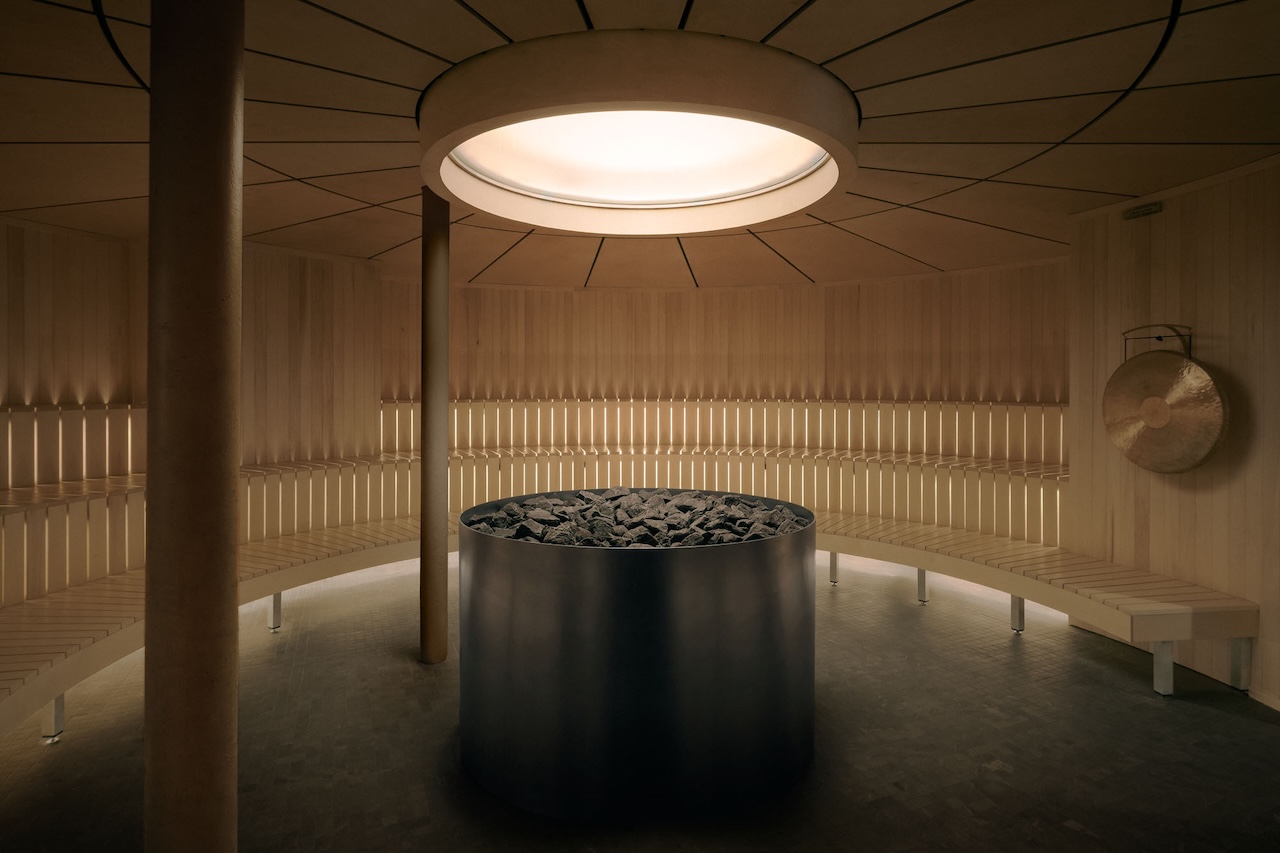
What if a home started not with rooms, but with a garden? For decades, urban living has been defined by the "view"—that distal, detached gaze at a city skyline through a sheet of glass. But as we move toward 2026, the paradigm is shifting from looking at the world to living within its rhythms. We are witnessing the rise of the "Sky Garden" residence, a design philosophy where nature is no longer a decorative afterthought but the structural and emotional heart of the home.
In modern residential design, a sky garden is far more than a balcony with potted plants. It is an elevated green space, such as an open-air courtyard or deep-set terrace, integrated into high-rise residences to provide natural light, ventilation, and a direct, unmediated connection to the elements. These "voids" in the architecture act as the lungs of the residence, transforming a static floor plan into a breathing sanctuary.
The Heart of the Home: Lessons from the Inner Garden
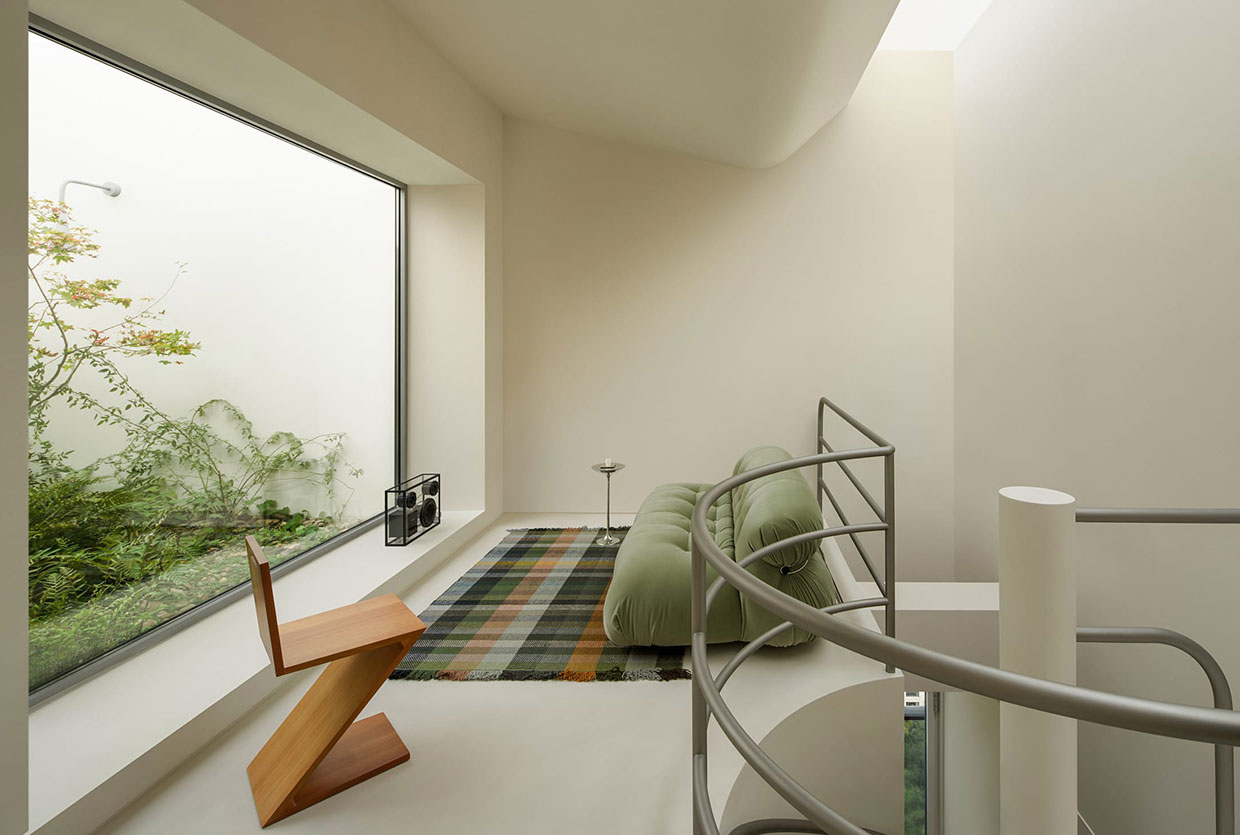
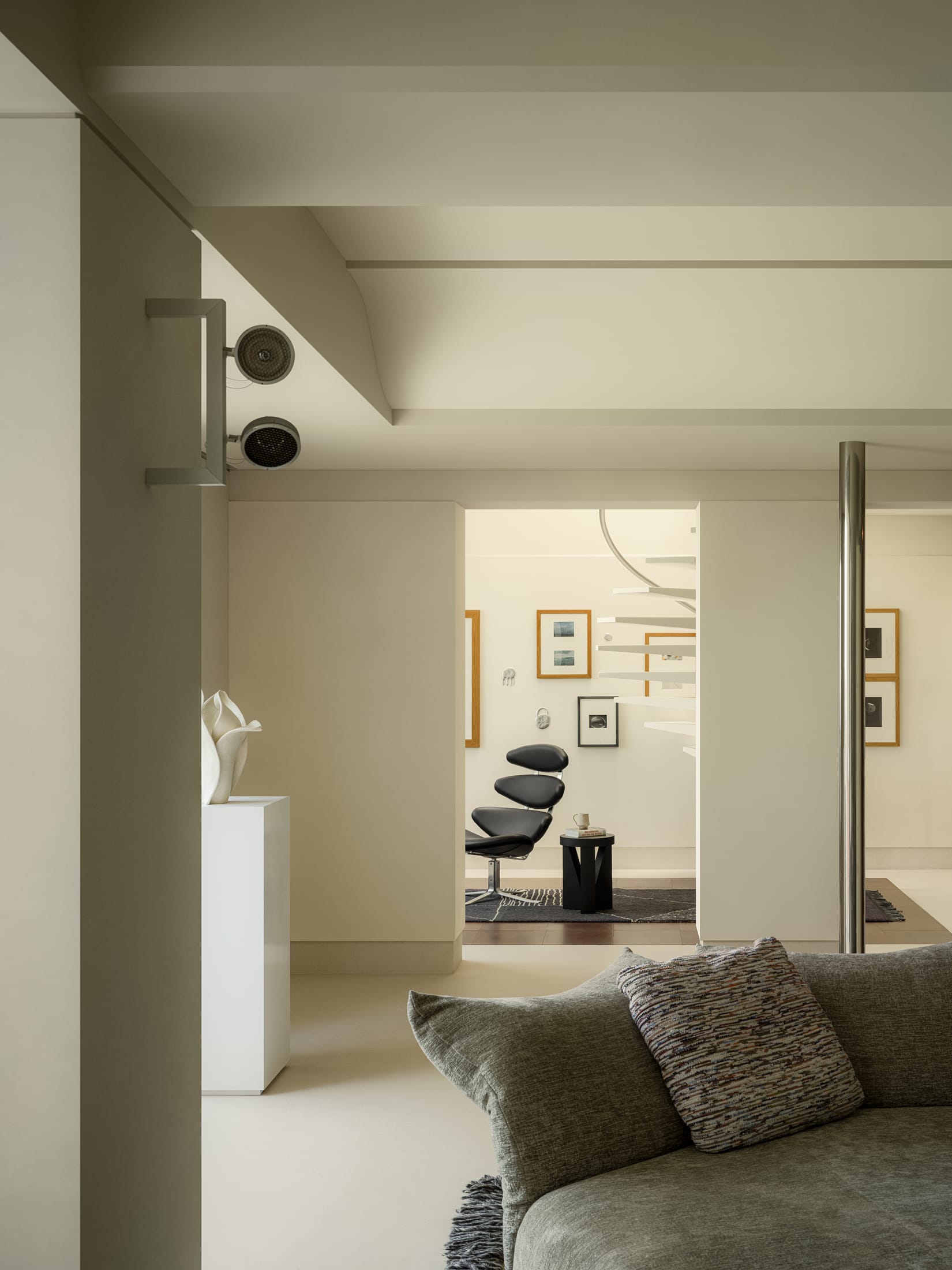
To understand the power of this movement, one must look at the "Inner Garden" residence in Ningbo. It is a masterclass in spatial efficiency and emotional impact. Here, a seemingly modest 3-square-meter open-air courtyard serves as the anchor for a sprawling 430-square-meter luxury apartment. It is a radical proposition: that a tiny patch of sky and soil can command a massive interior.
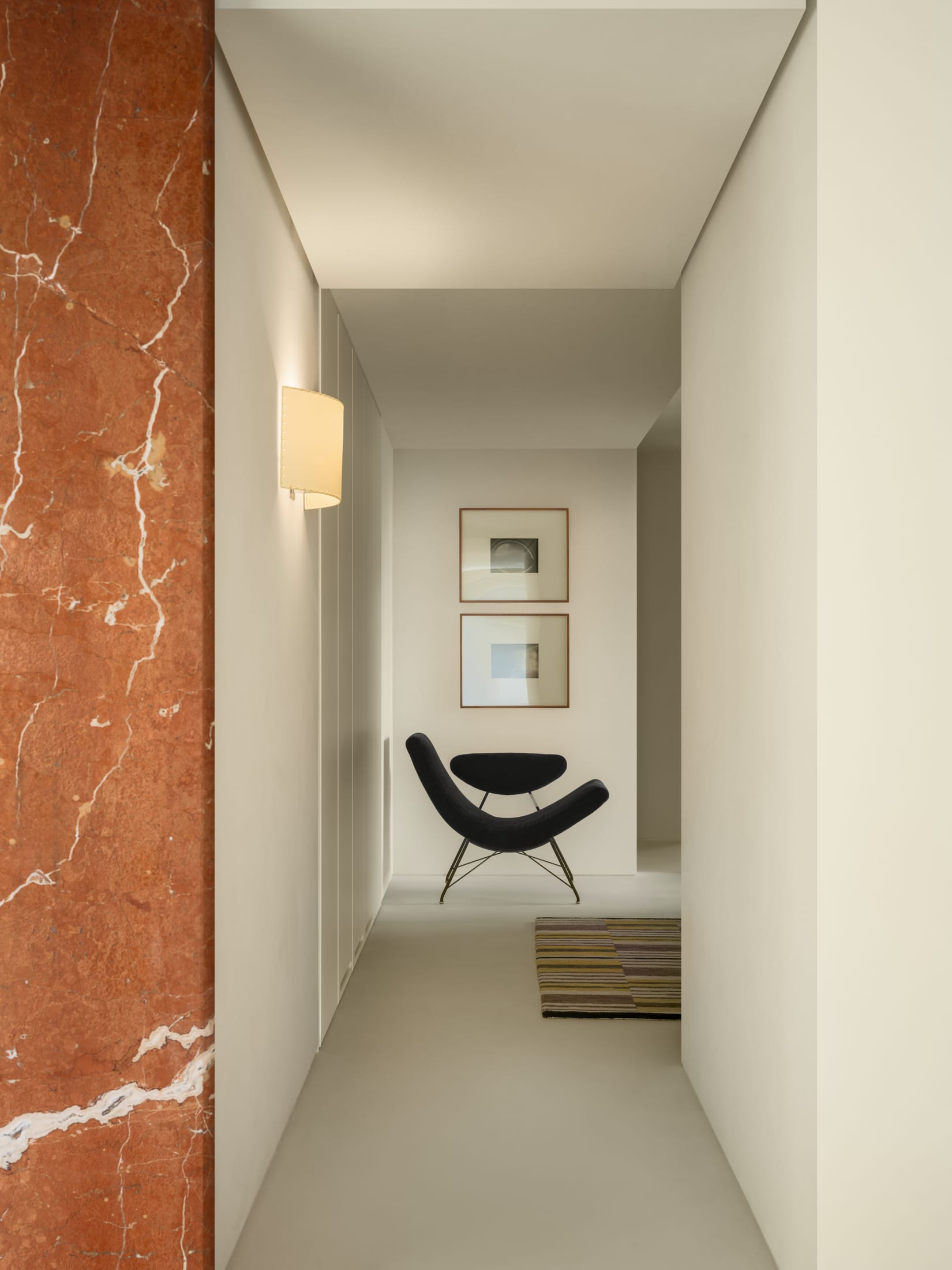
By utilizing traditional Eastern techniques of "framing views," the architects treated the garden as a living painting. Instead of walling off the center of the home, they used modern marble thresholds and floor-to-ceiling glass to create a visual dialogue between the kitchen, the living room, and the courtyard. This design choice maximizes natural sunlight, effectively minimizing the dependency on artificial lighting during the day. The result is a home that feels expansive yet intimate, where the movement of a shadow across a stone floor tells you more about the time of day than a digital clock ever could.
The Science of Well-being: Why Nature is the Soul
Why are we so drawn to these "sky-bound" forests? The answer lies in biophilic design—the practice of connecting humans with nature within the built environment. Biophilic design improves urban well-being by reducing stress through multisensory nature experiences—the sound of rustling leaves, the scent of damp earth, and the tactile quality of raw stone.
These environments create "moments of pause," spatial interludes that encourage a slower, more intentional lifestyle. Research suggests that these brief psychological resets can reduce cortisol levels and boost creative cognitive function by up to 20%. It is the difference between a home that simply houses you and a home that heals you.
"The true luxury of the future isn't gold leaf or rare marble; it is the ability to open a door in the middle of a skyscraper and feel the rain."
On a technical level, this "living soul" of the building serves a functional purpose. Leading biophilic infrastructure, such as the CODE green roof system, is now capable of supporting over 7,500 individual plants across more than 90 distinct species. This isn't just for show; these vertical ecosystems regulate interior temperatures passively, reducing the urban heat island effect and creating a microclimate of fresh, oxygenated air within the apartment.
2026 Design Trends: The Multisensory Evolution
As we look toward 2026, the conversation is evolving. We are moving beyond the "Instagrammable" green wall toward environments that engage every sense. The leading trends for 2026 emphasize immersion and regeneration over mere aesthetics.
| Trend Category | 2025 Focus: Aesthetic Greenery | 2026 Shift: Immersive & Regenerative |
|---|---|---|
| Sensory Focus | Visual (How it looks) | Multisensory (Acoustics, humidity, and scent) |
| Materials | Sustainable wood & rattan | Bio-based stone & regenerative composites |
| Placement | Living room feature walls | Integration into functional zones (Kitchen/Bath) |
| Maintenance | High-maintenance tropicals | Self-sustaining local ecosystems |
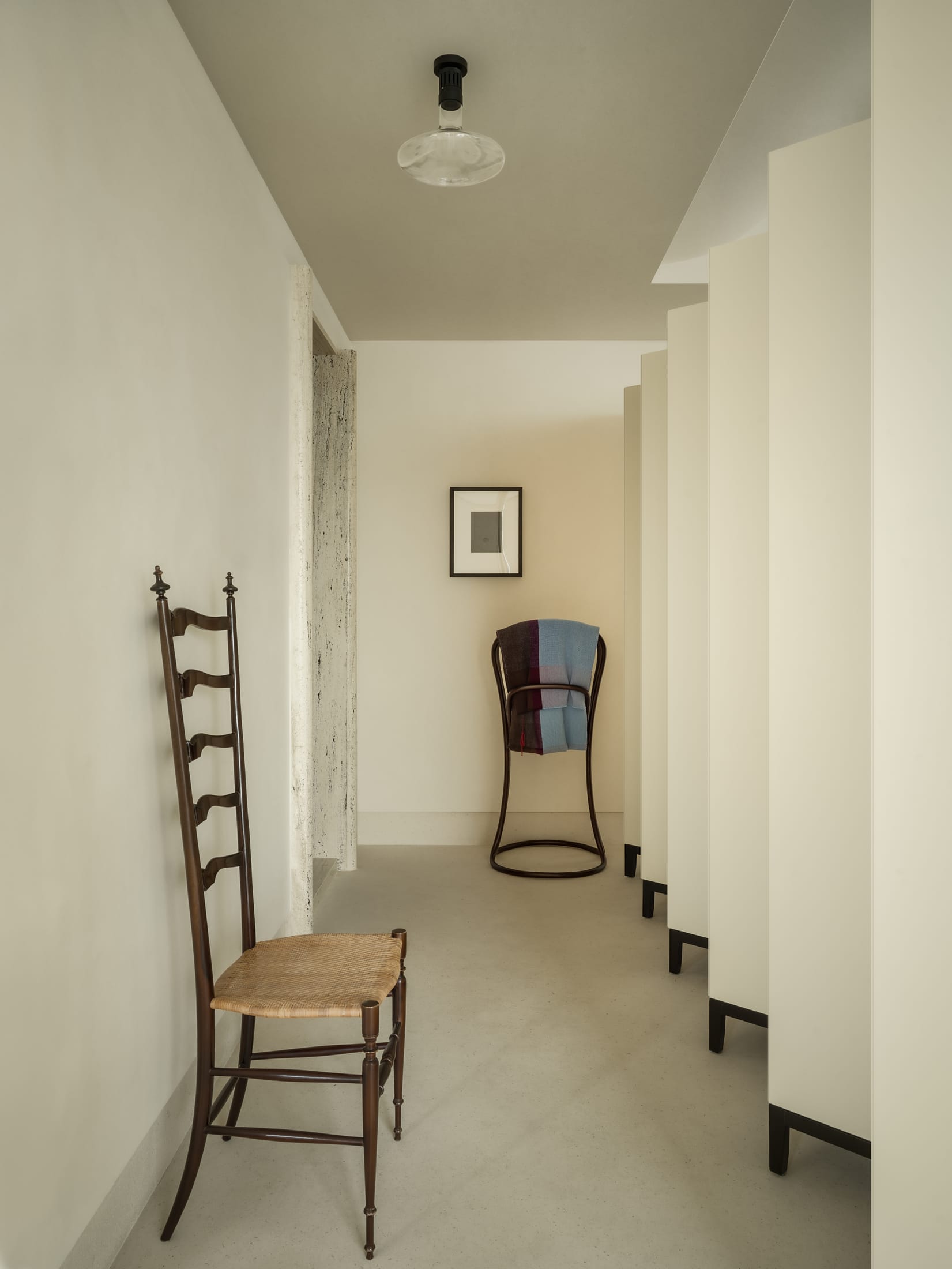
Biophilic Minimalism is the new mantra. Instead of a cluttered "indoor jungle," designers are opting for fewer, higher-impact elements—perhaps a single, sculptural Japanese Maple or a monolithic stone water feature. This is paired with Material Honesty, where we see a rise in recycled stone composites and bio-based materials that age gracefully, developing a patina that tells the story of the home’s life.
Spatial Archetypes: Refuge, Prospect, and Mystery
To design a successful sky garden residence, one must understand the three psychological archetypes of space:
- Refuge: These are the "nooks"—high-backed seating or recessed garden corners that feel safe and enclosed. It’s the feeling of being in a cocoon, looking out at the world while remaining protected.
- Prospect: This is the "view"—unobstructed sightlines and elevated planes that give us a sense of freedom and surveillance over our environment.
- Mystery: This is the most overlooked element in modern apartments. By using winding pathways, partially obscured views, and layered planting in high-rise corridors, designers create a sense of curiosity. A home shouldn't be revealed all at once; it should be a journey of discovery.
Room-by-Room Integration: Bringing the Outside In
The sky garden philosophy shouldn't stop at the terrace door. It should bleed into the functional zones of the home.
- The Biophilic Kitchen: We are seeing the kitchen move from a sterile "work zone" to the emotional heart of the home. Imagine herb gardens integrated directly into the island and textured stone backsplashes that mimic the strata of a cliffside.
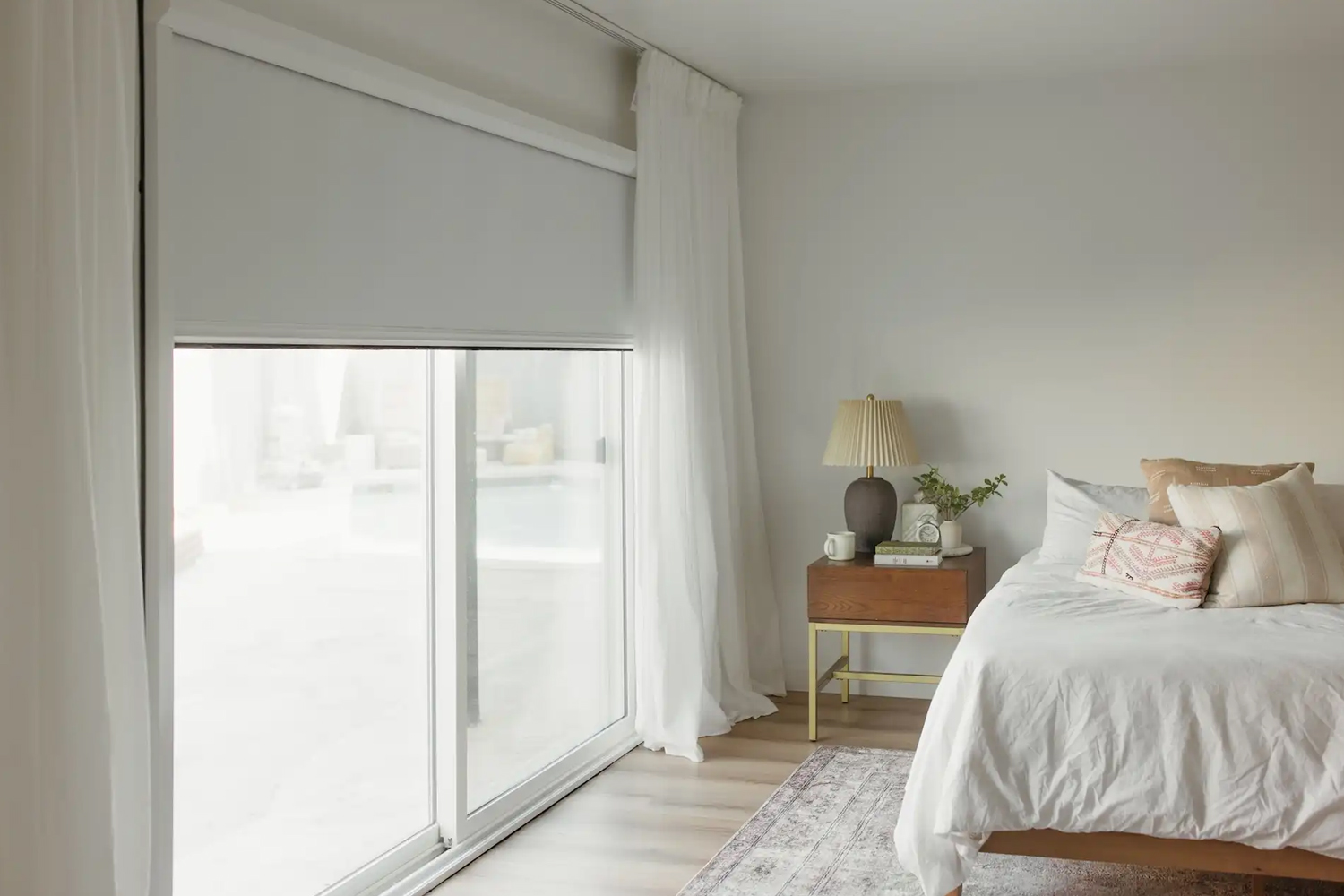
- The Healing Bedroom: Here, biophilia manifests as circadian-responsive lighting that mimics the natural arc of the sun, paired with organic, soft-edged furniture that communicates comfort and safety.
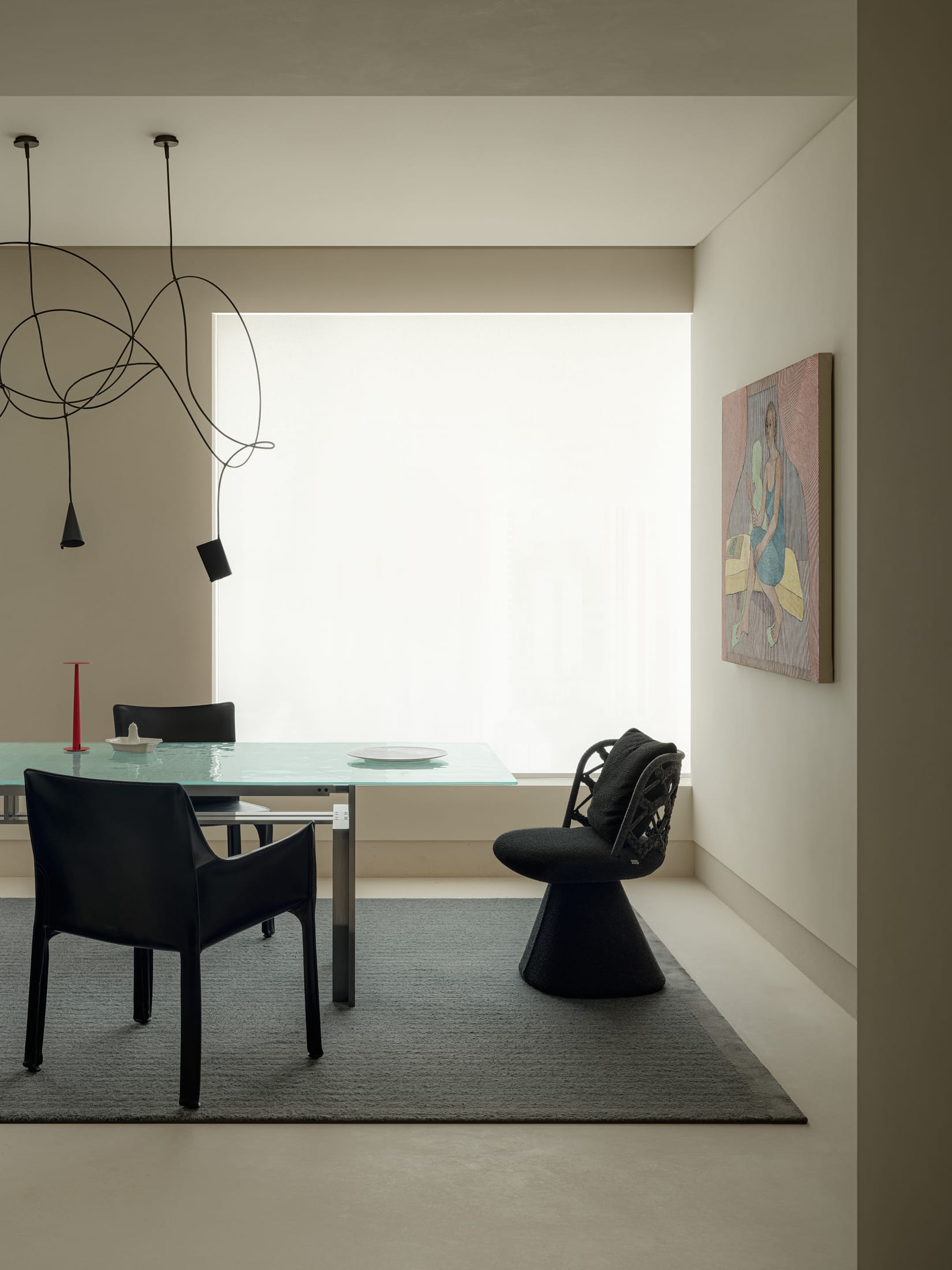
When selecting pieces for these spaces, I always look for brands that prioritize the "honesty" of the material. A dining table shouldn't just be wood; it should feel like the tree it came from.
The Future of Urban Sanctuaries
The sky garden is more than a trend; it is a necessary evolution. As our cities grow denser and our lives more digital, the "living" home becomes our most vital tether to reality. We are moving away from the "staged" home—the one that looks perfect in a photograph but feels cold to the touch—and toward the "living" sanctuary.
In these spaces, the architecture provides the frame, but nature provides the soul. It is a return to a simpler truth: that we do not just inhabit buildings; we inhabit ecosystems.
FAQ
Can a sky garden be implemented in a small apartment? Absolutely. You don't need 400 square meters. The principle of the Ningbo apartment shows that even a tiny 3sqm "void" or an intentionally designed deep balcony can serve as a biophilic anchor. It’s about the quality of the light and the directness of the connection to the outdoors, not the total acreage.
What are the best plants for a high-rise sky garden? Because high-rise environments can be windy and subject to intense sun, look for hardy, local species. Ornamental grasses, structural evergreens, and wind-tolerant shrubs like Juniper or Dwarf Pines work beautifully. For the interior transition, focus on air-purifying plants like Sansevieria or the sculptural Ficus Lyrate.
Is biophilic design more expensive to maintain? While the initial integration of irrigation and drainage systems (like the CODE system) requires an investment, the long-term benefits include lower energy bills due to natural cooling and a significantly higher property resale value. Modern systems are increasingly automated, making "smart gardens" as easy to manage as a smart thermostat.