Your mental health and physical vitality have a ceiling if your sleep is compromised. In the landscape of 2026 wellness, we are moving away from the obsession with "hours spent in bed" and shifting toward a more sophisticated metric: biological precision. As a home organization editor, I see sleep not just as a physiological necessity, but as the cornerstone of a functional lifestyle system. If your sleep architecture is shaky, your ability to manage a home, a career, and your emotional well-being will inevitably crumble.
The most effective sleep habits for 2026 focus on consistency over duration. We are learning that the body thrives on predictability. Key practices that yield the highest return on investment include maintaining a strict sleep-wake schedule, securing 30 minutes of natural morning sunlight to reset the circadian rhythm, and ruthlessly optimizing the bedroom environment to stay between 65–68°F. Recent 2026 health insights suggest that maintaining a consistent sleep schedule improves daytime metabolic efficiency and cognitive alertness by up to 25% compared to irregular sleep patterns. It is simple, but as we often say in home systems design, simple is not always easy.
1. Prioritize Your 'On Button': Consistent Wake Times
In the world of circadian rhythm training, we often focus on the "off switch"—the moment our eyes close. However, science tells us we have far more control over the "on button." Your wake-up time is the anchor for your entire internal body clock, also known as Process C. By waking up at the same time every single day—including weekends—you synchronize your hormone production, ensuring that cortisol spikes when you need energy and melatonin rises when you need rest.
Circadian rhythm training is the practice of maintaining this consistency to optimize mental recovery. When you "sleep in" on a Saturday, you are essentially giving yourself social jetlag, forcing your brain to recalibrate its entire chemical factory. Statistics from 2026 performance studies show that those who maintain a consistent wake-up window see a 25% boost in cognitive clarity by mid-morning.
Pro-Tip: The Anti-Snooze System Move your alarm clock or phone to the opposite side of the room. By the time you have physically stood up and walked across the floor to turn it off, your brain has transitioned out of the heaviest stages of sleep, making the "snooze" sabotage far less tempting.
2. Morning Light: Resetting Your Internal Clock
One of the most overlooked "home systems" is actually located outside your front door. Our brains rely on external cues, called Zeitgebers, to understand where we are in the 24-hour cycle. The most powerful Zeitgeber is natural sunlight. Within 30 minutes of waking, you should aim to get 30 minutes of direct sunlight exposure. This isn't just about "waking up"; it's about triggering a 14-hour countdown.
When light hits the melanopsin receptors in your eyes, it signals the brain to stop producing melatonin and start a timer. This timer determines exactly when melatonin will begin to secrete again in the evening. Data shows that morning sun exposure is estimated to increase nighttime melatonin secretion by 20%, significantly reducing the time it takes to fall asleep at night (sleep onset latency). If you live in a climate where the sun is elusive in winter, 2026 technology has brought us high-intensity "sunlight simulators" that can be integrated into your morning vanity or kitchen nook to achieve the same biological reset.
3. Designing a High-Performance Sleep Sanctuary
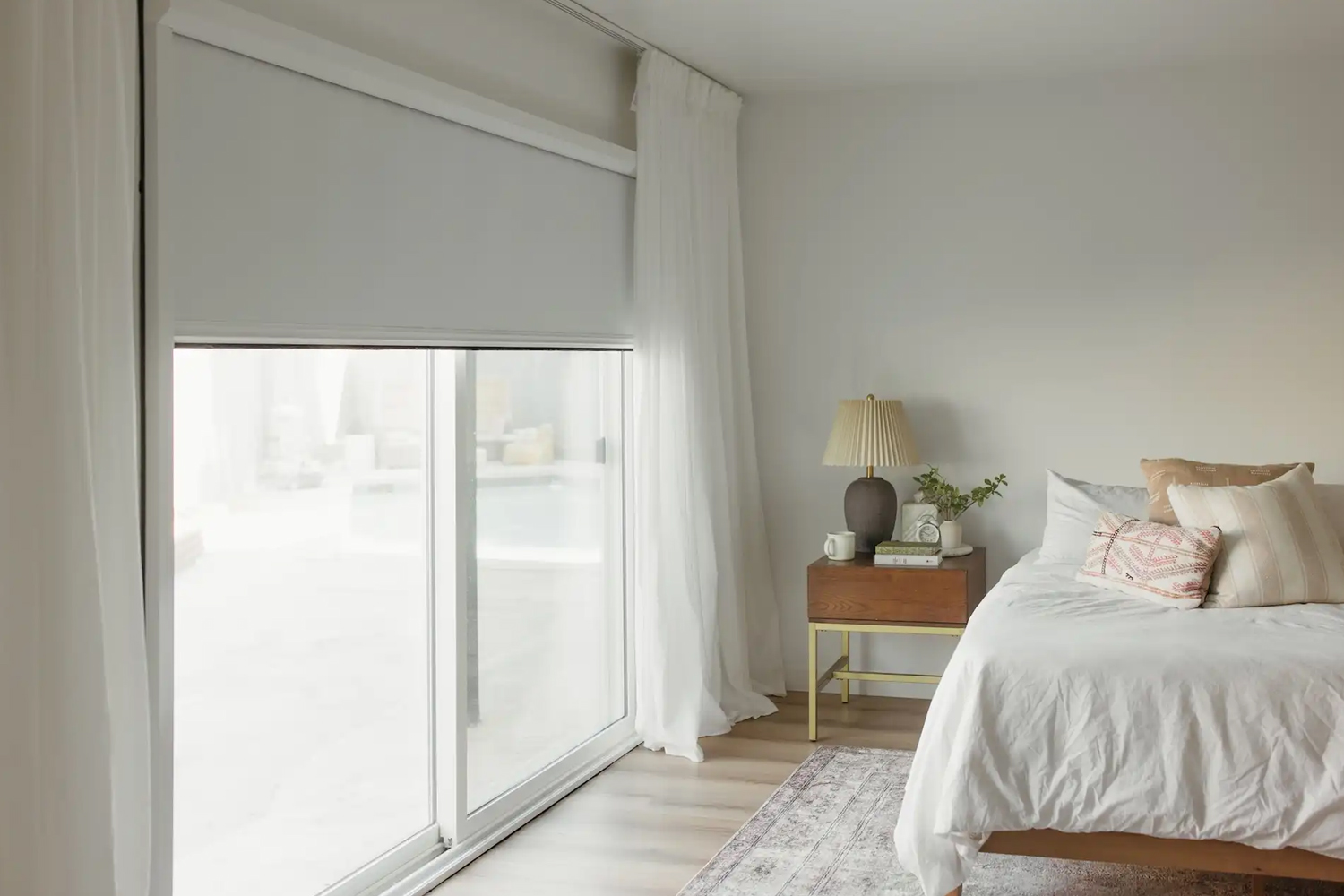
As someone who spends her life helping people organize their physical spaces, I cannot overstate the importance of the bedroom's "sensory architecture." A sleep-optimized bedroom is a high-performance environment, not just a room with a bed. To maximize rest, the space must be cool, dark, and quiet.
The ideal temperature for deep sleep is surprisingly chilly: between 65–68°F. Our core body temperature needs to drop by about two to three degrees to initiate sleep. If your room is too warm, your brain will struggle to enter the deeper, restorative stages of REM and slow-wave sleep. Beyond temperature, the room should be a "digital dead zone." Blackout curtains are non-negotiable for blocking streetlights, and all digital screens should be removed to prevent blue light from suppressing your natural melatonin production.
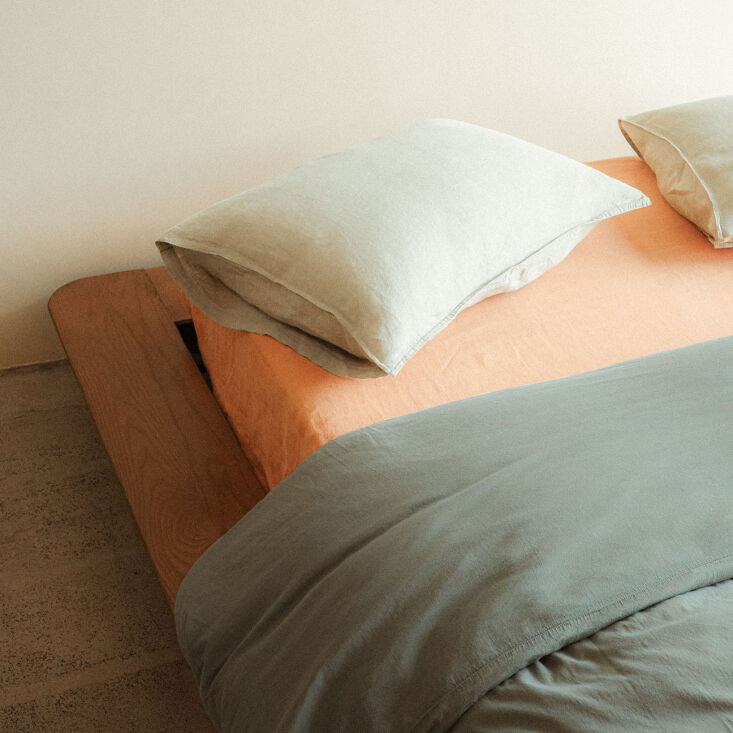
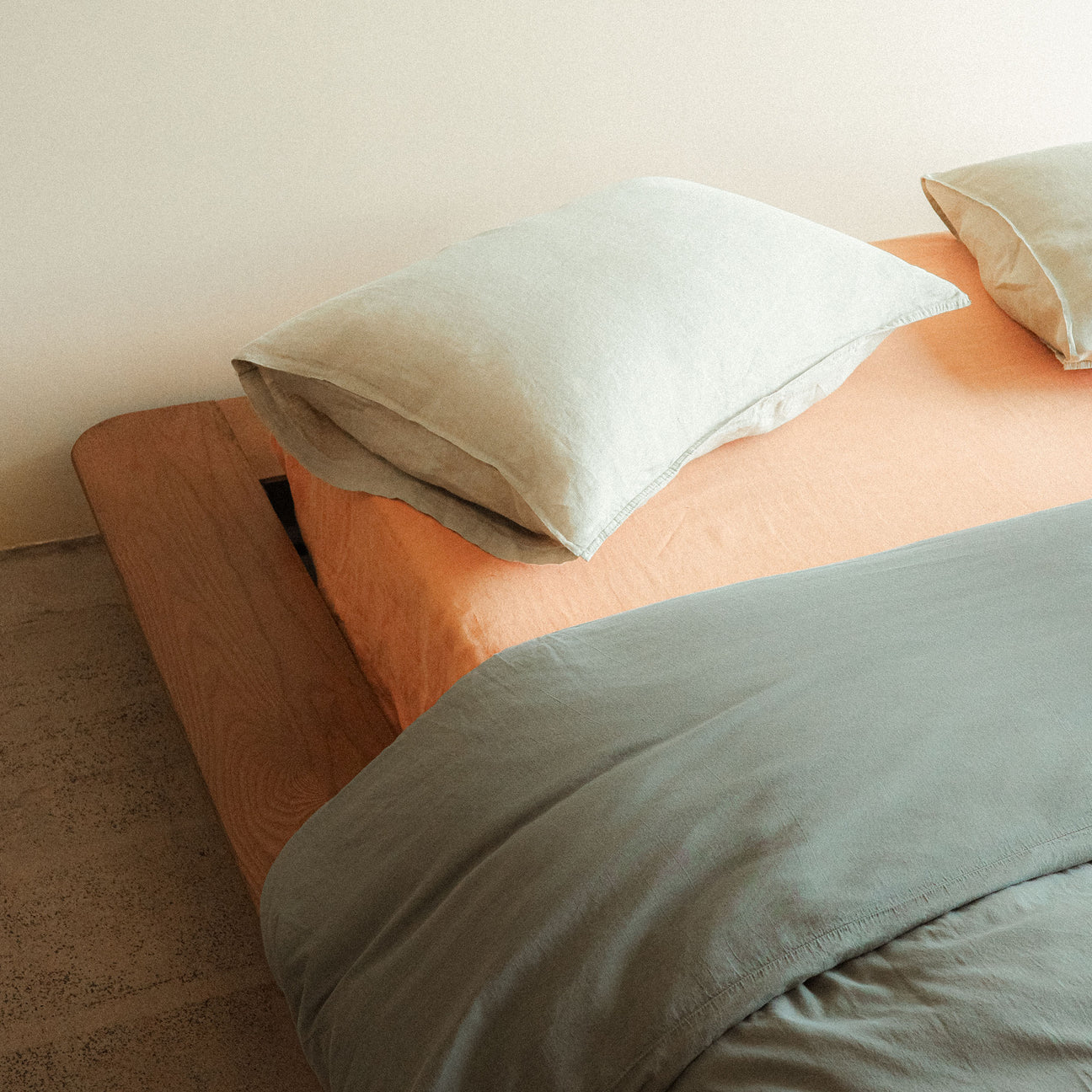
I recommend investing in materials that support this thermal regulation. Swap synthetic blends for moisture-wicking pajamas and breathable linen bedding. Linen is a functional powerhouse—it allows for maximum airflow and helps your body maintain that "sweet spot" temperature throughout the night without the need for constant adjustment.
What to Swap for a Better Sanctuary:
- Swap: Polyester sheets → Use: Organic linen or bamboo.
- Swap: Nightstand clutter → Use: A single book and a glass of water.
- Swap: Blue-light alarm clocks → Use: Analog clocks or dimmable warm-light devices.
4. The 60-Minute Digital Sunset
In my home organization systems, we talk about "transitional zones"—the spaces between the garage and the kitchen, for example. Your brain needs a transitional zone between the high-stress demands of the day and the total surrender of sleep. I call this the "Digital Sunset."
Sixty minutes before you intend to be asleep, all high-stimulation technology should be powered down. This means moving away from the "Beta waves" of active problem-solving and social media scrolling toward the "Alpha waves" of calm and reflection. Many of us suffer from "Bedtime Revenge Procrastination"—the urge to stay up late scrolling because we felt we had no control over our daytime hours. By implementing a 60-minute wind-down, you reclaim that control.
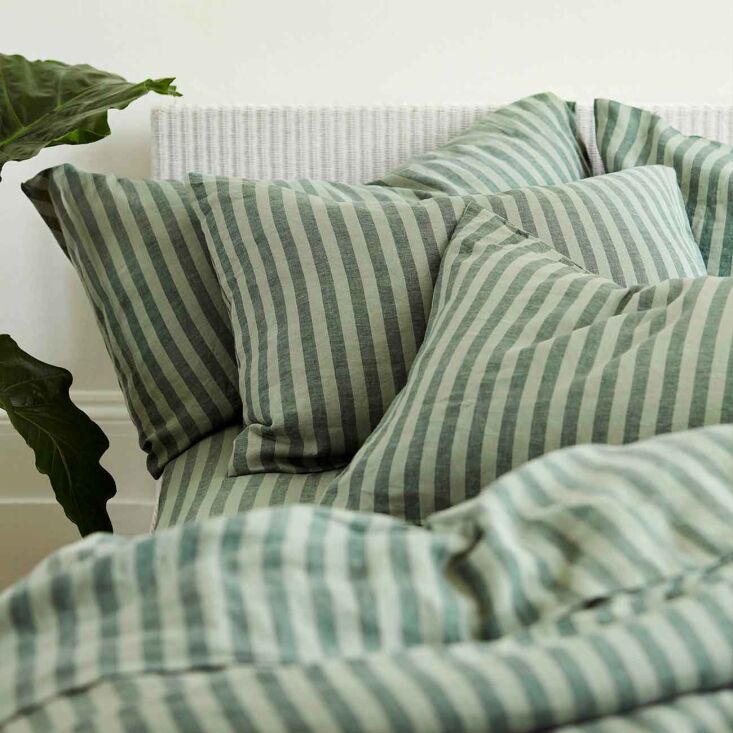
During this hour, engage in low-intensity activities. This could be tactile organization (like prepping your outfit for the next day), light journaling, or a gentle stretching routine. If you must use technology, ensure you have enabled automatic warm-light filters at sunset to reduce blue light exposure, but remember: the content you consume matters as much as the light it emits. An email from your boss is a biological stressor, regardless of the screen's brightness.
5. Strategic Consumption: The Caffeine and Alcohol Cutoff
Your internal systems are highly sensitive to what you ingest, and in 2026, we are much more aware of the "half-life" of our favorite beverages. Caffeine has a "quarter-life" of about 12 hours. This means if you have a cup of coffee at noon, 25% of that caffeine is still circulating in your brain at midnight. For a truly optimized sleep system, noon should be the realistic cutoff for caffeine for anyone aiming to be asleep by 10:00 PM or 11:00 PM.
Similarly, we must address the "Alcohol Paradox." While a glass of wine might help you fall asleep faster (sleep initiation), it is a sedative that destroys sleep architecture. Alcohol prevents you from entering the deeper stages of REM sleep, leading to a fragmented night and a "brain fog" morning.
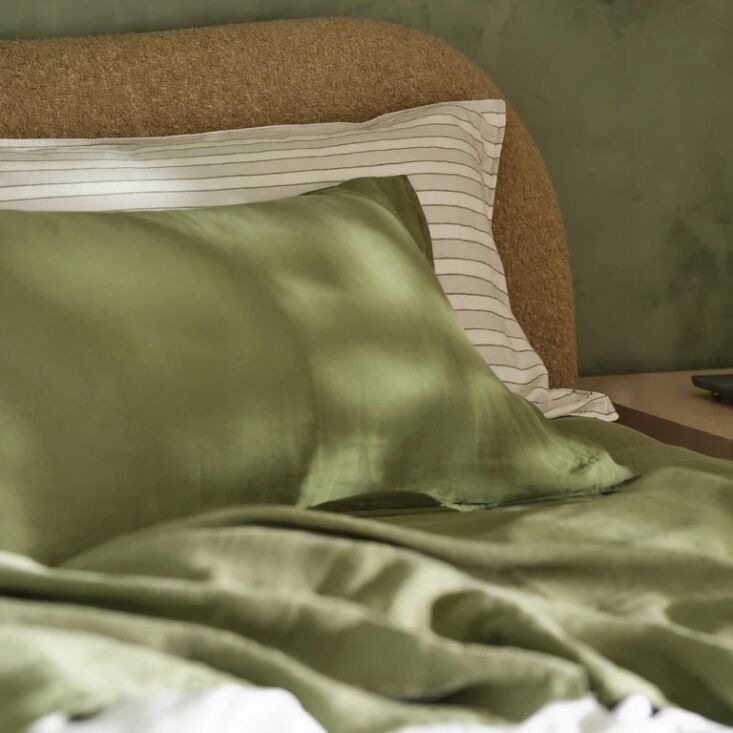
Instead of a nightcap, pivot to functional alternatives. Adaptogenic teas (like reishi mushroom or ashwagandha) or magnesium-rich evening drinks can help soothe the nervous system without the metabolic cost of alcohol. Creating a "beverage station" in your kitchen that prioritizes these sleep-supporting options is a classic Sophie Wang move—organize your environment to make the healthy choice the easiest choice.
| 2026 Sleep Metric | Target Value | Why It Matters |
|---|---|---|
| Room Temperature | 65–68°F | Essential for core body temp drop. |
| Morning Light | 30 Minutes | Resets the 14-hour melatonin timer. |
| Caffeine Cutoff | 12:00 PM | Accounts for caffeine's long half-life. |
| Wake-up Variance | ±15 Minutes | Maintains circadian rhythm stability. |
| Digital Sunset | 60 Mins Before Bed | Shifts brain from Beta to Alpha waves. |

FAQ
Q: I work irregular shifts. How can I practice circadian rhythm training? A: Shift work is a challenge, but the principle of "anchor points" still applies. Try to keep your wake-up time as consistent as possible within your specific shift block. Use high-quality blackout curtains and eye masks to simulate "biological night" when you are sleeping during the day.
Q: Does it really matter if I use my phone if I have a "Night Mode" filter on? A: Yes. While the filter helps with blue light, the content of your phone (social media, news, work pings) keeps your brain in a state of high-alert Beta waves. Sleep requires a "low-arousal" state that phones are designed to prevent.
Q: How long does it take to see the 25% increase in alertness from a consistent schedule? A: Most people begin to feel a significant shift in their morning energy levels after 7 to 10 days of a strict wake-up time. Your body is remarkably resilient once you stop giving it conflicting signals.
Conclusion
Transforming your rest for 2026 is an act of home and life organization. By treating your sleep as a system—complete with environmental controls, timed inputs (light and caffeine), and a dedicated "on button"—you move from being a victim of your fatigue to an architect of your energy. Start tomorrow: set that alarm, move it across the room, and get into the sunlight. Your future, well-rested self will thank you.