We’ve all experienced that moment of "nose blindness." You walk through your front door after a long day, and instead of the welcoming scent of home, you’re hit with a distinct, heavy musk—a cocktail of damp fur, litter box ammonia, and the lingering ghost of a territorial dispute on the rug. In a multi-pet household, these odors aren't just an occasional nuisance; they are a persistent biological challenge. As an editor specializing in home appliances, I’ve spent years testing the tools designed to mitigate this reality. The hard truth is that "masking" odors with candles or sprays is a losing battle. To truly keep a home smelling fresh with multiple animals, you must shift from a reactive mindset to a proactive, performance-based strategy that addresses odor at its molecular source.
To prevent odors in multi-pet homes, the most effective baseline is to wash all pet bedding once a week in hot water with 1/2 cup of white vinegar to neutralize bacteria and smells. For deeper issues, hidden pet accidents can be located using an inexpensive UV flashlight, which causes dried urine to glow, allowing for targeted treatment with enzymatic cleaners rather than standard soaps. Furthermore, maintaining high air quality requires more than just a vacuum; air purifiers with robust activated carbon filters, such as the Rabbit Air A3 or Levoit Core 400S, are essential for capturing pet dander and neutralizing airborne foul smells before they settle into your upholstery.
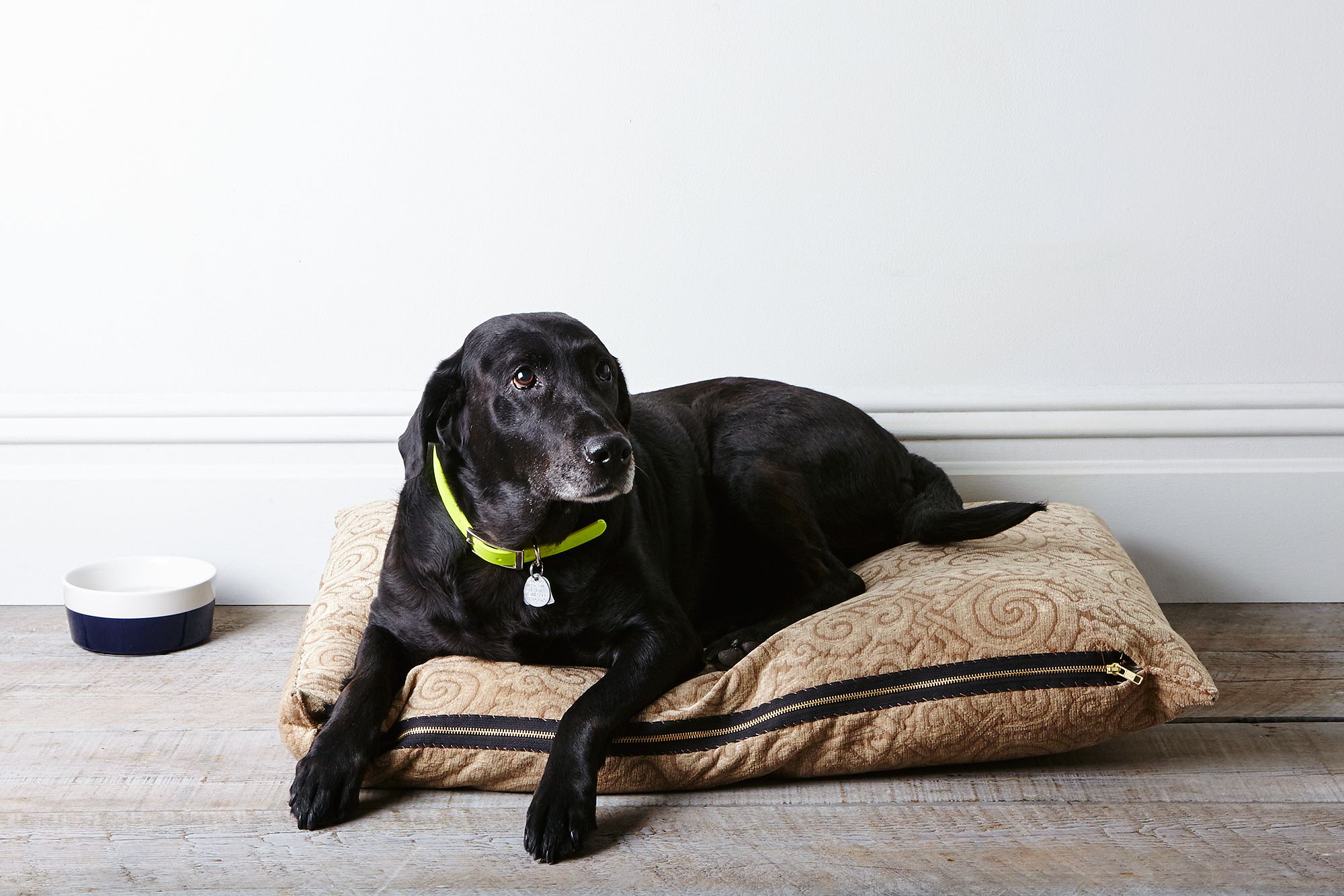
1. Optimize Your Laundry Routine with a Secret Neutralizer
In a household with multiple pets, the fabrics your animals sleep on act like giant sponges for sebum (skin oils), saliva, and dander. If you’re only washing pet beds when they look dirty, you’re already behind. Odor-causing bacteria like Salmonella and Streptococcus can thrive in the fibers of a dog bed, creating a permanent "funk" that permeates the room.
The technical fix is surprisingly low-tech: white vinegar. While most people rely on heavy scents in their detergent, these often just coat the fibers. Instead, I recommend a weekly cycle using the hottest water the fabric can handle, adding 1/2 cup of white vinegar to the rinse cycle. The acetic acid in vinegar is a natural disinfectant that breaks down the proteins in pet oils and neutralizes the alkaline nature of many pet odors.
Pro-Tip: The Double-Wash Method For high-traffic pet blankets, run a "pre-wash" with just vinegar and water, followed by a regular cycle with an unscented, enzyme-based detergent. This ensures the bacteria are neutralized before the detergent attempts to lift the physical dirt.
2. Use UV Tech to Hunt Down Hidden Odors
One of the most frustrating aspects of a multi-pet home is the "phantom smell"—you know something has happened, but you can’t find the spot. In a multi-animal environment, territorial marking can happen in corners or behind furniture where it goes unnoticed until it dries and begins to off-gas ammonia.
This is where a $15 UV (ultraviolet) flashlight becomes your most valuable maintenance tool. Dried urine contains salts and proteins that fluoresce under UV light. By turning off the overhead lights and scanning your baseboards and carpets, you can pinpoint the exact locations of "accidents" that would otherwise remain hidden for months.
Once located, avoid traditional soap and water. Soap can actually set the stain and fail to break down the uric acid crystals. You need an enzymatic cleaner—like Rocco & Roxie Professional Strength—which uses live bacteria to "eat" the organic matter. This is the only way to eliminate the smell at a level where the pet won't be tempted to "re-mark" the same spot.
3. Invest in High-Performance Air Purification
When people ask me for the "best" way to keep a house smelling fresh with pets, they often expect me to recommend a vacuum. While vacuuming is vital, it doesn't address the microscopic dander and Volatile Organic Compounds (TVOCs) floating in the air. For a multi-pet home, a standard HEPA filter isn't enough; you need a machine with a substantial "honeycomb" activated carbon filter.
Activated carbon is treated with oxygen to open up millions of tiny pores between the carbon atoms. This allows it to chemically bond with gas molecules—like the ammonia from a litter box or the "wet dog" smell—and trap them. In my testing, the Levoit Core 400S stood out because it has been proven to remove over 96% of TVOCs and airborne contaminants in homes with multiple animals.
Air Purifier Performance Scorecard
| Feature | Levoit Core 400S | Rabbit Air A3 | Typical HEPA Filter |
|---|---|---|---|
| Best For | Medium/Large Rooms | Large Open Spaces | Small Bedrooms |
| Filter Type | 3-Stage H13 True HEPA | 6-Stage BioGS HEPA | Basic HEPA |
| Carbon Weight | High Density | Custom "Pet Pro" Filter | Thin Sheet |
| TVOC Removal | 96% | 98% | < 50% |
| Smart App | Yes (Real-time AQI) | Yes | No |
If you have the budget, the Rabbit Air A3 is a powerhouse. It allows you to choose a customized filter specifically designed for pet odors, which includes extra carbon and specialized coatings to break down pet-specific allergens.
4. Schedule Biannual Deep Carpet Cleaning
Even with the best vacuum on the market, gravity is your enemy. Pet dander, dried saliva, and microscopic particles sink deep into the carpet pile and the padding beneath. Over time, these particles compact and create a permanent reservoir of odor.
Statistically, the impact of deep cleaning is undeniable. Deep cleaning carpets every 6 months in multi-pet households reduces trapped allergens and deep-set odors by 50% compared to annual cleanings. Most homeowners wait until the carpet looks soiled, but in a multi-pet home, the smell precedes the sight.
I recommend either hiring a professional steam cleaning service twice a year or investing in a consumer-grade machine like the Bissell Big Green. The key is to use an "extraction" method that pulls the water back out of the carpet; leaving the carpet too damp can lead to mold and a "sour" smell that is worse than the original pet odor.
5. Master Multi-Cat Litter Box Maintenance
For cat owners, the litter box is the primary source of household odor stress. The industry standard for a multi-cat home is the "n+1" rule: if you have two cats, you need three boxes. This prevents over-saturation of any single box and reduces the likelihood of "out-of-box" accidents.
Beyond the number of boxes, the type of litter and the maintenance schedule are critical. Probiotic litters, such as BoxiePro, use naturally occurring bacteria to inhibit the growth of odor-causing microbes. If you prefer clay, look for litters with activated charcoal (like Purina Tidy Cats With Charcoal) which acts similarly to the filters in an air purifier.
- Daily: Scoop at least twice a day.
- Weekly: Wipe down the sides of the box with an enzyme-friendly wipe.
- Monthly: Empty the box entirely, scrub with hot water and unscented soap, and replace with fresh litter. Plastic is porous and will eventually absorb odors; plan to replace the actual plastic boxes every 12 to 18 months.
Expert Insight: "A litter box that smells to a human is likely unbearable for a cat, whose sense of smell is 14 times stronger than ours. Keeping it clean isn't just for your nose—it's for their health."
6. Shield Your Furniture with Washable Barriers
The upholstery in your living room is essentially a giant filter for pet smells. Once the oils from a dog's coat or the dander from a cat settle into the internal foam of a sofa, it is nearly impossible to extract. This is why I always advise multi-pet owners to use "sacrificial layers."
Waterproof, machine-washable couch covers have evolved significantly from the ugly plastic sheets of the past. Modern options use quilted microfiber that looks like high-end upholstery but features a TPU (thermoplastic polyurethane) waterproof inner layer. This prevents moisture and oils from reaching the couch's structural fabric. Instead of trying to steam-clean a sofa—which often leads to deep-seated mildew in the foam—you simply strip the covers once a week and toss them in the wash with your vinegar-neutralizing solution.
7. Air Circulation and Odor Neutralizers
Stagnant air is the friend of foul odors. In many modern, energy-efficient homes, the air is tightly sealed, meaning pet smells just circulate through the HVAC system over and over. To combat this, you need to think about "Air Multiplier" technology.
Appliances like Dyson Purifiers or high-end floor fans don't just blow air; they are engineered to create a vortex that moves air from every corner of the room. This prevents "dead air" pockets—usually behind the sofa or under the bed—where dander and smells tend to congregate.
Furthermore, avoid "scent-masking" products. Scented candles and plug-in oils often contain phthalates that can be irritating to a pet's sensitive respiratory system. Instead, use odor-absorbing gels or charcoal bags (Moso bags). These products don't have a scent of their own; they simply "eat" the odors in the air. For a high-performance household, I recommend placing charcoal bags near litter boxes and pet bed areas as a passive, 24/7 defense.
FAQ: Common Multi-Pet Odor Questions
Q: Can I use an ozone generator to get rid of pet smells? A: I strongly advise against using ozone generators in occupied homes. While they are powerful at killing odors, ozone is a lung irritant for both humans and pets. They should only be used by professionals in empty spaces. A high-quality air purifier with a carbon filter is a much safer and more effective daily solution.
Q: Why does my house still smell "doggy" even though I vacuum every day? A: Vacuuming only picks up surface debris. The "doggy" smell usually comes from skin oils (sebum) that have rubbed off on carpets and furniture. You likely need to address the fabrics (laundry and deep cleaning) rather than just the floor surface.
Q: How often should I change my air purifier filters in a multi-pet home? A: Most manufacturers suggest 6 to 12 months, but in a multi-pet household, you should check your pre-filter every 30 days. If it's covered in hair and dander, it’s choking the machine. I typically recommend replacing the main filters every 4 to 6 months to maintain peak odor-removal performance.
Final Thoughts from Ethan Moore
Maintaining a fresh home with multiple pets isn't about one "magic" product; it’s about a system of technical interventions. By combining the chemical neutralization of vinegar, the detective work of UV light, and the mechanical filtration of high-end air purifiers, you can enjoy the companionship of your animals without the sensory trade-off. Remember: focus on removing the odor molecules, not covering them up. Your home—and your pets—will thank you for it.