There is a specific kind of silence in a room filled with history—a tactile, heavy quality that new furniture simply cannot replicate. In an era where flat-pack furniture and mass-produced "fast decor" dominate our feeds, architectural salvage offers a rebellion. It is the art of the rescue, the curation of fragments from the past—a hand-carved corbel from a demolished Victorian, a set of crittall windows from a 1920s factory, or a richly veined marble mantle—reimagined for the modern home.
As an editor, I often tell my readers that a home without something old is a home without a soul. But incorporating these pieces requires more than just a trip to the local yard; it requires a vision. The best way to use architectural salvage is to start with one statement piece, such as a vintage door or an antique fireplace, and design the rest of the room around its unique texture and history. This "hero piece" anchors the space, allowing you to layer in modern comforts without losing that elusive, character-rich edge.
Beyond the aesthetic, there is a profound ethical imperative at play. Architectural salvage promotes sustainability by diverting high-quality materials from landfills and drastically reducing the carbon footprint associated with manufacturing and transporting new building components. When we choose reclaimed over new, we aren't just decorating; we are preserving energy and craftsmanship.
1. Anchor the Room with One Statement Salvage Piece
Every room needs a protagonist. In a character-rich interior, that protagonist is often a large-scale architectural element that dictates the room’s proportions and mood. Whether it is an ornate limestone fireplace surround or a pair of towering French doors used as an entryway, these pieces provide a sense of permanence that "off-the-shelf" items lack.
When styling a room around a high-character salvage item, the secret is balance. If you have a heavily weathered, "chippy paint" door, pair it with clean-lined, modern upholstery. This prevents the room from feeling like a museum or a film set.
- The Fireplace Focal Point: Even if your home doesn’t have a working chimney, a salvaged mantel creates a visual anchor for a living room. Fill the firebox with stacked birch logs or large pillar candles.
- The Entryway Statement: Use a reclaimed oversized door as a sliding barn door for a pantry or a master suite. The weight and history of the wood provide an immediate tactile experience every time you enter the room.
Pro-Tip: The Neutral Rule When using a piece with a heavy patina, keep your wall colors neutral. A soft lime wash or a muted "greige" allows the textures of the salvaged wood or stone to shine without visual competition.
2. Incorporate Reclaimed Wood for Warmth and Texture
There is a warmth to old-growth timber that modern pine cannot match. The grain is tighter, the color deeper, and the history literally etched into the surface. Incorporating reclaimed wood is perhaps the most accessible way to introduce salvage into a renovation.
Statistically, the impact of this choice is significant. Repurposing historic architectural elements saves approximately 60% of the embodied energy required to produce and transport modern equivalents. By using a reclaimed beam as a mantel or a floating shelf, you are effectively "locking in" the carbon that was spent a century ago.
- Structural Beams: If you are opening up a ceiling, consider using reclaimed hand-hewn beams. They provide a structural rhythm that softens the harshness of a new build.
- Floating Shelves: In a kitchen, replace standard cabinetry with thick slabs of reclaimed oak. The contrast between sleek quartz countertops and rugged, weathered wood is the hallmark of modern organic design.
3. Elevate the Everyday with Functional Salvage
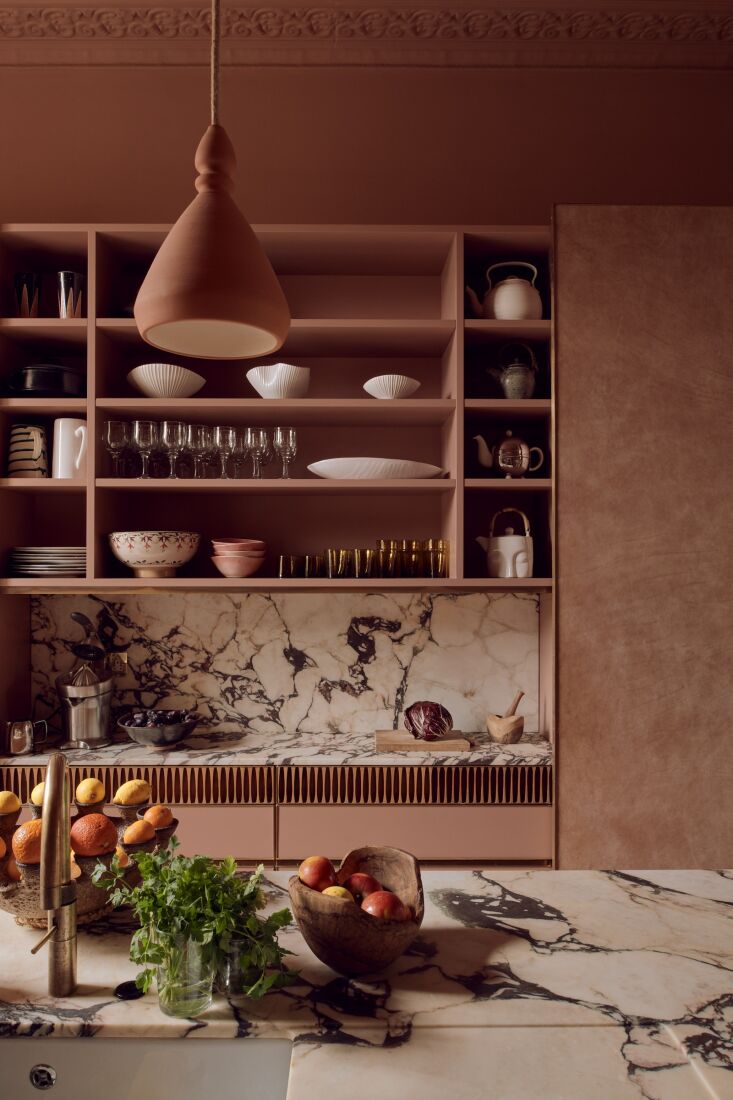
One of the most common mistakes in interior design is viewing antiques solely as decorative objects. To truly master the "Ivy Chen" look, you must focus on functional salvage like sinks or lighting fixtures that serve a purpose while acting as a natural decorative focal point.
Integrating these items into modern systems requires a bit more effort—you may need an adventurous plumber or an electrician who understands vintage wiring—but the payoff is a home that feels bespoke.
- Cast Iron Sinks: A deep, farmhouse-style cast iron sink salvaged from a schoolhouse or laboratory adds an instant "chef’s kitchen" feel.
- Industrial Pendants: Large-scale factory lights, once used to illuminate assembly lines, are perfect for hanging over a dining table. Their scale is often much larger than modern residential lighting, providing that much-needed "wow" factor.
4. Repurpose Antique Doors and Windows as Art
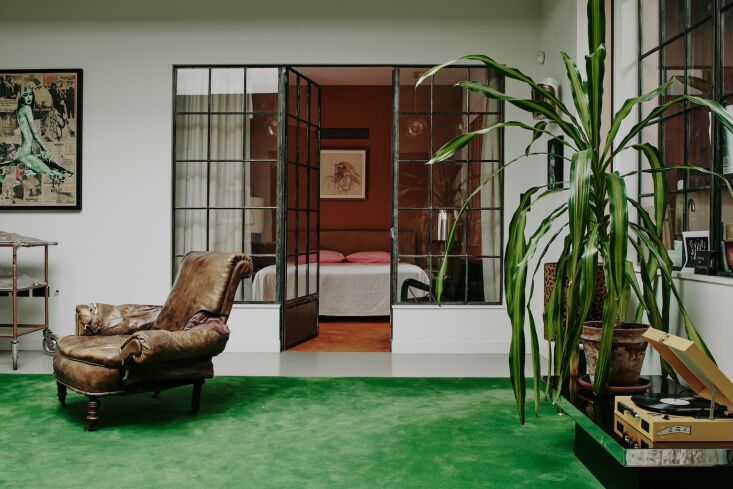
Not every salvaged find needs to return to its original use. In fact, some of the most creative interiors use windows and doors as purely aesthetic elements. A set of arched window frames, stripped of their glass, can become a stunning wall installation.
In a digital age where everything is machine-cut to perfection, the slight imperfections of "handcrafted" details—the visible joinery, the hand-blown glass with its subtle waves—provide a grounding, human touch.
- Mirrored Windows: Take an old multi-pane window frame and replace the glass with aged mirror. It adds depth to a hallway and reflects light in a way that feels soft and romantic.
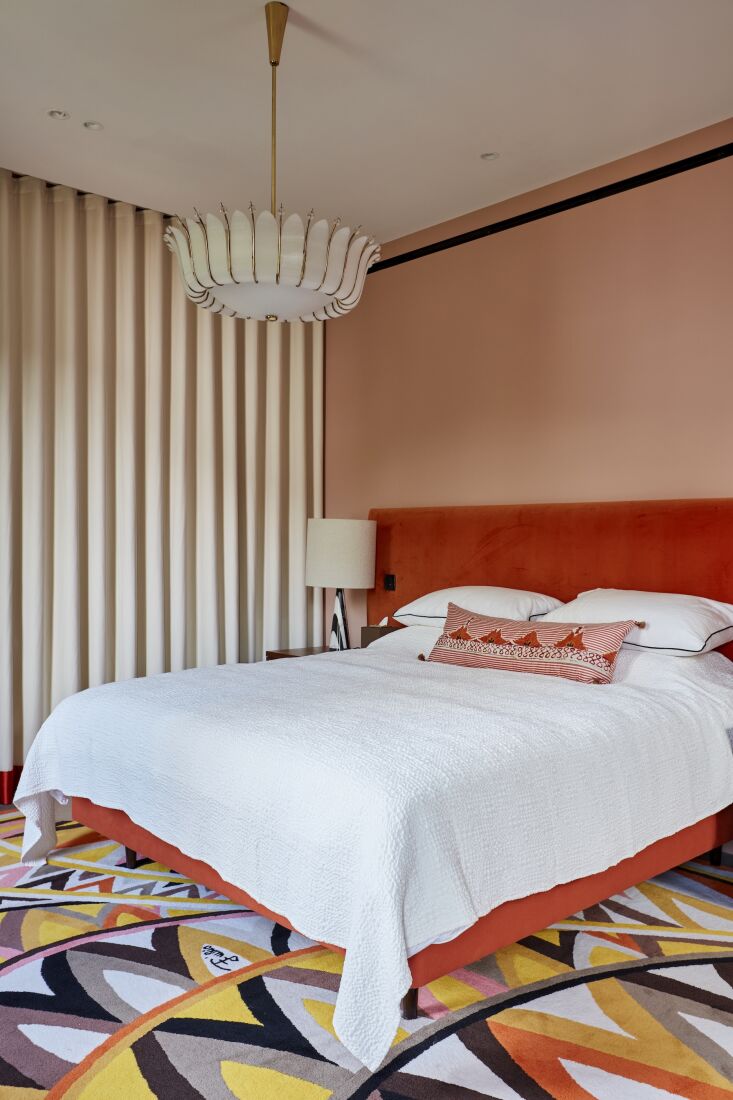
- Headboard Solutions: A pair of antique shutters or a weathered garden gate can be mounted to the wall behind a bed to create a unique, textural headboard.
Insider Tip: Safety First When dealing with "chippy paint" or items from before 1978, always test for lead paint. You can seal the original patina with a matte clear coat to preserve the look while making it safe for indoor use. Also, check for structural integrity; wood rot can be hidden beneath years of grime.
5. Add Architectural Layers with Corbels and Moldings
If you live in a "white box" modern apartment, you might feel that architectural salvage is out of reach. On the contrary, small-scale elements like corbels, brackets, and sections of molding can be used to add the "bones" that your home is missing.
- Corbels as Bookends: Large, ornate wooden corbels that once supported a porch roof make incredible bookends or shelf brackets in a home office.
- Layered Moldings: Don't be afraid to mix different molding profiles. Adding a salvaged ceiling rose to a modern light fixture can create a delightful tension between eras.
6. Design for the Planet: The Sustainability of Salvage
Design is often seen as a luxury, but the materials we choose have a direct impact on the environment. Architectural salvage promotes sustainability by diverting high-quality materials from landfills and reducing the carbon footprint of new manufacturing.
Consider this: incorporating salvaged materials into home renovations can reduce construction waste by up to 1.5 tons per room compared to using entirely new materials. When you walk through a salvage yard, you aren't looking at junk; you are looking at a carbon bank. Every brick, every floorboard, and every door already exists. No new trees were felled, no new clay was fired, and no new chemicals were emitted to bring that piece into your home.
| Metric | Salvaged Materials | Modern Equivalents |
|---|---|---|
| Waste Diverted | 1.5 tons per room | 0 tons |
| Embodied Energy Saved | ~60% | 0% |
| Durability | High (Old-growth/Solid) | Variable (MDF/Composite) |
| Carbon Footprint | Near Zero (Transport only) | High (Manufacturing + Shipping) |
7. Master the Mix: Blending Antiques with Modernity
The final hurdle for most readers is the "mix." How do you prevent your home from looking like an antique shop? The answer lies in the 'Curated, Not Cluttered' approach.
- Contrast Textures: Place a smooth, honed marble bust on a weathered wood pedestal. The contrast makes both materials look more expensive.
- Repeat Metal Finishes: If you have salvaged brass door hardware, try to use brass in your modern light switches or faucet finishes. This creates a cohesive "visual thread" that ties the old and new together.
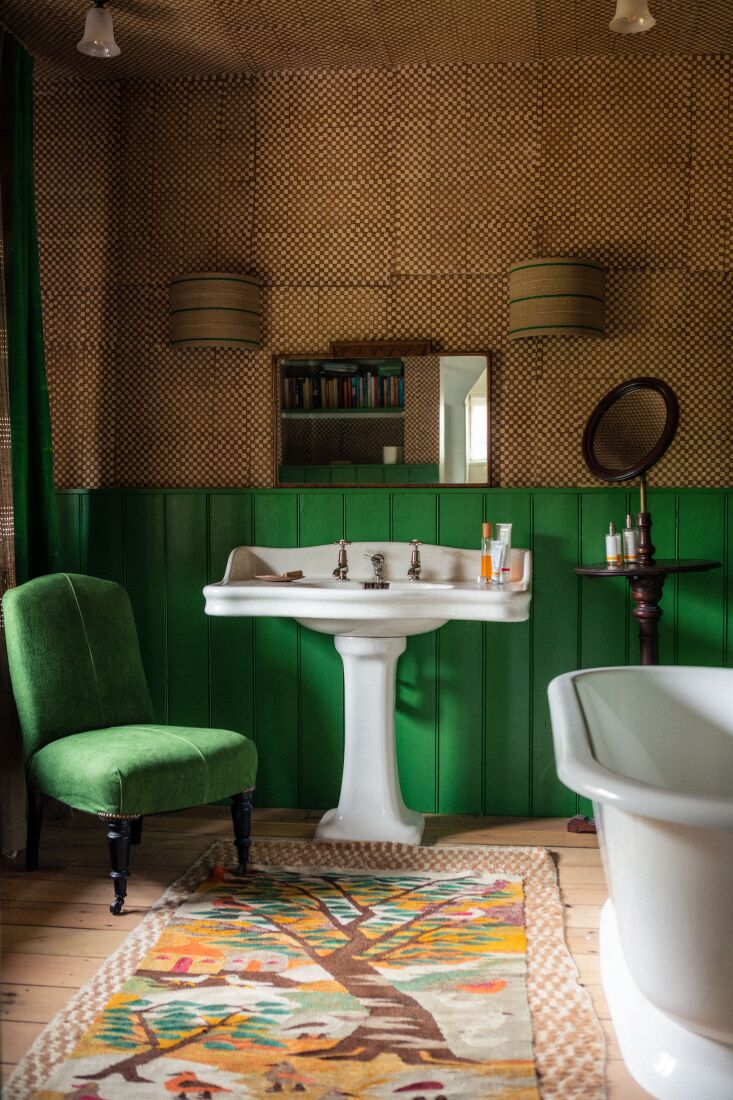
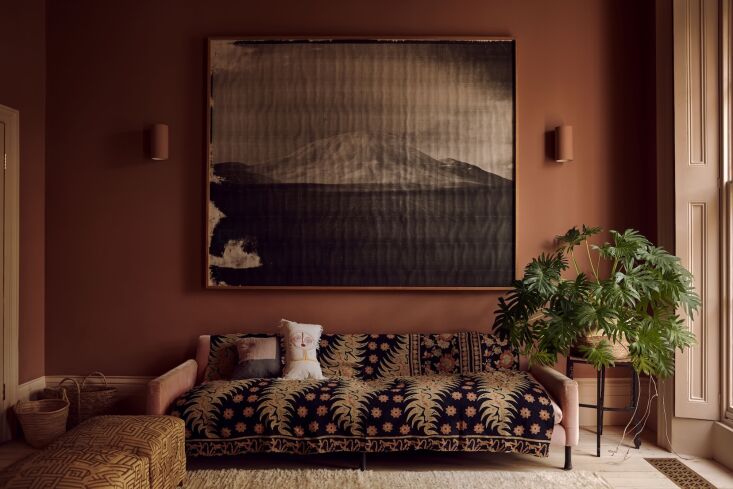
- Bold Color Blocks: Use contemporary, saturated paint colors as a backdrop for historic features. A deep forest green or a moody charcoal can make a 19th-century white marble mantel pop in a way that feels incredibly fresh.
Where to Source Your Next Find
Finding the perfect piece is half the fun. While big-city salvage yards are the most obvious choice, don't overlook estate sales in historic neighborhoods or online specialty boutiques.
- Local Salvage Yards: Best for large structural items like beams, doors, and bathtubs.
- Estate Sales: Incredible for smaller hardware, lighting, and "decorative" salvage like corbels.
- Specialty Boutiques: Curated shops (like Retrouvius in London or Big Daddy’s Antiques in LA) do the hunting for you, offering pieces that are already cleaned and ready for installation.
FAQ
Is architectural salvage safe for homes with children? Generally, yes, but with precautions. The main concerns are lead paint and splinters. Always seal old wood with a non-toxic matte sealant and have any painted items tested. For heavy items like mantels or large mirrors, professional installation is a must to ensure they are securely anchored to the wall studs.
How do I price architectural antiques? Pricing is based on three factors: Rarity, Condition, and Provenance. A standard pine door might be $100, while a mahogany door with original stained glass from a notable estate could be $2,000. Always research the era and material before negotiating.
Can I use salvaged materials in a rental? Absolutely! Focus on "portable" salvage. Leaning a large salvaged window against a wall, using old corbels as bookends, or replacing a standard light fixture with a vintage pendant (and keeping the original to put back later) are all rental-friendly ways to add character.
Conclusion
Creating a home with character is not about spending the most money; it’s about making choices that have a narrative. Architectural salvage allows us to be storytellers within our own four walls. By starting with one statement piece, prioritizing functional beauty, and honoring the sustainable nature of these materials, you create a space that is as kind to the planet as it is pleasing to the eye.
Next time you pass a salvage yard, pull over. Your home's soul might be waiting behind a pile of old shutters.