You’ve spent weeks agonizing over the perfect shade of terracotta for the hallway or a moody teal for the study. The furniture is curated, the lighting is layered, and the textures are sublime. Then, you look at the wall—and there it is. A flat, clinical, white plastic rectangle that screams "builder-grade" and completely disrupts the flow of your aesthetic. In the world of high-end interior styling, we often call light switches the "jewelry of the walls." Just as a pair of vintage earrings can transform a simple silk dress, vibrant home design fixtures can elevate a room from "standard" to "architectural."
For 2026, the trend is shifting away from hiding our utilities and toward celebrating them. We are seeing a surge in candy-colored light switches that embrace the playful, the tactile, and the bold. Whether it’s the buttery finish of hand-crafted porcelain or the modernist precision of a Le Corbusier-inspired palette, these aren't just switches; they are small-scale sculptures. The best brands leading this movement—Katy Paty for their artisan porcelain, Swtch for their modernist palettes, and Dowsing & Reynolds for design-led affordability—are proving that functionality should never come at the cost of soul.
1. Katy Paty: Hand-crafted Porcelain Perfection
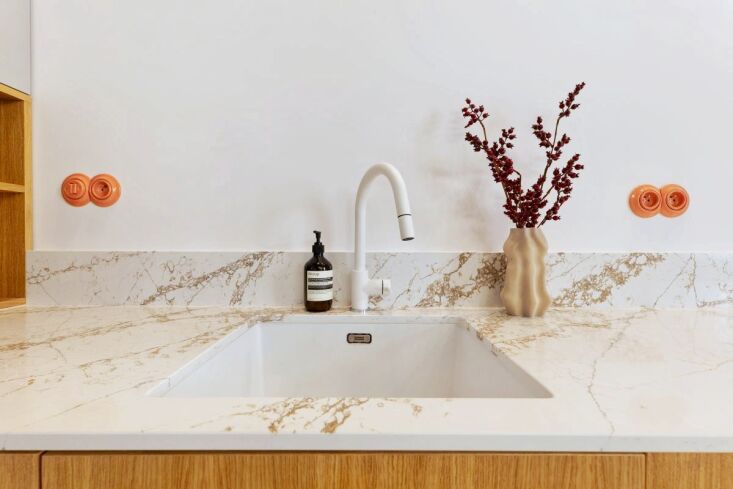
When we talk about the pinnacle of retro handcrafted light switches, the conversation begins and ends with Katy Paty. Based in the Czech Republic, this brand has resurrected the traditional art of porcelain electricals, but with a decidedly modern, "candy-shop" twist. Their switches aren't just painted; they are made from genuine Czech porcelain that is colored throughout the material. This means they are inherently color-fast, ecological, and incredibly resistant to abrasion—your vibrant hues will look just as "pop" in twenty years as they do today.
Katy Paty currently offers six distinct collections of porcelain switches, providing hundreds of potential color combinations for customizable home design. My personal favorite is the 'Roo' collection. What makes Katy Paty a designer’s darling is the ability to mix and match. You can choose one color for the plate, another for the switch mechanism, and even a third for the decorative ring.
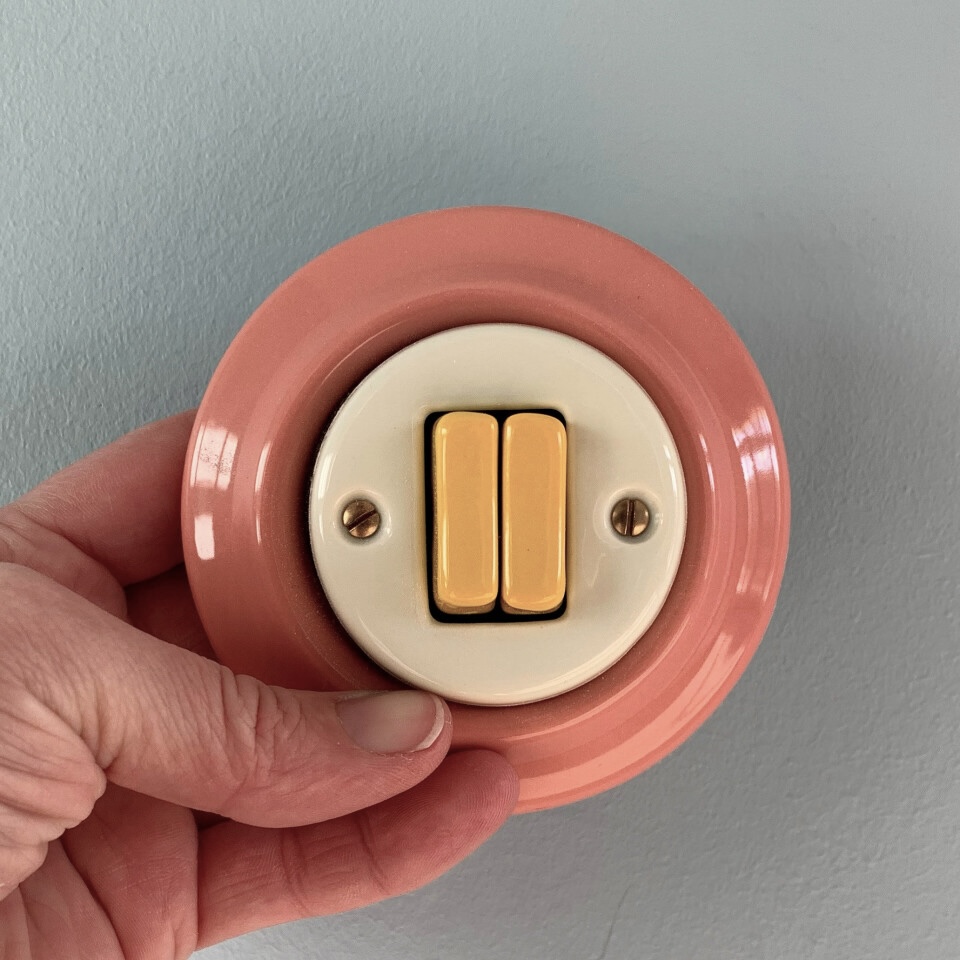
The tactile experience of turning on a Katy Paty switch is unlike any plastic alternative. There is a weight to the porcelain, a coolness to the touch, and a satisfying "click" that feels like a deliberate design choice rather than an afterthought. For a vibrant nursery or a bold kitchen backsplash, look at their 'Phoe Salmo' (a soft salmon) or 'Nitor Lutea' (a sunshine yellow).
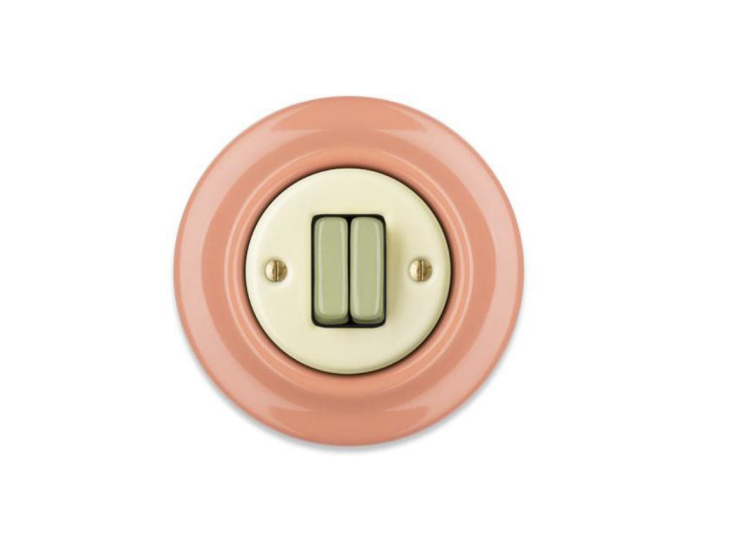
Pro-Tip: Don't feel pressured to match every switch in the house. Use Katy Paty's vibrant porcelain in "hero" locations—like the entryway or the kitchen island—and use more subtle tones from the same collection in less visible areas to maintain a cohesive material language.
2. Swtch: Modernist Palettes via Le Corbusier
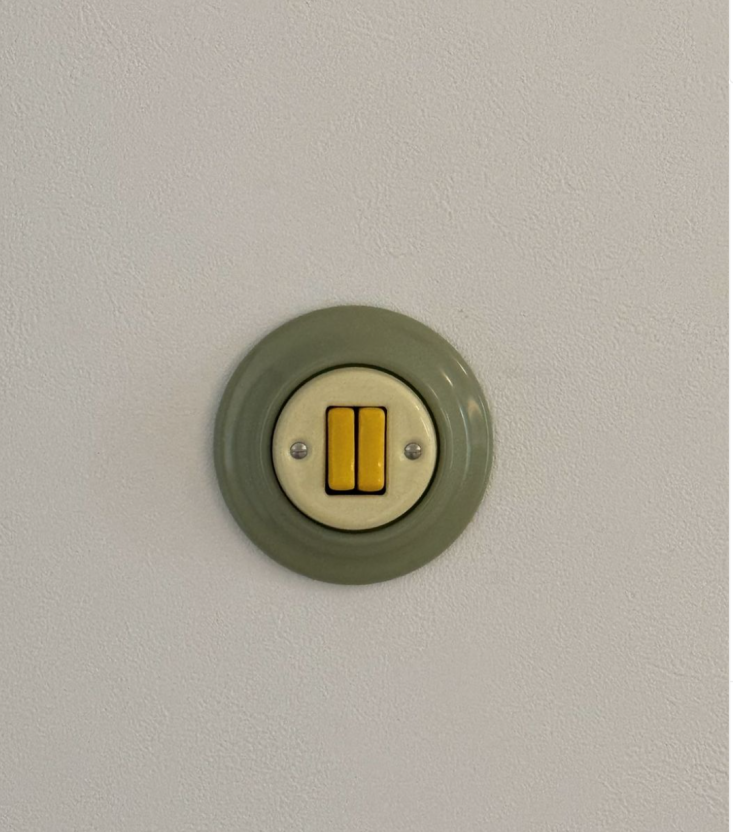
If Katy Paty is the romantic artisan, Swtch is the modernist intellectual. Their standout contribution to the world of vibrant home design fixtures is the 'Les Couleurs® Le Corbusier' range. Based on the legendary architect’s "Polychromie Architecturale," these switches are available in 63 iconic shades that are designed to be naturally harmonious.
Why is this significant for 2026? We are seeing a move toward "color-drenching," where walls, ceilings, and trim are all painted the same hue. Swtch allows you to find the exact architectural cerulean blue or ochre that disappears into your paint job—or stands out as a perfectly balanced contrast. These are the Le Corbusier palette electrical sockets that design purists dream of.
3. Dowsing & Reynolds: Design-Led Affordability
For those who want the "designer look" without the bespoke price tag, Dowsing & Reynolds is a revelation. They have mastered the art of the matte finish. Their "bubblegum" and "Leafy Green" collections offer a soft-touch texture that feels incredibly contemporary.
While Katy Paty focuses on porcelain, D&R excels in metal finishes with a twist. Their tarnished copper and "Café Au Lait" finishes provide a warmth that works beautifully in "Warm Minimalism" interiors. They offer an accessible entry point into the world of curated electricals, proving that even a $30 switch can change the mood of a room.
| Brand | Primary Material | Price Level | Key Strength |
|---|---|---|---|
| Katy Paty | Hand-crafted Porcelain | Premium ($$$) | Bespoke color-mixing & durability |
| Swtch | Designer Polymer | Mid-Range ($$) | Le Corbusier authentic palettes |
| Dowsing & Reynolds | Metal / Matte Polymer | Accessible ($) | Trend-led colors & matte finishes |
4. Forbes & Lomax: The Verdigris & Patina Movement
As we look toward the 2026 design landscape, there is a growing appreciation for materials that age. Forbes & Lomax are the masters of this. While they are known for their "Invisible Switch," their Verdigris range is a masterclass in vibrant home design.
The Verdigris finish is a stunning, mottled greenish-blue that mimics the natural oxidation of copper. It’s a "living finish," meaning it will continue to change and develop character over time. These are artisanal pieces, with prices starting at a premium $90 to $115 per unit, making them a true investment for heritage homes or high-concept modern builds.
5. Matureware: Sculptural Brass & Unique Silhouettes
Matureware by Futagami (Japan) challenges the very shape of the light switch. Most switches are rectangular by default, but Matureware offers hexagonal and circular brass plates that feel like ancient artifacts. Their brass is left unlacquered, allowing it to develop a rich, dark patina. For a "Japandi" or "Wabi-Sabi" styled home, these switches provide a tactile, sculptural element that celebrates the beauty of imperfection.
6. Pooky: British Charm & 'Buttery' Brass
Pooky, primarily known for their whimsical lampshades, has recently ventured into the world of switches. Their 'Florence' collection features a "buttery" brass finish that feels soft rather than clinical. They specialize in toggles—those satisfying little levers that provide a vintage, tactile click. If you’re styling a home with a lot of pattern and "Grandmillennial" charm, Pooky’s hardware provides the perfect polished finish.
7. Corston Architectural Detail: Solid Brass Toggles
Corston is for the homeowner who values cohesion above all else. Their toggle switches are machined from solid brass and are designed to match their door handles, cabinet knobs, and even their spotlights. The industrial-style toggle is a statement in itself—it’s a tactile "event" every time you enter a room. For 2026, the trend of mixing metals is fading in favor of this kind of rigorous, single-material cohesion.
8. Buster & Punch: Retro-Audio Inspired Dimmers
Buster & Punch brought the "rock star" aesthetic to home hardware. Their dimmers are inspired by the knurled volume knobs on vintage Marshall amps. Using heavy metals and precision engineering, these switches are designed for those who want their home to feel edgy and industrial. Their "Smoked Bronze" and "Electric Blue" finishes are particularly effective in media rooms or industrial loft spaces where the hardware needs to stand up to bold architectural elements.
The Insider Guide to Choosing Your Switchplates
When selecting colorful porcelain switch plates or metal toggles, the material is just as important as the color.
Material Matters
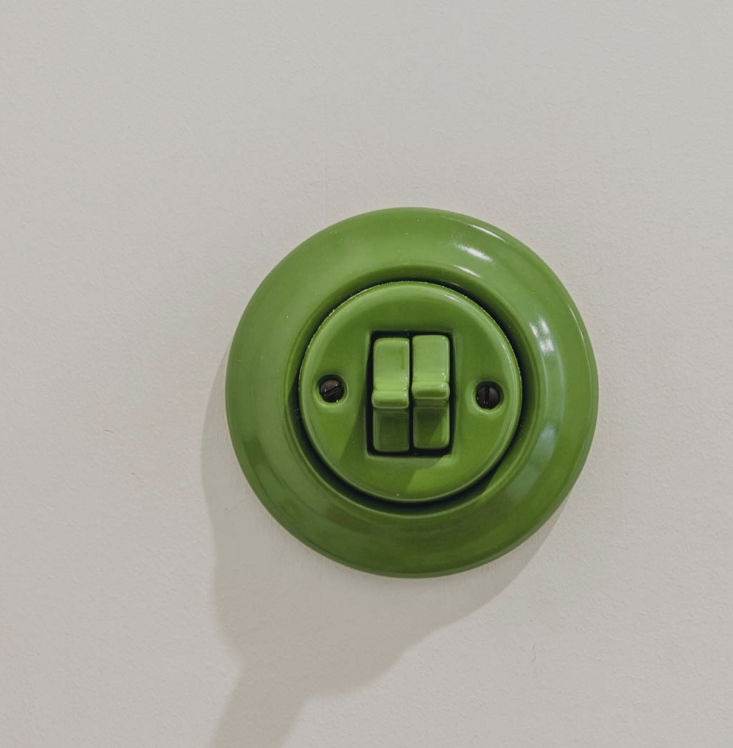
- Porcelain: My top recommendation for longevity. It is non-conductive, easy to clean, and the color is baked in. In my experience, porcelain switches from brands like Katy Paty offer a translucent quality that plastic simply cannot mimic.
- Unlacquered Brass: Perfect for those who love the "lived-in" look. It will tarnish and darken, telling the story of the home’s usage.
- Matte Polymers: Great for a flat, modern look, but be wary of fingerprints on darker shades.
Placement Strategy
A common mistake is using the same switch type everywhere. As an editor, I always suggest "Expert Layering":
- The Entryway: Use a multi-gang toggle switch (3 or 4 levers). It creates a sense of occasion.
- The Bedside: Always opt for a dimmer. The ability to dial down the light before sleep is essential, and a knurled brass dimmer feels much more luxurious than a plastic slider.
- The Bathroom: Consider the "pull cord" alternative or a high-IP rated porcelain switch to maintain the aesthetic without compromising safety.
Pro-Tip: For a truly 2026 look, consider "Asymmetrical Vignettes." Instead of centering a switch on a wall, try placing it slightly lower or integrated into a custom wood slat wall to create a hidden glow architecture.
Frequently Asked Questions
Are designer light switches easy to install?
Most designer switches, including those from Katy Paty and Dowsing & Reynolds, are designed to fit standard back-boxes. However, always check if you need a "British Standard" or "European Standard" box, as some artisanal brands (especially European ones) may require specific depth or screw spacing. Always consult a qualified electrician.
Why are porcelain switches so much more expensive than plastic?
The cost reflects the material and the process. Traditional porcelain requires high-temperature firing and hand-glazing. Brands like Katy Paty offer candy-colored light switches that are essentially handmade ceramics. You are paying for a material that is ecological, scratch-resistant, and will never fade in UV light—unlike plastic, which yellows and becomes brittle over time.
Can I mix different brands in one home?
Technically yes, but I advise against it within the same line of sight. Different brands have slightly different "shades" of brass or different screw placements. If you want variety, use one brand for the ground floor and another for the private quarters (bedrooms/bathrooms) to maintain a sense of intentionality.
Final Thoughts: Small Details, Big Impact
We often spend thousands on sofas and rugs, yet we touch our light switches dozens of times a day. By swapping out generic plates for vibrant home design fixtures, you are investing in the "tactile narrative" of your home. Whether it’s the candy-colored joy of a pink porcelain 'Roo' switch or the industrial weight of a brass toggle, these small details are what truly turn a house into a designed home. Don't let your walls go "naked"—give them the jewelry they deserve.