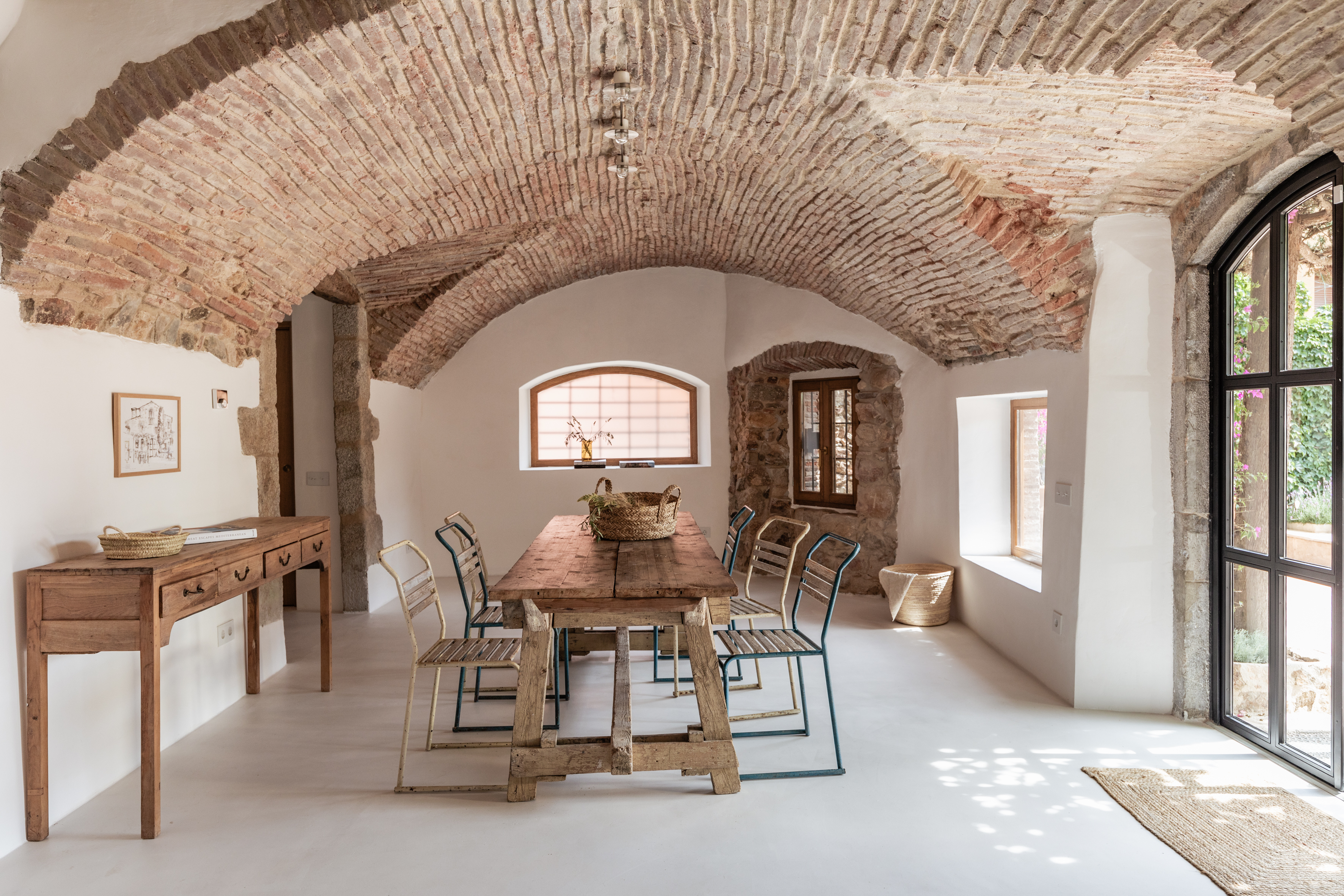
There is a profound, almost spiritual silence that greets you when you step into an 18th-century farmhouse before the saws and sanders arrive. It’s the sound of settled dust, hand-hewn timber, and stories etched into stone. Today, we are witnessing a powerful resurgence of what I call "Modern Heritage." As we look toward 2026, the "Modern Farmhouse" aesthetic is shedding its white-on-white clichés and evolving into the "New Rustic"—a design movement that prioritizes the raw, tactile dialogue between 250-year-old masonry and cutting-edge industrialism.
Restoring a historic farmhouse is not merely a renovation; it is a negotiation with time. The financial incentives are as compelling as the emotional ones. Market analysis for 2026 suggests that property values increase by approximately 18% when these historic bones are preserved and contrasted with high-end modern elements like industrial stainless steel or microcement. This isn't about creating a museum; it’s about creating a lived-in legacy that functions for a 21st-century lifestyle.
Quick Summary: The Balance of Preservation To successfully balance preservation and modernity, one must honor original structural elements—think vaulted brick ceilings and hand-carved stone frames—while introducing functional, contemporary materials. The 2026 trend leans heavily into "New Rustic" elements: moody hues (forest green, navy), mixed material layering (brass meets stainless steel), and the use of artisan lime plaster for a breathable, antibacterial finish.
I. The Foundation: Structural Integrity and Professional Assessment
Before the mood boards and fabric swatches, there is the reality of the "bones." The first, non-negotiable step in any historic adaptive reuse project is a professional structural assessment. You aren't just looking for cracks; you are identifying the soul of the building. Which roof tiles can be salvaged? Are the original chestnut door frames still plumb?
In my experience, the most successful restorations are those that embrace traditional lime-based techniques. Case studies in Mediterranean and European farmhouse restorations indicate that over 70% of historical structural integrity can be maintained through these methods. Unlike modern cement, lime-based mortars allow the building to "breathe," providing natural mold protection and flexibility that prevents the masonry from cracking as the earth shifts.
When planning your infrastructure—HVAC, plumbing, and electrical—the goal is invisibility. We are moving away from dropped ceilings that hide wires but kill the height. Instead, 2026 trends favor "exposed precision": running copper conduits that look intentional or hiding systems within thickened floor joists or custom-built cabinetry.
II. Preserving the Soul: Honoring Original Elements
The magic of a historic farmhouse lies in its imperfections. When we talk about "stripping back," we mean removing the fragmented, low-quality additions of the 20th century to reveal the 18th-century core. It’s a process of subtraction that leads to a much richer addition.
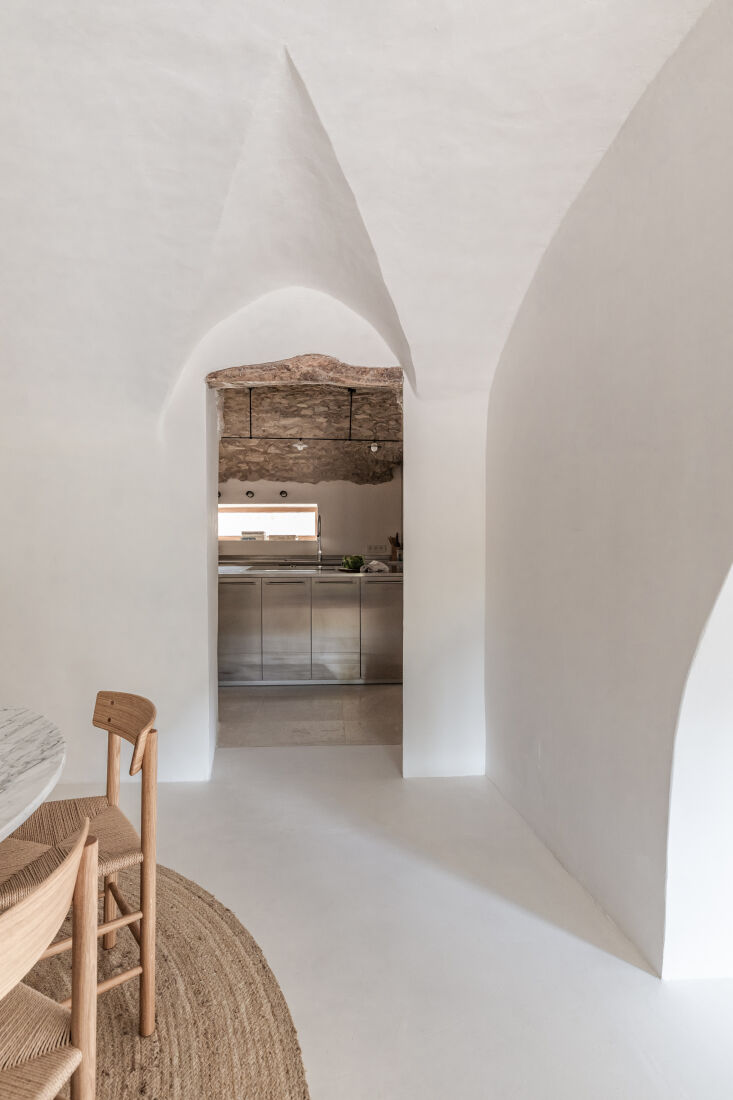
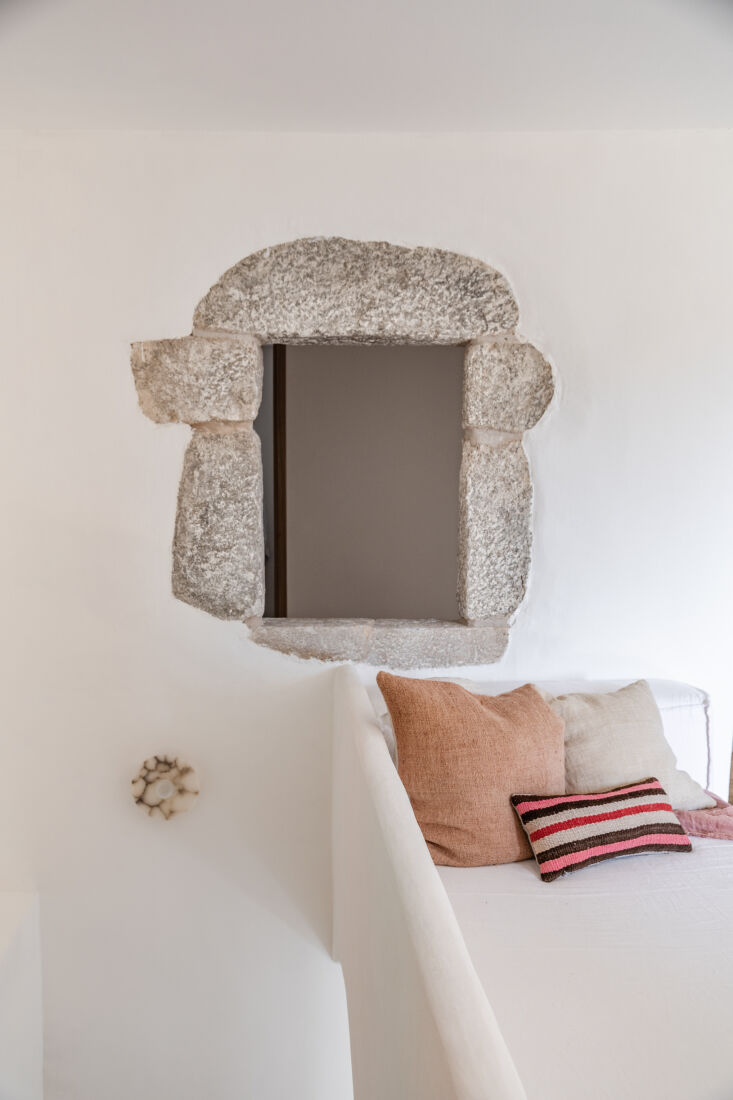
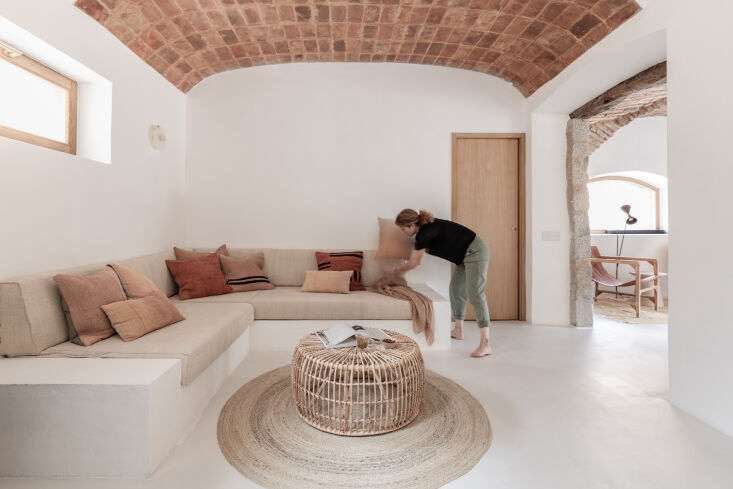
Iconic features like vaulted brick ceilings and stone stairs are the anchors of your design. If you are lucky enough to have hand-carved stone door frames, treat them as fine art. In 2026, we are seeing a shift away from "perfectly smooth" walls in favor of artisan-applied lime plaster. This material isn't just aesthetic; its high pH level makes it naturally antibacterial and antifungal, perfect for the damp-prone environments of older rural homes.
Comparing Wall Finishes: Traditional vs. Modern
| Feature | Artisan Lime Plaster | Standard Gypsum Drywall |
|---|---|---|
| Breathability | High (prevents moisture trap) | Low (can trap mold) |
| Texture | Luminous, tactile, organic | Flat, uniform |
| Durability | Hardens over time (centuries) | Prone to dents and water damage |
| Sustainability | Low carbon footprint, natural | Higher processing energy |
III. The 2026 Modern Twist: Design Trends and Materials
While the shell of the home remains rooted in the past, the interior layers should be unapologetically contemporary. The "Modern Farmhouse" of 2026 is moving away from the bright, sterile palettes of the 2010s and into a "Moody Heritage" phase.
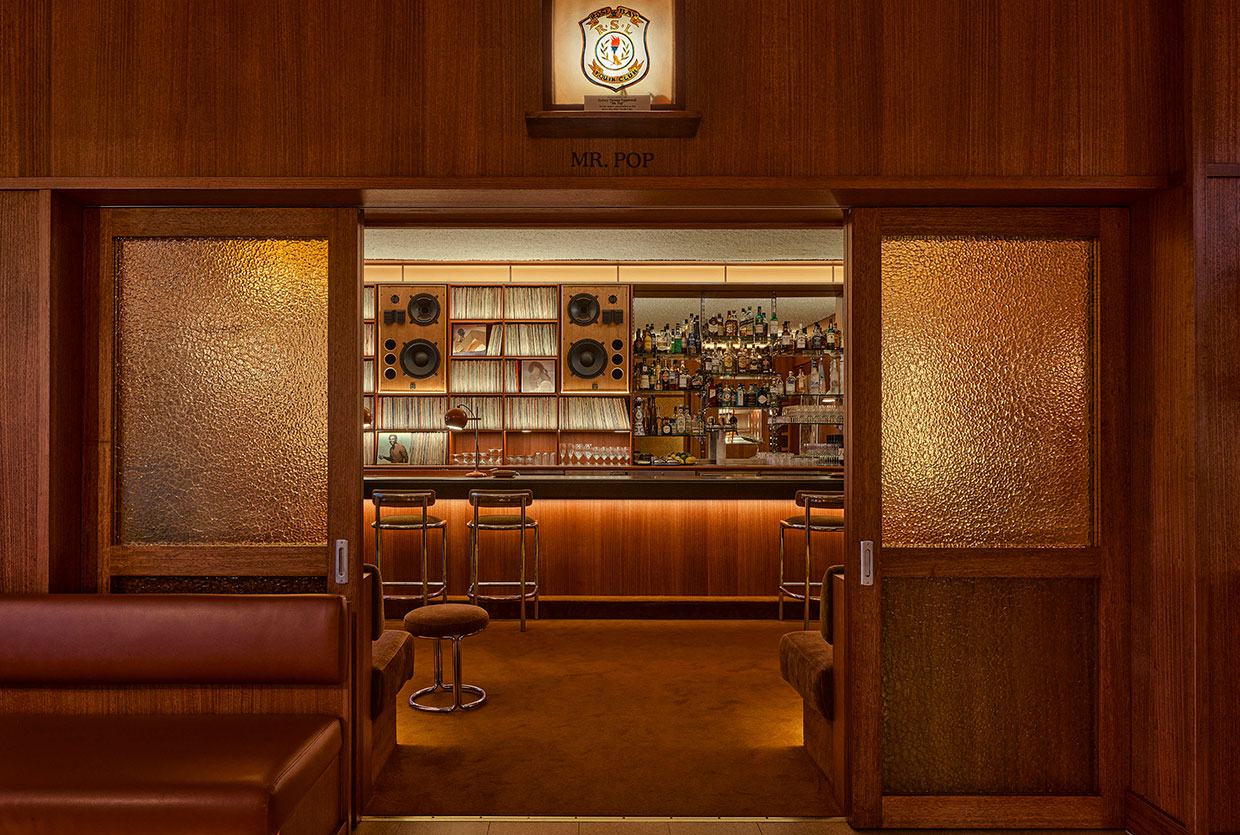
2026 Trend Alert: The New Neutrals We are seeing a surge in deep, atmospheric hues. Think forest green cabinetry, navy libraries, and burnt terracotta accents. These colors don't fight the shadows of an old house; they embrace them, creating a sense of cozy enclosure.
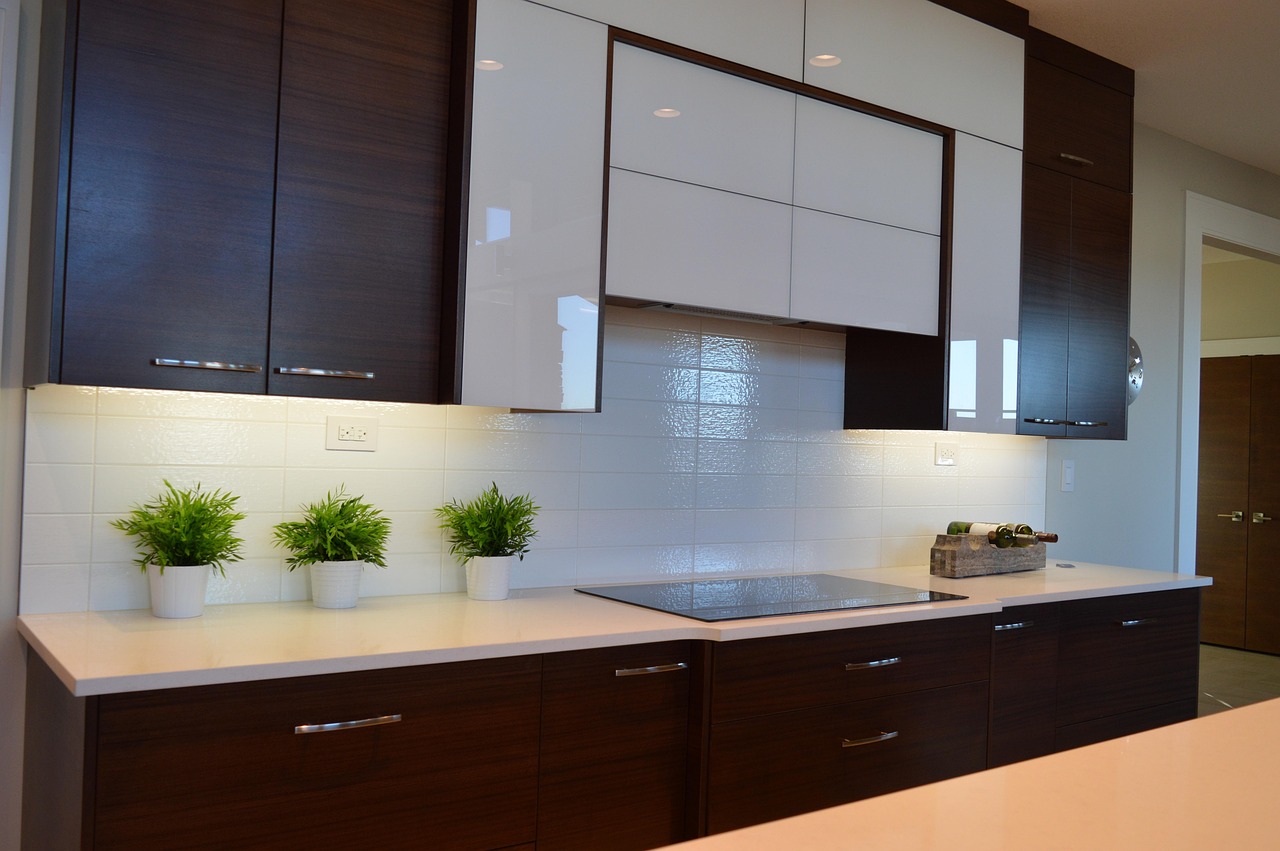
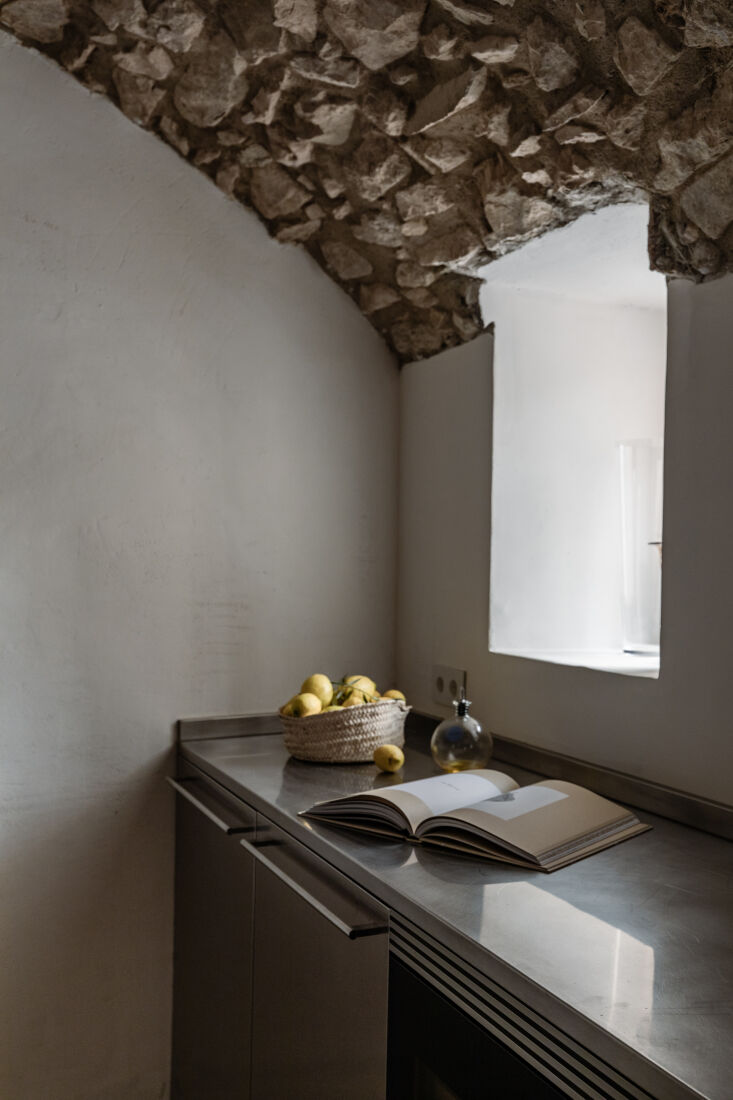
The kitchen, in particular, has become a laboratory for high-contrast material layering. The trend for 2026 is the "Catering Kitchen" look: professional-grade stainless steel workstations set against raw, ancient brickwork. By mixing iron, brass, and wood with industrial steel, you create a space that feels both functional and historical.
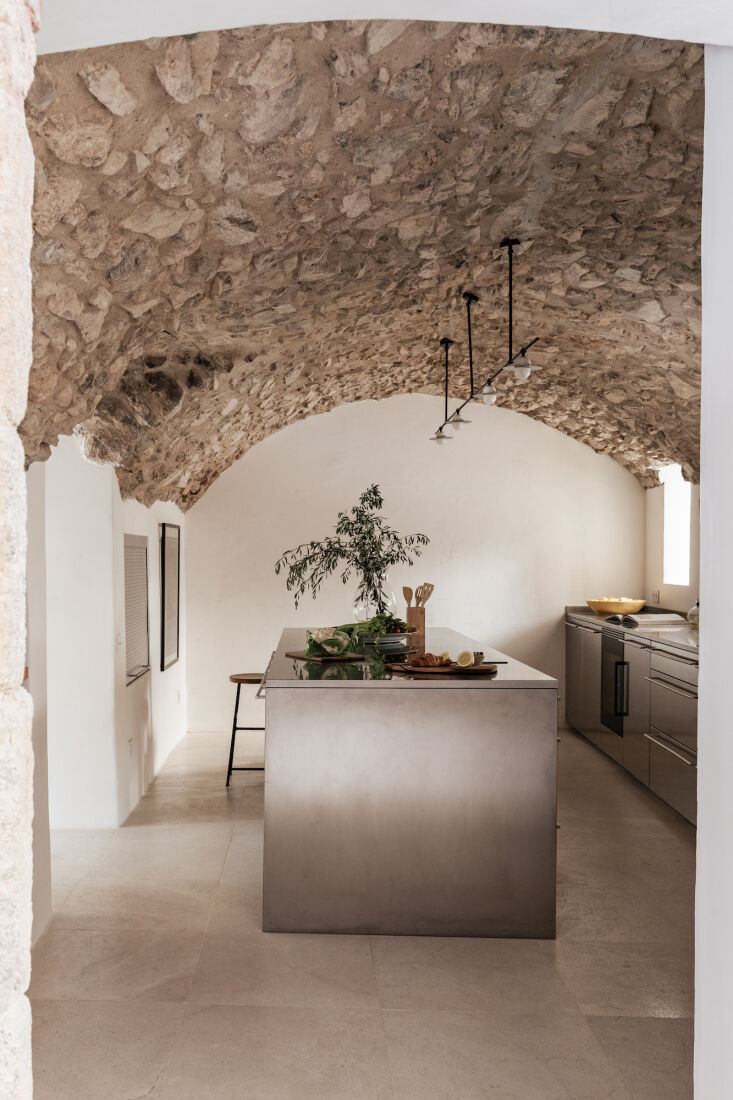
Floorings are also undergoing a revolution. Where once we would try to patch together mismatched old tiles, we are now seeing "Visual Ease" achieved through microcement. This seamless, durable material provides a neutral plane that allows the textures of the stone walls and timber beams to take center stage.
IV. Functional Layouts: The 'Zoned' Open Concept
The "Great Room" concept is evolving. In historic farmhouses, the original layout was often a series of small, dark rooms. While we want to open these up for light, we’ve learned that a completely open plan can feel cavernous and lose the "farmhouse" intimacy.
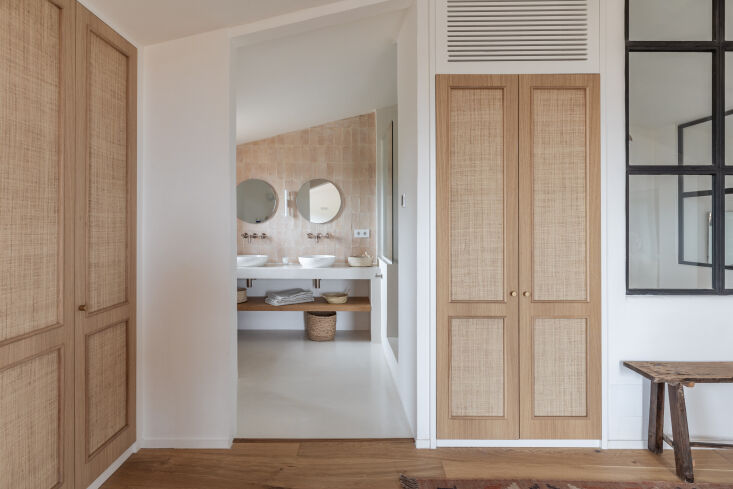
The 2026 solution is the Zoned Open Concept. We use architectural markers—like double-sided fireplaces, internal glass steel doors, or even built-in breakfast nooks—to define spaces without the use of full walls.
- Future-Proofing: Ensure your restoration includes a primary suite on the main level. Multi-generational readiness is a key driver in the 2026 luxury market.
- Seamless Transitions: Connect the historic interior to the landscape with folding glass walls. This leads the eye from the 18th-century hearth to a modern wraparound porch or an outdoor "grilling room."
V. Navigating Challenges: Safety and Sustainability
Every restoration project carries the "ghosts" of its past—and I don’t mean spirits. I mean lead paint, asbestos insulation, and the lack of thermal efficiency. Addressing these is where your budget should first be allocated.
Sustainability in 2026 is about more than just solar panels; it’s about the "circular economy" of building materials. Prioritizing renewable materials like bamboo, cork, and especially salvaged timber from other parts of the property creates a closed-loop design. Using reclaimed wood for floorboards or ceiling joists not only adds character but reduces the carbon footprint of your renovation.
Ivy’s Insider Tip: When dealing with 18th-century insulation issues, look into "hempcrete" or high-performance sheep's wool insulation. These natural materials offer superior thermal regulation while remaining vapor-permeable, which is essential for stone structures.
VI. Conclusion: Creating a Lived-In Legacy
The evolution of the Modern Farmhouse isn't about following a set of rigid rules. It’s about the tension between the old and the new. By preserving the rugged, honest materials of the past and layering them with the sleek, efficient technology of the future, you create a home that feels both grounded and visionary.
As you embark on your restoration journey, remember: personal expression should always triumph over "themed" design. Don’t be afraid to put a 20th-century Saarinen table under an 18th-century vaulted ceiling. Those are the moments where design truly comes alive.
FAQ
1. Is it more expensive to restore an old farmhouse than to build a new "modern farmhouse" from scratch? Generally, yes. Restoration often costs 20-30% more due to the specialized labor required for lime plastering and structural stabilization. However, the 18% increase in market value for authentic historic homes often offsets this initial investment, offering a better long-term ROI.
2. How do I make an 18th-century stone house energy efficient without losing its character? Focus on "The Three E’s": Windows, Wool, and Wood. Replace sashes with high-performance double-glazing that fits original frames, use natural sheep's wool insulation in the attic, and seal drafts with high-quality timber weatherstripping.
3. What is the most important 2026 trend to include in a farmhouse restoration? If you choose only one, go for "Mixed Material Layering." Moving away from matched sets and toward a curated blend of industrial metals (like stainless steel) and organic textures (like lime plaster) is the hallmark of the "New Rustic" era.