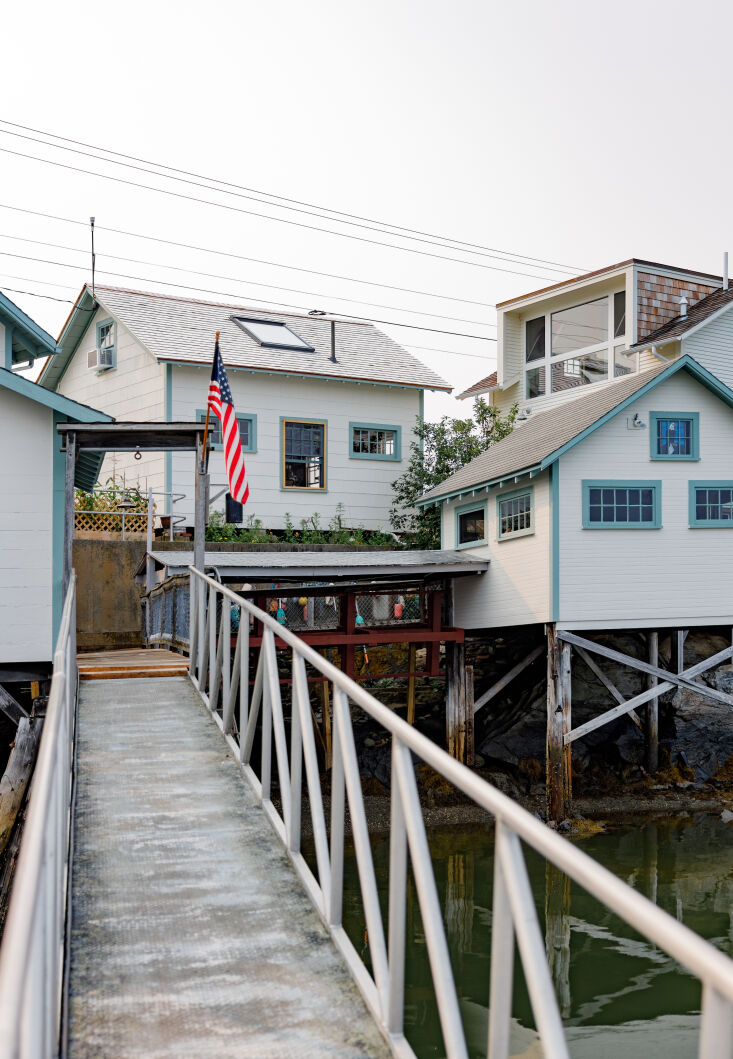
There is a specific, salt-crusted magic that clings to the Maine coast, particularly as you wind your way 40 miles north of Portland toward Harpswell. Here, the air carries the scent of tidal mud and pine needles, and the architecture tells stories of a century spent hauling treasures from the cold Atlantic. For decades, a small, weathered structure known as "Ben’s Lobsters" served as a commercial lobster pound and a ferry stop for day-trippers. Today, thanks to the vision of architect Blake Civiello and designer Lili Liu, it has been reborn. Known as "The Galley," this 100-year-old shack has been meticulously transformed into a functional summer kitchen that celebrates its utilitarian roots while embracing a sophisticated, organic modernism.
The Legend of the Harpswell 'Galley': From Lobster Pound to Summer Sanctuary
The story of the Galley begins with its patina—a silver-gray cedar exterior and a structural honesty that only a century of coastal weather can provide. Originally a destination for ferry passengers, the building functioned as a commercial hub for the local lobster industry. When the renovation began, the goal wasn't to erase this history but to frame it within a modern context.
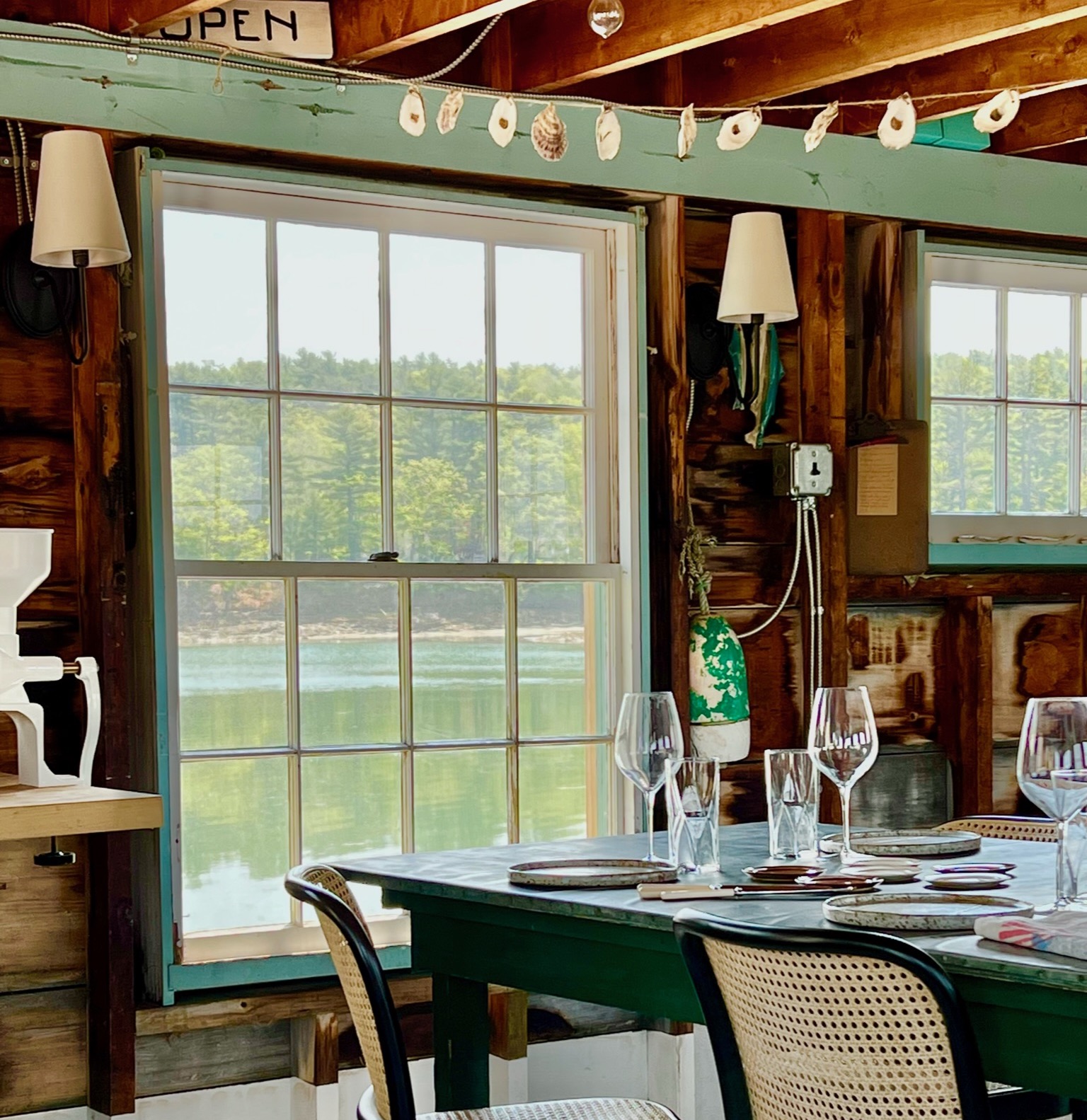
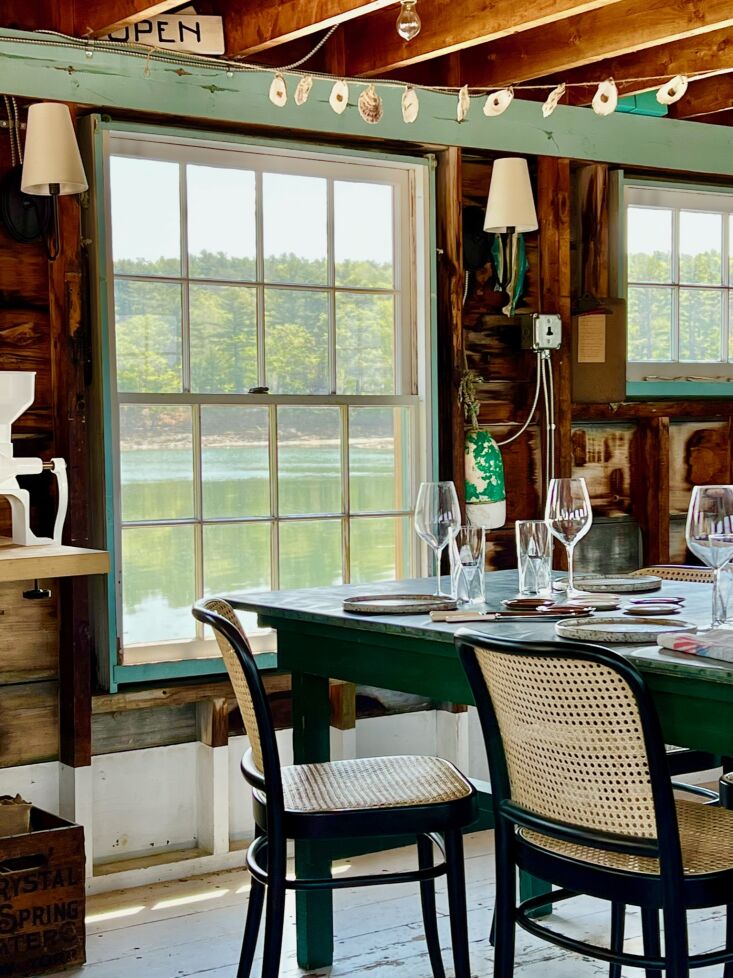
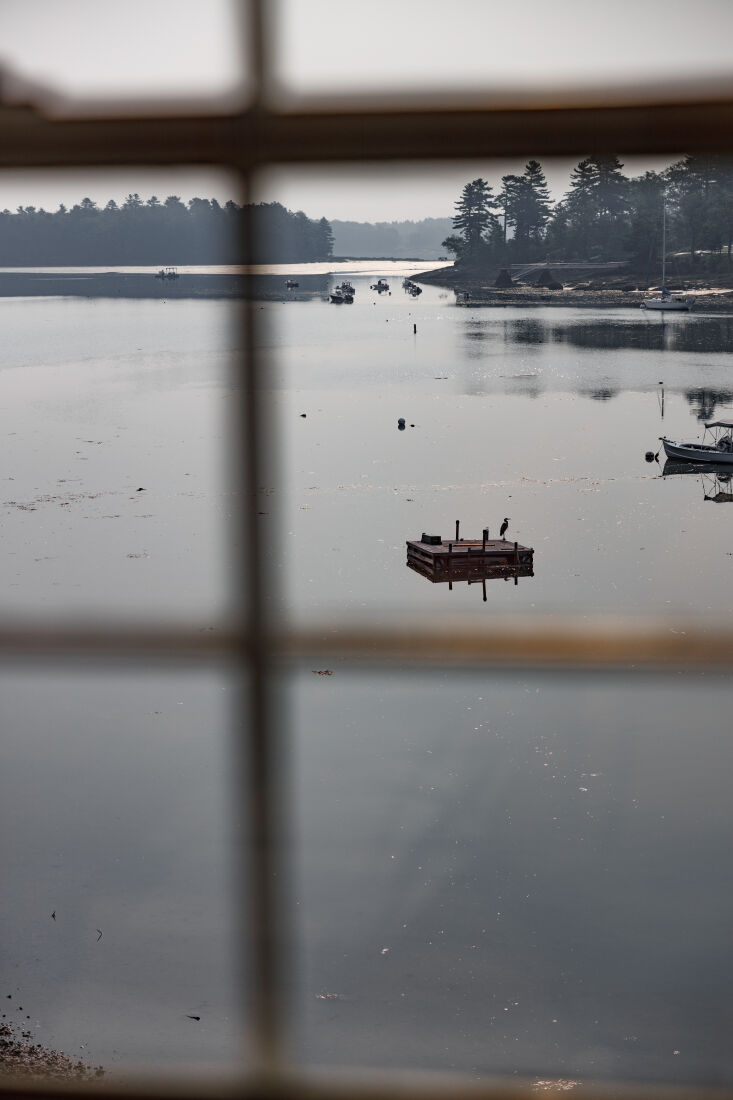
Stepping onto the property, you are greeted by a sensory scene: empty wineglasses resting on weathered wood, the distant chime of halyards against masts, and the faint crunch of oyster shells underfoot. The renovation preserves the building's original "tank imprint"—the ghost of where lobster vats once sat—while opening the space to the expansive views of the Harpswell waterfront. It is a masterclass in adaptive reuse, proving that even the most hardworking commercial structures can find a second, more languid life as a residential retreat.
Engineering the Transformation: How to Convert a Historic Shack
Converting a structure designed for crustaceans into one designed for culinary entertaining is no small feat. It requires a delicate balance of preservation and modern infrastructure. To transform a historic lobster shack into a kitchen, one must look beyond the aesthetics and solve the fundamental challenges of "seasonal" living.
The Technical Checklist for Adaptive Coastal Reuse:
- Seasonal Utilities: Unlike a year-round home, this structure requires seasonal water and sewer lines that can be drained to prevent freezing during Maine’s harsh winters.
- Power & Propane: Bringing the building up to code involved installing a robust electrical system and propane heating to extend the "shoulder season" from May through Thanksgiving.
- Structural Integrity: Maintaining the original character meant reinforcing the century-old bones without losing the "workhorse" aesthetic. The interior walls were often left exposed to highlight the architectural skeleton.
Pro-Tip: The "Wet-Dry" Balance When renovating a waterfront structure, prioritize materials that can handle high humidity. Marine-grade plywood, stainless steel, and naturally rot-resistant woods like cedar or teak are your best allies in a coastal environment.
Design Breakdown: Utilitarian Meets Artisanal
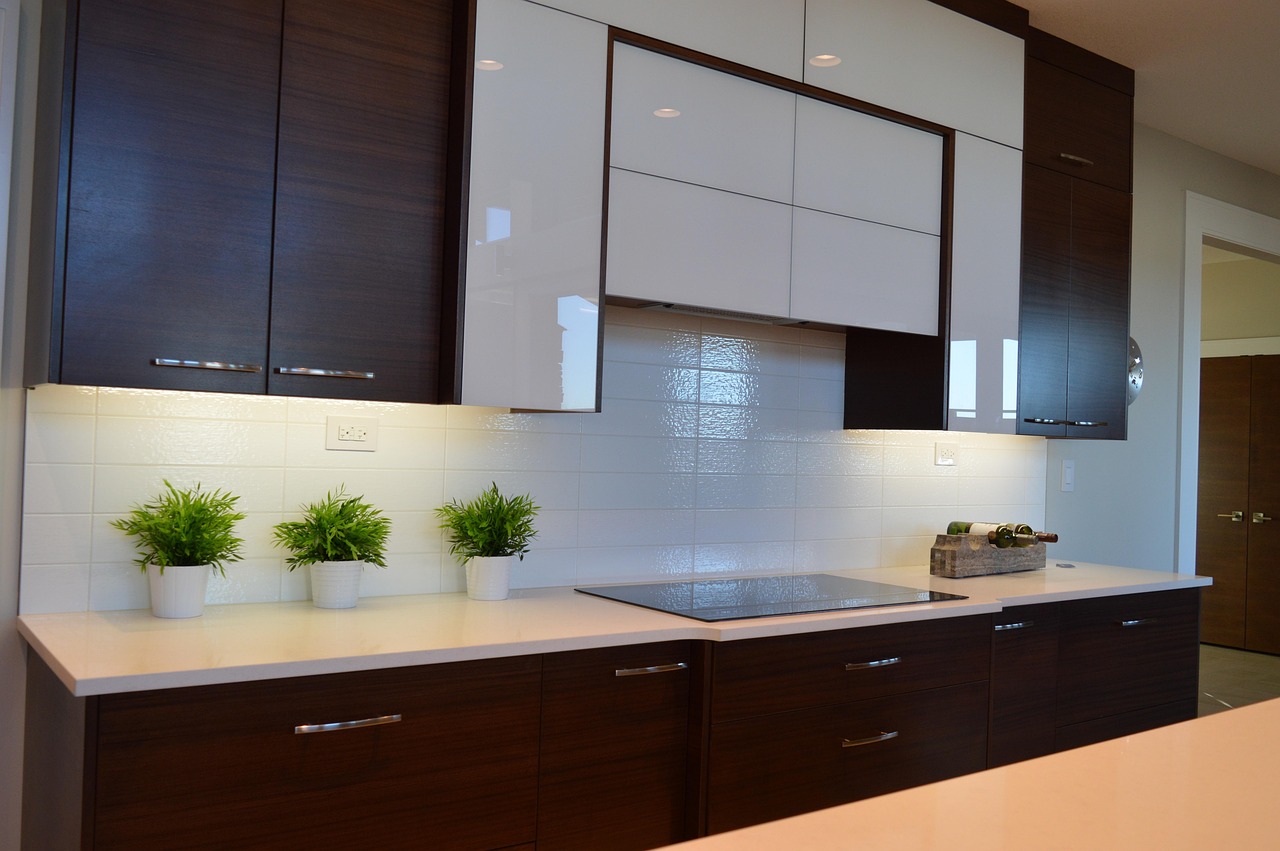
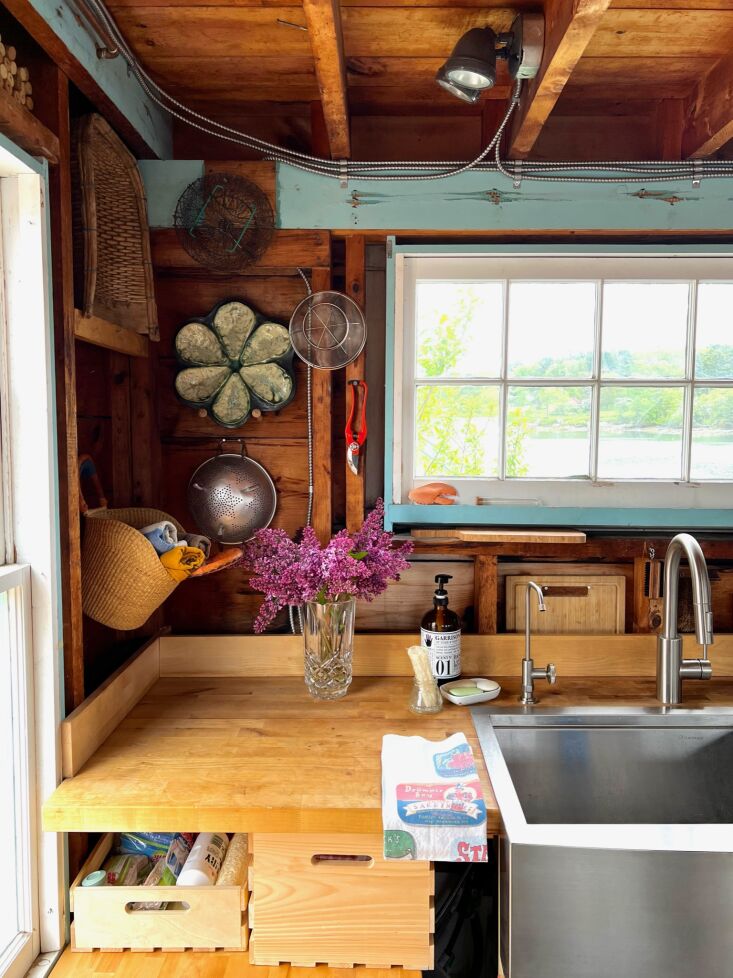
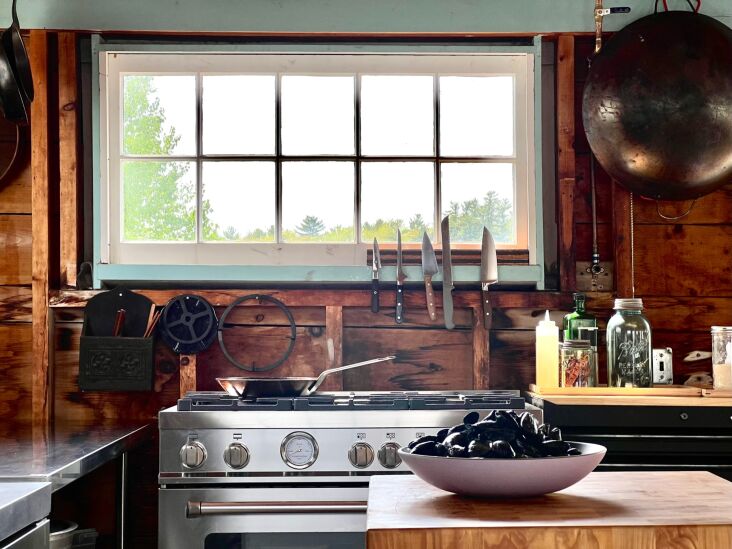
Inside the Galley, the design philosophy is one of "refined utility." Lili Liu opted for a kitchen that feels less like a showroom and more like a high-functioning workshop. The "Workhorse" setup is anchored by massive stainless steel sinks—reminiscent of industrial fish-cleaning stations—and a family-sized Italian range that serves as the heart of the room.
The cabinetry is a nod to the building’s past, featuring utilitarian toolbox-style drawers that slide out to reveal neatly organized kitchen tools. Contrast is key here: the cold, sterile gleam of the Italian range is softened by the warmth of thick wooden countertops and handmade wooden spoons. This blend of the industrial and the artisanal ensures the space feels grounded in its heritage.
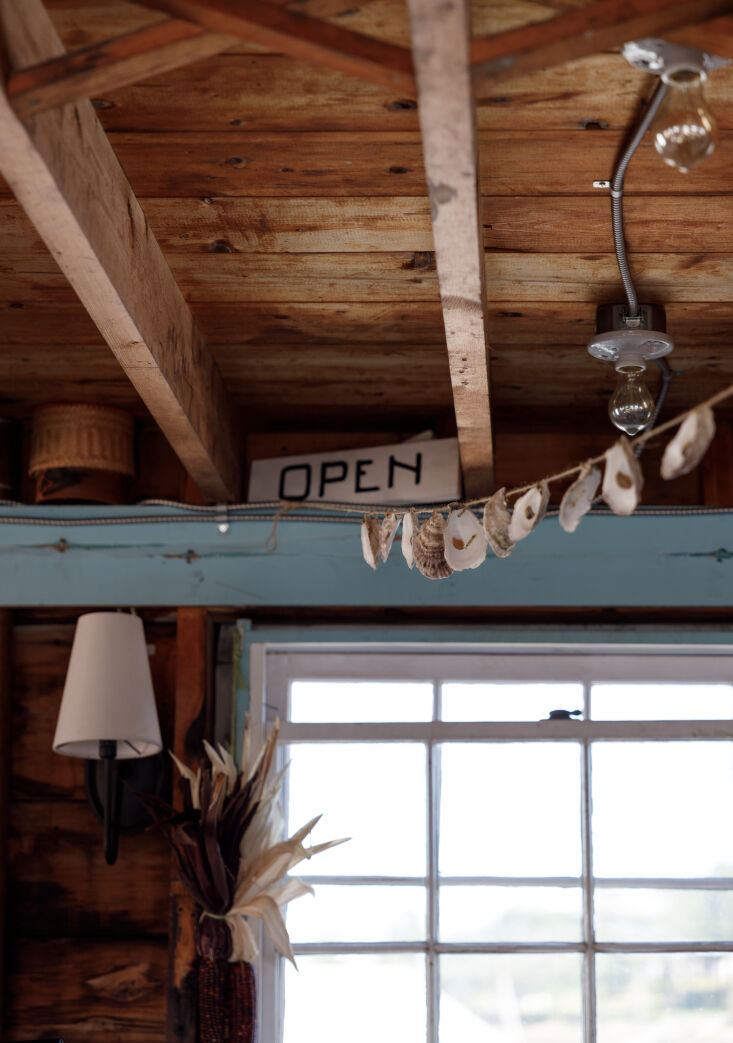
Decorating with provenance was a priority. Rather than sourcing generic coastal decor, the owners integrated local maritime history. Stringed oyster shells, vintage fishing tools found on-site, and weathered boards were repurposed into art pieces. It is a design that feels earned rather than bought.
2026 Coastal Design Trends: Applying Organic Modernism to Maine
As we look toward 2026, the "Maine Look" is evolving away from nautical clichés (think less navy blue anchors, more textural depth). The Galley perfectly encapsulates these upcoming trends:
- Elevated Coastal Neutrals: Moving beyond stark white, we are seeing a shift toward "Nantucket Fog" grays and sandy beiges that reflect the soft, diffused island light.
- Biophilic Integration: This involves bringing the outdoors in—not just with plants, but with materials. Reclaimed driftwood and local stones are used to create a seamless transition between the kitchen and the shoreline.
- Sustainable and Eco-Mindful Furnishings: With a focus on longevity, there is a move toward low-VOC finishes and reclaimed wood that can withstand the unique challenges of coastal humidity and salt air.
Resilience and Restoration: The Future of Maine’s Coastal Architecture
The renovation of the Galley isn't just a private luxury; it’s a small part of a larger conversation about the Maine coastline. The Maine Coastal Program’s Strategic Outlook for 2026-2030 involves over 400 practitioners from 80 municipalities, all focused on regional scale restoration planning and wetland health.
Adaptive reuse, like converting this lobster shack, is a vital strategy for coastal hazard mitigation. By repurposing existing structures rather than building new footprints on the fragile shoreline, homeowners can reduce their environmental impact while preserving the historic character of their communities. Balancing development with the health of the 5,408 miles of Maine coastline is the new gold standard for coastal living.
| Feature | Historical Function (Ben's Lobsters) | Modern Use (The Galley) |
|---|---|---|
| Primary Zone | Commercial Lobster Pound | Summer Kitchen & Dining |
| Storage | Fishing Gear & Bait | Integrated "Toolbox" Cabinetry |
| Water Access | Commercial Saltwater Tanks | Deep Stainless Utility Sinks |
| Seasonality | Year-round Industrial Use | May - Thanksgiving Residential |
| Atmosphere | Hardworking & Gritty | Refined Organic Modernism |
Essential Features of a Functional Summer Kitchen
A summer kitchen in Maine needs to do more than just look good—it has to facilitate the specific rituals of a coastal August.
- The 'Morning Bar' Concept: A dedicated corner for tea, coffee, and cereal allows guests to help themselves as the sun rises over the water, keeping the main cooking area clear.
- The 'Great Big Island': In the Galley, the central island is the stage. It serves as a prep station, a buffet for the kids, and a gathering spot for evening drinks.
- The Ritual of the Lobster Boil: No Maine kitchen is complete without the ability to host a traditional boil. With the shack located directly on the dock, the harvest goes from the boat to the pot in a matter of yards.
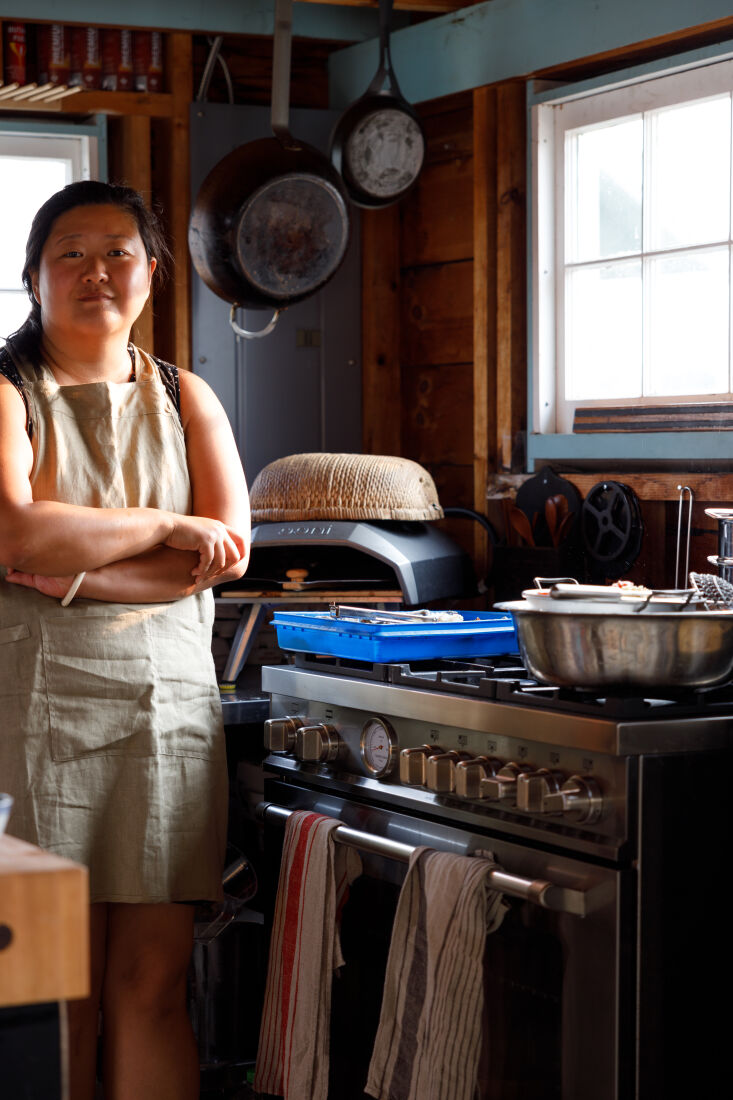
As the sun begins to dip lower in the sky and the first hints of a September breeze arrive, the ritual of the Galley changes. The screens are battened down, and the focus shifts to the warmth of the range. This structure, which has stood for a century, continues to serve as a beacon of resilience and beauty.
FAQ
Can any old coastal shed be converted into a kitchen? While many structures have the potential, the key is the "bones." A structural engineer should assess the foundation and framing to ensure it can support the weight of modern appliances and meet local building codes for coastal zones.
What is the best way to maintain the 'patina' of old wood in a kitchen? To preserve the weathered look of old wood while making it food-safe, use a high-quality matte sealer or a natural wax finish. Avoid high-gloss varnishes, which can make historic wood look like plastic and hide the very character you’re trying to save.
How do you handle coastal humidity in a seasonal building? Ensure adequate cross-ventilation through well-placed windows and vents. In the off-season, utilize moisture-absorbing products and ensure all water lines are fully blown out to prevent mold and pipe bursts.