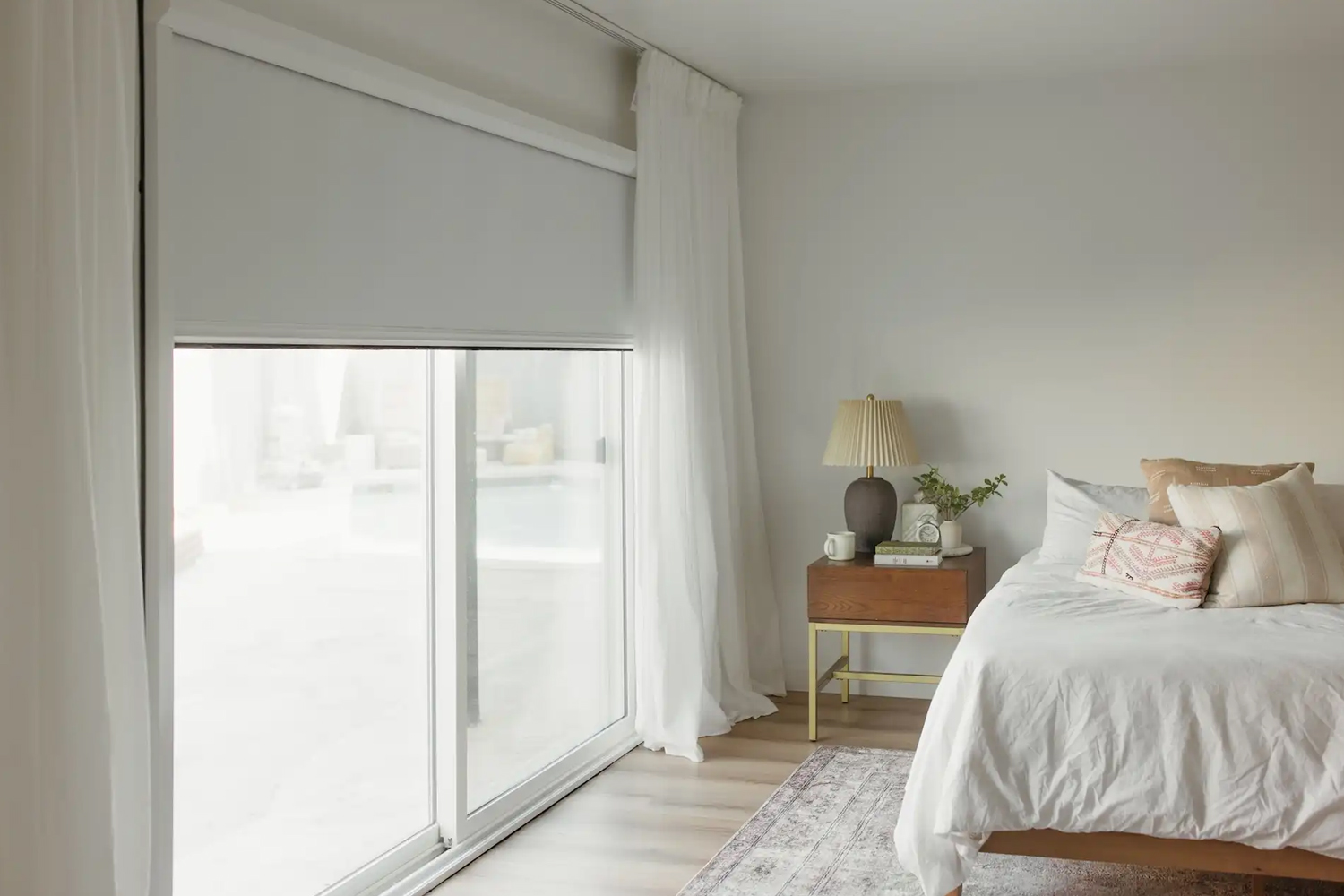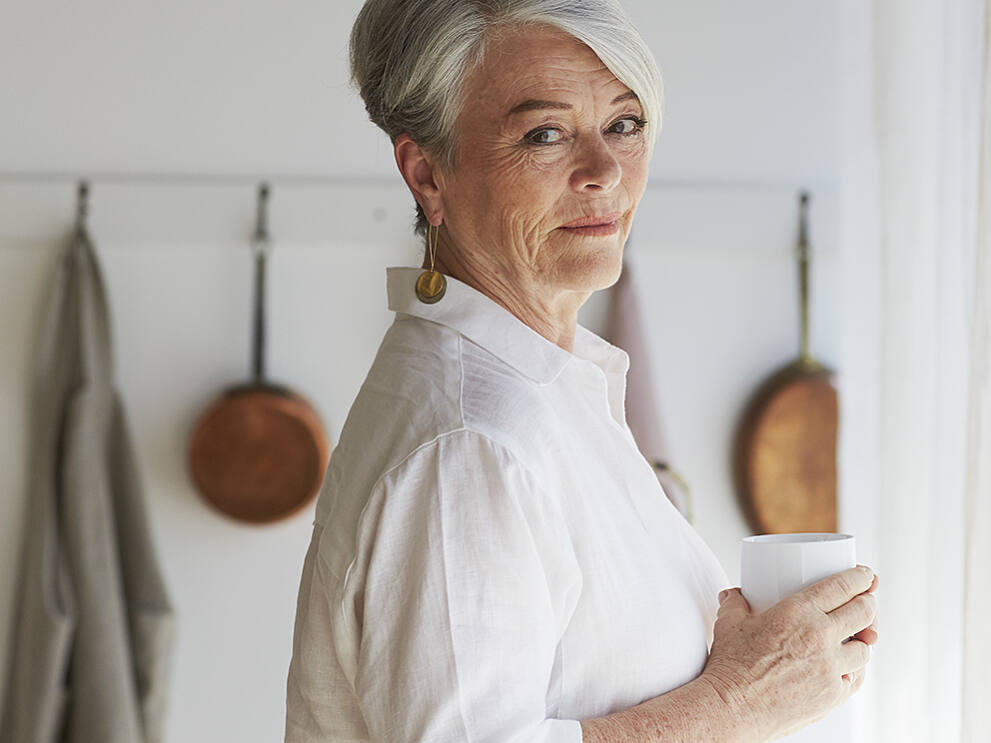
For many of us, the phrase "Coastal Grandmother" arrived as a digital whirlwind—a TikTok-fueled fascination with cream-colored cardigans, bucket hats, and the perceived effortless life of a Nancy Meyers protagonist. But for those of us who have followed the work of Tricia Rose, the founder of Rough Linen, this "trend" is merely a surface-level label for something far more profound. It is a philosophy of maturity, a selective way of being that prioritizes the sensory over the spectacular and the enduring over the ephemeral.
In a world increasingly cluttered by fast furniture and "micro-trends" that expire in a fiscal quarter, Tricia Rose offers a refreshing antithesis. She represents the "woman of confidence"—someone who has moved past the need for approval and instead chooses elements like heavy linen, weathered wood, and the luxury of time. To her, the Coastal Grandmother aesthetic isn't a costume; it is the art of knowing exactly who you are and what you need to feel at home in your own skin.
The Philosophy of Mindful Living: Winnowing the Wheat from the Chaff
Mindful living is often marketed as an addition to our lives—buy this candle, attend this retreat. However, Rose suggests it is actually a process of subtraction. She calls it "winnowing the wheat from the chaff." It is the intentional act of evaluating every object in your home and asking if it serves a functional purpose or provides a genuine emotional resonance.
Market analysis indicates a staggering 62% increase in consumer preference for "slow-living" home goods between 2022 and 2026. This shift signifies a collective exhaustion with disposable furniture. We are seeing a definitive turn toward heirloom-quality pieces—items that don't just occupy space but gather history. Practicing mindful living at home begins with this winnowing process: donating the mediocre to make room for the "elementals."
Fast Fact: The shift toward slow-living isn't just a mood; it’s a market movement. 62% of modern buyers now prioritize durability and provenance over immediate availability when furnishing their primary residences.
Identifying Your "Elementals"
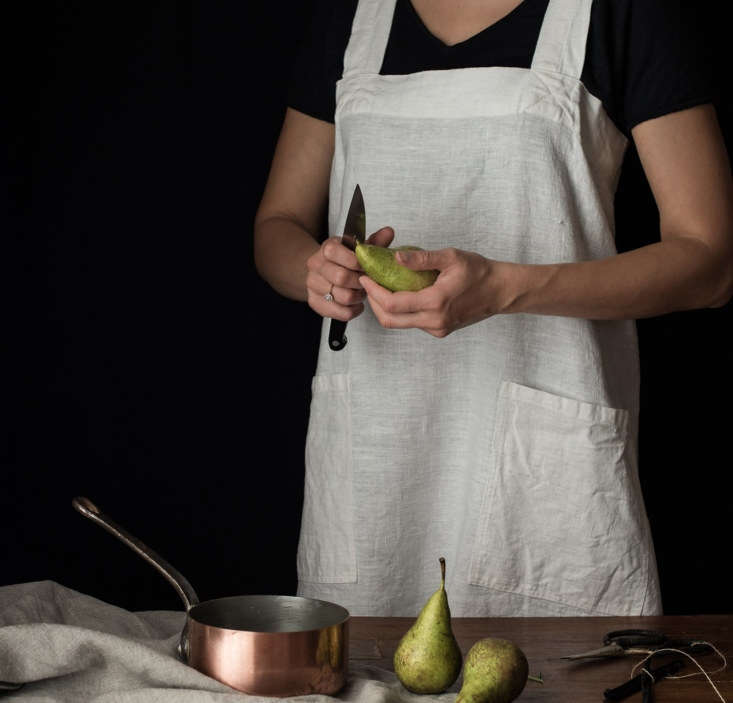
To curate a home that feels grounded, we must identify the core components that dictate our daily comfort. These are what Tricia Rose refers to as "elementals."
- The Textiles: Heavyweight linens that soften with every wash.
- The Surface: A solid wood table that can withstand a spilled glass of wine or a lifetime of morning coffees.
- The Light: Natural illumination supplemented by warm, low-level lamps rather than harsh overhead LEDs.
- The Living: Fresh flowers, seasonal fruit, and "real" bread—items that remind us of the passing of time and the beauty of the natural world.
The Materiality of Quality: Why Linen is the Ultimate Elemental
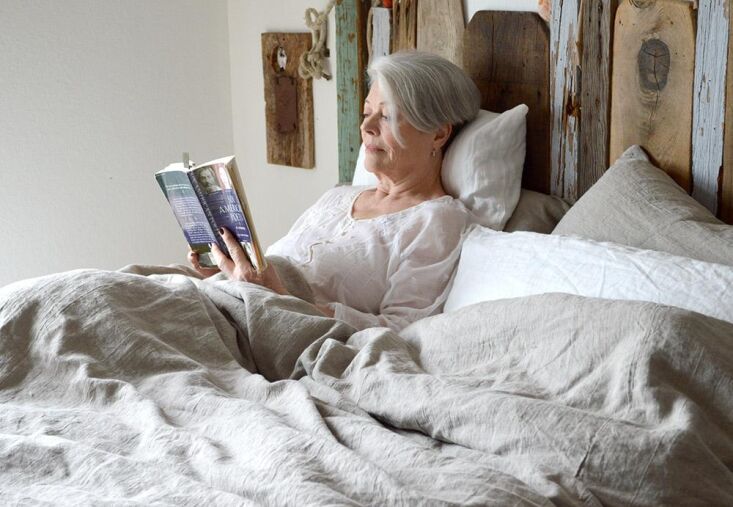
When we discuss quality in 2026, we are moving away from "glitz" and toward "texture you can feel." There is a specific science to the comfort that Tricia Rose has championed for over a decade. Natural linen isn't just a stylistic choice; it is a functional one. Research shows that incorporating natural linen and organic textures into bedroom design can improve perceived sleep quality by up to 25% compared to synthetic alternatives.
This improvement is largely due to linen's unique thermoregulating properties and its ability to wick moisture. But not all linen is created equal. While mass-market brands offer thin, flimsy weaves, Rough Linen’s signature Orkney fabric boasts a 260 GSM (grams per square meter) weight. This specific density is set to become the 2026 industry standard for luxury textiles. It provides an invigorating texture that feels substantial against the skin, offering a sense of security and "home" that thinner fabrics simply cannot replicate.
Designing for 2026: From Bedroom Sanctuaries to Productive Offices
As we look toward the interior design landscape of 2026, the definition of quality has evolved. It is no longer just about the price tag; it is the intersection of durability, natural materials, and emotional resonance. We are designing for "future vintage." This means choosing brands like Minotti for furniture silhouettes that will look as relevant in thirty years as they do today, paired with the tactile softness of Rough Linen textiles.
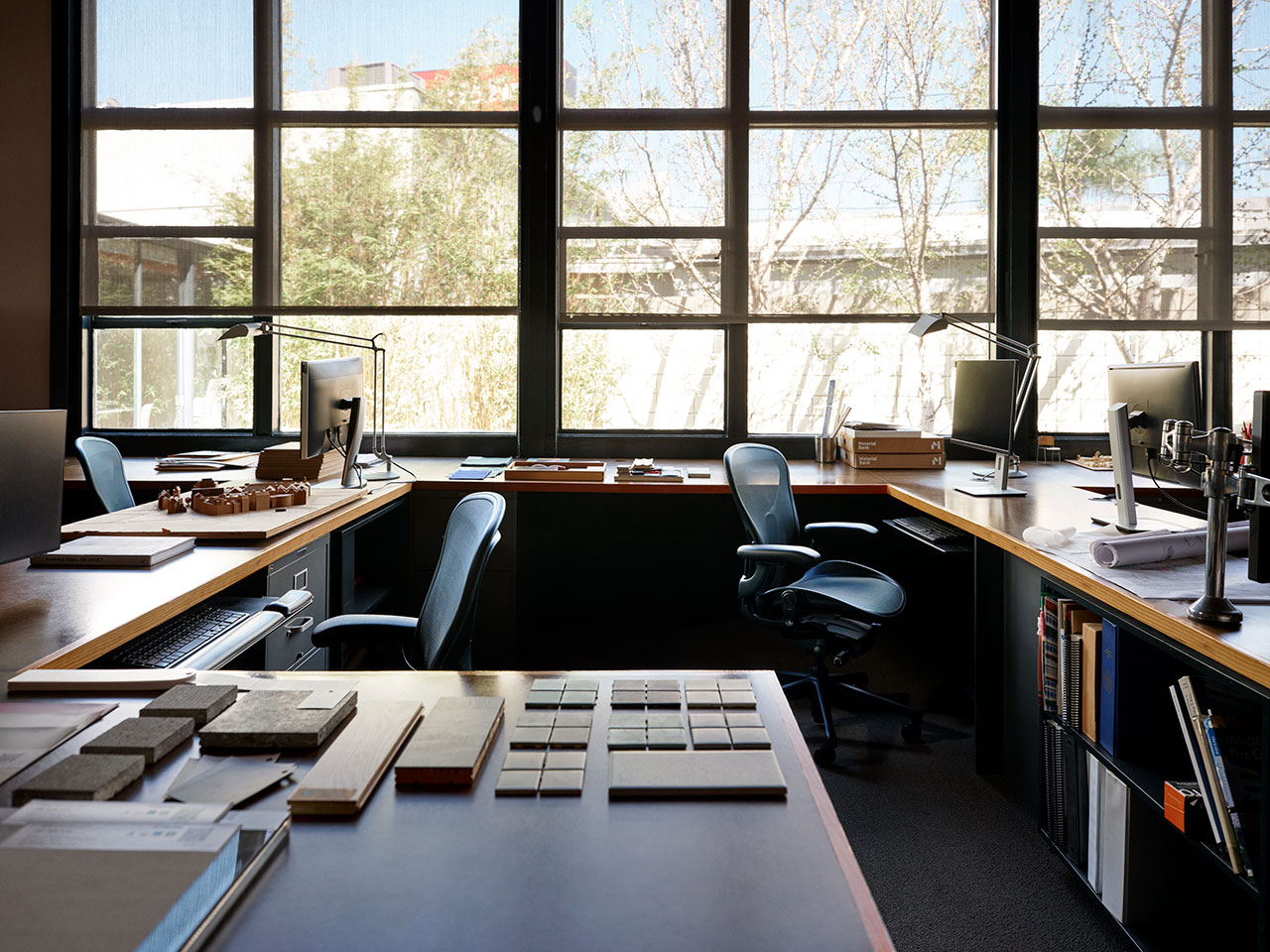
The "modern" home of 2026 prioritizes the sensory experience. We see this in the resurgence of "the novel writer's desk"—a home office setup that rejects the sterile, corporate look in favor of heritage textiles, heavy brass paperweights, and a view of the garden.
| Feature | Conventional Design | 2026 Mindful Design |
|---|---|---|
| Primary Material | Synthetic blends / MDF | Solid wood / Stone / 100% Linen |
| Color Palette | Trend-driven (e.g., "Peach Fuzz") | Earthy neutrals with intentional accents |
| Longevity | 3-5 years (Disposable) | 20+ years (Heirloom quality) |
| Focus | Visual "Instagrammability" | Sensory comfort and "Slow Living" |
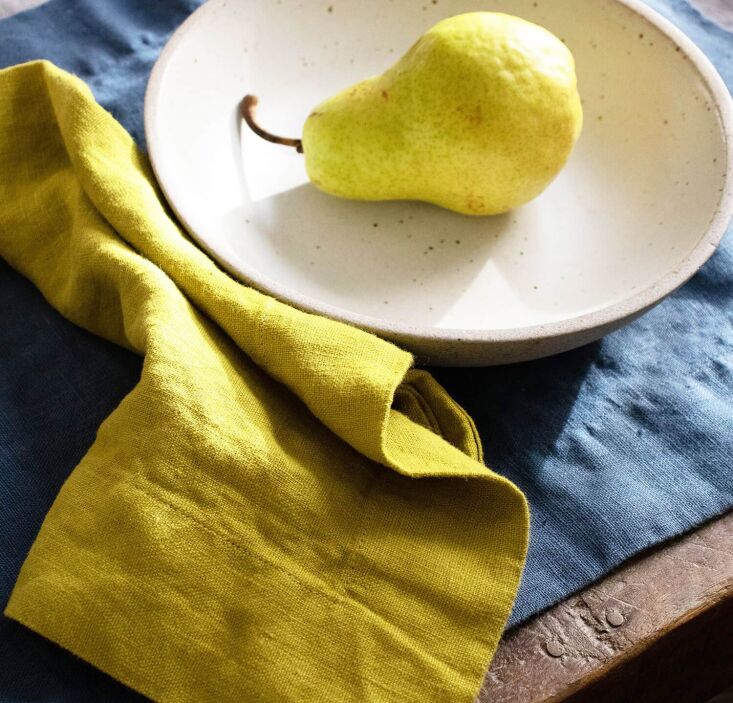
Creating the 2026 Sanctuary
To achieve this look, focus on layering "elementals" that speak to the senses:
- Start with a Base of Texture: Use a 260 GSM linen duvet as the anchor for your bedroom.
- Incorporate Natural Wood: A bedside table or a desk with a visible grain connects the indoors to the outdoors.
- Use Light Deliberately: Avoid "big lights." Use small, shaded lamps to create "pools of light" that encourage relaxation.
- Add Intentional Color: While the palette is often neutral, a single vase of deep ochre or a vibrant textile can prevent the space from feeling clinical.
Living 'Bien Dans Sa Peau': Daily Rituals of Quality
Ultimately, Tricia Rose’s philosophy culminates in the French concept of bien dans sa peau—being comfortable in one's own skin. This isn't just about the sheets you sleep on; it's about the quality of the life you lead within those sheets. It is a non-elitist approach to the very best materials.
Choosing quality means choosing "real" over "glitz." It is the difference between a high-speed, pod-based coffee and the ritual of a French press. It is the choice of real sourdough from a local bakery over mass-produced loaves. These small, daily rituals are elevated by the objects we use to facilitate them. A simple linen napkin or a heavy stone mug can turn a Tuesday morning breakfast into a moment of mindful appreciation.
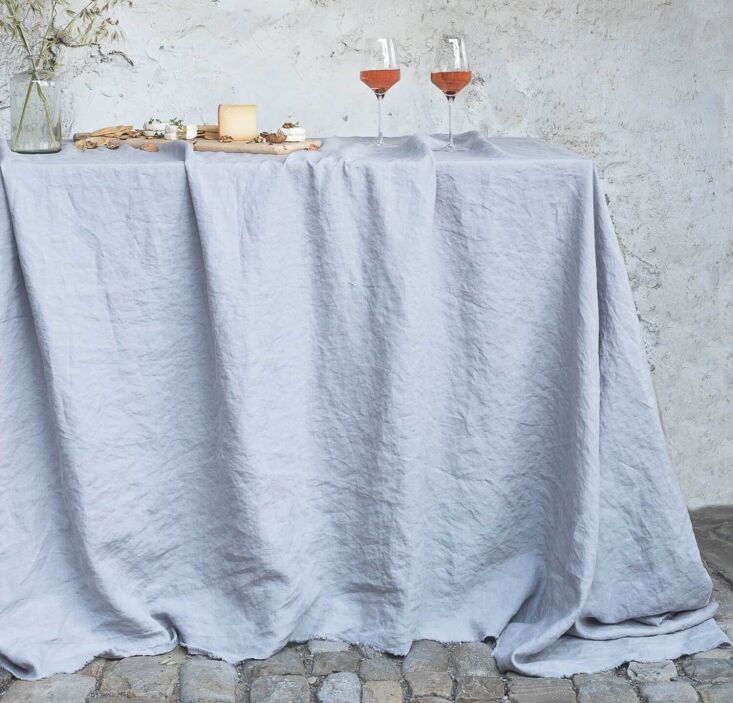
We find that when we invest in quality, we naturally take better care of our things—and, by extension, ourselves. By choosing pieces with provenance and heritage, we stop chasing the next trend and start building a life that feels authentic.
FAQ
Q: Is linen bedding difficult to care for? A: Not at all. High-quality linen, like the 260 GSM Orkney fabric, is incredibly durable. It actually benefits from regular washing, becoming softer and more supple over time. We recommend washing in cold or lukewarm water and tumble drying on low or hanging to dry for that classic, lived-in texture.
Q: How can I start "winnowing" if I have a lot of clutter? A: Start small. Choose one category—perhaps your kitchen linens or your bedside table. Remove everything and only put back the items that are "real" and functional. If you haven't used an item in a year or if it feels "disposable," it’s time to donate it.
Q: Can I achieve the 'Coastal Grandmother' look on a budget? A: Absolutely. This aesthetic is about selectivity, not wealth. Focus on "elementals." One high-quality linen pillowcase or a single hand-carved wooden bowl is better than a room full of cheap decor. Visit thrift stores for "real" materials like solid wood and brass, and invest your budget where your skin touches the fabric—your bedding.
Curating Your Home for 2026
As we move toward a new era of interior design, let us move away from the noise of the "now" and toward the quiet resonance of the "always." Whether you are redesigning a guest room or simply looking for a more mindful way to start your day, remember that quality is an emotional investment.
Choose the heavy linen. Buy the real bread. Winnow the wheat from the chaff. Your home—and your well-being—will thank you.