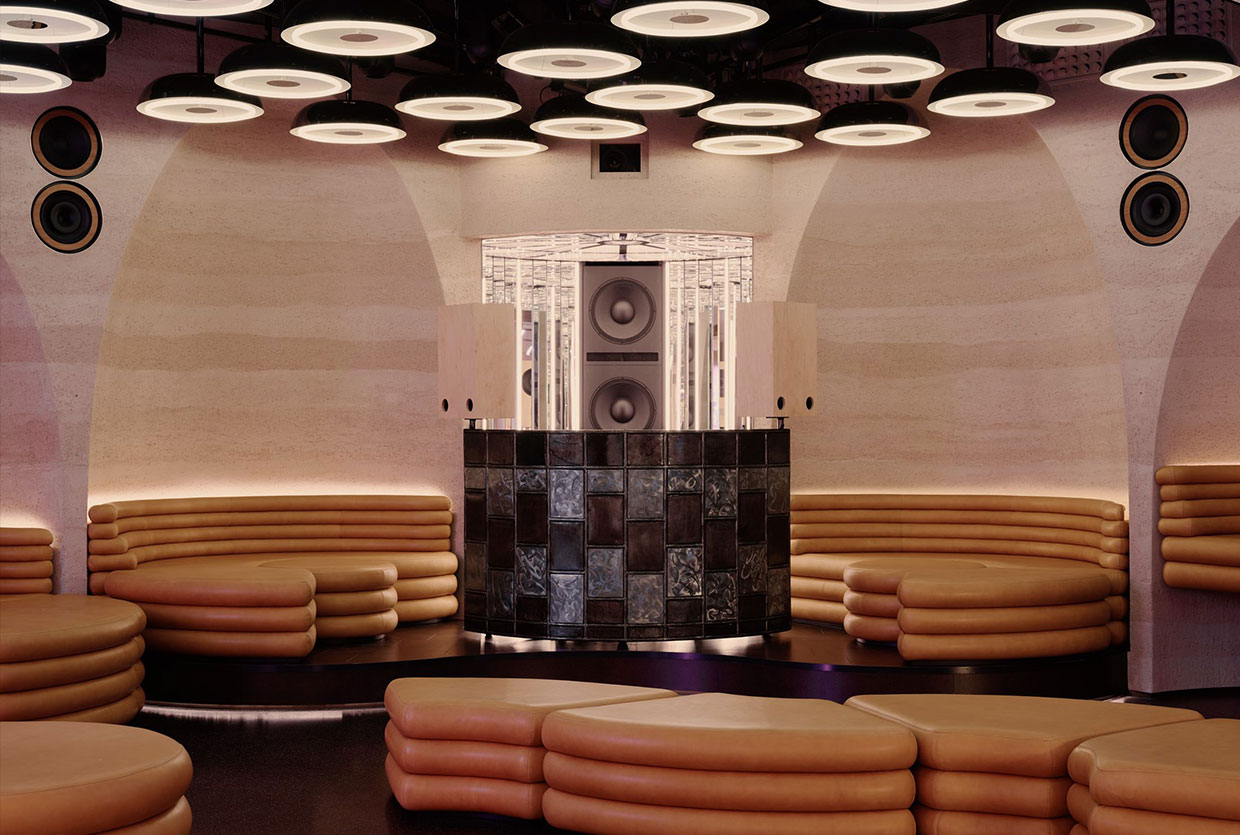
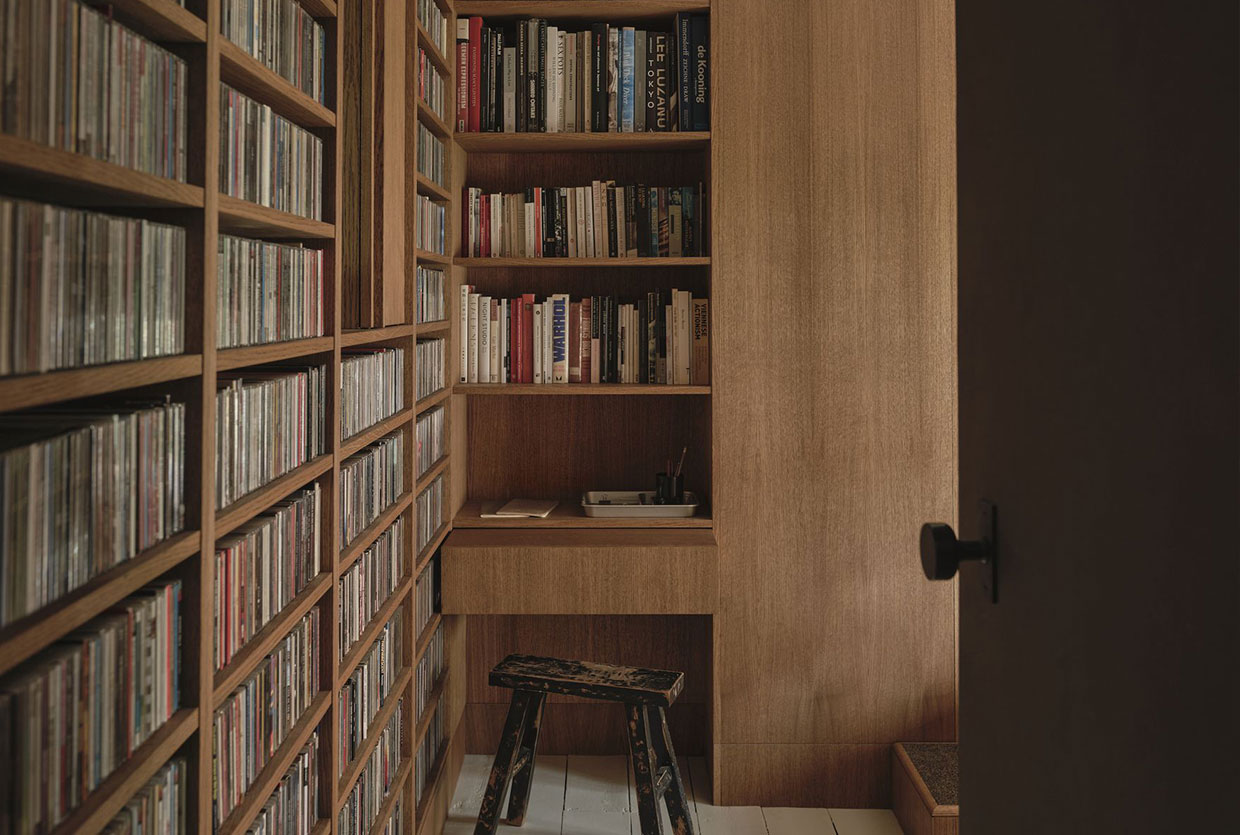
When we think of the modern corporate headquarters, our minds often jump to glass skyscrapers, sterile cubicles, or perhaps the tech-bro clichés of bean bags and ping-pong tables. However, the future of work might just be found in a much humbler setting: the neighborhood diner.
At Kokuyo’s innovative "Dig" office in Tokyo, the Japanese design giant has eschewed the traditional "Open Plan" for something far more nuanced. They looked at the layout of 24-hour family restaurants—those ubiquitous hubs of late-night study sessions and casual business meetings—to solve a modern crisis: the death of spontaneous curiosity in the workplace. The core philosophy here is simple but profound: you cannot mandate curiosity, but you can certainly build a stage where it is likely to perform.
The Secret Sauce: Why 'Family Restaurant' Layouts Work
The "Family Restaurant" model works because it masters the tension between the 'monastic' and the 'communal.' In a typical office, you are either "at your desk" (visible and interruptible) or "in a meeting room" (hidden and formal). The family restaurant layout introduces a third space—the high-energy booth or the window-side counter—where the environment signals a specific cognitive state.
By adopting these hospitality-inspired zoned layouts, companies are seeing tangible results. Research indicates that creative teams working in these environments report a 31% reduction in perceived cognitive fatigue. This is largely because the layout allows employees to modulate their own sensory input, choosing a high-activity "hub" when they need energy and a secluded "booth" when they need to go deep.
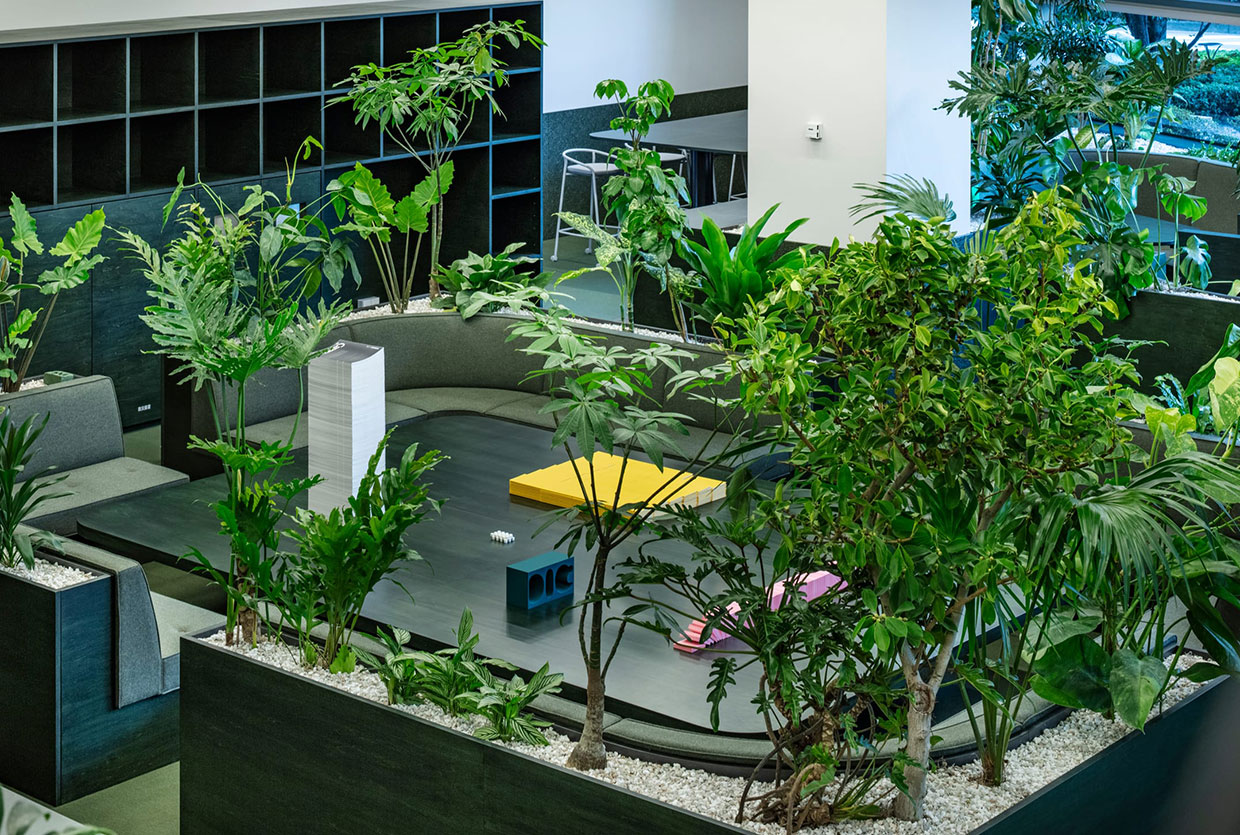
The design at Kokuyo Dig rests on three distinct pillars: vertical separation, scattered destinations, and flexible huddle zones. Together, they transform the office from a place of "tasks" into a landscape of "discovery."
Pillar 1: Vertical Separation and Cognitive States
One of the most striking features of the Kokuyo Dig HQ is how it uses furniture height to manage privacy without the need for soul-crushing walls. This is the concept of "Vertical Separation."
When you are seated at a low booth or a sunken desk, your line of sight is restricted. Designers use plants, low-profile cabinetry, and color-matched shelving to create a "monastic" world. At this level, you are essentially invisible to those walking by, allowing for the deep, focused work that modern offices usually lack. However, the moment you stand up, the "big picture" sightlines return. You can see the entire "servicescape"—who is at the coffee bar, who is heading to the library, and where the energy is currently shifting.
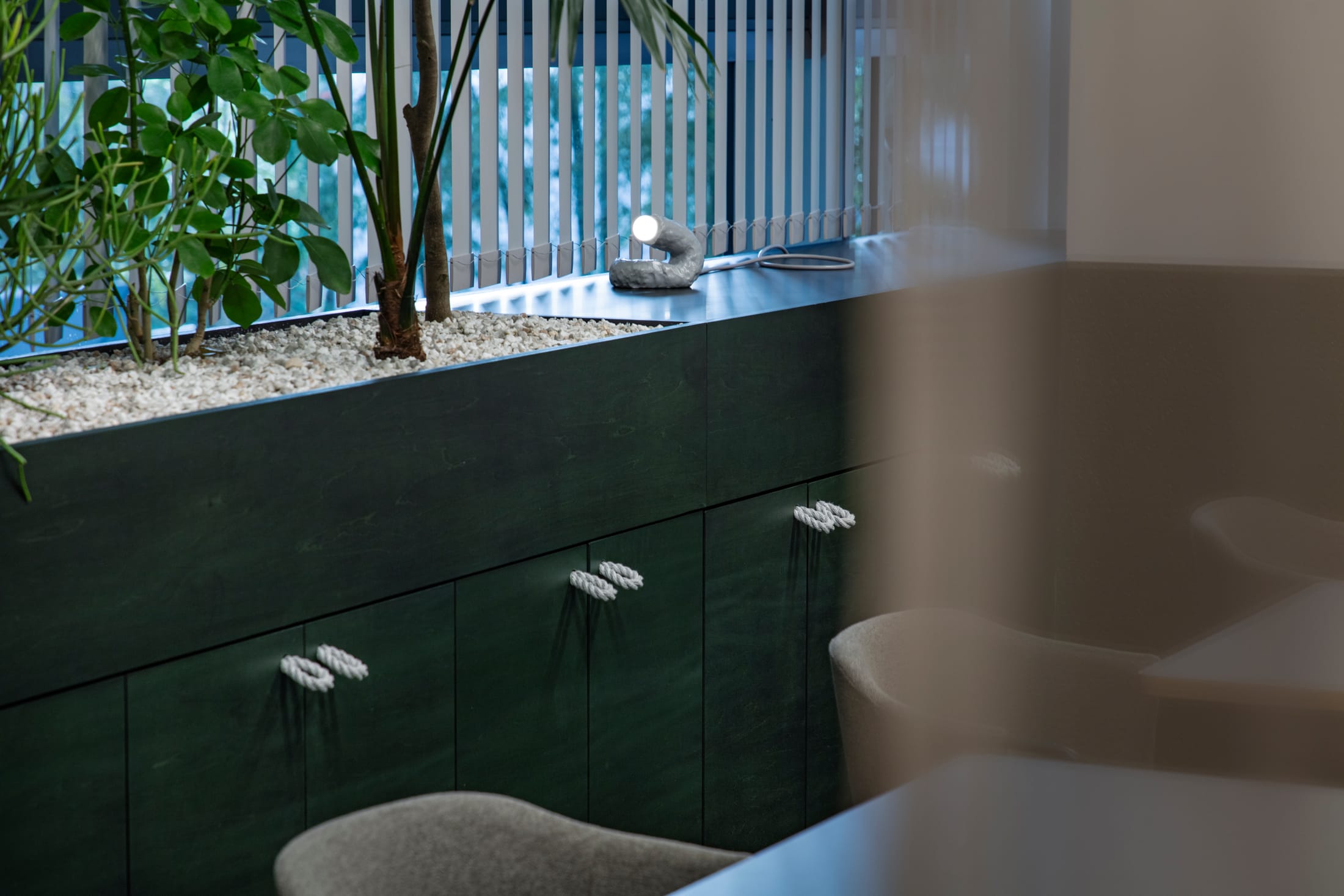
Ivy’s Insider Tip: To replicate this at home or in a smaller studio, don't reach for a folding screen. Use a mid-height bookshelf (about 120cm) filled with trailing plants like Pothos. It provides the same psychological "shield" when you’re seated while keeping the room feeling airy when you stand.
Pillar 2: The 'Scattered Destinations' Strategy
In a traditional office, efficiency is measured by how little an employee has to move. At Kokuyo Dig, the opposite is true. They employ a "Scattered Destinations" strategy, deliberately placing essential "nodes"—like snack bars, specialized libraries, and premium drink stations—on different floors or at the furthest corners of the floor plan.
By forcing employees to move through the space to satisfy basic needs, the design creates "organic paths." This increases the frequency of serendipitous cross-departmental interactions. You don't just "ping" a colleague from marketing; you run into them while browsing the curated library on the third floor. This intentional friction is where the most creative sparks happen, moving the team from task-based work to destination-based exploration.
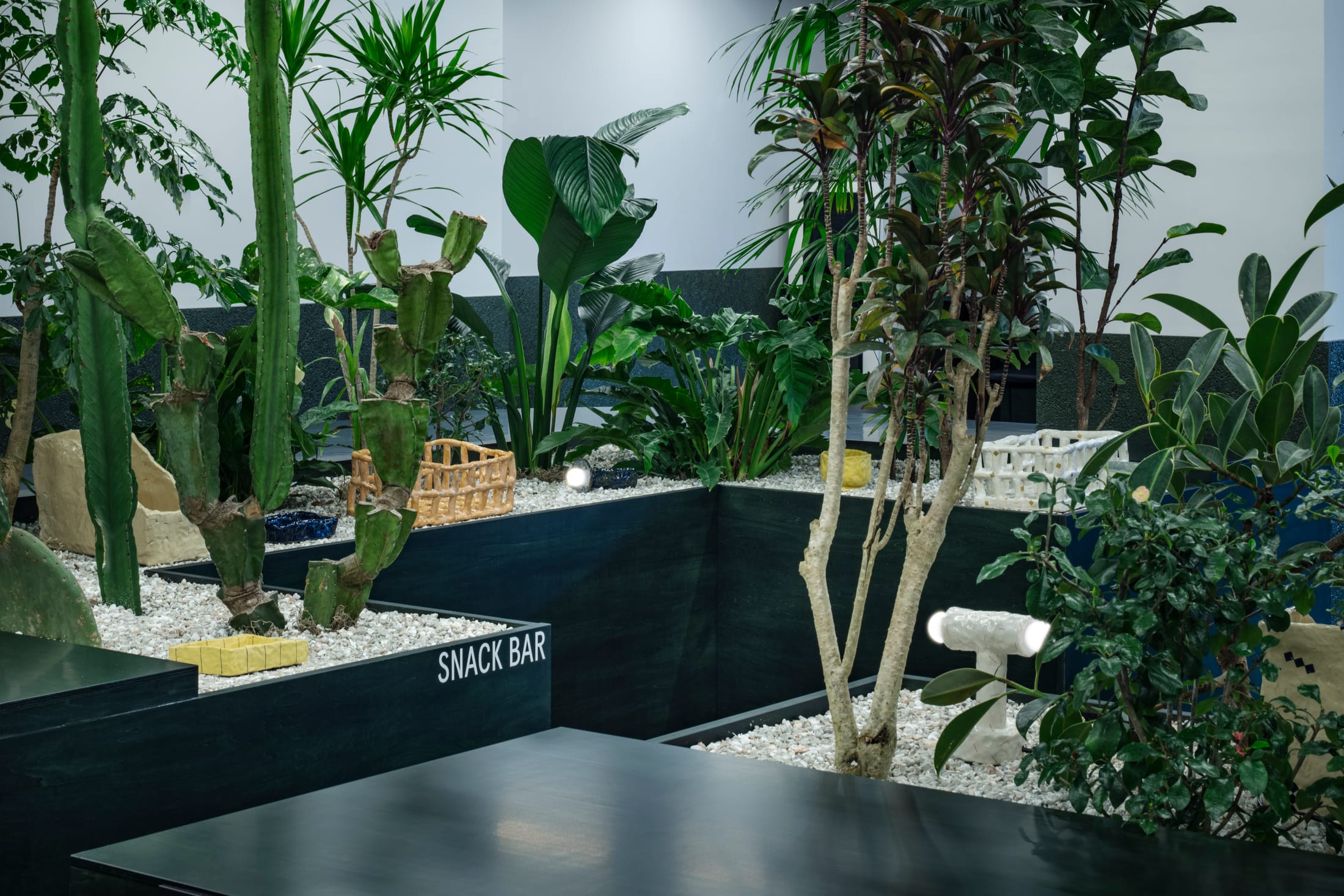
This strategy turns the office into a small city. Just as a city thrives on its "third places" (cafes, parks, plazas), the modern office thrives when it has destinations that aren't just desks.
Pillar 3: Flexible Booths and Table Utility
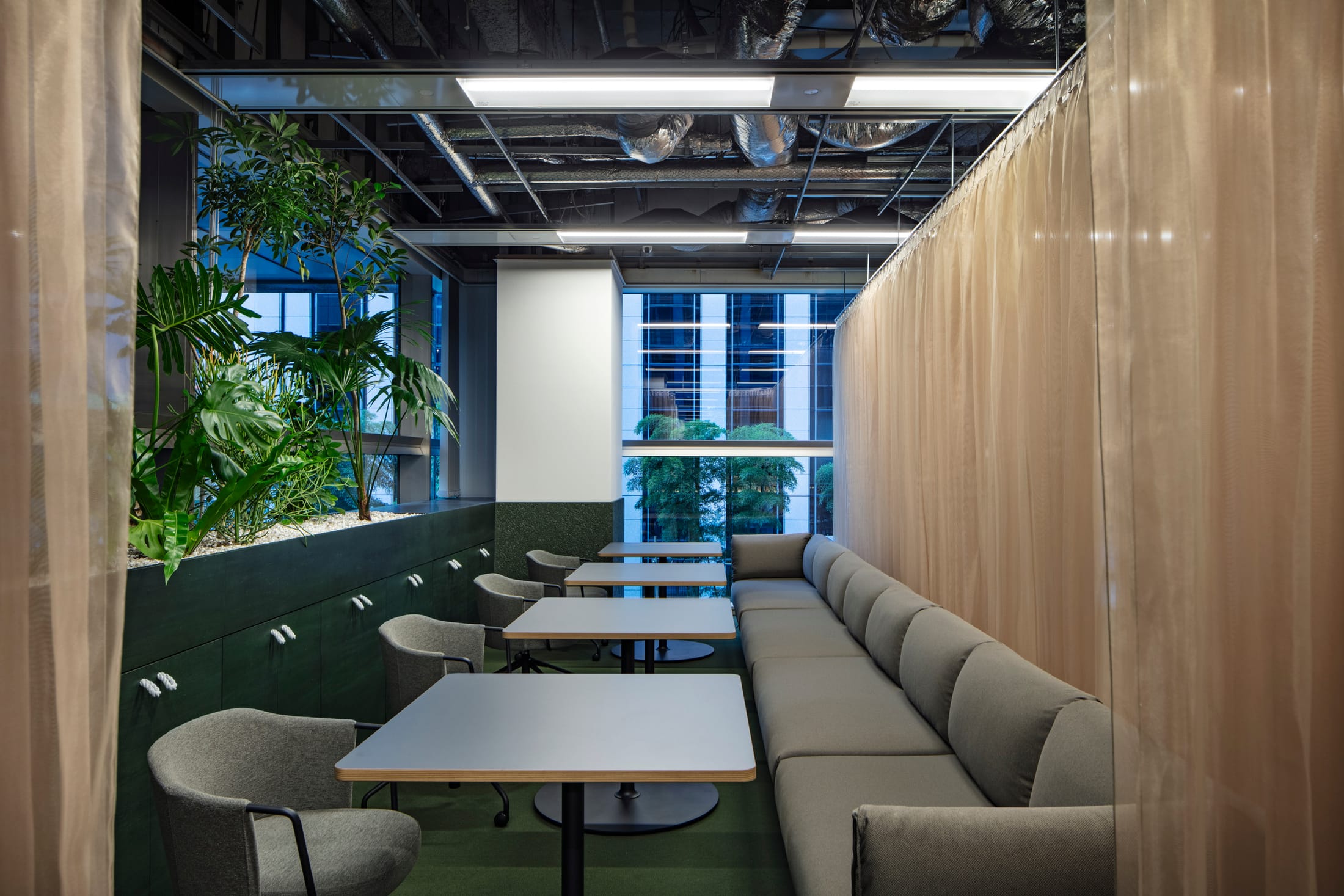
The third pillar is the literal application of the "Family Restaurant" booth. Traditional office desks are static; they are designed for one person and one computer. A booth, however, is inherently social. It can hold one person spreading out a massive blueprint, two people having a 1:1, or four people in a rapid-fire huddle.
The implementation of flexible, booth-style seating has been shown to increase spatial utility by 45% compared to traditional fixed-desk configurations. This is because booths occupy "dead space" along walls and corridors effectively, and their high backs provide acoustic insulation that open tables cannot match.

Psychologically, there is a sense of "enclosure" in a booth that makes people feel safe to share half-formed ideas. In a glass-walled conference room, every word feels like it’s "on the record." In a padded booth over a coffee, work feels like a conversation.
Looking Ahead: Top Office Design Trends for 2026
As we look toward 2026, the influence of the Kokuyo Dig project and the family restaurant layout will only expand. We are seeing a move away from the "one-size-fits-all" office toward hyper-specialized zones.
- Hybrid-Ready "Broadcast" Rooms: Small, acoustically perfect booths designed specifically for high-quality video calls, preventing the "Zoom-echo" that plagues open offices.
- AI-Integrated Smart Buildings: Lighting and temperature that adjust based on the "energy" of the room, using sensors to detect where people are congregating.
- Inclusive Design & Neurodiversity: Recognizing that different brains need different stimuli. This includes "sensory-low" zones with matte textures and soft lighting, alongside "high-stimulus" collaborative hubs.
- Biophilic Foundation: It’s no longer just about a few potted plants. We are seeing full-scale internal forests and circadian lighting systems that mimic the movement of the sun.
Choosing the Right Creative Space for Your Team
If you aren't ready to build your own Tokyo HQ from scratch, choosing the right managed workspace is your next best move. The "Family Restaurant" ethos is being adopted by several global providers who understand that a desk is just a desk, but a space is a tool.
| Provider | Best For | Layout Philosophy | Sustainability / Tech |
|---|---|---|---|
| Huckletree | High-growth tech & creative | "Curated clusters" with themed rooms | Heavy focus on B-Corp standards |
| The Office Group (TOG) | Professional elegance | "Architecture-first" with high booth-to-desk ratio | Restored heritage buildings |
| WeWork (Global) | Flexibility & Scale | The "high-energy hub" with communal bars | Smart-app integrated bookings |
| Storey (UK) | Established Brands | Bespoke "campus" feel with private amenities | WELL-certified air & light |
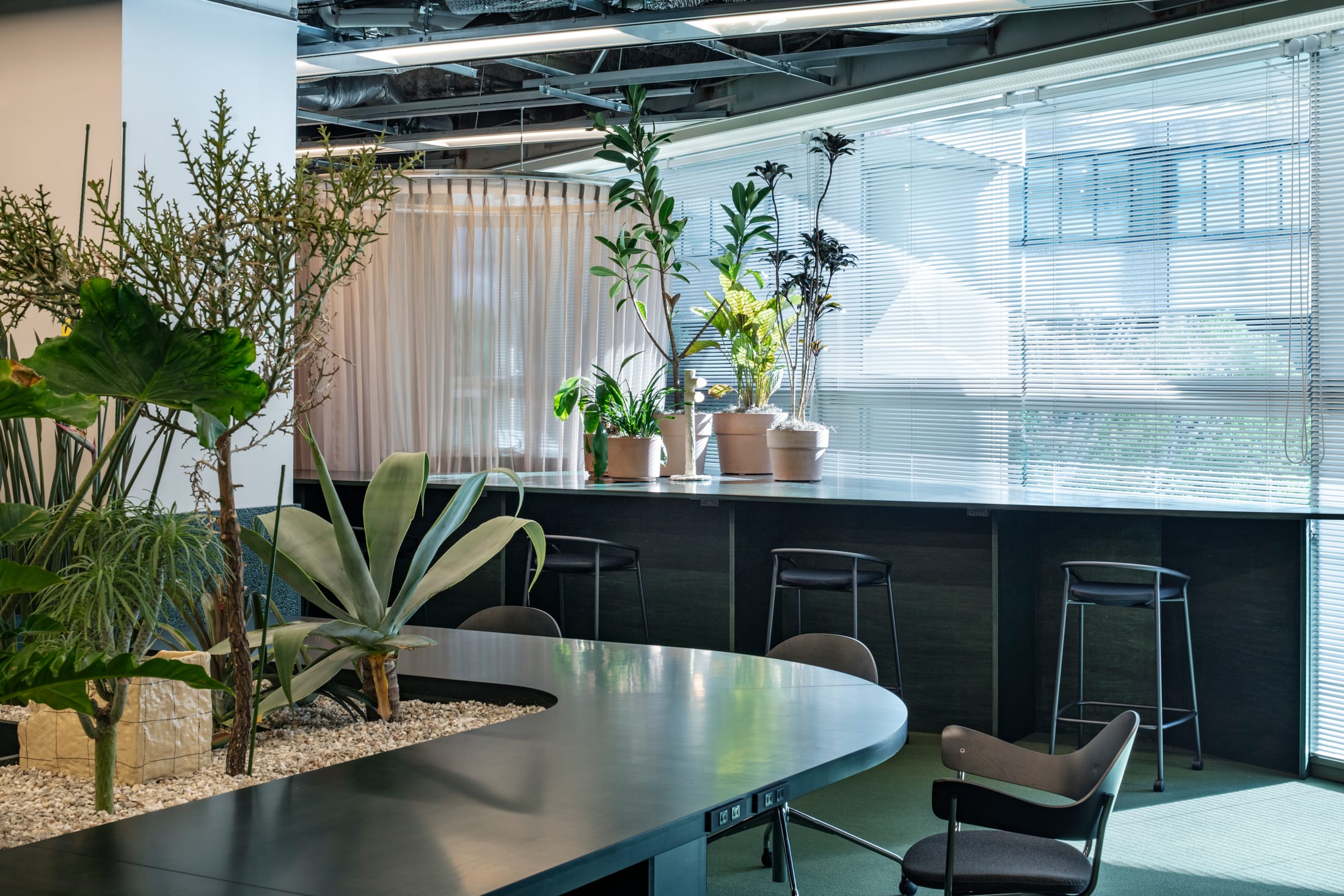
When assessing a potential space, don't just count the desks. Walk the "paths." Can you see yourself running into someone from another team at the coffee station? Are there places to hide? Does the furniture allow for "vertical separation"? If the answer is yes, you've found a place where creativity can actually breathe.
FAQ
Q: Isn't a "family restaurant" layout noisy? A: Surprisingly, no. Because the layout uses booths with high, upholstered backs and incorporates significant greenery (biophilic design), these elements act as natural acoustic baffles. Unlike a large open-plan room where sound bounces off hard surfaces, the "zoned" approach absorbs sound locally.
Q: How do I implement this on a tight budget? A: You don't need custom-built pods. You can achieve "vertical separation" using open shelving units (like the IKEA Kallax) placed perpendicular to the wall. Use different heights of furniture to create a sense of "landscape" rather than a flat sea of desks.
Q: What is the most important "destination" in a scattered layout? A: Water and caffeine. If you place your high-quality coffee machine or filtered water station in a central but slightly "out of the way" location, you create a natural watering hole where employees are forced to take a mental break and interact.
Designing a workspace is no longer about maximizing the number of bodies per square foot. It’s about maximizing the number of ideas per hour. By looking at the humble family restaurant, we remind ourselves that the best work often happens when we feel comfortable, slightly secluded, and yet entirely connected to the buzz of the world around us.