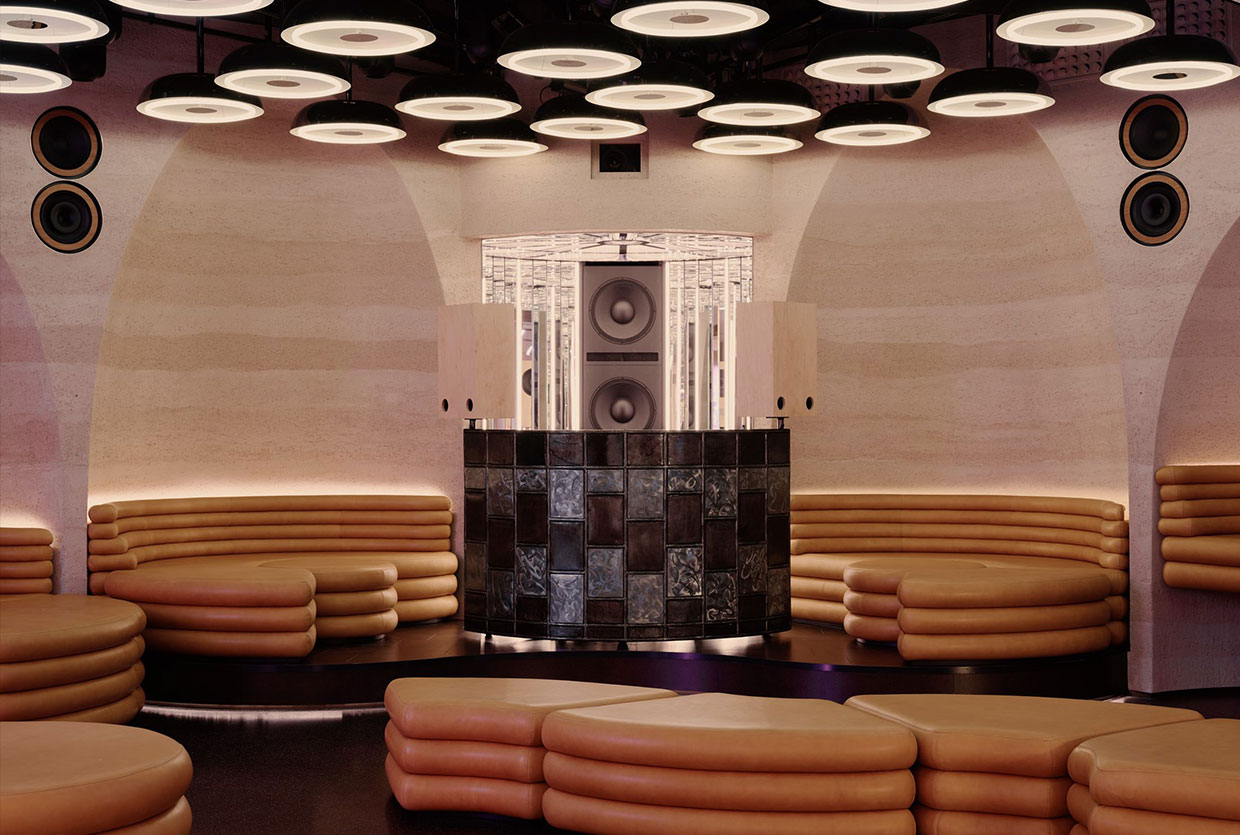
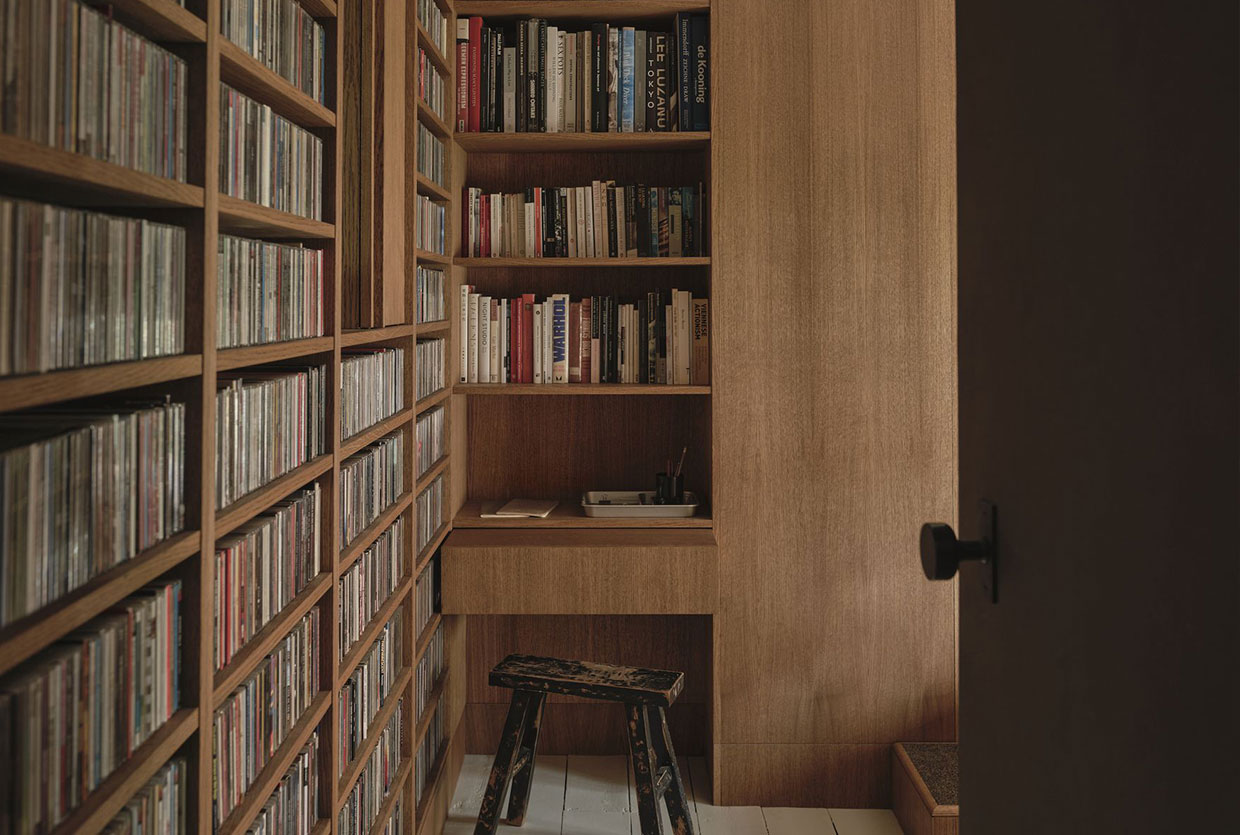
In the early months of 2025, a clear demarcation emerged in the professional world. On one side, we saw the "kitchen-table warrior," struggling with ergonomic fatigue and the blurring lines of domestic life. On the other, the traditional office devotee, tethered to a fixed mahogany desk that felt increasingly like a relic of a bygone era. As we look toward 2026, the vanguard of commercial interior design has moved beyond this binary. We are entering the era of the hybrid curatorial showroom—a workspace that dissolves the rigid boundaries between a high-functioning office, an avant-garde art gallery, and a sophisticated marketplace.
A hybrid curatorial showroom is not merely a place to work; it is an evolving interior that mirrors a company’s precision and its local cultural ecosystem. In this new paradigm, we replace the monotony of rows of desks with flexible layouts, custom furniture, and rotating art pieces. This shift is a response to a fundamental change in our labor landscape: data shows that over 28% of working adults have transitioned to hybrid work patterns as of early 2025, a figure that has been rising consistently for three years. The office, therefore, must "earn the commute" by offering an experience that home simply cannot replicate.
The Curatorial Showroom: Dissolving Boundaries
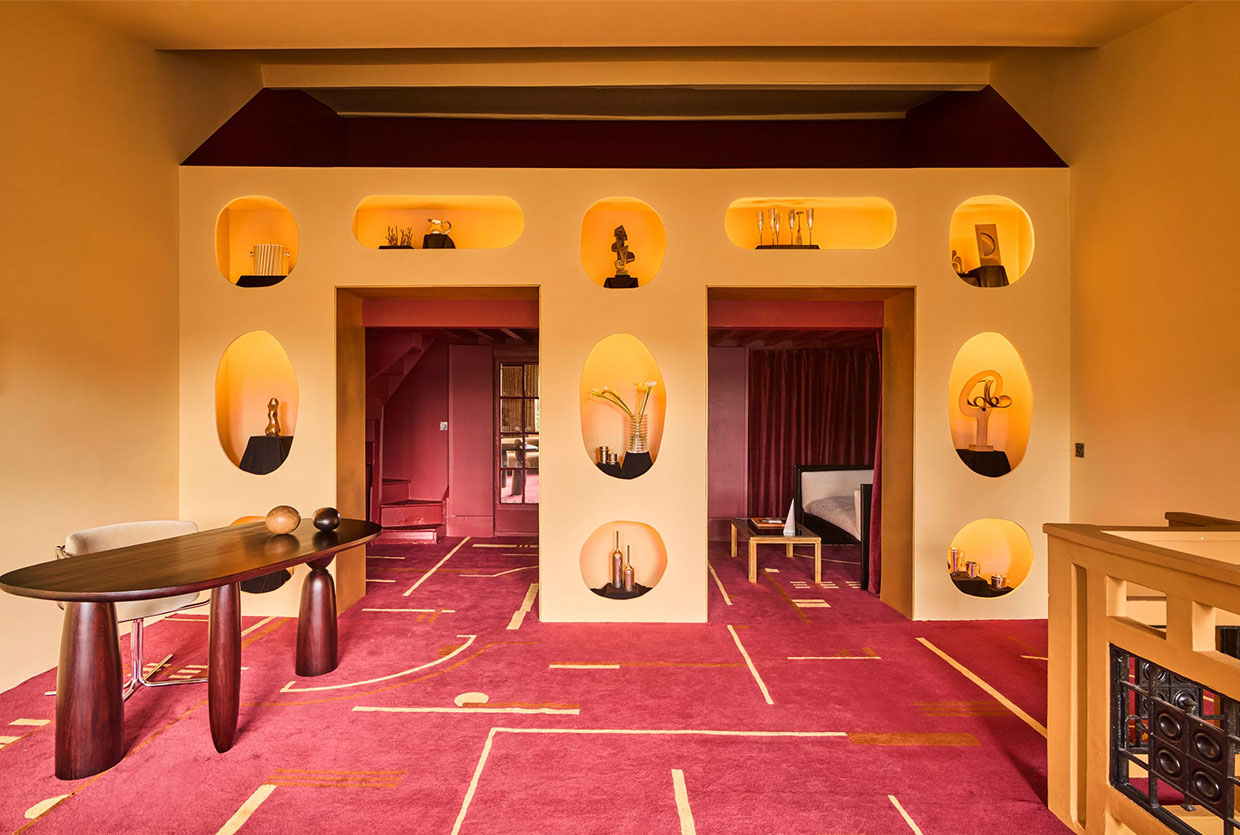
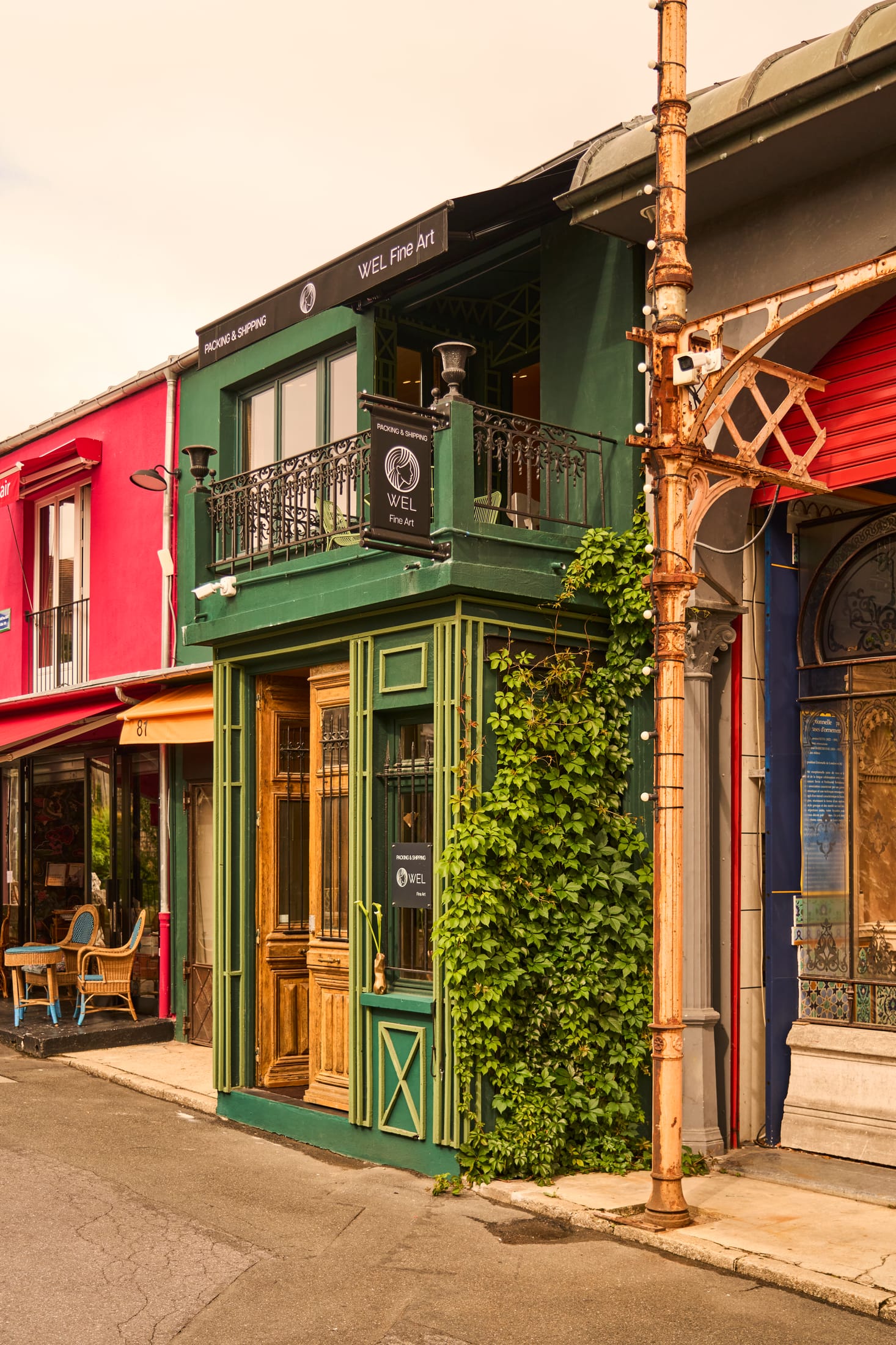
The core of modern office design in 2026 focuses on the concept of the "living gallery." We are seeing designers move away from "corporate gloss" and toward spaces that feel collected rather than decorated. This approach takes inspiration from high-end marketplaces, such as Paris’s Paul-Bert Serpette, where the environment is in a constant state of flux, curated with a discerning eye.
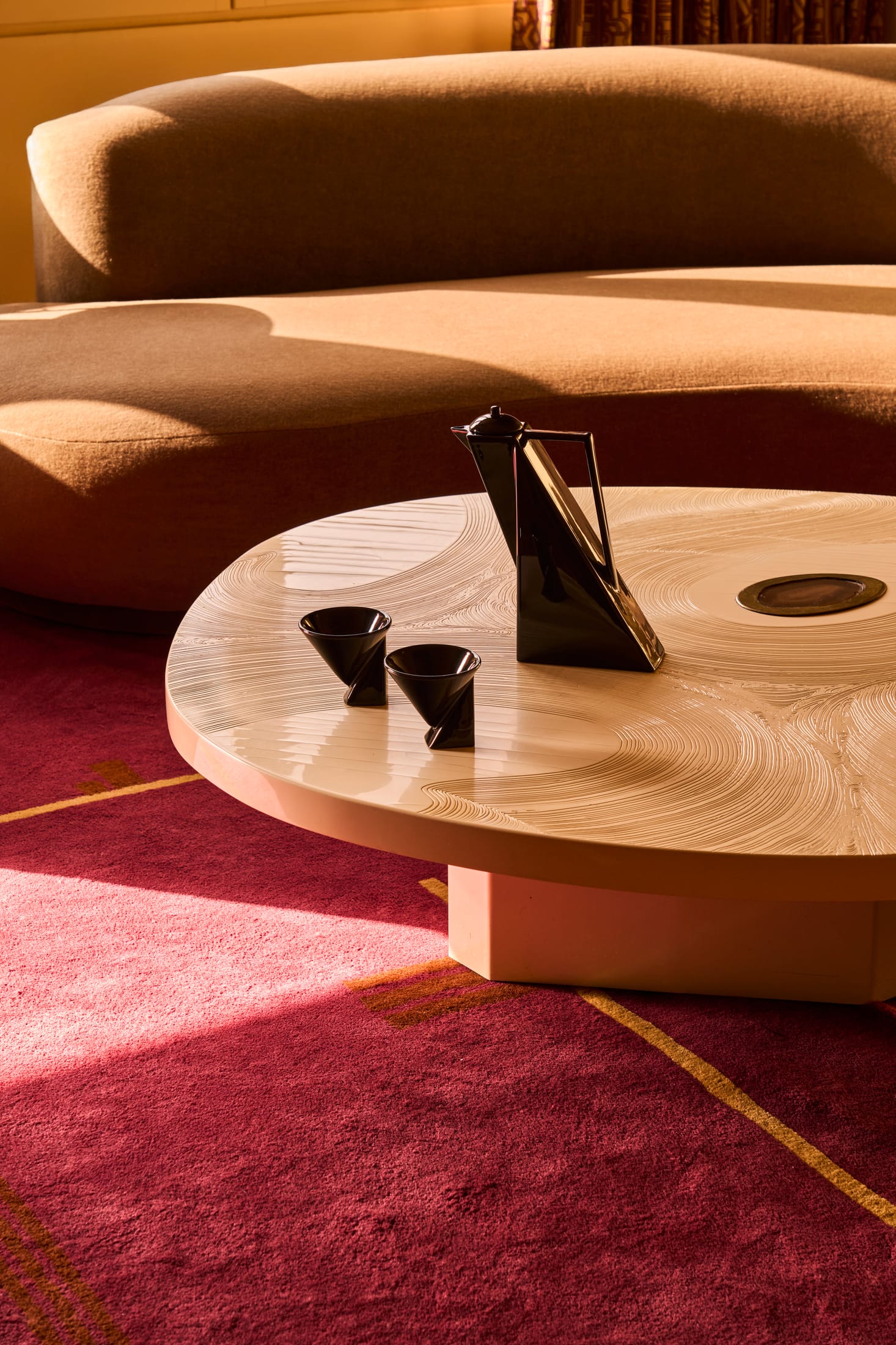
In a curatorial showroom office, the furniture isn't just a utility—it’s a narrative. We might see a mid-century modernist table paired with contemporary 3D-printed chairs, or a reception area that doubles as a rotating exhibition space for local sculptors. This allows businesses to operate within an environment that reflects the dynamic energy of their surrounding market. By integrating art galleries into office designs, we provide an evolving aesthetic that stimulates creativity and facilitates social "collision" in ways that a standard cubicle farm never could.
Designing for Flexibility: Workpoints over Fixed Desks
The most significant structural shift we are advocating for is the death of the assigned desk. In the hybrid era, space is a premium resource that must be optimized. Projected 2026 design trends indicate that modular layouts and mobile workpoints can increase space utilization efficiency by up to 40% compared to traditional fixed-desk environments.
Instead of a sea of identical workstations, we design "Neighborhoods." These are zones tailored to specific activities:
- Deep Work Zones: Library-like settings with high-backed acoustic seating.
- Collaboration Hubs: Open areas with mobile whiteboards and tiered seating for brainstorming.
- Social Anchors: High-design café areas where the culture of the company is palpable.
By using modular partitions and lightweight, movable furniture, a space can transform from a focused workshop in the morning to a brand launch gallery in the evening. This agility is the hallmark of commercial interior design innovation.
Biophilic Design and Sensory Authenticity
As we spend more time in digital interfaces, our physical environments must ground us. We prioritize "tactile-first" language in our material palettes: reclaimed wood desks that show the grain, textured stone surfaces, and hand-woven textiles. This isn't just about aesthetics; it’s about employee well-being.
Biophilic design—the integration of nature into the built environment—is no longer an elective feature. It is a fundamental requirement. We incorporate vertical green walls that act as natural air purifiers and smart lighting systems that mimic circadian rhythms, gradually shifting from cool, energizing blue tones in the morning to warm, sunset hues in the late afternoon. This connection to the natural cycle reduces cortisol levels and boosts cognitive function, making the office a place of restoration rather than exhaustion.
The Invisible Tech Layer: AI and Smart Integration
In the 2026 workspace, technology should be felt, not seen. We are moving away from tangled wires and cumbersome docking stations toward an invisible tech layer. Imagine meeting rooms that sense occupancy through AI-driven thermal sensors, automatically adjusting the climate and lighting the moment a team enters.
Data-driven space planning is the secret weapon of the modern facility manager. By using heat-mapping analytics to track traffic flow, we can identify which "neighborhoods" are over-performing and which need a design pivot. Furthermore, the integration of AR-enabled touchscreen boards allows for a seamless "phygital" experience, where remote team members appear as life-sized participants in a brainstorming session, bridging the gap between the physical gallery and the digital cloud.
Acoustic Infrastructure: The Need for Quiet
Privacy is infrastructure, not a luxury. One of the primary complaints of the open-plan era was the acoustic "noise floor" that made deep concentration impossible. In the hybrid-curatorial model, we treat sound with the same reverence as light.
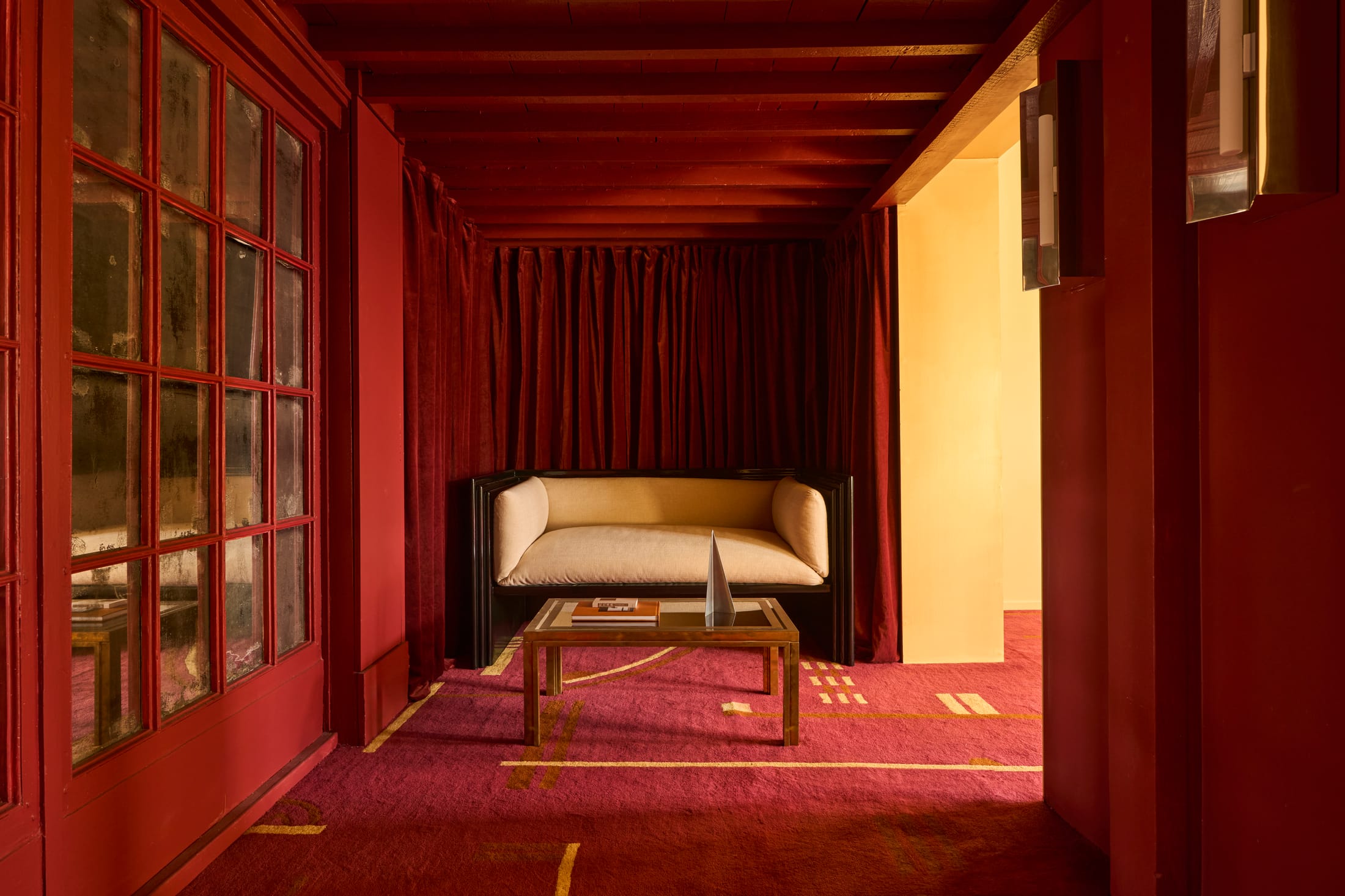
We integrate "relief valves"—strategic soundproof pods and focus niches—where employees can retreat for confidential calls or heads-down tasks. Beyond pods, we use acoustic separation through soft architecture: felt wall panels, heavy velvet drapery that can be pulled to create temporary rooms, and strategic sound masking systems that emit subtle, ambient white noise to neutralize distracting conversations.
Brand Identity and Local Culture
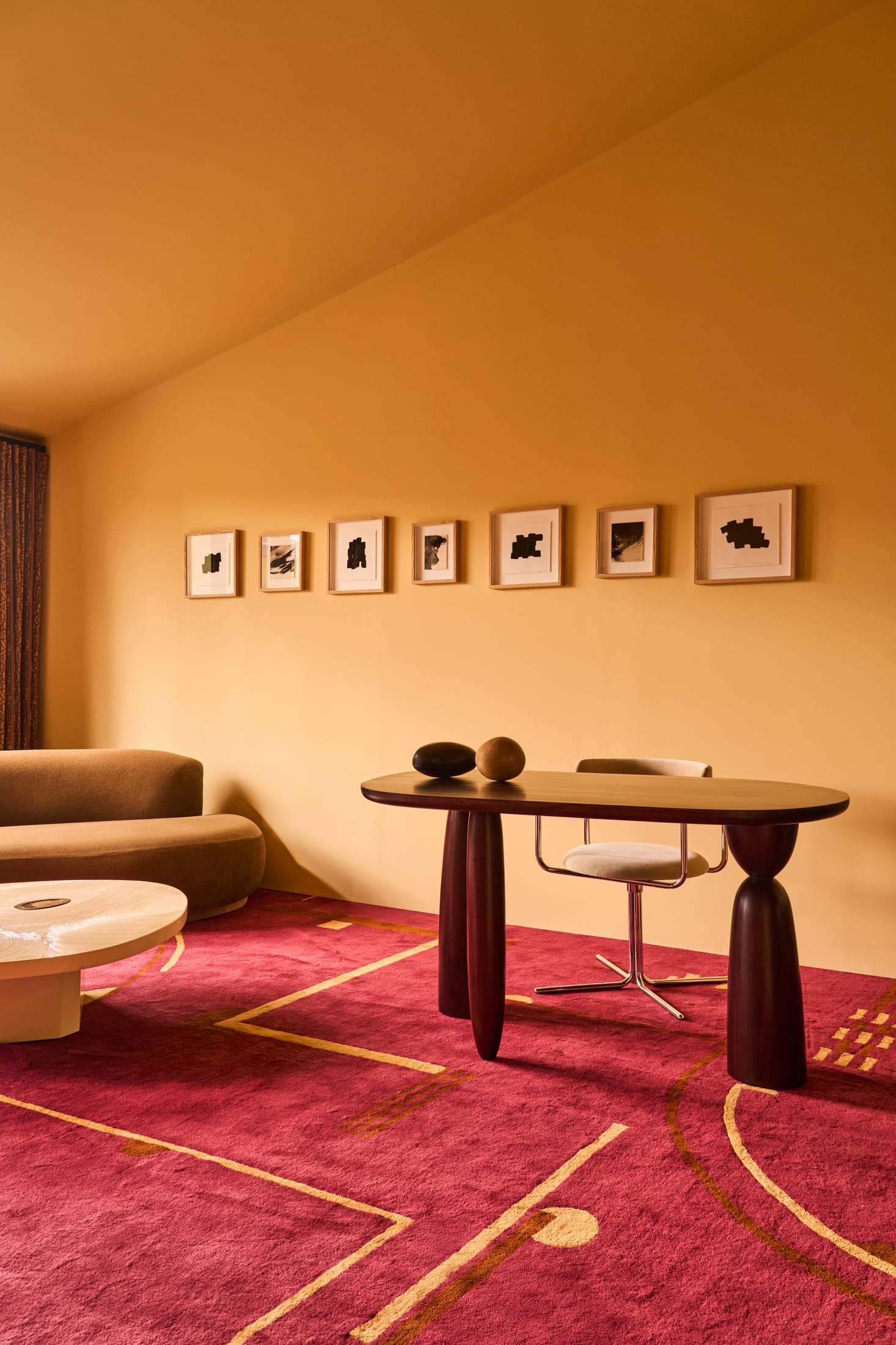
The office of the future rejects the "one-size-fits-all" corporate aesthetic. Instead, we look to the city outside the window for inspiration. A tech hub in Berlin should feel fundamentally different from a creative agency in Tokyo. We encourage our clients to move beyond "Corporate Gloss" and reflect local heritage.
This can be achieved through:
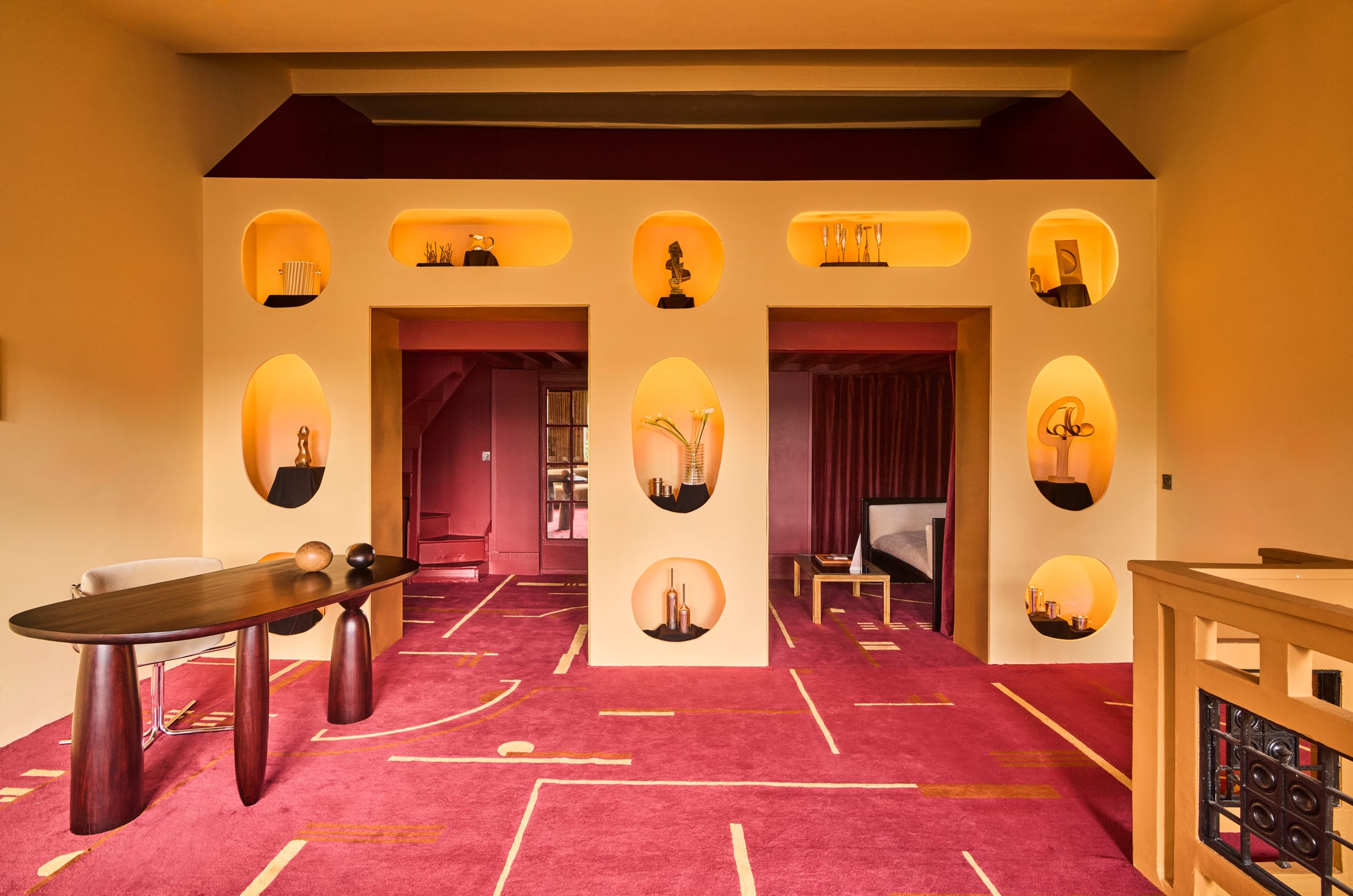
- Curated Display Walls: Treating company achievements, prototypes, and history as museum-grade art.
- Strategic Color Psychology: Using warm neutrals to create a sense of home-like comfort, punctuated by bold brand accents that energize the space.
- Local Art Commissions: Partnering with neighborhood artisans to create custom light fixtures or murals, anchoring the office in its geographic community.

Sustainability as the Foundation
Finally, a beautiful space is only truly successful if it is responsible. Sustainability is the foundation of every design choice we make in 2026. This means prioritizing circular furniture choices—pieces that are designed to be repaired, refurbished, or recycled at the end of their lifecycle.
We select low-VOC (Volatile Organic Compound) finishes to ensure superior indoor air quality and source materials from certified carbon-neutral suppliers. By building a culture of environmental responsibility through the very walls of the office, businesses not only reduce their operational footprint but also attract top talent who prioritize ethical values.
FAQ
Q: How can I implement a curatorial style on a limited budget? A: Start with the "Gallery White" approach. Use high-quality white paint to create a clean backdrop, then invest in 2-3 "hero" pieces—perhaps a designer lounge chair or a large-scale local artwork—that draw the eye. Use modular shelving to display a mix of professional books and company artifacts to create that curated feel without a full renovation.
Q: Does a flexible layout really save money if I have to buy expensive modular furniture? A: Yes, in the long run. Traditional fit-outs are rigid; if your team grows or shrinks, you face costly construction. Modular furniture allows you to reconfigure your space in a weekend. Furthermore, by increasing space efficiency by up to 40%, you may be able to downsize your total real estate footprint, saving significantly on rent and utilities.
Q: How do we balance the "Art Gallery" look with the practical needs of a messy office? A: The key is "hidden utility." We use integrated storage solutions that look like architectural wall panels. This allows you to stow away cables, stationery, and backpacks, keeping the visual field clear for the curated elements you want to highlight.
Master the Transition
The transition from a traditional office to a curatorial gallery is more than a design trend; it is a strategic response to the way we live and work now. By prioritizing flexibility, sensory authenticity, and a deep connection to local culture, we create spaces that don't just house employees—they inspire them.