Quick Facts
- Primary Focus: A residential-style flagship blending retail and hospitality.
- Location: 56 Bleecker Street, New York (Historic Bond Street district).
- Architecture: 1823 Flemish red brick building with landmarked status.
- Signature Product: Hand-stitched leather footwear made in Turkey and Texas.
- Amenities: Coffee bar, cocktail service, mini stamp bar, and kids' corner.
- Design Philosophy: The third space concept—somewhere between home and work.
Sabah House NYC is a premier lifestyle concept store located in a historic 1823 Flemish red brick building on Bleecker Street. It functions as a third space that blends artisanal retail with hospitality, offering visitors a place to browse hand-stitched leather footwear while enjoying a coffee or cocktail in a residential-inspired environment. As one of the standout fashion concept stores in New York, Sabah House emphasizes craftsmanship and provenance, making it a must-visit for design enthusiasts looking for concept store examples that prioritize community over transactions.
The Historic Canvas: 56 Bleecker Street
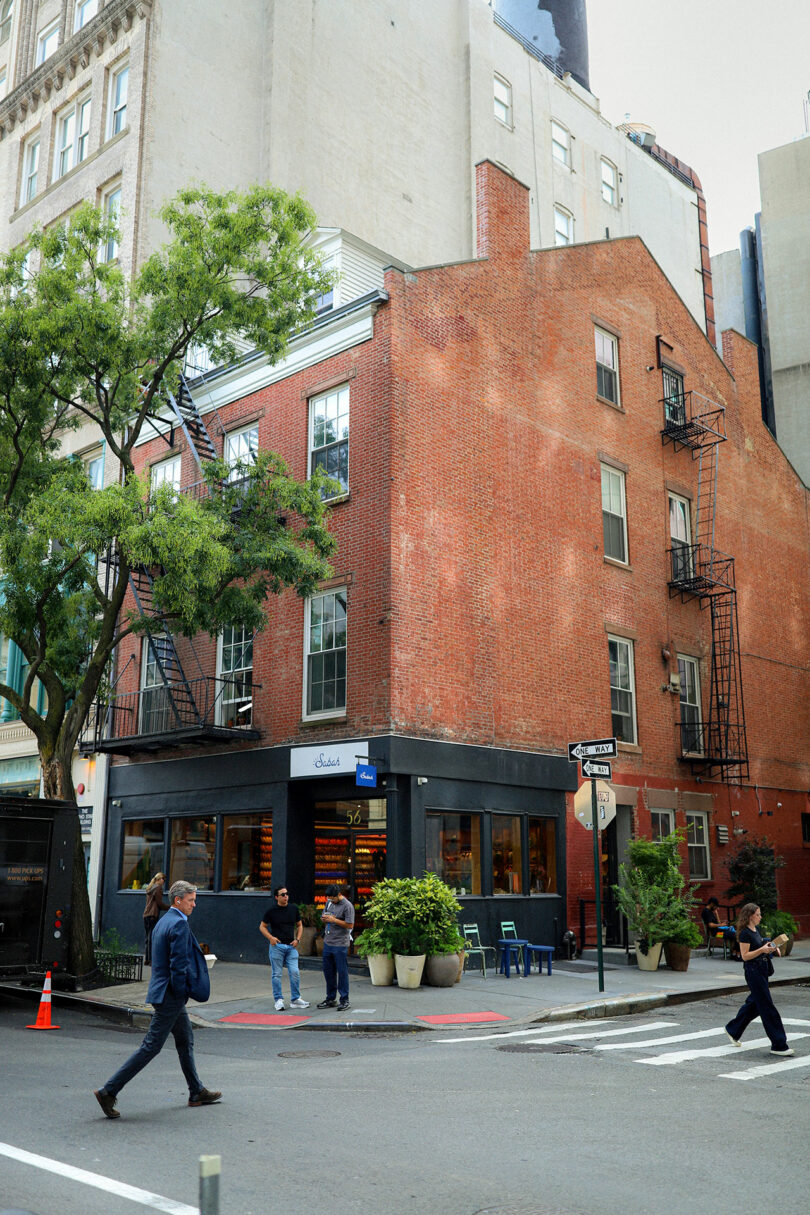
When you step onto the cobblestones of the Bond Street district, you are stepping into a preserved pocket of Manhattan history. At the center of this architectural time capsule sits 56 Bleecker Street, a structure that defines the very essence of design concept stores. The building, which features a facade of Flemish red brick, was completed in 1823 and remains a landmarked jewel in the city’s crown.
For a design editor, the appeal of Sabah House NYC begins with its bones. This is not a sterile, modern retail box; it is a storied residence that has lived many lives. The building once served as the home of Jacobus Roosevelt II and later as the medical practice of Dr. Elizabeth Blackwell, who made history as the first female physician in the United States. Choosing such a location was a deliberate move to align the brand with the slow fashion movement, where the history of the setting is just as important as the items sold within it.
The historic preservation of the space acts as a grounding force. You can feel the weight of the past in the thickness of the walls and the proportions of the windows. By maintaining the integrity of the original structure, the creators have ensured that the store feels less like a boutique and more like a permanent fixture of the neighborhood. This connection to local history is what separates the best concept stores nyc from standard high-street retailers.
The Craft: Beyond the Traditional Shoe
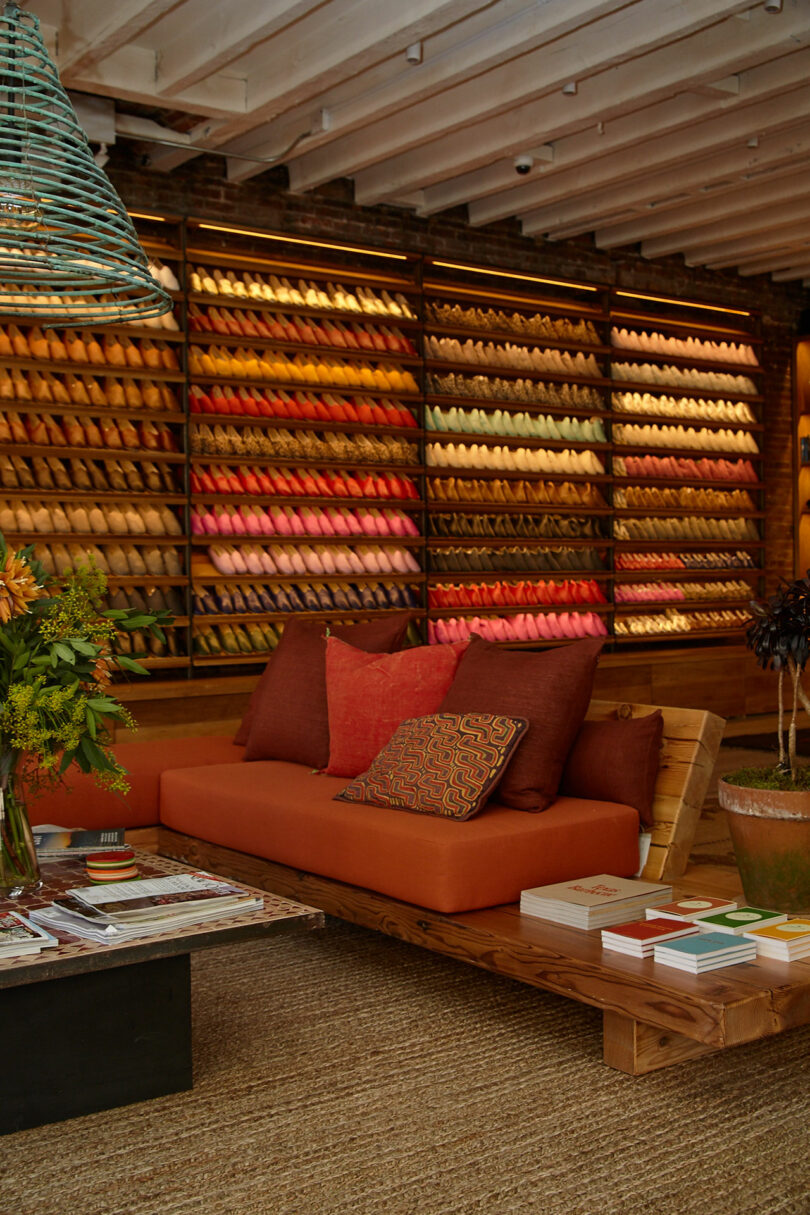
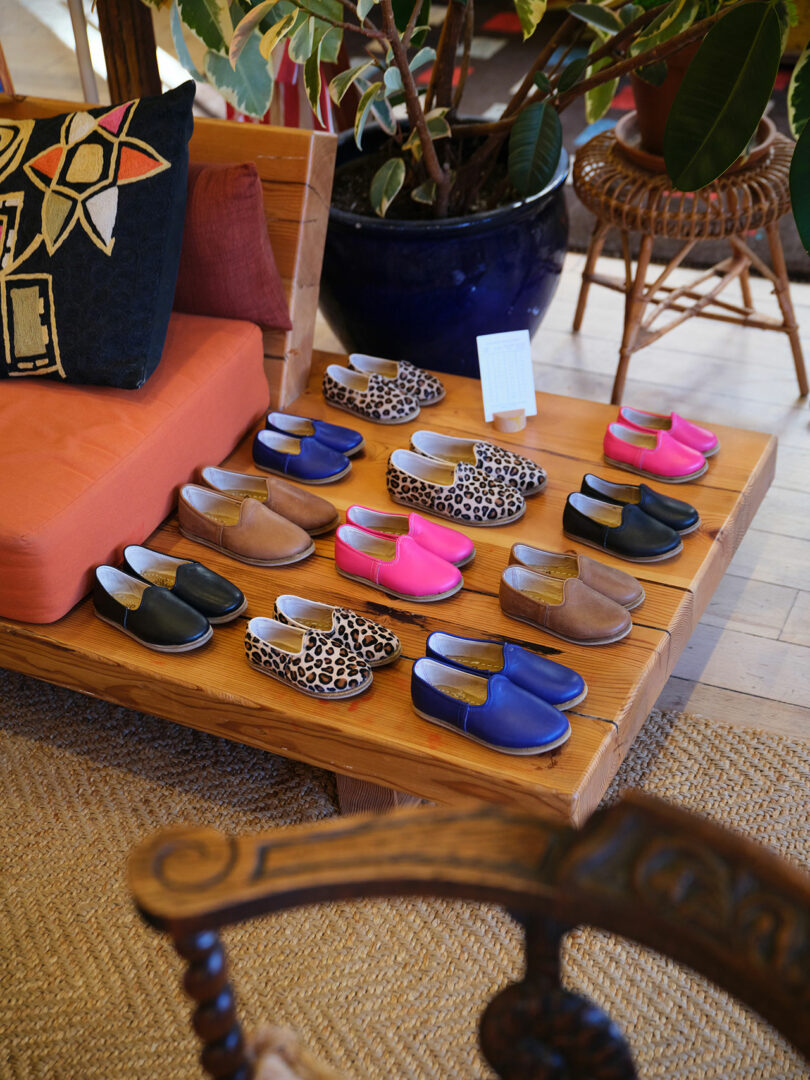
At the heart of Sabah House NYC is a singular product that has garnered a cult following: the Sabah. These are not just slippers; they are a masterclass in Turkish craftsmanship. Each pair is based on the traditional Yemeni slipper, but redesigned for modern urban life by removing the traditional curly toe and reinforcing the sole for the concrete streets of New York.
The production process is a testament to the values of the slow fashion movement. Every shoe is hand-stitched leather, crafted by artisans in a dedicated workshop in Gaziantep, Turkey, or in El Paso, Texas. This commitment to provenance means that no two pairs are exactly alike. The leather is sourced responsibly, ensuring that as you wear them, the shoes mold to your feet, creating a personalized fit that only improves with age.
In the world of concept stores clothing, it is rare to find such a narrow focus executed with such depth. While many concept clothing stores try to be everything to everyone, Sabah focuses on the beauty of a single silhouette available in an ever-rotating rainbow of leathers and suedes. This dedication to craft over mass production is a primary reason why visitors flock to this location.
Living in Retail: The Third Space Experience
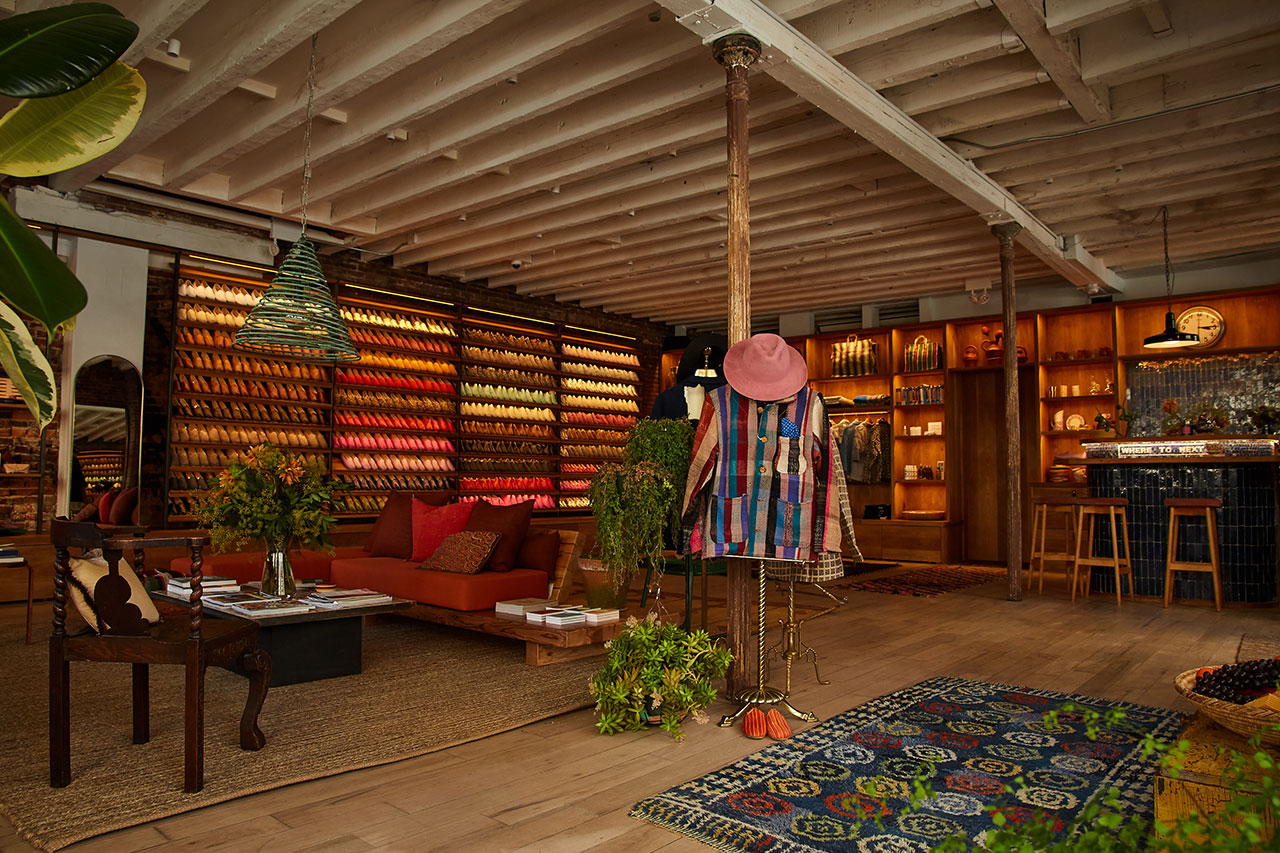
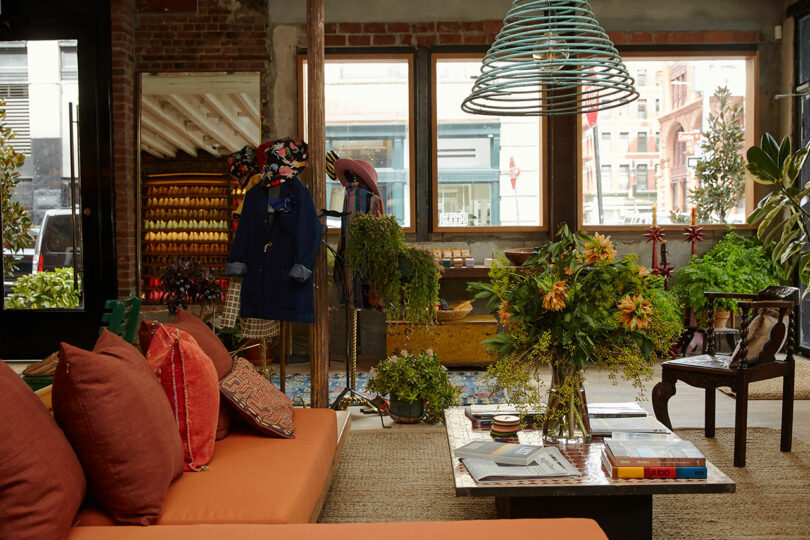
The most striking aspect of the interior design is what I like to call the domestic metaphor. Instead of rows of metal racks and fluorescent lights, the layout is treated like a series of rooms in a private home. This residential retail design encourages guests to linger, sit, and converse. It perfectly encapsulates the third space concept—a location that is neither your home nor your office, but a comfortable middle ground where community-driven commerce can thrive.
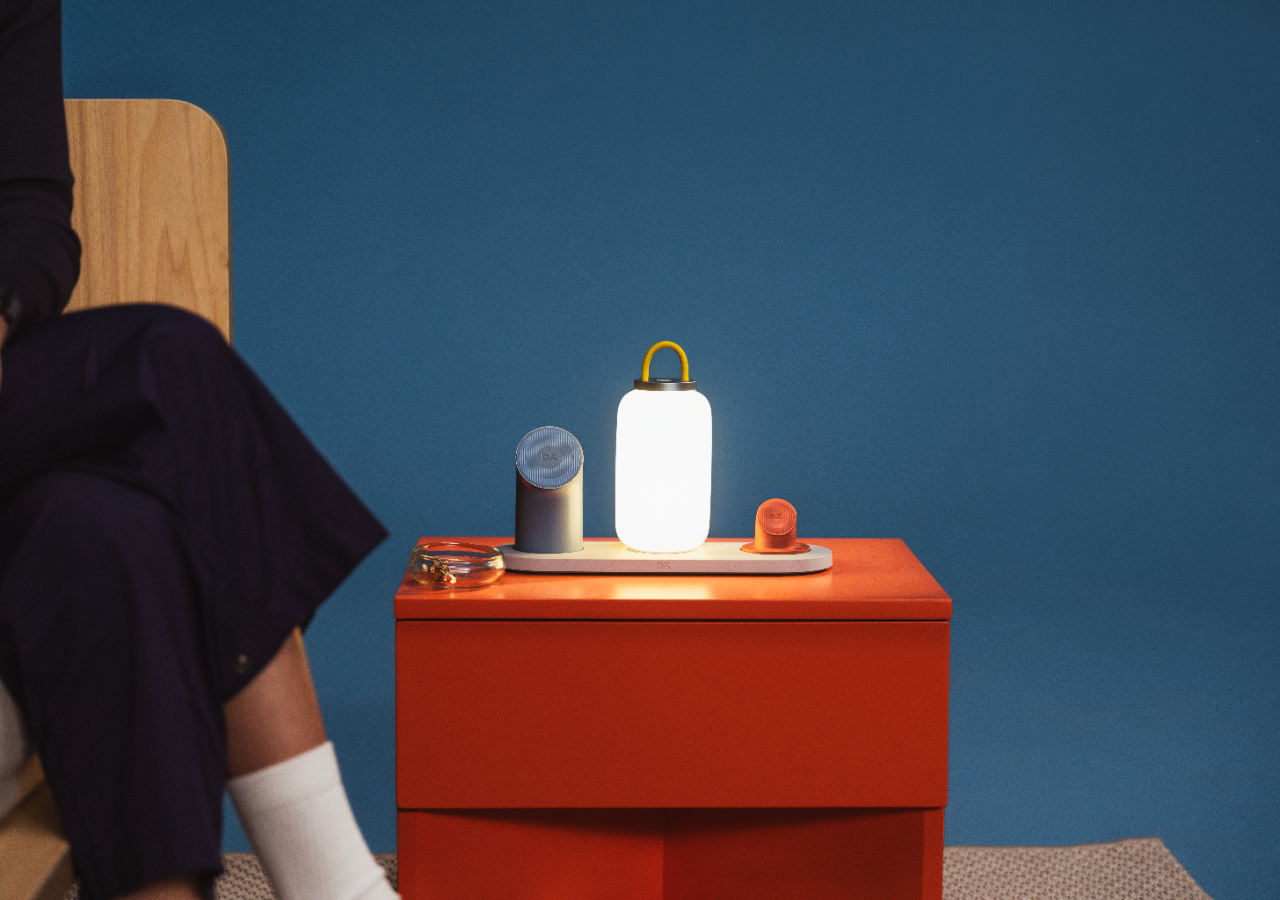
One of the most effective tools used to create this atmosphere is the bespoke interior lighting. The warm, amber glow from custom fixtures highlights the textures of the leather and the rich tones of the wooden furniture. It creates an intimacy that invites you to kick off your shoes and try on a new pair as if you were in your own living room.
Beyond the aesthetics, the store offers layers of engagement that go beyond the typical purchase:
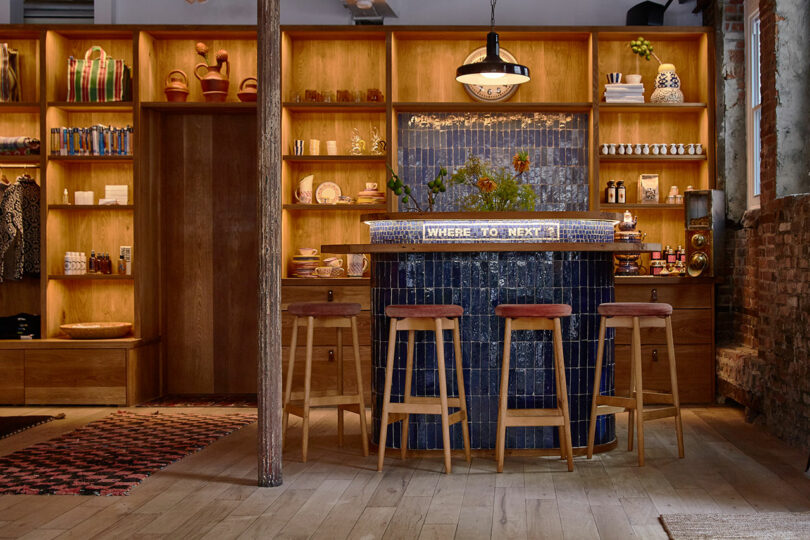
- The Hospitality Hub: A fully functional bar area where visitors can enjoy a freshly brewed coffee in the morning or a well-crafted cocktail in the evening.
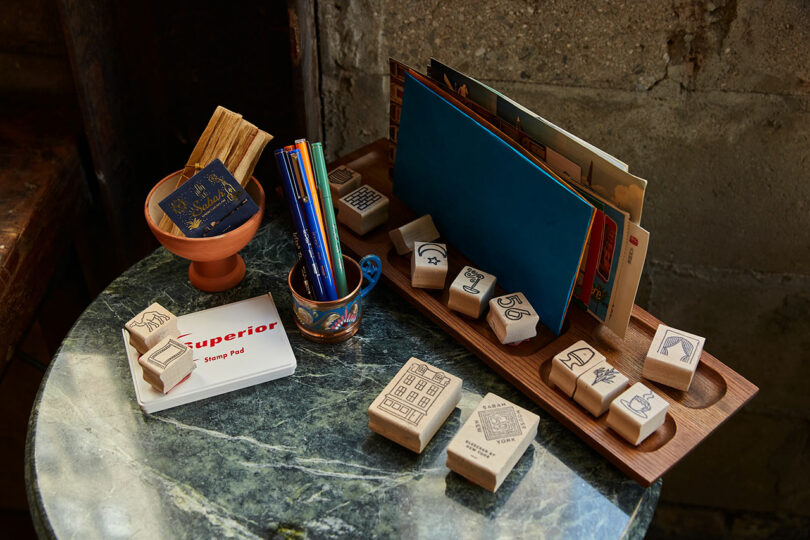
- The Stamp Bar: A family-friendly interactive station where you can personalize your leather goods, adding a tactile element to the shopping experience.
- The Kids' Corner: A dedicated space for younger visitors, ensuring that the environment remains inclusive and welcoming for families.
- Generous Seating: Scattered throughout the store are plush sofas and vintage chairs, emphasizing that the space is meant for staying, not just stopping.
This shift toward retail hospitality is what makes lifestyle concept stores nyc so influential. It transforms the act of shopping into a cultural experience, where the conversation with the staff is as valuable as the product you take home.
Planning Your Visit to Sabah House NYC
If you are planning on visiting concept stores nyc, 56 Bleecker Street should be at the top of your list. The store celebrated its grand opening on November 6, 2022, and has since become a cornerstone of the neighborhood's design scene.
When you visit, don't rush. The beauty of this location lies in the details—the way the sun hits the Flemish red brick in the afternoon, the scent of high-quality leather, and the eclectic playlist that usually fills the air. It is a place to find inspiration for your own home, whether through the furniture choices or the clever use of lighting.
The Bond Street district itself offers plenty of architectural eye candy, making a trip to Sabah House part of a larger day of exploration. In an era where online shopping is the norm, spaces like this remind us why physical stores still matter. They provide a sensory experience that a screen simply cannot replicate.
FAQ
What is a concept store?
A concept store is a retail space that goes beyond simply selling products. It is a curated environment that tells a specific story or revolves around a particular lifestyle theme. These stores often mix different types of goods—such as books, clothing, and home decor—with services like cafes or art galleries to create a unique brand universe.
How do concept stores work?
Concept stores work by creating an immersive experience for the customer. Instead of organizing items by category, they often organize them by how they would be used in real life. They focus on discovery and inspiration, using clever interior design and hospitality elements to keep customers engaged for longer periods than a traditional store.
Why are concept stores so popular now?
Concept stores are popular because they offer something that e-commerce cannot: a physical, sensory experience and a sense of community. As consumers look for more meaningful ways to spend their time and money, these stores provide a destination where they can learn about craftsmanship, enjoy a social atmosphere, and discover hand-picked items they might not find elsewhere.
What are some famous concept stores?
Some of the world's most famous concept stores include 10 Corso Como in Milan, Dover Street Market in London and New York, and the now-closed Colette in Paris. In New York, Sabah House is frequently cited alongside stores like Roman and Williams Guild as a leading example of how to blend design, retail, and hospitality.
Why is it called a concept store?
It is called a concept store because the entire space is built around a central concept or philosophy rather than just a product inventory. The concept guides everything from the music and scent of the store to the architectural choices and the types of events hosted in the space.