Quick Facts
- Location: Varsenare, Belgium, approximately 20 minutes from Bruges and Ostend.
- Architecture: A 525-square-meter modular steel-framed structure designed by Studio Moto.
- Design Philosophy: A hybrid space functioning as a fashion workshop and two mirrored boutique homes modern vacation rentals.
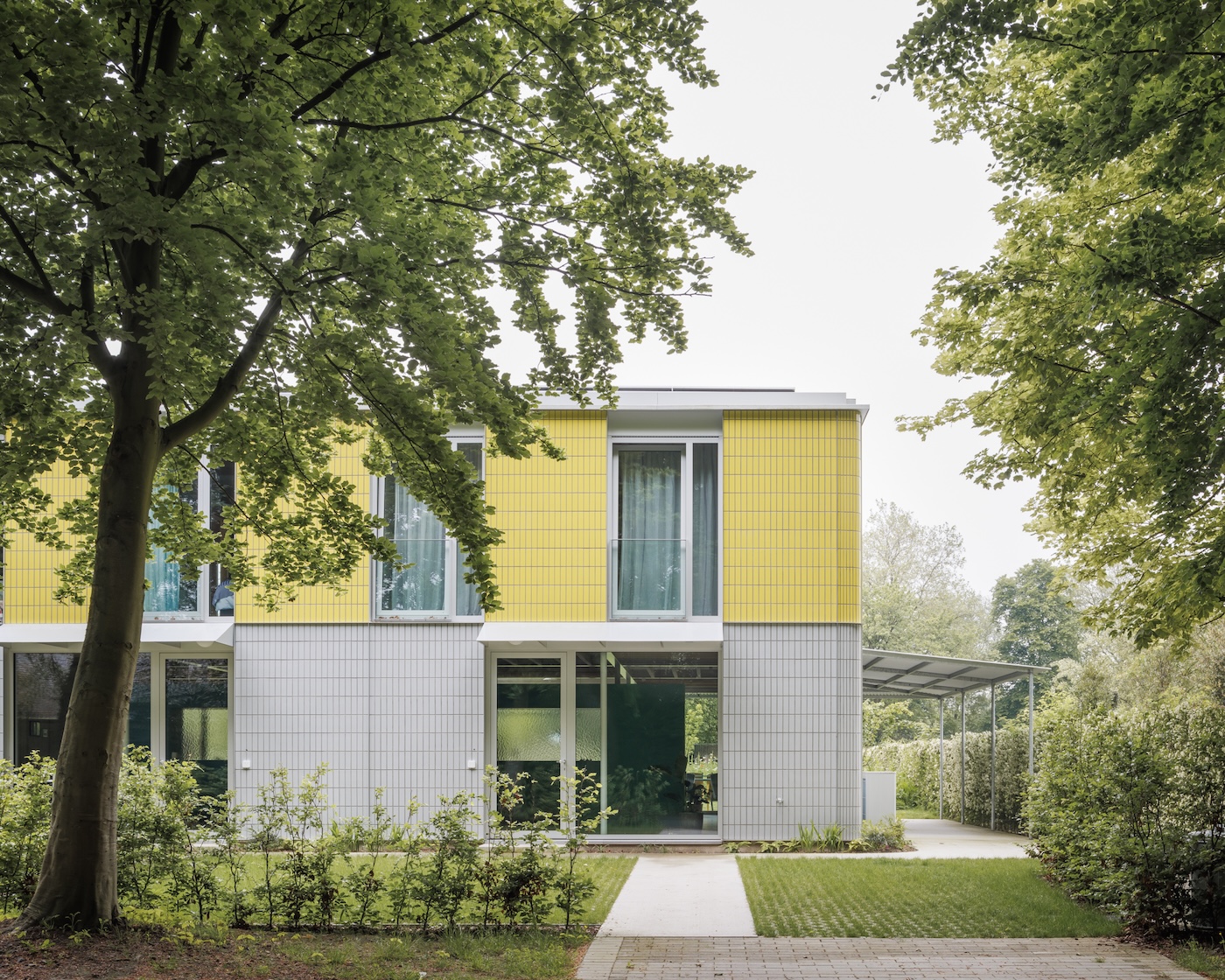
- Visual Identity: A vibrant facade composed of yellow and pale gray glazed tiles arranged in a grid.
- Structural System: A flexible 10-by-10-foot modular industrial steel frame with plywood infill.
- Sustainability: Fully self-sufficient featuring solar panels, heat pumps, and rainwater collection.
- Key Materials: Marmoleum flooring, Valchromat cabinetry, and natural Polish pine plywood.
The Belgium retreat by Studio Moto defines the next generation of modern vacation rentals, utilizing a modular industrial steel frame and a vibrant glazed tile facade to create a flexible, eco-friendly retreat near Bruges. This innovative property demonstrates how modularity can serve multiple purposes, transitioning seamlessly from a professional fashion workshop to high-end boutique homes for design-conscious travelers.
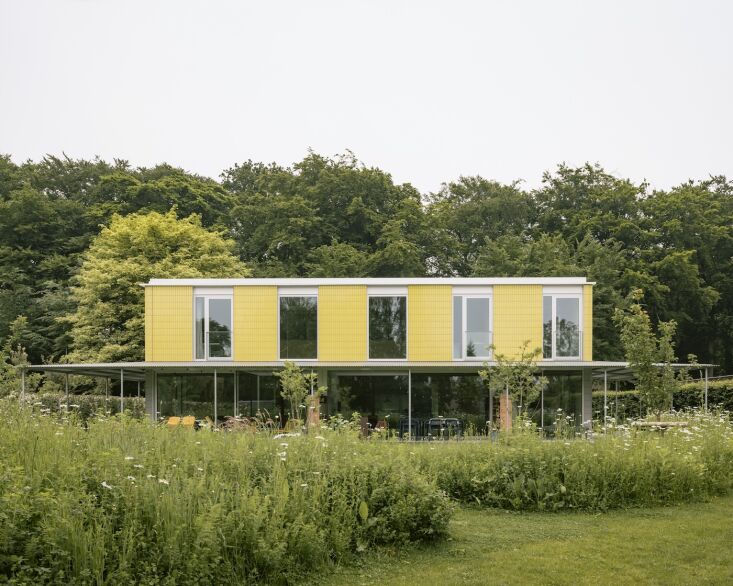
When we look at the landscape of modern vacation rentals today, the shift toward architectural transparency and modularity is impossible to ignore. In the quiet village of Varsenare, Belgian fashion designer Eva Maria Bogaert has collaborated with the visionary firm Studio Moto to create something truly atypical. This is not your standard countryside cottage. Instead, it is a bold statement of how boutique homes modern vacation rentals can integrate professional creative life with the hospitality industry. Situated on a 1,250-square-meter lot, the project—simply known as 'The House'—serves as a multi-functional hub that challenges our traditional notions of getting away from it all.
Architectural Innovation: The 10x10 Modular Grid
The genius of the Studio Moto architecture lies in its mathematical precision. The entire building is governed by a rigorous 10-by-10-foot modular grid. This industrial steel-framed system is not just an aesthetic choice; it is a functional masterstroke. By using a standardized grid, the designers allowed for a 30-50% time reduction in construction compared to traditional builds, a significant benefit for anyone looking into modular rental home design tips. This efficiency does not come at the cost of character. The exterior is clad in a glazed tile facade of yellow and pale gray tiles sourced from Germany, creating a shimmering, almost pixelated effect that shifts with the Belgian light.
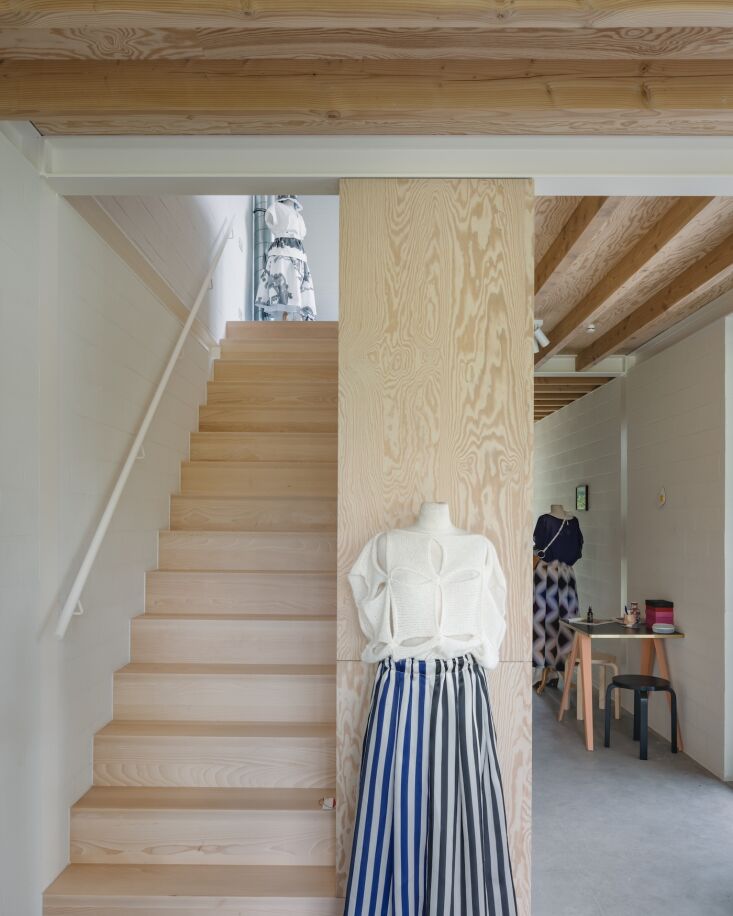
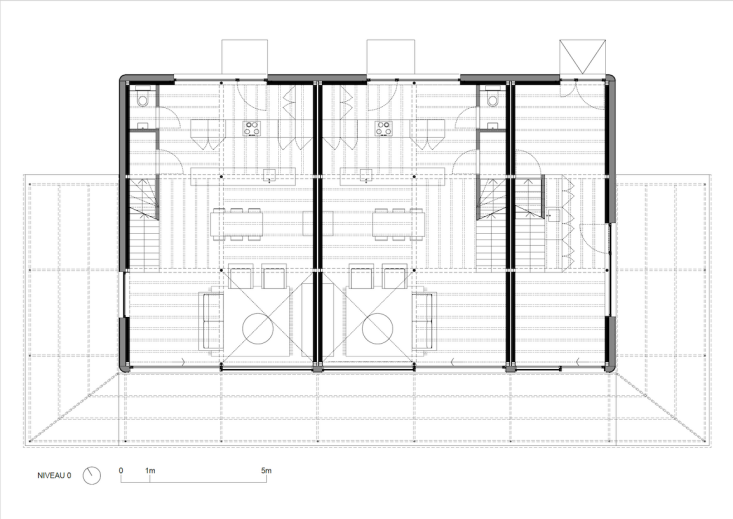
This grid system allows the building to be incredibly flexible. The structure is divided into three distinct zones: a central workshop for Eva Maria’s fashion label, and two mirrored rental units named Eva and Maria. Because the interior walls are non-load-bearing plywood infills within the steel frame, the internal configuration can be easily altered in the future. This makes the property a perfect case study for modular rental home design, as it can adapt to become a single large residence, a series of smaller artist studios, or even a gallery space without requiring major structural overhauls.
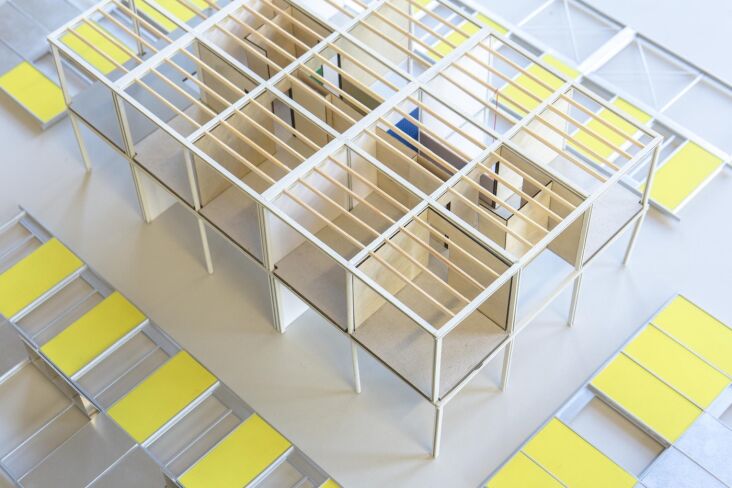
The use of a double-height interior volume in certain modules creates a sense of grandeur that belies the industrial materials. By playing with scale and light, Studio Moto has turned a modern tiled exterior home design into a localized landmark. The "swimming pool aesthetic" of the exterior tiles provides a playful, nostalgic nod to mid-century design while maintaining a sharp, contemporary edge that appeals to the modern traveler.
Interior Curation: Styling for the Creative Soul
Stepping inside the rental units feels like entering a warm, tactile sanctuary that perfectly balances the industrial exterior. The transition from the glossy glazed tile facade to the matte, natural Polish pine plywood walls creates an immediate sense of comfort. This is where interior styling for creative retreats truly shines. The design language here follows the Organic Modern trend projected for 2026, where raw, sustainable materials meet iconic, high-design furniture.
The furniture selection is a masterclass in how to furnish a vacation rental with vintage furniture and designer classics. In the unit known as 'Eva', the living area is anchored by the unmistakable silhouette of Togo lounges from Ligne Roset in a vibrant moss green. These are paired with vintage school chairs and Gubi lighting fixtures, creating a curated, homey atmosphere that feels more like a private collection than a commercial rental. The use of traditional Japanese noren-style curtains as room dividers allows for an indoor-outdoor living flow, letting guests define their own privacy levels while maintaining a visual connection to the surrounding countryside.
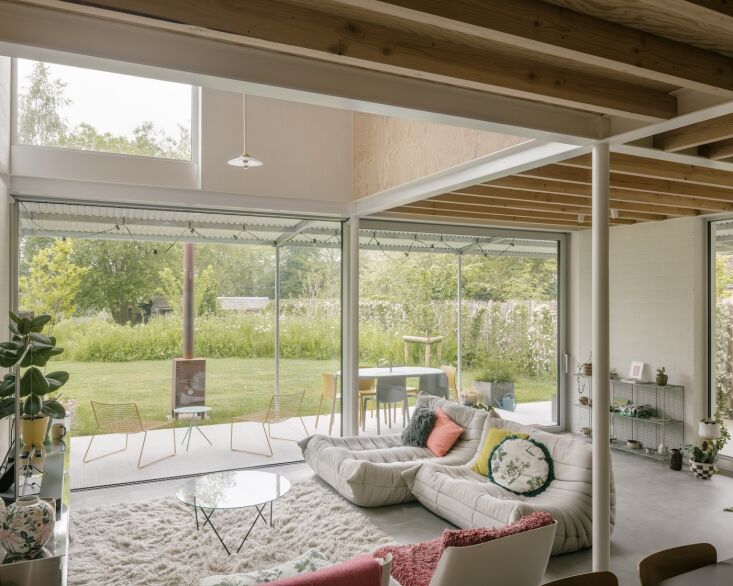
For those designing a multipurpose artist retreat and rental, the lesson here is in the details. Eva Maria Bogaert has utilized her own craft by incorporating textile accents made from repurposed fabric scraps. This adds a layer of personal narrative and soul to the space, ensuring that the modular rental home design never feels clinical. The mid-century geometric influence is evident in the custom-built shelving and the rhythmic placement of windows, ensuring every corner of the house offers a framed view of the Varsenare landscape.
Sustainability and Eco-Friendly Specifications
In the current era of modern vacation rentals, luxury is increasingly defined by a light environmental footprint. This Belgian property is a beacon of sustainability, functioning as a fully self-sufficient building. The roof is outfitted with high-efficiency solar panels, while a system of heat pumps provides climate control. Rainwater collection systems are integrated into the modular grid, ensuring that the property minimizes its impact on the local infrastructure. In fact, these self-sufficient systems can lead to a 30% climate control cost savings compared to traditional countryside homes.
The eco friendly vacation home materials guide used for the interiors is equally impressive. The designers opted for:
- Marmoleum flooring: A natural, durable, and CO2-neutral flooring material made from linseed oil and wood flour.
- Valchromat: This is a refined, moisture-resistant MDF evolved for high-end cabinetry. It is used throughout the kitchens and storage units, offering a low-VOC and sustainable alternative to traditional painted wood.
- Natural Polish Pine Plywood: Used for all internal walls and ceilings, this renewable resource provides natural insulation and a warm acoustic quality.
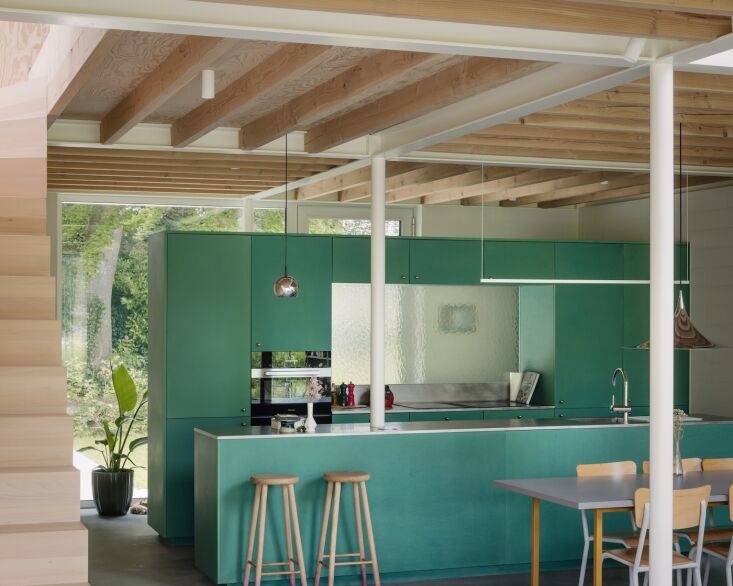
The choice of these materials proves that high-end interior styling for creative retreats does not have to rely on exotic hardwoods or heavy synthetics. Instead, the focus is on durability and the inherent beauty of common industrial materials when treated with expert craftsmanship. This approach ensures the rental units are not only beautiful for today but remain resilient and eco-friendly for decades to come.
Reality Check: Considerations for Modern Rental Development
While the Studio Moto design is undeniably inspiring, potential owners must look at the practicalities of modular rental home design tips. One of the primary hurdles in 2026 remains the regulatory landscape; currently, roughly 60% of local authorities still lack clear modular guidelines, which can lead to delays in zoning and permit approvals. Unlike standard container modulars, which are often limited to an 8-foot width, the custom steel grid used here allows for much larger, more livable spaces, but it also requires more intensive site preparation and a higher initial investment in architectural engineering.
The concept of an artist-in-residence studio integrated with a rental also requires careful management. Maintaining the balance between a working fashion workshop and a tranquil vacation spot for guests necessitates clever acoustic insulation and intentional layout planning. In this project, the central workshop acts as a buffer between the two rental units, ensuring that the creative energy of the workspace never disrupts the peace of the guests.
For those looking to build their own boutique homes modern vacation rentals, it is essential to consider the site's accessibility. This property sits on a 1,250-square-meter lot approximately 20 minutes from the cities of Bruges and Ostend, striking the perfect balance between rural seclusion and urban convenience.
FAQ
What defines a modern vacation rental?
A modern vacation rental is characterized by a departure from generic hospitality aesthetics in favor of unique, architect-led design and flexible functionality. These spaces often incorporate modular rental home design, sustainable building systems like solar power, and a curated interior style that reflects the owner's personal brand or artistic vision. They prioritize high-quality, eco friendly vacation home materials and often offer a hybrid living-working environment.
What design trends are currently popular in vacation rentals?
The most prominent trends include Organic Modernism, which mixes raw materials like plywood and steel with iconic designer furniture. We are also seeing a massive rise in the use of vibrant, textured facades—such as the glazed tile facade seen in Belgium—to create "Instagrammable" landmarks. Additionally, self-sufficiency and the use of smart home technology for energy management are becoming standard expectations for the luxury traveler.
Are modern vacation rentals suitable for families with children?
Yes, many modern vacation rentals are designed with families in mind. Modular designs often allow for flexible sleeping arrangements, and durable materials like Marmoleum flooring and Valchromat cabinetry are excellent for high-traffic use by children. However, guests should check for specific features like double-height volumes or open staircases that may require extra supervision for very young children.
How can I verify the quality of a modern vacation rental before booking?
Look for rentals that credit specific architecture firms, such as Studio Moto, and interior designers. Quality modern vacation rentals will often list their material specifications, such as the use of Gubi lighting or Togo seating, which signals a high level of investment in the guest experience. Reading recent reviews for mentions of acoustic privacy and the efficiency of climate control systems is also a reliable way to gauge the technical quality of the build.
What smart home features are common in modern rentals?
Common features include integrated heat pump controls, automated lighting systems that adjust based on natural light levels, and keyless entry systems for seamless check-ins. Many modern vacation rentals also feature smart energy monitoring dashboards, allowing guests to see the real-time impact of the solar panels and rainwater collection systems, enhancing the sustainable travel experience.