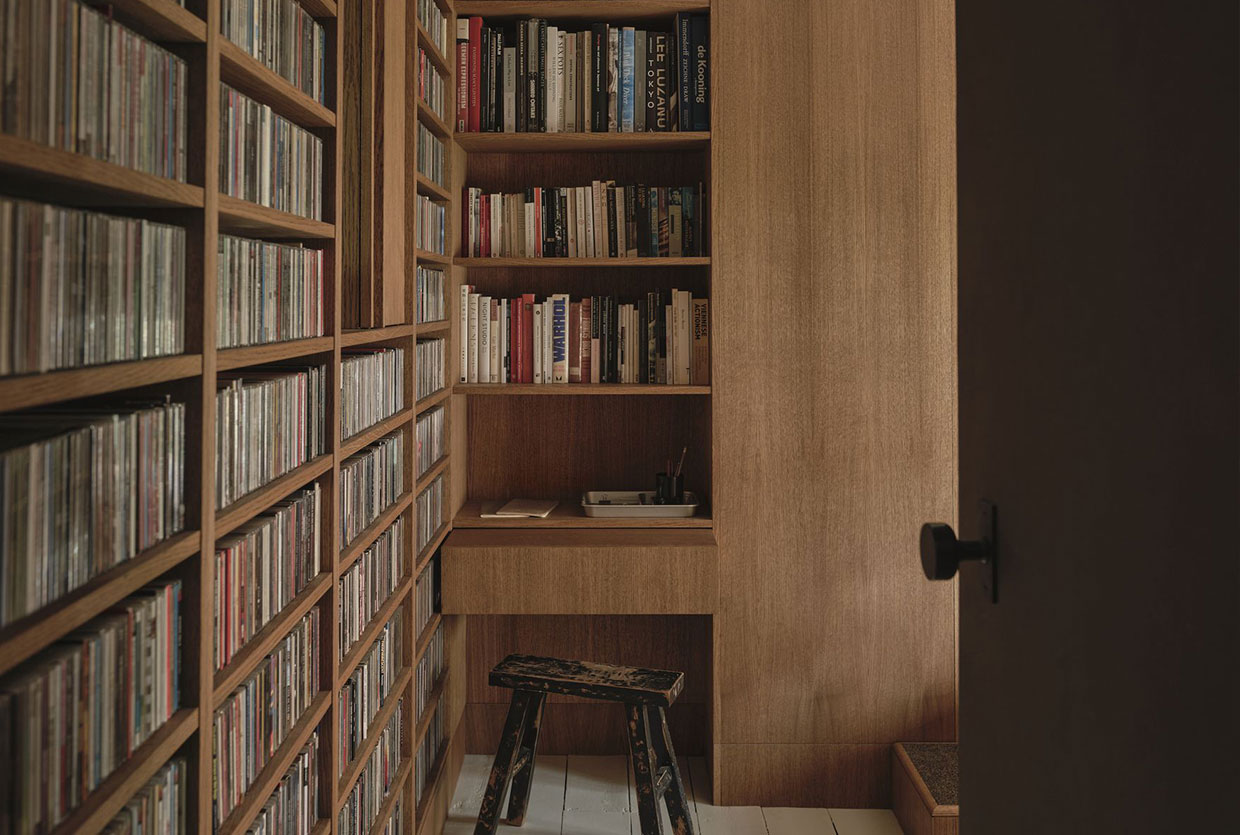
There is a specific kind of silence that only ancient stone can hold. It is not the empty silence of a void, but a weighted, resonant quiet—a "thick" silence that seems to absorb the frantic frequency of modern life. In the heart of the Danish countryside, near the shimmering waters of Limfjorden, Ørslev Monastery stands as a testament to this architectural serenity. Founded around 1200 as a Benedictine nunnery, this historic Danish sanctuary has undergone a profound transformation, functioning since 1969 as one of Scandinavia’s most prestigious and longest-running creative residences for artists, scholars, and writers.
For the modern soul seeking a refuge for deep, uninterrupted work, Ørslev is more than a destination; it is a laboratory for the spirit. Here, the creative process is shielded by walls that have survived eight centuries of change, offering a rare opportunity to step out of the digital slipstream and into a tempo governed by light, shadow, and the slow breath of a living building.
The Stewardship of History: From Nunnery to Creative Haven
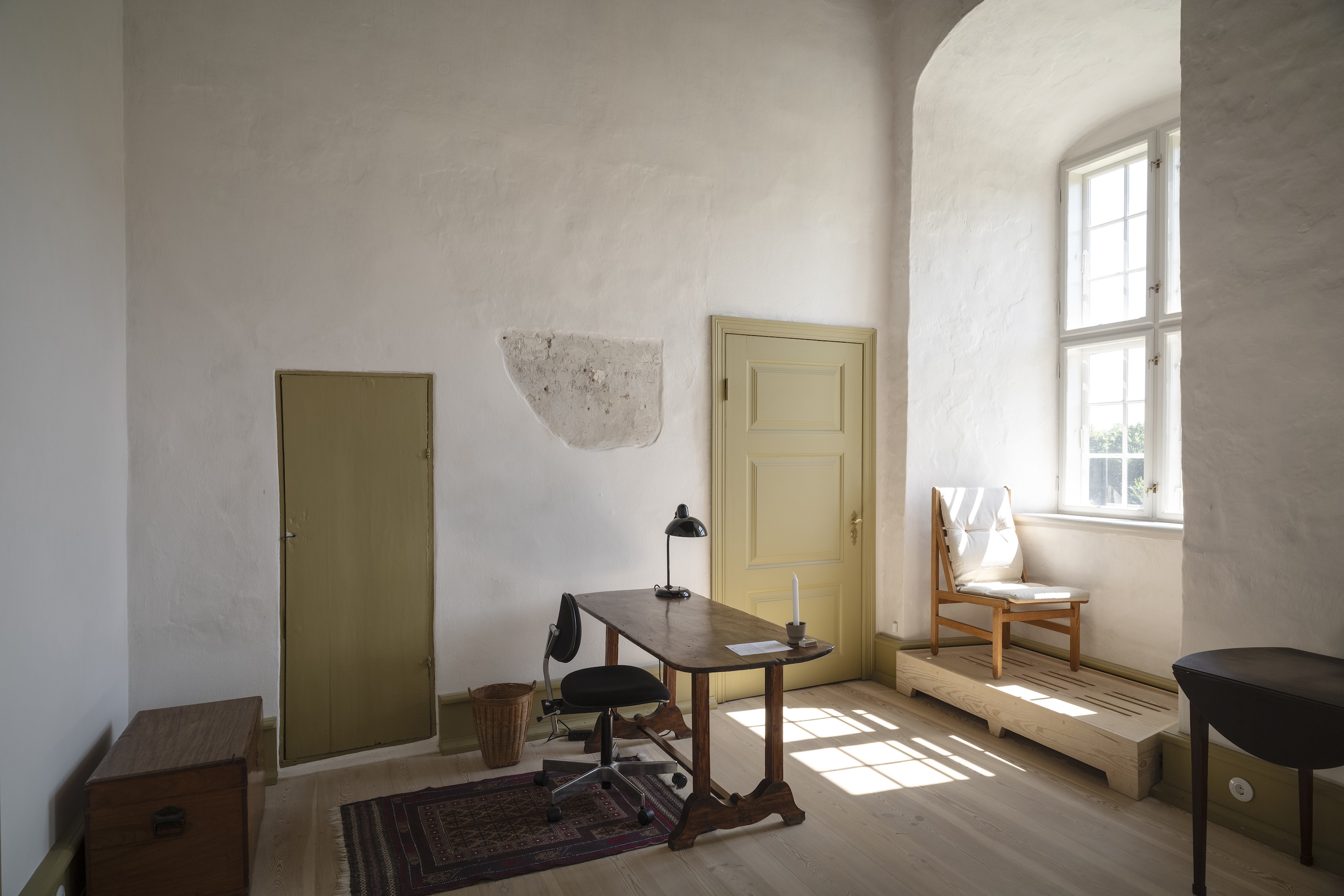
The story of Ørslev Monastery is one of radical preservation and rhythmic adaptation. For over 800 years, the site has served various masters, yet it has never lost its core identity as a place of contemplation. Originally a sanctuary for Benedictine nuns in the early 13th century, the complex evolved into a Baroque manor during the 18th century, adding layers of architectural complexity that define its silhouette today.
The monastery’s survival into the 21st century is largely credited to the vision of Countess Olga Sponneck, who rescued the structure from potential collapse in the 20th century. Her devotion to the "stewardship of history" ensured that the building did not become a dusty museum, but a functional workspace. Today, under the expert guidance of medieval archaeologist and director Janne Fruergaard Keyes, the monastery operates with a dual mission: the meticulous physical preservation of the site and the intellectual preservation of the creative arts.
The transition from a religious cloister to a creative work refuge was a natural one. The monastic tradition of ora et labora (pray and work) translates seamlessly into the modern artist’s need for discipline and focus. Since opening its doors to residents in 1969, Ørslev has hosted thousands of creatives who require extended periods of isolation to complete complex projects—ranging from symphonies and historical novels to scientific dissertations.
The Architecture of Quiet: Restoration and Materials
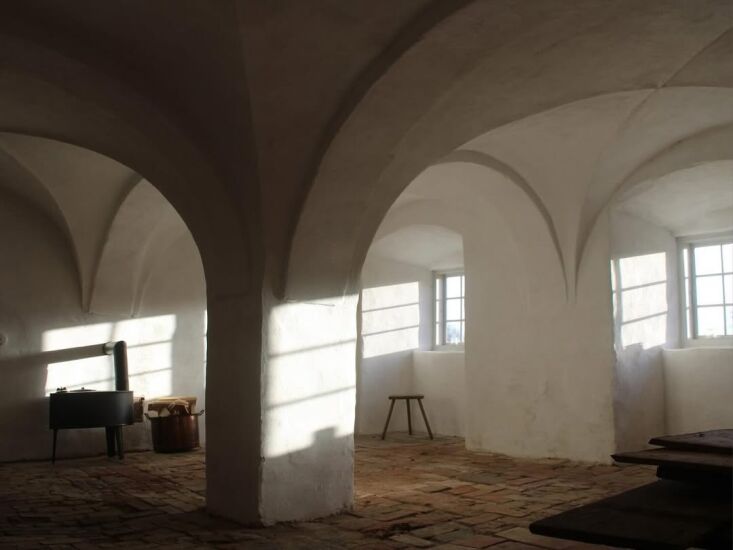
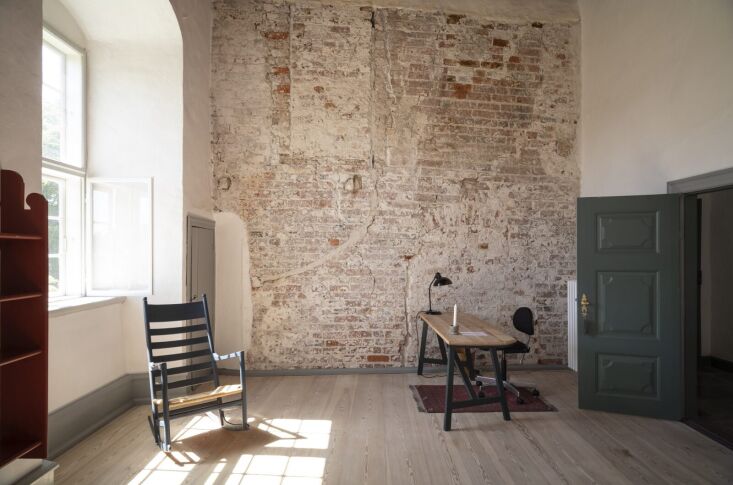
From an interior design perspective, Ørslev Monastery is a masterclass in the "honesty of materials." The restoration philosophy here rejects the quick fixes of modern construction in favor of techniques that respect the building’s original physiology.
One of the most striking features of the monastery is the sheer scale of its masonry. The defensive-style walls measure nearly 100 centimeters (one meter) thick in several sections. In the realm of sustainable design, we often talk about "thermal mass," but here, it is experienced as a physical embrace. These massive walls act as a natural thermal buffer, regulating the temperature so that the interiors remain cool in the height of summer and retain a gentle, radiant warmth during the Danish winter. For a resident writer or researcher, this stability is not just a matter of comfort; it creates a stable environment that minimizes external distractions.

The restoration team has placed a heavy emphasis on "permeability"—the idea that a historic building must be allowed to breathe. This is achieved through the exclusive use of traditional materials:
- Linseed Oil Paints: Unlike modern acrylics which create a plastic-like seal, linseed oil paints penetrate the wood and masonry. They allow moisture to move through the material, preventing rot and ensuring that the ancient timber frames remain structural for centuries to come.
- Historical Pigments: The color palette of the monastery is derived from earth pigments. These tones—ochres, umbers, and oxides—change subtly with the shifting Danish light, providing a visual calmness that modern synthetic colors often lack.
- Lime Mortar and Plaster: The use of breathable lime allows the walls to regulate humidity naturally, contributing to the healthy indoor climate that is essential for long-term stays.
Editor’s Tip: If you are looking to bring a piece of this "monastic modernism" into your own home, consider the use of mineral-based paints. They offer a depth of color and a matte texture that echoes the light-absorbing qualities of historic stone.
Living the Monastic Life: The Resident Experience
Residency at Ørslev is an intentional departure from the "connected" world. The monastery is open to international artists, scholars, musicians, and writers who have a specific, defined project in mind. This is not a vacation; it is a deep-dive residency where the architecture itself serves as a collaborator.
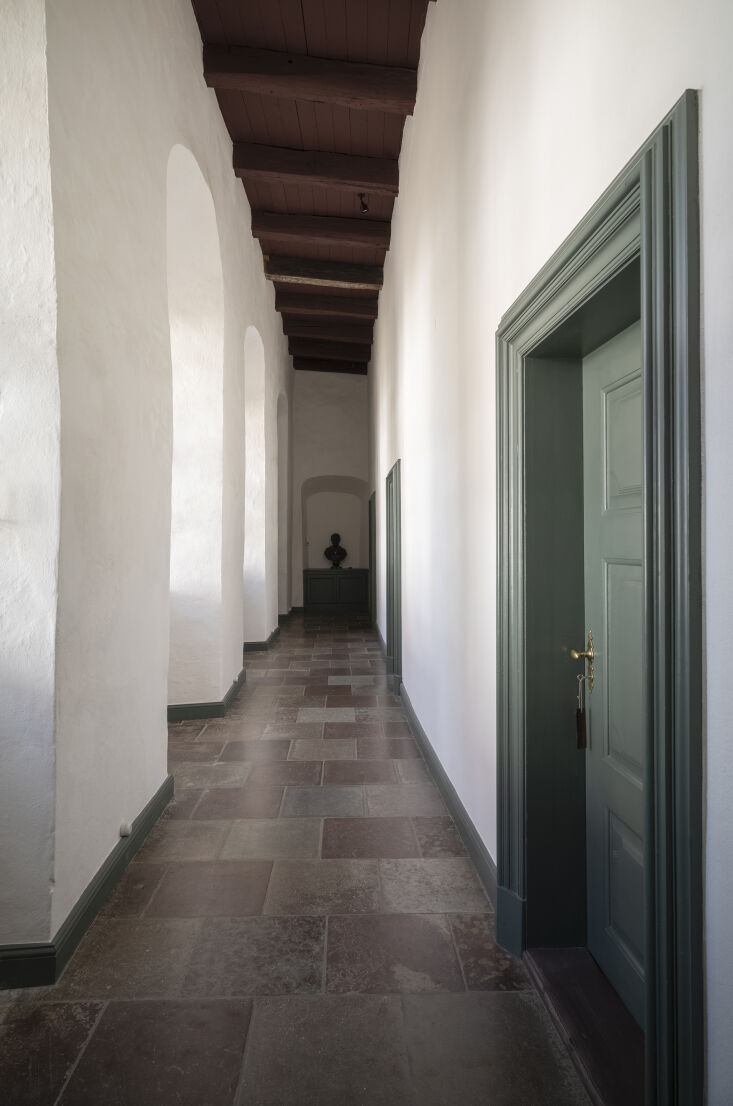
The living quarters are designed to facilitate what I call "the luxury of the essential." While the rooms are equipped with modern necessities, they maintain a monastic aesthetic—vaulted ceilings, original brick or stone floors, and a curated selection of furniture that prioritizes function over flourish.
| Feature | Description | Benefit for the Creative |
|---|---|---|
| Private Studios | Small, secluded rooms for individual work. | Eliminates social obligation and sensory noise. |
| Shared Spaces | Common dining areas and lounges following monastic precedent. | Allows for "intellectual cross-pollination" during breaks. |
| Acoustic Design | Thick walls and vaulted ceilings. | Superior sound isolation for musicians and focused writers. |
| Duration | Weeks to months. | Provides the "slow time" required for complex breakthroughs. |
Life here follows a gentle rhythm. Residents often spend their mornings in total solitude, emerging in the afternoon for a walk through the grounds or a brief conversation in the shared kitchen. It is a community of individuals working in parallel, bound by a shared respect for the quiet.
Beyond the Walls: The Kvindsnap Forest and Grounds
The creative process rarely happens exclusively at a desk. At Ørslev, the surrounding landscape is an extension of the workspace. The Monastery Park is a living archive, containing over 30 types of herbs that were originally cultivated by the Benedictine nuns. Walking through these gardens, one can almost feel the continuity of human effort—from the medicinal gardens of the 13th century to the creative output of the 21st.
Beyond the formal gardens lies the Kvindsnap Forest. This historic woodland features marked nature trails that lead to local landmarks like the "Dancing Site" and the storytelling house at Hejlskovvej. These paths offer what psychologists call "soft fascination"—a type of environmental stimuli that restores the brain’s ability to focus after hours of intense cognitive work.
While the interior of the monastery is strictly reserved for residents to ensure their privacy, the park and forest remain open to the public. This creates a beautiful balance where the monastery acts as a silent heart within a vibrant, accessible landscape.

Practical Details for Potential Residents
If the idea of a Scandinavian retreat speaks to your creative soul, it is important to understand the application process. Ørslev Monastery is a dedicated workplace, and as such, they look for applicants who demonstrate a professional commitment to their craft.
- Location: The monastery is situated between the towns of Skive and Viborg in the Jutland region of Denmark, near the Limfjorden. It is accessible by car or public transport from major Danish hubs.
- Application Essentials: You must submit a defined project scope. Whether you are writing a book, composing an opera, or conducting academic research, the monastery prioritizers those who truly need the specific "quiet" that Ørslev provides.
- Timeline: Applications are accepted year-round, but because this is one of Scandinavia's longest-running residences (operating for over 55 years), it is wise to plan your stay several months in advance.
FAQ
Who is eligible for a residency at Ørslev Monastery? The monastery is open to professional artists, writers, musicians, and scholars from all over the world. While many residents are Danish, the community is decidedly international. You must have a specific project you are working on to be considered.
How long can I stay at the monastery? Stays typically range from a few weeks to several months. The goal is to provide enough time for a resident to reach a state of "deep work" that isn't possible in a standard one-week getaway.
Is there internet access and modern technology? Yes. While the monastery emphasizes a historic atmosphere, it is fully equipped with high-speed internet and modern amenities to support the needs of contemporary scholars and digital artists. However, residents are encouraged to use these tools mindfully to preserve the sanctuary's quiet atmosphere.
In an age where our attention is the most sought-after commodity, places like Ørslev Monastery are more than just historic buildings; they are vital infrastructure for the human imagination. By preserving the linseed oil finishes, the meter-thick walls, and the monastic rhythm of life, the stewards of Ørslev have created a space where the modern soul can finally hear its own thoughts.