You wake up in the quiet stillness of 4:00 AM, the remnants of a surreal landscape still clinging to your eyelids. There was a neon forest, perhaps, or a conversation with a long-lost friend in a room made of glass. Usually, by the time you reach for your phone or stumble toward the coffee maker, these fragments dissolve like fog in the morning light. We spend nearly a third of our lives in this subconscious theater, yet most of us leave the cinema with nothing but a hazy memory of the plot.
The Modem Dream Recorder is here to change that. It isn’t just another gadget in the ever-expanding "quantified self" market; it is a bridge between the deep subconscious and the waking world. By moving away from the clinical data of heart rate variability and REM cycles, this device focuses on the story of your sleep.
What is the Modem Dream Recorder?
The Core Concept: The Modem Dream Recorder is a standalone AI bedside device that converts spoken dream descriptions into atmospheric, low-resolution videos to aid dream recall and creative inspiration. It acts as a dedicated, screen-free journal that interprets your voice through generative AI to create a visual "dreamscape."
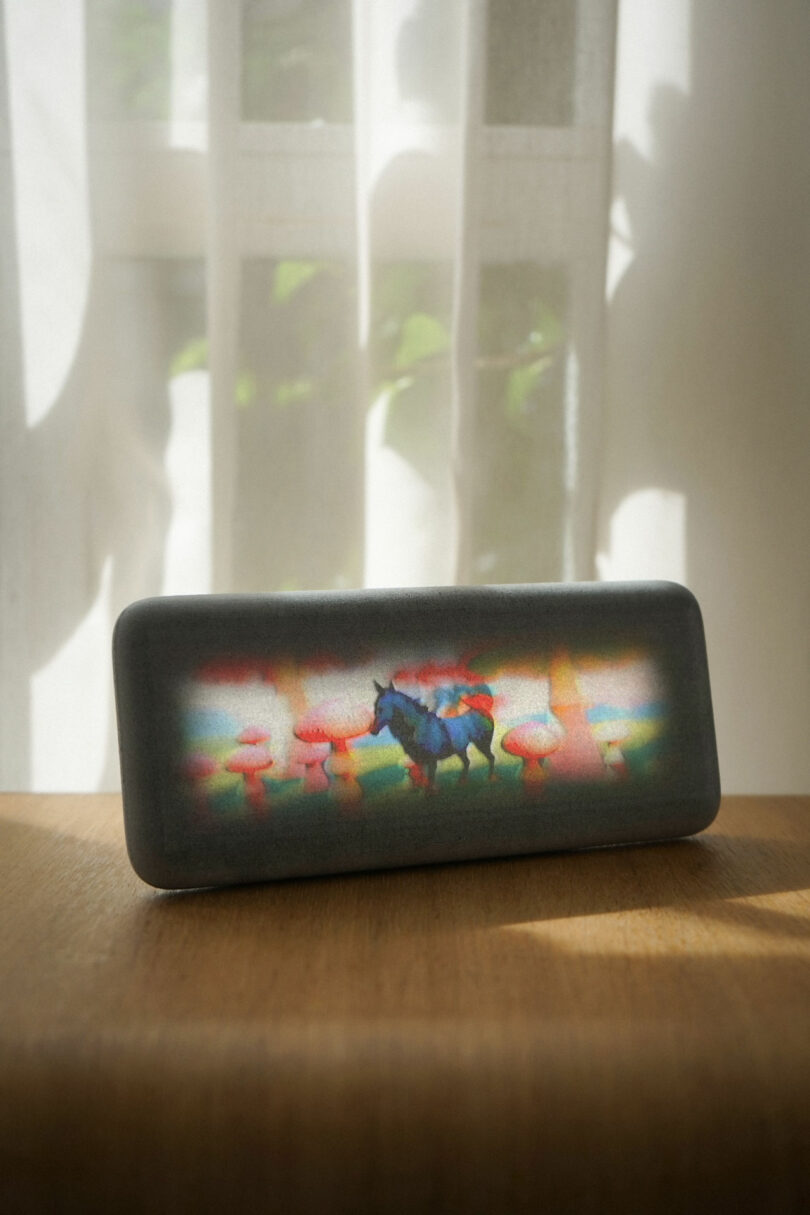
Unlike the typical tech solution that tethers you to a smartphone, the Dream Recorder is designed to be a "quiet" presence. It doesn’t track your movement or beep when you hit a goal. Its sole purpose is to listen when you are ready to speak and to show you what your mind saw while you were away.
How It Works: From Spoken Words to Visual Narratives
The user experience is intentionally tactile and immediate. When you wake up, you don't hunt for an app or unlock a screen—actions that 95% of modern smartphone-based sleep applications require, and which inevitably flood your brain with blue light and notifications. Instead, you interact with the physical device.
- The Capture: You record a monologue immediately upon waking. You describe the colors, the sensations, and the nonsensical logic of your dream.
- The AI Engine: The device uses Natural Language Processing (NLP) to parse your spoken words. These descriptions are then fed into generative models that are "hallucinating by design."
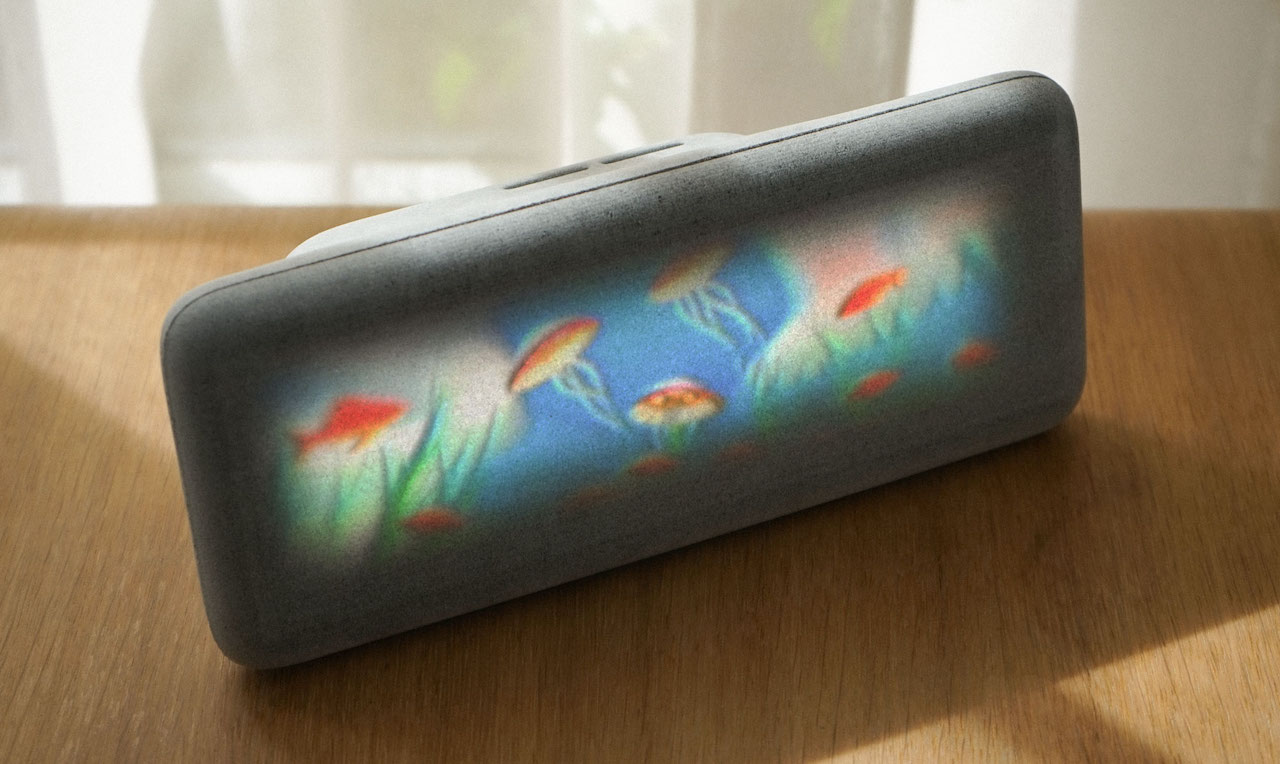
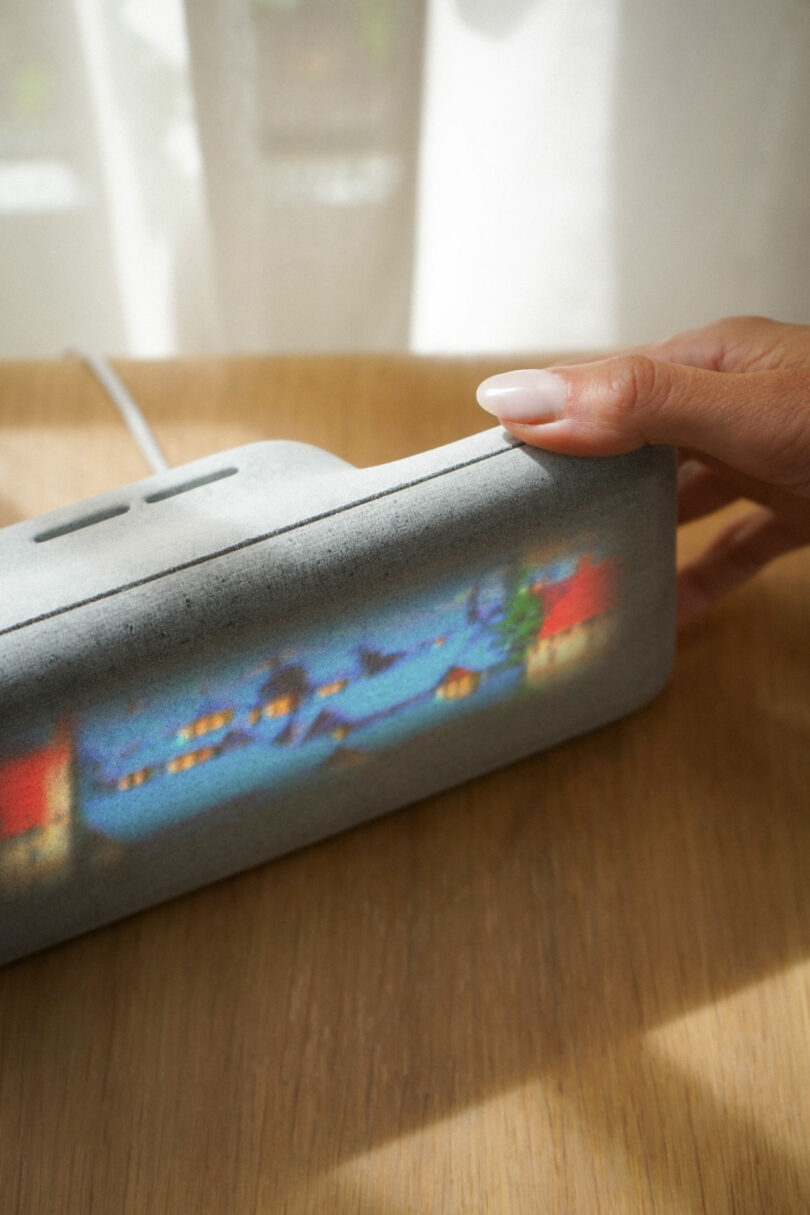
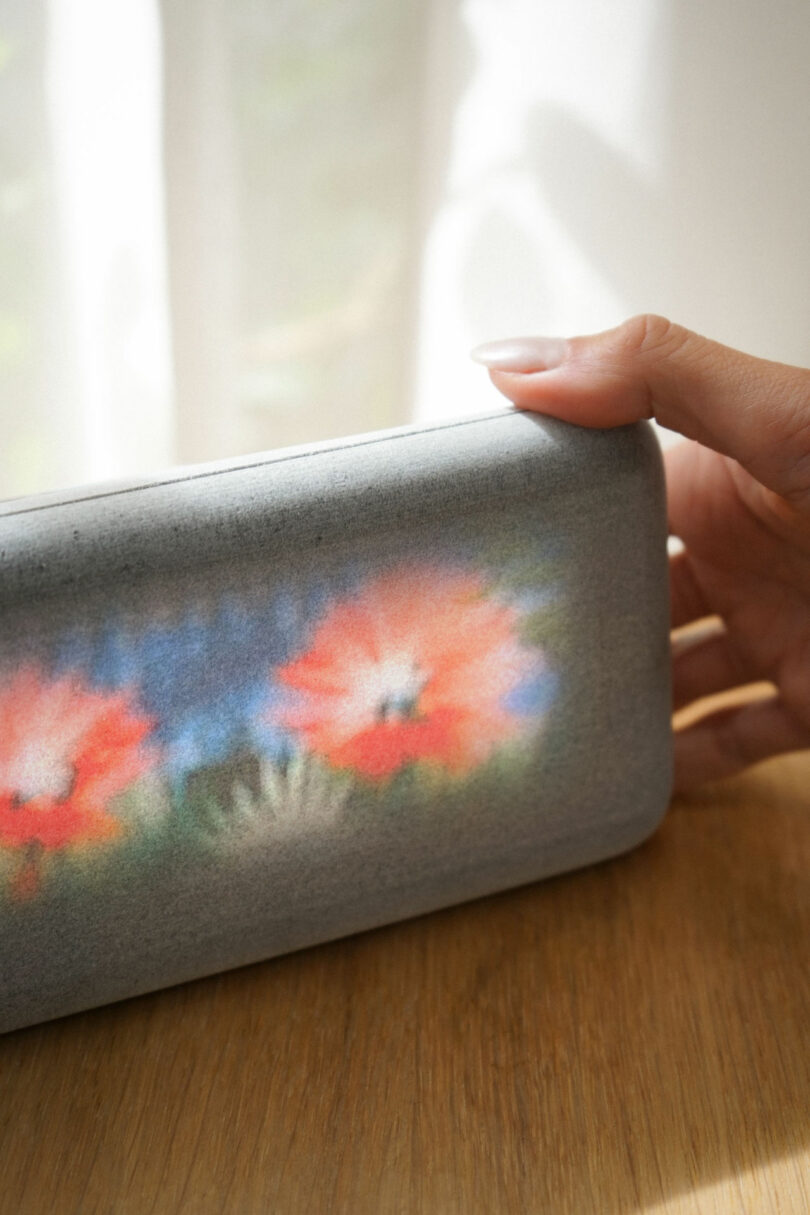
- Visual Generation: Rather than trying to create a photorealistic 4K render—which often falls into the "uncanny valley" and feels nothing like a real dream—the AI generates impressionistic, lo-fi videos.
By using cinematic aesthetics that favor the abstract over the literal, the device captures the mood of the dream. It’s less like a security camera recording and more like a moving painting of your thoughts.
Design Philosophy: Creating a Phone-Free Sanctuary
As someone who spends my days optimizing smart homes, I often see the bedroom become a battlefield of blinking LEDs and buzzing alerts. The Modem Dream Recorder is a masterclass in "Quiet Tech." By functioning as a standalone, app-free device, the Dream Recorder eliminates digital distractions and notifications, ensuring the bedroom remains a phone-free sanctuary for better sleep hygiene.
The physical design reflects this philosophy. Its 3D-printed shell features organic, non-symmetrical textures that feel more like a stone or a piece of coral than a piece of consumer electronics. One of the most thoughtful touches is the use of glow-in-the-dark materials.

This allows you to locate the device in a pitch-black room without needing to turn on a lamp, preserving your melatonin levels and making it easier to drift back into sleep after your recording is finished. It is a device that respects the sanctity of the sleep environment.
DIY Guide: Build Your Own Dream Recorder
Perhaps the most exciting aspect of the Modem project is its commitment to democratization. The Dream Recorder is entirely open-source, allowing users to download the code, 3D print the shell, and assemble the hardware using off-the-shelf components without any soldering required.
This "no-soldering" approach is a game-changer for DIY hobbyists. While traditional electronic kits often require specialized tools and steady hands, this project is more like assembling a high-tech LEGO set. It is 100% open-source, meaning the community can tweak the AI prompts, change the visual styles, or even port the software to different types of hardware.
Component Checklist & Shopping List
To build your own, you’ll need a few core components. The total cost hovers around EUR 285, making it a premium but accessible weekend project.
| Component | Purpose | Notes |
|---|---|---|
| Raspberry Pi 4 | The "Brain" | Handles the local processing and connectivity. |
| Microphone Array | The "Ears" | High-quality pickup for groggy, morning voices. |
| TFT Display | The "Canvas" | A small screen to display the AI-generated visuals. |
| 3D Printed Shell | The "Body" | Files are available for free on GitHub. |
| SD Card | Memory | Stores the OS and your recorded dream library. |
The assembly process involves snapping the components together and flashing the Modem software onto the SD card. Because there is no soldering, the risk of "bricking" your hardware is significantly lower, making it an ideal entry point for those who want a custom smart home device without the electrical engineering degree.
The Science & Art: Why "Low-Def" is Better for Dreams
In the world of AI, there is a constant race toward higher resolution and more "perfect" imagery. However, the Modem Dream Recorder takes a deliberate step back. Working in collaboration with artists like Alexis Jamet, the creators developed a visual style that is intentionally fallible and tactile.
Why does this matter? Because dreams themselves are low-definition. When you remember a dream, you don't remember the exact thread count of the curtains; you remember the feeling of the light and the impossible geometry of the space.
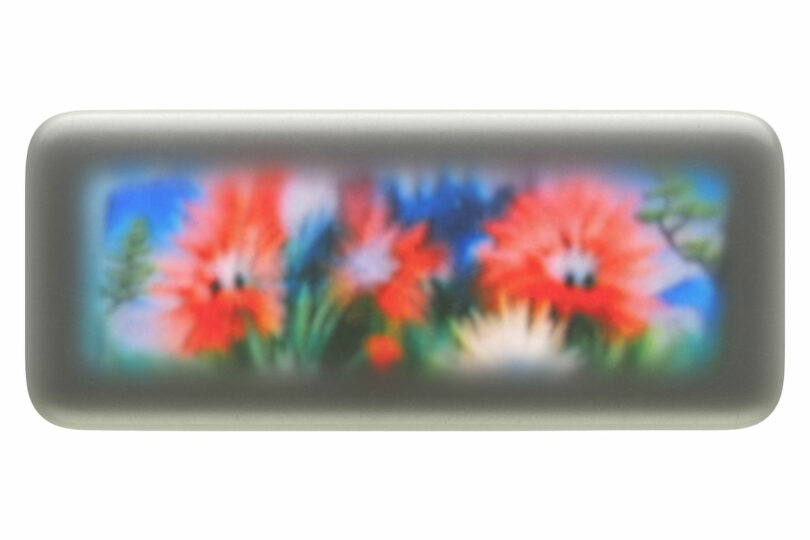
The AI’s tendency to "hallucinate" becomes a feature, not a bug. If the AI misinterprets a word and creates a surreal, swirling mass of color, it often fits the illogical nature of the dream better than a literal interpretation would. It turns the act of dream journaling into a collaborative art project between your subconscious and the machine.
Turning Subconscious Theater into Tangible Memories
The Modem Dream Recorder represents a shift in how we think about smart home technology. It isn't about efficiency or "hacking" your sleep to be more productive. It’s about curiosity. It’s about taking the most private, fleeting moments of our human experience and giving them a form we can see, share, and reflect upon.
Whether you are an artist looking for creative sparks or simply someone who wants to understand the "theater" of their own mind, this open-source project offers a unique path. It invites us to put down the smartphone, embrace the "quiet" of the bedroom, and start capturing the magic that happens while we sleep.
FAQ
Does the device record me while I'm sleeping? No. The Modem Dream Recorder is designed to be intentional. It only records when you manually trigger it to capture your dream description. It does not function as a passive "always-listening" device, ensuring your privacy remains intact.
Can I use the software without 3D printing the shell? Yes. Since the project is open-source, you can run the software on a compatible Raspberry Pi setup with a connected screen and microphone. However, the 3D-printed shell is highly recommended for the "glow-in-the-dark" bedside functionality and the tactile experience.
What happens if the AI visual doesn't look like my dream? The goal of the device is "atmospheric recall" rather than literal accuracy. The creators suggest that even "incorrect" or "hallucinated" visuals can act as powerful triggers for your own memory, helping you recall details that the AI might have missed.
As an editor deeply invested in the "calm tech" movement, I find the Modem Dream Recorder to be a refreshing departure from the data-heavy wearables that dominate the market. It proves that technology can be used to enhance our humanity, rather than just measure it.