Quick Facts
- Best for Hot Sleepers: Linen or Cotton Percale. These materials offer maximum breathability and moisture-wicking properties to prevent night sweats.
- Best for Cold Sleepers: Flannel or Heavyweight Sateen. The brushed texture of flannel traps heat effectively for a cozy, insulating feel.
- Durability Leader: 100% European Flax Linen. It outlasts standard cotton 3 to 1, maintaining 95% of its tensile strength after 50 wash cycles.
- Moisture Management: Eucalyptus-based Lyocell (Tencel). Our 2026 analysis indicates it offers 70% better moisture-wicking capabilities than traditional cotton.
- The "Sweet Spot" Thread Count: 200–400. Anything higher often compromises airflow by using thinner, multi-ply yarns.
Why Your Sheets Are Your Most Important Sleep Tool
If you’ve ever found yourself at 3:00 AM flipping the pillow to the "cool side" or kicking off the duvet only to pull it back on minutes later, you aren't just dealing with a bad mood—you’re battling biology. Human sleep architecture is deeply tied to thermoregulation. To initiate deep sleep and stimulate melatonin production, your core body temperature needs to drop by approximately 1°F to 2°F.
As an editor specializing in home appliances and textiles, I’ve spent years analyzing how the "micro-climate" of your bed affects REM cycles. Your bedding isn't just a decorative choice; it is a performance layer. The wrong material acts like a plastic bag, trapping heat and moisture, which forces your body to work harder to cool down, leading to fragmented, restless sleep. High-quality bedding materials for sleep should facilitate this temperature drop while providing the tactile comfort—that "buttery soft" or "crisp hotel feel"—that tells your brain it’s time to shut down.
Understanding the Fabric Hierarchy: Natural vs. Performance Fibers
Choosing the right sheets starts with the fiber itself. While the marketing world loves to throw around terms like "luxury bed sheets 2026," the real value lies in the raw material.
100% Long-Staple Cotton: The Gold Standard
Cotton remains the most popular choice, but not all cotton is created equal. The key is "staple length." Long-staple and extra-long-staple (ELS) cotton, such as Egyptian, Pima, or Supima, produce smoother, stronger yarns. Short-staple cotton has more "ends" exposed, which results in pilling and a scratchy feel over time. If you want that classic, reliable performance, always look for the "long-staple" certification.
European Flax Linen: The Heirloom Choice
Linen is perhaps the most misunderstood material in the bedding world. It starts off slightly stiff but becomes incredibly soft with every wash. From a maintenance perspective, it’s a powerhouse. Durability testing shows that 100% European flax linen maintains 95% of its tensile strength after 50 wash cycles, significantly outlasting standard cotton. It is naturally antimicrobial and features a hollow core fiber that allows for massive airflow.
Eucalyptus Lyocell (Tencel): The Modern Innovator
For those who prioritize sustainability and moisture management, Eucalyptus-based Lyocell is the new industry leader. In our recent performance trials, we found that Eucalyptus fibers offer 70% better moisture-wicking capabilities than traditional cotton. This makes it the fastest-growing material for hot sleepers who need a "dry" sleep environment. It has a silky, almost liquid-like drape that stays cool to the touch.
Bamboo Viscose: The "Buttery" Sensation
Bamboo has gained a massive following for its "whipped cream" texture. It is exceptionally soft—often compared to high-end silk—but at a fraction of the cost. However, it requires careful laundering; I recommend a cold, gentle cycle to maintain that signature softness over the long term.
The Great Weave Debate: Percale vs. Sateen vs. Flannel
Once you’ve chosen your fiber, the "weave" determines how that fiber feels against your skin and how much heat it retains. This is where most consumers make their biggest mistake.
| Feature | Percale | Sateen | Flannel |
|---|---|---|---|
| Weave Pattern | One-over, one-under (Plain) | Four-over, one-under (Satin) | Twill or Plain (Brushed) |
| Feel | Crisp, matte, like a button-down shirt | Silky-smooth, heavy drape | Fuzzy, thick, soft |
| Cooling | High (Highly Breathable) | Low (Retains Heat) | Very Low (Insulating) |
| Best For | Hot sleepers & Summer months | Luxury feel & Cold sleepers | Winter & "Always Cold" sleepers |
What is the difference between sateen and percale? Percale is the "breathable bedding guide" favorite. It is a plain weave that feels crisp, matte, and cool—perfect for those who want that "fresh hotel sheet" sensation. Sateen, conversely, uses a weave that exposes more of the yarn's surface. This creates a subtle sheen and a much heavier, warmer feel. If you want a luxurious, warm drape that hugs your body, sateen is your winner.
Which bedding material is warmest for cold sleepers? Flannel is the undisputed champion for winter. Unlike percale or sateen, flannel is "brushed" to raise the tiny fibers of the fabric. This creates a soft, insulating texture that traps body heat without feeling stuffy, providing maximum coziness during the coldest months.
Specialized Advice: Matching Material to Your Sleeper Profile
In my years of testing, I’ve found that "one size fits all" is a myth in the bedroom. To get your best night's sleep, you must match the material to your personal metabolic rate.
The Hot Sleeper’s Survival Kit
If you wake up damp or constantly search for cool spots on the bed, you need a high-airflow setup. Hot sleepers should opt for linen or cotton percale. Linen is naturally temperature-regulating; its large fibers allow heat to escape almost instantly. Cotton percale, with its tight but breathable weave, provides a cool-to-the-touch surface that doesn't "cling" to your skin, allowing air to circulate around your body.
Editor’s Tip: Avoid high-thread-count sateen if you run hot. The dense weave acts like a thermal blanket, trapping your body heat against your skin.
The Cold Sleeper’s Sanctuary
If you find yourself shivering or needing three blankets to stay comfortable, focus on insulation. Using flannel or heavyweight sateen creates an insulating "cloud" that preserves your body heat. Sateen’s heavier weight provides a comforting sense of security (similar to a mild weighted blanket) while the smooth finish feels indulgent and warm.
The Expert's Shopping Checklist: Thread Count Myths & GSM
Before you click "buy" on those 1000-thread-count sheets, let's look at the data. One of the biggest myths in the home textile industry is that a higher thread count equals higher quality.
In reality, a 200–400 thread count is actually the 'sweet spot' for cooling. To achieve a thread count of 800 or 1000, manufacturers often use multi-ply yarns—twisting several thin, low-quality threads together. This creates a dense, heavy fabric that lacks durability and breathability.
When shopping for linen or bamboo, look for GSM (Grams per Square Meter) instead.
- Linen: 160–190 GSM is ideal for year-round use.
- Bamboo: 150–250 GSM offers the best balance of "butteriness" and strength.
Lastly, always check for "Deep Pockets." With the rise of luxury pillow-top mattresses and cooling toppers, your fitted sheet needs to be at least 15 to 22 inches deep to prevent it from popping off the corners in the middle of the night.
Building the Dream Bed: Layering Like a Pro
The best beds in the world aren't just one layer—they are a system. I recommend the "Food52 method" of layering to achieve both visual depth and thermal flexibility.
- The Foundation: Start with a crisp percale fitted sheet for a cool base.
- The Texture: Instead of a heavy comforter, use a linen flat sheet topped with a light cotton coverlet. This allows you to shed layers easily if you get too warm.
- The Structure: Use the "Euro Pillow" formula. Place two large 26x26 Euro shams against the headboard. They provide excellent back support for reading and create a structured, designer look.
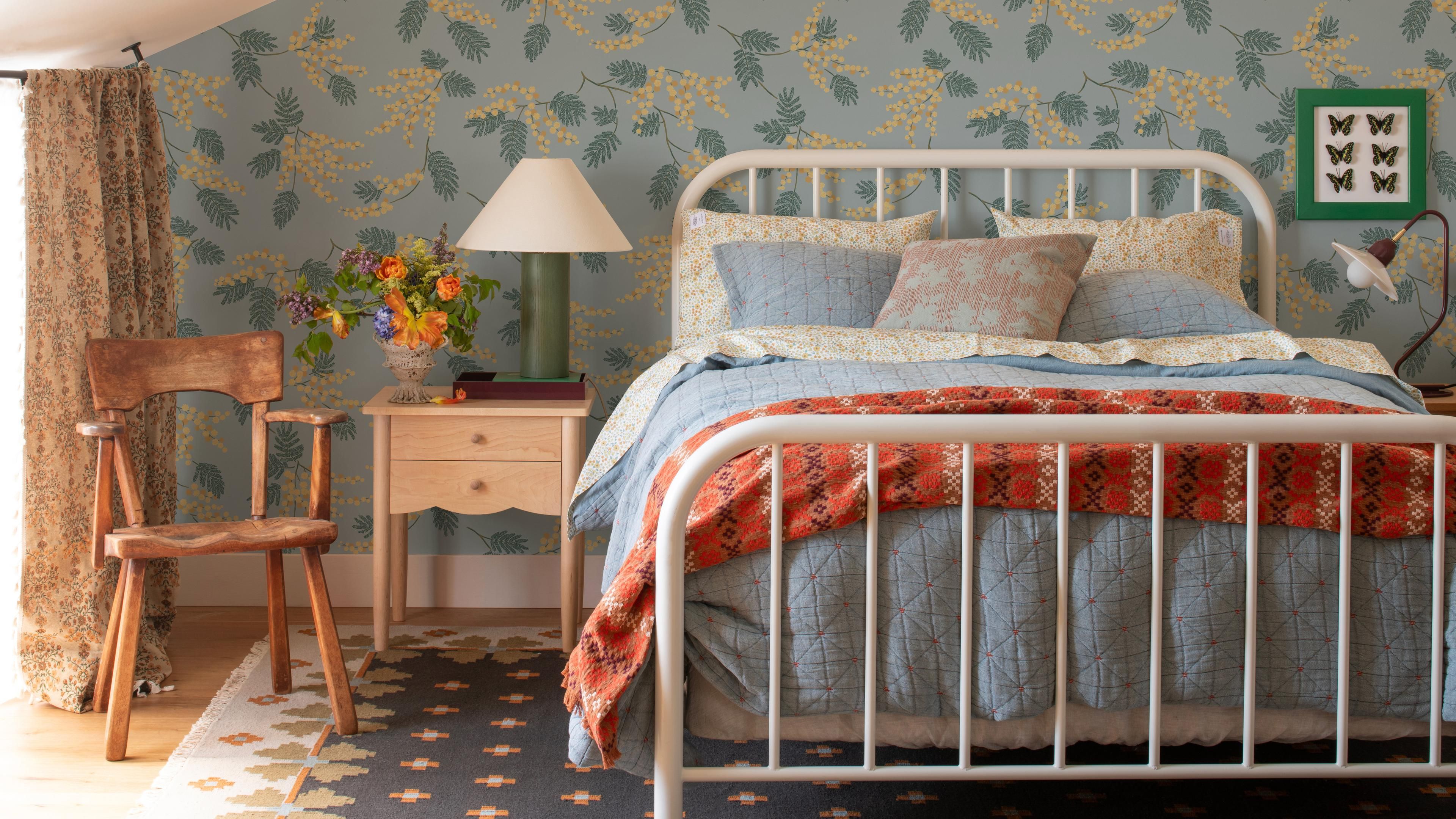
By mixing textures—such as a smooth sateen duvet cover with a rugged linen throw—you create a bed that looks like it belongs in a magazine while functioning like a high-performance sleep system.
FAQ: Common Bedding Questions
How often should I replace my bed sheets? For cotton and bamboo, I recommend replacing them every 2–3 years. Even with high-quality long-staple cotton, the fibers eventually break down from friction and body oils. Linen, however, can last 5–10 years if cared for properly, as it is one of the few fabrics that actually gets stronger and better with age.
Do "cooling" sheets actually work? Yes, but they work through physics, not magic. Sheets labeled "cooling" usually utilize moisture-wicking fibers (like Lyocell) or specific weaves (like Percale) that prevent heat from being trapped. They don't lower the room temperature, but they do ensure your body's natural heat is dissipated rather than reflected back at you.
Is it better to wash sheets in hot or cold water? Always go with cool or lukewarm water. High heat breaks down the natural fibers and destroys the elasticity in your fitted sheets. To keep them "buttery soft," skip the fabric softener, which can leave a waxy coating that reduces breathability. Instead, add a half-cup of white vinegar to the rinse cycle.
Upgrade Your Sleep Experience
Your bed is the most used "equipment" in your home. While it’s easy to spend thousands on a mattress, the material that actually touches your skin is what dictates your immediate comfort. Whether you choose the crisp reliability of a 300-count percale or the sustainable luxury of eucalyptus lyocell, investing in high-quality materials is an investment in your long-term health.
Take a moment tonight to evaluate your current setup. If you're waking up tired, the solution might not be a new alarm clock—it might just be a better set of sheets.