Walking down a residential street in Islington or Hackney, the rhythmic repetition of yellow London stock brick and white stucco is a sight to behold. Yet, for many homeowners, the interior of these storied terraces presents a complex puzzle. We are moving away from the "cold modernism" that defined the early 2010s, yet few of us want to live in a cluttered Victorian museum. According to 2026 interior trends, 85% of London homeowners now prefer a "Contemporary Revival" style over pure traditional restorations. This shift isn't just about aesthetics; it’s about accommodating modern technology and open-plan lifestyles within a heritage shell.
To successfully navigate a Victorian renovation today, I always advise my clients to focus on the "Three Fs"—Function, Flow, and Feel. Function ensures that hidden essentials like heat pumps and insulation are integrated; Flow addresses the Victorian tendency toward small, dark rooms; and Feel focuses on the tactile soul of the home—the original plasterwork, the weight of a brass sash fastener, and the patina of old wood. By prioritizing these elements, we ensure that modern additions enhance rather than hide the home's historic soul.
The Golden Rule: The 70/30 Design Split
The most common question I receive is how to balance the old with the new without creating a jarring "clash of eras." The answer lies in a formula we call the 70/30 rule. To achieve a cohesive Modern Victorian look, you should maintain 70% modern elements for functionality and comfort, while preserving or reinstating 30% original Victorian features for character. This 30% typically includes the "permanent" architectural jewelry of the house: cornices, ceiling roses, deep skirting boards, and original fireplaces.
Implementing this balanced 70/30 design rule in heritage properties isn't just an aesthetic choice; it's a financial one. Data suggests that properties following this curated revival approach have seen a market resale value increase of approximately 12% compared to non-stylized or overly modernized renovations. The market in 2026 demands character, but it refuses to compromise on a high-spec kitchen or a master ensuite.
When selecting your "30%," look for the features that define the room's volume. If the original cornicing has been lost to years of bad renovations, it is worth the investment to have a specialist run new plaster moldings. For your "70%," focus on the big-ticket items that define your lifestyle: the sofa, the lighting, and the cabinetry. To keep these modern elements from feeling sterile, I recommend using the 3-5-7 Rule for decor groupings. Instead of a single modern vase, group items in odd numbers of varying heights—perhaps a sleek 2020s ceramic next to a vintage find and a textured stone object—to create a sense of curated history.
Restoring the Architectural Bones
Before we discuss paint and furniture, we must address the "bones." London flats are notorious for damp issues and structural settling. When restoring a Victorian property, your first priority should be the breathability of the building. Victorian homes were designed to "breathe" through their brickwork and lime mortar. Covering these in modern, non-breathable gypsum or plastic-based paints often leads to the dreaded damp patches.
The Technical Essentials
- Sash Windows: Replacing original sashes with plastic uPVC is a cardinal design sin. Instead, look for specialists who can install vacuum-sealed double glazing into existing or replicated timber frames. This meets Part L energy regulations while maintaining the heritage profile that defines a London streetscape.
- Plasterwork: If your ceiling roses are clogged with decades of paint, don't rip them down. Peel-away poultices can strip the layers back to the crisp, original detail.
- Flooring: You will likely find pine floorboards beneath the old carpet. You have two primary paths here: the rustic charm of restored boards or the structured elegance of encaustic tiles.
Expert Tip: Before you start sanding your original floorboards, check for "borer" (woodworm) and ensure the boards aren't too thin. If you are installing underfloor heating, original pine boards will likely warp; in this case, look for reclaimed engineered oak that mimics the Victorian width and grain but handles the heat.
| Flooring Finish | Maintenance | Aesthetic Effect | Best For |
|---|---|---|---|
| Hard-Wax Oil | Moderate; needs re-oiling every 2-3 years. | Matte, natural, enhances the wood grain. | Living rooms and bedrooms. |
| Water-Based Lacquer | Low; very durable and easy to clean. | Can look slightly "plastic" if too glossy. | High-traffic hallways and kitchens. |
| Encaustic Tile | Low; requires sealing once. | Bold, geometric, and historically accurate. | Entrance halls and bathrooms. |
Steal the Look: The Quietly Simple London Bedroom
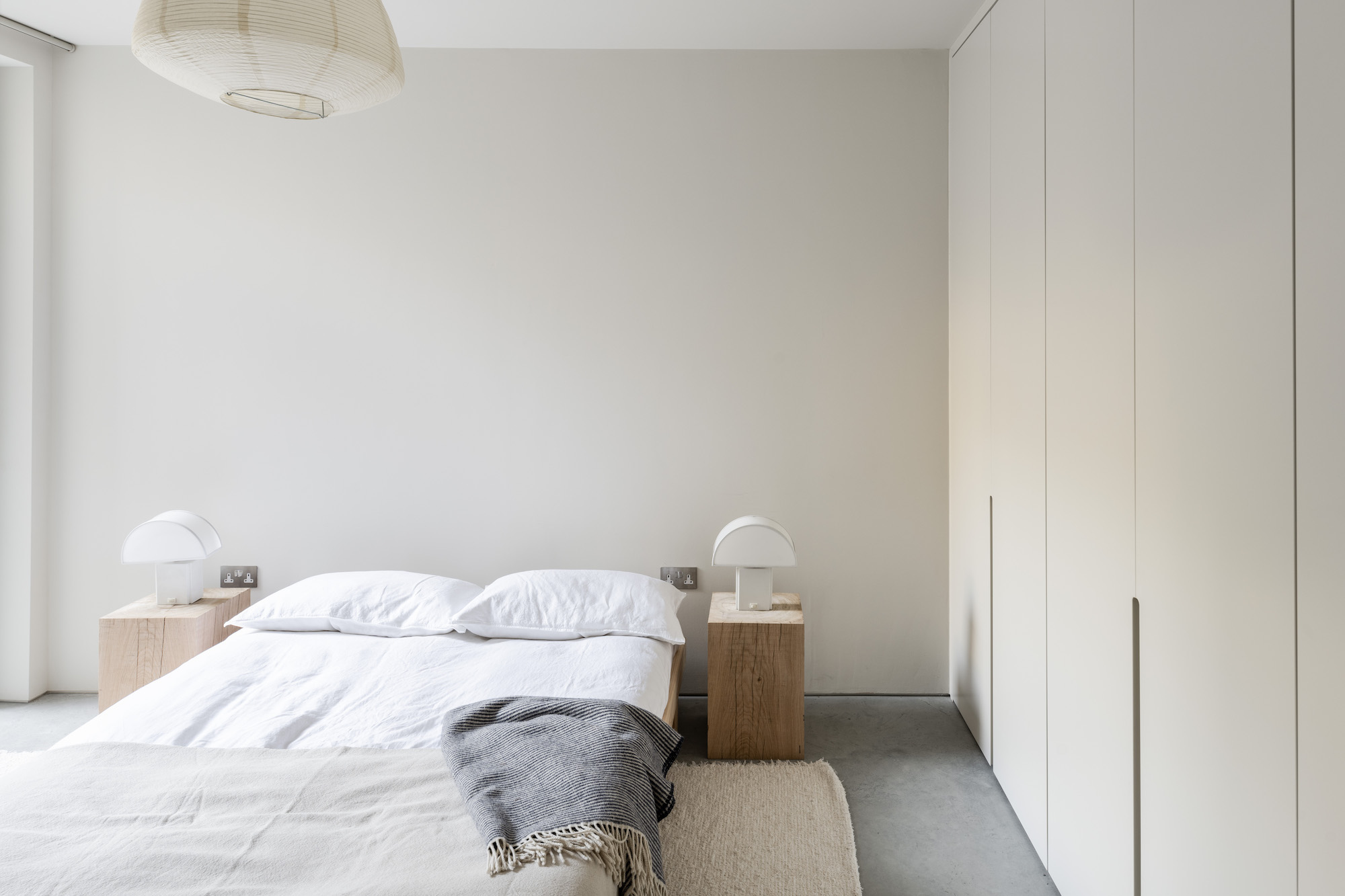
The Victorian bedroom was often a place of heavy drapes and dark woods. For a 2026 revival, we are stripping that back to create what I call the "Quietly Simple" bedroom. The goal is to emphasize the verticality of the room—those glorious high ceilings—while creating a sanctuary that feels warm and calm.
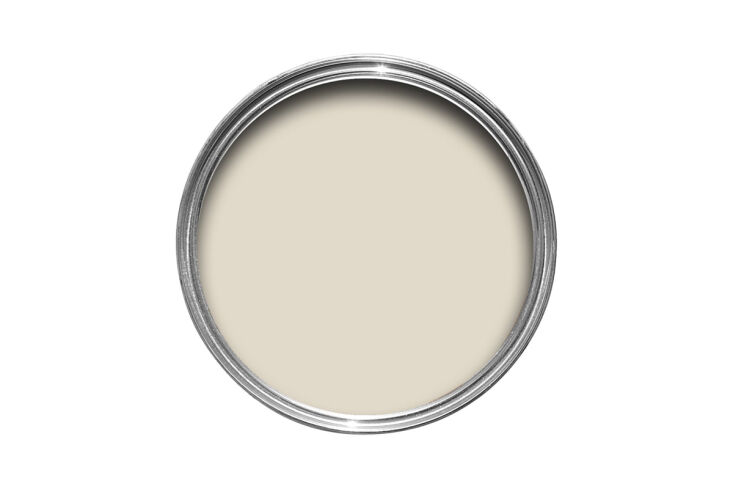
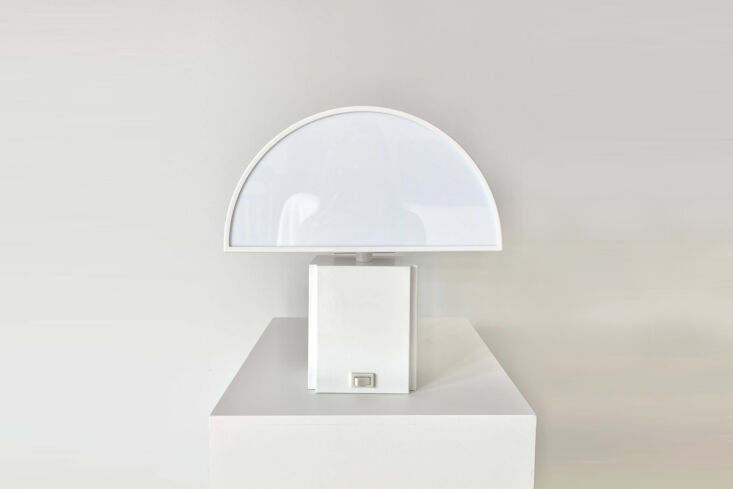
When restoring a Victorian bedroom, start with a palette of muted heritage tones. Farrow & Ball’s Slipper Satin is a perennial favorite for a reason; it reads as a sophisticated off-white that doesn't feel cold in London’s often gray light. This serves as your 70% foundation. From there, layer your lighting. Instead of relying solely on a central pendant, incorporate vintage 1970s lamps to bridge the gap between the 19th and 21st centuries.
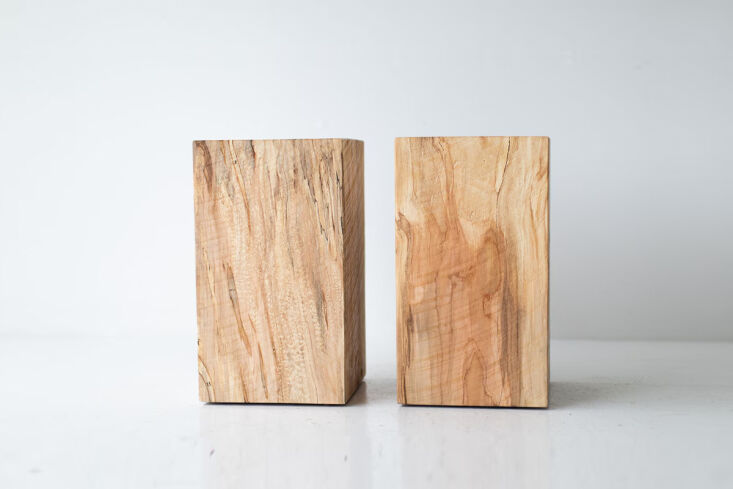
The furniture selection in a revival bedroom should be "intentionally simple." Because Victorian rooms often have intricate moldings, your furniture shouldn't compete for attention. I prefer minimalist timber side tables in oak or walnut. They provide an organic warmth that balances the crispness of the plasterwork.
To further emphasize that ceiling height, I always suggest opting for low-slung bed frames. A tall, ornate headboard can often make a room feel smaller by cutting the wall in half visually. A lower profile allows the eye to travel all the way up to the cornice, making the space feel grander and more airy.

Finally, remember the "Feel" aspect of the Three Fs. In a room with high ceilings and large windows, acoustics can sometimes feel "bouncy." Layering textures is the antidote. A heavy linen duvet, a wool rug, and perhaps a herringbone throw draped over the foot of the bed will dampen sound and add the necessary depth to your heritage palette.

Modernizing the 'Hard-Working' Areas: Kitchens & Baths
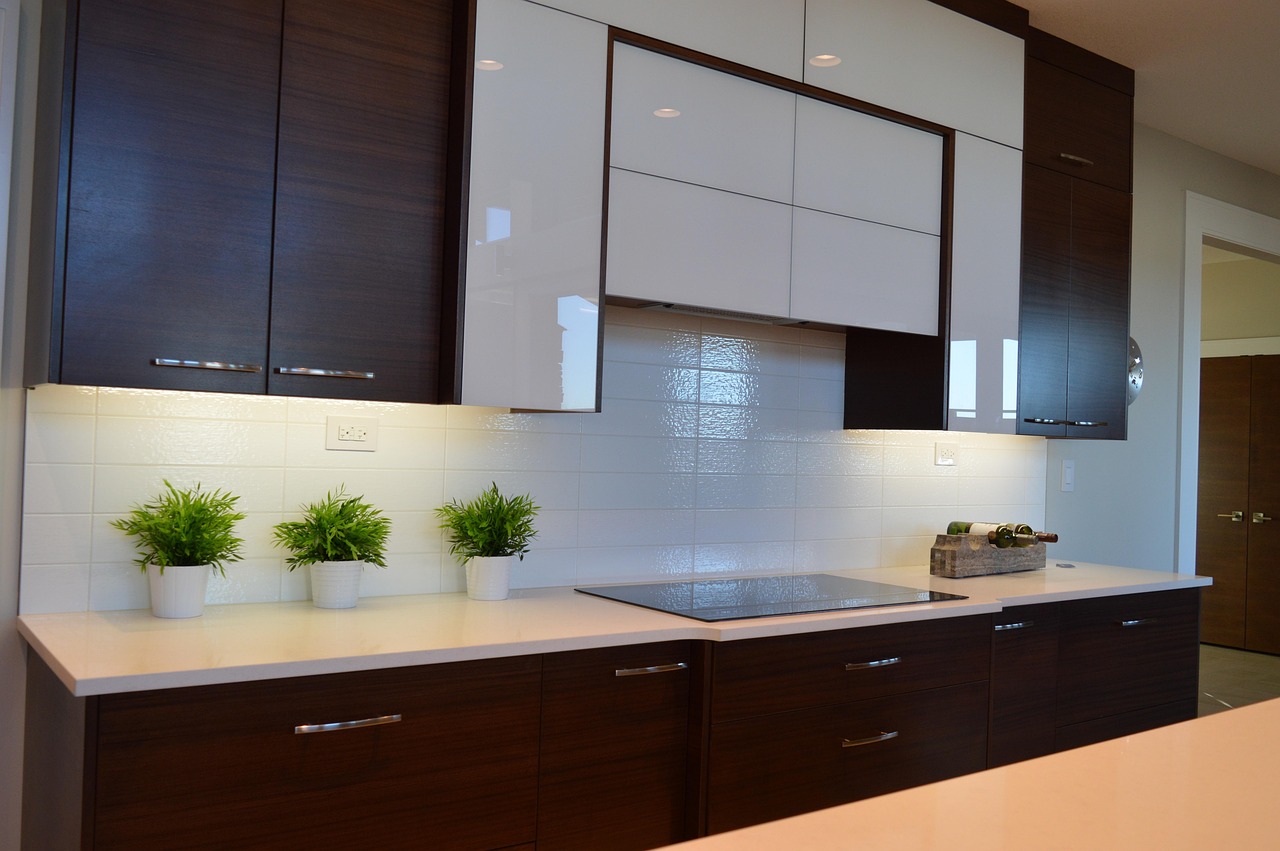
The most dramatic transformations in London flats happen in the "wet zones." Victorian kitchens were originally service areas—small, tucked away, and functional. Today, they are the heart of the home. Modernizing these spaces often requires opening up the floor plan, typically by removing the wall between the kitchen and the dining room.
When doing this, try to retain the original chimney breast. Even if you aren't using it for a stove, it provides a natural anchor for the room and preserves the original "bones." In the bathroom, the trend for 2026 is "Period Luxury." We are seeing a massive return to copper 'slipper' baths. These pieces are sculptural and provide a stunning contrast against modern, large-format porcelain tiles. Pair these with unlacquered brassware; it will develop a natural patina over time that feels much more authentic than shiny chrome.
For those in ground-floor flats, the "side return extension" remains the gold standard for adding value. By glazing the narrow strip of yard alongside the back of the house, you can transform a cramped galley kitchen into a light-filled, open-plan living space.
2026 Cost Roadmap & Planning Permissions
Renovating in London in 2026 requires a realistic look at the numbers. We have seen a 12% rise in raw timber costs over the last year, and labor remains at a premium. If you are in a Conservation Area, you must also factor in the time and cost of "Full Plans" applications, as "Building Notice" is often insufficient for heritage modifications.
Estimated Costs for London (2026)
- Side Return Extension: £1,800–£2,800 per m² (depending on glazing spec).
- Sash Window Restoration: £950–£1,200 per window (including draft-proofing and vacuum glazing).
- Decorative Plasterwork Restoration: £400–£700 per room.
- Full Victorian Flat Renovation (High Spec): £1,500–£2,000 per m².
Expert Tip: If you are buying a flat in a converted Victorian house, always check the "Leasehold" agreement before starting structural work. You will likely need a "License to Alter" from the freeholder, which can take 3-6 months to secure.
FAQ
Q: Can I install underfloor heating under original Victorian floorboards?
A: It is risky. Original pine boards have a high moisture content and will likely gap or warp significantly. If you want underfloor heating, I recommend using high-quality engineered wood that is specifically rated for UFH but finished to look like period timber.
Q: Is it worth restoring original fireplaces if they aren't functional?
A: Absolutely. From a design perspective, the fireplace is the "soul" of a Victorian room. Even if it is decommissioned, it provides a focal point and significantly boosts the resale value of a London flat. You can fill the hearth with plants, books, or decorative logs to keep it from looking like a "black hole."
Q: How do I choose the right "modern" color for a Victorian room?
A: Look for colors with "gray" or "earth" undertones. Bright, primary modern colors can often look cheap against the intricate details of a Victorian flat. Stick to heritage pigments—Sage greens, deep Navys, or earthy ochres—but apply them in a modern, matte finish.
Conclusion
Restoring a Victorian flat in London is a labor of love, but it is also one of the most rewarding design projects you can undertake. By adhering to the 70/30 rule and focusing on the "Three Fs," you create a home that respects the past while embracing the future. It’s about finding that sweet spot where the creak of an original floorboard meets the sleek efficiency of a modern kitchen—a home that feels both timeless and perfectly of its time.