Introduction: The Transformation of Madrid’s Urban Fabric
Walking through the streets of Madrid today, you’ll notice a quiet revolution occurring behind the metal shutters of former neighborhood shops. As digital commerce reshapes the retail landscape, hundreds of street-level commercial "locals" have fallen into disuse. However, where others see urban decay, visionary architects and savvy investors see an unprecedented opportunity. The trend of commercial to residential conversion in Madrid is no longer a niche architectural experiment; it is the cornerstone of the city’s urban regeneration strategy.
Central to this movement is the "Benito" project by BURR Studio, a masterful transformation of a defunct fur shop into a contemporary sanctuary. This project serves as a beacon for what is possible when verticality and light are prioritized over traditional square footage. But design is only half the story. The landscape is being further reshaped by the LIDER Law Madrid 2026, a groundbreaking regulatory framework designed to dismantle the bureaucratic hurdles that have historically stifled urban renewal. By replacing the outdated Law 9/2001, Madrid is positioning itself as a global leader in flexible, high-density urban living.
From Fur Shop to ‘Benito’: A Case Study in Compact Living
The transformation of the Benito fur shop is an exercise in "Sectional Storytelling." Located in a dense neighborhood, the original commercial space was a deep, narrow volume with high ceilings but limited access to natural light. BURR Studio’s intervention didn't just renovate the space; it re-engineered the very concept of a "home" within a commercial shell.
Project Profile: Layered Living
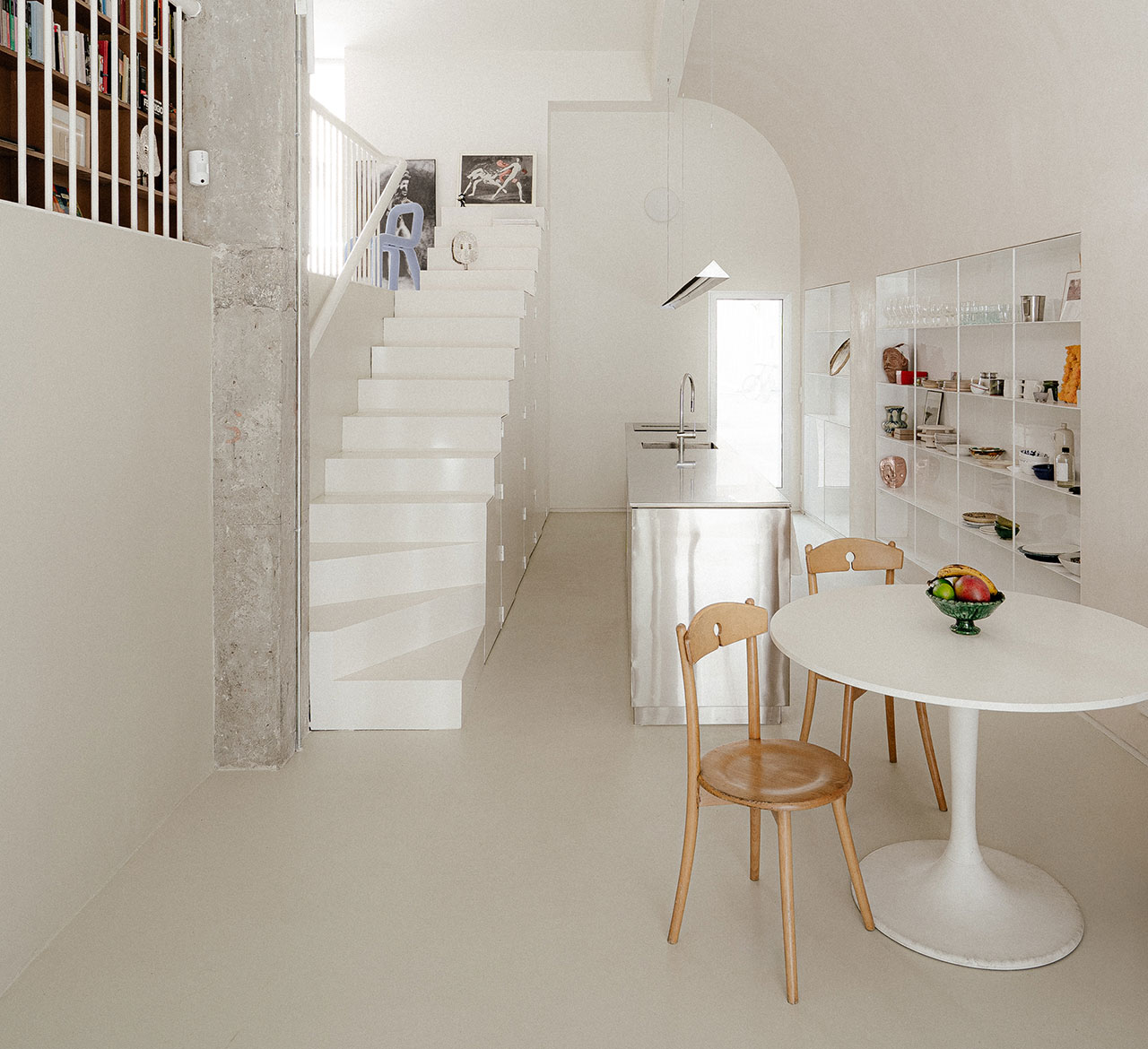
The "Benito" project converts a disused fur shop into a multi-layered residence for a couple. Rather than dividing the space with traditional walls—which would have created dark, claustrophobic rooms—the architects utilized an L-shaped section. This strategy leverages the impressive 13-foot (4-meter) high street-level ceiling to create a sense of grandeur in the primary living area, while a mezzanine level provides intimacy for private quarters.
Spatial Efficiency and the Mezzanine
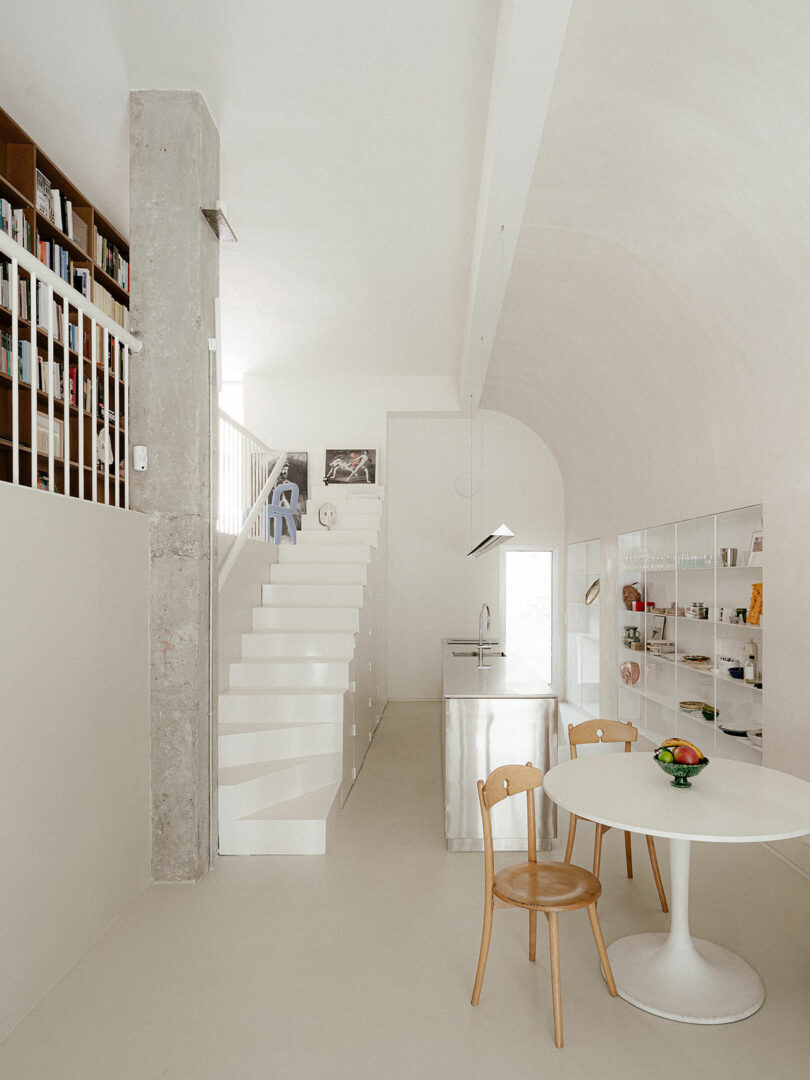
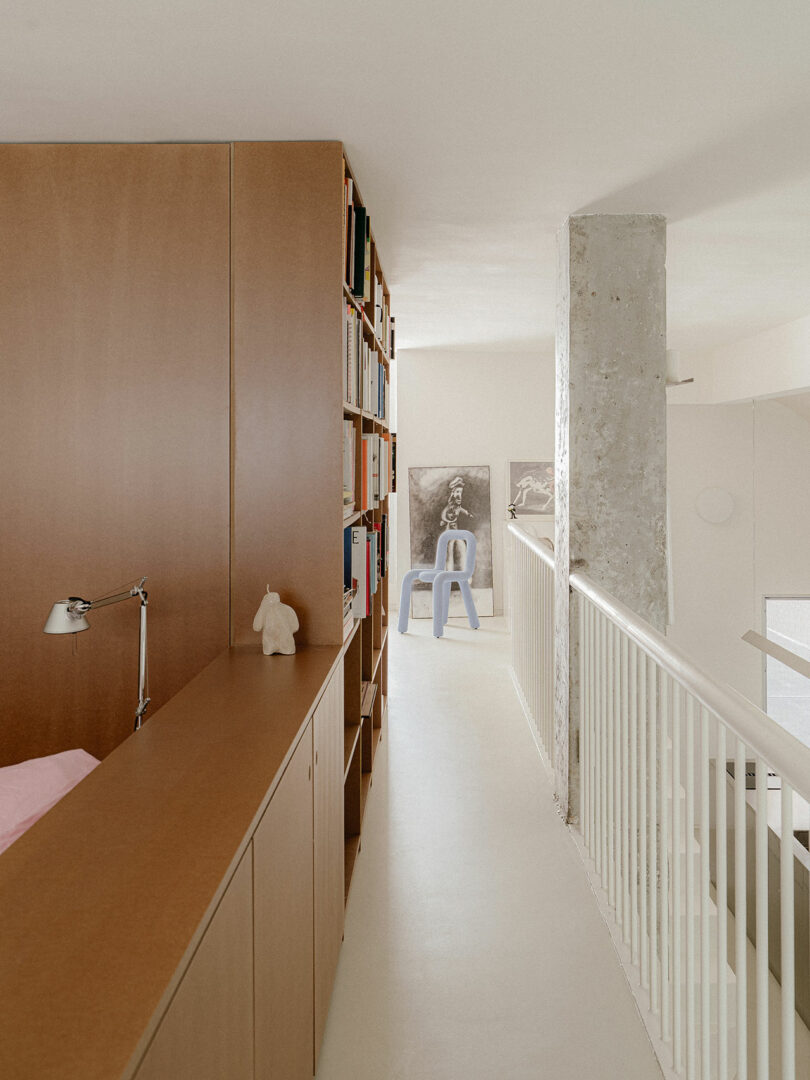
The core of the Benito project is its mezzanine library, which sits elevated 5 feet 11 inches (1.8 meters) above the main living floor. This precise height allows for a functional "split-level" experience where the occupants can maintain visual connection throughout the house while benefiting from distinct zones for work and rest.
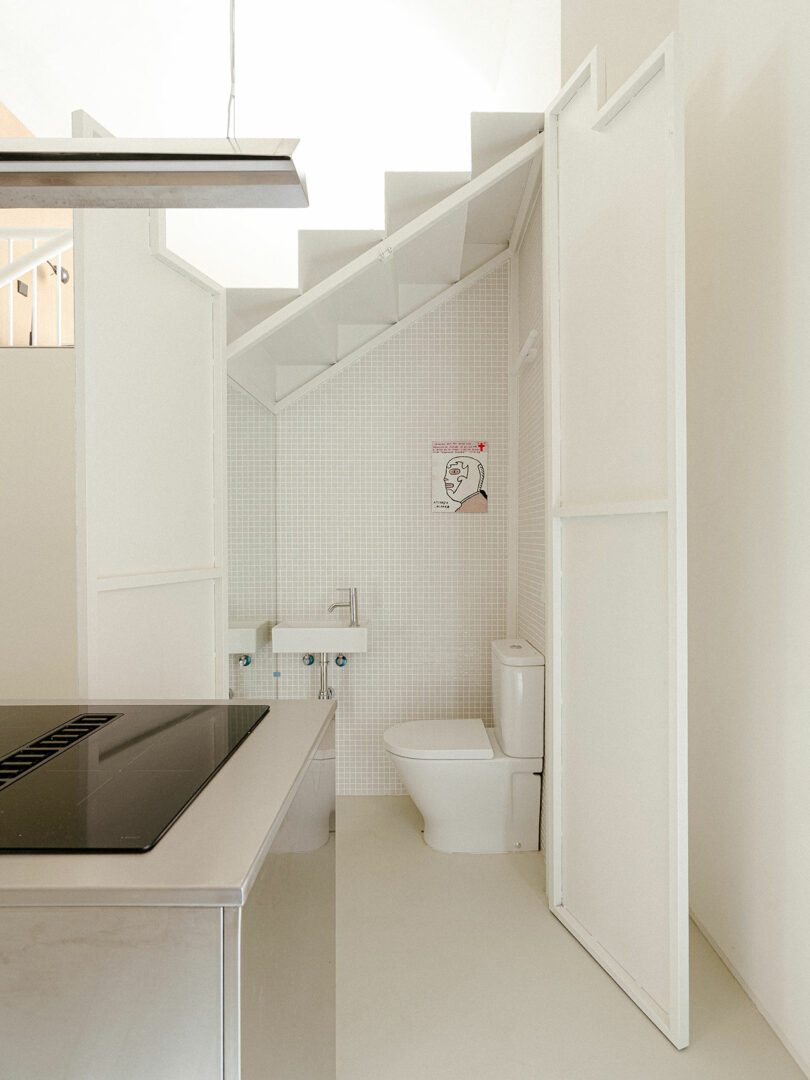
The architects maximized every cubic inch of the modest footprint through "staircase storage." By integrating deep drawers and shelving into the structural ascent to the mezzanine, the floor plan remains open. Bathrooms and utility rooms are hidden behind minimalist cabinetry, ensuring that the industrial heritage of the shop remains the focal point, uncluttered by domestic mess.
Light and Air: The U-Shaped Loop
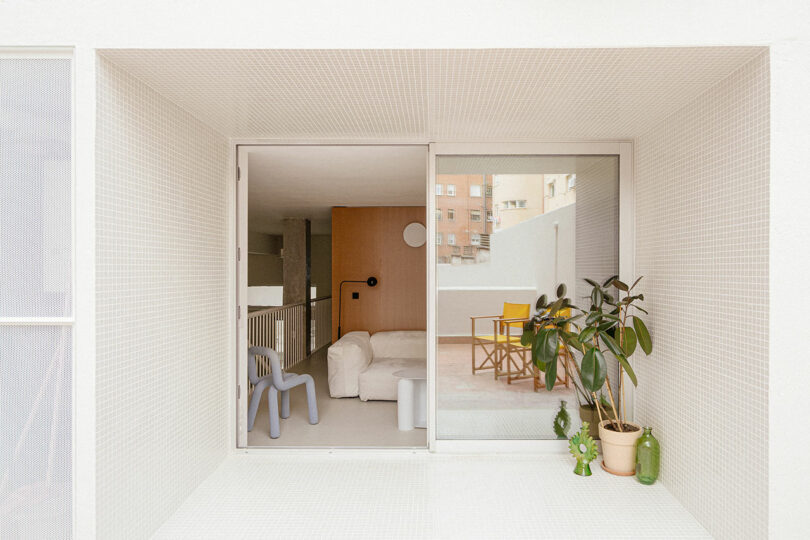
One of the primary challenges of a Madrid fur shop remodel architecture project is air circulation. Commercial units are often deep, with only one street-facing window. BURR Studio solved this by creating a U-shaped circulation loop. By introducing internal openings and utilizing the verticality of the space, they encouraged natural cross-ventilation. High-placed transoms and reflective white surfaces allow light to penetrate deep into the plan, bouncing from the 13-foot ceilings down to the lower levels.
Navigating the LIDER Law Madrid 2026
For two decades, the Madrid real estate market operated under the constraints of Law 9/2001. While it served its purpose at the turn of the millennium, it became a bottleneck for modern urban needs. Enter the LIDER Law Madrid 2026 (Ley de Impulso de los Desarrollos Urbanísticos y Regeneración).
What is the LIDER Law 2026?
The LIDER Law is a comprehensive modernization of Madrid’s urban planning regulations. Its primary objective is to simplify the process of converting commercial premises into residential units. For years, the "change of use" permit was a labyrinth of red tape that could take years to navigate. The 2026 framework introduces the Strategic Municipal Plan (PEM), which fundamentally shifts how the city views land and buildings.
Key Regulatory Shift: The LIDER Law replaces the 25-year-old Law 9/2001, moving from a rigid, "plan-based" system to a "performance-based" system that prioritizes urban regeneration and housing availability.
Impact on Conversions and Timelines
The most significant impact for developers and homeowners is the reduction in approval timelines. Under the old regime, large-scale urban developments or complex change-of-use projects could take upwards of 10 years to clear all hurdles. The PEM aims to slash this to 4 to 6 years, effectively doubling the speed of delivery for new housing units in converted commercial zones.
| Feature | Law 9/2001 (Old) | LIDER Law 2026 (New) |
|---|---|---|
| Primary Goal | Expansion & Zoning | Regeneration & Sustainability |
| Approval Timeline | 10+ Years | 4-6 Years |
| Conversion Process | Cumbersome, Case-by-Case | Simplified, Performance-Based |
| Land Classification | Highly Complex | Urbanized, Non-protected, Protected |
Real Estate Investment: Why 2026 is the Year for Conversion
From an investment perspective, the convergence of the LIDER Law and the rising demand for unique living spaces makes 2026 a landmark year. The economic viability of a commercial to residential conversion in Madrid has shifted dramatically.
Shorter Timeframes, Higher ROI
In real estate, time is money. By reducing the development timeframe from 7 years to 4 years for mid-sized conversion projects, the LIDER Law significantly reduces carry costs and interest payments for investors. This faster "time-to-market" allows for higher internal rates of return (IRR), making the conversion of street-level "locals" into high-end lofts or affordable studios a highly attractive proposition.
Top Real Estate Growth Areas for 2026
While central Madrid remains a blue-chip choice, the 2026 planning focus highlights several key expansion and regeneration zones:
- Valdecarros: Set to become one of the largest residential developments in Europe, focusing on affordable housing.
- Vallecas Expansion: A hotspot for converting older commercial warehouses into modern live-work lofts.
- Las Tablas: Increasingly popular for professionals looking for high-ceilinged, industrial-style conversions near corporate hubs.
- Madrid Nuevo Norte: The city's flagship redevelopment project, which will integrate commercial and residential use on an unprecedented scale.
Design Principles for Commercial-to-Residential Projects
Successfully converting a shop into a home requires more than just a permit; it requires a specific design philosophy. Drawing from the BURR Studio Benito project and other leaders like Studio Ruiz Velázquez, we can identify several core principles:
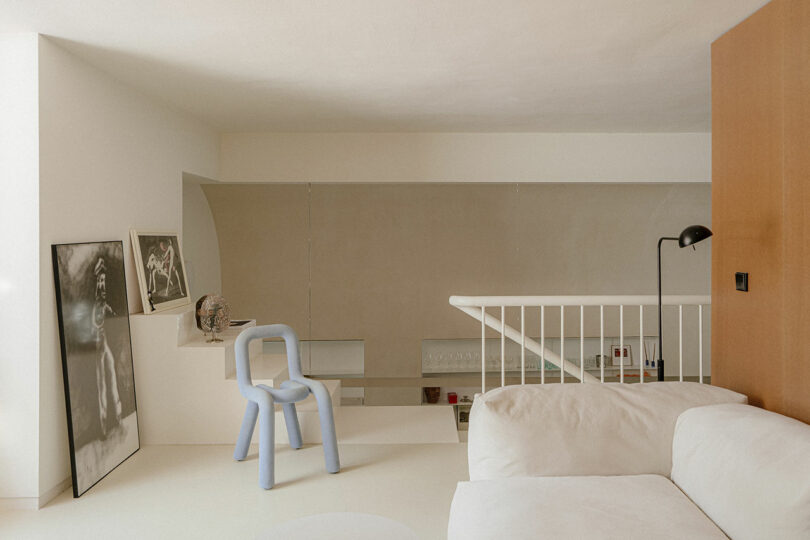
- Embrace Verticality: When floor area is limited, look up. Use 13-foot ceilings to create mezzanines or "floating" rooms. This adds square footage without expanding the building's footprint.
- Biophilic and Sustainable Materials: Modern conversions are moving away from cold industrial finishes. The use of Ecoclay (clay-based wall finishes) regulates humidity naturally, while Ecoplen self-cleaning textiles are becoming standard for street-level windows to maintain air quality.
- Vernacular Integration: Learn from the traditional Madrid "Patio and Backyard" typology. Even in deep-plot commercial spaces, creating a small internal courtyard can transform a dark unit into a light-filled oasis with natural ventilation.
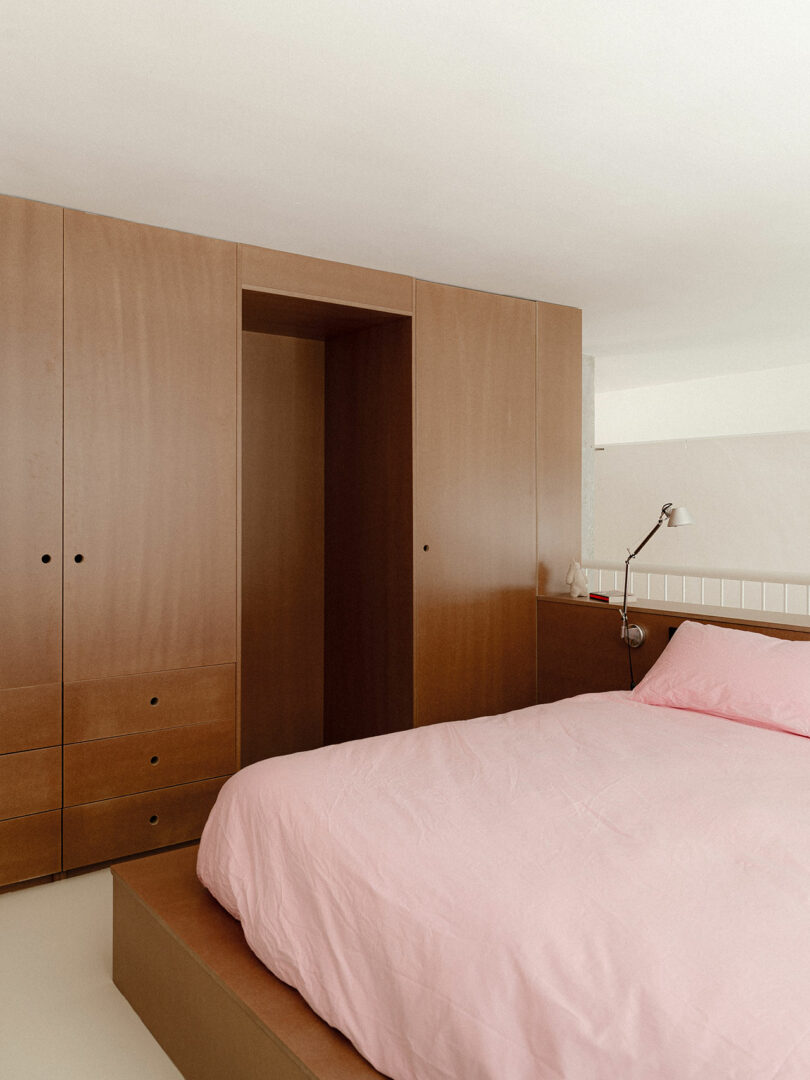
- Warmth Through Texture: To counter the "coldness" of a former commercial space, integrate warm wood textures and integrated wardrobes. This creates a sense of "home" within the industrial shell.
Conclusion: The Future of Madrid's Residential Landscape
The transformation of the Benito fur shop is more than just a beautiful renovation; it is a proof of concept for the future of Madrid. As the city moves toward the implementation of the LIDER Law 2026, the barriers between "where we shop" and "where we live" are dissolving.
For the resident, this means access to unique, voluminous homes that reflect a modern lifestyle. For the investor, it represents a streamlined path to profitability in one of Europe’s most dynamic markets. Madrid is no longer just expanding outward; it is reinventing itself from the inside out, one shuttered storefront at a time.
FAQ
1. Is it legal to live in a commercial property in Madrid? Yes, but it requires a "Change of Use" (Cambio de Uso) permit. The property must meet specific habitability requirements regarding light, ventilation, and minimum square footage. The LIDER Law 2026 is designed to make this legal process faster and more transparent.
2. What are the minimum requirements for a shop-to-home conversion? Generally, the space must have a minimum floor area (usually around 38 square meters), a minimum ceiling height (2.5 meters for most areas, though projects like Benito utilize 4-meter heights for mezzanines), and guaranteed natural light and ventilation in all habitable rooms.
3. How does the LIDER Law affect property taxes for conversions? While the law focuses on urban planning, the simplification of the PEM (Strategic Municipal Plan) is expected to stabilize property values in regeneration zones. Investors should consult with a local tax expert regarding the transition from commercial (IBI) to residential tax rates once the "First Occupation License" is granted.