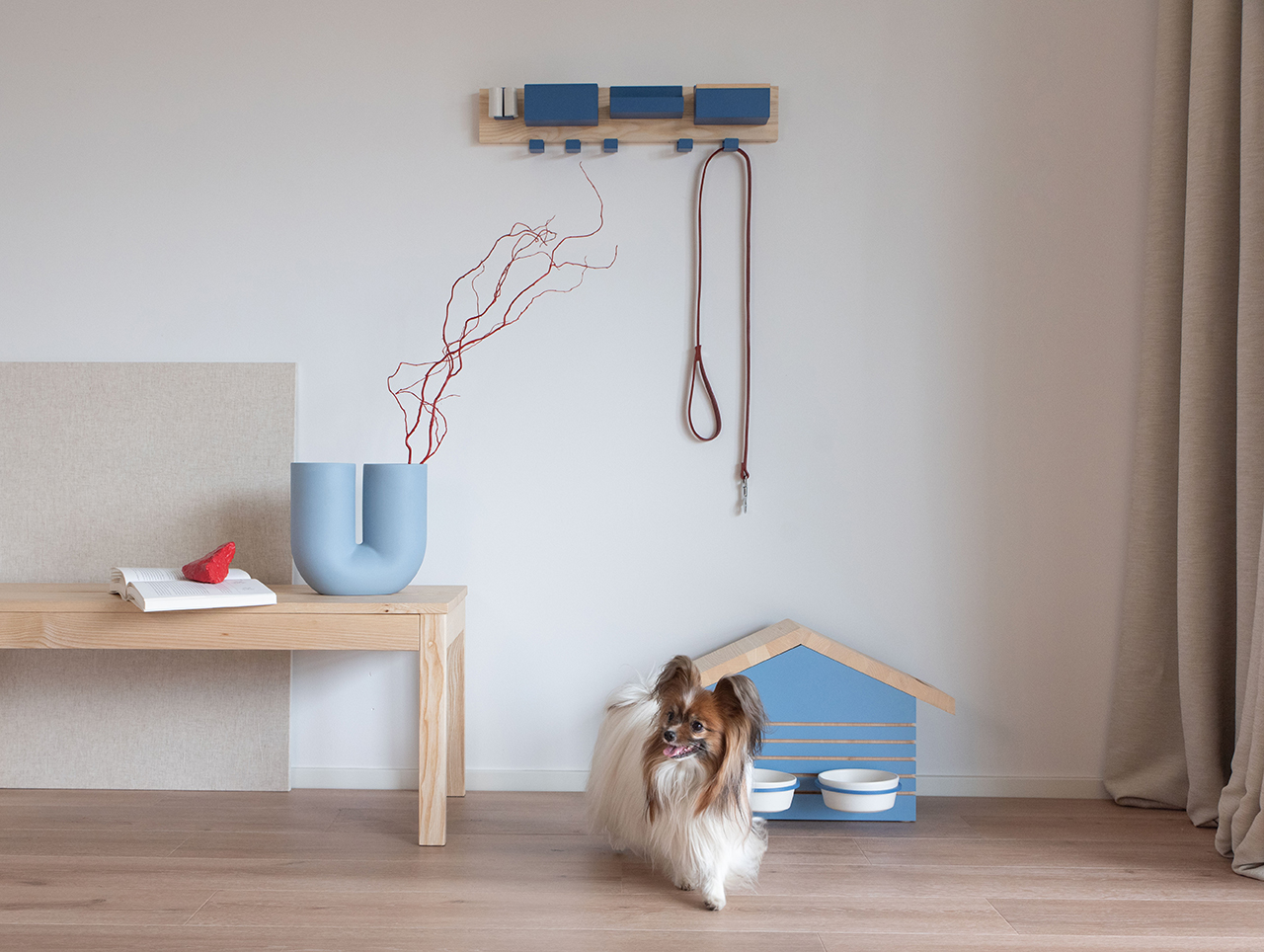
As an editor who has spent years scouting the intersection of high-end aesthetics and functional living, I’ve watched our homes undergo a fascinating transformation. We no longer view our living spaces as separate from our pets; instead, we are entering the era of "integrated pet design." Discomfort in our four-legged companions is not always obvious—a slight hesitation before jumping onto the sofa or a subtle rounding of the back during mealtime can be the first whispers of joint strain.
The shift toward ergonomic pet furniture is more than a fleeting trend; it is a fundamental reassessment of how we care for our animals. By prioritizing pieces that offer orthopedic support, we are effectively reducing muscle strain and promoting better long-term health. From adjustable feeding stations that align the spine to modular beds that evolve with a pet’s life cycle, the modern home is now a sanctuary of health-conscious design.
The Biomechanics of Rest: Why Orthopedic Support Matters
When we talk about "orthopedic" support, we aren’t just using a marketing buzzword. It refers to the science of biomechanics—how a pet’s skeletal structure interacts with the surfaces they sleep on. For years, the industry standard was shredded foam or polyester fill, which tends to clump and flatten, leaving senior pets or heavy breeds essentially resting on the hard floor.
High-quality memory foam is the gold standard for joint relief. Unlike standard fillings, memory foam contours to the pet's unique shape, distributing weight evenly and eliminating pressure points on the hips and shoulders. This is particularly vital for senior dogs, who require low entry points to avoid the "step-up" strain that can aggravate arthritis.
Ivy’s Style Note: Look for beds that promise a "no-flatten" standard for at least 10 years. A bed that retains its density is an investment in your pet’s mobility.
Material Comparison: Choosing the Right Foundation
| Feature | Memory Foam (Solid) | Egg-Crate Foam | Shredded Foam/Fiber |
|---|---|---|---|
| Pressure Relief | Exceptional; mimics medical-grade support. | Good; allows for high airflow. | Minimal; tends to bottom out. |
| Spine Alignment | Maintains neutral alignment. | Supports light weight well. | Poor for heavy or senior pets. |
| Durability | High; resistant to sagging. | Moderate; peaks can flatten. | Low; requires frequent fluffing. |
| Best For | Large breeds, senior pets, post-surgery. | Pets who overheat easily. | Occasional crates or travel pads. |
The Science of Adjustable Height Feeders
Mealtime is perhaps the most repetitive physical activity our pets engage in, yet it is often the most overlooked in terms of ergonomics. Traditional floor-level bowls force pets, especially larger breeds, to hunch their necks and shift their center of gravity forward. This creates unnecessary tension in the cervical spine.
This is where adjustable height feeders become essential. By bringing the food and water to a height that allows the pet to stand in a neutral, relaxed position, we significantly minimize neck and spinal tension. Beyond the skeletal benefits, raised feeding is a boon for digestion. It prevents the "gulping" of air (aerophagia) and can aid in a smoother passage of food through the esophagus, reducing the risk of regurgitation or "bloat"—a life-threatening condition in certain breeds.
Recent veterinary studies indicate that using ergonomic, raised feeding stations can reduce spinal pressure in senior dogs by up to 25% compared to floor-level bowls. This simple adjustment can add years of comfort to a dog’s golden years.
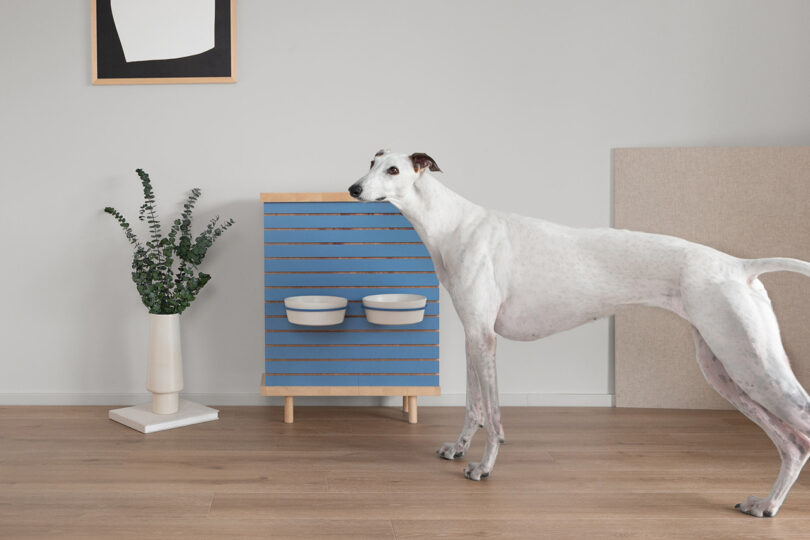
Beyond height, the integration of technology and storage has turned the feeding station into a command center for pet health. Many modern designs now feature airtight storage compartments directly beneath the bowls. This isn't just a space-saver; it ensures that kibble remains free from oxidation and pests, maintaining the nutritional integrity of every meal.
Sustainable Minimalism: Non-Toxic and Modular Solutions
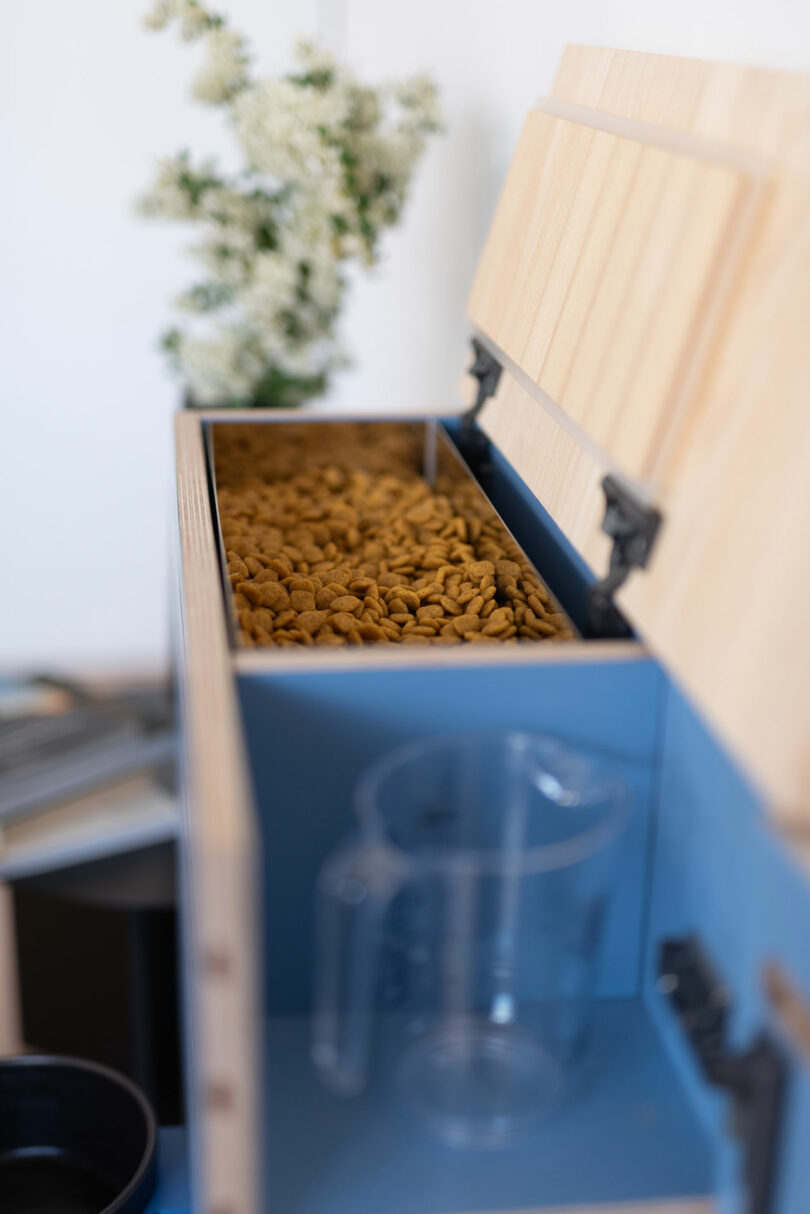
As a designer, I am increasingly focused on the "life cycle" of a product. High-quality sustainable pet furniture utilizes non-toxic, food-safe materials such as birch, bamboo, and ceramic. These materials are not only safer for your pet—preventing "feline acne" caused by plastic bacteria or chemical off-gassing—but they are also more durable and environmentally friendly.
Modular designs are the next frontier in this space. Instead of buying a new bed or feeder every few years, look for systems that adapt. This might mean a feeder with interchangeable legs for different life stages or a bed with a replaceable "core" but a permanent, high-end frame. This reduces waste and ensures the furniture grows with your pet from puppyhood to their senior years.
Form Meets Function: Blending Pet Health with Home Decor
The most exciting shift I’ve seen in 2025 is the 40% increase in consumer demand for "multifunctional pet furniture." We are no longer hiding the dog crate in the laundry room; we are making it the focal point of the living room.
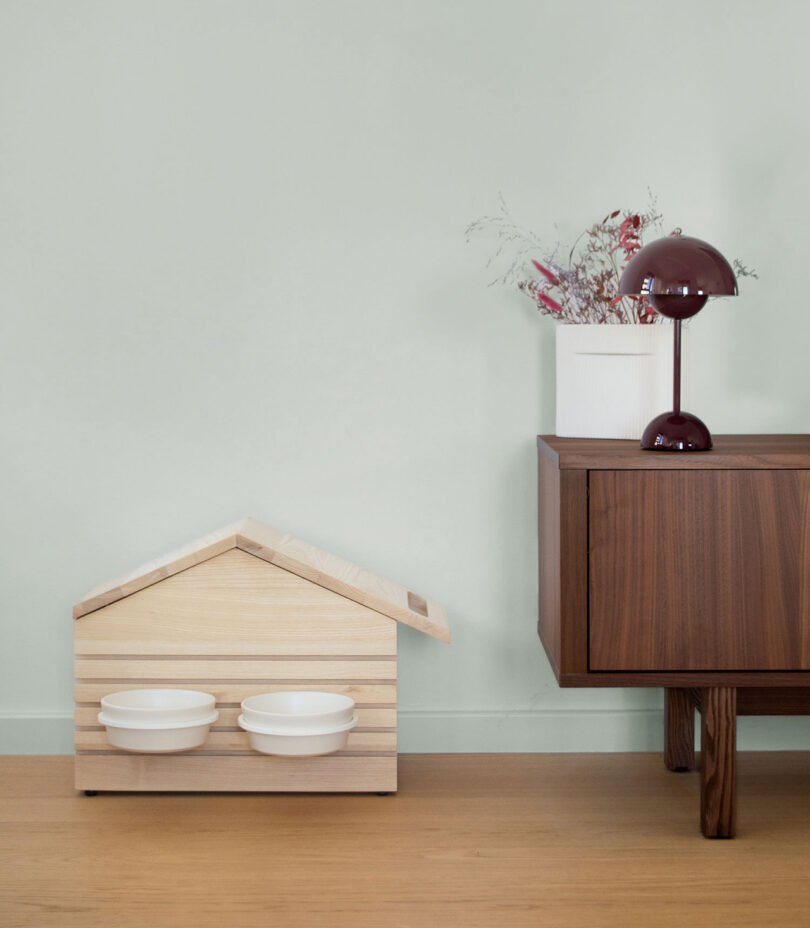
The "Scandinavian influence" dominates this trend, characterized by clean lines, light woods, and muted palettes. This minimalist aesthetic allows pet gear to blend seamlessly with high-end interiors. We’re seeing faux fur and sherpa textures that match our own throw pillows, and "cocoon" designs that serve as both a safe anxiety-relief zone for a dog and a chic accent piece for the owner.
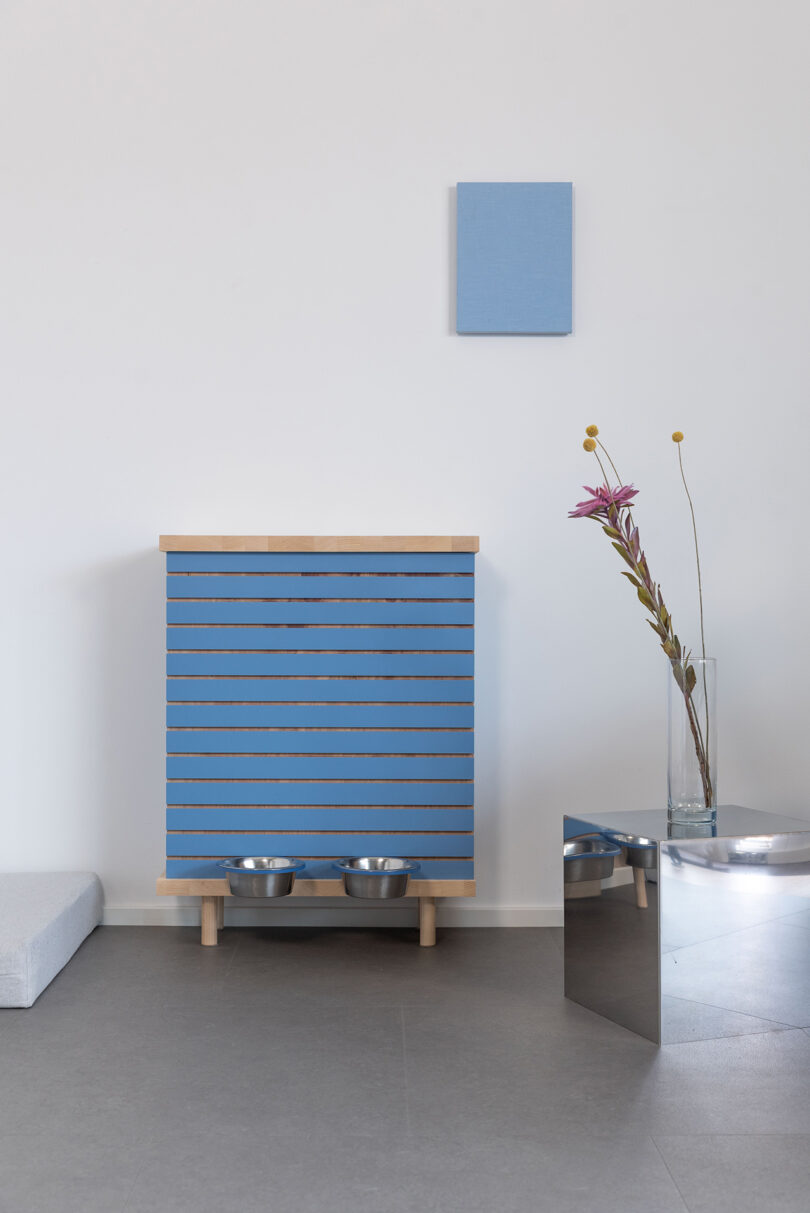
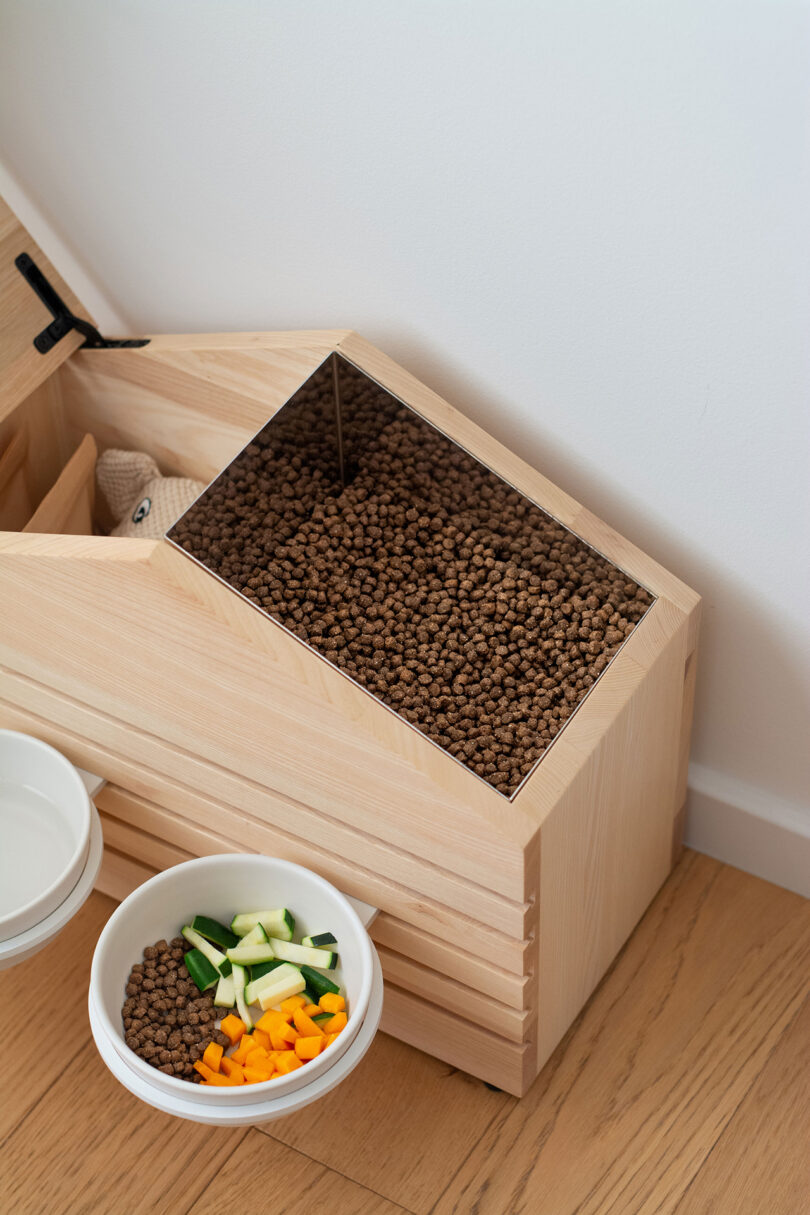
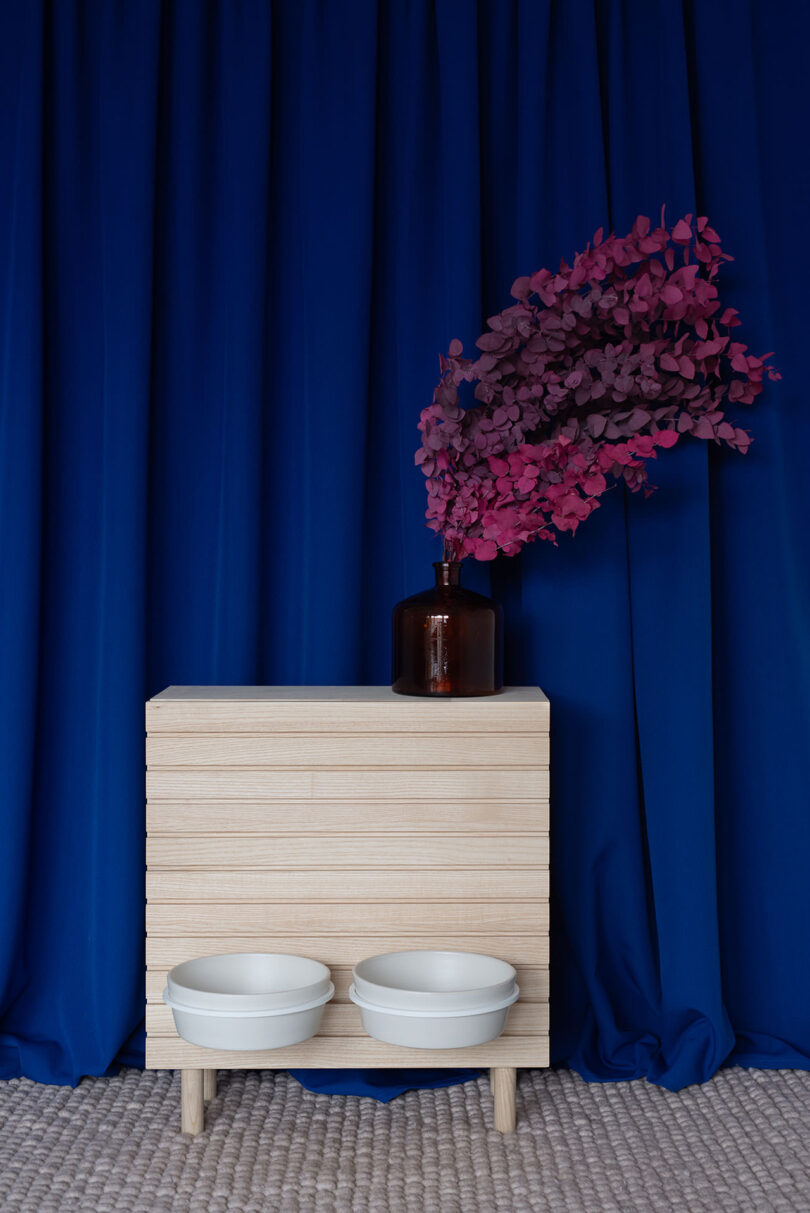
In urban environments where square footage is at a premium, multifunctional designs are a necessity. I love seeing feeding stations integrated into the footprint of sideboards or shelving units. It treats the pet's needs as a first-class citizen of the home’s layout rather than an afterthought.
Smart Shopping Checklist for Ergonomic Furniture
Before you invest in your next piece of pet furniture, run through this designer-approved checklist to ensure it meets the highest standards of both health and style:
- The Hand-Pressure Test: Press your palm firmly into the center of the bed. If you can feel the floor, the foam density is insufficient for orthopedic support.
- Washable Covers & Waterproof Liners: Health also means hygiene. Ensure all fabric elements are machine washable and the foam core is protected by a waterproof liner to prevent mold and odors.
- Non-Slip Bases: For feeding stations and beds, a non-slip base is a safety must, especially on hardwood or tile floors, to prevent sliding during use.
- Food-Safe Certifications: For feeders, prioritize stainless steel, ceramic, or BPA-free plastics to ensure no toxins leach into your pet’s diet.
FAQ
Q: At what age should I start using an adjustable feeder for my dog? A: It is never too early, but it becomes critical during the rapid growth spurts of puppyhood and again as they reach their senior years. For large breeds, starting early helps set a foundation for good posture that can prevent chronic issues later in life.
Q: How do I know the correct height for a raised feeder? A: A general rule of thumb is that the top of the feeder should be roughly level with the dog's lower chest (the point of the shoulder). This allows them to eat without significantly lowering their head or stretching their neck upward.
Q: Is memory foam too hot for some pets? A: Traditional memory foam can trap heat. If your pet "runs hot," look for "gel-infused" memory foam or beds with a breathable cover like cotton or specialized cooling fabrics to ensure they remain comfortable.
Final Thoughts
Designing for our pets is a profound way to say "I love you" in the language of the home. By choosing ergonomic, sustainable, and beautifully designed furniture, we aren't just decorating a room—we are curating a better, healthier life for our most loyal companions. As we move through 2025, let your design choices reflect the value your pet brings to your life: prioritize their health, and your home’s aesthetic will naturally follow.