Quick Facts: The 2026 Material Shift
- Folded Echoes: A seminal 2026 interdisciplinary collaboration between textile designer Nathalie Van der Massen and ceramicist Karen Verlinden, consisting of 17 mixed-media sculptural pieces.
- Material Fusion: The era is defined by the "Hard-Soft Binary," where bio-cellulosic fibers (Lyocell, Ecovero) are integrated with structural ceramics to create architectural functionality.
- Market Dominance: Sustainable bio-cellulosics are projected to occupy 65% of the high-end interior design market by 2026.
- Industry Evolution: There has been a 40% increase in formal partnerships between traditional craft artists and material technologists over the last five years.
- Circular Innovation: The rise of "Laboratory-Grown Craft" utilizes agricultural waste and yeast-derived cellulose for zero-waste interior systems.
In the quiet alcoves of contemporary design, a new language is being spoken—one where the brittle snap of ceramic meets the fluid grace of woven thread. As we look toward the 2026 design landscape, the boundaries between disciplines are not merely blurring; they are being intentionally dissolved. This movement finds its most poetic expression in Folded Echoes, an interdisciplinary collaboration that serves as a manifesto for the future of material design. By transforming the simple, ephemeral gesture of folding paper into permanent sculptural volumes, textile designer Nathalie Van der Massen and ceramicist Karen Verlinden have bridged the gap between the soft and the tectonic. This is more than an aesthetic trend; it is a fundamental shift toward a "materially-conscious" interior, where sustainability is woven into the very fiber of our living spaces.
The Collaboration: Van der Massen x Verlinden
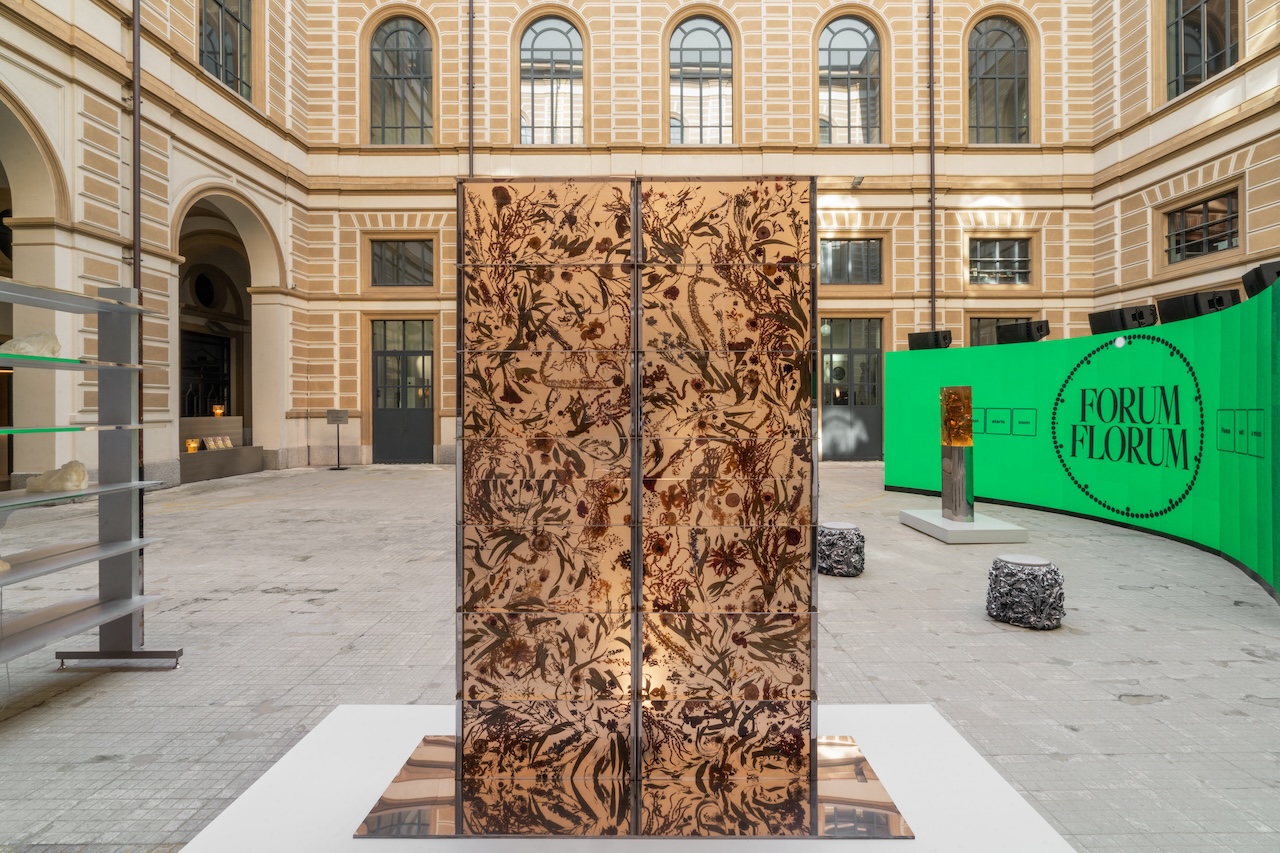
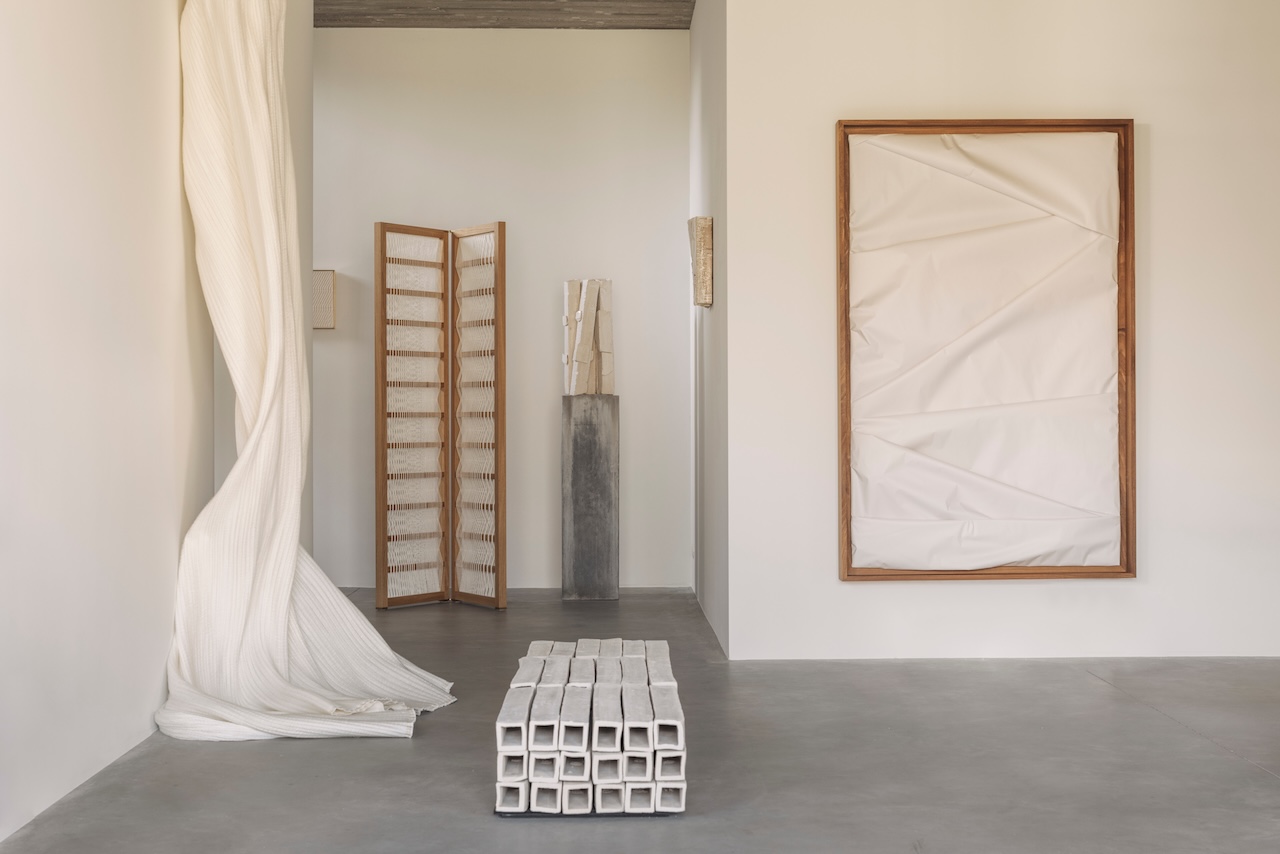
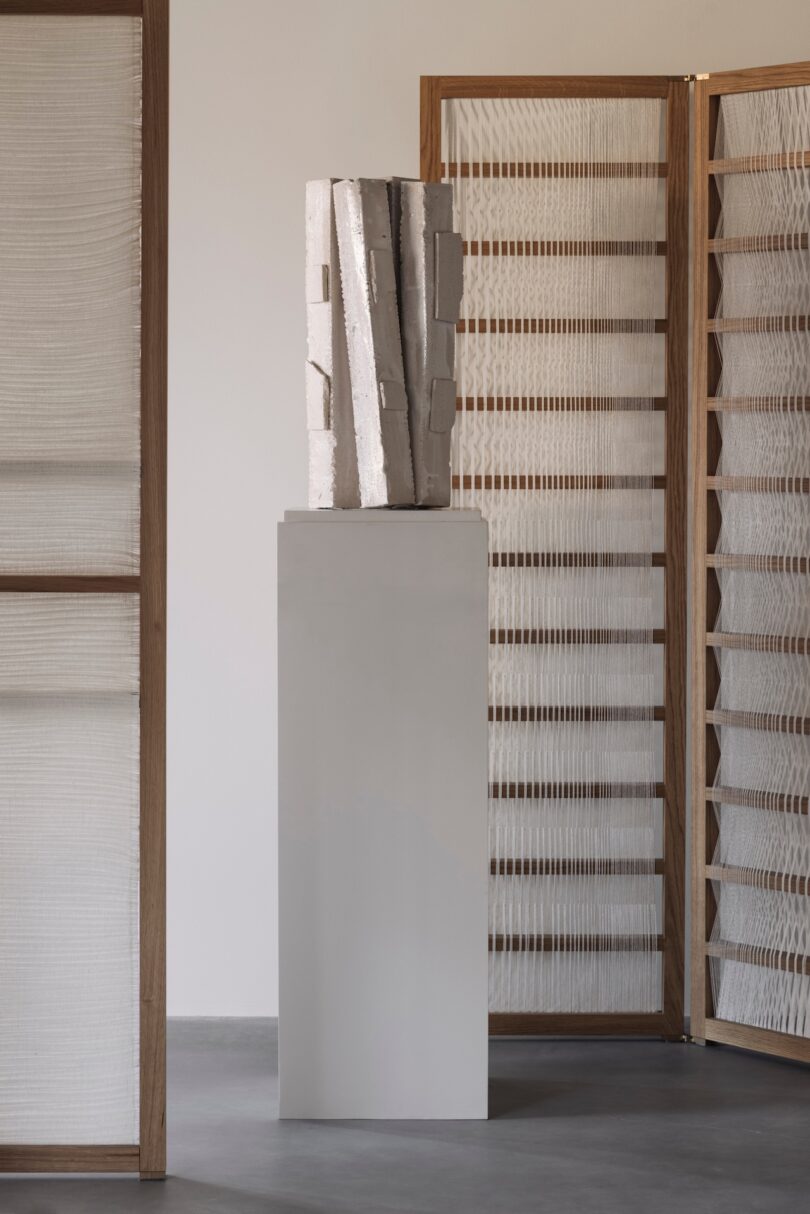
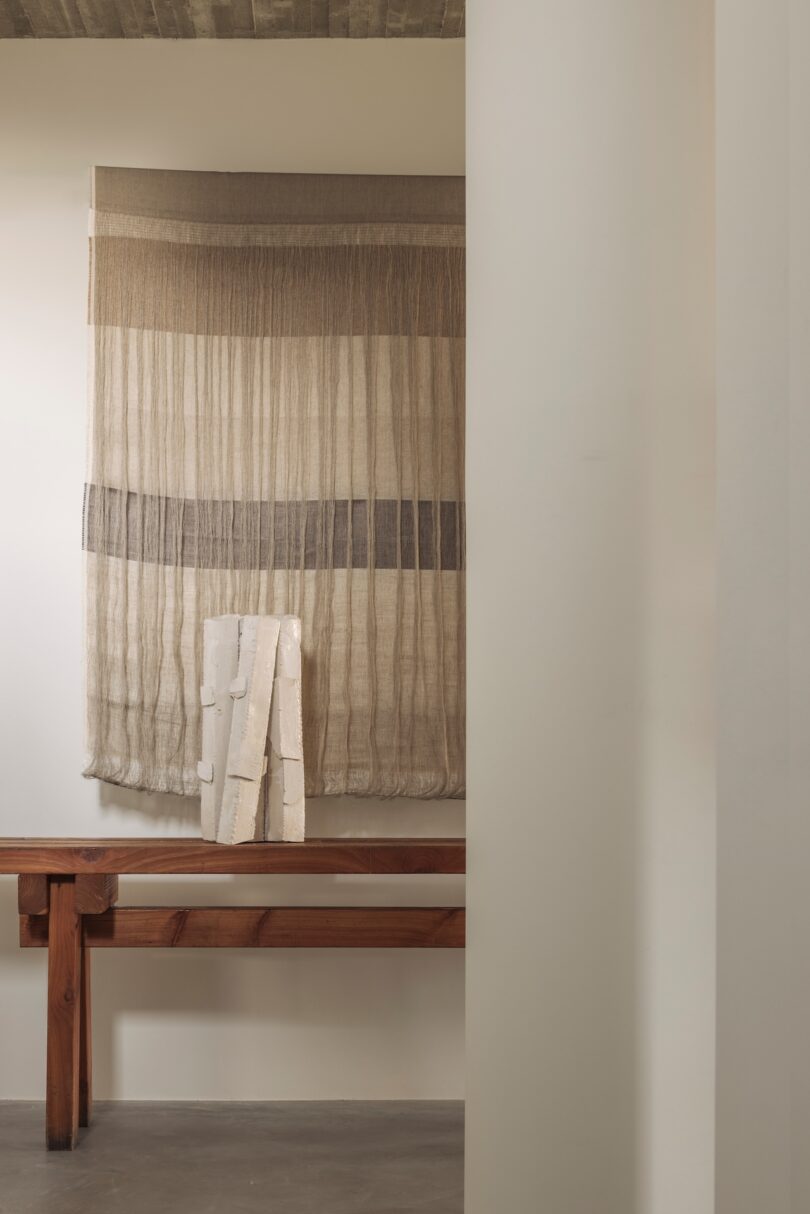
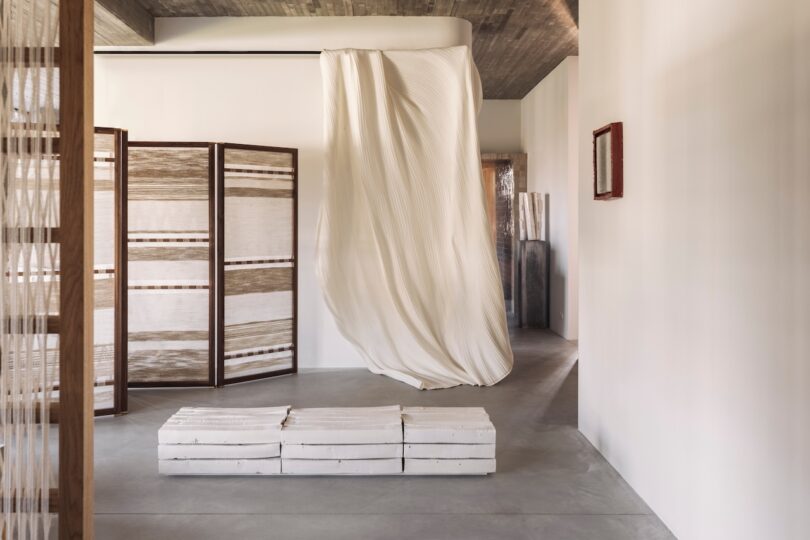
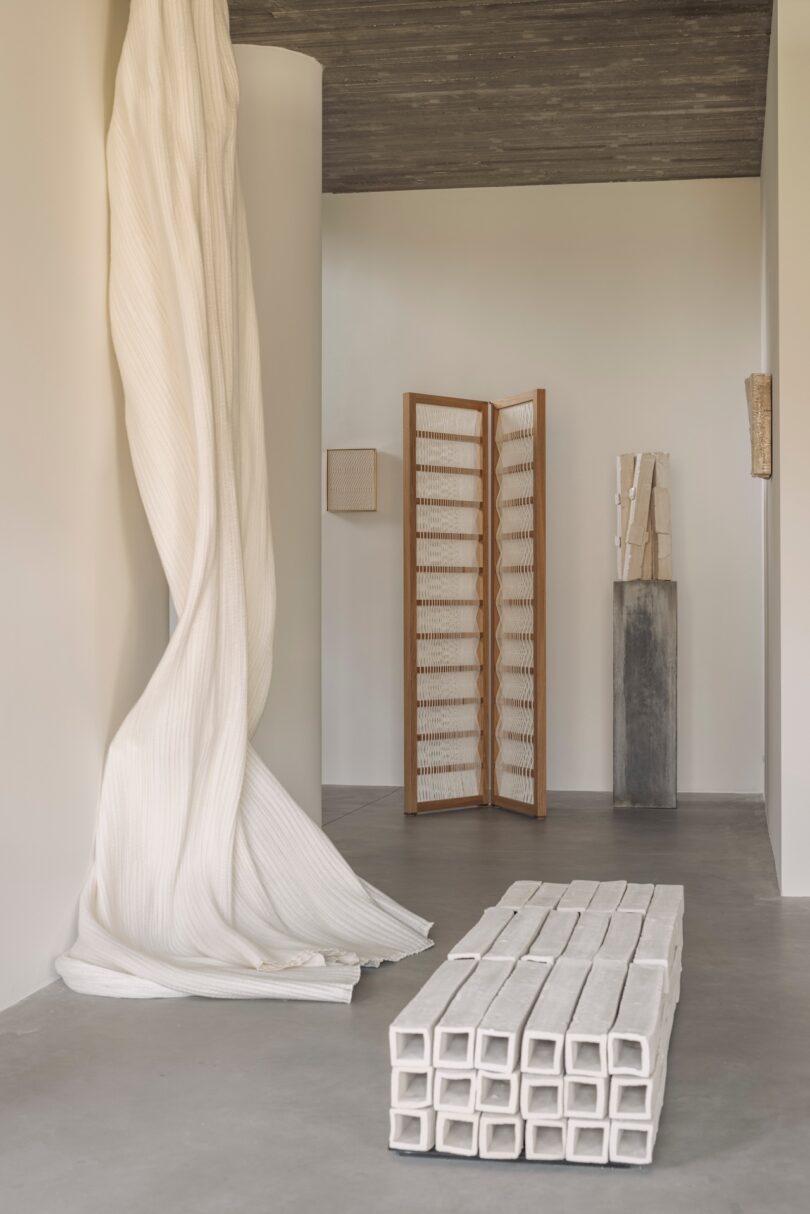
At the heart of this evolution are 17 mixed-media pieces that challenge our perception of weight and fragility. Nathalie Van der Massen, known for her mastery of technical weaving, brings a lightness to the project through the use of linen and paper yarns. These aren't just fabrics; they are architectural interventions. Her room dividers utilize light as a medium, allowing shadows to participate in the room's composition.
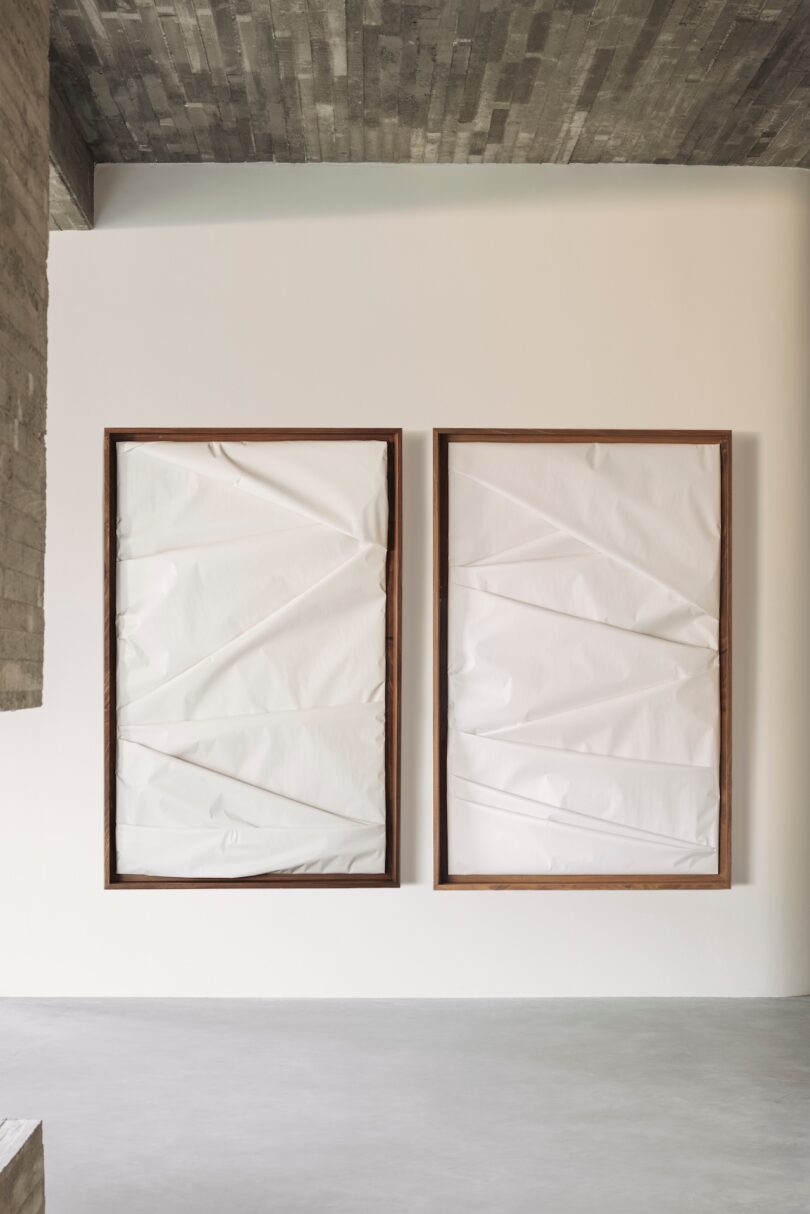
Conversely, Karen Verlinden’s ceramics provide the "memory" of the fold. If the textile represents the movement, the ceramic represents the stillness. Verlinden captures the tension of a crease in clay, freezing a moment of manual manipulation into a permanent form. The result is a series of sculptural room dividers and objects that feel both ancient and futuristic.
The beauty of this collaboration lies in the interplay of dualities:
- The Weave: Utilizing high-GSM (grams per square meter) linen to provide structural integrity to soft surfaces.
- The Kiln: Using ceramic as a skeletal structure that supports the "skin" of the textile.
- The Shadow: Designing with the intention of transparency, where the void is as important as the solid.
2026 Material Trends: Bio-Cellulosics and Circular Systems
While "Folded Echoes" provides the artistic soul of this movement, the backbone is found in the laboratory. By 2026, the demand for high-end, sustainable luxury has reached a fever pitch, with bio-cellulosic fibers like Lyocell and Ecovero projected to dominate 65% of the sustainable luxury market. We are moving away from the "fast-decor" era and into an age of narrative authenticity.
Designers are no longer satisfied with recycled plastics; they are looking toward agricultural waste and yeast-derived cellulose to create zero-waste systems. These materials offer a tactile quality that mimics silk or fine wool but with a closed-loop pedigree. In the 2026 home, your curtains might be grown in a vat of yeast, and your sofa upholstery might be derived from the discarded husks of the harvest, refined into a textile that is both biodegradable and incredibly durable.
"The paradox of 2026 design is that the most advanced materials are those that return us to the Earth. We are using high-technology to achieve a low-impact existence." — Ivy Chen
Interdisciplinary Methodology: The New Industry Standard
The success of projects like Folded Echoes has triggered a tectonic shift in how the industry operates. Interdisciplinary partnerships between craft artists and material technologists have seen a 40% increase over the last five years. This is no longer about a textile designer picking a color for a ceramic base; it is about co-creating the material from the molecular level upward.
This methodology relies on aesthetic tension. In 2026, the most compelling interiors are those that play with:
- Density Contrast: Pairing heavy, raw-edged stoneware with gossamer-thin paper yarns.
- Thermal Variation: The cold touch of glazed ceramic against the warmth of brushed bio-cellulose.
- Tensional Engineering: Using the natural shrinkage of clay during firing to pull and shape the textiles attached to it.
Aesthetic Forecast: Texture and Dimensionality in 2026
As we move beyond the flat, screen-dominated aesthetics of the early 2020s, 2026 is seeing a massive resurgence in tactile richness. The market is witnessing a +30% increase in the use of tulle and layered sheers, and a +22% rise in sueded textures. However, the true innovation lies in three-dimensional jacquards.
| Material Trend | Growth Projection | Key Characteristic |
|---|---|---|
| 3D Jacquards | +45% | Engineered volume through AI-driven weaving patterns. |
| Bio-Suede | +22% | Lab-grown mushroom leather with high breathability. |
| Structural Tulle | +30% | Stiffened fibers used for self-supporting room screens. |
| Mineral Weaves | +18% | Textiles infused with ceramic particles for thermal regulation. |
We are also seeing the "End of Seasonality." Traditionally heavy materials, such as leather and dense denim, are being re-engineered into Spring/Summer 2026 iterations through laser-perforation and feather-light bio-blends. The result is a home that feels grounded yet breathable, permanent yet adaptable.
The Future of Craft: A Human Echo
In a world increasingly shaped by generative algorithms, the "Folded Echoes" philosophy reminds us that the human hand is the ultimate disruptor. The creases, the slight irregularities in the weave, and the unique path of a ceramic glaze provide a narrative depth that mass production cannot replicate.
The 2026 material era is not just about being green; it’s about being felt. It is an invitation to touch our surroundings, to notice the way a woven screen filters the afternoon sun, and to appreciate the structural integrity of a ceramic vessel. As we integrate these interdisciplinary works into our living spaces, we aren't just decorating—we are curating a dialogue between innovation and tradition.
FAQ
What is the primary material used in the Folded Echoes room dividers? The room dividers primarily utilize a sophisticated blend of linen and paper yarns, woven together to create structural transparency. These are often anchored or accented by handcrafted ceramic elements that provide weight and a permanent "memory" of the folded forms.
How do bio-cellulosic fibers impact interior design sustainability in 2026? Bio-cellulosic fibers like Lyocell and Ecovero are crucial for a closed-loop system. They are derived from sustainable wood sources or agricultural waste, require significantly less water than cotton, and are fully biodegradable, ensuring that luxury decor does not contribute to long-term landfill waste.
Why are interdisciplinary collaborations becoming more common in material science? The complexity of modern sustainability goals requires expertise from multiple fields. By combining the aesthetic intuition of a craft artist with the technical precision of a material scientist or technologist, brands can create products that are both high-performing and emotionally resonant, meeting the 40% increase in consumer demand for "purposeful" design.