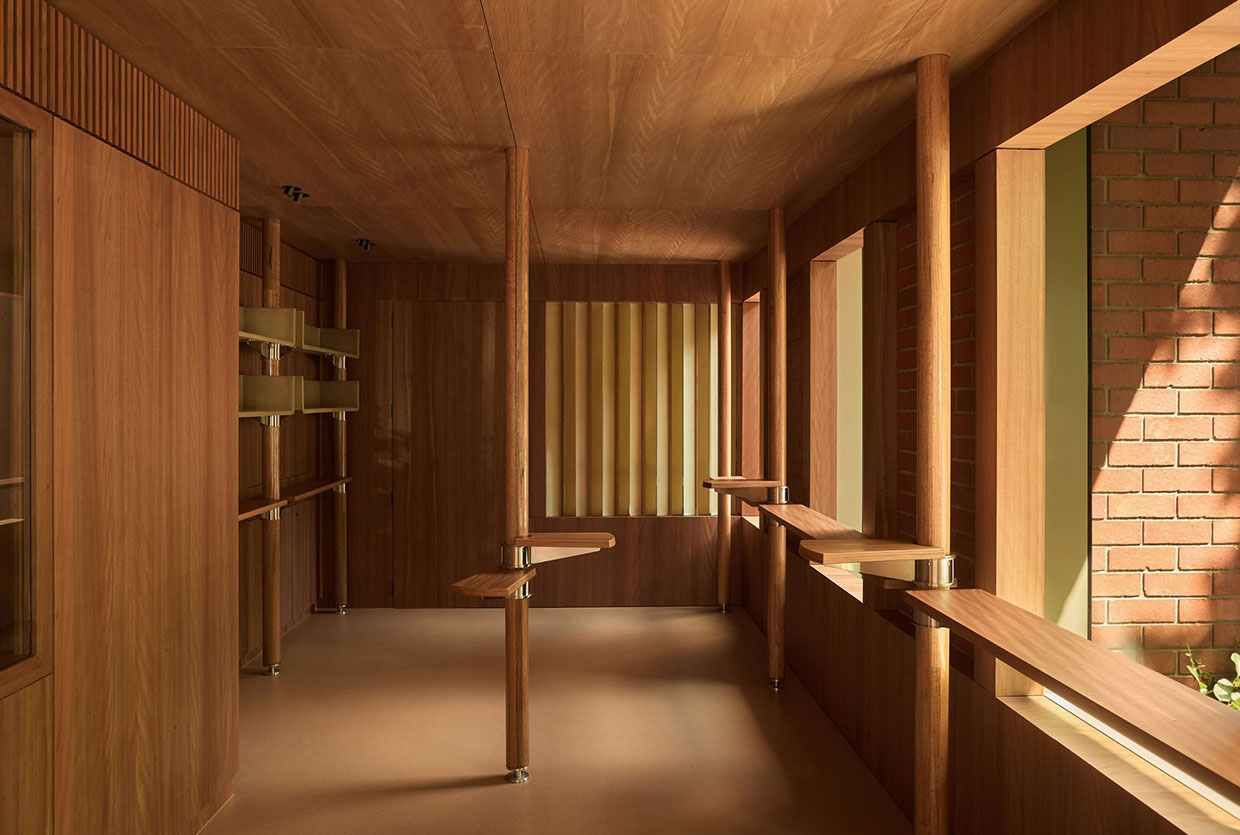
Quick Facts
- Location: Farnham, Surrey (Great Austens Conservation Area)
- Project Type: Low-impact new build (Bungalow replacement)
- Architect: Rural Office
- Size: 285 square meters (approx. 3,000 sq ft)
- Key Materials: Sweet Chestnut cladding, Keymer clay tiles, European Oak, Staffordshire brick
- Energy Performance: Near-Passivhaus standards, 100% airtight envelope
- Heating/Ventilation: MVHR (Mechanical Ventilation with Heat Recovery)
Introduction: The Rebirth of a Surrey Landmark
In the heart of Farnham’s Great Austens conservation area, a quiet revolution in sustainable architecture has taken place. For years, the site at Middle Avenue was occupied by a drafty, interwar bungalow—a structure that, while charming in its era, suffered from poor energy ratings and deteriorating construction. The challenge was significant: how do you replace a dated dwelling in a sensitive conservation area while meeting the rigorous demands of modern, low-carbon living?
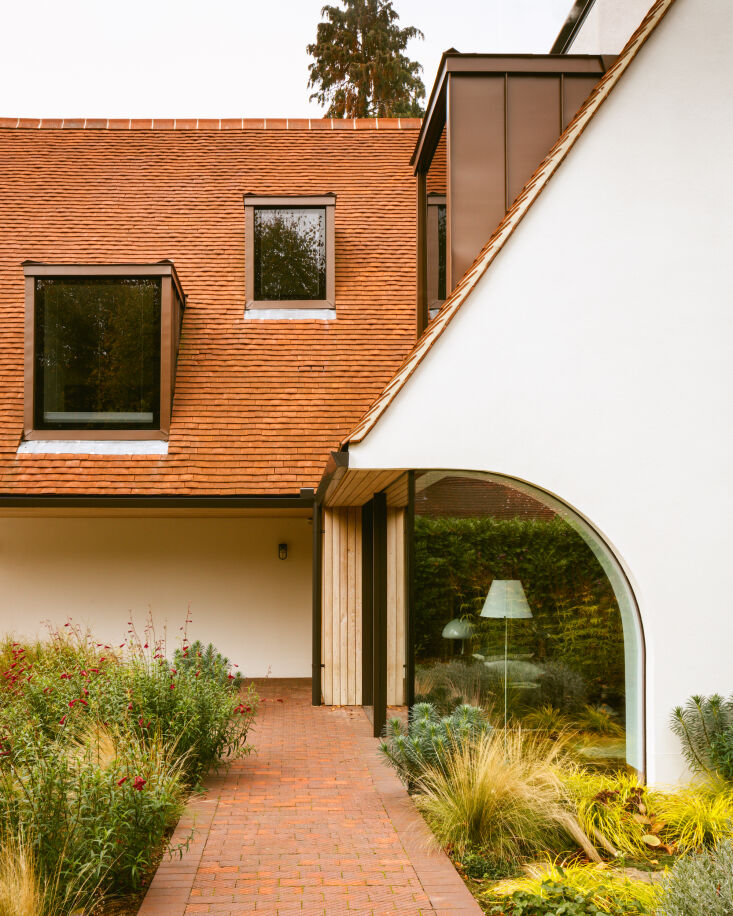
The solution, orchestrated by the visionary team at Rural Office, was not a mere renovation, but a complete transformation. By replacing the inefficient bungalow with a high-performance "modern Craftsman" home, the project has set a new benchmark for suburban sustainability. This is a residence that doesn't just look back at the Arts and Crafts heritage of Surrey; it propels those values of material honesty and craftsmanship into a future defined by climate consciousness.
The Architectural Vision: Reinterpreting the Arts and Crafts Movement
To understand the Middle Avenue project, one must understand the philosophy of Niall Maxwell and the team at Rural Office. Their approach is rooted in a "familiar language" that meets a "modern landscape." In Surrey, a county synonymous with the early 20th-century Arts and Crafts movement, the design had to honor local vernacular while pushing the boundaries of building physics.
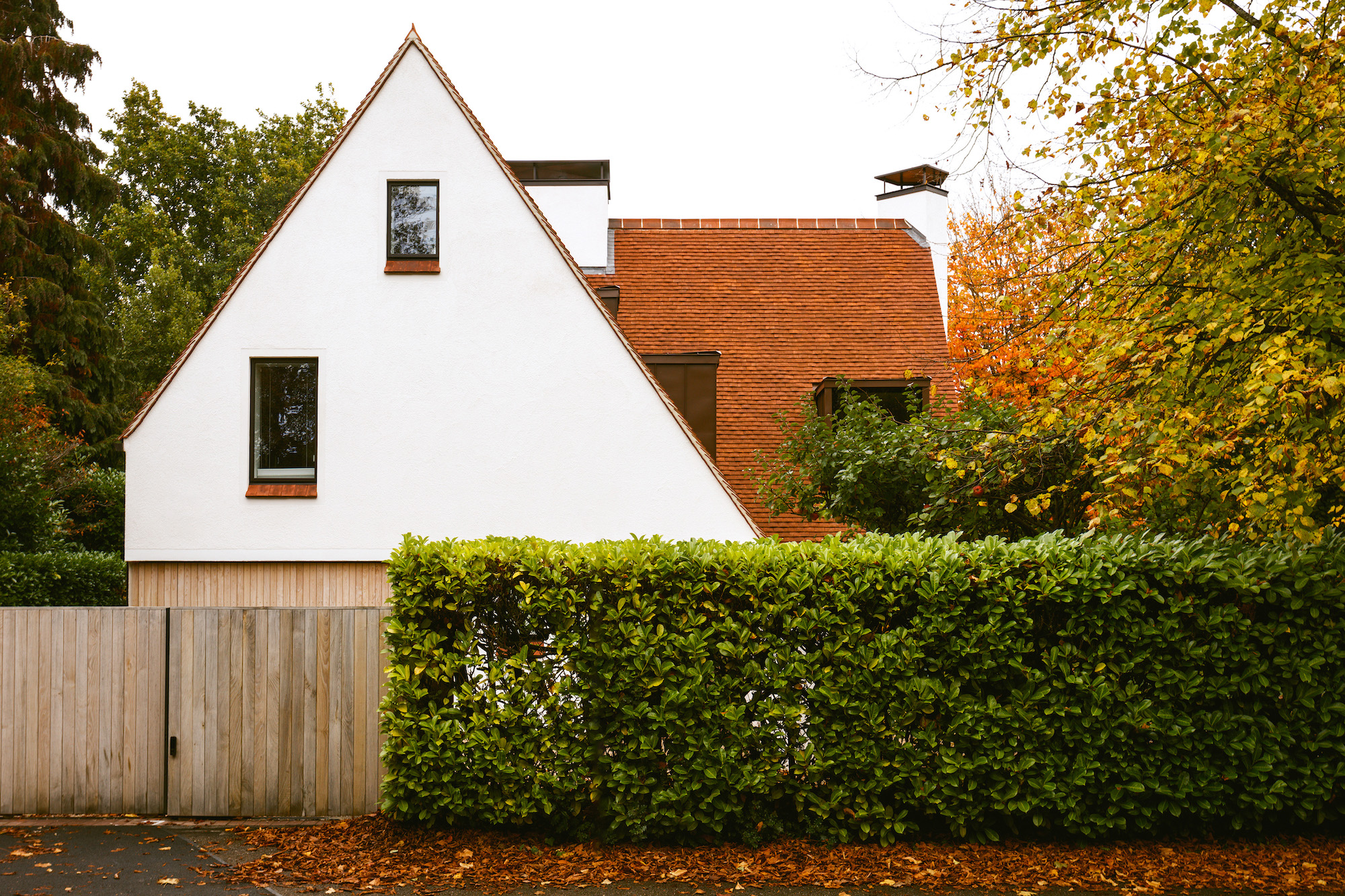
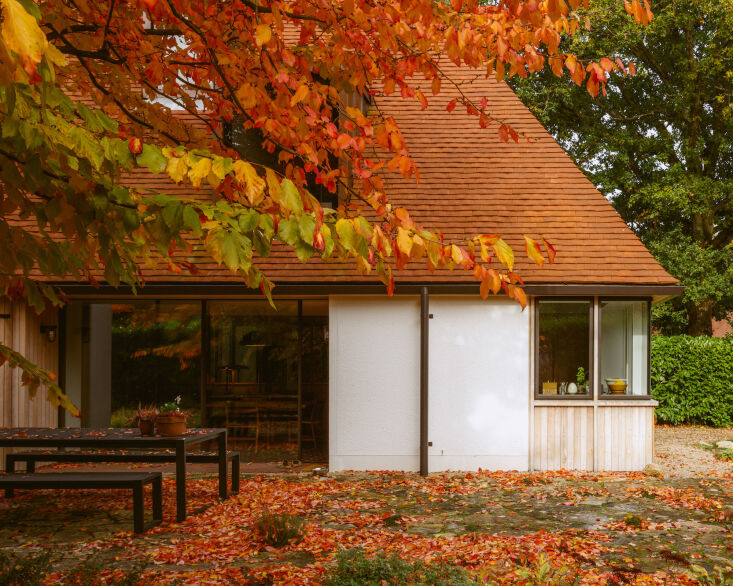
The transformation from a dated bungalow into a sustainable masterpiece was achieved by moving away from the "patch-and-repair" mentality. Instead, the team opted for a new build that utilized low-carbon materials—specifically Sweet Chestnut cladding and Keymer clay tiles—to create a structure that feels as though it has always belonged to the Surrey woods. By balancing local conservation requirements with a high-performance building fabric, the architects proved that historical aesthetics and near-Passivhaus standards are not mutually exclusive.
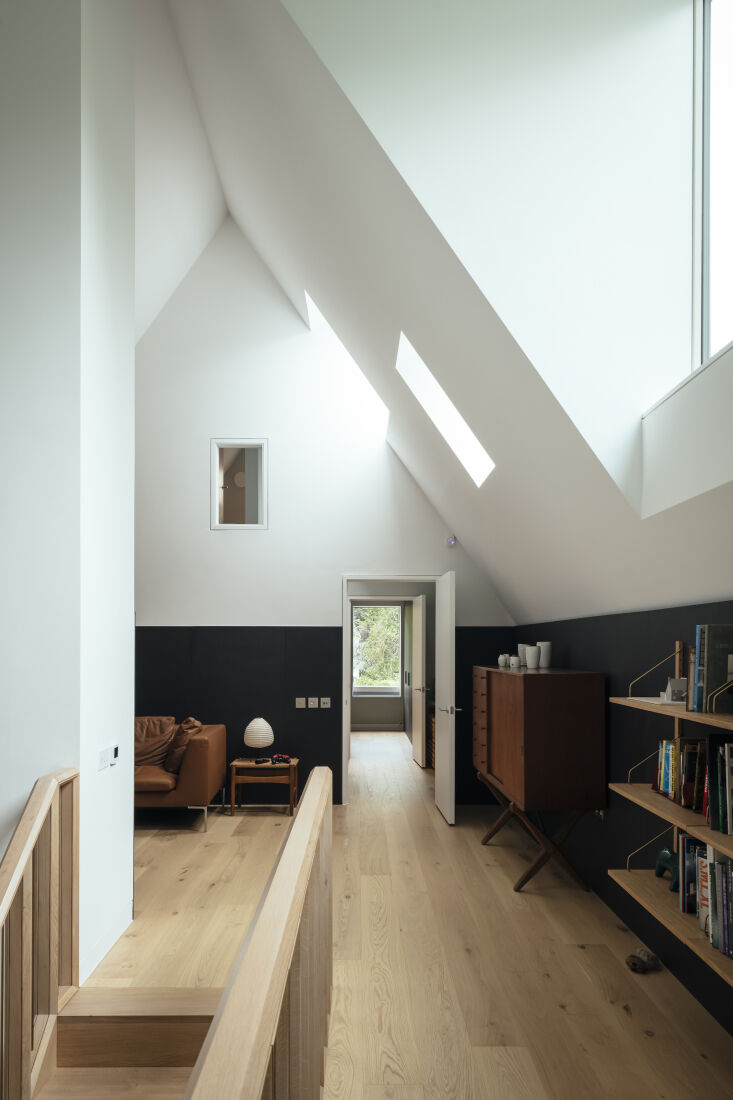
The design team navigated strict planning constraints by utilizing a "steeply-pitched inhabited roof." This clever architectural move allowed them to accommodate a generous family home within the footprint and height profile acceptable to the conservation area, effectively doubling the usable space without overwhelming the site.
Building for the Future: A Near-Passivhaus Envelope
As an editor focused on energy efficiency, I find the "invisible" side of this home the most compelling. While the aesthetic is undeniably beautiful, the true luxury lies in its thermal performance. The Middle Avenue house features a 100% airtight envelope, a feat that requires meticulous attention to detail during the construction phase.
By prioritizing a "fabric first" approach, the home achieves near-Passivhaus standards. This means the building requires minimal energy to heat or cool, as the high-performance insulation and triple-glazed windows act as a thermal thermos for the family.
Space Optimization Statistics:
- Total Internal Area: 285 square meters (3,000 sq ft).
- Efficiency Layout: The home optimizes every inch, housing 4 spacious bedrooms and a dedicated study within the roof structure.
- Airtightness: Achieving a rigorous low-energy standard through a continuous air barrier and high-performance timber frame.
Pro-Tip: The Value of Airtightness Homeowners often focus on solar panels or heat pumps, but the most cost-effective "green" move is ensuring an airtight envelope. In a house like Middle Avenue, 100% airtightness combined with triple glazing can reduce heating demands by up to 90% compared to a traditional UK renovation.
Material Honesty: The Exterior Palette
The Arts and Crafts movement was a backlash against the soulmasking of mass production. At Middle Avenue, this manifests in the choice of tactile, sustainable materials that will age gracefully (or "patinate") over time.
The exterior is a masterclass in local sourcing and low-embodied carbon. The Sweet Chestnut cladding offers a durable, UK-grown alternative to imported hardwoods, while the Keymer clay tiles—handmade in nearby Sussex—provide a rich, textured roofline that mirrors the historic homes of Farnham. The integration into the landscape is further enhanced by the preservation of a magnificent Persian Ironwood tree, which anchors the southern terrace and provides natural shading during the summer months.
Inside the Masterpiece: Triple-Height Grandeur and Bespoke Joinery
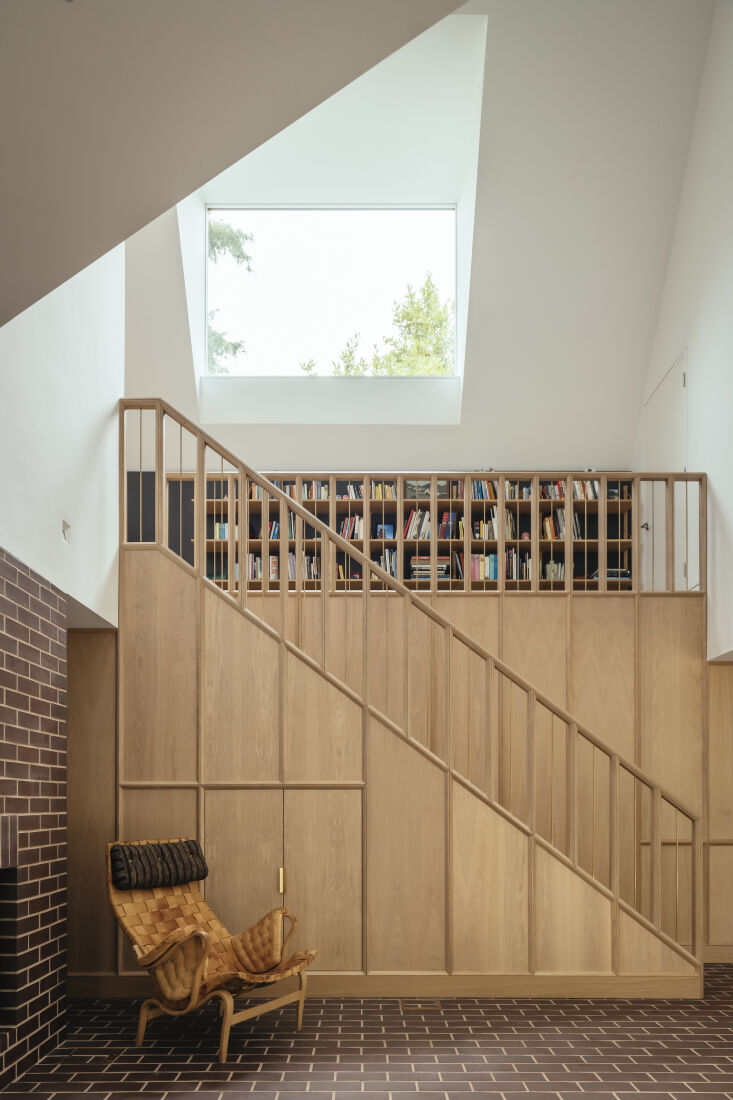
Stepping inside, the transition from the exterior’s rugged textures to the interior’s refined craftsmanship is seamless. The heart of the home is a stunning triple-height central hall. This isn't just a grand architectural gesture; it is the "circulation logic" of the house, connecting the living spaces on the ground floor with the private quarters nestled in the roof above.
The signature interior features of this modern Arts and Crafts home include:
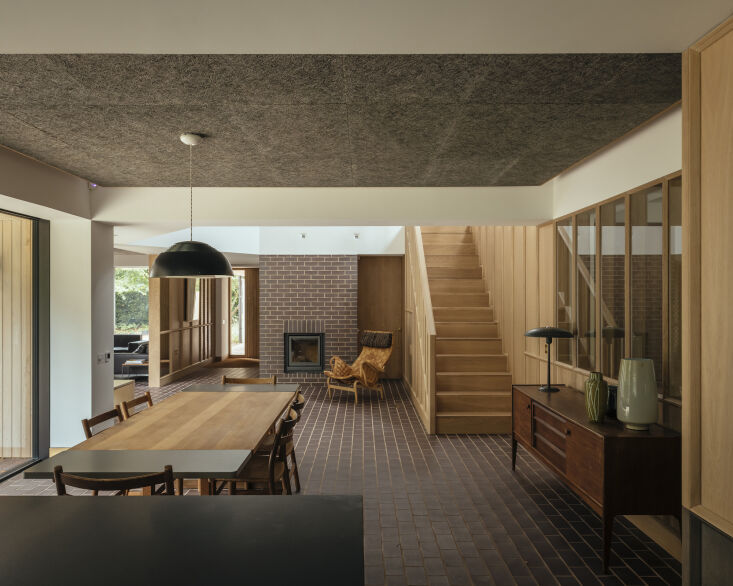
- Bespoke European Oak Joinery: From the sinuous banister of the central staircase to the built-in bookshelves that line the study, the use of oak brings a warm, grounding presence.
- Staffordshire Brick Flooring: Used throughout the ground floor, these brown bricks provide high thermal mass (helping regulate temperature) while offering a rugged, "earthy" aesthetic.
- Valchromat Paneling: This engineered wood fiber paneling is used in the kitchen and storage areas, providing a contemporary, matte finish that complements the traditional timber.
The furniture selection further reinforces the "Craftsman" ethos. The dining area, for instance, acts as a curated gallery for design icons. You’ll find Hans Wegner chairs paired with a Børge Mogensen Shaker table—pieces that, like the house itself, celebrate the beauty of wood and the skill of the maker.
The Sustainable Engine: Low-Energy Technology
To maintain a comfortable indoor climate within such a high-performance envelope, the home utilizes a robust Mechanical Ventilation with Heat Recovery (MVHR) system. For those unfamiliar with the tech, an MVHR system extracts stale air from "wet" rooms (kitchens, bathrooms) and uses its heat to warm fresh, filtered air being drawn into the living areas and bedrooms.
This system is the secret to the home’s low-impact footprint. It ensures that even in the depths of a Surrey winter, the air remains fresh and the temperature remains stable, all while using a fraction of the energy of a conventional central heating system. By combining this technology with the thermal mass of the brick flooring and the "inhabited roof" insulation, Rural Office has created a home that is as technologically advanced as it is aesthetically traditional.
Defining the Style: Why 'Craftsman' and 'Bungalow' Still Matter
There is often confusion between a house "form" and an architectural "style." The original structure was a bungalow by form—a single-story dwelling. However, the new Middle Avenue home adopts the Craftsman style—an architectural movement that values hand-worked details, local materials, and a harmony with nature.
By choosing to replace a dated bungalow with a modern Craftsman home, the owners have honored the spirit of the Arts and Crafts movement without being beholden to 19th-century limitations. This project proves that we can live in homes that feel "hand-built" and soulful while benefiting from the precision of modern sustainable engineering.
Conclusion: A New Chapter for Rural Living
The Middle Avenue project is more than just a beautiful house; it is a blueprint for the future of the English suburb. It demonstrates that we don't have to sacrifice our architectural heritage to meet modern energy standards. By leaning into the Arts and Crafts philosophy of material honesty and combining it with the "fabric first" approach of Passivhaus design, Rural Office has created a legacy home that will remain comfortable, efficient, and beautiful for generations to come.
For homeowners looking to renovate or rebuild, the lesson here is clear: look to the materials of the past, but build with the technology of the future.
FAQ
1. What makes this home "near-Passivhaus" rather than fully certified? While the home utilizes all the core principles of Passivhaus—high insulation, triple glazing, 100% airtightness, and MVHR—official certification often requires specific administrative steps and rigorous testing that some homeowners choose to skip in favor of "best practice" implementation that achieves the same energy-saving results.
2. Is Sweet Chestnut cladding more sustainable than Cedar? Yes, in a UK context. Sweet Chestnut is often sourced from managed British woodlands, significantly reducing the "material miles" compared to Western Red Cedar, which is frequently imported from Canada. It is also naturally durable and does not require chemical treatments.
3. How does the "inhabited roof" help with sustainability? By using the space within the steeply pitched roof for bedrooms and studies, the architects reduced the overall building height and footprint. This uses fewer materials to create more living space and reduces the external surface area through which heat can escape.