To walk through the door of an unrenovated 1890s Brooklyn townhouse is to step into a time capsule of Gilded Age ambition. In neighborhoods like Bedford-Stuyvesant and Park Slope, these "brownstone" survivors—characterized by their Romanesque Revival arches and Queen Anne flourishes—possess an architectural soul that modern construction simply cannot replicate. However, for the contemporary buyer, the path from a derelict shell to a divine residence is paved with complex logistics, shifting NYC regulations, and a financial landscape that has evolved significantly as we move into 2026.
Quick Facts: The 2026 Brooklyn Renovation Outlook
- Average Gut Renovation Cost: $450 – $750 per square foot.
- Total Typical Budget: $650,000 to $1.4M+ for a 3–4 story townhouse.
- Contingency Fund: 15–25% (Mandatory for 19th-century structural "surprises").
- NYC All-Electric Buildings Act: Primarily affects new permits filed after Dec 31, 2025; renovations are currently exempt but should prioritize "future-proofing."
- Permit Timelines: 4–8 months for Department of Buildings (DOB) and Landmarks Preservation Commission (LPC) approvals.
I. The Financial Landscape: Budgeting for 2026
The question at the forefront of every investor's mind is: What is the cost of a Brooklyn brownstone renovation in 2026? The reality of NYC’s construction market is shaped by a confluence of skilled labor shortages, stringent energy codes, and a demand for high-end, bespoke finishes. For a comprehensive gut renovation in prime Brooklyn neighborhoods, homeowners should budget between $450 and $750 per square foot.
This range encompasses more than just paint and flooring; it accounts for the total overhaul of antiquated systems. In 2026, the baseline for a standard 3,000-square-foot townhouse renovation typically starts at $650,000 for mid-range finishes and can easily soar beyond $1.4 million when incorporating rear extensions, cellar excavations, and luxury millwork.
Understanding the Cost Breakdown
| Expense Category | Percentage of Budget | Drivers of Cost |
|---|---|---|
| Hard Costs | 70–75% | Structural steel, plumbing, HVAC, masonry, high-end finishes. |
| Soft Costs | 15–25% | Architectural fees, structural engineering, expediting, NYC DOB filings. |
| Contingency | 15–25% | Hidden rot, lead pipe replacement, structural settling issues. |
The "Hidden Condition Tax" is particularly acute in 1890s structures. Experts recommend a minimum 20% contingency because, behind those crumbling plaster walls, one often finds joists compromised by century-old leaks or structural masonry that requires stabilization. Neglecting this buffer is the most common reason NYC renovations stall mid-project.

II. Architectural Strategy: A Different Syntax
When approaching an 1890s Bed-Stuy brownstone remodel, the most successful designs are those that treat the building’s history not as a museum, but as a dialogue. The modern ethos—championed by visionary firms like TBo—is to preserve the "feminine" decorative details of the 19th century while introducing a "different syntax" for new additions.
This approach, often referred to as the #SavingSusanna philosophy, involves meticulously restoring plaster tapestries, pier mirrors, and mahogany banisters in the formal parlor rooms. However, when moving toward the rear of the house or into a new extension, the language shifts.
The Modern Extension
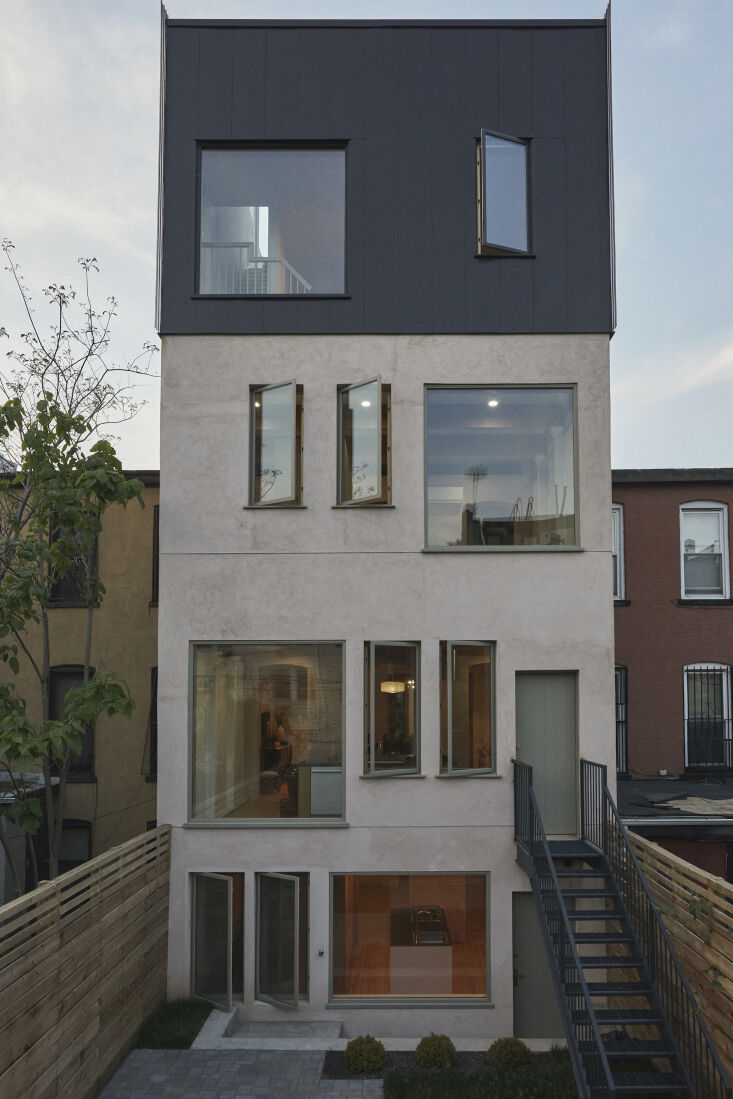
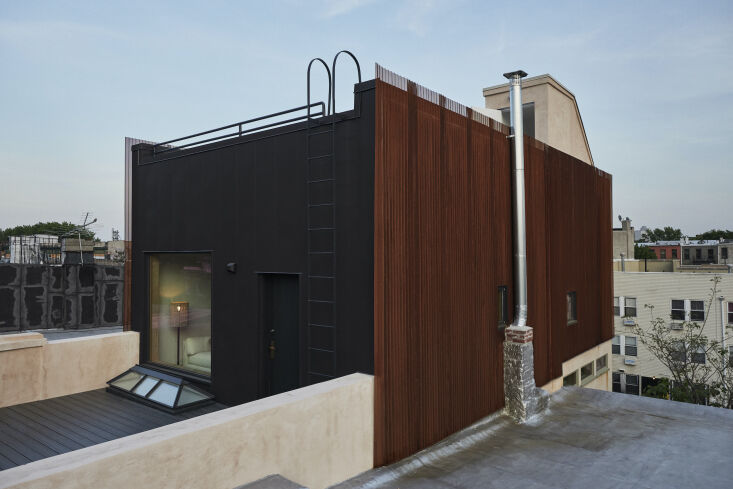
A 2026 trend that continues to gain momentum is the use of high-contrast materials for rear extensions. Rather than trying to mimic 130-year-old masonry, architects are utilizing:
- Corten Siding: A weathered-steel finish that provides a rich, organic texture.
- Oversized Glazing: Floor-to-ceiling "glass walls" that dissolve the boundary between the parlor floor and the garden.
- Exposed Steel: Structural elements left visible to celebrate the engineering of the new space.
Pro Tip: The Parlor Floor Decision To open or not to open? Many homeowners are tempted to "open concept" the entire parlor floor. However, preserving the formal enclosures of the 1890s—while widening the arched doorways—often yields a better ROI and superior acoustics compared to a completely hollowed-out floor plate.
III. The Technical Gauntlet: NYC Codes and Permits
Navigating the NYC Department of Buildings (DOB) is often more grueling than the actual construction. In 2026, two major factors dominate the regulatory landscape: the All-Electric Buildings Act (Local Law 154) and the Sidewalk Shed Reform.
Does the NYC All-Electric Buildings Act apply to your renovation?
The Act primarily targets new low-rise buildings with permits filed after December 31, 2025. While it does not strictly mandate total electrification for standard renovations of existing townhouses, it is highly influential. Most expert contractors recommend designing full system overhauls with future electrification in mind—integrating heat pumps and induction cooking—to avoid costly retrofits when the law eventually expands its scope.
Navigating Permits: ALT-1 vs. ALT-2
Choosing the right filing strategy can save months of delays.
| Permit Type | When to Use | Implications |
|---|---|---|
| ALT-CO (Formerly ALT-1) | For major changes: Adding a floor, changing a 2-family to a 1-family. | Requires a new Certificate of Occupancy; lengthy review process. |
| ALT-OP (Formerly ALT-2) | For gut renovations within the existing footprint; no change to use. | Faster approval; works under the existing Certificate of Occupancy. |
LPC Alert: If your townhouse is in a Historic District (like much of Bed-Stuy or Park Slope), any exterior work—from windows to cornices—requires a "Certificate of Appropriateness" from the Landmarks Preservation Commission. This can add 2–4 months to your timeline.
IV. Interior Evolution: Warm Minimalism and Smart Integration
The 2026 aesthetic for Brooklyn interiors has moved away from the "industrial chic" of the 2010s toward Warm Minimalism. This style emphasizes tactile materials—veneer plaster, tactile stone, and hand-rubbed oils—that feel cozy rather than clinical.
The Parlor Floor Kitchen
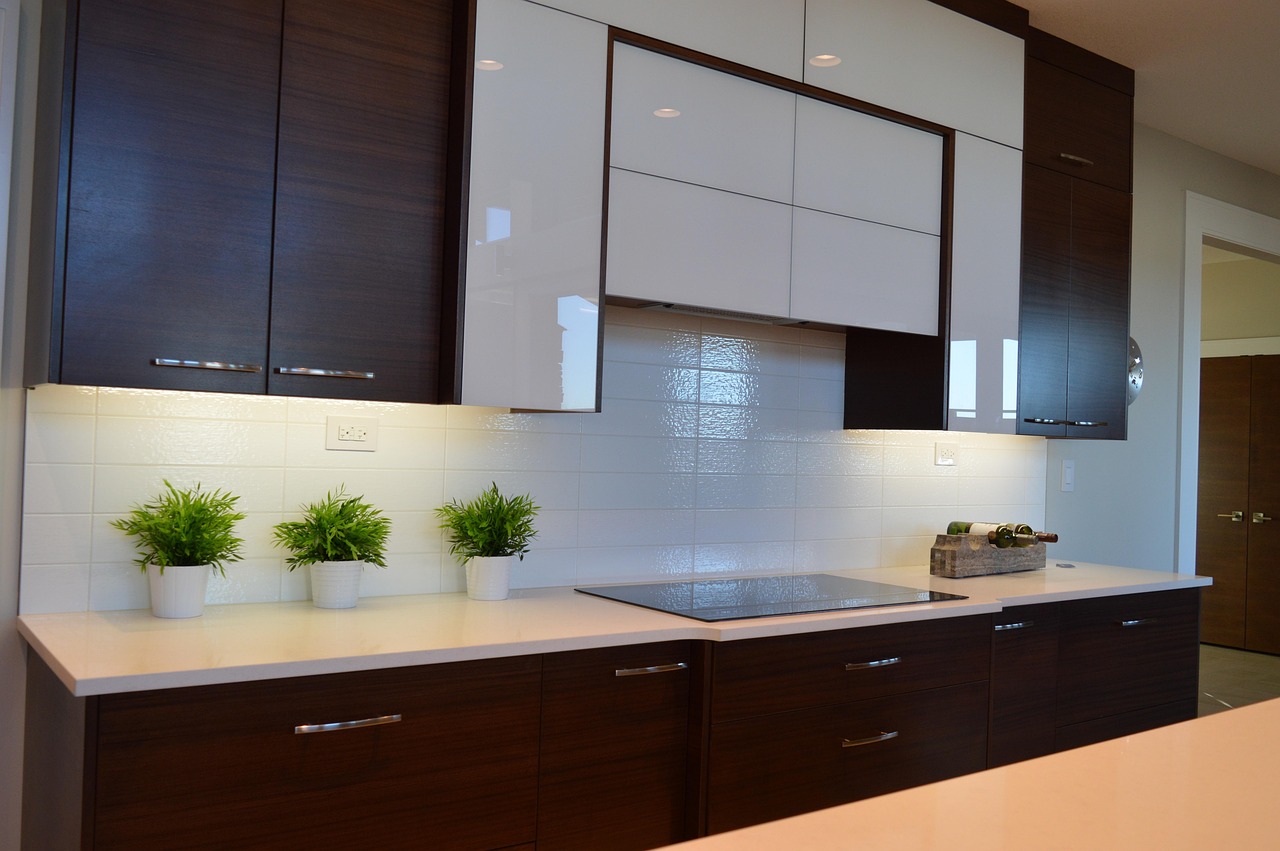
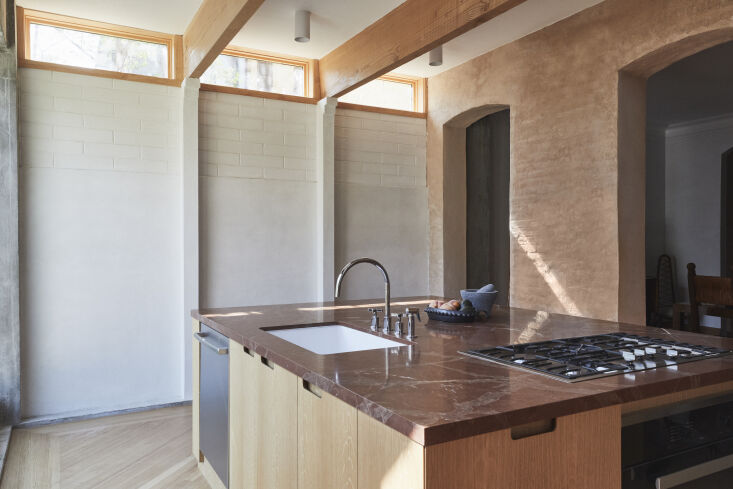
One of the most significant shifts in townhouse architecture is the relocation of the kitchen. Traditionally tucked away in the dark garden level (the former servants' quarters), modern renovations are moving the kitchen to the rear of the parlor floor. This allows the heart of the home to benefit from the soaring 11-foot ceilings and the light from new, oversized rear windows.
The 'Spathroom' Trend
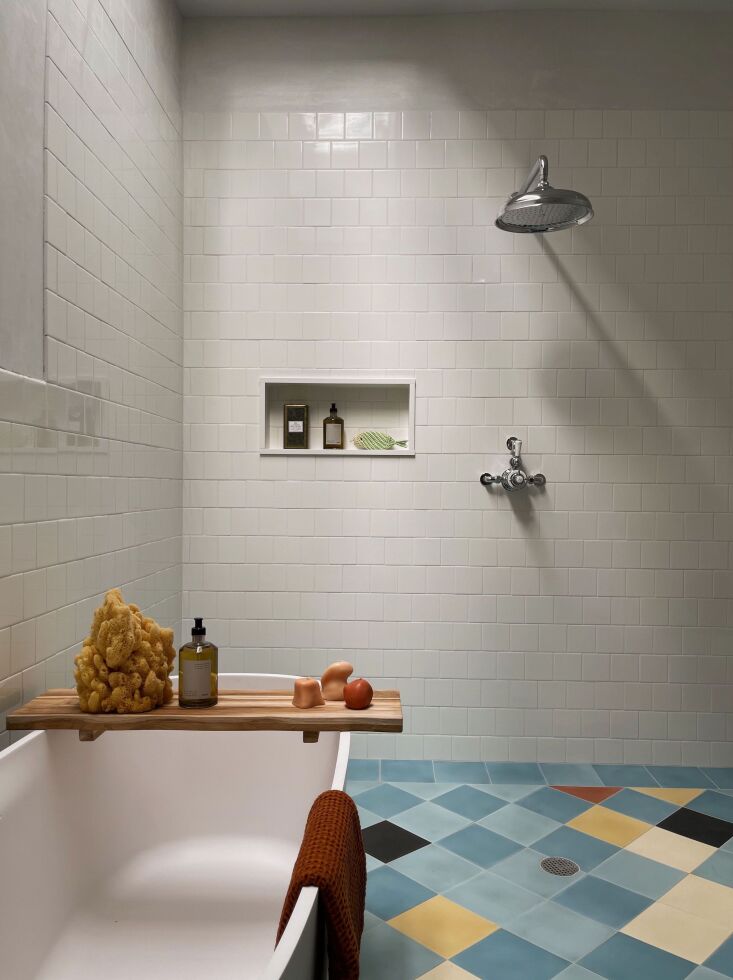
In the narrow footprints of 19th-century buildings, the primary bathroom is being reimagined as a wellness retreat. We are seeing a move away from standard subway tile toward:
- Harlequin Cement Tiles: Providing a playful yet historic rhythm.
- Wet Rooms: Combining the shower and soaking tub into a single waterproofed zone to maximize space.
- High-Performance Fixtures: Thermostatic valves and steam shower integrations.
V. Execution: Hiring the 2026 Design-Build Team
In the current New York market, the "Handyman" solution for a historic renovation is not just a risk—it's a liability. The complexity of modern NYC building codes, combined with the structural fragility of 130-year-old masonry, necessitates a professional design-build team or a dedicated architect-contractor partnership.
Unlicensed labor often lacks the insurance required for "Action Over" claims, which are common in NYC construction. Furthermore, specialized finishes like hand-troweled veneer plaster or restored 1890s millwork require craftsmen who understand the nuances of the period.
Sequencing for Success
To avoid the aggressive new fines associated with NYC's sidewalk shed reform (now enforcing a 90-day limit in many zones), successful project managers are "front-loading" façade work. By completing masonry repairs and window installations first, owners can remove scaffolding early, significantly reducing monthly rental costs and avoiding city penalties.
FAQ: Navigating Your Brooklyn Renovation
Q: Is it cheaper to renovate an existing brownstone or buy a "flip"?
A: While a "flip" may seem cheaper upfront, many are cosmetic "lipstick" renovations that hide structural or systemic issues. Renovating yourself allows you to ensure the "guts" of the building—the plumbing, electric, and insulation—are done to 2026 standards, providing better long-term ROI.
Q: How do I handle a "Landmarked" building renovation?
A: You must hire an architect experienced with the LPC (Landmarks Preservation Commission). They will need to submit detailed drawings showing that any street-visible work—including window replacements and stone patching—uses historically accurate materials and profiles.
Q: Can I add a rental unit to my townhouse renovation?
A: Yes. Many Brooklyn owners choose to renovate as a "Live-with-Income" property, keeping a triplex for themselves and creating a garden-level rental. In 2026, these units are increasingly being designed as ADUs (Accessory Dwelling Units) to maximize rental yield and help offset high mortgage rates.
The journey from a derelict 1890s shell to a divine Brooklyn home is a marathon of decisions and discoveries. Yet, for those who respect the "different syntax" of old and new, the result is more than just a piece of real estate—it is a contribution to the architectural tapestry of New York City, preserved for the next century.