There is a specific kind of heartache that comes with stepping into a Victorian terrace kitchen that has seen better days. You might find a makeshift plastic roof where a skylight once sat, or even a literal manhole cover awkwardly integrated into the floorboards—remnants of a century of "make-do" repairs. Yet, beneath the layers of peeling linoleum and damp-affected wallpaper lies the soul of a home.
To transform a dilapidated Victorian kitchen, the secret lies in a "heritage-first" approach: focus on preserving and restoring original features like lath and plaster walls while integrating modern, high-quality elements such as British Standard cabinetry, reclaimed Iroko wood countertops, and artisan zellige tile backsplashes. This balance ensures the 19th-century character remains intact while providing the 21st-century functionality we all crave.
1. Restoring the Bones: Walls and Ceilings
The first step in any Victorian renovation is looking past the cosmetic to the structural. In many terrace houses, you will encounter original lath and plaster—a traditional building technique where thin strips of wood (laths) are nailed to the studs and covered in lime plaster. While modern contractors might suggest ripping it all out for plasterboard, there are significant reasons to reconsider.
Traditional lime-based materials preserve the sound-deadening qualities and historical integrity of the property. Unlike modern gypsum, lime is breathable, which is crucial for managing moisture in older solid-brick walls. If your cornices or ceiling roses are damaged, restoration is often a better investment than replacement.
Pro Restoration Tip: Before you swing a sledgehammer, test for hazards. Victorian-era homes often contain lead-based paint or asbestos in old floor adhesive. Always use a professional testing kit and wear high-grade respiratory protection during demolition.
Choosing Between Traditional and Modern Materials
| Feature | Traditional (Lime/Lath) | Modern (Plasterboard/Gypsum) |
|---|---|---|
| Acoustics | Excellent sound insulation. | Average; often echoes. |
| Breathability | High; prevents damp in old bricks. | Low; can trap moisture. |
| Installation | Skill-intensive and time-consuming. | Quick and cost-effective. |
| Longevity | Can last centuries if maintained. | 20-40 years average. |
2. Choosing the Palette: From Traditional to Vibrant
While traditional Victorian kitchen color palettes often feature deep, dramatic tones like forest green, navy, and burgundy, today’s homeowners are leaning toward a more "vibrant" heritage look. The goal is to maximize the limited natural light often found in narrow terrace kitchens.
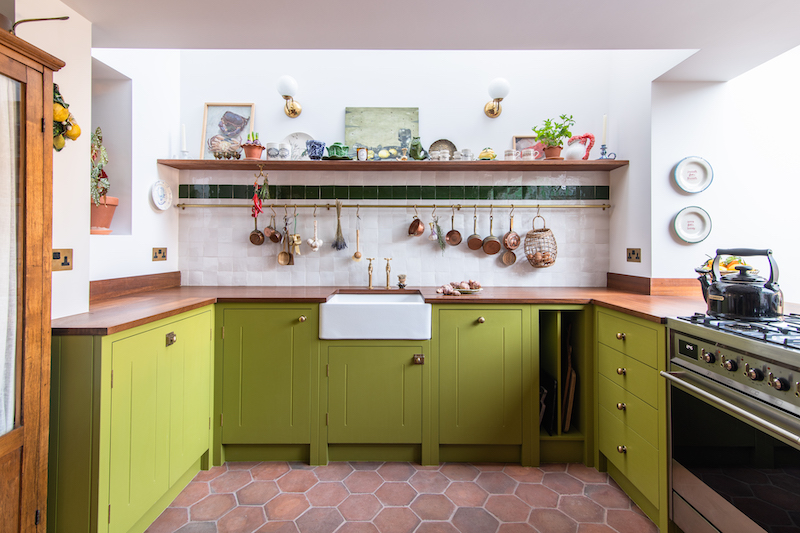
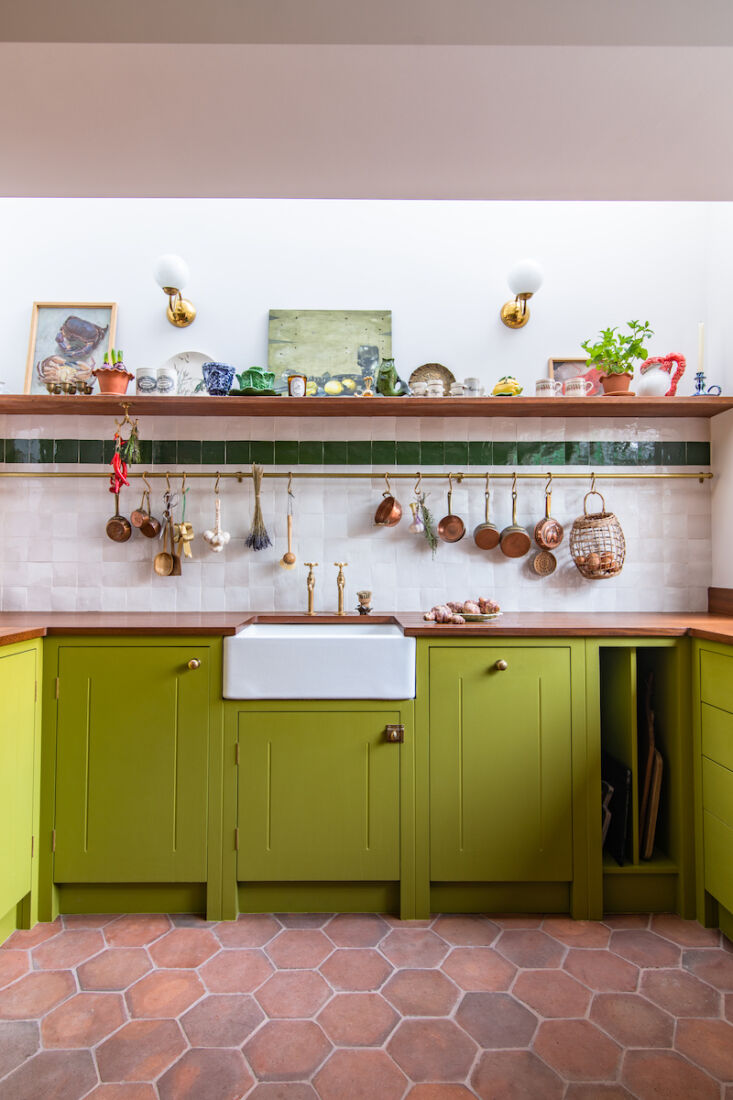
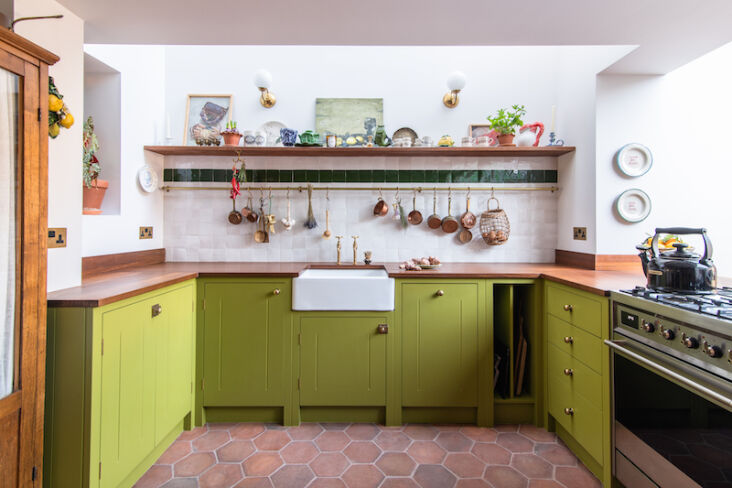
For a modern update that still feels rooted in history, consider shades like 'Citrine' from Little Greene. This zesty, yellow-green hue brings an unexpected energy to the space, especially when paired with the warmth of brass hardware and the earthy texture of terracotta floor tiles.

When selecting colors, consider the "narrowness" of the Victorian terrace. Using a single bold color on both the walls and the cabinetry—a technique known as "color drenching"—can actually make a small kitchen feel more expansive by blurring the boundaries of the room.
3. The Backbone: British Cabinetry Brands
The heart of a Victorian kitchen transformation is the cabinetry. To achieve an "heirloom" look, steer clear of mass-produced, flat-pack units. Instead, look toward British brands that celebrate joinery and traditional proportions.
Brand Spotlight:
- British Standard by Plain English: Known for their "understated" appeal, these off-the-shelf cupboards allow you to achieve high-end craftsmanship at a more accessible price point.
- deVOL: If your budget allows for bespoke, deVOL’s "Real Shaker" or "Classic English" lines are the gold standard for historical authenticity.
Material Focus: Reclaimed Iroko Wood
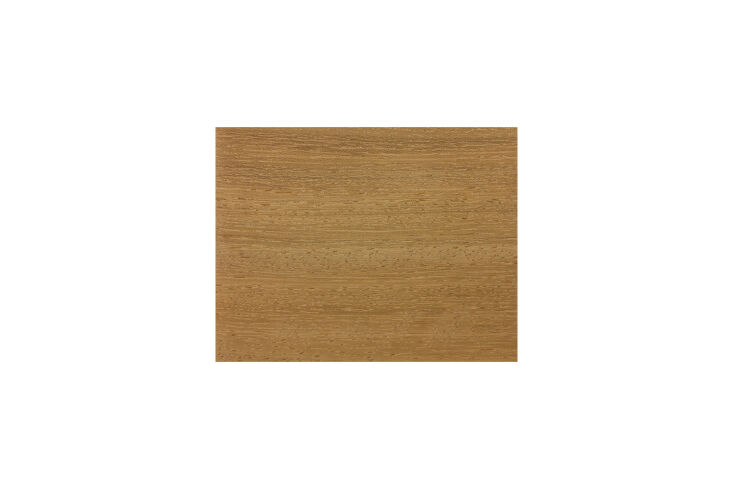
Sustainable heritage is more than just a trend; it's a commitment to quality. For countertops, I highly recommend using reclaimed Iroko wood. Often sourced from old school science labs or hospital fit-outs by specialists like Retrouvius, Iroko is incredibly durable and naturally water-resistant due to its high oil content.
4. The Artisan Details: Tiles and Hardware
Once the "bones" and "backbone" are in place, the artisan details provide the finishing touch. In a Victorian kitchen, these elements should feel "found" or "handmade" rather than manufactured.
Zellige Tile Backsplashes
Zellige tiles are hand-molded, hand-cut, and kiln-fired in Morocco. Their irregular surfaces catch the light in a way that flat, machine-made tiles simply cannot. To lean into a "Victorian butcher-shop" aesthetic, consider a 'Forest' green or a high-gloss white (like the 1018 series). These tiles provide a tactile, shimmering backdrop that bridges the gap between utilitarian and luxury.
Flooring: The Warmth of Terracotta
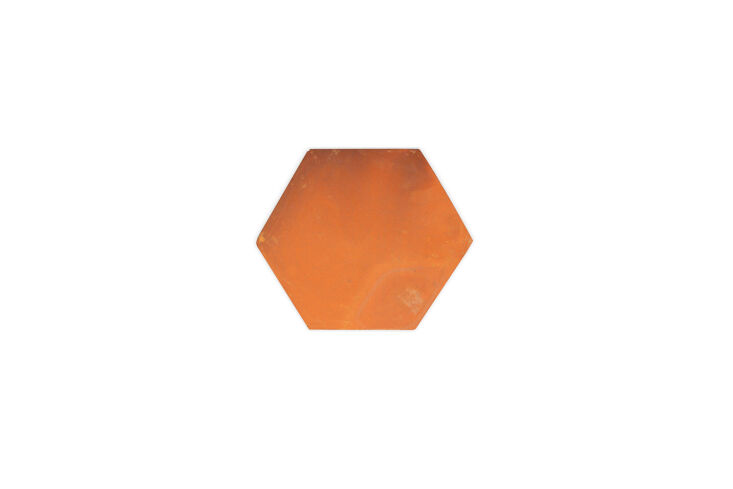
Victorian terraces often suffer from cold, damp floors. After addressing the subfloor and insulation, consider Terracotta Hexagon tiles. Companies like the Handmade Terracotta Tile Company provide tiles that offer an organic warmth and a rustic, aged feel that balances the "cleaner" lines of the cabinetry.
Hardware: The Jewelry of the Kitchen
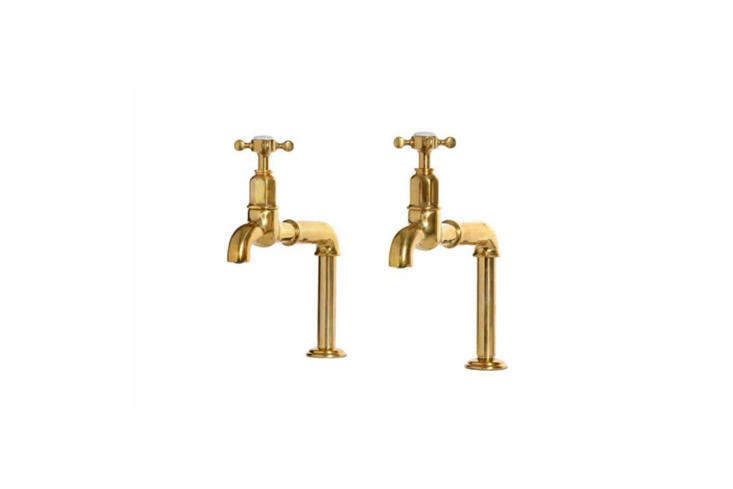
Don't overlook the hardware. Aged brass Mayan taps and oval cupboard latches provide a vintage finish that will develop a beautiful patina over time. These fixtures act as functional pieces of art, grounding the vibrant paint choices in historical reality.
5. Modern Comfort and Value Analysis
Renovating a Victorian kitchen isn't just about aesthetics; it's a savvy financial move. Historical renovation analysis indicates that preserving original Victorian architectural details can increase property resale value by approximately 12% to 15% compared to modern-only refits. Buyers in the current market are looking for "character with convenience."
Furthermore, a survey of high-end UK renovations shows that 74% of homeowners now prioritize 'sustainable heritage' materials, such as reclaimed timber and artisanal zellige tiles. By choosing these materials, you aren't just restoring a home; you're future-proofing your investment against the fickle nature of "fast furniture" trends.
To improve energy efficiency without compromising the look:
- Install slimline double glazing in original sash window frames.
- Add floor insulation beneath your terracotta tiles.
- Use "discreet" modern upgrades, like hidden induction hobs or integrated appliances, to keep the focus on the period features.
6. The Transformation Process: Step-by-Step
Transforming a dilapidated space requires a clear sequence of events to prevent costly mistakes.
- Survey and Safety: Conduct a professional damp survey and test for lead/asbestos. Address any structural issues, such as the infamous terrace "manhole" or rotting floor joists.
- Strip-Back: Remove non-original features (like 1970s plastic roofing or MDF paneling). Assess the condition of the original lath and plaster.
- First Fix: Relocate plumbing and electrical waste lines. In a Victorian kitchen, this often involves chasing into thick masonry walls.
- Plastering: Use lime-based plaster to allow the building to "breathe."
- Cabinetry Installation: Install your base and wall units. For British Standard cabinetry, this is the time to apply your chosen paint color.
- Worktop Templating: Once cabinets are fixed, template for your reclaimed Iroko or stone countertops.
- Tiling and Hardware: The final flourish. Install your zellige backsplash and aged brass fixtures.
FAQ
What is the best way to clean zellige tiles? Since zellige tiles have an uneven surface and thin grout lines, use a pH-neutral cleaner and a soft cloth. Avoid harsh acidic cleaners that can damage the glaze or the traditional lime grout often used with these tiles.
Can I use modern appliances in a vintage-style kitchen? Absolutely. The key is integration. Hide dishwashers and refrigerators behind matching cabinet panels. For ovens, a classic range cooker (like an AGA or a Bertazzoni) fits the aesthetic perfectly, while a modern induction hob can be "hidden" in a dark-colored countertop.
How do I find reclaimed Iroko wood? Specialist salvage yards like Retrouvius in London or local architectural reclamation centers are your best bet. Always ask for the wood's provenance to ensure it has been ethically sourced and properly kiln-dried for home use.