Quick Facts
- The 2026 Aesthetic: Moving away from sterile, "millennial gray" toward "colors with soul"—hues that feel lived-in, organic, and emotionally grounding.
- The Power of Low Contrast: A hushed palette reduces "visual noise," allowing the brain’s amygdala to relax and signaling the nervous system that the day is over.
- Trendsetting Tones: Key shades for the upcoming season include grounded olive green, smoky jade, dusty rose, and stone-toned limewash.
- Material Matters: Belgian linen and natural wood surfaces are scientifically linked to higher relaxation levels (up to 76% higher) compared to synthetic finishes.
- The Limewash Advantage: This ancient paint technique offers a matte, mottled finish that absorbs light rather than reflecting it, perfect for creating a "cocooning" environment.
The New Era of the Cocooning Bedroom
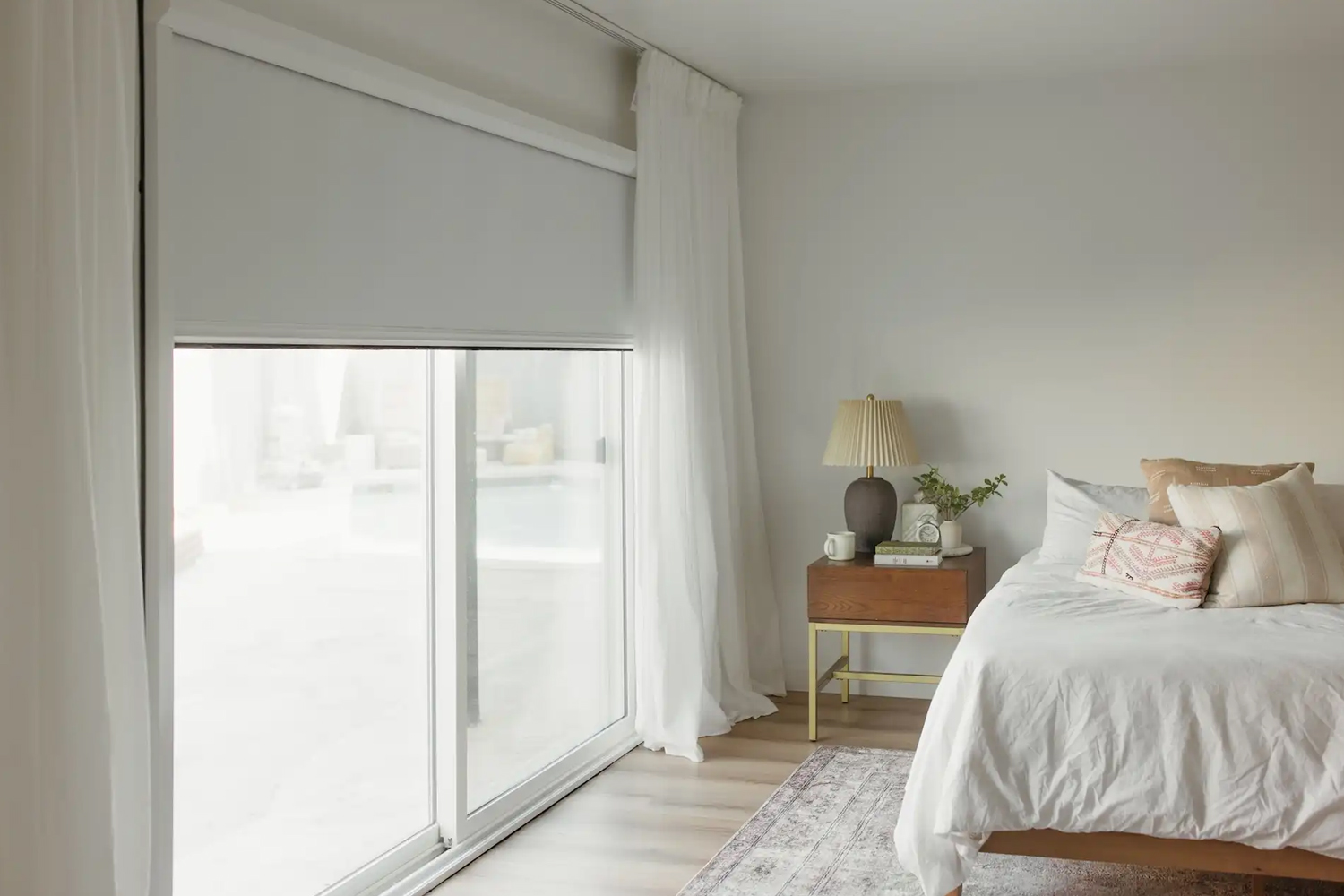
For years, the interior design world was obsessed with the "hotel chic" aesthetic—crisp white sheets, high-contrast accents, and a certain polished anonymity. But as we move into 2026, the pendulum is swinging toward something far more intimate. We are entering the era of the cocooning bedroom.
A hushed color palette transforms a bedroom by radically reducing visual noise and lowering cognitive stimulation. When you walk into a room where the colors "whisper instead of shout," you are giving your brain a much-needed break from the overstimulation of the digital world. By utilizing desaturated, muted tones, you create an environment that signals the brain to lower cortisol levels and prepare for deep, restorative rest.
The goal isn't just to paint a room; it’s to create a sensory experience. We are no longer looking for "perfect" finishes. Instead, we are seeking "colors with soul"—pigments that feel like they have been pulled from a misty morning landscape or an ancient plaster wall.
The Psychology of Sleep: Why Muted Tones Matter
It isn’t just an aesthetic preference; there is a neuroaesthetic reason why certain palettes help us sleep better. Market data indicates a 42% increase in consumer interest for ‘monochromatic sleep environments’ using muted earthy tones over the past 12 months. This shift reflects a collective desire for spaces that act as a sanctuary from a chaotic world.
When we use high-saturation colors (think bright reds or electric blues), our heart rate and blood pressure can actually see a slight uptick. Conversely, muted, desaturated tones—what I call "hushed" colors—have the opposite effect. They soften the edges of the room, making the boundaries feel less rigid and more like a gentle embrace.
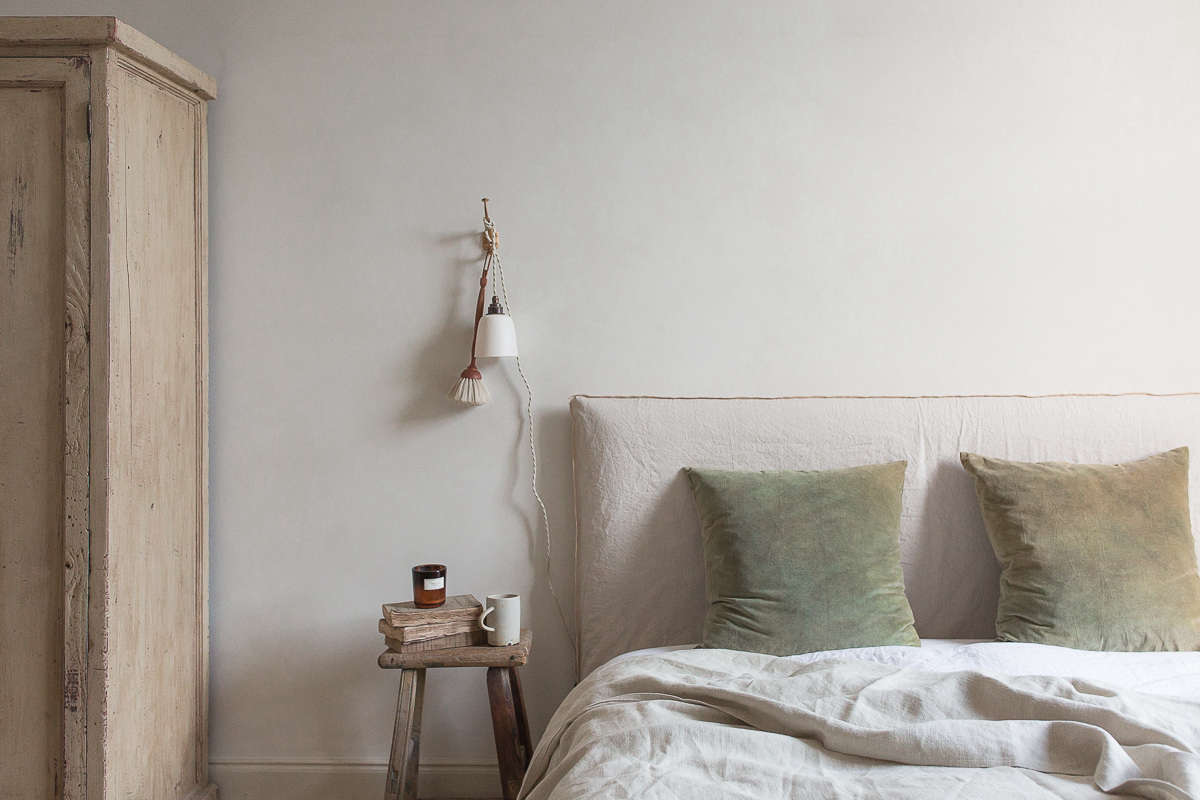
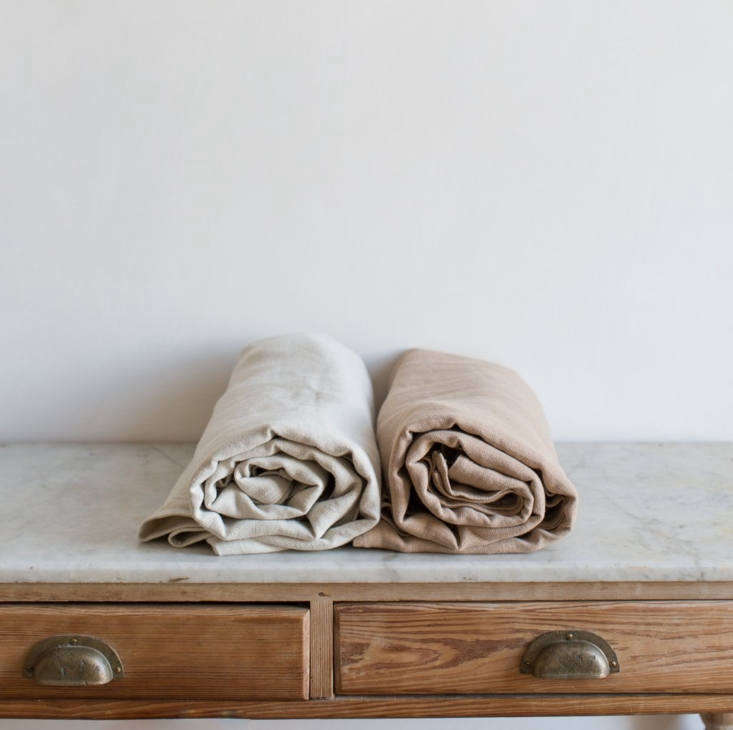
Furthermore, the materials we choose to carry these colors matter immensely. Interior design surveys show that 76% of homeowners report higher relaxation levels in bedrooms featuring natural materials like Belgian linen and limewashed walls compared to synthetic, high-gloss finishes. Natural fibers have a "tactile honesty" that synthetic materials lack, providing a grounding effect that is essential for a sleep sanctuary.
Top 2026 Color Pairings for a Restorative Retreat
Choosing the right palette for 2026 is about finding the balance between warmth and serenity. The most successful sanctuaries move away from stark neutrals into "muddy" or "dusty" versions of primary and secondary colors.
1. Dusty Rose & Grounded Olive Green
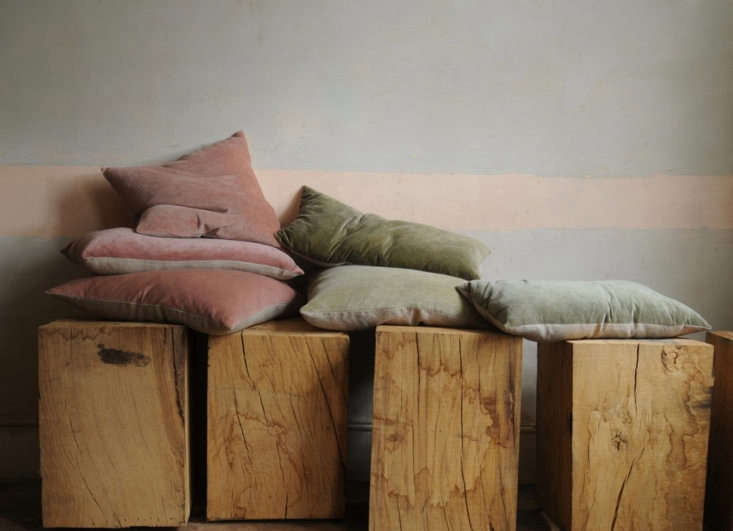
This pairing is the epitome of the modern cocoon. The rose provides a soft, flush warmth reminiscent of sunset, while the olive green acts as an anchor. It’s a sophisticated take on the "nature-inspired" trend that feels both romantic and incredibly stable.
2. Milky Lavender & Periwinkle
For those who crave a bit more "soul" in their space, milky lavender offers a soft drama. Unlike the bright purples of the past, these are gray-heavy tones that feel like a twilight sky. They work beautifully in guest sanctuaries where you want to provide a sense of luxury without overwhelming the senses.
3. Smoky Jade & Warm Neutrals
Jade brings the outdoors in, but in a "hushed" way. When paired with warm neutrals like oatmeal or sand, it creates a grounded atmosphere that feels incredibly fresh yet timeless.
Beyond Paint: Texture and the 'Fifth Wall'
A common mistake when designing a monochromatic or hushed room is leaving the surfaces "flat." To prevent a muted room from feeling dull, you must focus on texture and what I call "The Fifth Wall"—your ceiling.
Color Drenching is a technique where you layer different shades of the same hue—the walls, the trim, and the doors all share a similar tonal family. This removes the visual "breaks" in a room, making it feel larger and more immersive.
The Fifth Wall (The Ceiling) should never be an afterthought. In a sleep sanctuary, a stark white ceiling can feel like a cold lid on a warm pot. By painting the ceiling in a slightly lighter version of your wall color—or even applying a subtle, textured wallpaper—you create a seamless "envelope" of color that makes the room feel infinitely more cozy.
Layering Rugs is another essential tactic. I recommend overlapping a large, flat-weave jute rug with a smaller, plush wool rug in a complementary hushed tone. This adds sensory depth underfoot, which is the first thing you feel when you wake up in the morning.
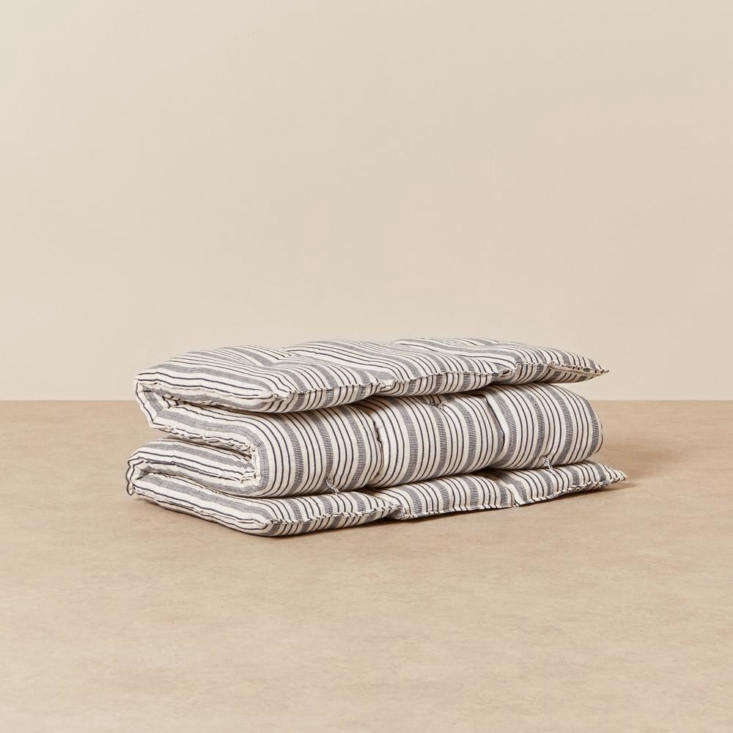
The Limewash Revolution: Texture Without Reflection
If there is one trend that defines the 2026 sleep sanctuary, it is the return of limewash. Limewash paint is ideal for sleep sanctuaries because its matte, mottled finish adds depth and 'patina' without the harshness of reflective modern paints.
Standard latex paint creates a flat, plastic-like film over your walls that reflects light in a way that can feel clinical. Limewash, made from crushed limestone and water, is breathable and mineral-based. It creates a soft, chalky "bloom" on the walls that looks like it has been there for centuries.
DIY Tips for the Perfect Limewash Finish:
- The "X" Stroke: Use a large masonry brush and apply the paint in random, overlapping "X" patterns. This creates the signature mottled, plaster-like look.
- Layering: Limewash is translucent. Two or three thin coats will yield a much richer, more complex color than one thick coat.
- Recommended Shades: Look for stone-toned limewash—think shades named "Pumice," "Silt," or "Bone." These colors develop a beautiful patina over time.
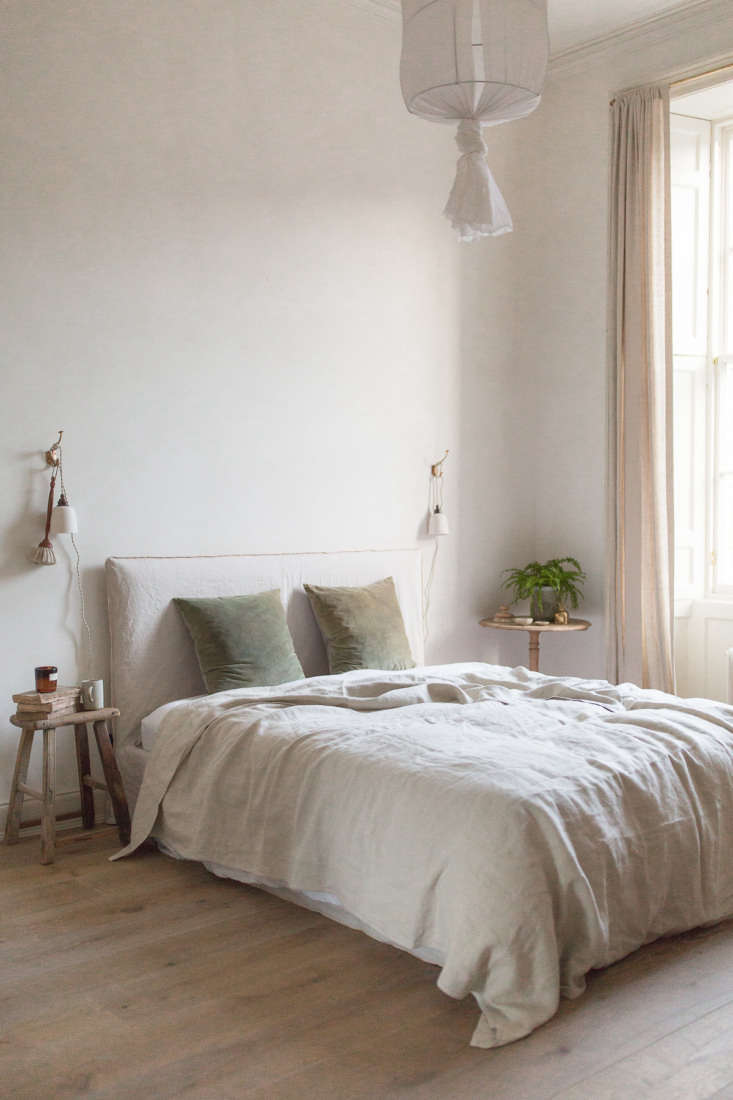
Steal the Look: Furniture and Lighting for a Hushed Space
Once your walls are set, the furniture and lighting must support the "hushed" narrative. The goal is to choose pieces that feel like they belong to the room rather than pieces that compete with it.
Lighting: Ditch the Overheads
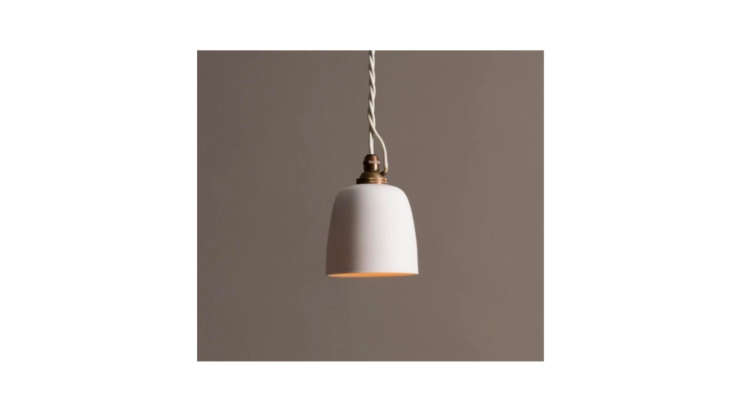
Harsh overhead lighting is the enemy of sleep. In a 2026 sanctuary, replace the "boob light" or recessed cans with porcelain beaker lights or handmade cotton pendant lamps. These materials diffuse light softly, creating a warm glow that mimics candlelight. Reducing blue light exposure in the evening is critical for melatonin production, and these translucent fixtures do just that.
Furniture: The "Disappearing" Bed Frame
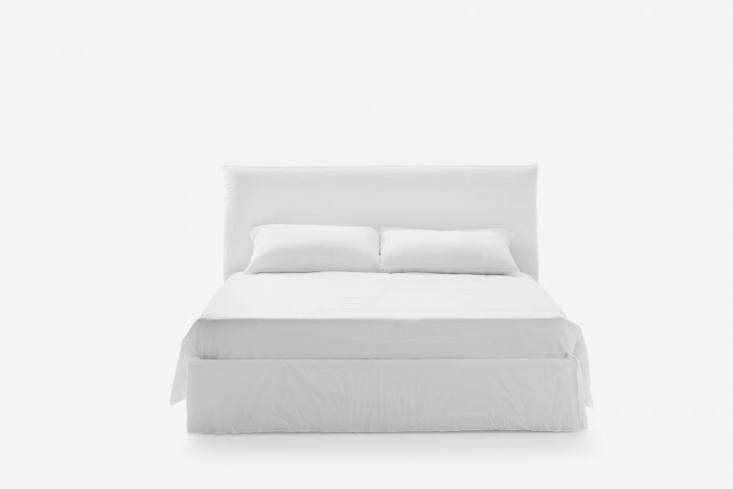
The trend for 2026 is furniture that "blends in." We’re seeing a rise in the "disappearing" bed frame—low-profile designs often upholstered in the same fabric as the bedding or painted to match the walls. Sculptural, oversized headboards in tactile fabrics like bouclé or heavy linen add a sense of protection and sound-dampening qualities to the room.
Hidden Storage: Eliminating Visual Clutter
A hushed room is a tidy room. Visual clutter—chargers, books, skincare bottles—acts as "static" for the brain. Use built-in cabinetry painted in the same hushed tone as the walls to hide electronics and personal items. When everything has a place behind a closed door, the eye can finally rest.
Creating a Personal Sanctuary
The ultimate goal of a hushed color palette is to create a space that feels like a deep breath. It’s about more than just the "look" of the room; it’s about how the room makes you feel at 10:00 PM when the world is finally quiet. By choosing colors with soul, embracing the matte texture of limewash, and layering natural materials, you aren't just decorating a bedroom—you are engineering a better night's sleep.

Your bedroom should be the one place in the world where you don't have to perform, where the lighting is always kind, and where the colors whisper a gentle "welcome home."
FAQ
Q: Can I use a hushed palette in a small bedroom without it feeling dark? A: Absolutely. In fact, muted tones can make a small room feel larger by blurring the lines between the walls and the ceiling. Use "color drenching" to eliminate contrast, which prevents the eye from getting "stuck" on the corners of the room.
Q: Is limewash paint hard to maintain? A: Limewash is surprisingly durable, but it is porous. In a bedroom, it’s perfect because there is low traffic. If you get a scuff, you can usually just touch it up with a small brush and some leftover paint—the mottled nature of the finish makes touch-ups nearly invisible.
Q: How do I choose between warm and cool muted tones? A: Look at your natural light. If your bedroom faces north (cool, blue light), lean into warmer hushed tones like dusty rose or sandy beige. If your room gets a lot of afternoon sun, cooler tones like jade or periwinkle will help balance the heat and keep the space feeling serene.