The landscape of interior design is currently undergoing its most radical transformation since the mid-century modern revolution. We are moving away from the era of the "static room"—where furniture was purchased to fill a footprint—and entering an era of "fluid environments." As we look toward 2026, the catalyst for this change isn't just a shift in taste, but a fundamental reimagining of how furniture interacts with human psychology and architectural space.
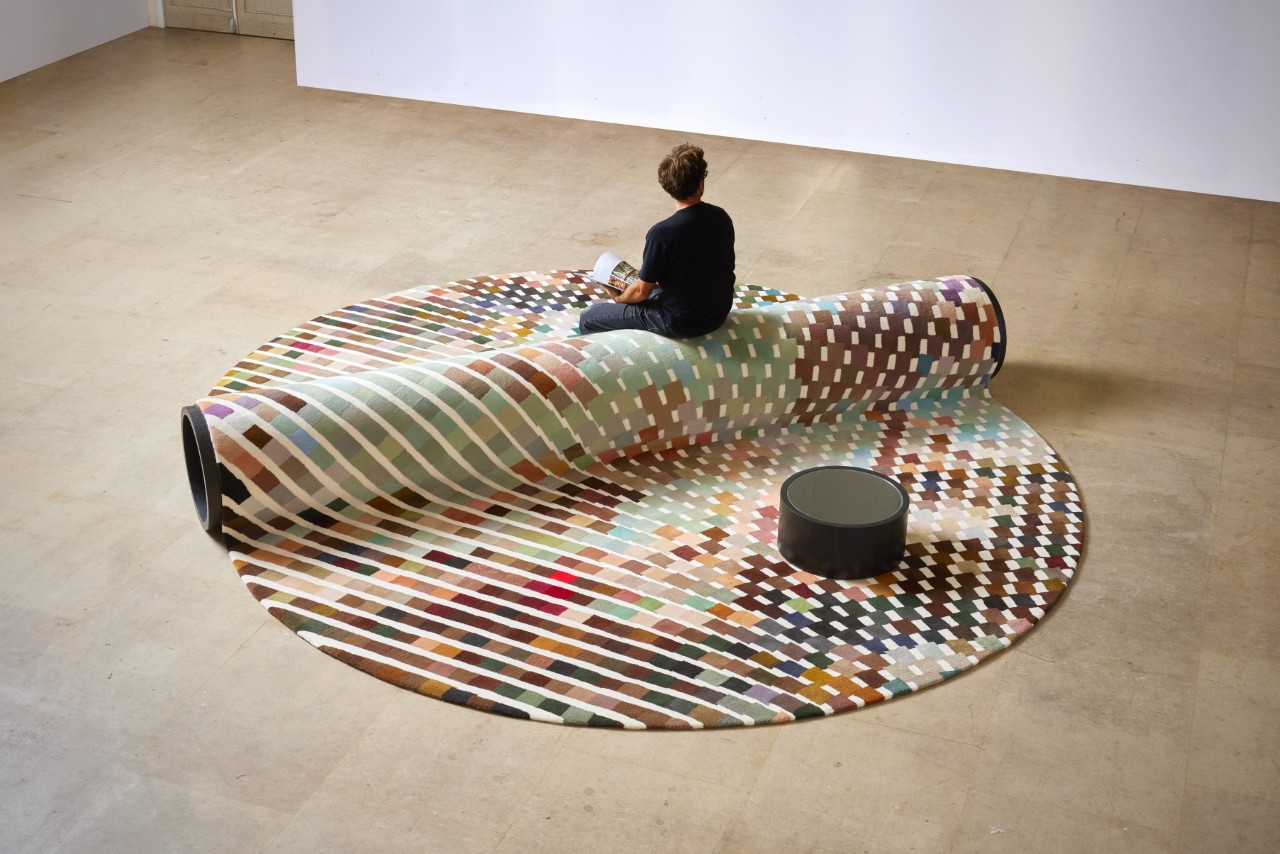
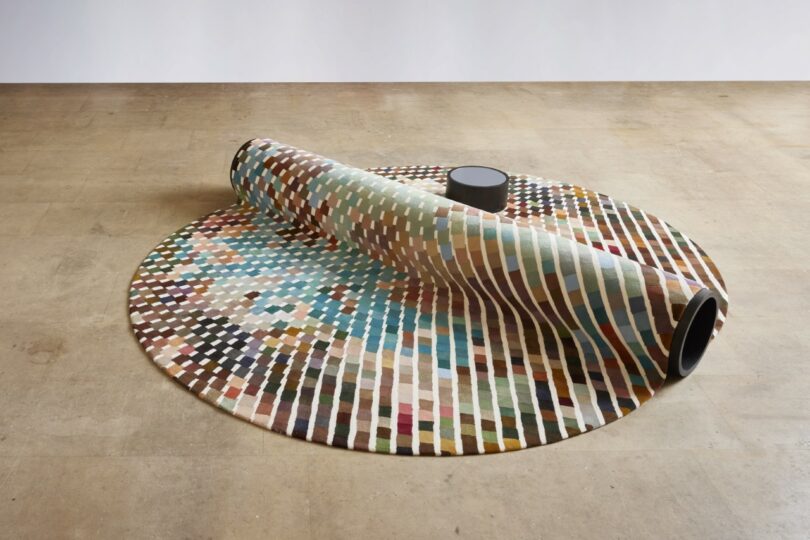
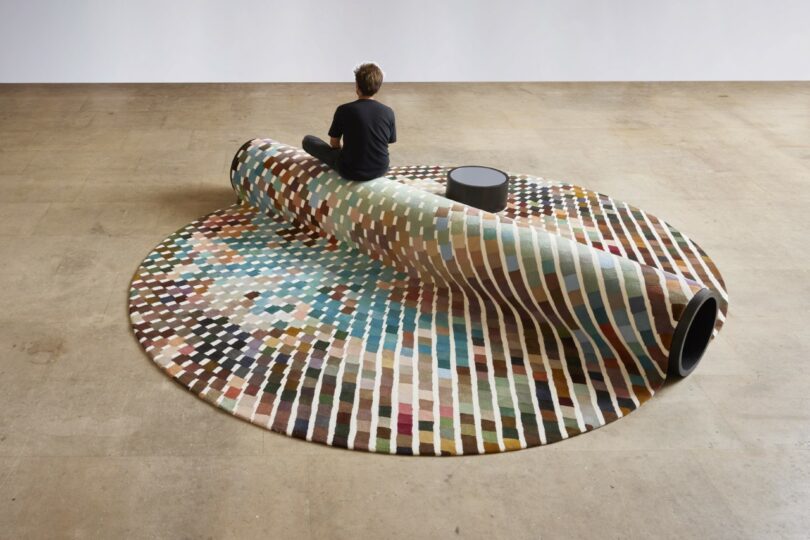
At the center of this dialogue is Arnaud Lapierre’s RONDIN. This 16-foot-wide sculptural installation, recently unveiled at the French Ministry of Culture, is more than a place to sit; it is a manifesto for the future of seating. By blending the traditionally separate categories of "bench" and "carpet," Lapierre has signaled a move toward furniture that functions as a spatial tool rather than a mere product.
The RONDIN Phenomenon: Bridging Art and Utility
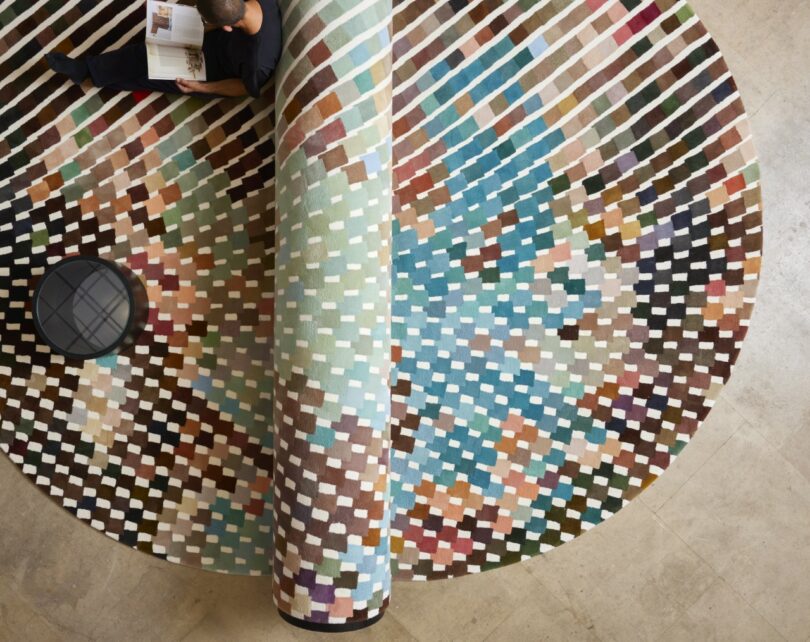
Commissioned for the prestigious Palais-Royal, RONDIN (French for "log") challenges the formal austerity of institutional waiting rooms. In these high-ceilinged, historical corridors, furniture has traditionally been peripheral—chairs lined against walls, discouraging interaction. Lapierre’s intervention is a 16-foot-wide circular island that commands the center of the room, inviting visitors to pause, reflect, and engage.
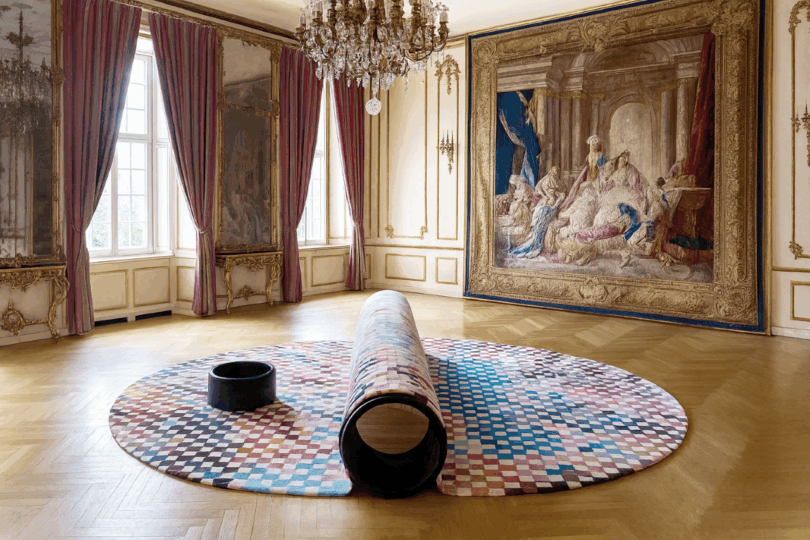
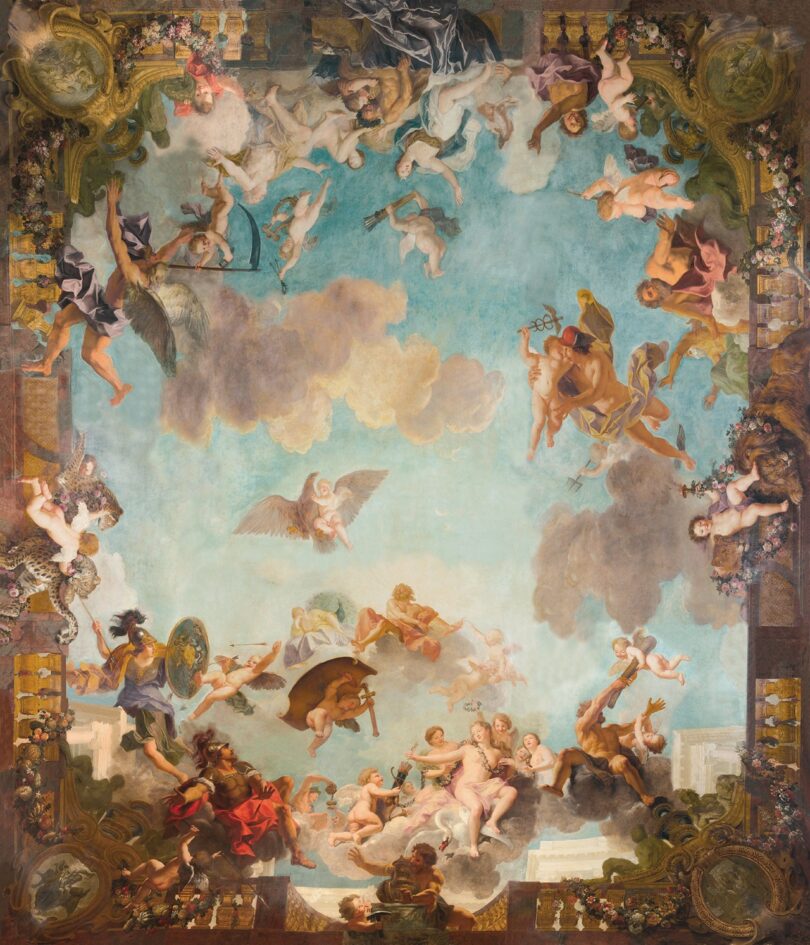
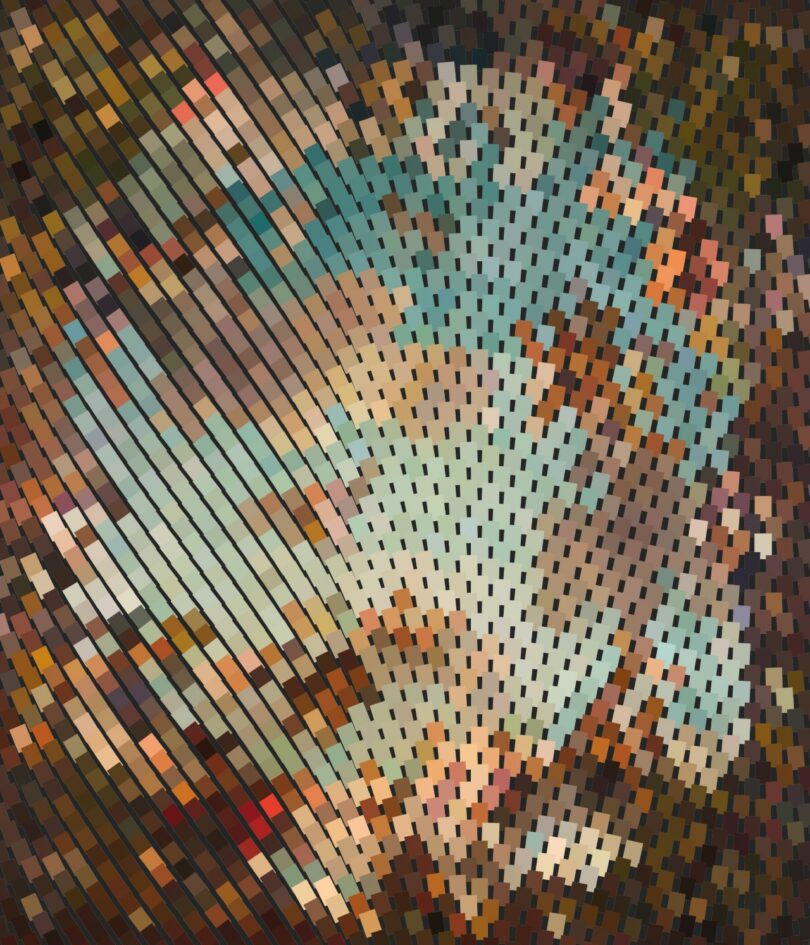
What makes RONDIN a masterclass in modern design is its "Contextual Bridge." While its form is undeniably contemporary—a pixelated assembly of upholstered blocks—its soul is deeply rooted in art history. Lapierre drew the color palette directly from Antoine Coypel’s 18th-century frescoes found within the building. By translating the dramatic ochres, deep ambers, and soft shadows of classical French art into a 3D seating arrangement, the piece creates a seamless dialogue between the past and the future.
This "Surprise and Reflection" factor is exactly what luxury clients are seeking in 2026. They don’t want a sofa that looks like it came from a catalog; they want an installation that anchors the room’s narrative.
The Hybrid Typology: Why the 'Bench-Carpet' is Rising
We are witnessing the birth of a new furniture grammar: the hybrid typology. The RONDIN exemplifies the "bench-carpet" hybrid, where the boundary between the floor covering and the seating element is intentionally blurred. This isn't just an aesthetic choice; it’s a response to how our lives have become increasingly fluid.
Trend Insight: Market data indicates a 42% increase in consumer demand for 'multifunctional hybrid furniture' since 2024. As the lines between work, rest, and entertaining dissolve, homeowners are demanding pieces that can transition between these states without a structural overhaul.
In high-end residential lounges, this hybridity manifests as low-slung platforms that merge into rugs, creating a "topography of comfort." It encourages an informal lifestyle—sitting, lounging, or even working from the floor—that feels more aligned with modern emotional needs than the rigid formality of a traditional three-seater sofa.
2026 Modular Trends: Flexibility as the New Status Symbol
If RONDIN is the artistic extreme, the 2026 modular sofa trend is its commercial counterpart. For high-net-worth (HNW) individuals, luxury is no longer defined by the price of the material alone, but by the flexibility of the object. A sofa that can be reconfigured from a cinema-style pit for a Friday night into a series of detached social islands for a Saturday cocktail party is the ultimate status symbol.
Recent industry surveys highlight this shift: approximately 78% of luxury interior designers now favor modular seating systems with integrated surfaces over traditional fixed-form sofas. We are seeing a move toward "all-in-one" ecosystems that include:
| Feature | Description | 2026 Benefit |
|---|---|---|
| Invisible Connectors | Magnetic or hidden latch systems that keep modules together. | Seamless aesthetics regardless of the configuration. |
| Integrated Surfaces | Built-in stone or wood side tables and shelving. | Eliminates the need for separate coffee or end tables. |
| Adaptable Depths | Modules that offer both "active" shallow seating and "lounge" deep seating. | Accommodates both formal guests and family relaxation. |
Aesthetic Reinvention: Sculptural Volume and Puffy Forms
Visually, the 2026 seating landscape is moving away from the sharp, skeletal lines of the early 2010s toward what I call "Puffy, Not Polished." There is a renewed focus on sculptural volume—furniture that looks like it was carved from a single block of stone or molded from a cloud.
This trend is driven by a desire for "emotional well-being." In an increasingly digital and often harsh world, our physical environments need to offer tactile softness. The low-profile modernist shapes seen in RONDIN, combined with the influence of icons like the Roche Bobois Bubble sofa or &Tradition’s Hi Lo collection, showcase this shift.
The "puffy" aesthetic is characterized by:
- Architectural Clarity: Despite their softness, these pieces have a clear, defined silhouette.
- Low Profiles: Keeping seating close to the ground creates a sense of groundedness and makes rooms feel taller.
- Organic Contours: A rejection of the right angle in favor of curves that mimic the human form.
Materiality and Sustainability: Grounded Luxury
As we lean into 2026, the material palette for seating is becoming more grounded and textural. We are seeing a definitive return to brown leathers—not the shiny, corporate leathers of the past, but rich, matte tones like chocolate, cinnamon, and cognac. These colors provide an organic warmth that complements the "puffy" silhouettes perfectly.
Sustainability, once a buzzword, has evolved into "Longevity as Luxury." Designers are now focusing on:
- Replaceable Components: Modular systems like RONDIN allow for individual sections to be re-upholstered or replaced if damaged, extending the life of the entire piece.
- Texture Contrasts: Pairing "hard" materials like microcement or travertine bases with ultra-soft bouclés or pixelated wool knits.
- Complex Color Blocking: Moving away from monochrome to nuanced palettes that allow furniture to serve as a focal point.
Conclusion: Seating as a Spatial Tool
Arnaud Lapierre’s RONDIN is a prophetic piece of design. It reminds us that seating is not just about a place to sit; it is about how we occupy space and how we relate to one another. As we move further into 2026, the most successful interiors will be those that embrace this modular, hybrid, and sculptural approach.
Whether it’s a 16-foot-wide installation in a government palace or a customizable modular sofa in a city penthouse, the goal remains the same: to create a "social landscape" that is as flexible as the lives we lead. Furniture is no longer a product; it is a tool for living.
FAQ
1. What is a 'bench-carpet' hybrid? A bench-carpet hybrid is a furniture typology where the seating element (the bench) and the floor covering (the carpet) are designed as a single, integrated unit. This design philosophy aims to break down the boundaries between different furniture categories and create a more cohesive, interactive spatial environment, as seen in Arnaud Lapierre’s RONDIN.
2. Why are modular sofas becoming more popular than traditional fixed sofas? Modular sofas offer unparalleled flexibility, which is essential for modern multifunctional living spaces. They allow owners to reconfigure their seating to suit different activities—such as working from home, hosting large parties, or private relaxation. Additionally, 78% of luxury designers now prefer modular systems because they often come with integrated tech and surfaces, reducing visual clutter.
3. How does the RONDIN relate to historical art? RONDIN bridges contemporary design with history by using the color palette of Antoine Coypel’s 18th-century frescoes. By sampling the ochre and amber tones from these classical artworks, Lapierre ensures that the modern, sculptural piece feels deeply connected to the historical architectural context of the French Ministry of Culture.