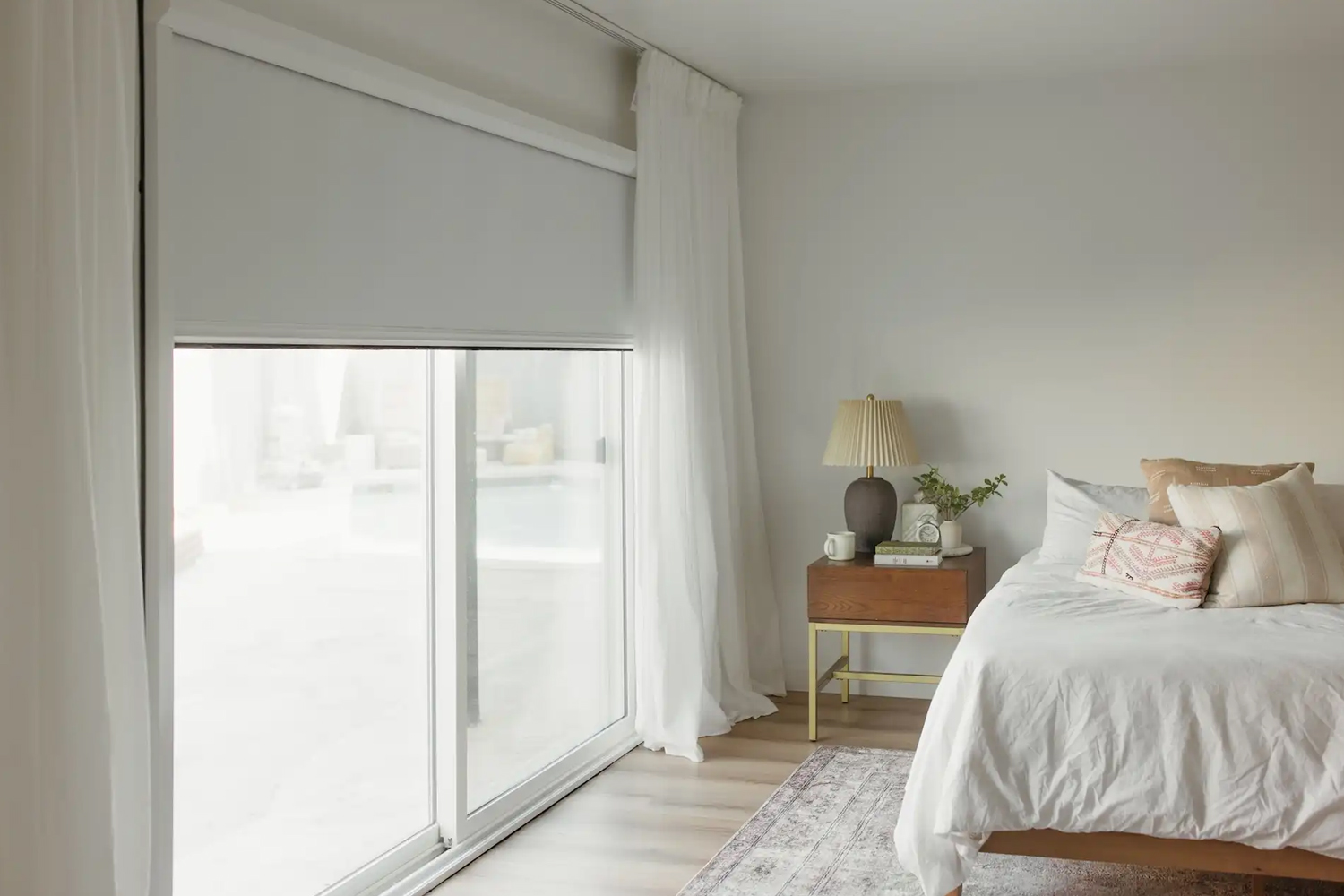
As we approach 2026, the concept of the corporate headquarters is undergoing a radical metamorphosis. No longer viewed simply as a repository for desks and monitors, the modern office is being reimagined as a high-performance asset designed to support the human nervous system. In an era where "the commute must be worth the effort," employers are discovering that the most effective way to drive a high "wellbeing ROI" is not through high-tech gadgets, but through the primal, biological pull of nature. Biophilic design—the integration of natural elements into the built environment—is the secret to this shift. By incorporating living plants, circadian lighting, and organic textures, companies are actively lowering employee cortisol levels and providing the psychological scaffolding necessary for deep, focused work in an increasingly distracted world.
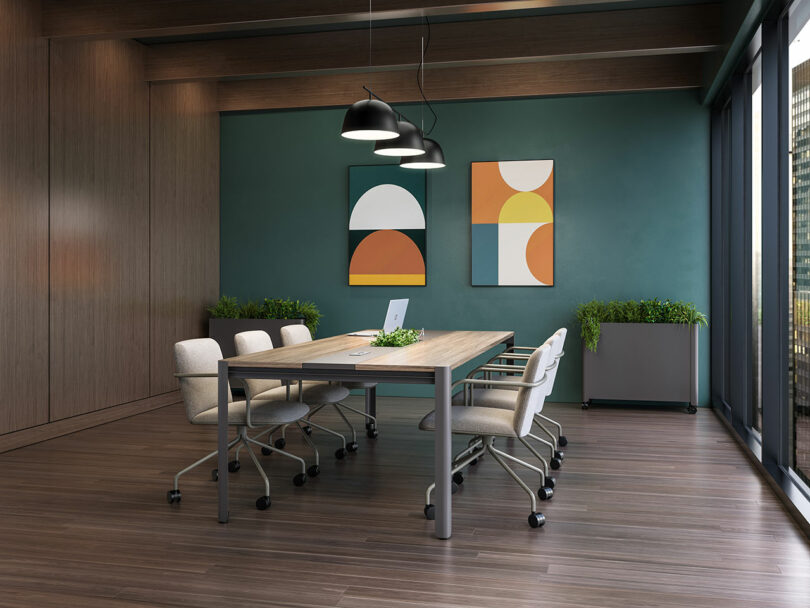
The Neuroscience of Nature: Why Visuals Aren't Enough
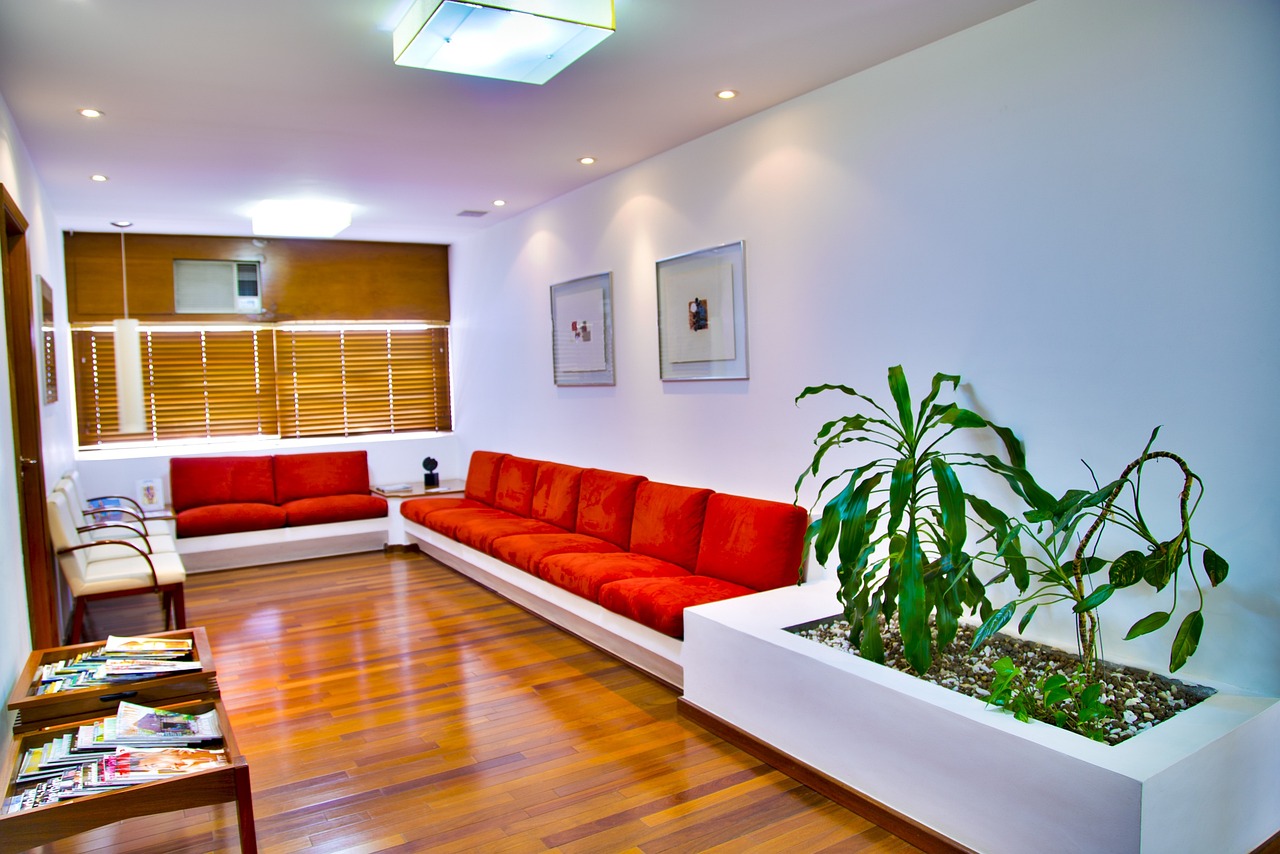
For years, the corporate world’s attempt at "going green" was limited to a solitary, neglected snake plant in the corner of a conference room. However, current research into nature-integrated workspace productivity suggests that this tokenistic approach fails to trigger the neurological benefits we truly need. To effectively reduce office stress, we must move toward multisensory biophilia—a strategic design approach that engages sight, sound, and even smell.
Scientific studies on multisensory biophilic features indicate a quantitative improvement in executive functioning, including enhanced working memory and sharper response inhibition. When employees are surrounded by nature—not just looking at it from a distance—the brain enters a state of "soft fascination." This state allows the prefrontal cortex to rest and recharge, significantly reducing the costs associated with employee burnout and long-term sick leave.
Expert Insight: "Luxury in the modern workplace is what you feel, not what you display. By designing for the nervous system through 'fractal fluency'—the repeating patterns found in nature—we create an environment where the brain doesn't have to work as hard to process its surroundings." — Alex Morgan, General Content Editor
The impact of these interventions is measurable. Beyond the psychological comfort, companies implementing comprehensive biophilic strategies have reported a noticeable decline in workplace anxiety. This is often achieved by combining visual greenery with regional auditory soundscapes, such as the subtle rustle of leaves or the gentle flow of water, which mask distracting office chatter more effectively than white noise machines.
The Plantable Solution: Integrating Nature and Function
One of the primary hurdles to sustainable office design trends in 2026 has been the "maintenance hassle." Facilities managers often worry about the logistics of watering, soil mess, and the spatial constraints of adding bulky planters to an already crowded floor plan. This is where the SurfaceWorks Plantable collection enters the conversation as a versatile marriage of industrial function and biological necessity.
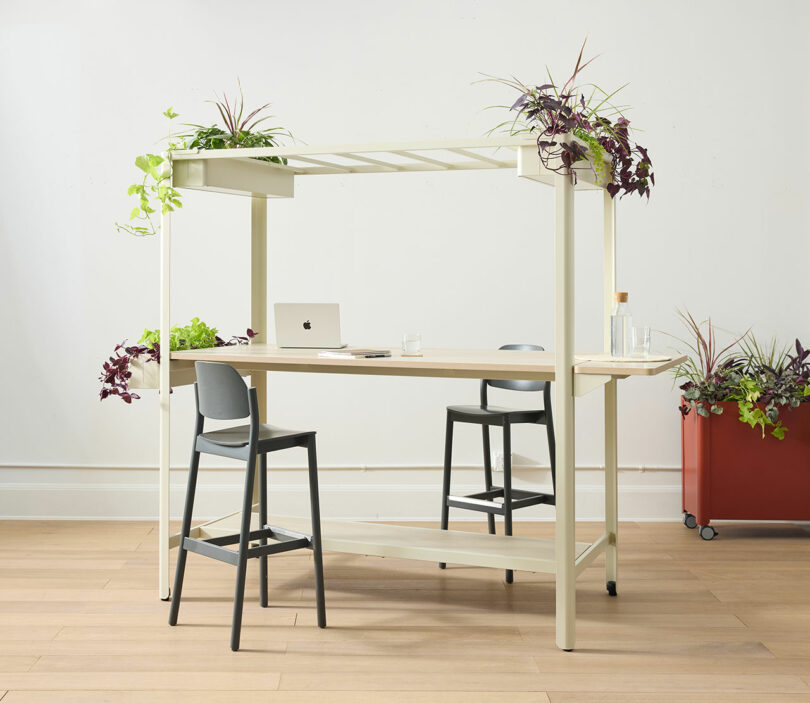
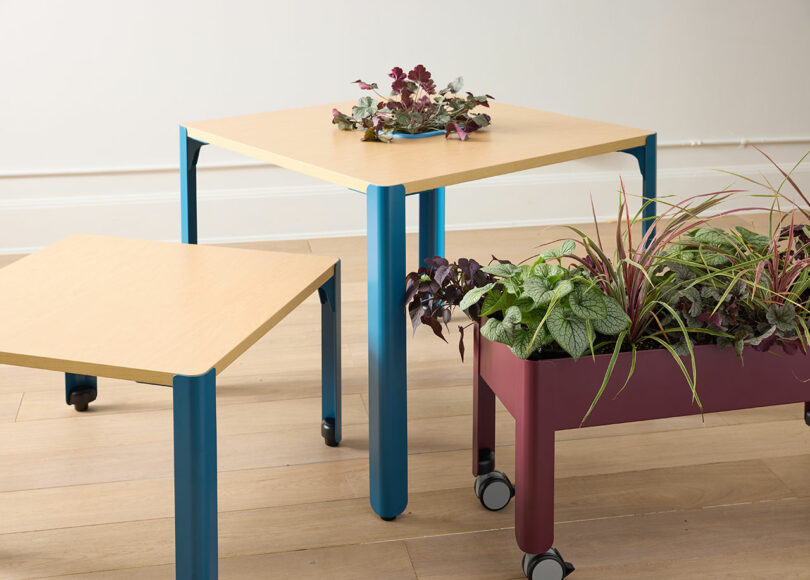
The Plantable collection bridges the gap by making nature a structural component of the furniture itself rather than an afterthought. By combining functional office tables with modular, integrated planters, it allows teams to maintain greenery without sacrificing valuable workspace or floor-plan flexibility.
Key Features of the Plantable System:
- Modular Versatility: The collection includes tables at three distinct heights—seated, counter, and standing—ensuring that biophilic benefits are accessible regardless of the task at hand.
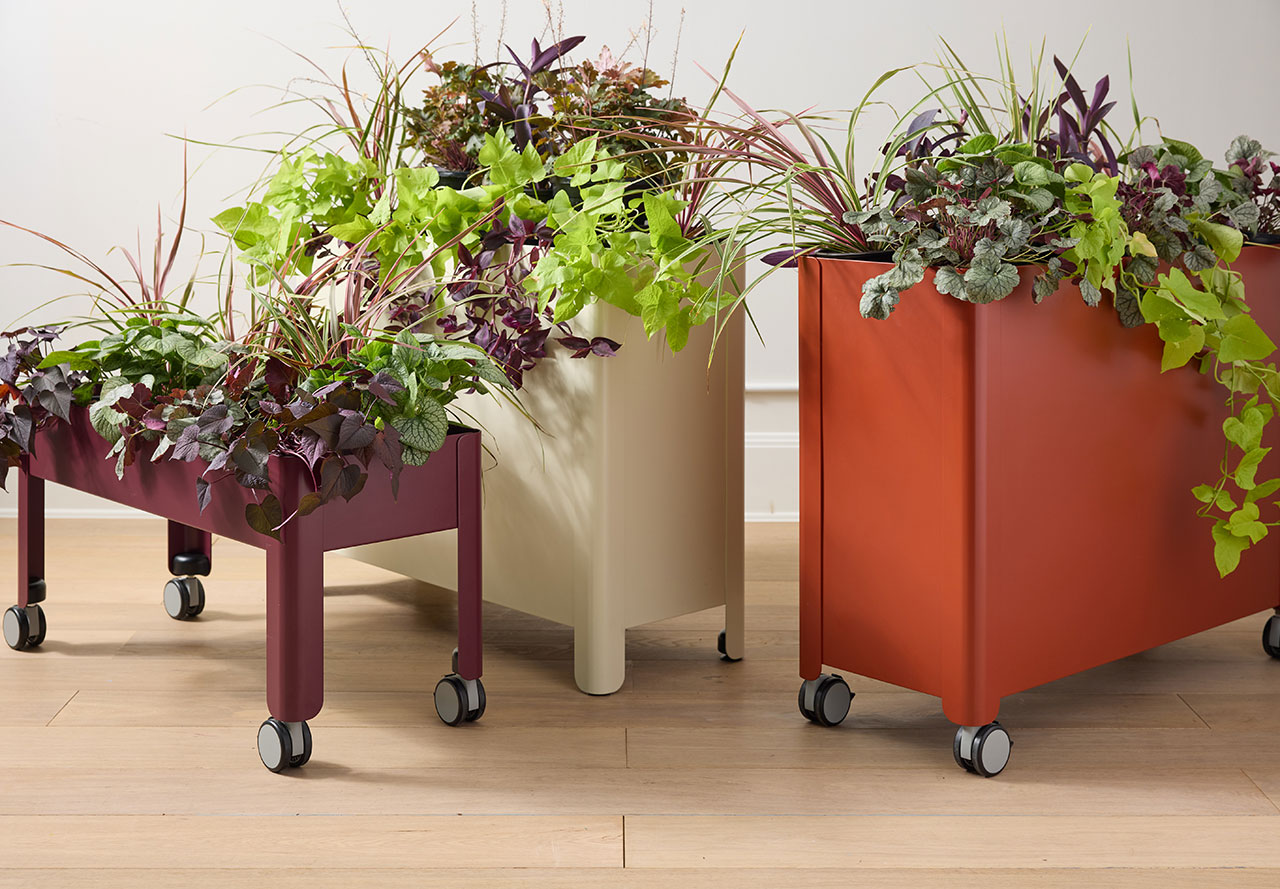
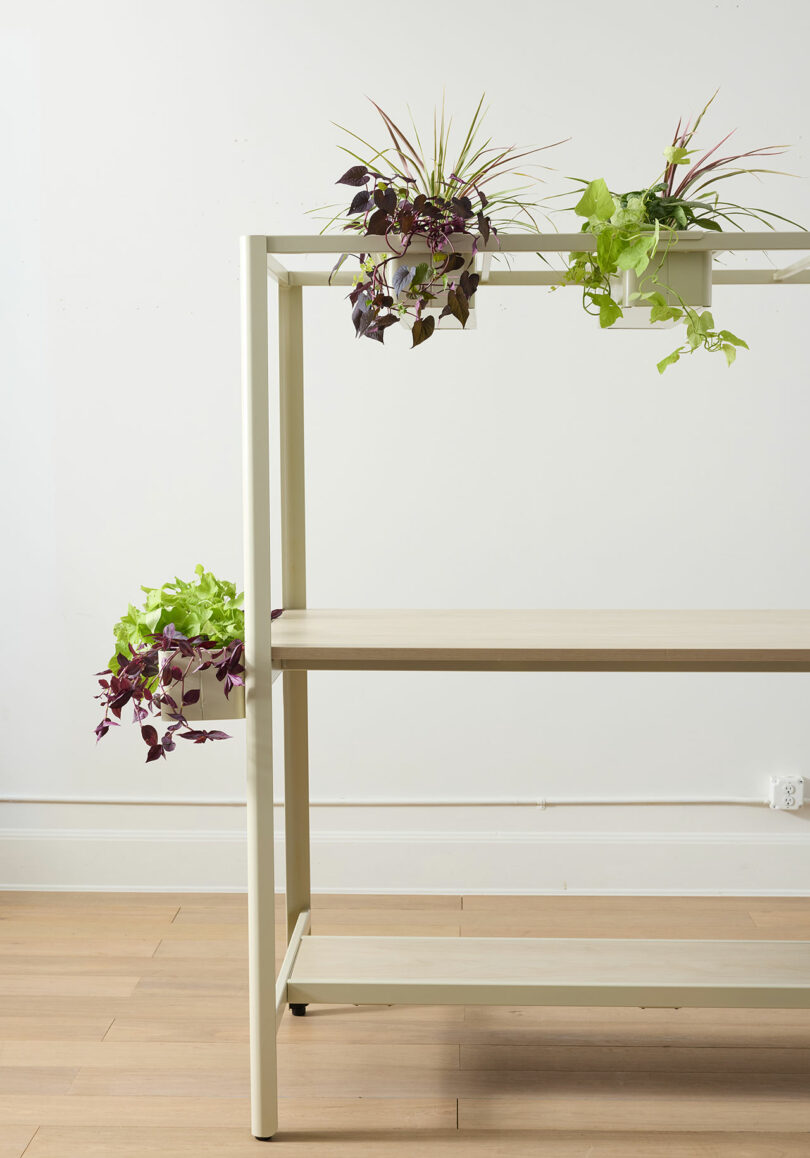
- Accessory Planks & Hook-on Planters: These allow for customized "micro-gardens" at the workstation level, placing plants within the user’s immediate peripheral vision where they do the most good for stress reduction.
- Mobile Flexibility: Units are available on casters, allowing for the rapid reconfiguration of "pop-up" green zones for collaborative brainstorming or private focus sessions.
By integrating the greenery directly into the table's "trough" or via overhead canopies, SurfaceWorks solves the spatial puzzle of the modern office. It transforms the desk from a sterile surface into a living ecosystem that reduces workplace anxiety by providing a sense of enclosure and privacy.
Strategic Design Trends for 2026: Designing for the Whole Human
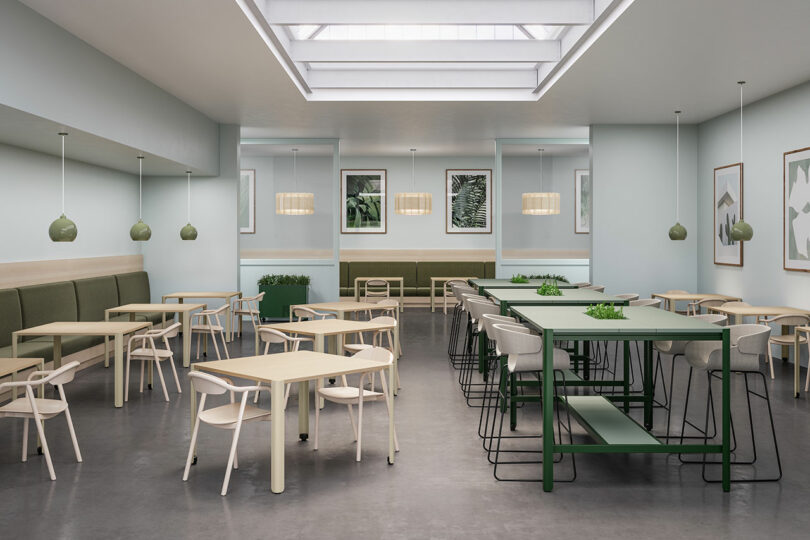
As we look toward the future of work, the industry is moving beyond the "open office" debate toward Neuro-inclusive Design. This approach recognizes that different employees have different sensory thresholds. A biophilic office in 2026 is a tiered environment, offering a spectrum of stimulation levels.
One of the most significant trends is the implementation of "Design for Movement" and restorative "Reset Rooms." These are low-stimulus sanctuaries where lighting is dimmed, textures are soft and organic, and the air is purified by dense botanical installations. These spaces are not just "nice to have"; they are strategic business assets. Data shows that providing these restorative zones can measurably lower insurance premiums by supporting natural body rhythms (circadian health) and reducing the physiological markers of chronic stress.
| Zone Type | Sensory Strategy | Primary Benefit |
|---|---|---|
| High-Stimulus (Social) | Abundant daylight, vibrant green walls, open acoustics. | Collaboration and creative energy. |
| Moderate-Stimulus (Work) | Integrated planters (Plantable collection), woodgrains. | Sustained focus and task performance. |
| Low-Stimulus (Reset) | Soft moss walls, circadian dimming, organic textures. | Nervous system recovery and stress relief. |
Optimization: How Much Green is Enough?
When it comes to biophilia, more is not always better. There is a delicate balance between a restorative environment and a distracting one. To achieve the best stress-reducing workplace, designers are now following what is known as the 20% Visual Rule.
Science Spotlight: The Stanford 20% Rule
Research conducted on environmental psychology suggests that the optimal amount of visual greenery for cognitive performance is approximately 20% coverage of the field of vision. When the environment exceeds 60% greenery, the space can become "overstimulating" or feel cluttered, which actually increases cognitive load. The goal is "fractal fluency"—moderate complexity that mirrors the natural world.
To optimize a workspace for 2026, consider these three pillars of materiality and light:
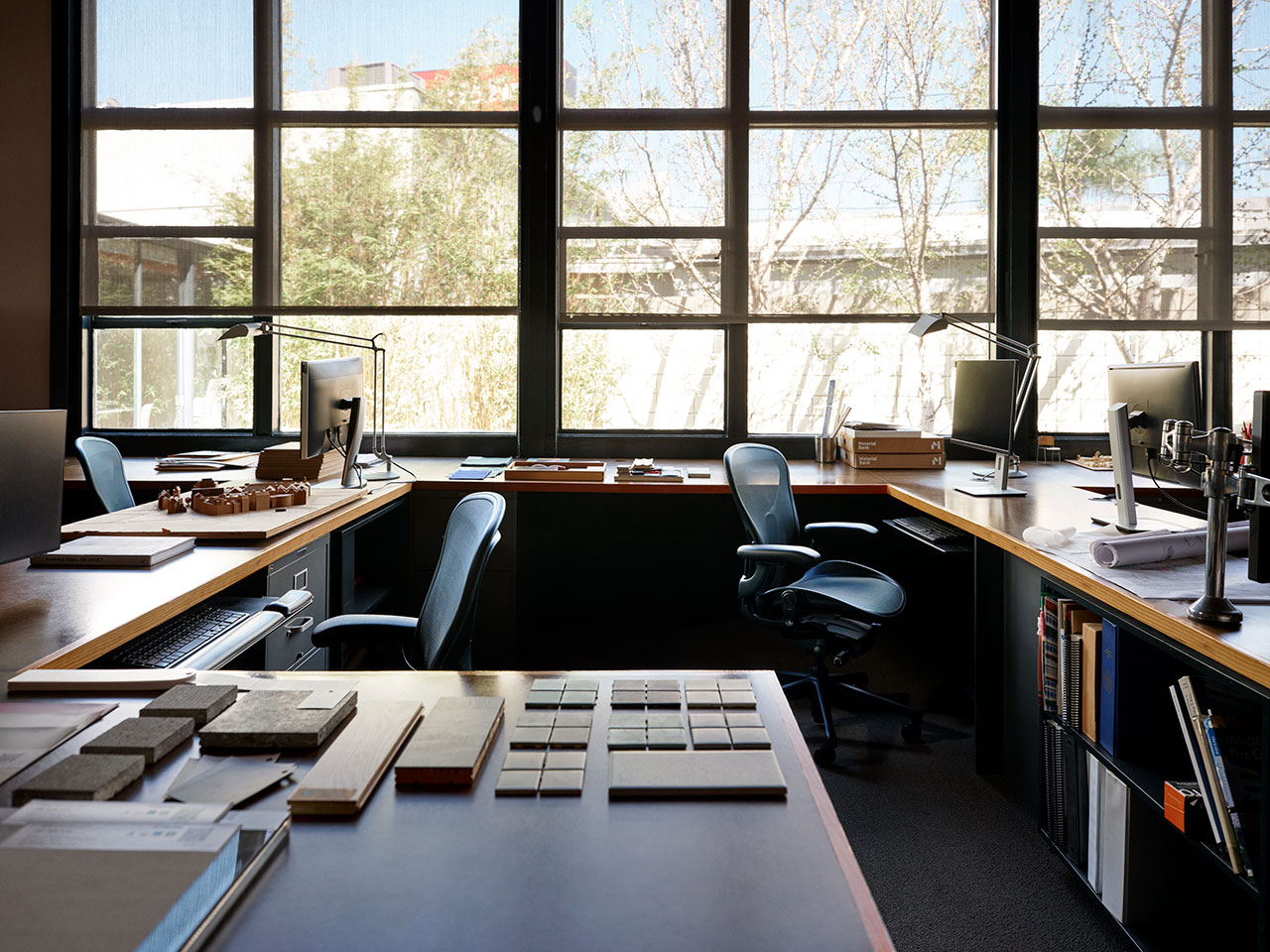
- Natural Analogues: Where live plants aren't feasible, use "nature-adjacent" materials. Authentic woodgrains, stone surfaces, and organic textiles (wool, linen) provide a tactile connection to the outdoors that lowers blood pressure.
- Calibrated Light: Integrate growth-spectrum lighting with architectural intent. Lighting should shift in color temperature throughout the day—cool blue tones in the morning to spark alertness, and warm amber tones in the late afternoon to support melatonin production.
- Spatial Rhythm: Use the Plantable collection to create "spatial rhythm." Alternating between open desk areas and plant-shrouded zones creates a sense of "prospect and refuge," a psychological concept that makes humans feel safe and focused.
The future of the office is living, breathing, and fundamentally human-centered. By moving away from the "cubicle farm" and toward nature-integrated solutions like the Plantable collection, organizations aren't just decorating—they are investing in the cognitive longevity and mental health of their greatest asset: their people.
FAQ
Q: Does biophilic design actually save the company money? A: Yes. Beyond the "soft" benefits of happiness, biophilic design is linked to a significant reduction in absenteeism and "presenteeism" (where employees are at their desks but not productive). Furthermore, by creating restorative spaces, companies can often negotiate lower insurance premiums due to a decrease in stress-related health claims.
Q: How do we handle the maintenance of plants in a flexible office? A: This is why modular systems like the SurfaceWorks Plantable collection are vital. They utilize self-contained modular planters that can be easily swapped or serviced by professional plant-care vendors without disrupting the office flow. Using mobile units on casters also allows for plants to be moved to "sunlight stations" if needed.
Q: What if our office has no natural light? A: Biophilia is not dependent on sunlight alone. High-quality circadian lighting systems can mimic the sun's path, and many plant species (like Pothos or Sansevieria) thrive in low-light environments. Additionally, "natural analogues" like wood textures and nature-based soundscapes provide significant benefits even in windowless spaces.