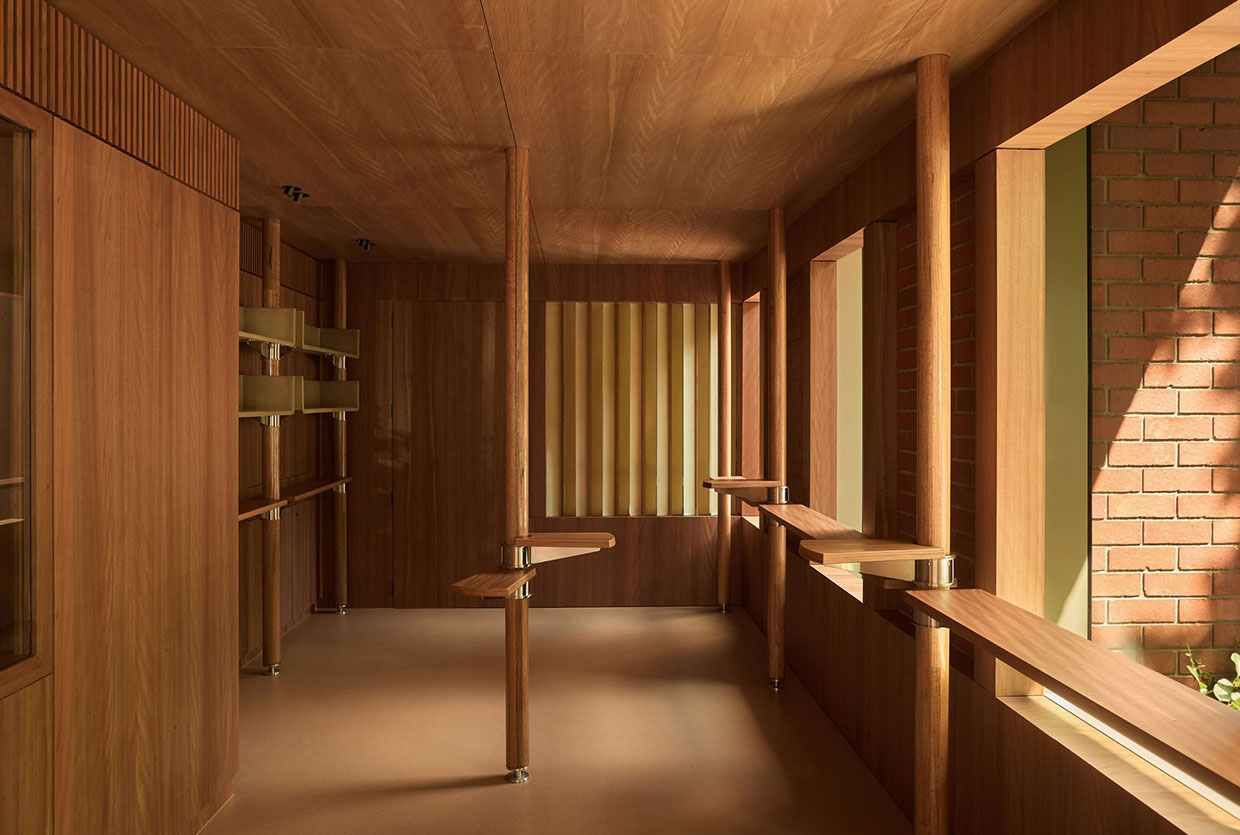
Something fundamental has shifted in the conversation surrounding high-end residential interiors. For years, luxury was defined by the clinical perfection of high-gloss surfaces and the stark, sterile minimalism that demanded constant maintenance. But walk into a project by the Parisian duo Hauvette & Madani, and you’ll feel a different pulse. The air is warmer; the rooms feel grounded. The evidence of a new era is difficult to miss: we are witnessing the definitive return of "material honesty."
In 2026, the concept of a "finished" home is being replaced by the "living" home. At the heart of this movement is timber—not as a mere accent, but as a foundational soul. Samantha Hauvette and Lucas Madani have mastered the art of using wood to bridge the gap between historical grandeur and contemporary whimsy, proving that the most sustainable and sophisticated luxury is one that ages with dignity rather than deteriorating with use.
The Shift Toward Material Honesty: Why Natural Wood Reigns in 2026
The "Lived-in Luxury" movement of 2026 is a direct response to the digital fatigue of the previous decade. As our lives become increasingly virtual, our physical environments must provide a sensory anchor. This is why synthetic composites and "perfect" imitations are being systematically replaced by natural wood grains.
Material honesty is the architectural practice of allowing a material to be itself. In the hands of Hauvette & Madani, timber isn't hidden behind layers of opaque lacquer. Instead, the grain is celebrated, the knots are accepted, and the patina is encouraged. This approach prioritizes surfaces that tell a story over time.
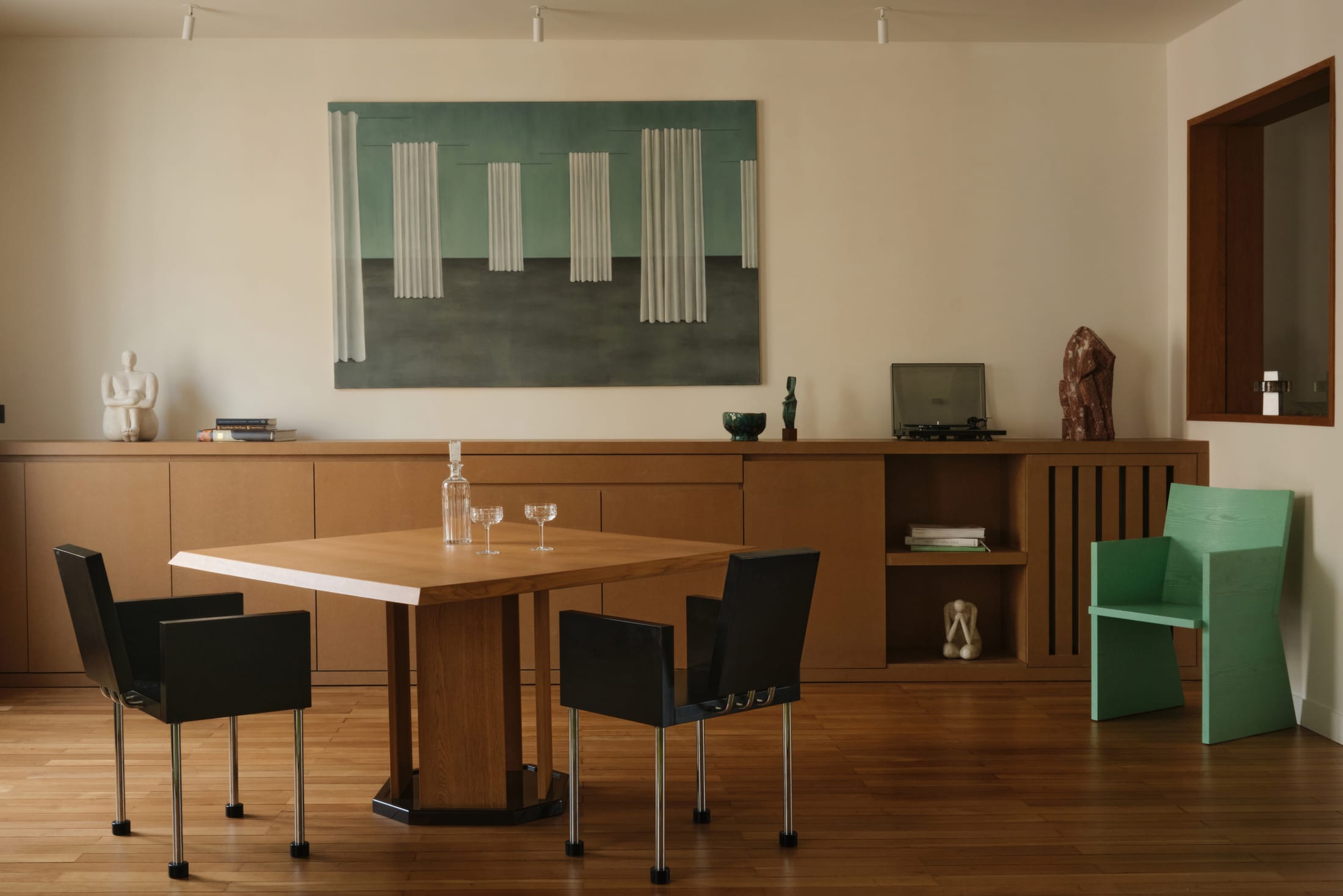
Interior design in 2026 isn't just about how a room looks in a photograph; it’s about how the sunlight hits a walnut grain at 4:00 PM and how a fluted oak wall feels under the hand. This tactile richness provides an emotional grounding that no synthetic surface can replicate.
The Hauvette & Madani Signature: Timber as a Foundational Palette
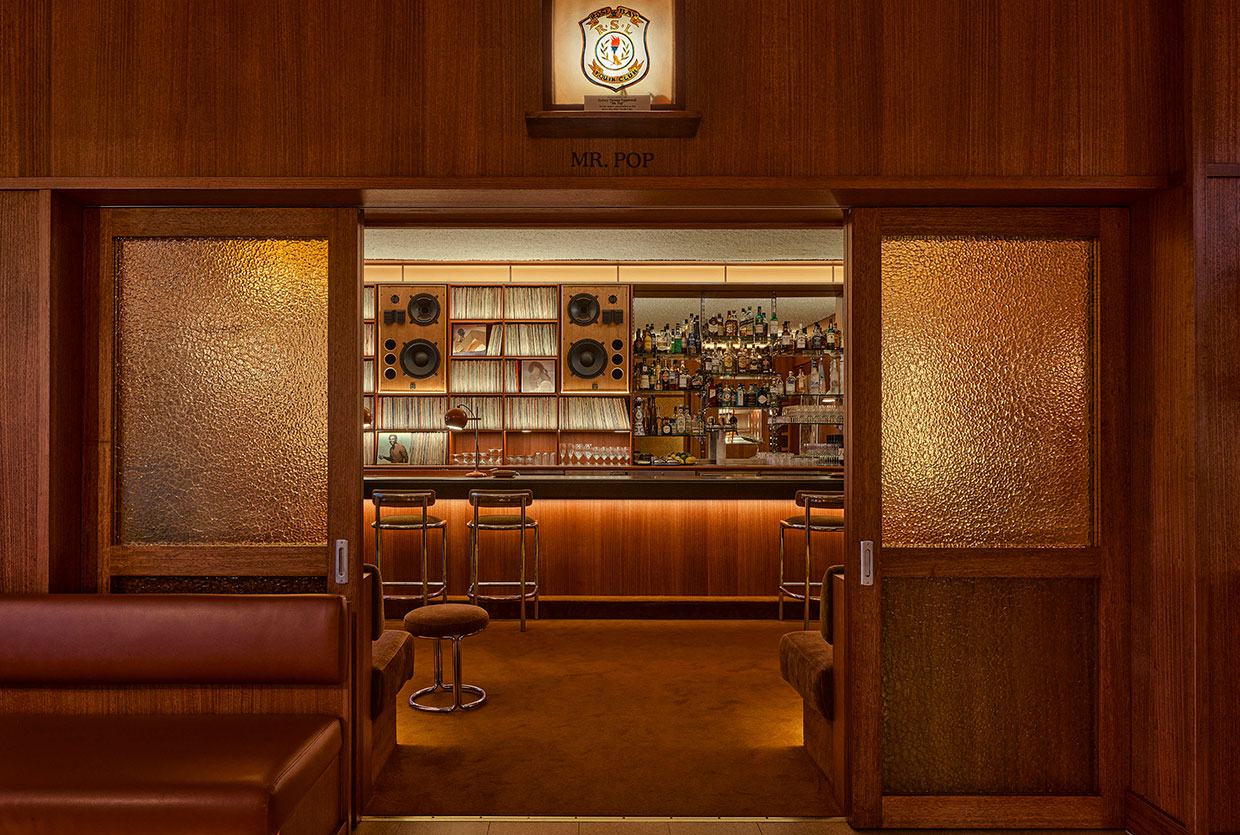
Hauvette & Madani achieve timelessness by using timber as a foundational palette, favoring oak cabinetry and deep tobacco tones that provide a grounded, earthy quality to luxury spaces. Their work suggests that wood should be treated like a neutral canvas—one that is far more evocative than white paint.
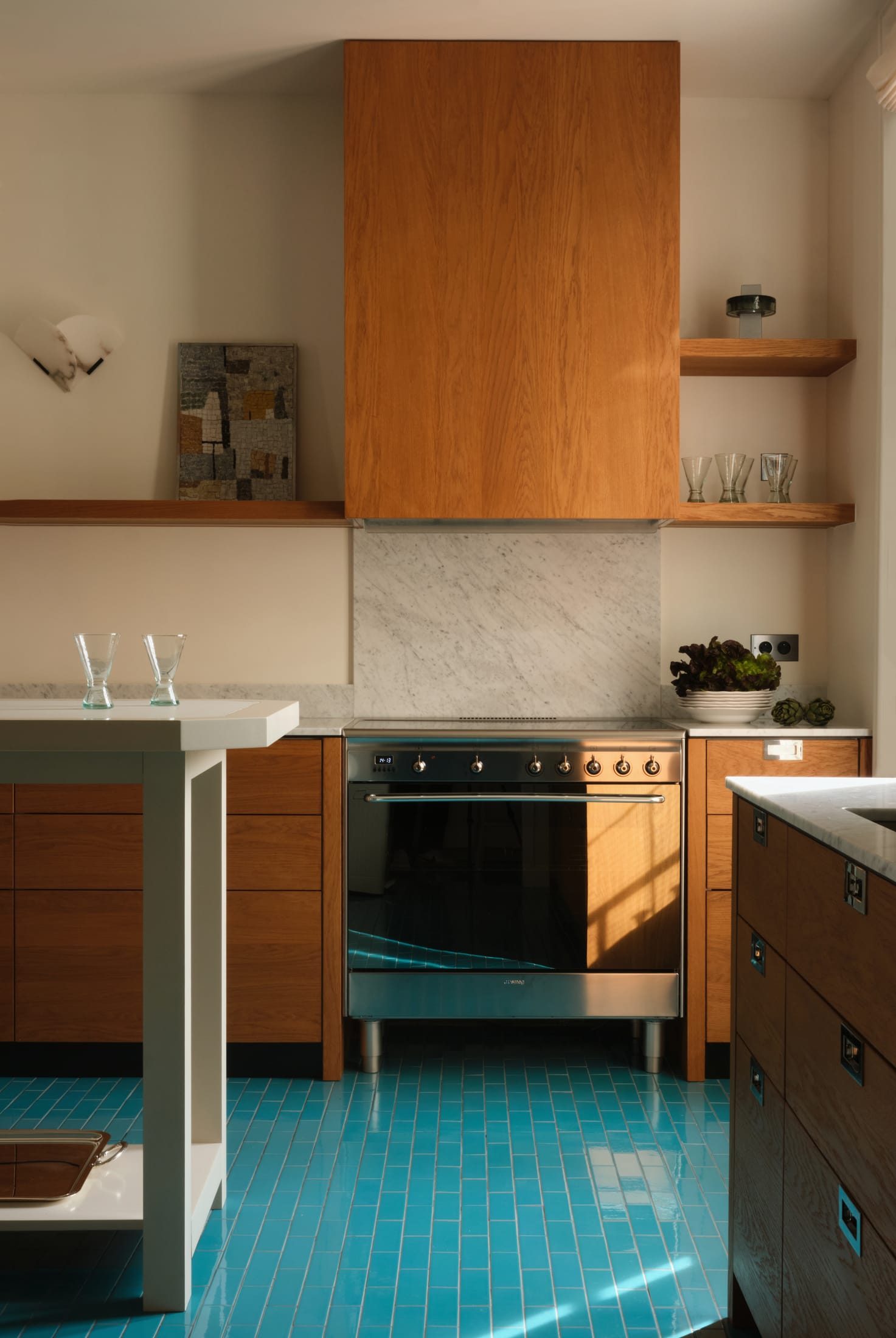
In their celebrated Sablons Paris apartment project, the duo demonstrated how to balance this earthiness with a sense of play. By anchoring the kitchen and living areas in rich, honey-hued oak, they created a stable environment that allowed for bold, "whimsical" interventions.
Editor’s Note: To replicate the Hauvette & Madani look, don't be afraid to pair "serious" wood with "playful" accents. The juxtaposition of a 1960s-inspired turquoise ceramic floor against a dark tobacco-stained oak cabinet creates a tension that feels both vintage and incredibly forward-thinking.
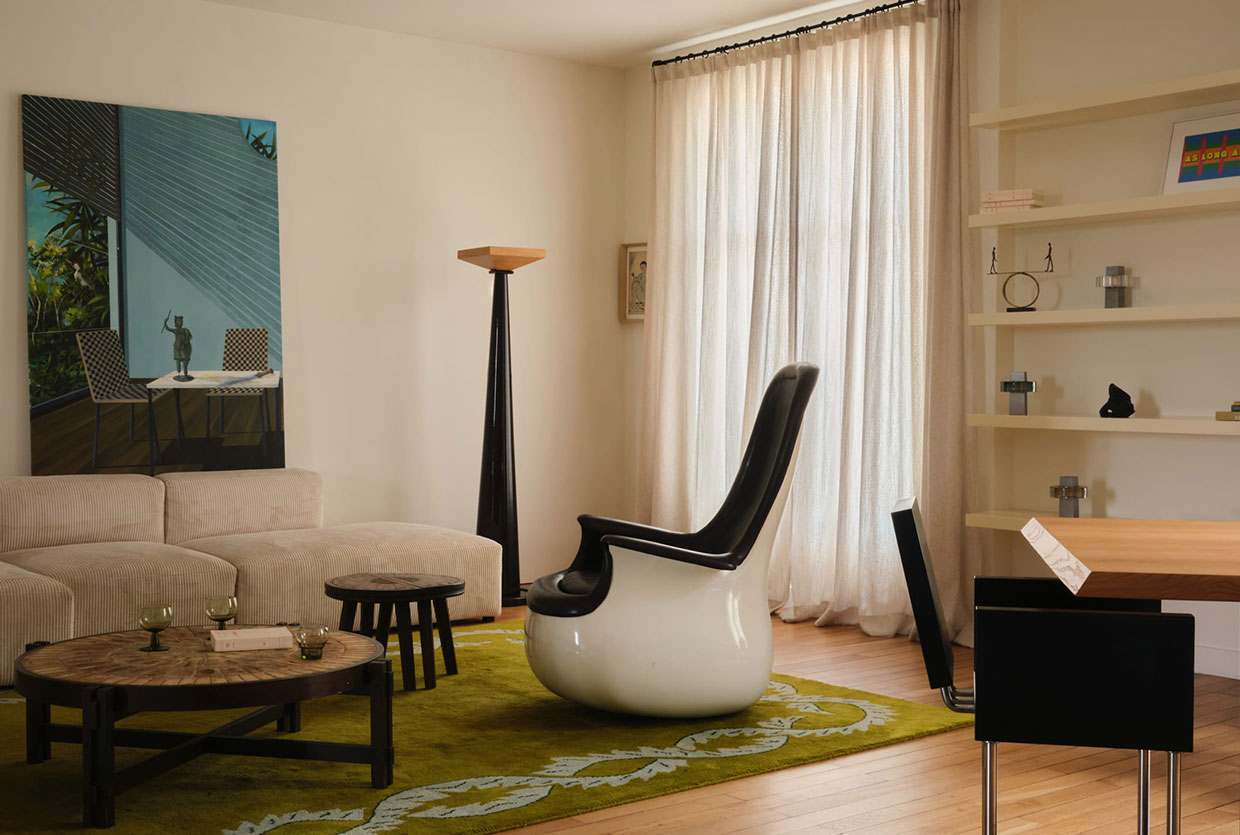
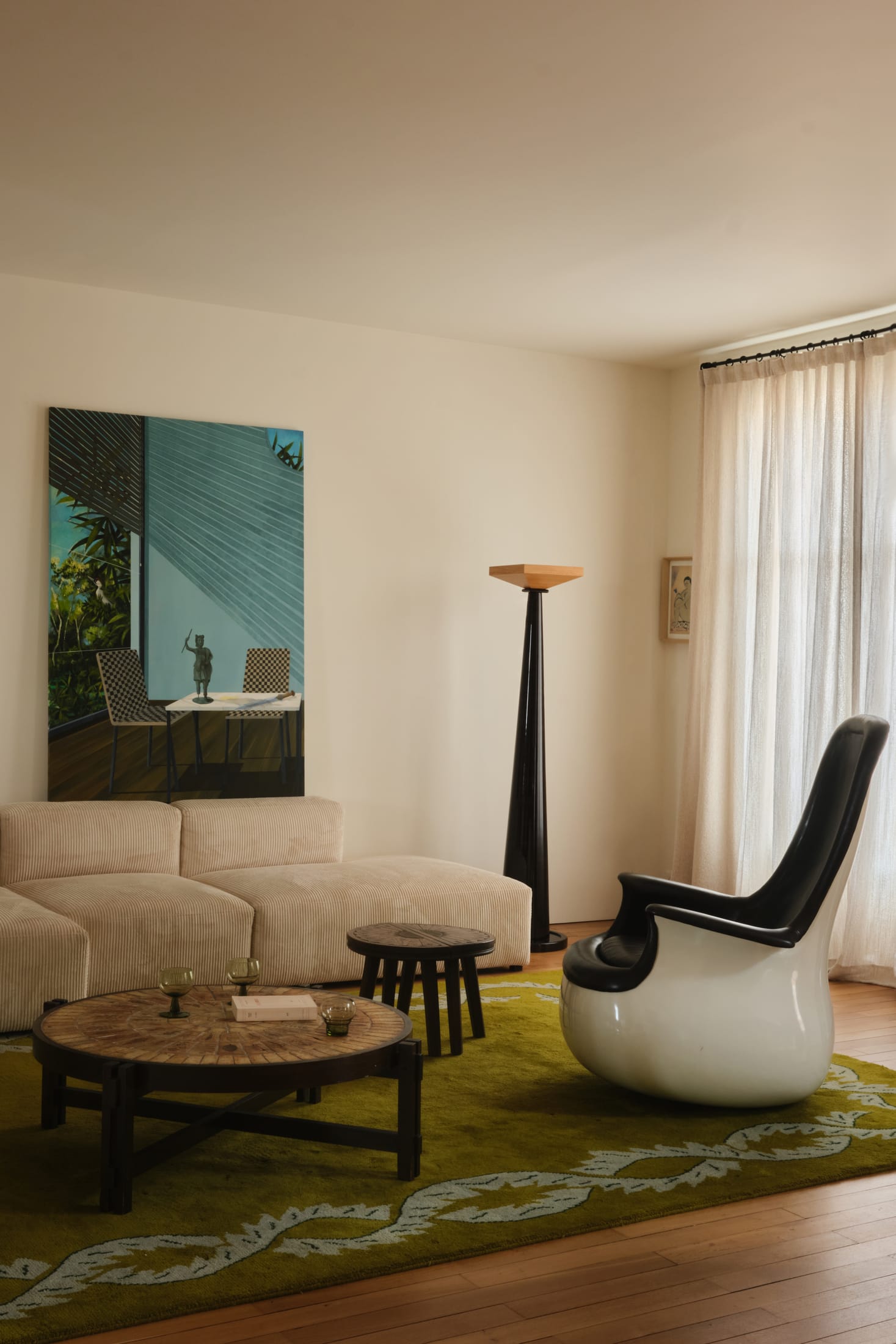
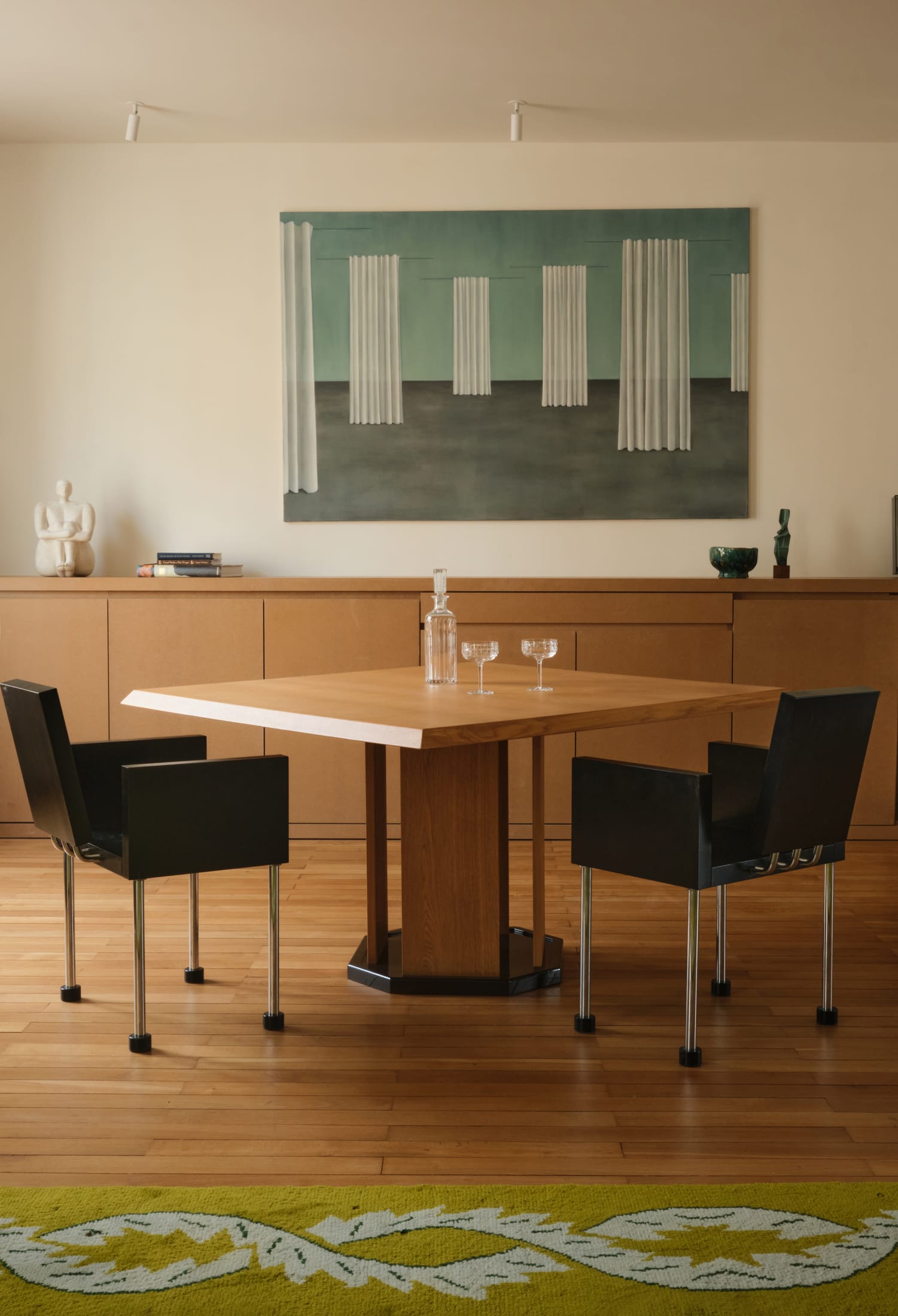
This strategy works because the timber acts as the "grown-up" in the room. It allows for the inclusion of 1960s vintage furniture—often characterized by bold shapes and unconventional colors—without the space feeling like a museum of kitsch.
2026 Wood Trends: Beyond Scandinavian Pale
For the last decade, the design world was obsessed with the pale, bleached woods of Scandinavian influence. However, the tide has turned. Market analysis for 2026 indicates a 40% rise in the specification of walnut and reclaimed darker woods over the previously dominant light oaks and ash finishes.
We are entering the era of "Modern Heritage." This isn't about recreating a Victorian library; it's about blending traditional millwork techniques with an updated, 21st-century color palette.
The New Wood Hierarchy for 2026
| Wood Type | Aesthetic Profile | Best Use Case |
|---|---|---|
| Walnut | Rich, chocolatey, and sophisticated. | Statement cabinetry and integrated library shelving. |
| Smoked Oak | Deep tobacco tones with visible grain. | Floor-to-ceiling wall paneling for "soulful" warmth. |
| Reclaimed Elm | Rugged, textured, and full of history. | Dining tables and sculptural furniture pieces. |
| Straw Marquetry | Shimmering, light-reflective, and artisanal. | Cabinet doors and headboard details. |
The key to mastering this trend is "The Mixed Grain Argument." Designers are no longer trying to match every wood tone in a room. Instead, they are layering them. An ash floor might support a walnut coffee table, which in turn sits against a smoked oak wall. This layering creates depth and suggests a home that has been curated over decades rather than bought in a single afternoon.
Architectural Integrity: Restoring the Haussmannian Spirit
In their renovation of a Montaigne apartment in Paris, Hauvette & Madani faced a classic dilemma: how to modernize a heritage space without stripping its soul. They described the project as a "renovation of a renovation," stripping away the sterile interventions of the 1990s to reveal the building’s original bones.
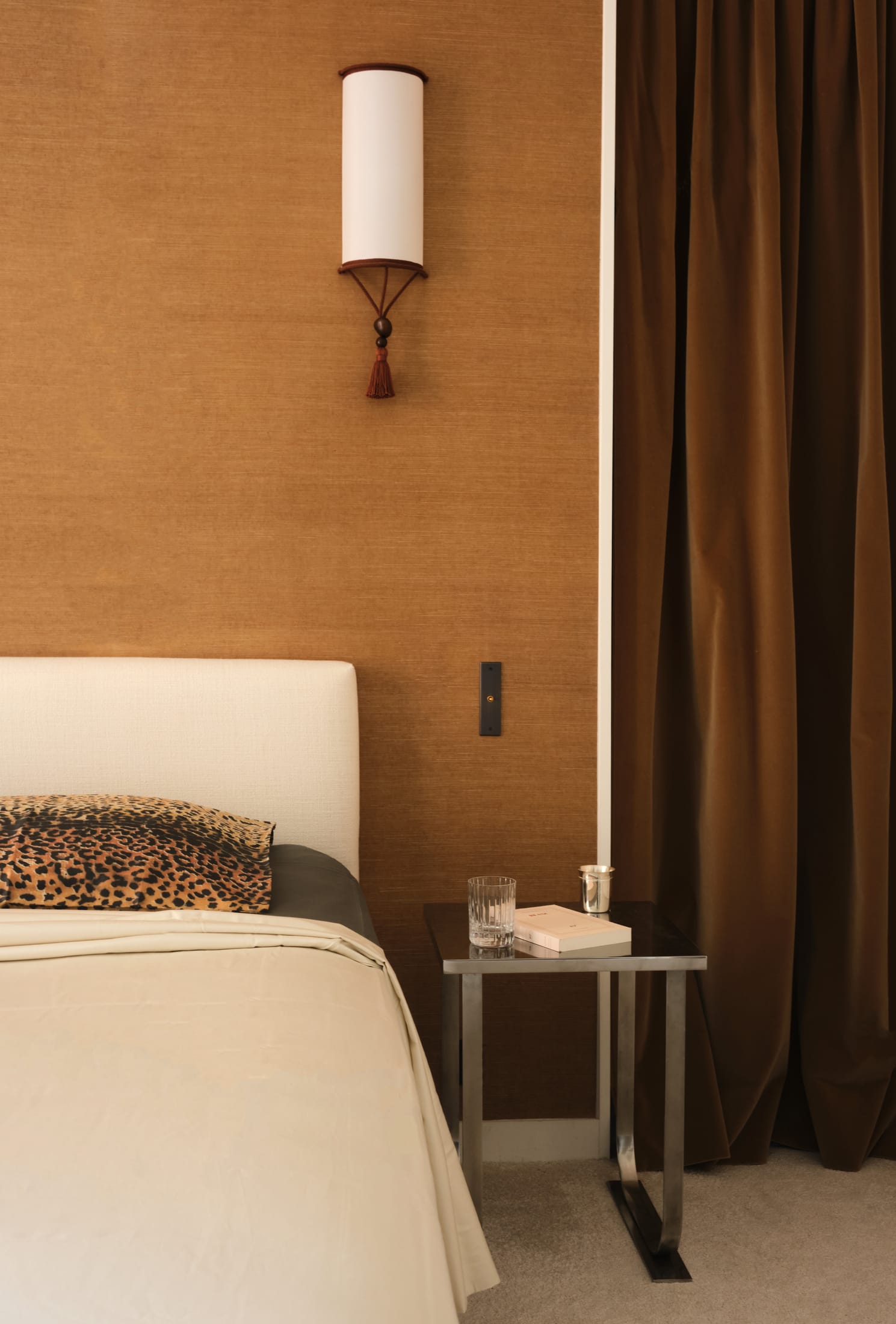
Their solution was to use timber to create "Architectural Rhythm." Instead of heavy, ornate heritage doors that felt too traditional, they utilized fluted millwork and straw marquetry. This provided the necessary texture and weight expected in a Haussmannian building but with a streamlined, contemporary silhouette.
Timber elements—such as integrated headboards that span the width of a room or oversized dining tables—serve as a quiet backdrop for high-end art collections. When the architecture itself is crafted from soulful wood, the art doesn't have to work as hard to make the room feel "finished."
The Performance Case: Why Timber is the Future of Luxury
Beyond the undeniable aesthetic appeal, there is a pragmatic argument for the return to timber. Internal project data suggests that 85% of high-end residential clients now prioritize 'lived-in' material durability over high-gloss, high-maintenance surfaces.
In 2026, luxury is measured by how little you have to worry about your home. A solid timber surface can be sanded, refinished, or simply allowed to age. It is a "repairable" luxury, which aligns with the global shift toward sustainability and waste reduction.
Furthermore, engineering is meeting craft in new ways. Modern engineered timber frames and panels offer thermal advantages that were previously unavailable. With rising energy standards (such as Part L compliance), timber’s natural insulating properties and superior U-values make it a high-performance choice for the eco-conscious elite.
Architects are increasingly choosing timber for its ability to support wellness. The "Biophilic" benefit of seeing wood grain has been shown to lower cortisol levels and create a sense of emotional grounding. In the luxury sector, wellness is the ultimate amenity, and timber is its primary delivery system.
Design Strategy: Implementing the 'Organic Luxe' Look
If you are looking to bring the Hauvette & Madani aesthetic into your own space, the strategy is one of "Restrained Opulence." It’s about choosing one or two areas to commit to high-quality timber work and letting them dictate the mood of the room.
- Embrace the Flute: Incorporate fluted or reeded millwork on kitchen islands or wardrobe doors. This adds a sculptural rhythm that catches the light beautifully and moves away from the flat, boring surfaces of the past.
- The Tobacco Tone: Shift away from grey-washed woods. Look for stains that evoke tobacco, leather, and cognac. These tones feel warmer and more expensive, especially when paired with soft linens and velvet.
- The Playful Pivot: Once your timber foundation is set, introduce a "disruptor" color. Hauvette & Madani often use turquoise, mustard yellow, or deep terracotta. These accents keep the wood from feeling too heavy or "lodge-like."
- Material Honesty in Furniture: Choose pieces where the joinery is visible. A table that shows how the leg meets the top is inherently more interesting and "soulful" than one where the mechanics are hidden.
The "Organic Luxe" look of 2026 is a celebration of the imperfect and the enduring. It acknowledges that a home is a place where life happens—where wine is spilled, where feet are bare, and where the materials we surround ourselves with should age alongside us, becoming more beautiful with every passing year.
FAQ
Q: Is dark wood making a comeback in 2026? A: Absolutely. While light woods will always have a place, we are seeing a 40% rise in the use of walnut and smoked oak. The trend is moving toward "Modern Heritage," which favors richer, more soulful tones that provide a sense of history and permanence.
Q: How do I prevent a timber-heavy room from feeling too dark or heavy? A: The secret lies in what we call "The Playful Pivot." Follow the Hauvette & Madani lead by pairing rich timber with vibrant accents like turquoise ceramics, whimsical 1960s vintage furniture, and plenty of natural light. The contrast between the grounded wood and the playful decor keeps the space feeling contemporary.
Q: Is engineered timber considered "luxury"? A: Yes, particularly in 2026. Modern engineered timber is highly prized for its stability, high-performance U-values, and sustainability. It allows for the aesthetic beauty of natural wood grain while meeting the rigorous environmental and durability standards that 85% of high-end clients now demand.