Quick Facts
- Project Name: Pattern House
- Architecture Firm: Olson Kundig
- Location: Lake Washington, Seattle, WA
- Size: 3,800 Square Feet
- Key Design Feature: Transition from a restrained urban facade to a 270-degree panoramic lakeside reveal.
- Sustainability Highlight: 100% ecological restoration of the natural shoreline and removal of traditional rock bulkheads.
- Signature Materials: Kebony siding, recycled oak flooring, leather stair treads, and sculptural folded steel.
The Architecture of Transition: From Urban Grid to Lakeside Serenity
In the architectural landscape of the Pacific Northwest, few firms understand the "reveal" as intimately as Olson Kundig. Their latest masterpiece, Pattern House, serves as a masterclass in spatial choreography. Located on a narrow city lot along the shores of Lake Washington, this 3,800-square-foot modern residence is designed to act as a bridge between two distinct worlds: the rigid, organized grid of Seattle’s urban environment and the fluid, organic serenity of the lakefront.
What is Pattern House? At its core, it is a residence that refuses to show its cards all at once. It begins as a modest, wood-clad structure that respects the privacy and scale of its neighborhood, only to unfold into an expansive retreat that captures 270-degree panoramic views of Lake Washington, Mercer Island, and the snow-capped peak of Mount Rainier. This transition isn't just a layout choice; it is a psychological journey from the density of the city to the breath of the water.
The Urban Face: Restraint and the ‘Ice Blue’ Reveal
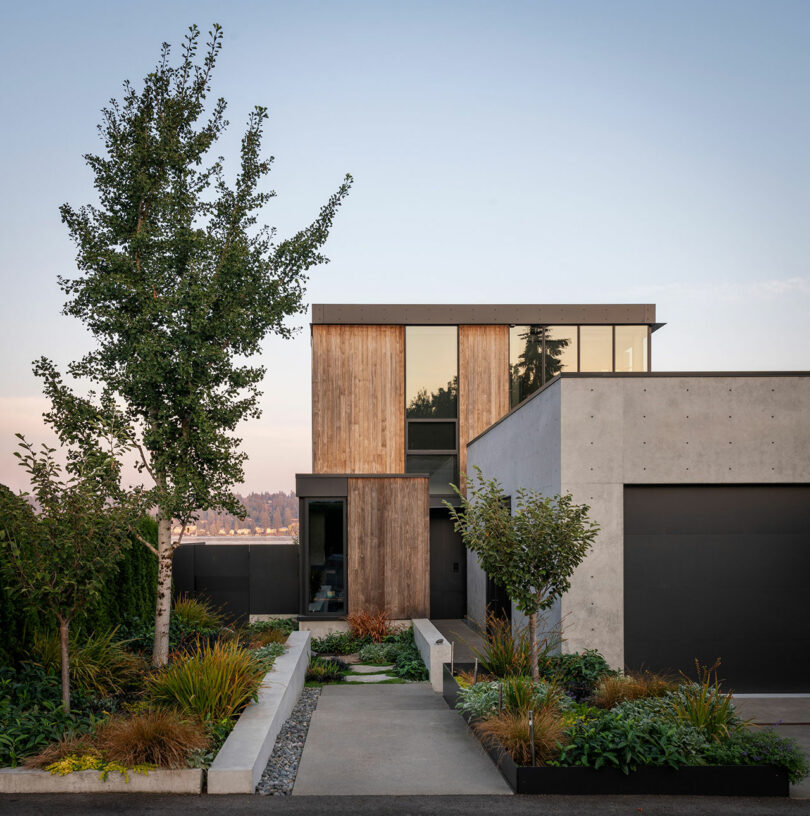
From the street, Pattern House presents a face of quiet sophistication. The design utilizes a restrained palette of Kebony wood siding and concrete volumes, allowing the home to blend seamlessly into the residential fabric. This intentional modesty serves a dual purpose: it provides the homeowners with essential privacy from the street while setting the stage for the dramatic experience waiting inside.
The first hint of the home’s unique personality appears at the threshold. An "Ice Blue" front door—a specific color choice inspired by a vintage Mini Cooper—breaks the neutral tones of the exterior. This splash of color acts as a portal, ushering guests away from the urban grid and into a meticulously curated interior world.
Orchestrating the Lake Transition
How does Pattern House achieve its seamless transition from city to lake? The secret lies in the "luminous spine" of the home. Upon entering, the visitor is immediately greeted by a double-height entry space that acts as a vertical light well. This central axis guides the eye not just forward toward the water, but upward, creating a sense of volume that belies the narrowness of the lot.
The transition is finalized through the use of massive telescoping glass doors. As these doors slide away, the boundary between the living room and the lakeside deck dissolves entirely. The home optimizes its footprint to ensure that the primary suite and main living areas benefit from those 270-degree views, turning the natural landscape into the home's primary "wallpaper."
Moody Industrialism: The Interior Material Palette
The interior of Pattern House is a study in "Sophisticated Industrialism." It manages to feel both raw and refined, balancing the "cool" factors of steel and glass with the "warm" textures of leather and wood.
Defining the Industrial Aesthetic
The material choices are deliberate and deeply tactile:
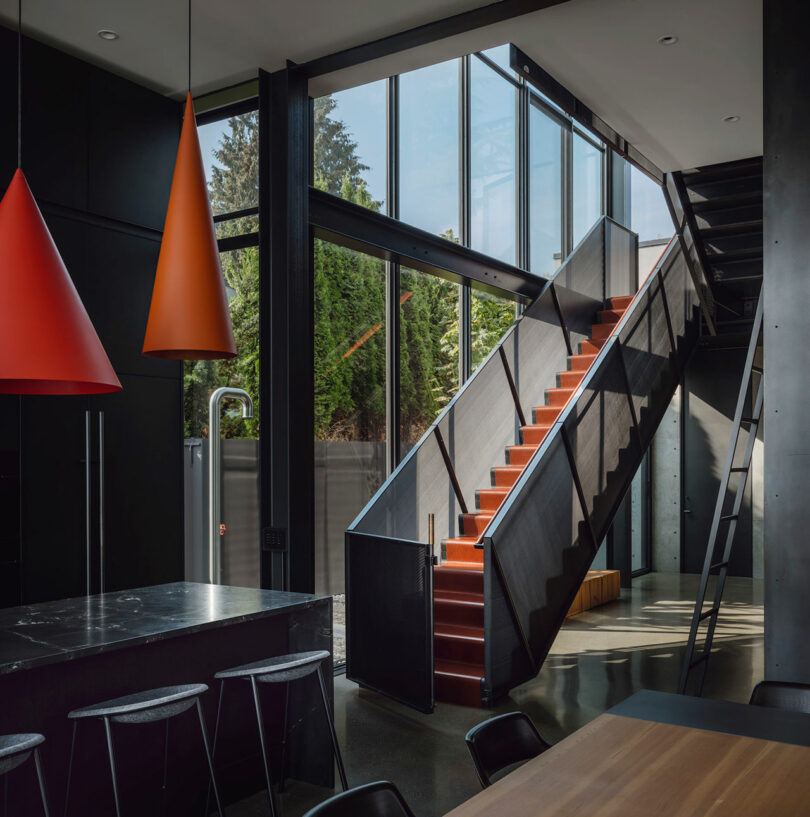
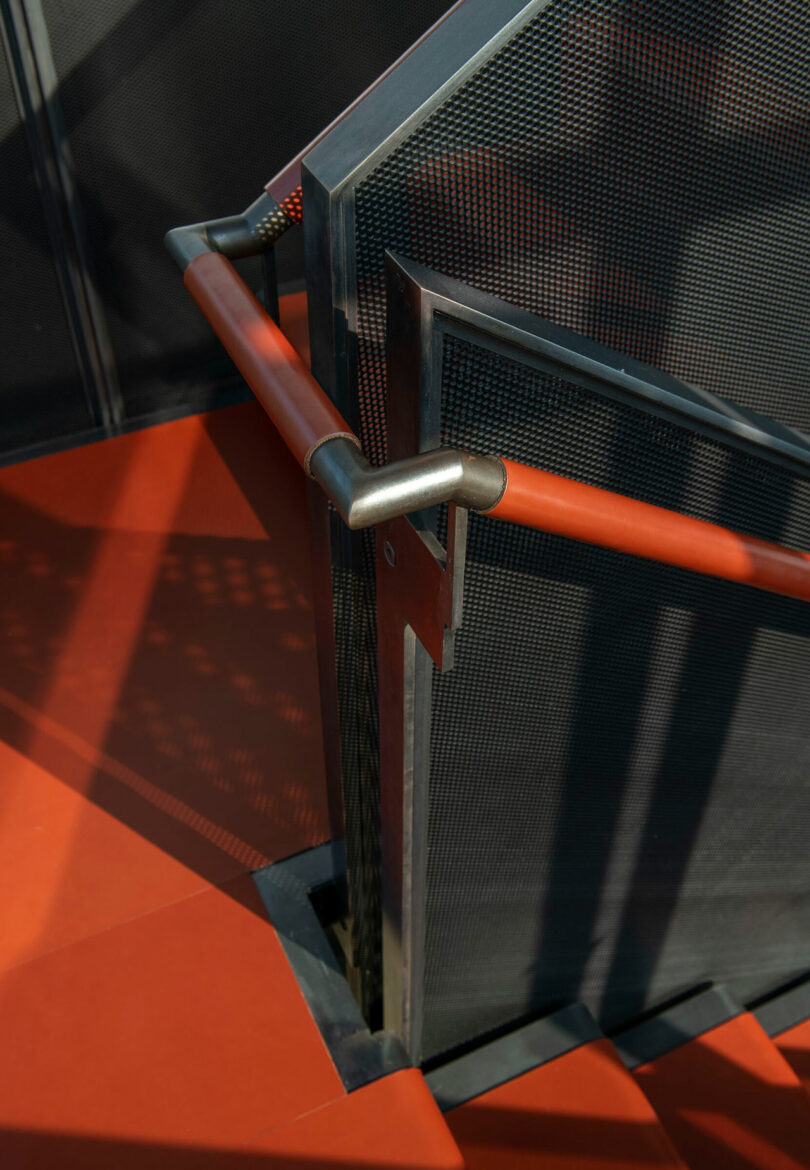
- Sculptural Folded-Steel: A central staircase crafted from folded steel plates serves as a functional work of art, filtering light through perforated metal railings.
- Recycled Oak & Leather: To soften the industrial edges, the flooring consists of warm recycled oak, while the stair treads are wrapped in hand-stitched leather—a detail that feels increasingly luxurious with every step.
- Kebony and Channel Glass: While the exterior uses sustainable Kebony wood, the interior utilizes channel glass to provide privacy from neighbors while still flooding the core of the home with diffused natural light.
Alignment with 2026 Lake Home Trends
Pattern House isn't just a beautiful contemporary home; it is a harbinger of the design trends we expect to dominate the lakeside luxury market through 2026.
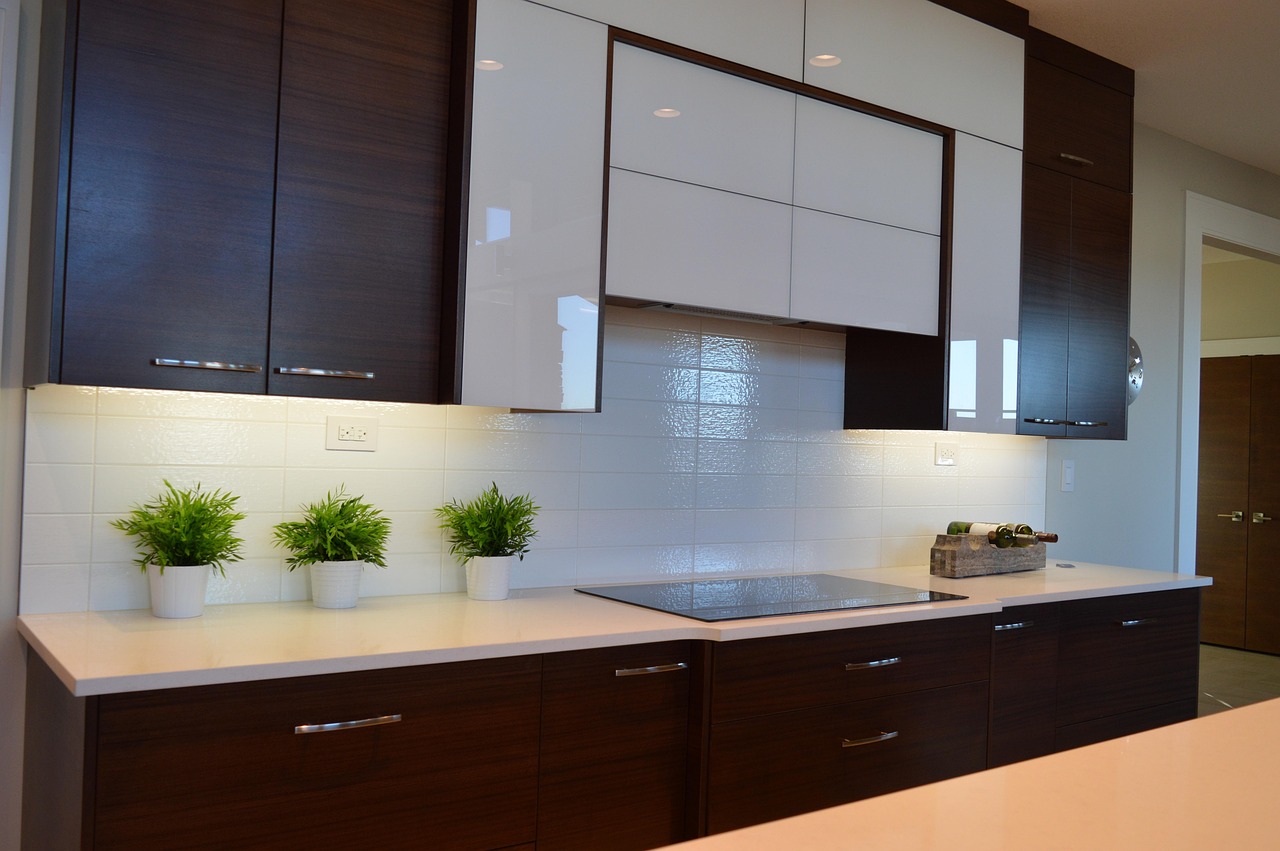
1. The 'Soft Kitchen' Concept Moving away from the sterile, all-white kitchens of the past decade, Pattern House embraces the "Soft Kitchen." Here, bold red pendants provide a focal point against a backdrop of dark custom casework and natural stone. It is a space designed for social interaction rather than just food preparation, blending professional-grade functionality with a residential "soul."
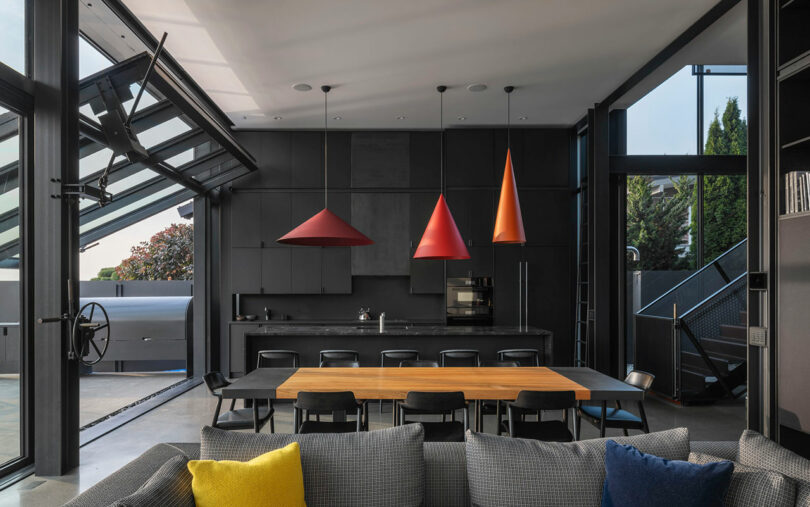
2. Heritage Maximalism & Craftsmanship There is a renewed focus on "the hand of the maker." From the custom-poured concrete to the hand-painted wood molds used as wall art, Pattern House celebrates the imperfections of craft. This alignment with "Heritage Maximalism" focuses on quality over quantity, ensuring every material has a story to tell.
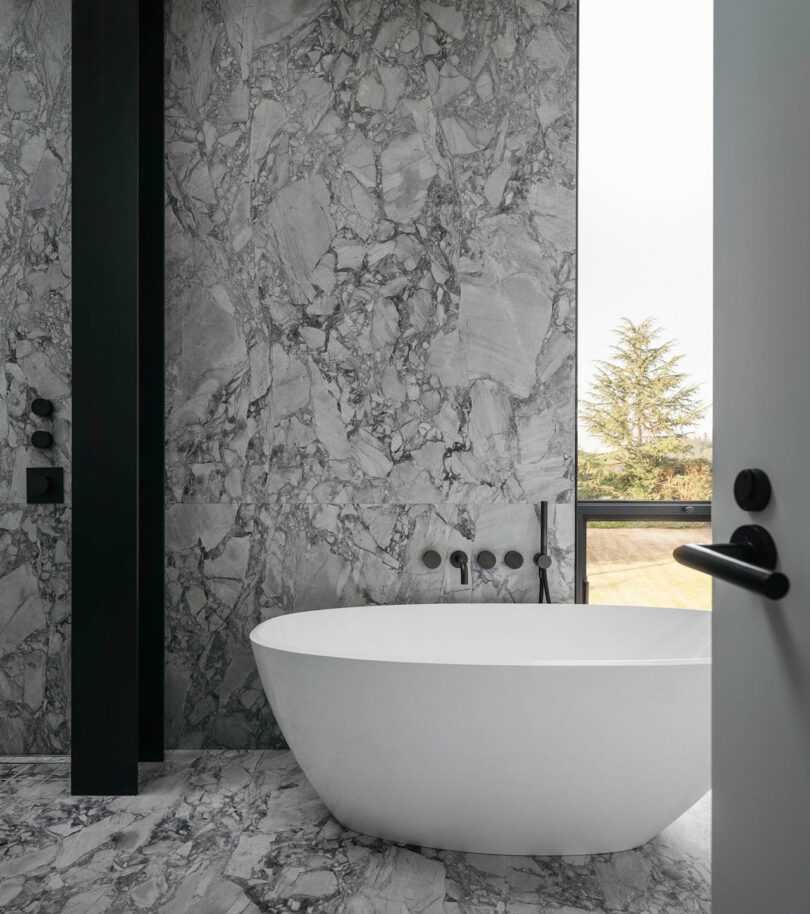
3. Sustainable Stone and Wellness The use of heavy, natural stone in the private retreats—such as the primary bath—creates a grounding, spa-like atmosphere. This "Sustainable Stone" trend emphasizes longevity and a connection to the earth's raw materials.
Outdoor Living: Dissolving the Boundary
The ultimate goal of Pattern House is to reconnect the inhabitants with the water. This is achieved through a multi-tiered outdoor living strategy that prioritizes both entertainment and ecological stewardship.
The Ecological Restoration Process
One of the most significant aspects of this project was the environmental commitment. Rather than maintaining the traditional rock bulkhead—which disrupts the natural shoreline—the team undertook a 100% ecological restoration.
- Bulkhead Removal: The concrete and rock barriers were completely removed to allow the lake to meet the land naturally.
- Native Planting: Reintroduction of native vegetation to stabilize the soil and provide a habitat for local wildlife.
- Natural Beach Creation: The result is a "soft" shoreline that provides a natural beach for family play and direct access for kayaking and paddleboarding.
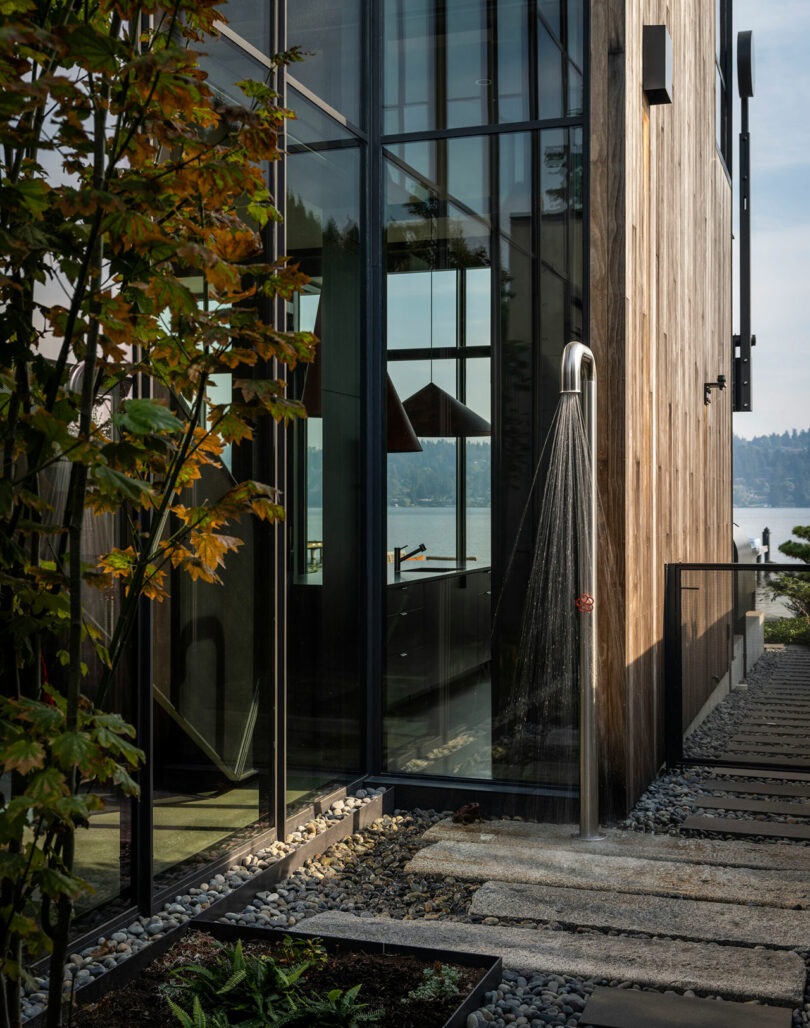
The outdoor deck serves as a transition zone, featuring a custom BBQ and outdoor kitchen. It allows the family to move from a high-tech kitchen to a natural shoreline in just a few steps, embodying the "Inside-Out" living philosophy that Olson Kundig has perfected over decades.
FAQ: Designing Your Lakeside Retreat
How do you balance privacy with panoramic views on a narrow lot? Pattern House solves this by using "luminous spines" and channel glass. By focusing the windows toward the water (the 270-degree view) and using translucent or solid materials on the side elevations, you can maintain a sense of isolation even in a dense urban neighborhood.
What is the benefit of removing a rock bulkhead? Beyond the environmental benefits of restoring the natural fish habitat and preventing erosion, removing a bulkhead allows for a "soft" entry into the water. This creates a more organic, beach-like experience that is safer and more aesthetically pleasing than a sharp drop-off.
Why use industrial materials like steel in a residential home? Industrial materials offer incredible structural strength, allowing for the "cantilevered" roofs and massive glass openings seen in Pattern House. When paired with warm materials like leather and oak, steel loses its "coldness" and instead provides a sense of permanence and architectural rhythm.
Conclusion: The Future of Lakeside Living
Pattern House is more than just a residence; it is a manifesto for the modern waterfront. By respecting the urban context of the street while aggressively pursuing a connection with the lake, Olson Kundig has created a home that feels both grounded and ethereal.
The project proves that luxury and ecology are no longer at odds. Through 100% shoreline restoration and the use of sustainable, long-lasting materials like Kebony and recycled oak, Pattern House sets a new standard for how we should build on the water’s edge. It is a home that doesn't just look at the lake—it lives within it.