In the professional design world, we are currently drowning in a sea of "content" while simultaneously starving for genuine intelligence. Between the relentless scroll of Instagram-perfect interiors and the rapid-fire disruption of generative AI, the signal-to-noise ratio has never been more skewed. This is the precise tension that Dana Tomić Hughes, the visionary founder of Yellowtrace, seeks to resolve with her latest venture. Sightline, a half-day design intelligence briefing launched in February 2026, is not merely a trend report; it is a strategic framework designed to help architects, interior designers, and specifiers navigate a landscape defined by geopolitical volatility and aesthetic rebellion.
As the industry converges in Sydney and Melbourne for these sessions, the focus is clear: distinguishing fleeting fads from the meaningful patterns that will shape the built environment over the next decade. The 2026 interior design landscape is undergoing a seismic shift, moving away from the disciplined restraint of "quiet luxury" toward a more visceral, "bold maximalism." This transition is fueled by a desire for individuality and cultural expression, characterized by the resurgence of saturated colors—most notably Cobalt Blue—and a refined take on Y2K nostalgia.
The Professional Landscape: Why 2026 Demands Disruption
The design professional of 2026 is no longer just a creator of spaces; they are a navigator of complex global systems. According to the ASID 2026 Trends Outlook, the industry is currently grappling with the "Sustainability Paradox"—the challenge of integrating high-tech smart systems that demand energy while simultaneously striving for net-zero footprints. This tension is forcing designers to look beyond surface-level "green" materials and toward purpose-driven design that prioritizes long-term resilience and institutional trust.
Artificial Intelligence has moved from a speculative threat to a foundational collaborator. In the studio, the shift is from "ideation" to "curation." While AI can generate a thousand iterations of a floor plan in seconds, it lacks the human capacity for strategic pattern recognition. Sightline emphasizes that the designer’s value now lies in their ability to edit, refine, and imbue a project with a sense of place that an algorithm cannot replicate.
Furthermore, we are seeing a rise in "Design as a Tool for Resilience." As climate change intensifies, the briefing highlights how professionals are increasingly tasked with creating community-focused spaces that serve as anchors during social or environmental instability. This isn't just about aesthetics; it’s about the business of survival and the ethics of the built environment.
Aesthetic Shifts: From Quiet Luxury to Bold Maximalism
For those of us who have spent the last few years perfecting the art of the beige-on-beige palette, 2026 offers a startling wake-up call. The "quiet luxury" movement is evolving into something far more expressive and unapologetic. The Sightline briefing identifies several key aesthetic pillars that are currently redefining high-end residential and commercial interiors:
- The Return of Saturated Pigments: We are moving beyond safe earth tones. Cobalt Blue has emerged as the defining hue of the year, often paired with deep ocher and charred timber. This isn't just about color for color's sake; it’s about creating emotional resonance in a world that often feels digitally sterile.
- Y2K Nostalgia & Denim Textures: There is a sophisticated revival of late-90s and early-2000s motifs. Think high-gloss finishes, futuristic curves, and the surprising integration of textile-inspired surfaces like denim-look laminates and heavy-weave wallcoverings.
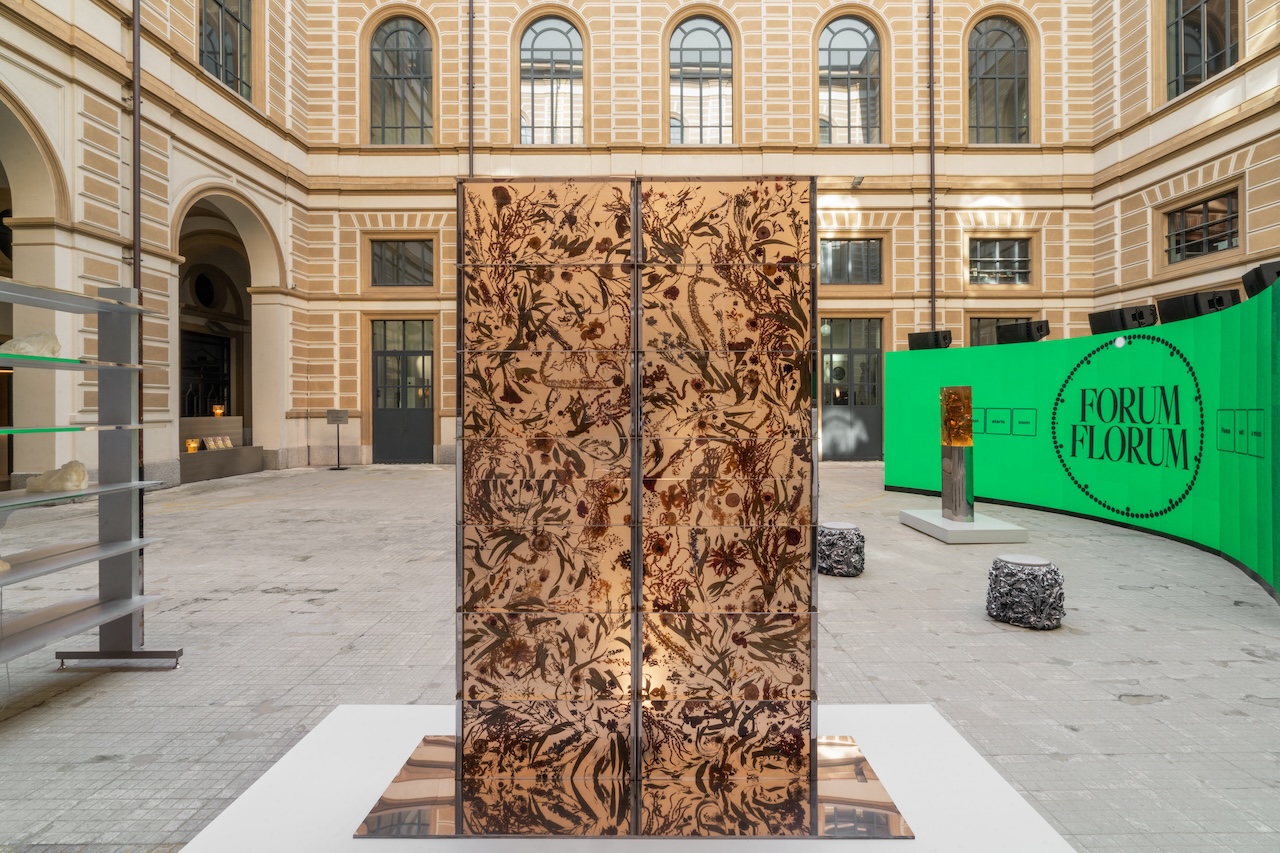
- The Hand-Touched Movement: In a direct rebuttal to "frictionless" digital perfection, there is a surging demand for materiality that shows the mark of the maker. Decorative finishes, hand-applied plasters, and historical floral prints are being used to ground spaces in history and tactility.
| Category | 2024/25 Focus | 2026 Evolution |
|---|---|---|
| Color Palette | Neutrals & Earth Tones | Cobalt Blue, Saturated Ochers |
| Philosophy | Quiet Luxury | Bold Maximalism & Cultural Expression |
| Technology | AI as a Novelty | AI as a Strategic Curation Partner |
| Sustainability | Material Transparency | The Sustainability Paradox (Regeneration) |
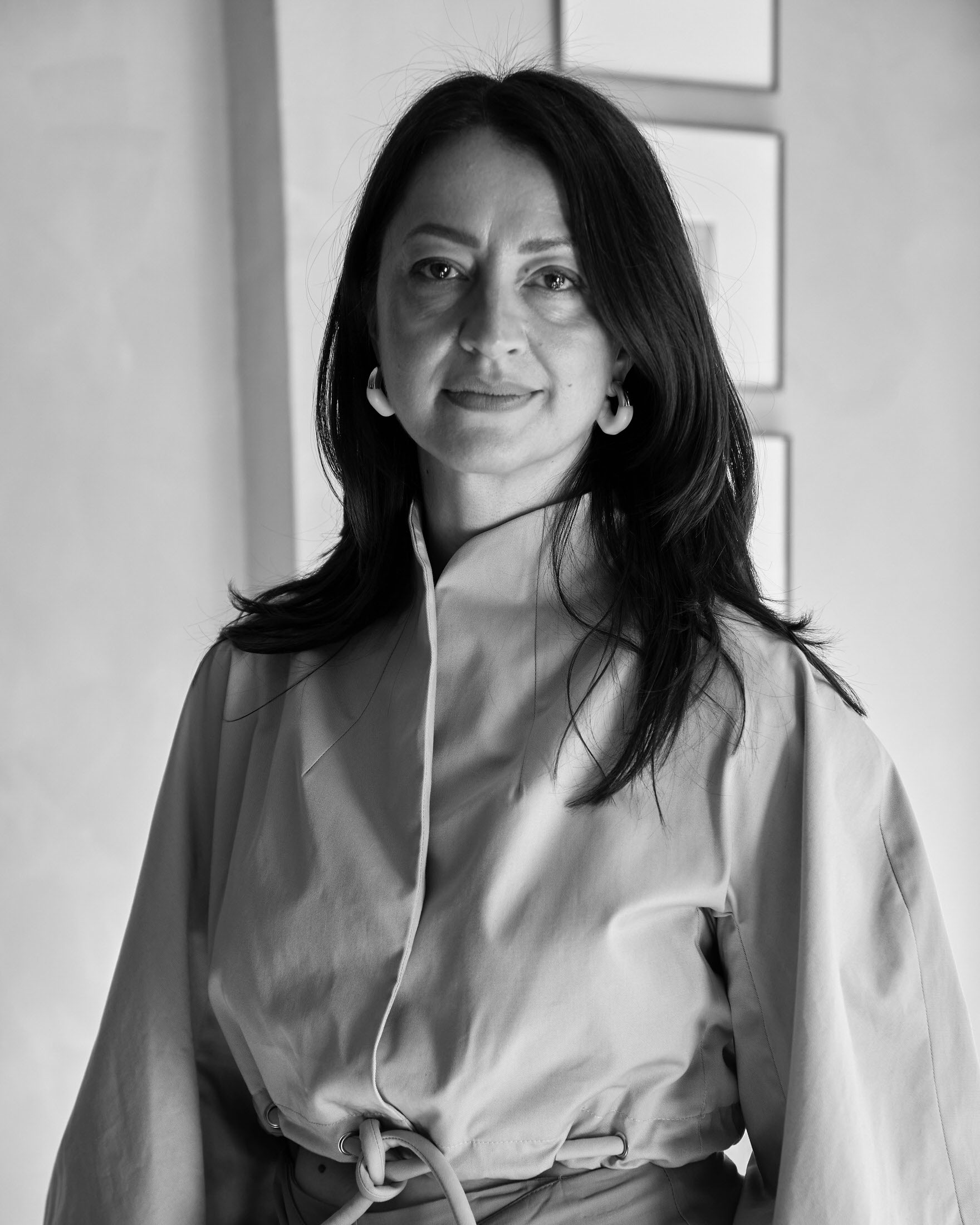
"Discernment is the new luxury. In an age of infinite choice, the ability to say 'no' to the noise and 'yes' to the meaningful is what separates a designer from a decorator." — Dana Tomić Hughes.
The Business of Design: Adapting to Global Volatility
Beyond the mood boards, Sightline dives deep into the harsh realities of the current real estate market. We are witnessing a significant "Real Estate Divide." Class A buildings—those with the highest sustainability credentials and flexible tech infrastructure—are outperforming older structures at an unprecedented rate. For interior designers, this creates a massive opportunity in adaptive reuse.
Old office blocks and warehouses are being reimagined not just as lofts, but as "third spaces" that blend work, wellness, and retail. This requires a sophisticated understanding of flexible lighting solutions and modular furniture systems that can adapt as the tenant's needs change.
Demographic intelligence is also playing a role. Designers are pivoting to address the "Longevity Economy," focusing on Baby Boomers who are aging in place with high expectations for luxury and accessibility. Conversely, Gen Z clients are demanding "value-driven" design, where every piece of furniture must have a traceable, ethical story. Balancing these two ends of the spectrum requires a level of professional agility that wasn't necessary five years ago.
Sightline 2026: Event Details & Professional ROI
The inaugural Sightline sessions in Sydney and Melbourne were designed to be more than just lectures. They are collaborative hubs where the industry's elite gather to benchmark their strategies against global standards. Leveraging over 10 years of global research from the Yellowtrace archives, Dana Tomić Hughes has curated a curriculum that filters the overwhelming influx of information into actionable insights.
The ROI for attendees is clear: strategic clarity. By the end of the morning session, professionals walk away with a macro view of the industry, a refined eye for upcoming material trends, and a strengthened network of peers and partners. The event is supported by industry leaders who understand that the future of design is collaborative rather than competitive.
Principal Partners for Sightline 2026 include:
- Fibonacci: Leaders in terrazzo and stone innovation, providing the material foundation for the new maximalist movement.
- Space Furniture: A cornerstone of high-end design procurement, showcasing the pieces that define the 2026 aesthetic.
FAQ
What is the "Sustainability Paradox" mentioned in the 2026 briefing? It refers to the conflict between the increasing demand for high-tech, smart-home features (which require energy and rare materials) and the urgent need for carbon-neutral, low-impact construction. Designers are now tasked with finding a "middle path" that uses technology to save more energy than it consumes.
How does "Bold Maximalism" differ from the maximalism of the past? Unlike the cluttered maximalism of previous decades, the 2026 version is highly curated. It focuses on "cultural expression" and "individualism," using saturated colors like Cobalt Blue and high-quality decorative finishes rather than just filling a room with objects. It is about personality, not just quantity.
Why is adaptive reuse becoming a priority for designers in 2026? As the demand for Class A sustainable buildings outstrips supply, older commercial structures are being left behind. Interior designers are leading the charge in converting these underutilized spaces into flexible, mixed-use environments, which is both more sustainable and economically viable than new construction.
Elevate Your Practice
The 2026 design landscape is not for the faint of heart. It requires a blend of aesthetic bravery and business acumen. As Dana Tomić Hughes aptly demonstrates through Sightline, the designers who thrive will be those who stop chasing the "next big thing" and start looking for the enduring patterns beneath the surface.