Quick Facts
- Designer: Ingo Maurer (1980).
- Materiality: Three tiers of handmade Japanese rice paper, suspended by thin metal cables.
- Signature Detail: A distinctive red-painted iron ring that serves as both a weight and a visual anchor.
- Current Market Price: Approximately $2,092 for the original masterpiece.
- Modern Alternative: The West Elm Gull Pendant ($399), which utilizes linen instead of traditional rice paper.
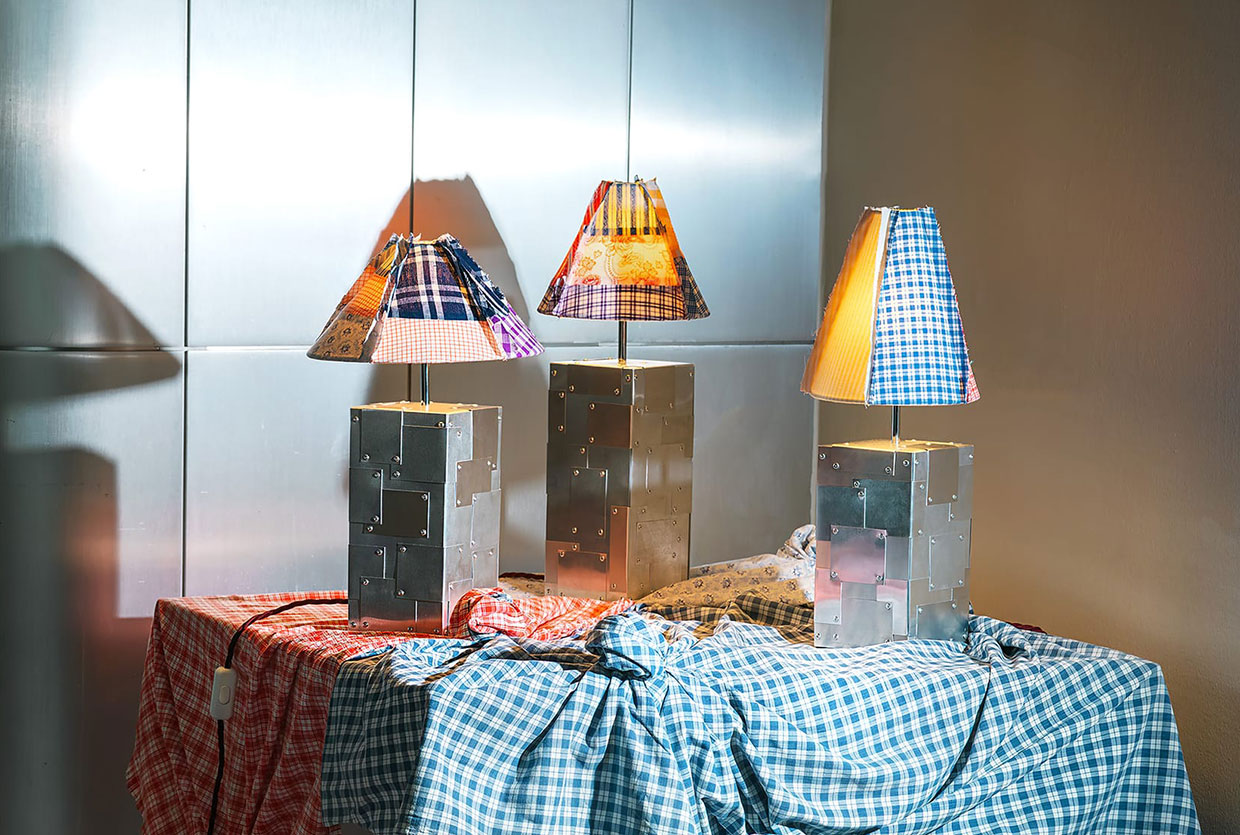
- 2026 Trend Forecast: A shift toward "Soft-Industrialism," where ethereal paper textures are paired with hand-welded steel and raw metals.
There is something inherently poetic about a material as fragile as paper being used to harness something as intangible as light. For over four decades, the Ingo Maurer Floatation light has been the ultimate expression of this poetry. As we look toward the interior design landscape of 2026, the obsession with "slow design" and tactile honesty has brought this 1980 masterpiece back to the forefront of the conversation. It isn’t just a lamp; it’s a mobile, an architectural statement, and a masterclass in diffused illumination. In a world of sleek, integrated LEDs, the Floatation reminds us that the most beautiful light is often the one that has to fight its way through a textured, organic surface.
The Legend of 1980: What Makes the Floatation Unique?
When Ingo Maurer first introduced the Floatation in 1980, it challenged the high-tech, polished aesthetic of the era. Instead of chrome and plastic, Maurer looked to the East, drawing inspiration from traditional Japanese craftsmanship. The fixture is composed of three tiered shades made from handmade Japanese paper. Because the paper is crinkled by design, it catches the light in a way that creates a rich, shifting patina of shadows and highlights.
The brilliance of the design lies in its suspension system. The shades are hung from thin metal cables, and the entire assembly is balanced by a signature red iron ring. This ring isn't just a decorative pop of color; it acts as the weight that keeps the delicate paper tiers in tension. It is this marriage of industrial necessity and ethereal beauty that has allowed the Floatation to remain a relevant market leader for over 45 years, influencing the "paper light renaissance" we are currently witnessing in the 2026 design cycle.
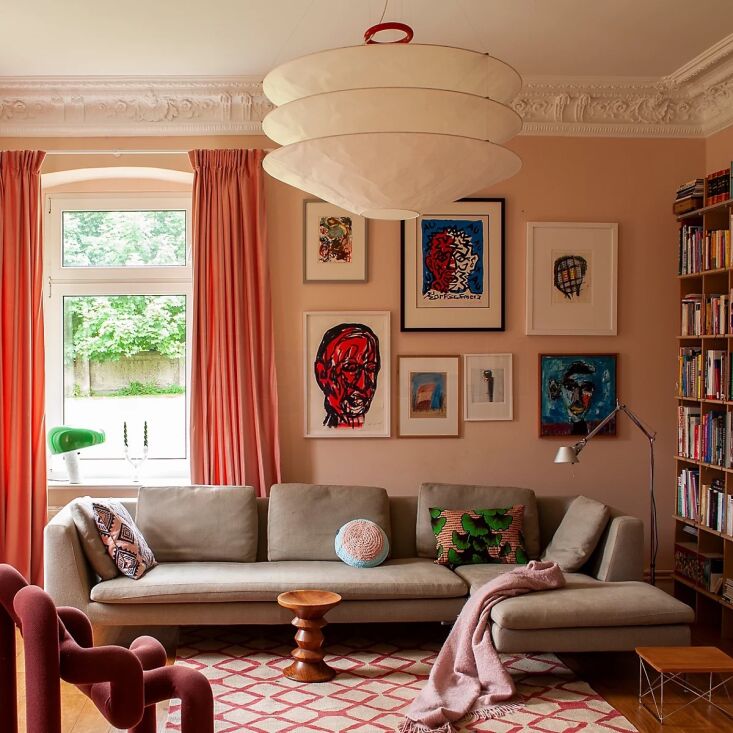
What truly separates the Floatation from its successors is its intentional "imperfection." The rice paper reacts to humidity and temperature, slightly changing its tension and crinkle over time. To own a Floatation is to own a living object. It provides a glow that is impossible to replicate with synthetic materials—a soft, warm, and deeply comforting light that seems to breathe within the room.
The 2026 'Paper Light Renaissance': Why Now?
As we move into 2026, the "Paper Light Renaissance" is hitting its stride. After years of hard surfaces—marble, brass, and polished concrete—homeowners are seeking a "glow-up" that prioritizes emotional wellness. The 2026 lighting shift is defined by "soft yet edgy" statements. Design enthusiasts are no longer content with simple paper lanterns; they want fixtures that treat fragile materials with the same architectural respect as stone or wood.
This evolution is characterized by several key factors:
- The Juxtaposition of Materials: We are seeing rice paper paired with heavy, industrial elements like hand-welded stainless steel and blackened iron.
- Sculptural Scale: 2026 is the year of the "oversized" pendant, where the light serves as the primary focal point of the room rather than a supporting player.
- Tactile Warmth: There is a move away from "cool" white light toward the amber, diffused tones that only multi-layered paper can provide.
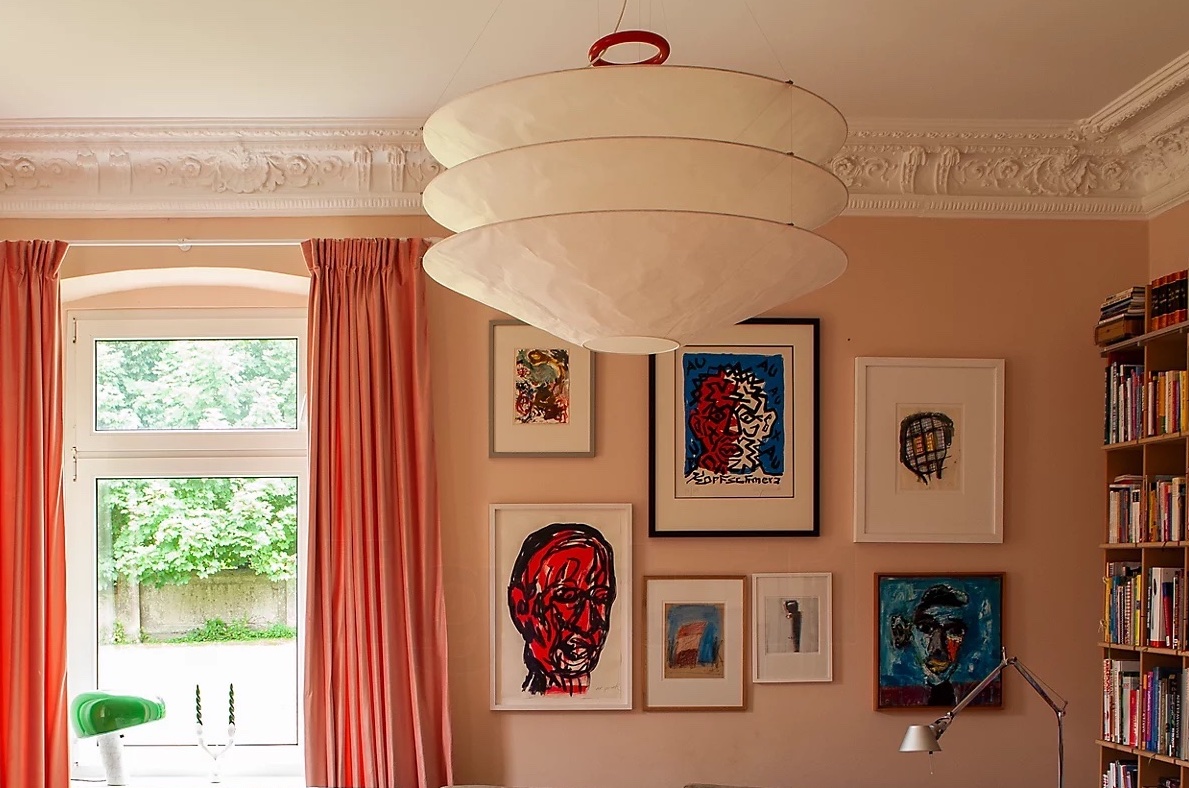
The Floatation fits perfectly into this 2026 ethos because it manages to be both substantial and weightless. It occupies a large volume of space without feeling heavy, making it the ideal solution for modern open-plan living where visual "breathability" is essential.
High vs. Low: The Ingo Maurer Floatation vs. West Elm Gull
For those looking to capture this aesthetic, the choice often comes down to the investment in an icon versus the practicality of a high-street alternative. The Ingo Maurer Floatation is a premium piece, maintaining a price point of roughly $2,092. This makes it approximately 5.2 times more expensive than high-street designer alternatives like the West Elm Gull Pendant ($399).
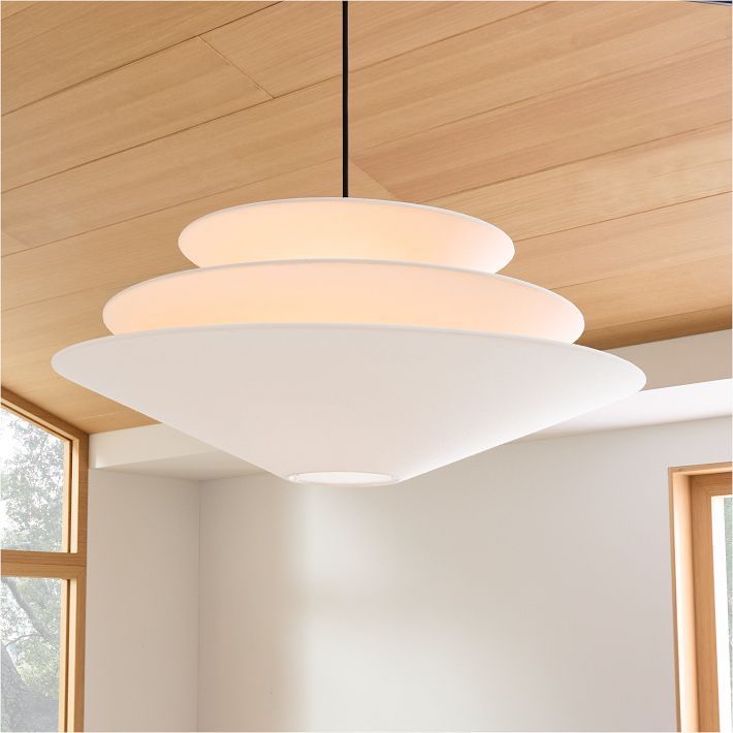
The West Elm Gull Pendant is a beautiful piece in its own right, offering a similar tiered silhouette that appeals to the "quiet luxury" crowd. However, the differences in materiality and construction are significant.
| Feature | Ingo Maurer Floatation | West Elm Gull Pendant |
|---|---|---|
| Price | ~$2,092 | ~$399 |
| Material | Handmade Japanese Rice Paper | White Linen |
| Support | Delicate metal cables & red iron ring | Visible metal frame and fabric cord |
| Light Quality | Highly diffused, textured glow | Uniform, soft light |
| Sizes | 3 Sizes (75cm, 100cm, 120cm) | Standard Single Size |
While the original uses rice paper, the West Elm Gull Pendant opts for a sturdy white linen. Linen is far more durable and easier to clean than rice paper, making it a better choice for high-traffic areas or homes with young children. However, linen lacks the "crinkle" and the organic translucency of the Maurer original.
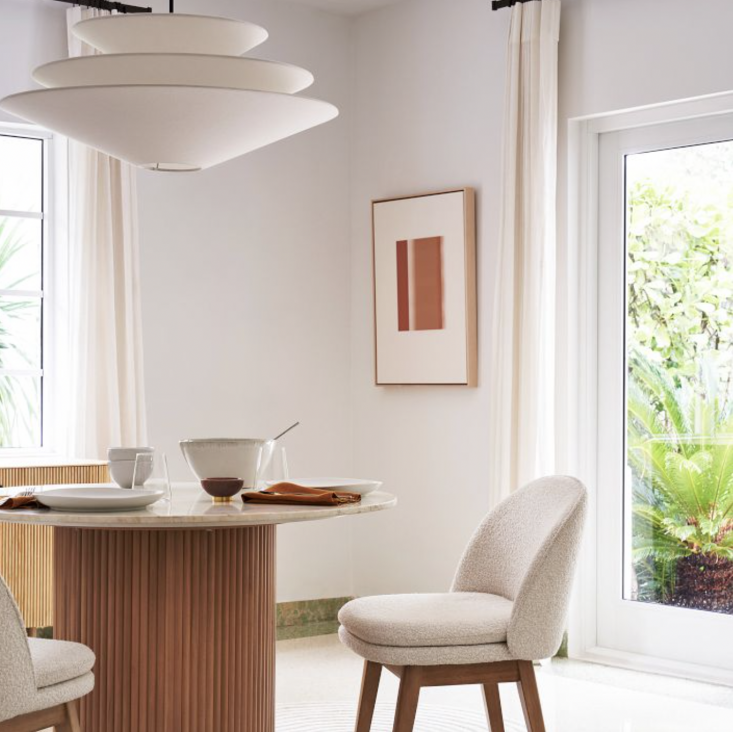
The price discrepancy is largely a reflection of the labor-intensive process of creating the Floatation. Each shade is handmade, and the suspension system is a piece of precision engineering. While the Gull Pendant provides the look of a designer tiered light, the Floatation provides the soul of a historical icon.
Designing with Paper Suspension: The 2026 Rules
In my years as an editor, I’ve seen many beautiful lights ruined by poor placement. When dealing with a piece as significant as the Floatation or the Gull, scale and proportion are everything. If the light is too small, it looks like a lonely cloud; if it's too large, it swallows the room.
Design Quick-Fact: The Diameter Rule To find the perfect diameter for your suspension light, add the length and width of your room in feet. That sum, in inches, is the ideal diameter for your fixture. For example, a 12' x 16' room (12+16=28) would ideally suit a 28-inch diameter light.
Placement and Height Requirements
- The 7-Foot Rule: For walkways and open living areas, the bottom of the fixture should be at least 7 feet above the floor to ensure clearance for guests.
- Dining Table Proportions: If hanging over a dining table, the fixture should be between 1/2 and 2/3 the width of the table. In 2026, we are leaning toward the 2/3 side for a more dramatic, "cocooning" effect.
- Hanging Height: Maintain a distance of 30 to 36 inches between the bottom of the lamp and the table surface. This creates an intimate pool of light without obstructing the view across the table.
Wellness and Circadian Rhythms
Modern interior design is increasingly focused on how our environments affect our nervous systems. The Floatation is a "wellness" light because of its diffusion. Hard light sources can trigger a stress response, whereas the multi-layered paper of the Floatation mimics the natural filtering of sunlight through leaves. This supports healthy circadian rhythms, making it the perfect choice for living rooms and bedrooms where winding down is the priority.
Beyond the Pendant: Other Paper Icons to Watch
While the Floatation is the undisputed king of tiered paper lights, the Ingo Maurer studio has other icons that are seeing a resurgence. The Maru is a single-shade version that offers a more minimalist take on the same Japanese paper, while the Lampampe table lamp provides a sculptural, slightly "melted" look that feels incredibly fresh in a 2026 context.
We are also seeing a rise in "Cocoon" shapes and sculptural squiggles. Designers are moving away from perfect spheres toward irregular, biomorphic forms that look like they were grown rather than manufactured. These pieces work beautifully alongside the Floatation, creating a "collected" look that feels curated over time rather than bought from a single showroom.
FAQ
Q: Is the Ingo Maurer Floatation light difficult to clean? A: Because it is made of handmade paper, you cannot use water or cleaning sprays. The best way to maintain it is with a canister of compressed air or a very soft, dry microfiber duster. It is a piece for "low-dust" environments.
Q: Can I use LED bulbs in an Ingo Maurer Floatation? A: Yes, but the quality of the light is crucial. To maintain the intended "warmth" of the design, look for high-CRI (Color Rendering Index) LED bulbs with a color temperature between 2200K and 2700K.
Q: Does the paper yellow over time? A: High-quality Japanese rice paper is remarkably resilient, but like all natural fibers, it can develop a slight patina over decades if exposed to direct, harsh sunlight. Most collectors find this adds to the "vintage" charm of the piece.
Final Thoughts
Is the Ingo Maurer Floatation Light still the ultimate icon of paper suspension in 2026? Absolutely. While the West Elm Gull and other high-street alternatives have made the tiered paper aesthetic accessible to a wider audience, they haven't replaced the original. The Floatation remains the gold standard because it understands that lighting is about more than just visibility—it’s about atmosphere, tension, and the delicate balance between the industrial and the organic. Whether you invest in the 1980 original or a 2026-inspired alternative, bringing the warmth of paper into your home is a design choice you won’t regret.